REVIEW · KATHMANDU
annpurna base camp trekking
Mountain mornings come early in Nepal. This 12-day Annapurna Base Camp trek combines village trails, a Poon Hill sunrise, and the high mountain setting of Annapurna Sanctuary. I especially like the sensible route from Ulleri through Ghorepani, Tadapani, and Chhomrong, and the strong record of personal support from guides such as Ram Shahi, Resham Gurung, Lok, and Nanda Gurung. The main consideration is physical: several days involve four to six hours of walking, and the ninth day reaches about eight hours.
You begin with airport pickup in Kathmandu and finish with a bus ride back from Pokhara. The private format is useful if your group has mixed abilities, since the pace and arrangements can be handled for your party rather than a large shared group. At $1,100 per person, the price is not a budget walk, but it covers a carefully arranged mountain journey with transport between Kathmandu, Pokhara, and the trail.
Key Details Before You Book
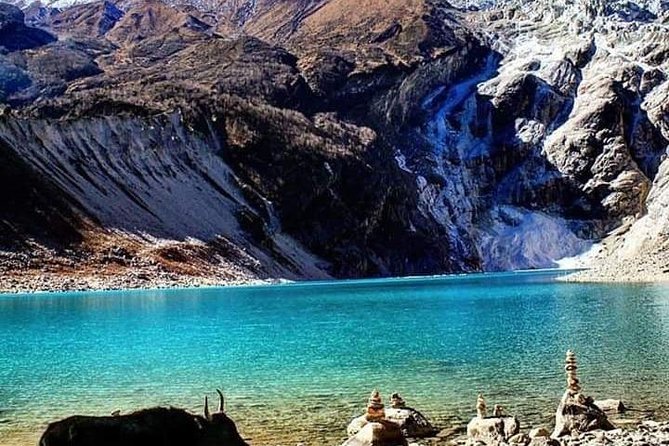
- Poon Hill sunrise adds a memorable viewpoint before the route turns deeper toward Annapurna Base Camp.
- The route includes Ulleri, Ghorepani, Tadapani, Chhomrong, Bamboo, and Deurali, giving you a varied walk through mountain settlements and forested sections.
- Day nine is the toughest listed day, with an early walk from Machhapuchhare Base Camp to Annapurna Base Camp, followed by the long return to Bamboo.
- A private group format gives you more control, which can help when fitness levels differ.
- Guide care is a major strength, with past trips praising Ram Shahi, Resham Gurung, Lok, and Nanda Gurung for patience, local insight, and handling problems.
- The trip starts and ends at Tribhuvan International Airport in Kathmandu, with a Pokhara transfer built into the plan.
Why This Trek Works as a First Himalayan Adventure
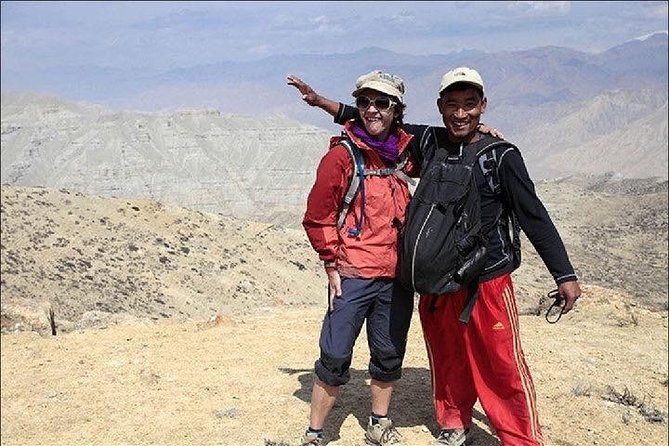
Annapurna Base Camp is a good choice if you want a serious Himalayan walk without committing to a three-week expedition. The route reaches a dramatic high point, but it also gives you gradual walking days, village stops, and a built-in acclimatization rhythm through changing elevations.
You are not simply driven to a viewpoint and returned to town. Most of the experience comes under your own feet. The trail links small settlements and mountain lodges, and the daily walks are long enough to feel like a real trek.
I like the balance here. You get the famous sunrise at Poon Hill, a cultural route through places such as Chhomrong, and the high mountain destination at Annapurna Base Camp. The drawback is that the schedule leaves little room for a relaxed day. If weather or fatigue causes a delay, the planned sequence may need to change.
The tour is private, so only your group participates. That matters if one person walks slowly, another needs more breaks, or your group wants time for questions. Past accounts describe guides adjusting plans for mixed fitness levels, children, faster walkers, and people dealing with medical problems. That does not remove the physical demands, but it gives you a better chance of receiving practical help along the way.
A few more treks around Kathmandu worth a look
- Everest Base Camp Trek – 14 Days
★ 5.0 · 1,499 reviews - Everest Base Camp Trek
★ 5.0 · 842 reviews - Everest Base Camp Trekking
★ 5.0 · 485 reviews
Day One: Kathmandu Airport and Your First Night
Your guide or representative meets you at Tribhuvan Airport in Kathmandu. Pickup is offered, which is helpful after a long international flight and saves you from negotiating a taxi while tired.
The first night is spent at a hotel. This is mainly a settling-in day, not a mountain walk. You can use it to recover from travel, organize your bags, and confirm the next morning’s transport.
The meeting information gives operating hours of 8:15 AM to 5:15 PM, Monday through Sunday, for the stated booking period. Confirm the exact pickup time before arrival, since airport transfers and road schedules can change.
Day Two: Pokhara to Nayapool, Then the Stone Steps to Ulleri

The route moves from Pokhara to Nayapool, followed by a walk to Ulleri of about four hours. This is your first proper trail day, and it introduces the pattern that defines the trek: vehicle travel at lower elevations, then steady walking through mountain communities.
Ulleri is reached by a route known for substantial uphill walking. The supplied plan does not give an elevation figure, so you should focus less on numbers and more on effort. Four hours on a mountain trail can feel very different from four hours on a flat city path.
This day is a useful test of footwear, pacing, and pack weight. Walk slowly from the start. You will gain more from a steady rhythm than from trying to keep up with the fastest person in your group.
Day Three: Ulleri to Ghorepani in About Five Hours
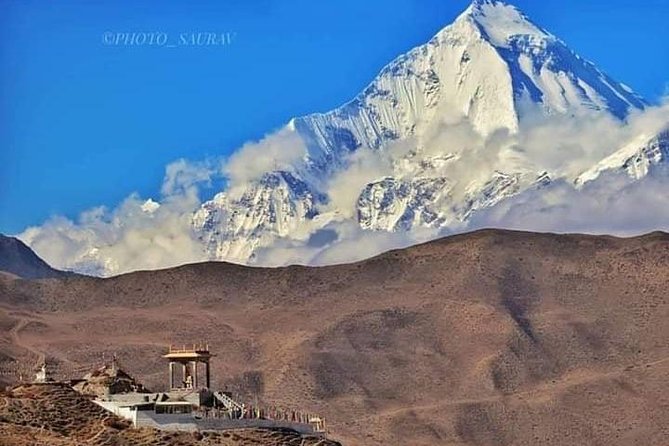
The walk from Ulleri to Ghorepani takes about five hours. Ghorepani is one of the best-known stops on this route because it places you near Poon Hill, the next morning’s sunrise viewpoint.
The change from four hours to five hours is not huge, but fatigue can accumulate. Your legs have already handled the approach to Ulleri, and this day continues the climb. A guide can help you choose a sensible pace and keep the group together.
Ghorepani also gives the trip a social feel. You spend the night in a mountain settlement used by people walking the Annapurna route, rather than stopping in an isolated high camp. Expect a practical overnight stop built around rest before an early morning.
Same trailhead, a longer or shorter day out:
- Annapurna Circuit Trek with Tilicho Lake
★ 5.0 · 368 reviews - Everest Base Camp Trekking – 13 Day
★ 5.0 · 365 reviews - Everest Base Camp Trek
★ 5.0 · 350 reviews - Everest Base Camp Trek -14 Days
★ 5.0 · 321 reviews
Day Four: Poon Hill Sunrise and the Walk to Tadapani
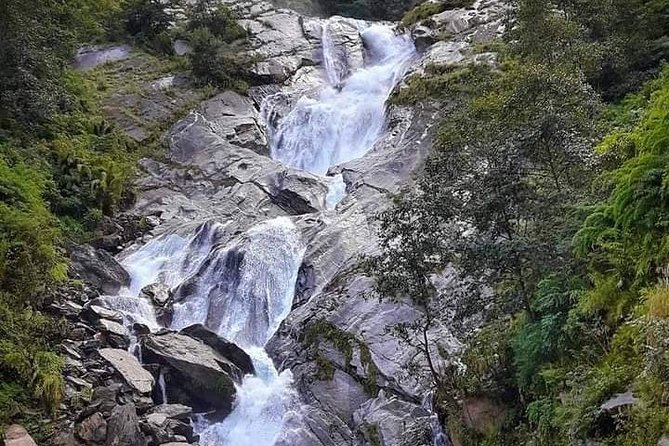
This is one of the strongest days of the trip. You rise early for the walk to Poon Hill, watch the sunrise, then continue toward Tadapani. The full walking time is listed at about six hours.
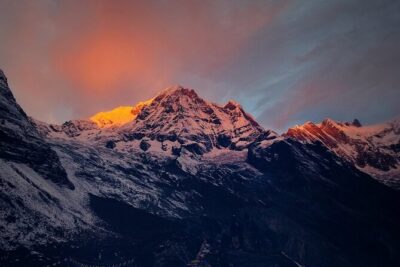
Poon Hill is valuable because it delivers a major mountain view without requiring a separate long expedition. The early start is the price. Bring warm layers that you can remove later, since sunrise conditions can feel very different from the afternoon trail.
After Poon Hill, the route continues to Tadapani. That makes the day more than a viewpoint outing. You get the reward of the sunrise, then keep moving through the Annapurna foothills.
This is also where the private format can help. A group that wants extra time at the viewpoint can discuss it with the guide, while a group feeling tired can keep the stop practical. The schedule still matters, so do not assume you can linger without affecting the rest of the day.
Day Five: Tadapani to Chhomrong
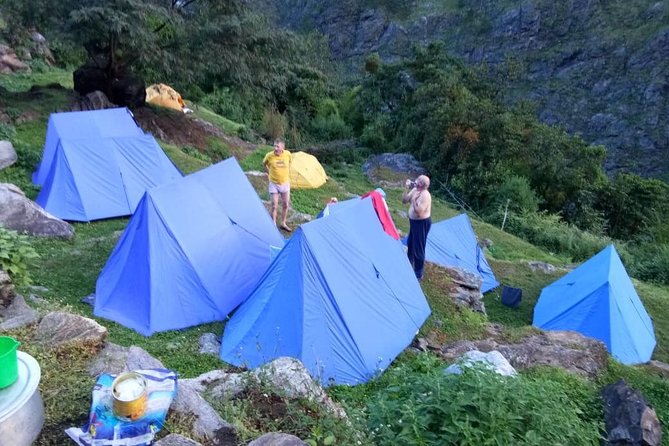
The walk from Tadapani to Chhomrong takes about four hours. Compared with the previous day, this is a shorter walking day, giving you some breathing room after the Poon Hill sunrise.
Chhomrong is an important settlement on the way toward Annapurna Base Camp. It is not just a place to sleep. Its position makes it a natural transition between the lower mountain route and the higher trail leading toward Bamboo and Deurali.
I like this part of the plan because it avoids stacking every long day together. You have a major sunrise and six-hour walk, then a shorter day that still moves you closer to the base camp.
Day Six: Chhomrong to Bamboo
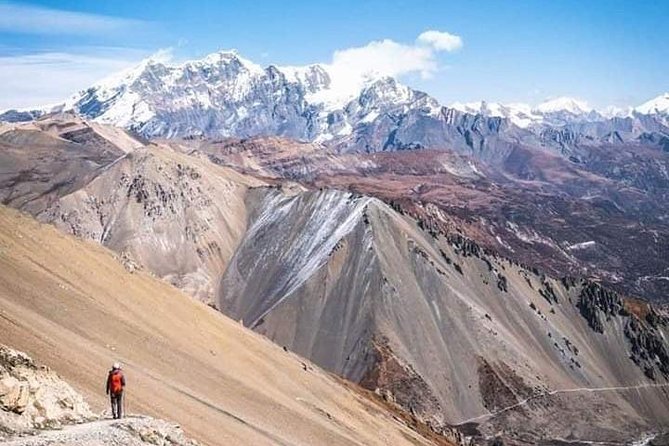
The route from Chhomrong to Bamboo takes about four hours. This is where the trip begins to feel more focused on the sanctuary route rather than the Poon Hill circuit.
Bamboo is a practical overnight stop on the way to Deurali. The walking time is moderate, but do not mistake that for an easy stroll. Mountain trails often include repeated uphill and downhill sections, and the cumulative effect matters more than the daily number alone.
You may also notice a change in the feel of the route. The itinerary moves away from the larger settlements and toward a more concentrated mountain journey. Your guide’s help becomes more useful here, particularly for pacing and choosing suitable rest stops.
Day Seven: Bamboo to Deurali
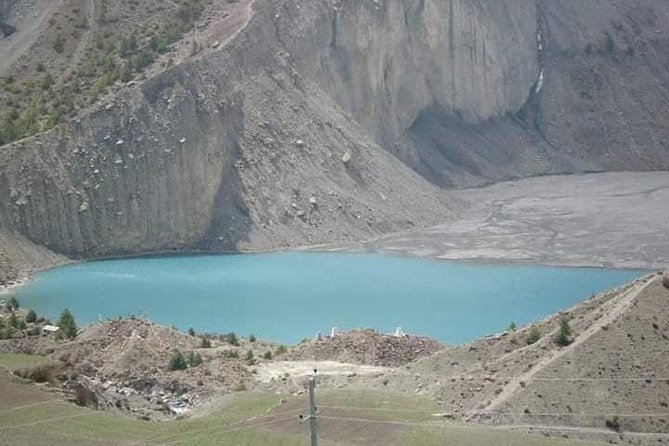
Bamboo to Deurali takes about five hours. You are now preparing for the high point of the trek, so this day should be treated as a controlled effort rather than a race.
Deurali is the final listed overnight stop before Machhapuchhare Base Camp. The name signals how the trip is progressing: each day brings you farther into the mountain route and closer to the base camp goal.
This is a good evening to check your clothing, water, and personal essentials. Keep the next morning’s items easy to reach. You do not want to sort through every bag before an early start.
Day Eight: Deurali to Machhapuchhare Base Camp
The walk from Deurali to Machhapuchhare Base Camp takes about five hours. This is a major transition day, as the route leaves the lower trail behind and brings you into the high mountain setting around Machhapuchhare.
Machhapuchhare is also known as Fish Tail, a name linked to its distinctive shape. The supplied information does not promise a particular viewing condition, so keep expectations practical. Weather can affect what you see, and the tour specifically notes that poor weather may require cancellation or a different date.
At this stage, the private guide arrangement is especially valuable. You can ask for a slower pace or more frequent breaks without having to match a large group. The walk still requires moderate physical fitness, and no guide can make steep trail sections disappear.
Day Nine: Machhapuchhare Base Camp to Annapurna Base Camp and Bamboo
This is the demanding day. You walk from Machhapuchhare Base Camp to Annapurna Base Camp, then continue back to Bamboo, for about eight hours in total.
The early section leads to the main destination of the trip. Annapurna Base Camp is the emotional high point, with the route bringing you into the Annapurna Sanctuary and close to the surrounding high peaks. The experience is not only the arrival. It is also the knowledge that you reached the destination on foot after several days of steady progress.
The return to Bamboo makes this day much harder than a simple out-and-back viewpoint walk. You should expect fatigue by the second half. Follow the guide’s pace, keep your breaks sensible, and do not spend all your energy at the base camp if you still have a long descent ahead.
This schedule is efficient, but it is not luxurious. If you want more time at Annapurna Base Camp, ask about the exact timing before booking. The supplied plan clearly includes the return to Bamboo on the same day.
Day Ten: Bamboo to Jhinu Danda
The walk from Bamboo to Jhinu Danda takes about six hours. After the long previous day, six hours can feel substantial, but this stage begins the return toward lower ground.
Jhinu Danda is known on the route as a place associated with hot springs, but the supplied tour details do not specifically promise a hot spring visit. Ask the provider if that stop is included before you count on it.
The value of this day is the change in pace and direction. You are no longer pushing toward the high destination. You are working your way out, with the trek’s final mountain settlements ahead.
Day Eleven: Jhinu Danda to Nayapool, Then Pokhara
The final walking day takes about six hours from Jhinu Danda to Nayapool. From there, you drive to Pokhara.
This is a satisfying finish because the route ends with a clear transition from trail to road. You have completed the walking section, but you are not yet finished with the journey. Allow yourself time to rest once you reach Pokhara.
The plan does not provide a detailed Pokhara hotel arrangement, so confirm what is included in the $1,100 price. That is one of the practical questions I would ask before paying, along with porter arrangements, meals, permits, and accommodation details.
Day Twelve: Tourist Bus Back to Kathmandu
The final day is a drive from Pokhara to Kathmandu by tourist bus. The journey closes the loop and returns you to the original meeting point at Tribhuvan Airport in Kathmandu.
Road travel in Nepal can take longer than expected, but no travel time is provided here. Do not schedule a tight international flight immediately after the bus arrives unless the provider confirms the timing. A little breathing room is wise.
The tour ends back at the meeting point. Pickup is offered at the start, and the stated end point is the same Kathmandu meeting location.
Guides, Support, and the Human Side
The strongest part of this experience is the attention from the guide team. Ram Shahi is repeatedly associated with Annapurna and Poon Hill trips, with past guests praising his calm manner, humor, local explanations, and ability to organize help during medical problems.
Resham Gurung is also associated with the Annapurna route. He is described as highly experienced in the terrain and willing to assist people beyond his own immediate group. Lok is praised for friendly help and good English, while Nanda Gurung is described as attentive, humble, and fond of the mountains.
Guide assignments can change, so treat these names as examples of the company’s guide pool rather than a guarantee. Ask who will lead your group and what language support is available.
Safety support is another positive point. Past accounts describe guides arranging transport during medical emergencies and helping with hospital or helicopter arrangements. That is reassuring, but it is not a replacement for travel insurance. The experience requires moderate fitness and takes you into remote mountain areas.
Is $1,100 Good Value?
At $1,100 per person, this is a significant purchase. The value depends on what the operator includes, and the supplied information does not break down meals, permits, accommodation, porter service, or internal transport costs.
The price does cover a 12-day structure with Kathmandu pickup, Pokhara transfers, a private group, guide support, and the full Annapurna Base Camp route as described. For someone who does not want to arrange each hotel, road transfer, and mountain stop alone, that organization may be worth the cost.
Before booking, ask for a written list of inclusions. You need to know exactly what happens at the hotel in Kathmandu, where you sleep along the trail, and what is covered during the Pokhara and bus sections.
The published record is very strong, with a 5 out of 5 rating from 44 ratings and a 100 percent recommendation figure. I would still treat those numbers as one part of the decision. The route itself is demanding, and a happy outcome depends on your fitness, weather, guide assignment, and clear understanding of inclusions.
Who Should Choose This Annapurna Route?
I would recommend this trek to you if you want a full Himalayan walking experience in about 12 days, enjoy changing scenery and village stops, and can handle four to eight hours of walking on successive days.
It suits people who value a private group and want a guide to manage practical details. It also works well for mixed-ability groups, provided everyone understands that the schedule still includes long days.
I would hesitate to recommend it if you want a soft adventure, dislike early starts, or have not prepared for sustained uphill and downhill walking. The Poon Hill sunrise and Annapurna Base Camp finish are rewarding, but neither comes free.
The cancellation terms offer a reasonable safety net. You can cancel at least 24 hours before the start for a full refund. Poor weather or failure to meet the minimum group requirement can also lead to a new date, a different experience, or a full refund.
Should You Book It?
Book this trek if you want a structured route with a strong guide focus, a private group, and two major goals: Poon Hill at sunrise and Annapurna Base Camp. I especially like the way the route builds from Ulleri and Ghorepani toward Chhomrong, then reaches the sanctuary before returning through Pokhara.
Ask for the exact inclusions and guide name first. If you are comfortable with the eight-hour base camp day and can accept basic mountain travel, $1,100 may be fair value for the organization and support. If you need a slower schedule, request changes before booking rather than hoping the route will adjust itself.
FAQ
Where does the Annapurna Base Camp trek begin?
The experience begins at Tribhuvan Airport in Kathmandu, Nepal, where pickup is offered.
How long does the trek last?
The full experience lasts approximately 12 days.
Is the tour private?
Yes. Only your group participates in this private tour or activity.
What level of fitness is required?
A moderate level of physical fitness is required. Listed walking days range from about four to eight hours.
Does the route include Poon Hill?
Yes. The plan includes an early visit to Poon Hill for sunrise on the fourth day.
Where does the experience end?
The activity ends back at the meeting point in Kathmandu after the tourist bus journey from Pokhara.
Can I cancel for a full refund?
Yes. You can cancel at least 24 hours before the experience start time for a full refund. Changes or cancellations made less than 24 hours in advance are not accepted for a refund.
Recently added around Kathmandu
- Ghorepani Poon Hill Trek★ 5.0 · 16 reviews
- Private Manaslu Circuit Trek at Himalayas★ 5.0 · 3 reviews
- Amazing 1 Day Trekking Experience in Kathmandu Nepal★ 5.0 · 24 reviews
- Ghorepani Poonhill Trek★ 5.0 · 5 reviews
- Upper Mustang Trekking★ 5.0 · 2 reviews
- Upper Mustang Trekking★ 3.0 · 2 reviews
- Upper Mustang Trekking★ 5.0 · 4 reviews
- Upper Mustang Trek★ 5.0 · 5 reviews
Kathmandu Trekking Tours, compared.