REVIEW · KATHMANDU
Pikey Peak Trekking
A quiet Himalayan summit can still deliver giant views. This 8-day Pikey Peak trek links Phaplu, Pattale, Jhapre, Pikey Peak, Lamajura, and Junbesi, with broad views toward Everest, Makalu, Kanchenjunga, and other major peaks. I like the quieter route and the strong cultural element in the villages. My main caution is the price: at $1,435.90 per person, you should confirm exactly what transport, lodging, permits, and guide services cover.
I also like that this is a private trip, so your group is not tied to strangers or a fixed public schedule. Guides named in past accounts include Dawa Sherpa, Jay Bir, Hiese Lama, Nee-ma Sherpa, and Pasang. The trade-off is that this is still a serious mountain trek, not a casual sightseeing walk, and the supplied details give only a general route rather than a full day-by-day schedule.
Key things to know before booking
- Pikey Peak reaches 4,067 meters, high enough for striking Himalayan views but below the altitude of many famous Everest-region treks.
- The route begins and ends at Phaplu, passing through Kerung, Pattale, Jhapre, Pikey Peak, Lamajura, and Junbesi.
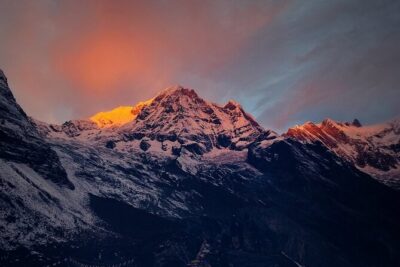
- Sunrise and sunset are major rewards, with views toward Everest, Makalu, Kanchenjunga, Annapurna, Gaurishankar, Lhotse, Nuptse, Numbur, Sishapangma, Thamserku, and Mera Peak.
- The villages are part of the experience, not just overnight stops. The route is praised for its local culture and quieter trails.
- Full-board trek meals are included, but hard and soft drinks are not.
- A moderate fitness level is required, and the tour is private rather than a shared group departure.
Why Pikey Peak is a smart alternative in the Himalayas
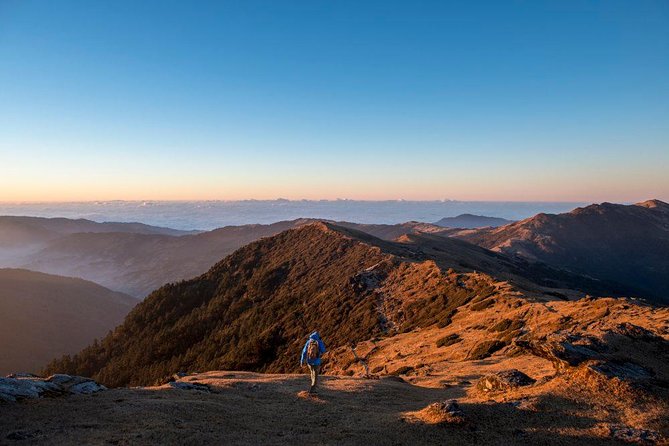
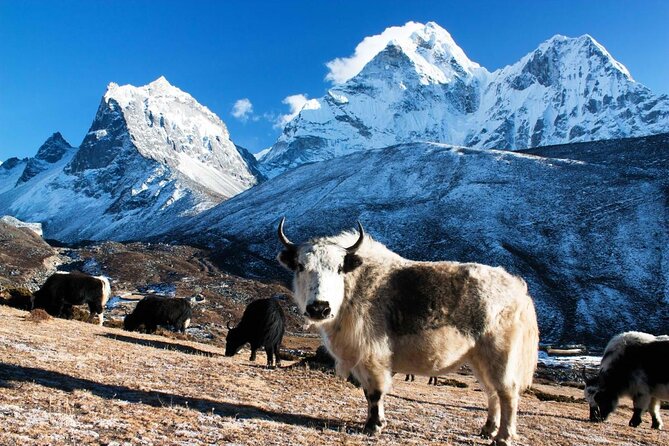
Pikey Peak sits in the Solu Khumbu Region and rises to 4,067 meters. That puts you in a high alpine setting with serious mountain views, but the trip is shorter than many better-known Himalayan routes. For me, that is the main appeal. You get an eight-day trek with a clear summit goal, village life, and wide views without committing to a much longer itinerary.
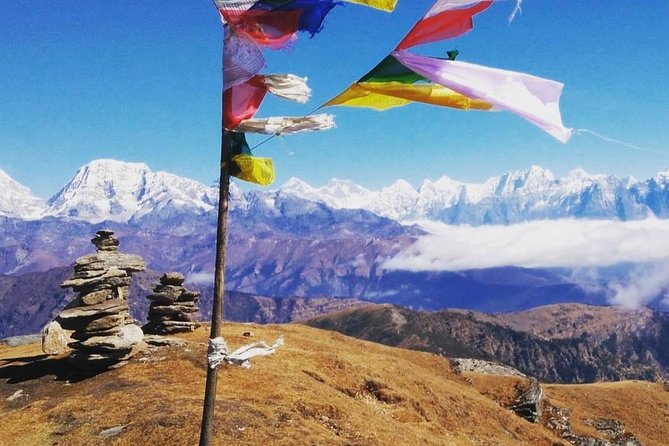
The summit is especially appealing for anyone who wants to see several Himalayan ranges from one viewpoint. On a clear day, the view can include Everest, Makalu, Kanchenjunga, Annapurna, Gaurishankar, Lhotse, Nuptse, Numbur, Sishapangma, Thamserku, and Mera Peak. That is a remarkable list for one hilltop.
You should keep expectations sensible. Mountain visibility depends on conditions, and the supplied information does not promise that every peak will be visible on every departure. The value is in the combination of summit views, quiet paths, and village stops rather than in a guaranteed checklist of mountains.
The trek is also a good fit if you prefer a more personal trip. Since only your group participates, you can share the experience with your own companions rather than adjusting to a large mixed party. That private format matters on a trek, where walking speed, rest breaks, and comfort can vary widely.
A few more treks around Kathmandu worth a look
- Everest Base Camp Trek – 14 Days
★ 5.0 · 1,499 reviews - Everest Base Camp Trek
★ 5.0 · 842 reviews - Everest Base Camp Trekking
★ 5.0 · 485 reviews
Starting at Phaplu and moving through Solu Khumbu
The route begins and ends at Phaplu, with the meeting point listed as Tribhuvan International Airport in Kathmandu at 6:15 am. That early start is important. You are not simply meeting in central Kathmandu later in the morning, so you need to plan your first-day schedule around the airport meeting point.
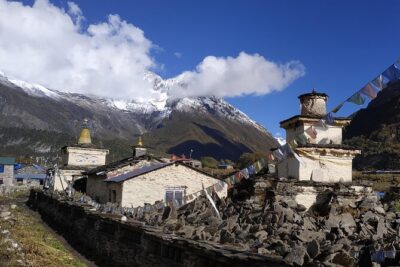
The route then passes through several settlements, including Kerung, Pattale, and Jhapre. These places give the trek its character. Instead of spending the entire trip on a narrow mountain path with little human contact, you move through communities where daily life is part of the view.
Pattale is particularly useful as a route marker because it is one of the named settlements along the approach to Pikey Peak. Jhapre also forms part of the trail sequence before the summit section. The available information does not provide exact walking hours or elevation gains for each day, so you should request the operator’s detailed schedule before paying.
That missing detail is not a small matter. On a trek, the difference between four hours and seven hours of walking changes your packing, food, and fitness planning. Ask for the overnight stops, estimated walking times, transport arrangements, and the altitude of each night’s accommodation.
The approach through Kerung, Pattale, and Jhapre
The first part of the route is about getting away from Kathmandu and into the hills around Solu Khumbu. Kerung, Pattale, and Jhapre are more than names on a map. They break the journey into manageable stages and bring you into contact with the settlements that make this route feel less like a summit race.
I like this section because it gives you time to adjust to the rhythm of trekking. The route is not presented as a quick push to the high point. Instead, you pass through villages and gradually move toward the alpine section.
One account described the route from Shivalaya as beautiful and unusually quiet, with long stretches of trail to themselves. The advertised route begins and ends at Phaplu, so you should clarify the exact transport and trail connection if your plan includes Shivalaya. The important point is that this area can feel far less crowded than the best-known routes closer to Everest Base Camp.
The quiet is a real benefit, but it also means you should not expect the same range of services found on Nepal’s busiest trekking corridors. Confirm what food, accommodation, and support are arranged in advance. Full-board meals are included during the trek, which reduces the need to budget for ordinary meals, but drinks remain your responsibility.
Reaching Pikey Peak at 4,067 meters
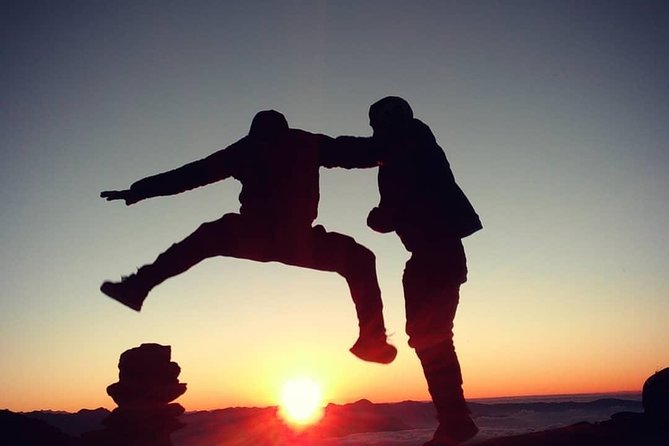
Pikey Peak is the central prize of the route. At 4,067 meters, it provides a high viewpoint without being described as an extreme mountaineering objective. You still need to take altitude seriously, though. The tour specifies moderate physical fitness, and that wording should not be treated as a free pass for anyone unused to long uphill walks.
The best reason to reach the summit is the view in every direction. Everest and the eastern Himalayan ranges are the headline sights, but the wider list includes Makalu, Kanchenjunga, Annapurna, Gaurishankar, Lhotse, Nuptse, Numbur, Sishapangma, Thamserku, and Mera Peak.
I especially like that sunrise and sunset are named as attractions. A mountain view at midday can be impressive, but the early and late light gives Pikey Peak its strongest visual moments. One account described seeing the Everest range as the sun rose and called it extraordinary. You should ask how the planned overnight stops support sunrise or sunset viewing, since the exact schedule is not supplied.
Do not assume that reaching the top is the only meaningful moment. The approach to Pikey Peak matters just as much. The changes from village paths to higher, more open terrain are part of the reward, and the summit works best as the high point of several days rather than a quick photo stop.
Same trailhead, a longer or shorter day out:
- Annapurna Circuit Trek with Tilicho Lake
★ 5.0 · 368 reviews - Everest Base Camp Trekking – 13 Day
★ 5.0 · 365 reviews - Everest Base Camp Trek
★ 5.0 · 350 reviews - Everest Base Camp Trek -14 Days
★ 5.0 · 321 reviews
Lamajura and the return through Junbesi
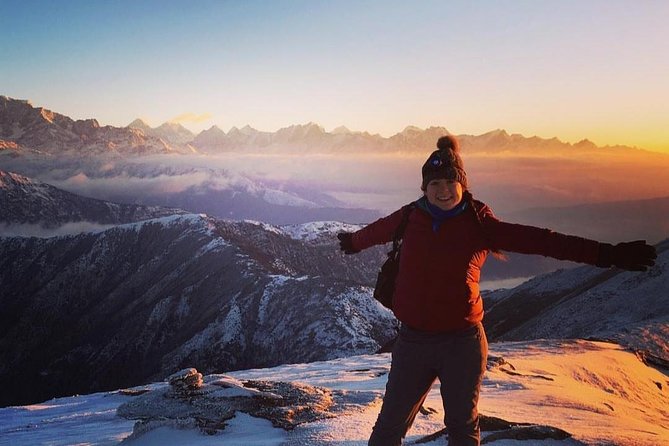
After Pikey Peak, the route continues through Lamajura and Junbesi before returning to Phaplu. This gives the trek a useful shape. You are not simply walking up and turning around on the same path. The return section offers different villages and scenery, even though exact daily details are not provided.
Junbesi is one of the best-known names in the route description, and its place near the end of the trek adds cultural interest after the summit. The trip is repeatedly praised for its local villages and cultural experience, especially for people who feel unsure about committing to a higher Himalayan journey.
That makes the return route valuable for more than recovery. You can pay closer attention to settlement life, local movement, and the changing character of the trail after the main summit goal is complete. A trek can become all about altitude if the route is poorly planned. Here, village stops remain central.
Lamajura is another important transition point. Since the supplied itinerary does not provide a detailed map or daily breakdown, ask whether the return from Pikey Peak to Lamajura and Junbesi is divided into comfortable stages. At altitude, a reasonable pace matters more than squeezing an extra stop into the schedule.
Quiet trails and a stronger cultural side
The most praised part of this experience is not just the mountain view. It is the combination of solitude and culture. One account described having the trail almost entirely to themselves, while another called the trip the best cultural experience in the lower Himalayas.
That description makes sense from the route itself. You move through Kerung, Pattale, Jhapre, Lamajura, and Junbesi rather than staying only in a large trekking hub. The villages are woven into the journey, so you get a better sense of the region as a lived-in place.
I would choose this trek if you want Himalayan scenery with a slower, more local feel. I would not choose it if your only goal is a famous base camp sign or the largest possible trekking infrastructure. Pikey Peak offers a different kind of satisfaction: fewer crowds, a private group, and time in settlements along the way.
The quiet can also require patience. Remote trails do not offer the same backup of shops and services as popular routes. Since the operator includes meals but excludes drinks, plan to carry money for hard and soft drinks and ask what access you will have to them on each stage.
What the guides can add to the journey
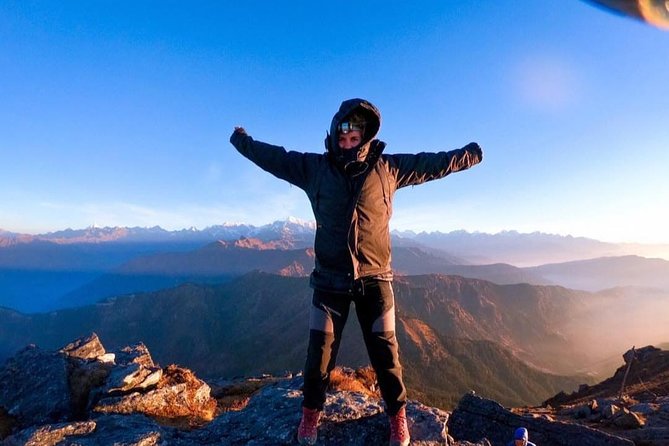
The people guiding the trek can shape your experience as much as the route. Past trips connected with this experience included guides named Dawa Sherpa, Jay Bir, Hiese Lama, Nee-ma Sherpa, and Pasang. One account gave especially strong praise to Dawa Sherpa, while another described Jay Bir and Hiese Lama as companions on an eight-day trek.
You should ask which guide will lead your departure. A named guide gives you a useful point of contact before the trip and helps you understand how the private arrangement works. Ask about the guide’s language, the walking pace, emergency procedures, and how altitude concerns are handled.
The guide is also important for the cultural side of the trip. A route through villages can feel like a series of overnight stops if nobody explains what you are seeing. A good local guide can help you pay attention to the small details of settlement life, not just point toward distant peaks.
The supplied information does not specify porter arrangements, accommodation standards, or medical support. Those are sensible questions to ask before booking. The price may represent good value if it includes strong private support and all major trekking costs, but you should not guess what is included.
Meals, drinks, and the $1,435.90 price
The cost is $1,435.90 per person for approximately eight days. That is not a budget walk, but it may be fair for a private Himalayan trek if the package includes the major services you need.
Breakfast and full-board meals during the trek are included. That is useful because food costs can become awkward on a remote route, and you will not need to arrange ordinary trek meals separately. Hard and soft drinks are excluded, so set aside money for beverages.
The important gap is that the supplied details do not clearly list accommodation, transport beyond the meeting point, permits, porter support, or equipment. You should ask for an itemized breakdown before booking. The value depends heavily on those details.
I see three reasons the price may suit you:
- You receive a private trip rather than joining a large shared group.
- The itinerary combines a 4,067-meter summit with several villages and a full eight-day route.
- Meals during the trek are covered, which simplifies daily planning.
I also see three reasons to compare carefully:
- The trip is more expensive than a basic self-organized trek.
- Drinks are extra.
- The exact accommodation and transport inclusions are not stated.
If private guiding, transport, lodging, meals, and required trekking arrangements are all included, the price can be reasonable for the convenience. If several of those costs sit outside the package, you may find the final budget much higher than the headline amount.
Who should book this Pikey Peak trek?
I would recommend it to you if you have a moderate fitness level, want a private itinerary, and value mountain villages as much as summit views. It is also a strong choice if you have limited time but still want a multi-day Himalayan trek. One eight-day account described the trip as a way to see both Everest and the Manaslu regions, although the advertised mountain list and route should remain your guide to what is planned.
You may also like it if you are uncertain about a higher-altitude Himalayan journey. The route reaches 4,067 meters, so it is not low-level walking, but it offers a lower-alpine and cultural experience compared with more demanding high-mountain objectives.
I would be cautious about booking if you dislike early starts, long walking days, village accommodation, or uncertain weather conditions. You should also think twice if you need a fully itemized itinerary before departure, because the available information does not give exact daily timings or overnight details.
The 6:15 am meeting time at Tribhuvan International Airport makes planning important. Confirmation is provided when you book, and the activity ends back at the meeting point. Service animals are allowed, and the start area is near public transportation, according to the supplied details.
Free cancellation is available if you cancel at least 24 hours before the local start time. A cancellation within 24 hours is not refundable, and late changes are not accepted. That policy is reasonable, but you should still make your fitness and scheduling decision before the deadline.
FAQ
Where does the Pikey Peak Trek start?
The meeting point is Tribhuvan International Airport on Ring Road in Kathmandu. The listed start time is 6:15 am.
Where does the trek end?
The activity ends back at the meeting point. The trekking route itself begins and ends at Phaplu.
How long is the Pikey Peak Trek?
The trek lasts approximately eight days.
How high is Pikey Peak?
Pikey Peak reaches 4,067 meters.
Which places does the route pass through?
The route passes through Kerung, Pattale, Jhapre, Pikey Peak, Lamajura, and Junbesi. It begins and ends at Phaplu.
Which mountains can you see?
The listed views include Everest, Makalu, Kanchenjunga, Annapurna, Gaurishankar, Lhotse, Nuptse, Numbur, Sishapangma, Thamserku, and Mera Peak, along with other eastern and central Himalayan ranges.
Are meals included?
Breakfast and full-board meals during the trek are included.
Are drinks included?
Hard and soft drinks are not included.
How fit do I need to be?
You should have a moderate level of physical fitness. The trek reaches 4,067 meters and involves multi-day mountain walking.
Is this a shared group trip?
No. It is a private tour or activity, so only your group participates.
Should you book it?
Book this trek if you want a quieter Himalayan route with a private guide, village stops, full-board trek meals, and the chance to see several major peaks from Pikey Peak. The strongest reasons to go are the sunrise and sunset views, the quieter trail, and the cultural experience through Solu Khumbu.
Before paying, ask for the complete daily itinerary and an itemized list of what the $1,435.90 covers. If transport, lodging, guide support, and other major trek costs are included, this can be a practical eight-day alternative to Nepal’s more crowded routes. If those details remain unclear, compare carefully before committing.
Recently added around Kathmandu
- Ghorepani Poon Hill Trek★ 5.0 · 16 reviews
- Private Manaslu Circuit Trek at Himalayas★ 5.0 · 3 reviews
- Amazing 1 Day Trekking Experience in Kathmandu Nepal★ 5.0 · 24 reviews
- Ghorepani Poonhill Trek★ 5.0 · 5 reviews
- Upper Mustang Trekking★ 5.0 · 2 reviews
- Upper Mustang Trek★ 5.0 · 5 reviews
- Upper Mustang Trekking★ 3.0 · 2 reviews
- Upper Mustang Trekking★ 5.0 · 4 reviews
Kathmandu Trekking Tours, compared.