REVIEW · KATHMANDU
Mohare Danda Trek
The best views may come with fewer crowds. The Mohare Danda Trek combines mountain scenery with village life, community lodges, and a clear social purpose. I especially like the chance to see the Annapurna, Dhaulagiri, and Manaslu ranges, and I like that the trek supports education, women’s work, and local development in rural communities.
The $799 price includes guides, porters, permits, transport, trekking gear, several meals, and a duffle bag. That is a solid package for a 10-day Nepal trip, though the itinerary includes long road journeys and some demanding downhill walking. If stone steps trouble your knees or joints, tell the operator before you go.
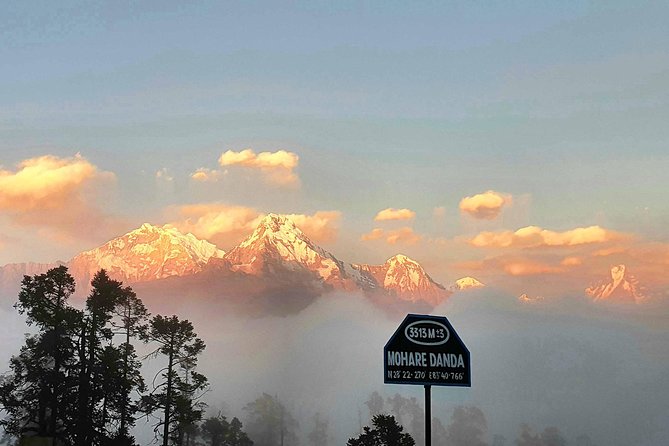
The route reaches Mohare Danda at 3,313 meters, with sunrise views and a possible panorama of up to 42 peaks. The group limit of 11 keeps the experience fairly personal, while the Magar villages and community lodges give the trek a more local feel than a standard hotel-based mountain tour.
Key Points Before You Book
- Mohare Danda reaches 3,313 meters, with views toward Annapurna, Dhaulagiri, and Manaslu.
- Community lodges and village stays support local welfare, including education, women’s empowerment, and rural development.
- The route includes long drives, including roughly six to seven hours from Kathmandu to Pokhara and about four hours from Pokhara toward Beni.
- The group is limited to 11 people, a useful size for a mountain route with changing trail conditions.
- The package includes guides, porters, permits, sleeping bags, down jackets, and transport, but not personal drinks, bottled water, tips, or meals in Kathmandu and Pokhara.
- The trek includes long walking days, especially the listed 15-hour Mohare Danda day and 10-hour route toward Tikot.
Why Mohare Danda Feels Different
Many Nepal treks focus on a famous base camp or a high pass. Mohare Danda takes a quieter route through Magar communities, with the social purpose built into the trip rather than added as a side note.
Your spending directly supports the community trekking model. That means the value is not only in the mountain views. It is also in helping local lodges, village economies, education efforts, women’s work, and rural development. You get a mountain holiday, while the route gives money and attention to places that see fewer visitors than Nepal’s best-known trails.
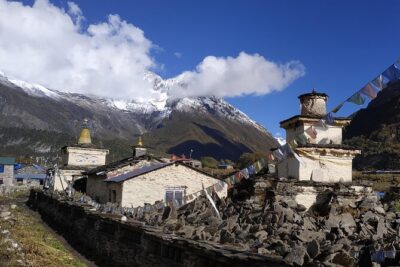
The local culture is a major part of the appeal. The Poon Magar tradition, village hospitality, and home-style food give you more to notice than another series of viewpoints. One especially rewarding part of the experience can be the simple contact with villagers and the chance to learn about daily life.
The route is described as easy and short compared with longer high-altitude circuits, but do not read that as effortless. You still walk on mountain trails, climb and descend stone steps, and spend several hours outdoors each day. The downhill sections may be the hardest part for anyone with joint problems.
A few more treks around Kathmandu worth a look
- Everest Base Camp Trek – 14 Days
★ 5.0 · 1,499 reviews - Everest Base Camp Trek
★ 5.0 · 842 reviews - Everest Base Camp Trekking
★ 5.0 · 485 reviews
Day 1: Kathmandu and Thamel
Your first day begins at Tribhuvan International Airport. After immigration and baggage collection, a representative meets you and takes you to your hotel in the Thamel area.
Thamel is a practical base in Kathmandu, with shops, restaurants, trekking stores, and plenty of activity close by. You have about three hours listed for this arrival program, but the actual pace depends on your flight and airport formalities.
Use this day to check your equipment, organize your bag, and ask about the walking schedule. The operator provides a complimentary trekking duffle bag, sleeping bag, down jacket, and first aid supplies, so confirm what you need to carry personally.
Day 2: The Long Road to Pokhara
After breakfast, you travel west along the Prithvi Highway toward Pokhara. The distance is about 200 kilometers, but road conditions make this a six to seven-hour trip.
This is not a scenic train ride or a quick transfer. You should expect a full day on the road, with the usual bumps and delays that can affect long overland journeys in Nepal. Still, it gives you a look at the changing countryside between Kathmandu and Pokhara.
Pokhara is the gateway for the mountain section of the trip. The itinerary includes time around Phewa Tal, the city’s well-known lake, but lunch and dinner in Pokhara are not included. Budget for those meals and for personal drinks before the trek begins.
Day 3: Beni Bazaar and the First Mountain Walking
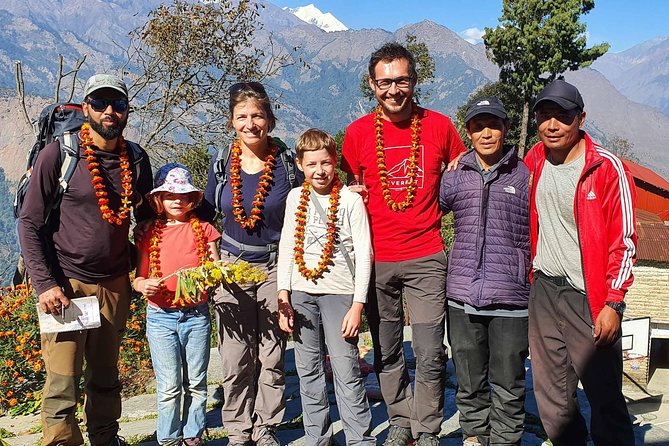
The trek begins after another road transfer from Pokhara to Beni Bazaar. This drive takes about four hours, so the day mixes transportation with your first serious walk.
Beni is the starting point for the mountain route. From here, the trail moves into rural areas and away from the main road. The exact stop description is brief, so you should ask your guide how much walking is planned for your particular departure.
This is a useful day for testing your boots and pack. The trek may be marketed as an easier Himalayan route, but the first walking day still sets the rhythm for the days ahead. Keep your water, rain protection, and warm layer easy to reach.
Same trailhead, a longer or shorter day out:
- Annapurna Circuit Trek with Tilicho Lake
★ 5.0 · 368 reviews - Everest Base Camp Trekking – 13 Day
★ 5.0 · 365 reviews - Everest Base Camp Trek
★ 5.0 · 350 reviews - Everest Base Camp Trek -14 Days
★ 5.0 · 321 reviews
Day 4: Toward Nagi Through Nature and Village Life
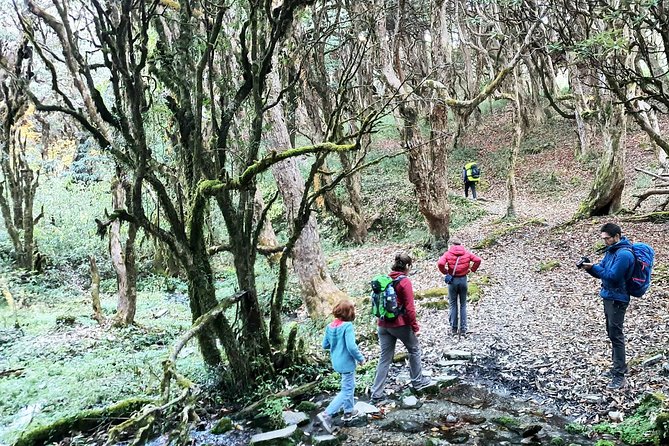
The route continues toward Nagi Village, with Ramche listed as the main stop. This is one of the days when the community focus becomes more visible.
You walk through forested mountain surroundings and rural settlements rather than heading straight toward a single dramatic landmark. The appeal is the combination of scenery and culture. You see how the route connects villages, lodges, and local people.
The itinerary lists about three hours for this part of the trek. That sounds manageable, but mountain walking time can feel different from a flat city walk. The trail may include uneven ground and steps, so pace yourself and follow your guide’s advice.
Day 5: Nagi to Mohare Danda
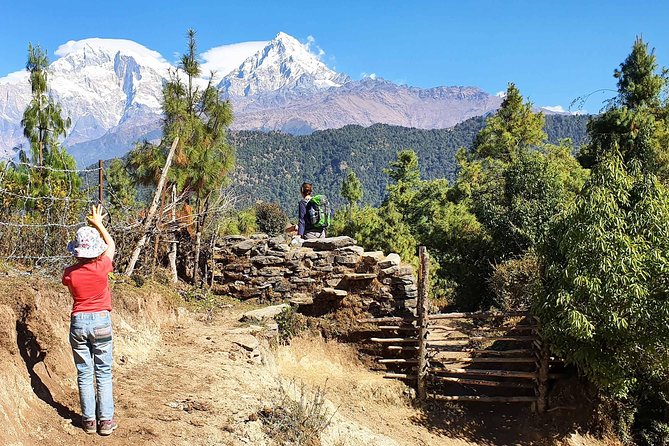
After breakfast in Nagi, you continue toward the main destination, Mohare Danda. The walking time is listed at four to six hours.
This is the day when the route’s views begin to carry more weight. As you gain height, the mountain outlook opens, and you move closer to the ridge that gives the trek its name. The reward is not only reaching the high point. It is the gradual change from village paths to broad Himalayan viewpoints.
You sleep in or near a community lodge at Mohare Danda. Conditions are simpler than at a city hotel, but that is part of the point. The lodge links your stay directly to the local economy and gives you a closer connection to the people who maintain the route.
Day 6: Sunrise at 3,313 Meters
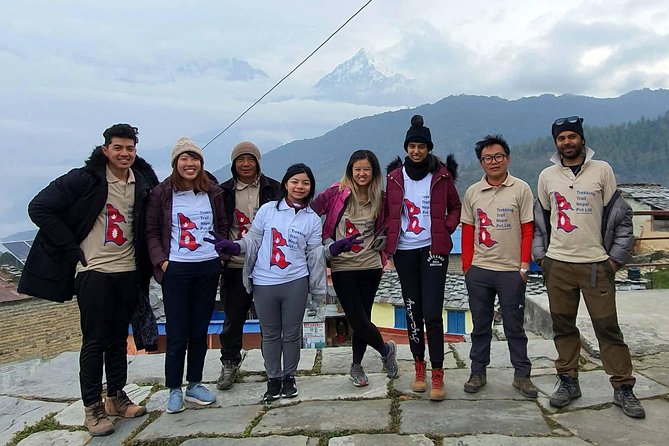
Mohare Danda is the highest point of the trip, at 3,313 meters above sea level. Sunrise is the headline event here, with views toward the Annapurna, Dhaulagiri, and Manaslu ranges.
On a clear morning, the route can reveal up to 42 peaks. The three named 8,000-meter mountains are the major draw, but the wider mountain panorama is what makes the viewpoint special. Bring a warm layer for the early hours, even though the operator provides a down jacket.
The schedule lists 15 hours for this day, which is unusually long. That may include the full day’s sightseeing and walking, or it may reflect the overall activity window rather than continuous hiking. Ask for a precise walking estimate before departure. This is the single most important timing detail to clarify.
The community lodge is an experience in itself. You should expect basic mountain accommodation rather than luxury. The trade-off is a direct contribution to local people and a stronger sense of place.
Day 7: Down to Tikot and Histan
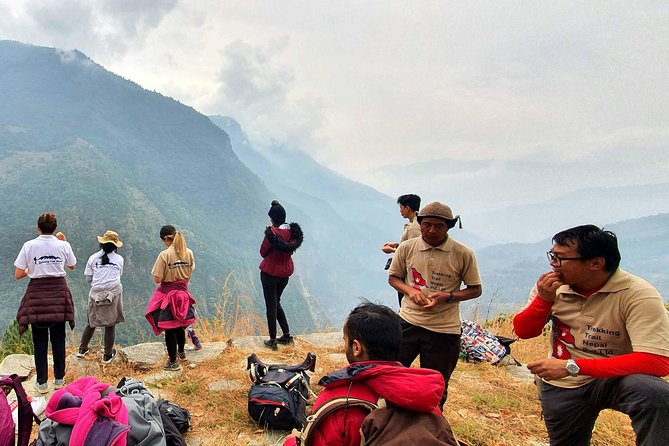
The route heads toward Tikot Village, a Magar settlement, passing viewpoints at Thula Kharka and Sikha Danda. The listed activity time is about 10 hours.
This is likely to feel like one of the hardest days because the distance and descent add up. Downhill walking can be rough on knees, ankles, and hips, especially on stone steps. If you already know that descending is difficult, tell Trekking Trail Nepal in advance. The operator says it can help arrange a better and easier route.
Tikot gives the trek another strong cultural stop. The ethnic Magar setting adds meaning to the walk, and the village experience helps keep the trip from becoming only a sequence of mountain photographs.
Day 8: The Final Trail to Basari
Your last mountain walking day leads to Basari, also spelled Baseri in the schedule. This is the point where the trekking portion ends.
The day gives you a final chance to enjoy the rural route before returning to road travel. Basari is not presented as a major attraction, so think of it as a practical endpoint and a transition out of the mountains.
Do not assume the last walking day is automatically easy. Legs can be tired by this stage, especially after the long Tikot day. Keep your pace steady and use trekking poles if you normally rely on them.
Day 9: Returning to Kathmandu
The schedule describes a drive back to Kathmandu from Pokhara, taking about seven hours. The itinerary also places Pokhara in the route after the mountain section, so your exact transfer order should be confirmed with the operator before departure.
This is another long road day. You may be tired, and the contrast between mountain paths and highway travel can be sharp. The benefit is a straightforward return to the capital without adding another trekking day.
Once you reach Kathmandu, the remaining time is for rest. Lunch and dinner in Kathmandu are not included, so plan for those costs.
Day 10: Airport Transfer and Departure
The final day includes transfer to Tribhuvan International Airport. If your flight leaves later, you may have time to rest or extend your stay, but the provided schedule does not promise extra sightseeing.
The transfer is included as part of the ground transportation arrangement. Give the operator your flight details clearly, especially if your departure time changes.
What the $799 Price Really Covers
At $799 per person, the package offers good value if you want a guided, supported trek rather than arranging every part yourself.
Included services cover:
- Trekking guide and porters
- Wages, insurance, and gear for the guide and porters
- Required trekking permits and documentation
- Ground transportation
- Breakfast on nine occasions
- Six lunches
- Five dinners
- Sleeping bag and down jacket
- First aid kit and oxygen monitor
- Trekking map
- Complimentary trekking duffle bag
- Achievement certificate
- Visit to Baglung High Bridge, including entry fees
The meal count is not a full three meals for all 10 days, so read the inclusions carefully. Lunch and dinner in Kathmandu and Pokhara are excluded, along with drinking water, snacks, soft drinks, bar bills, and personal purchases.
Tips for the guide and porters are also not included. You should budget for them separately. The final cost will depend on your habits, especially how often you buy drinks and snacks during road transfers and at lodges.
The Guides, Group Size, and Support
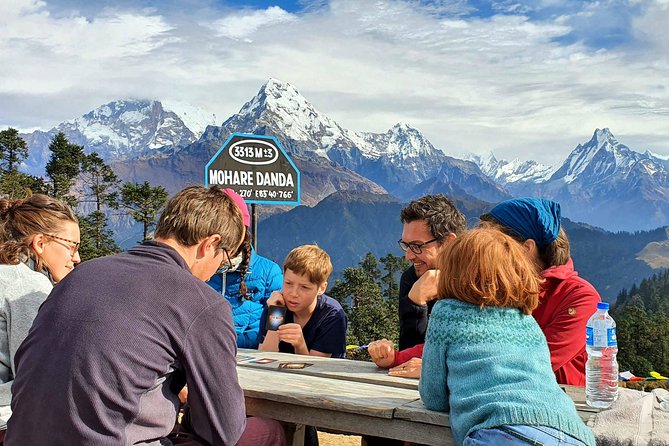
The maximum group size is 11 people. That is small enough for the guide to keep an eye on the group, while still giving you the social benefit of shared walking.
The guide and porter support is one of the strongest practical features. The package covers their wages, insurance, and gear, which means you are not left to arrange mountain logistics on your own.
Several guide names appear in the trip feedback connected with this operator, including Apar, Lokendra, Ashish, and Joyendra. Apar is praised for being professional, patient, and helpful, while Lokendra is singled out for strong route guidance and practical support. Your assigned guide may differ, but these names suggest the company has experienced staff in its trekking operation.
A first aid kit and oxygen monitor are included. That does not replace proper medical preparation, but it is reassuring on a remote route. You should still disclose health concerns before you go.
Who Should Choose This Trek?
I would recommend Mohare Danda to you if you want:
- Himalayan views without committing to a long high-pass circuit
- A route with a strong village and community focus
- Small-group travel
- A guided trip with porters and permits handled
- A quieter alternative to Nepal’s busiest trekking routes
- A meaningful way to support rural development and women’s empowerment
The trek may be less suitable if you dislike long road journeys or want polished hotels every night. The 10-day schedule includes several hours in vehicles, basic lodge accommodation, and at least two demanding walking days.
Most people can participate, according to the operator, but anyone with joint problems should speak up early. The concern is not only climbing. Walking down stone steps can be the real test.
Booking, Weather, and Cancellation
The experience requires good weather. If poor weather forces cancellation, you are offered another date or a full refund.
You can cancel for a full refund up to 24 hours before the local start time. Cancellations or changes made within 24 hours are not refunded or accepted.
Pickup is offered, confirmation comes at booking, mobile tickets are available, and service animals are allowed. Those details are useful, but the most important pre-trip question is still the walking schedule, especially the 15-hour Mohare Danda day.
Should You Book Mohare Danda Trek?
I would book this trek if your priorities are mountain views, local contact, and a direct social benefit. The combination of Annapurna, Dhaulagiri, and Manaslu views with Magar villages and community lodges gives the route a clear personality.
I would hesitate only if you need a relaxed pace, dislike long drives, or have trouble with steep downhill steps. Ask for a detailed day-by-day walking estimate before paying, and confirm how the long Day 6 schedule is calculated.
For an active visitor who wants more than a famous trail name, Mohare Danda offers a sensible balance of scenery, culture, and local support. It is not the easiest holiday in Nepal, but it gives your trekking money a useful destination.
FAQ
How long is the Mohare Danda Trek?
The trip lasts approximately 10 days, including arrival, road transfers, trekking days, return travel, and departure.
How high does the trek go?
The highest point is Mohare Danda at 3,313 meters above sea level.
Which Himalayan mountains can you see?
The route may provide views of Annapurna, Dhaulagiri, and Manaslu, along with up to 42 peaks in clear conditions.
How many people can join the trek?
The maximum group size is 11 people.
Is transportation included?
Yes. The package includes ground transportation as available, including airport transfers and the road journeys connected with the route.
Are meals included?
Breakfast is included nine times, lunch six times, and dinner five times. Lunch and dinner in Kathmandu and Pokhara are not included.
Are a sleeping bag and down jacket provided?
Yes. A sleeping bag and down jacket are included for the Mohare Danda Trek.
Are trekking permits included?
Yes. Required trekking permits and documentation are included.
Can people with joint problems join?
Most people can participate, but anyone with joint problems or difficulty walking down stone steps should tell Trekking Trail Nepal before the trek. The operator may assist with an easier route.
What happens if bad weather cancels the trek?
You will be offered a different date or a full refund if poor weather causes the experience to be canceled.
Recently added around Kathmandu
- Ghorepani Poon Hill Trek★ 5.0 · 16 reviews
- Private Manaslu Circuit Trek at Himalayas★ 5.0 · 3 reviews
- Amazing 1 Day Trekking Experience in Kathmandu Nepal★ 5.0 · 24 reviews
- Ghorepani Poonhill Trek★ 5.0 · 5 reviews
- Upper Mustang Trekking★ 5.0 · 2 reviews
- Upper Mustang Trekking★ 3.0 · 2 reviews
- Upper Mustang Trekking★ 5.0 · 4 reviews
- Upper Mustang Trek★ 5.0 · 5 reviews
Kathmandu Trekking Tours, compared.