REVIEW · KATHMANDU
Makalu Base Camp Trek
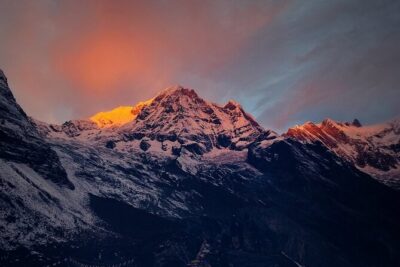
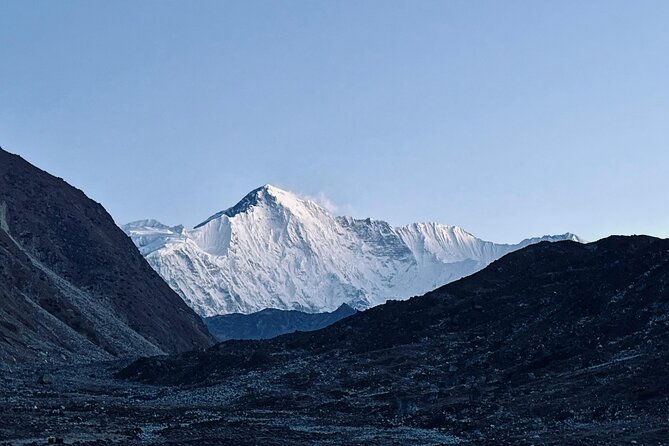
Remote mountains reward patient walkers. The Makalu Base Camp Trek takes you into one of Nepal’s quieter high-country routes, with forests, waterfalls, glaciers, and wide views of Makalu, Everest, Lhotse, and Baruntse. I especially like the small-scale local feel and the way the route changes from warm forest to cold alpine valley. The chance to walk through Makalu-Barun National Park, with possible sightings of red pandas, Himalayan thars, and unusual birds, adds real appeal.
I also like that this is a private trip with an English-speaking guide, porter support, maps, first-aid supplies, and domestic flights included. The strongest praise has gone to the Bodhi Tree team, especially guides Pujan and David, who were credited with making the route feel safe, well handled, and personal. The main drawback is clear: this is a hard, remote trek with basic lodging, long walking days, high passes, uncertain weather, and limited comforts.
- A 15-day route into Makalu-Barun National Park, far quieter than Nepal’s busiest trekking corridors.
- Two high passes on Day 6, Shipton La at 4,170 meters and Keke La at 4,150 meters.
- Rare mountain views, including Makalu, Everest, Lhotse, Baruntse, and the Barun Glacier.
- A private trip for your group, supported by an English-speaking guide and porters.
- Flights between Kathmandu and Tumlingtar included, with rough road transport at the beginning and end.
- Basic teahouse and possible tented nights, so comfort matters less than access to wild country.
Why Makalu Feels Different From Nepal’s Famous Treks
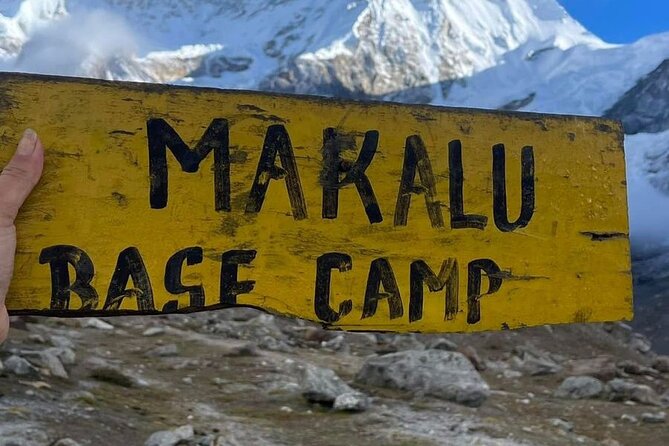
Makalu Base Camp is suited to people who want quiet trails and a stronger sense of remoteness. The route passes through Makalu-Barun National Park, where the scenery changes in clear stages: green forest first, then farmland and river valleys, then rhododendron woods, open meadows, high passes, and glacial country.
I like that progression. You do not simply walk through one repeated mountain scene. Each few days brings a different setting, and the changing plant life helps you feel the rise in altitude.
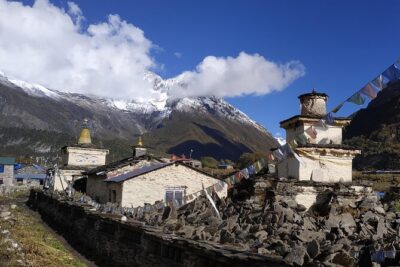
The cultural side matters, too. The route passes through communities connected with Rai, Sherpa, and Bhotiya traditions. Accommodation is generally in teahouses or basic lodges, so you get a closer look at the modest daily rhythm of mountain settlements instead of staying in polished resort-style properties.
The quiet comes with a cost. Fewer facilities are available, the walking days can be long, and weather may disrupt flights or mountain plans. You need to accept uncertainty as part of the experience.
The Flight to Tumlingtar and Rough Road In
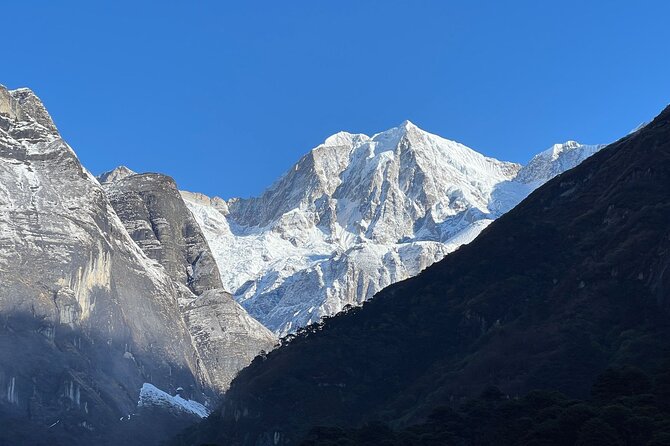
The journey begins with a flight from Kathmandu toward Tumlingtar, listed as about 45 minutes. From there, expect four to five hours on an off-road drive before the first overnight stay in a teahouse.
That opening transfer is not just a minor detail. You spend a full day moving from Nepal’s capital to the trail area, and the road section can be tiring before you even start walking. Still, it gives the trip a proper sense of departure. You leave the city behind quickly and reach a much less developed part of eastern Nepal.
The package includes two-way public flights between Kathmandu and Tumlingtar. On the final day, you may be able to fly back the same day if the timing works, or return the next morning. I would keep extra flexibility in your schedule, since the experience requires good weather and the flight plan may depend on conditions.
The listed meeting time is 12:15 am at Tribhuvan Airport. That is unusually early, so confirm the exact pickup and reporting instructions before departure. Pickup is offered, which is helpful when you are carrying trekking gear and dealing with a very early start.
A few more treks around Kathmandu worth a look
- Everest Base Camp Trek – 14 Days
★ 5.0 · 1,499 reviews - Everest Base Camp Trek
★ 5.0 · 842 reviews - Everest Base Camp Trekking
★ 5.0 · 485 reviews
Days 2 to 5: Arun River, Seduwa, and Forest Trails
Day 2 begins with a steep descent to the Arun River, followed by a steep climb to Seduwa. The walking time is about five to six hours. This is an important first test because the trail starts with both downhill and uphill effort rather than an easy warm-up.
You will want trekking poles here. Poles are available on request, as are sleeping bags and crampons, but you should confirm this before setting out. The package also includes guide and porter insurance, daily allowances, and first-aid kits.
Day 3 is gentler. The trail passes farms and forests with a more gradual rhythm, taking about four to five hours. This is one of the better days for noticing how people use the land, with cultivated areas giving way to woodland as the route continues upward.
Day 4 brings a longer uphill section through forest and meadows. Allow six to seven hours, and expect the effort to build. The overnight stay may be in a basic lodge or teahouse, which means you should not plan on hotel-style comfort.
Day 5 is set aside for short acclimatization walks to nearby ridges. This is a smart part of the schedule. Rather than pushing upward every day, you get time to adjust to altitude while enjoying wider views. I would use this day for a calm walk, careful hydration, gear checks, and an honest assessment of how your body feels.
Day 6: Two High Passes and the Trek’s Hardest Push
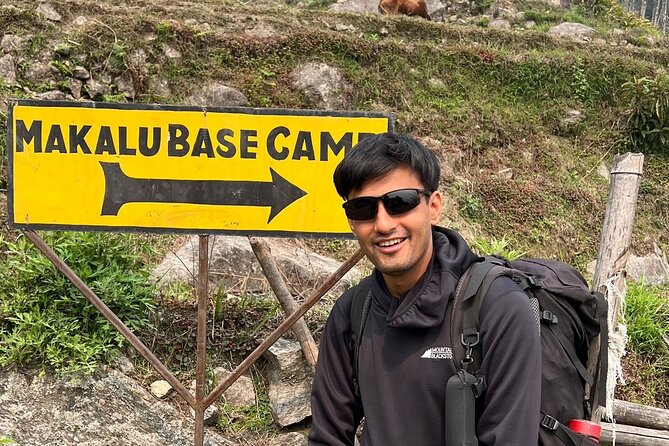
The crossing of Shipton La at 4,170 meters and Keke La at 4,150 meters is one of the defining parts of the route. The day takes about six to seven hours and is described as hard, but the views make the effort worthwhile.
High-pass days are not about speed. You need to keep a steady pace, take short breaks, and listen to your guide. The itinerary includes an acclimatization day before this section, but altitude affects people differently. A moderate fitness level is required, and you should be comfortable with repeated uphill walking over several hours.
The reward is a stronger sense of entering the high Himalayas. The forest begins to feel more distant, the valleys open up, and the scale of the mountains becomes more obvious. This is also the point where good clothing, a sleeping bag, trekking poles, and suitable footwear stop being optional comforts and become valuable equipment.
Days 7 to 9: Rhododendrons, River Valleys, and Makalu Base Camp
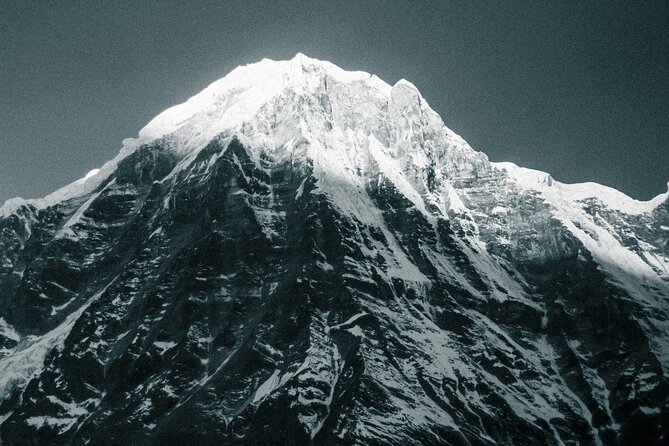
After the passes, Day 7 leads through rhododendron forest and river valleys. The walking time is five to six hours. Rhododendron woods are one of Nepal’s signature mountain environments, and this section gives the trek a softer, more sheltered feel after the exposed passes.
Day 8 continues with a gradual ascent and broad valley views. Another five to six hours of walking keeps the pace steady. I like the design of these middle days because the route does not rush straight from the passes to base camp. The gradual rise gives you time to absorb the scenery and manage your energy.
Day 9 is the push to Makalu Base Camp, requiring about six to seven hours. This is the emotional high point of the trek. You reach the base camp area with major Himalayan views, including Makalu and possible views toward Everest, Lhotse, and Baruntse from unusual eastern angles.
Accommodation here may be a basic lodge or tented camp. That distinction matters. You are not reaching a comfortable mountain hotel with a full range of services. You are reaching a remote high-altitude point where access and scenery matter more than facilities.
Same trailhead, a longer or shorter day out:
- Annapurna Circuit Trek with Tilicho Lake
★ 5.0 · 368 reviews - Everest Base Camp Trekking – 13 Day
★ 5.0 · 365 reviews - Everest Base Camp Trek
★ 5.0 · 350 reviews - Everest Base Camp Trek -14 Days
★ 5.0 · 321 reviews
Day 10: Barun Glacier and Time Above Base Camp
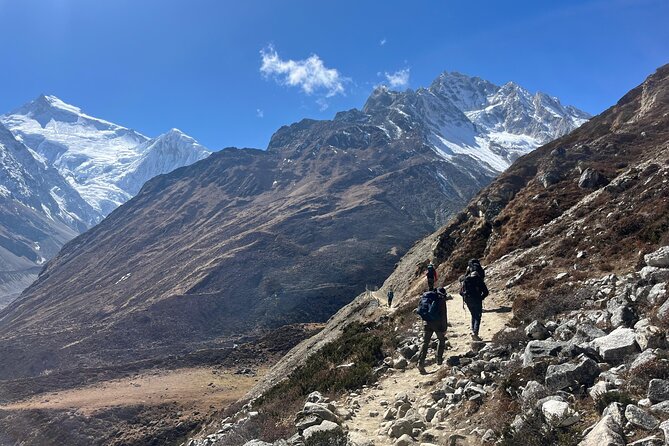
Day 10 allows optional side hikes toward the Barun Glacier. This is valuable because you can use the day according to your energy and the weather. If your body feels strong, the glacier area offers a closer look at the icy upper valley. If you are tired, staying near camp gives you time to rest and enjoy the setting without forcing another major climb.
The word optional is important. You should not feel pressure to take the longest possible walk simply because it is available. At this altitude, a sensible rest day can help you enjoy the descent and reduce the chance of exhaustion.
The overnight stay may again be in a teahouse or tented camp. Bring patience for simple sleeping arrangements. The included sleeping bag can help, but confirm that one has been reserved for you if you need it.
Days 11 to 15: The Long Return Through Changing Country
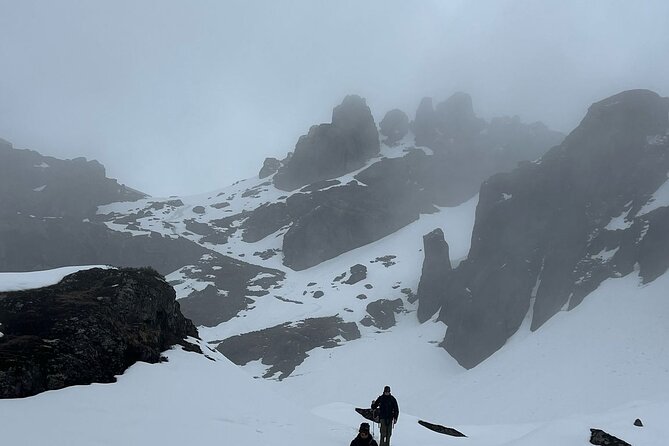
The return route retraces the approach, but it should not feel like wasted time. Descending gives you a different view of the same valleys, and the lower you go, the more the vegetation changes.
Day 11 involves about seven hours of walking. Day 12 takes six to seven hours, followed by a five to six hour day on Day 13. These are still serious trekking days, even though you are going downhill overall.
Day 14 is another long descent of six to seven hours. Downhill walking can be tough on knees and feet, especially after nearly two weeks on the trail. Trekking poles are useful, and you should keep blister care easy to reach rather than buried in your duffel.
Day 15 includes about four hours of trekking and four to five hours of driving. If flight timing and weather cooperate, you may fly from Tumlingtar to Kathmandu that day. Otherwise, you may need to return the next morning. Plan your international departure with breathing room.
Teahouses, Food, Water, and What the Price Covers
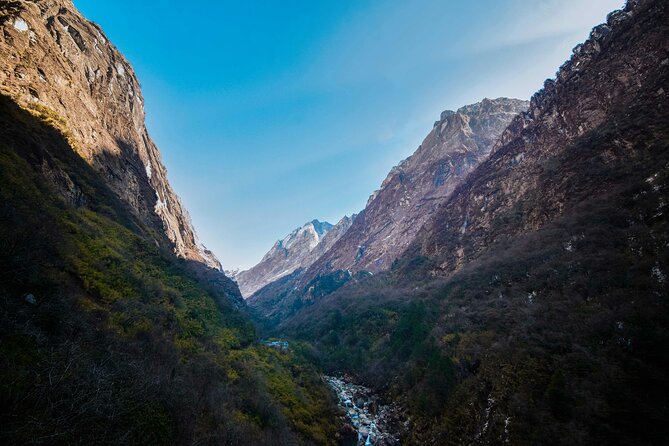
The listed price is $1,750 per person. For a 15-day private trek with domestic flights, guide and porter support, meals, permits and taxes, maps, first-aid supplies, and staff insurance and allowances, that can offer solid value. The price makes most sense for someone who wants organized support on a remote route without arranging every moving part independently.
Breakfast, lunch, and dinner are included, with one menu item per meal. The package specifies daily meals across the trek, including 14 breakfasts, 14 lunches, and 15 dinners. You should still expect simple teahouse food rather than a broad restaurant menu.
Bottled water is not included. You can buy it along the trail or refill at teahouses, and a reusable bottle is the better choice for both cost and waste. Tea and coffee also cost extra, as do alcoholic drinks.
Private transport is not included. The standard plan uses local transport, while a private vehicle can be arranged at extra cost. Extra porter help is also available for personal gear, with a suggested porter load of 20 to 25 kilograms and daily charges applying.
Personal travel insurance and the Nepal visa fee are not included. These are not minor extras, so add them to your true budget before booking.
The Guides and the Feel of a Private Group
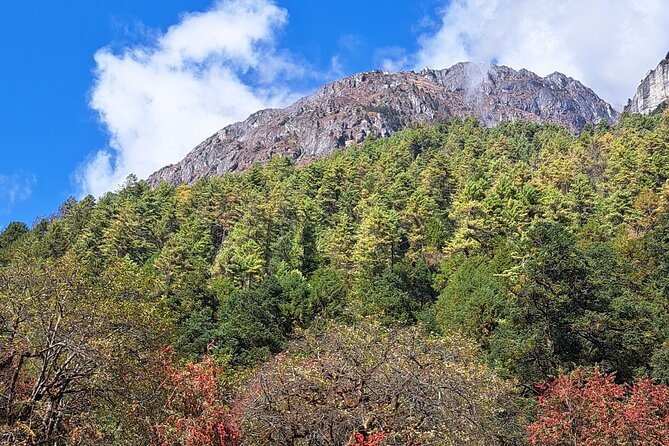
This is a private activity, meaning only your group participates. That gives you more control over pace and rest stops than a large mixed group. It also lets you raise concerns quickly if you are struggling with altitude, fatigue, or equipment.
The team has received especially warm praise for guides Pujan and David. Their support was described as a major part of the experience, along with the professionalism of the wider Bodhi Tree team. One useful detail is that the company is connected with Bodhi Boutique Hotel, which can provide a comfortable place to relax before or after the trek.
That contrast is worth noting. You may begin and end with hotel comfort, but the trail itself is basic. Good guiding helps bridge that gap, especially on the pass crossing, high-altitude days, and remote sections where independent problem-solving is harder.
Who Should Book the Makalu Base Camp Trek?
I would recommend this trip to you if you:
- Want a quieter Himalayan route rather than Nepal’s busiest trails.
- Have a moderate level of fitness and can manage six to seven hour walking days.
- Enjoy forests, mountain passes, glaciers, and changing scenery.
- Are comfortable with teahouses, basic lodges, and possible tented nights.
- Value local guiding and porter support.
- Can keep your schedule flexible around weather and domestic flights.
I would hesitate to recommend it if you want reliable road access, private rooms, short walking days, or strong internet and comfort throughout. The remote setting is the point, but it also creates the practical challenges.
Cancellation is free up to 24 hours before the start time for a full refund. If poor weather cancels the experience, you are offered another date or a full refund. That policy is useful, but it does not remove the need to plan carefully around flights and personal insurance.
FAQ
How long is the Makalu Base Camp Trek?
The trek lasts approximately 15 days, including flights, road transfers, walking days, and the return journey.
Where does the trek begin?
The experience begins at Tribhuvan Airport in Kathmandu, Nepal. The listed start time is 12:15 am.
Are flights included?
Yes. Two-way public flights between Kathmandu and Tumlingtar are included. A return flight on the final day may be possible if timing and weather allow, or it may take place the following morning.
What is the highest part of the route?
The route crosses Shipton La at 4,170 meters and Keke La at 4,150 meters. Makalu Base Camp is also at high altitude, but its exact elevation is not provided in the tour information.
Are meals included?
Yes. Breakfast, lunch, and dinner are included throughout the trek, with one menu item provided for each meal.
Is bottled water included?
No. Bottled water is extra. You can purchase it along the trail or refill at teahouses, and a refillable bottle is recommended.
Is this a private tour?
Yes. Only your group participates, with an English-speaking guide and porter support.
Is equipment provided?
Sleeping bags, trekking poles, and crampons can be provided on request. Confirm your equipment needs before departure.
Should You Book It?
Book the Makalu Base Camp Trek if you want a serious, quiet Himalayan journey with strong scenery, local communities, and far fewer people on the trail. The combination of Makalu views, high passes, forest zones, the Barun Glacier, and experienced support from guides such as Pujan and David gives the trip real character.
Do not book it for easy comfort. The long walking days, basic lodging, rough road transfer, weather risk, and extra costs for water, drinks, insurance, and possible porter help all matter. If you accept those limits and prepare properly, the $1,750 price offers a practical way to reach one of Nepal’s most remote mountain areas with a private support team.
Recently added around Kathmandu
- Ghorepani Poon Hill Trek★ 5.0 · 16 reviews
- Private Manaslu Circuit Trek at Himalayas★ 5.0 · 3 reviews
- Amazing 1 Day Trekking Experience in Kathmandu Nepal★ 5.0 · 24 reviews
- Ghorepani Poonhill Trek★ 5.0 · 5 reviews
- Upper Mustang Trekking★ 5.0 · 2 reviews
- Upper Mustang Trekking★ 3.0 · 2 reviews
- Upper Mustang Trekking★ 5.0 · 4 reviews
- Upper Mustang Trek★ 5.0 · 5 reviews
Kathmandu Trekking Tours, compared.