REVIEW · KATHMANDU
Kanchenjunga South Base Camp Trek – 13 Days
The quiet side of Nepal awaits. This 13-day Kanchenjunga South Base Camp Trek gives you huge Himalayan views with far fewer people than the Everest route. I like the mix of remote mountain walking and encounters with Rai, Limbu, Gurung, and Tibetan communities, and I also like that food, permits, porters, guides, and road transport are built into the price. The tradeoff is clear: long bus rides, basic teahouses, and several hard uphill days demand patience and decent fitness.
The route reaches Kanchenjunga, the world’s third-highest mountain at 8,586 meters, then returns through forests, glaciers, old trade paths, and hill villages. I especially like that the group is capped at seven people. Just keep an eye on the timing: the published schedule has a few unclear entries, including a five-minute trek on Day 4 and a shortened description on Day 9, so confirm the daily plan before paying.
Key points at a glance
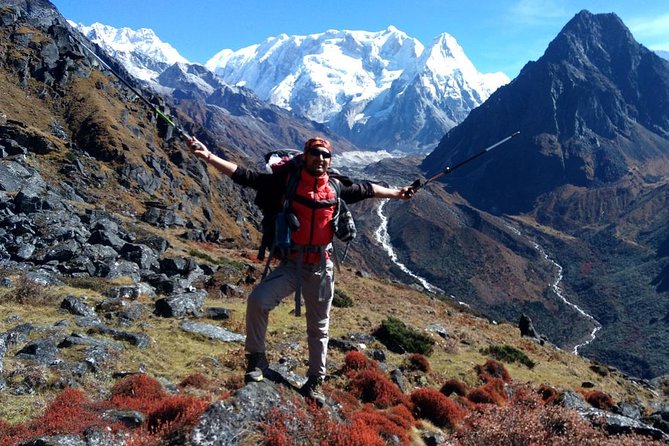
- Kanchenjunga’s southern wall: Reach the remote base camp area with close views of three major summits and the Yalung Glacier.
- A genuinely quiet route: This trek offers an alternative to Everest Base Camp, with fewer people and more basic facilities.
- Culture along the trail: Rai, Limbu, Gurung, and Tibetan communities bring distinct languages, rituals, and customs.
- A small group of up to seven: That size should make the pace and daily decisions easier to manage.
- Remote wildlife country: The area is home to Himalayan tahr, musk deer, Himalayan black bear, red panda, snow leopard, snow cock, and pheasant.
- A bundled trekking price: At $2,095.34 per person, the package includes guides, porters, meals, lodging, permits, taxes, insurance for staff, and road transport during the trek.
Why Kanchenjunga South Base Camp feels different
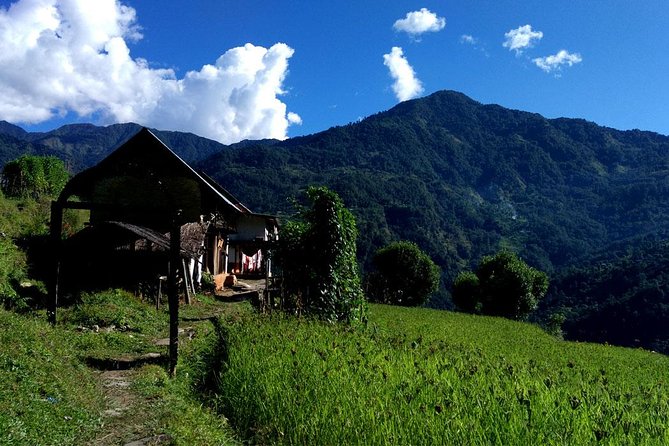
Kanchenjunga sits in Nepal’s far northeastern Taplejung district, near the borders of Tibet and India. Getting there takes time, and that is part of the appeal. You spend less time in the well-worn trekking corridors and more time among working villages, forest trails, old footpaths, and high mountain valleys.
I like this route for its sense of distance. You are not simply walking from one famous teahouse to another. The trip begins with long road travel from Kathmandu, then moves into a quieter corner of Nepal where facilities become scarce above Yamphudin.
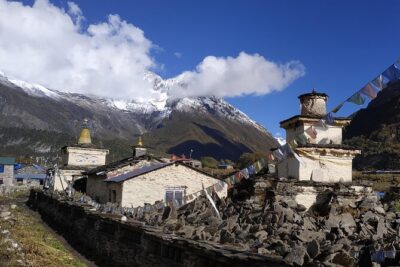
The cultural side is just as important as the peaks. Rai, Limbu, Gurung, and Tibetan communities live in the area, and each group has its own dialect and customs. You will not get a packaged cultural show. Instead, the setting is small settlements, farm fields, teahouses, suspension bridges, and ordinary village life.
The route also passes through Kanchenjunga Conservation Area. Wildlife sightings are never guaranteed, but the habitat includes rare species such as red panda and snow leopard, along with Himalayan black bear, musk deer, and Himalayan tahr. Birdwatchers should keep an eye out for snow cock and pheasant.
A few more treks around Kathmandu worth a look
- Everest Base Camp Trek – 14 Days
★ 5.0 · 1,499 reviews - Everest Base Camp Trek
★ 5.0 · 842 reviews - Everest Base Camp Trekking
★ 5.0 · 485 reviews
Days 1 and 2: Kathmandu to Ilam and Taplejung
The first day combines Kathmandu sightseeing with a long overnight bus ride. After breakfast, you visit several UNESCO World Heritage Sites in Kathmandu by private vehicle, with explanations of their religious, cultural, and historical importance.
That is a useful start if you have just arrived in Nepal and want some city time before heading east. Still, the day is long. After sightseeing, you board an overnight bus to Ilam, with the night spent on the bus rather than in a hotel.
Day 2 brings another long drive, lasting about nine hours, toward Taplejung. The reward is the changing view outside the window: villages, terraced fields, and hill farms replace the city. If you sleep well on the bus, use the drive to enjoy the countryside. If not, this is when fatigue can begin to catch up with you.
You spend the night in a guest house. These first two days are not glamorous, but they explain why this trek feels remote. The road approach saves the cost and time of domestic flights, but you pay for that saving with long hours in a vehicle.
Day 3: First mountain views near Khesewa
The walking begins with a descent through millet and rice fields toward the Phewa Khola, at about 1,430 meters. You cross a suspension bridge, then climb toward the Gurung settlement of Sinchebu Bhanjyang at 2,240 meters.
This is an appealing first trekking day because it mixes farms, village life, a moderate pass, and the first big mountain views. Near Sinchebu Bhanjyang, you may stop for tea or a snack and catch your first look at Kanchenjunga and Kyabru.
From the pass, the trail descends to Khesewa. The walking time is about five hours, followed by a night in a teahouse. It is a good introduction to the rhythm of the route: fields below, high peaks ahead, and simple lodging at day’s end.
Day 4: Forest paths, waterfalls, and Pumpe Dada
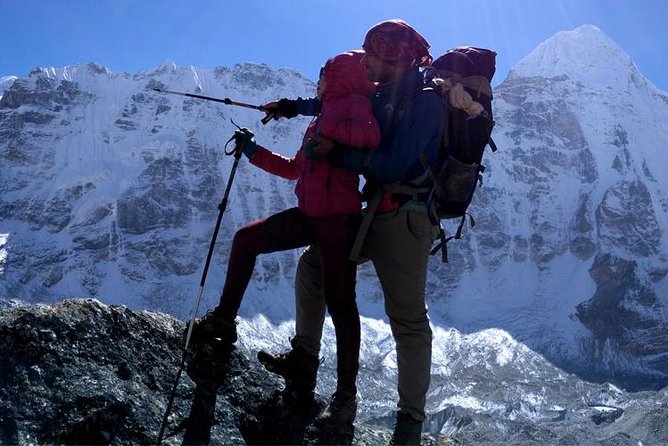
The trail passes through mixed forest toward the Kabeli Khola. The path is described as relatively level for much of the day, with small waterfalls adding interest along the way.
You stop for lunch at Yangpang, where Mt. Jannu comes into view. Jannu is one of the striking peaks in this region, and the mountain scenery becomes more dramatic as you move deeper into the valley.
The day finishes with a steep climb of about 20 minutes to Pumpe Dada, where you sleep in a teahouse. The published duration for this day says five minutes, which is plainly inconsistent with the described route. Ask for the expected walking time before departure so you can plan food, water, and energy properly.
Same trailhead, a longer or shorter day out:
- Annapurna Circuit Trek with Tilicho Lake
★ 5.0 · 368 reviews - Everest Base Camp Trekking – 13 Day
★ 5.0 · 365 reviews - Everest Base Camp Trek
★ 5.0 · 350 reviews - Everest Base Camp Trek -14 Days
★ 5.0 · 321 reviews
Day 5: A gentler approach to Yamphudin
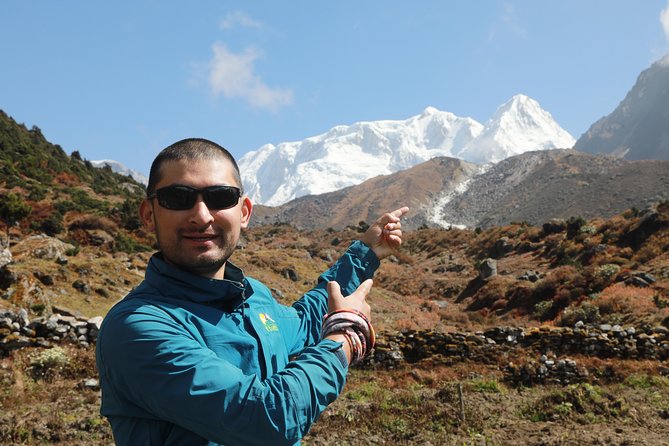
This five-hour day follows the Kabeli Khola for much of the way. The path climbs gradually, passes ridge views, and crosses rubble from old landslides beneath rocky cliffs.
You cross a small suspension bridge and pass through small settlements before reaching Yamphudin. The day is presented as relatively easy, which is helpful because the next section is much tougher.
Yamphudin is an important point in the trip. Above it, services become limited, and the route feels much more remote. I would use this evening to check clothing, snacks, water, and any personal medicine. Once you leave, a comfortable shop or restaurant is not something to count on.
Day 6: The hard climb from Amje Khola
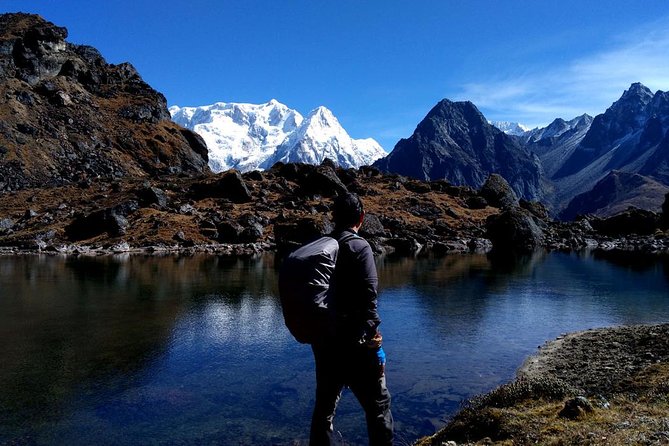
This is one of the more demanding days, with about seven hours of walking. From Amje Khola, the trail climbs persistently, although it is described as well maintained.
At Chitre, you may see grazing yaks. The route then enters a thick forest draped with moss. This section sounds almost theatrical, but it also has a practical value: the forest offers shade and a change from open slopes.
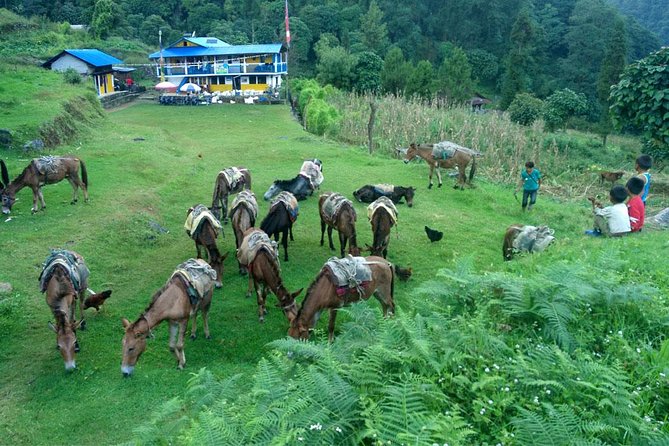
Facilities are scarce, so the trek team carries provisions. You stop for a quick lunch, then continue through the forest until reaching an opening and another suspension bridge. A gentler uphill stretch brings you to Tortong, where you spend the night in a teahouse.
This is a day when a moderate fitness rating should be taken seriously. You do not need to be an elite athlete, but steady walking and comfort with long climbs will make the experience far better.
Day 7: The Lalung Valley and a mountain lake
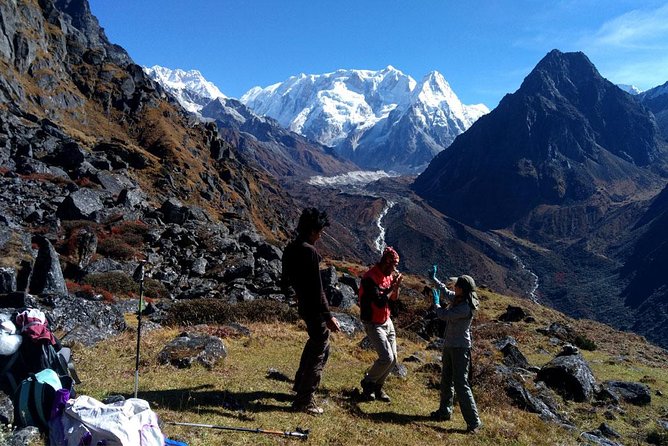
From Tortong, the trail follows the Simbuwa Khola toward Tseram. The gradual climb takes about three to four hours, with Tuplung Peak accompanying much of the route.
Rhododendron forest fills the valley, and the Yalung Glacier begins to shape the views. After reaching Cheram, you stop for lunch, then climb another one to two hours toward a small lake.
The lake is a highlight because it gives you a quieter viewpoint over the mountains and glacier. If the weather is clear, sunset may add color to the Himalayan peaks. Conditions in the mountains change quickly, so treat the sunset as a bonus rather than a promise.
You return to Tseram for the night. The published schedule lists seven minutes for this day, another obvious timing error. The descriptions suggest a full walking day, so confirm the actual schedule with Breeze Adventure.
Day 8: Ramche, the final teahouse
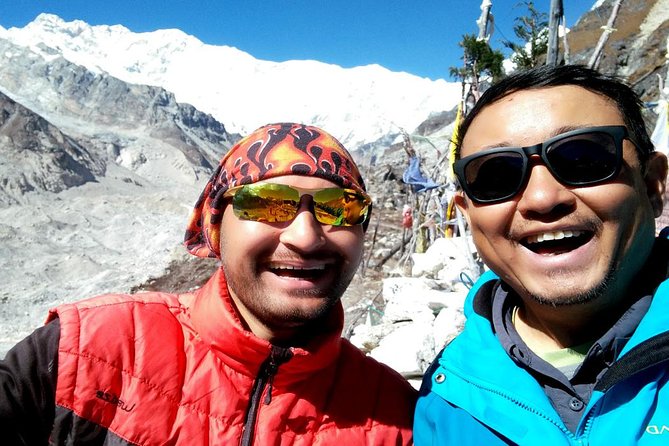
The route from Tseram climbs toward the beginning of the Yalung Glacier. The walking is described as short, but the day’s total is listed as seven hours, so again, get clarification on the exact plan.
You pass the small settlement of Lapsang before reaching Ramche, the last teahouse on the southern base camp route. Ramche sits on broad ground, and the setting marks a clear change from ordinary trekking logistics to high, remote mountain travel.
If the group is large, the night may be spent in tents rather than the teahouse. The tour is limited to seven people, which may reduce that risk, but tent accommodation remains possible. I would pack a warm layer and a headlamp where you can reach them easily.
Day 9: The main Kanchenjunga viewpoint
Day 9 is the heart of the trip. You leave early with a packed lunch for a full excursion around Kanchenjunga South Base Camp.
The route follows the valley around its curve toward the broad southern wall of the mountain. Three main summits rise here at approximately 8,420 meters, 8,586 meters, and 8,474 meters. The scale is the point. You are looking at one of the highest mountain groups on Earth, not simply a single peak viewed from a distant trail.
The route continues toward Oktang, with a descent onto the glacier and a crossing toward a point below the mountain. The supplied description is cut short, so the precise turnaround point and walking duration need confirmation. It does state about three hours for the listed stop, but the full excursion may involve more time on the trail.
This is the day to protect your energy. Eat the packed lunch, keep your pace steady, and do not race the group for a photograph. At this altitude and in remote country, the guide’s judgment matters more than squeezing in one extra viewpoint.
Days 10 and 11: Returning by an old trade route
Day 10 retraces the trail to Tseram. The walk takes about four hours and is described as long but easy. That is welcome after the base camp excursion, though the same path can feel different when your legs are tired.
Day 11 adds a more unusual historical layer. The route follows an old trade connection between India and Tibet, used before roads linked the three areas. Local support and government work have helped develop the trail toward Ranipul, allowing the group to avoid several days of descending all the way to Yamphudin.
The path climbs slightly at first, then trends downhill to Ranipul. The day lasts about seven hours, with lunch along the way. The published description ends partway through, so ask where you will sleep and how much road travel follows the walk.
I like this section because it connects the mountain trek with the region’s working past. You are not only walking for scenery. You are following a route shaped by trade, local movement, and later road building.
Days 12 and 13: Ilam tea country and Kathmandu
After breakfast on Day 12, the walking is finished. A scenic drive through terraced hills and villages brings you to Taplejung for lunch, then onward to Ilam.
Ilam is known here for its tea garden and hill setting. It gives you a softer final stop after the high valleys and rougher trail conditions. You spend the night in a hotel.
Day 13 is another long driving day, about ten hours, back to Kathmandu. A farewell dinner is planned in the evening, followed by a hotel night. The return is not quick, but it closes the loop without another flight.
What the $2,095.34 price covers
The price is strong value if you want a guided, supported trek rather than arranging each piece yourself. It includes local guest house and teahouse accommodation, road transport during the trek, an authorized guide, porters, meals, staff wages, staff insurance, a first aid kit, the Kanchenjunga Conservation Area Permit, and government taxes.
Breakfast, lunch, and dinner are included during the trek. Two nights in a two or three-star Kathmandu hotel with breakfast are also included.
The package does not include international airfare, Kathmandu meals beyond breakfast, alcoholic drinks, chocolate, tea, coffee, tips, or your own personal insurance. Personal insurance must cover trekking, so do not treat the staff insurance included in the package as your own coverage.
At this price, the main value is support in a remote region. You are paying not only for beds and meals, but also for porters, permits, route planning, and a team carrying supplies where services are limited.
Guides, group size, and practical fit
The group limit is seven people, which is a useful size for a remote route. A small group can make it easier to adjust pace, manage meals, and keep communication clear.
Several guide names appear in the company’s past service history. Galje received specific praise for adjusting suggestions to a slower pace, including a side climb of Sunpati Peak. Sushant and Prem were also named positively in connection with Kanchenjunga trips. Kishwor, the company owner, is described as responsive during trip planning.
Those details do not guarantee which guide you will get. Ask for the assigned guide’s name, experience on this exact route, and how the group handles a slower pace before setting off.
The trek suits you if you have moderate fitness, enjoy long days outdoors, and accept basic accommodation. It is a poor match if you want quick transfers, polished hotels every night, or a route with constant services.
Breeze Adventure offers pickup, and the meeting point is Breeze Adventure Pvt. Ltd on Thamel Marg in Kathmandu. The activity ends back there. Confirmation is provided at booking, and the mobile ticket is convenient for keeping trip details available on your phone.
Should you book the Kanchenjunga South Base Camp Trek?
Book this trek if you want one of Nepal’s quieter high mountain routes, value village contact over comfort, and can handle long road journeys plus several demanding climbs.
I would choose it over Everest Base Camp if solitude, rare wildlife habitat, and a less familiar route matter more to me than famous trail infrastructure. I would not choose it if I wanted a simple first trek with short transfers and easy access to services.
Before booking, confirm the unclear timings on Days 4, 7, 8, 9, and 11, ask about the exact base camp turnaround, and check what personal insurance is required. If those details are clear and you are ready for basic teahouses, Kanchenjunga offers a powerful mountain experience at a sensible all-in trekking price.
FAQ
How long is the Kanchenjunga South Base Camp Trek?
The experience lasts approximately 13 days, including travel from Kathmandu, the trek, the return drive, and overnight stays.
Where does the trek start?
The meeting point is Breeze Adventure Pvt. Ltd on Thamel Marg in Kathmandu, Nepal.
Where does the trek end?
The activity ends back at the Kathmandu meeting point.
How much does the trek cost?
The listed price is $2,095.34 per person.
What meals are included?
Breakfast, lunch, and dinner are included during the trek. Kathmandu meals are not included except for breakfast at the included hotel stays.
What accommodation is provided?
The trip includes local guest houses and teahouses during the trek, plus two nights in a two or three-star hotel in Kathmandu with breakfast. A tented camp may be used at Ramche if the teahouse is full.
Are guides and porters included?
Yes. The package includes a government-authorized guide, porters, their wages, and their insurance.
Is a permit included?
Yes. The Kanchenjunga Conservation Area Permit and government taxes are included.
What fitness level is required?
The tour states that you should have a moderate level of physical fitness. The route includes long drives, steady climbs, forest trails, glacier-area walking, and days of up to about seven hours.
Is personal travel insurance included?
No. You must arrange your own personal insurance, and it should cover the trek.
Recently added around Kathmandu
- Ghorepani Poon Hill Trek★ 5.0 · 16 reviews
- Private Manaslu Circuit Trek at Himalayas★ 5.0 · 3 reviews
- Amazing 1 Day Trekking Experience in Kathmandu Nepal★ 5.0 · 24 reviews
- Ghorepani Poonhill Trek★ 5.0 · 5 reviews
- Upper Mustang Trekking★ 5.0 · 2 reviews
- Upper Mustang Trekking★ 3.0 · 2 reviews
- Upper Mustang Trekking★ 5.0 · 4 reviews
- Upper Mustang Trek★ 5.0 · 5 reviews
Kathmandu Trekking Tours, compared.