REVIEW · KATHMANDU
Goisankunda, Trek of the Holy Lakes
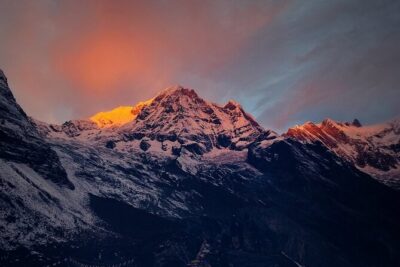
High lakes, hard walking, good support. This seven-day Gosainkunda trek links Kathmandu with sacred mountain lakes, quiet villages, tea houses, and the high point of 4,390 meters. I like the private jeep transfers and the fact that permits, meals, lodging, and a guide are included, so you can focus on walking rather than arranging each piece yourself.
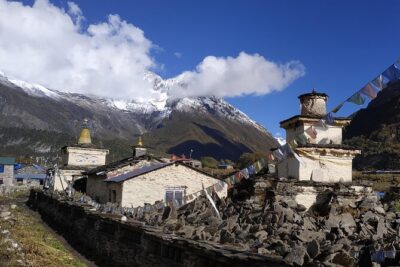
I also like the route’s changing character: Dhunche begins the mountain journey, Gosainkunda brings the high-altitude payoff, and the trail finishes through Ghopte, Kutumsang, and Chisapani. The main caution is altitude and effort. You spend five days moving between villages, with a demanding climb to the lake area, and the trip is best for people with moderate physical fitness.
Key points at a glance
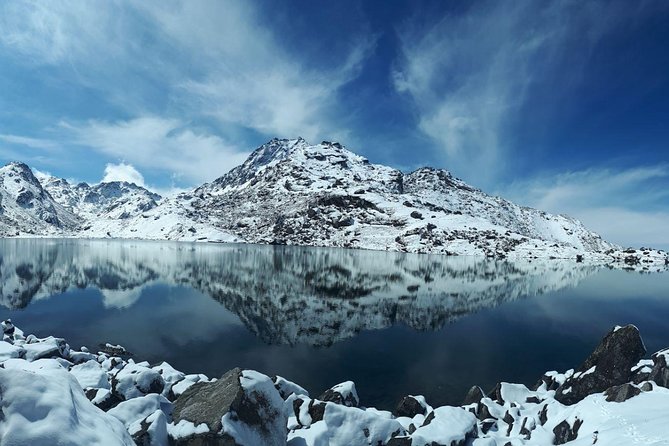
- Gosainkunda reaches 4,390 meters, making altitude the main physical issue.
- Seven days connect Kathmandu with the Holy Lakes, using Dhunche as the trailhead and Sundarijal as the exit.
- Private jeep transport is included to Dhunche and from Sundarijal back to Kathmandu.
- Three meals and tea house lodging are included during the trek, but drinks and Kathmandu hotels are not.
- Private groups of 2 to 14 people give the trip a more personal feel than a large departure.
- Flyeast Nepal provides a guide and trekking permits, with past service praised for friendly staff and strong porter-guide support.
Why the Gosainkunda route is worth your time
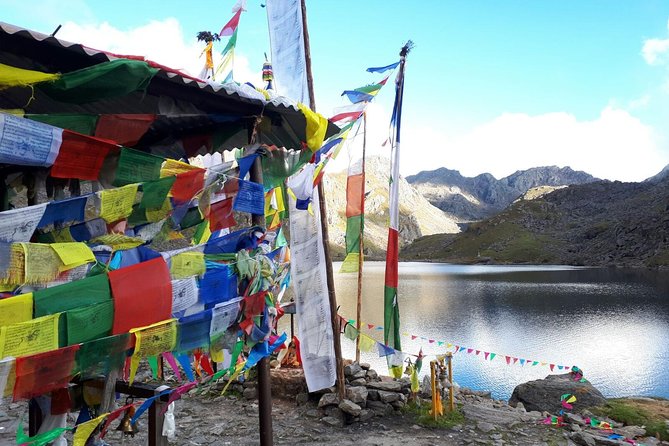
Gosainkunda is not simply a walk to one attractive lake. It is a seven-day route through changing elevations and settlements, with the pilgrimage atmosphere of the Holy Lakes at its center.
The trip begins near Kathmandu but quickly leaves city routines behind. You drive to Dhunche at 1,900 meters, then walk through a sequence of mountain villages. By the time you reach Gosainkunda at 4,390 meters, the air is thinner, the walking is harder, and the high-altitude setting feels earned.
I like the route because it gives you a full trek without requiring a long remote expedition. You receive transport at both ends, a guide, permits, food, and simple accommodation. That package is useful if you want to spend your energy on the trail rather than negotiating transport or arranging every night yourself.
The tradeoff is that this is not a gentle sightseeing tour. You walk from village to village on most days, and the itinerary keeps moving after Gosainkunda. There is no spare day shown for rest or weather delays, so you should arrive ready for a steady week.
A few more treks around Kathmandu worth a look
- Everest Base Camp Trek – 14 Days
★ 5.0 · 1,499 reviews - Everest Base Camp Trek
★ 5.0 · 842 reviews - Everest Base Camp Trekking
★ 5.0 · 485 reviews
Day 1: Kathmandu to Dhunche at 1,900 meters
The first day is mainly a road transfer. Pickup begins at 7:15 in the morning, and a private jeep takes you from Kathmandu to Dhunche, the starting village at 1,900 meters.
Private transport is a real advantage here. You are not joining a large public departure, and your group can travel together with the guide. The ride also saves your legs for the trek itself.
Dhunche is important because it marks the change from city travel to mountain travel. You spend the night here before walking toward Chandanbari. Since the road journey takes up the first day, you should not think of this as a full hiking day. It is the transfer and setup day for the route ahead.
Day 2: Climbing to Chandanbari at 3,330 meters
The second day moves from Dhunche to Chandanbari, gaining roughly 1,430 meters. That is a serious climb, especially early in the trek when your body is still adjusting to the altitude.
Chandanbari, at 3,330 meters, is a major step toward the high lake area. The village is also known for tea house accommodation, which gives you a simple place to eat and sleep without carrying a full camping setup.
This is where you should pay attention to your walking pace. The itinerary gives you one day to gain a lot of height, so a moderate, steady rhythm matters more than speed. I would treat the first two trekking days as a test of how your body handles the route.
The accommodation is described as tea houses or lodges. Expect practical mountain lodging rather than hotel comforts. The price includes accommodation, but not drinks, so budget separately for beverages.
Day 3: Chandanbari to Gosainkunda at 4,390 meters
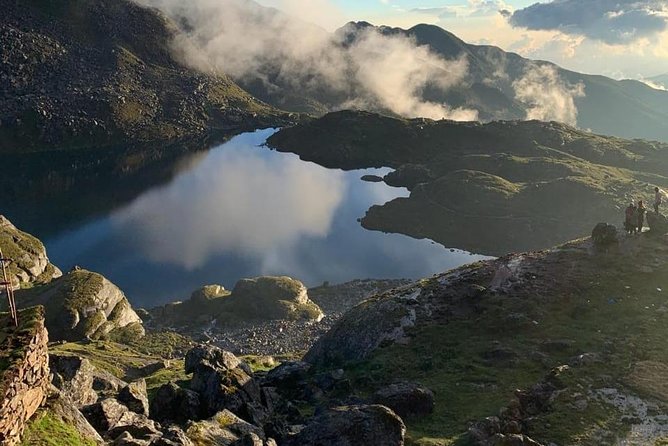
Day three is the central challenge and the main reason to choose this trek. You walk from Chandanbari to the Gosainkunda lake area, reaching 4,390 meters.
The height is the key fact here. Gosainkunda is a sacred lake destination, and the route’s appeal comes from combining religious importance with a high mountain setting. You are not only checking off a viewpoint. You are reaching a place that gives the trek its name and purpose.
This is also the day when altitude becomes impossible to ignore. You should expect the climb to feel harder than the distance alone suggests. Walk slowly, follow your guide’s advice, and do not treat the high point as a race.
The itinerary does not list an acclimatization day, and that is an important limitation. If you know you react badly to altitude, or if you prefer a slower schedule, ask about the pace and available options before booking. The stated requirement is moderate physical fitness, but the elevation adds a separate challenge beyond ordinary fitness.
Same trailhead, a longer or shorter day out:
- Annapurna Circuit Trek with Tilicho Lake
★ 5.0 · 368 reviews - Everest Base Camp Trekking – 13 Day
★ 5.0 · 365 reviews - Everest Base Camp Trek
★ 5.0 · 350 reviews - Everest Base Camp Trek -14 Days
★ 5.0 · 321 reviews
The Holy Lakes: meaning and practical expectations
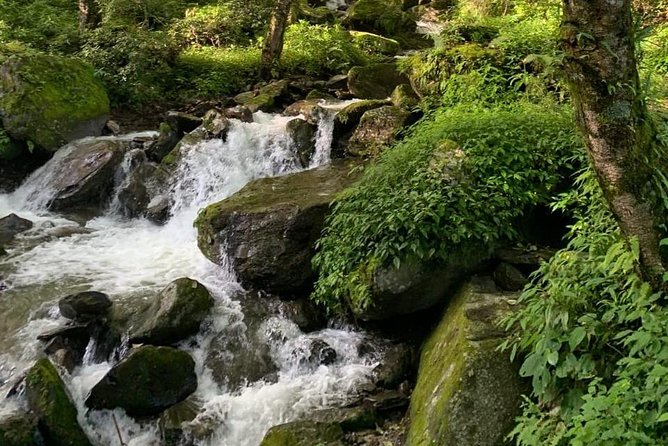
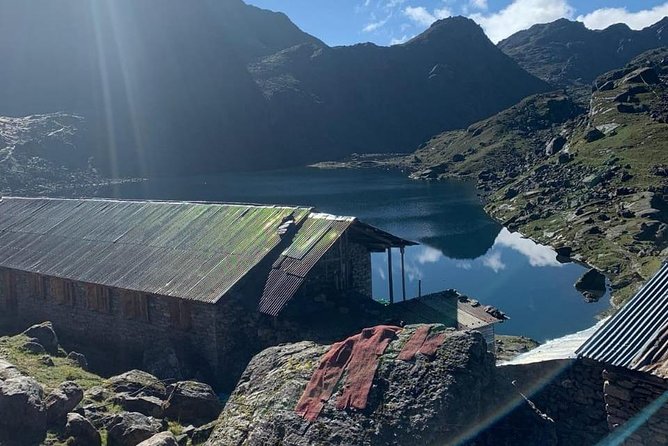
Gosainkunda is presented as a lake area rather than merely a stopping point, and that gives this route a clear identity. The name Holy Lakes reflects the spiritual importance of the site, while the altitude gives it a strong physical presence.
You should expect the stop to feel more basic than a city attraction. The included tea house or lodge accommodation and menu-based meals keep the trip practical, but this is still a mountain route. There is no promise of luxury, private rooms, or drinks in the package.
Meals include breakfast, lunch, and dinner during the trek. You receive one menu item per meal, and vegetarian food is available if requested when booking. You should also disclose any other dietary needs at that time. Beverages of any kind are excluded, so carry money for those separately.
Day 4: Gosainkunda to Ghopte at 3,530 meters
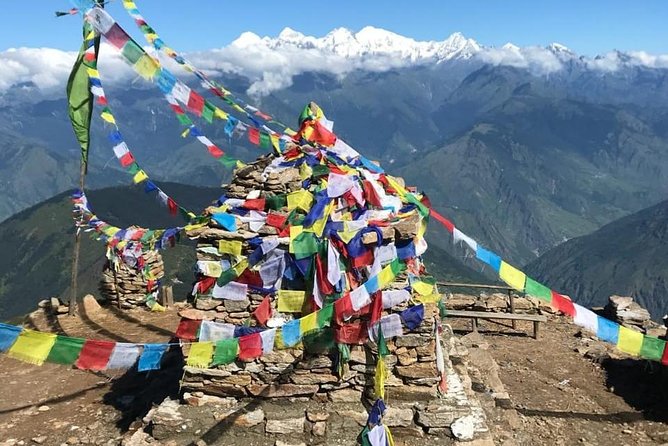
After reaching 4,390 meters, the route drops to Ghopte at 3,530 meters. That change in altitude may feel welcome, but it does not make the day easy. You are still walking after the trek’s highest section, and your legs may be tired from the previous climb.
Ghopte is part of the route’s quieter middle section. It helps break the journey between the lake area and the lower villages ahead. The appeal here is less about a single named sight and more about the rhythm of moving through mountain settlements.
This day also shows why the trip suits people who enjoy point-to-point trekking. You do not return to the same base each night. You walk onward, eat at the next lodge, and settle into a new village. That gives the trek variety, but it also means you cannot simply skip a difficult section without affecting the schedule.
Day 5: Ghopte to Kutumsang at 2,470 meters
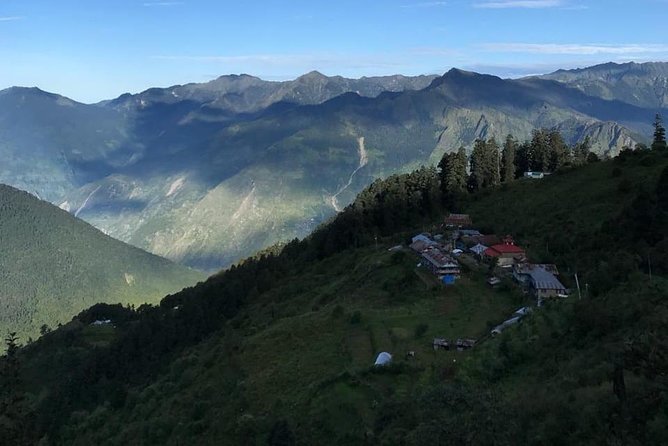
Day five continues down to Kutumsang, at 2,470 meters. Compared with Gosainkunda, this is a major drop in altitude, and the lower elevation should make the air feel easier.
Kutumsang gives the route another change of mood. You are no longer focused only on the high lake area, and the trek begins to feel like a longer village-to-village journey through the hills.
I like this part of the itinerary because it prevents the experience from ending at the main lake. You see how the route changes after its highest point, and you keep walking through communities rather than simply retracing your steps.
The downside is simple: the route remains active late in the week. By day five, you may be tired, but the itinerary still has Chisapani and Sundarijal ahead. Plan your Kathmandu schedule with some flexibility after returning, especially if you want a quiet evening rather than another activity.
Day 6: Kutumsang to Chisapani at 2,215 meters
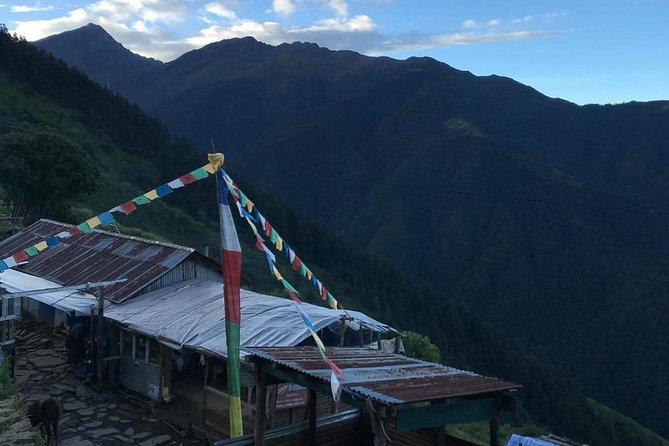
The sixth day takes you to Chisapani, at 2,215 meters. This is another lower-elevation stop and one of the final stages before returning to Kathmandu.
Chisapani is a useful overnight point because it keeps you close to the end of the trail without forcing the entire return in one day. You still receive the feel of a proper trek, with another night in a tea house or lodge instead of rushing back to the city.
At this stage, the value of the seven-day format becomes clear. You get time to move through several villages and altitudes instead of treating Gosainkunda as a quick out-and-back trip. The price covers lodging and meals along the trek, which makes the longer format easier to manage financially.
Day 7: Chisapani to Sundarijal, then Kathmandu
The final day takes you to Sundarijal at 1,460 meters, followed by a drive back to Kathmandu. This combines the last walking section with the return transfer.
Sundarijal is the practical endpoint for the trek. Once you reach it, the private vehicle removes the need to arrange your own transport back to the capital. That is especially helpful after several days on foot.
The schedule describes the trip as seven days, but road conditions, walking speed, and group pace can affect how the final day feels. Keep your plans in Kathmandu flexible rather than booking an important event immediately after the return.
What the $555 price really covers
At $555 per person, the value depends on how much help you want with the trek’s basic arrangements. The price includes a private jeep to Dhunche, the return drive from Sundarijal, one experienced guide, the trekking permit, tea house or lodge accommodation, and three daily meals during the trek.
That is a useful bundle. You are not paying only for guiding. Transport, permits, food, and sleeping arrangements are included, which reduces the small costs and decisions that can pile up on a mountain trip.
The exclusions matter. Kathmandu hotels and activities are separate, as are personal insurance, drinks, and tips for the staff. You should also allow room in your budget for beverages and gratuities.
The private format adds value if you want your own group rather than a large shared departure. The minimum booking is two people and the maximum is 14. That makes it suitable for couples, friends, families with the required fitness, or a small organized group.
The included service has earned praise for friendly staff and dependable arrangements. Names associated with Flyeast’s trekking support include Abhi, Roshan, Nani, and porter-guide Ram. Ram has been singled out for taking care of practical needs on the trail, while the wider team has been praised for patience and quick help. Staff assignments can change, so confirm who will lead your departure.
Food, lodging, and what you must handle
The package includes breakfast, lunch, and dinner for the trek, with one menu item from each tea house or lodge. Vegetarian meals are available, but you need to request that at booking. You should also state any dietary requirements before departure rather than waiting until the trail.
Drinks are not included. That means you need a separate budget for beverages during the walking days. The package also does not cover Kathmandu accommodation, personal insurance, or other activities in the capital.
Lodging is in tea houses or lodges. The information provided does not promise room type or private bathrooms, so you should think of the accommodation as functional mountain lodging. The benefit is convenience and a lighter travel setup. The compromise is fewer comforts than you would expect in Kathmandu.
Who should book this trek?
I would recommend it to you if you want a structured Himalayan trek with a clear high point, village-to-village walking, and transport arranged at both ends. It also suits people who prefer a private group and want meals, permits, guiding, and lodging handled in one booking.
You should be comfortable walking for five days and gaining altitude quickly. A moderate fitness level is required, but Gosainkunda’s 4,390-meter elevation deserves extra respect. If you have no trekking experience, ask the operator detailed questions about daily walking hours, pace, and altitude preparation before confirming.
This is less suitable if you want a relaxed holiday with plenty of free time, hotel comfort, or a guaranteed rest day. The route keeps moving, and the high-altitude section can be demanding.
Should you book the Gosainkunda Holy Lakes trek?
Book it if you want a well-organized seven-day route with a sacred high lake, changing mountain villages, and most core costs included. The private jeep, guide, permits, meals, and tea house lodging give the $555 price solid practical value.
Think twice if altitude worries you, if you need a slower acclimatization plan, or if you expect polished accommodation and drinks to be included. For a fit walker who wants a clear itinerary and helpful support from Flyeast Nepal, this is a strong choice. Just arrive prepared for the climb to 4,390 meters, and keep your plans after the trek loose.
Free cancellation is available when you cancel at least 24 hours before the 7:15 am start time. Changes or cancellations made later are not accepted for a refund.
FAQ
How long is the Gosainkunda Holy Lakes trek?
The experience lasts approximately seven days, including the drive from Kathmandu to Dhunche and the return drive from Sundarijal to Kathmandu.
What is the highest point on the trek?
The highest listed point is Gosainkunda, at 4,390 meters.
How many days involve trekking?
You trek from village to village for five days. The first day is the drive to Dhunche, and the final day includes the walk to Sundarijal followed by the drive to Kathmandu.
Is transportation included?
Yes. A private jeep is provided for the drive to Dhunche, and transport back to Kathmandu is provided from Sundarijal.
Are meals included?
Yes. Breakfast, lunch, and dinner are included during the trek, with one menu item from each meal. Drinks are not included.
Is vegetarian food available?
Yes. A vegetarian option is available, but you should request it when booking. You should also provide details of any specific dietary requirements at that time.
Is accommodation included?
Yes. Accommodation in tea houses or lodges is included for the trekking portion of the experience. Hotels in Kathmandu are not included.
How many people can join the private trek?
A minimum of two people is required per booking, and the maximum group size is 14. Only your group participates in the private activity.
What level of fitness is required?
You should have a moderate physical fitness level. The route includes several days of trekking and reaches 4,390 meters at Gosainkunda.
Recently added around Kathmandu
- Ghorepani Poon Hill Trek★ 5.0 · 16 reviews
- Private Manaslu Circuit Trek at Himalayas★ 5.0 · 3 reviews
- Amazing 1 Day Trekking Experience in Kathmandu Nepal★ 5.0 · 24 reviews
- Ghorepani Poonhill Trek★ 5.0 · 5 reviews
- Upper Mustang Trekking★ 5.0 · 2 reviews
- Upper Mustang Trekking★ 3.0 · 2 reviews
- Upper Mustang Trekking★ 5.0 · 4 reviews
- Upper Mustang Trek★ 5.0 · 5 reviews
Kathmandu Trekking Tours, compared.