REVIEW · KATHMANDU
10 Days Kathmandu Chitawan Pokhara Tour with Dhampus Trek
Mountain views come with a manageable price.
This 10-day Nepal journey packs a great deal into one route: sacred Kathmandu sites, jungle activities in Chitwan, lakeside Pokhara, and a short hill trek from Dhampus to Sarangkot. I especially like the mix of culture and wildlife, along with the two-night walk that gives you Himalayan views without committing to a long, demanding trek.
The main drawback is the amount of road time. You will spend about five hours reaching Chitwan, another five hours reaching Pokhara, and six to seven hours returning to Kathmandu. The trek is suitable for first-time hikers, but the six-hour Dhampus to Sarangkot day still requires steady walking on uneven and uphill paths.
Five things to know before booking
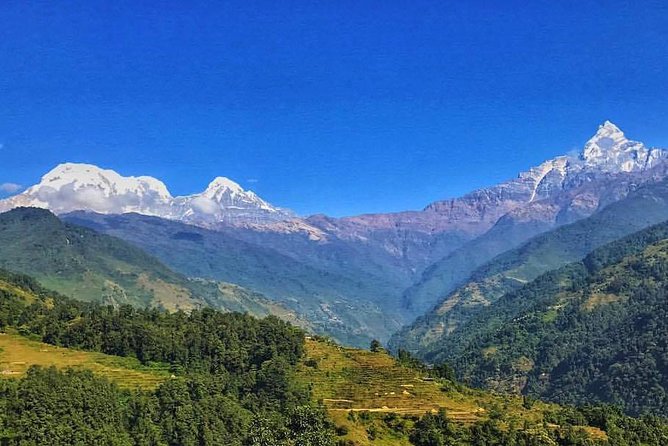
- Dhampus to Sarangkot is the trip’s scenic center: Rice terraces, forest paths, village life, and Himalayan views arrive without a high-altitude expedition.
- Chitwan adds real variety: Canoeing, bird watching, jungle activities, Tharu culture, and the chance to see one-horned rhinoceros all fit into one stay.
- Kathmandu’s major sights are covered in one day: Pashupatinath, Boudhanath, Patan Durbar Square, and Swayambhunath make a strong introduction to Nepal.
- Road travel is part of the experience: Tourist buses connect Kathmandu, Chitwan, and Pokhara, so the schedule is practical but not especially fast.
- The $699 price covers a lot: Hotels, meals in Chitwan and during the trek, transport, guides, a porter, park activities, and airport transfers are included.
- The best mountain views depend on weather: Sarangkot is famous for sunrise and Himalayan panoramas, but clouds can hide the mountains.
Why this route works for a first Nepal trip
Nepal can be difficult to plan because its best-known places sit far apart, roads are slow, and each region offers a different kind of experience. This itinerary solves part of that problem by linking the capital, southern lowlands, and Pokhara valley in a single loop.
You get religious monuments in Kathmandu, subtropical wildlife in Chitwan, and hill walking around Pokhara. The route also avoids a long high-altitude trek, making it a sensible choice if you want mountain scenery but do not want to sleep at extreme elevations.
I like the balance here. You are not spending all 10 days in a vehicle, but you also do not need to organize separate internal flights, hotel changes, trekking permits, or local transport. The tour includes an English-speaking trekking guide and one porter for every two hikers.
The private nature of the activity matters. Your sightseeing and trekking arrangements are for your own group, although the journeys between Kathmandu, Chitwan, and Pokhara use comfort tourist buses. That means you receive personal coordination without paying for a private vehicle on every long road journey.
A few more treks around Kathmandu worth a look
- Everest Base Camp Trek – 14 Days
★ 5.0 · 1,499 reviews - Everest Base Camp Trek
★ 5.0 · 842 reviews - Everest Base Camp Trekking
★ 5.0 · 485 reviews
Day 1: A simple Kathmandu arrival
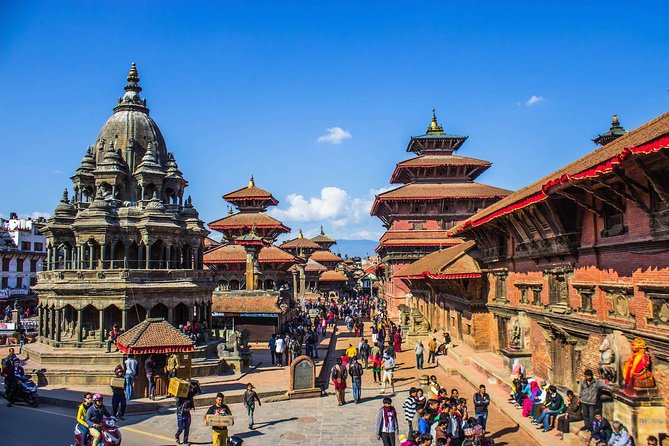
Your airport transfer begins outside the international terminal. A representative from Himalayan Sanctuary Adventure waits with your name and takes you to your Kathmandu hotel.
This is a short first day, listed at about 30 minutes, and that is a good thing. International flights into Kathmandu can leave you tired, so having the transfer arranged removes the usual bargaining and searching for a ride. You spend the night in a three-star category hotel.
The schedule does not include sightseeing on arrival day. Use the time to rest, confirm the next morning’s departure, and organize anything you will need for the Chitwan and trekking sections.
Day 2: Kathmandu’s sacred and artistic landmarks
The second day covers four major sites by private car or van: Pashupatinath Temple, Boudhanath Stupa, Patan Durbar Square, and Swayambhunath Stupa. The sightseeing lasts about five hours, so you receive a useful overview rather than an exhausting march through every corner of the valley.
Pashupatinath is one of the key Hindu religious sites in Nepal. Boudhanath offers a very different atmosphere, centered on one of the major Buddhist stupas in the Kathmandu Valley. At Swayambhunath, the stupa sits on a hill 77 meters above the valley floor, giving you a broad view over Kathmandu.
Patan, also called Lalitpur, is the artistic highlight. Its traditional Newari courtyards, temples, and craft traditions make it more than a quick photo stop. The area is described as having 136 bahals, or courtyards, and 55 major temples. Your actual time at each site will depend on the driver and schedule, so do not expect a full guided study of every monument.
One limitation is that the included information names a driver and private vehicle for sightseeing but lists a tour guide as an extra. If you want detailed explanations at all four sites, confirm before departure whether a dedicated guide is included. Otherwise, you may receive transport and site visits without full historical interpretation.
Day 3: The long road south to Chitwan
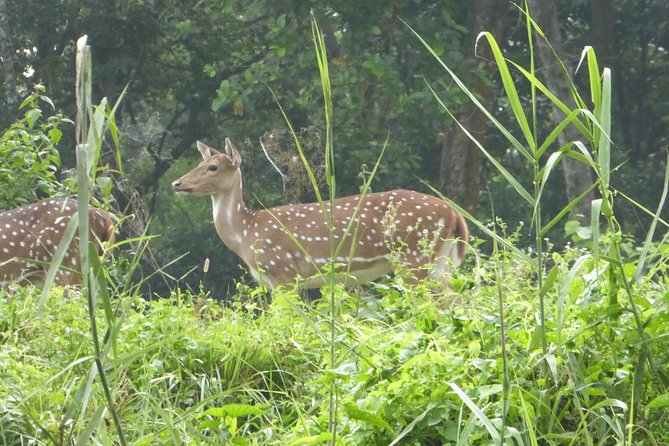
After an early breakfast, you travel roughly 187 kilometers to Chitwan National Park. The journey takes about five hours by tourist bus, followed by transfer to your hotel or jungle lodge.
The distance looks modest on a map, but Nepal’s roads make this a full travel day. Bring water, snacks, and something to read. Mineral water and other drinks are not included, and the trip may feel long if you are expecting a quick transfer.
Chitwan covers 932 square kilometers and is known for one-horned Asian rhinoceros, deer, monkeys, sloth bears, wild boar, leopards, Bengal tigers, birds, and reptiles. The park was established in 1973, and it is the wildlife portion of this route.
Accommodation in Chitwan is three-star category, with breakfast, lunch, and dinner included during the Chitwan stay. That inclusion adds real value because meals can otherwise become a steady extra cost on an organized jungle visit.
Same trailhead, a longer or shorter day out:
- Annapurna Circuit Trek with Tilicho Lake
★ 5.0 · 368 reviews - Everest Base Camp Trekking – 13 Day
★ 5.0 · 365 reviews - Everest Base Camp Trek
★ 5.0 · 350 reviews - Everest Base Camp Trek -14 Days
★ 5.0 · 321 reviews
Day 4: Canoeing, birds, and Tharu culture
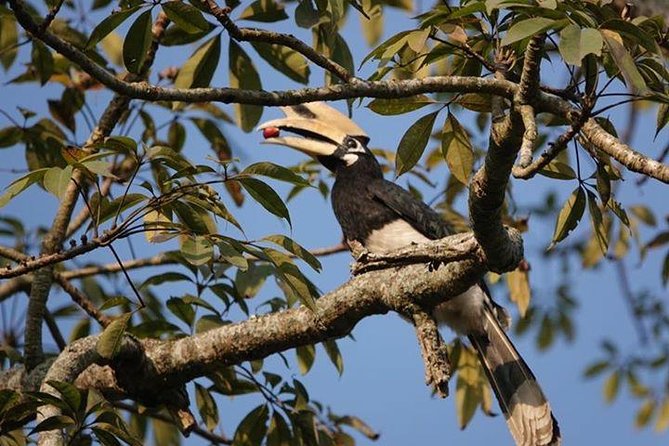
Chitwan’s activity day lasts about three hours in the listed schedule. Planned highlights include canoeing or boating, bird watching, jungle activities, and a Tharu stick dance. You also receive the chance to look for one-horned rhinoceros and Royal Bengal Tigers.
Keep expectations sensible. Seeing a rhinoceros is possible, but a tiger sighting is never guaranteed. Wildlife does not follow a tour timetable. The value of the day is the range of habitats and activities, not a promise of a particular animal.
The Tharu cultural element gives the park visit more depth. You are not only watching animals, but also seeing an important local tradition. National park fees and jungle safari activities are included, which helps keep this day financially predictable.
The schedule says visitors can participate in the main activities, but exact details such as safari vehicle type, canoe duration, and the timing of the dance are not specified. If one particular activity matters most to you, ask the operator for the final program before setting out.
Day 5: Chitwan to Pokhara
After breakfast, you go to the tourist bus station and travel by road to Pokhara. The listed duration is about five hours.
This transfer links two very different parts of Nepal. Chitwan is low, warm, and focused on wildlife. Pokhara sits at about 900 meters above sea level and is known for Phewa Lake and views toward the Annapurna region.
Do not treat this as a sightseeing day with many stops. It is mainly a connection day. Once you arrive, you are in a much better position for the short trek beginning the following morning.
Your Pokhara hotel is three-star category, with breakfast included. Lunch and dinner in Pokhara are not included, so budget separately for meals here.
Day 6: Phedi to Dhampus through terraces and forest
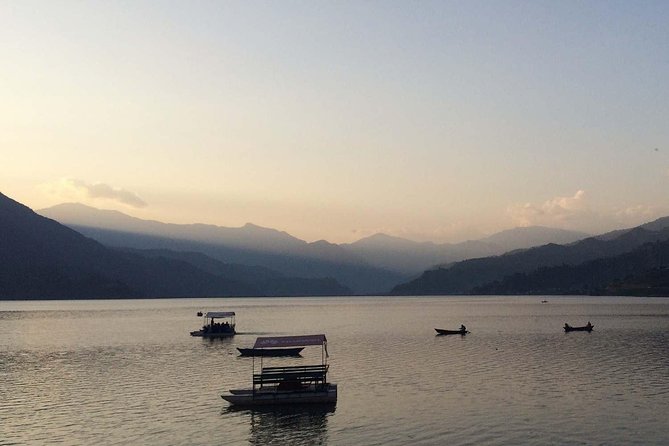
A private car or van takes you from your Pokhara hotel to Phedi, a drive of about 30 minutes. From there, the walk to Dhampus takes three to four hours.
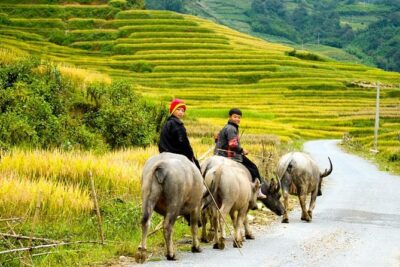
This is a gradual introduction to trekking. The route climbs through rice terraces, settlements, and green forest before reaching Dhampus at about 1,750 meters. You get a close look at the cultivated hills around Pokhara, rather than seeing the region only from a road or viewpoint.
The distance is not described, and the walking time can vary with pace and conditions. You should be comfortable walking uphill for several hours and carrying a day bag. A porter carries luggage, with one porter assigned for every two hikers.
The overnight stay is in a teahouse or lodge, with breakfast, lunch, and dinner included during the hike. That makes the trekking section easier to manage, though hot water, drinks, and personal purchases are extra.
Day 7: The six-hour walk to Sarangkot
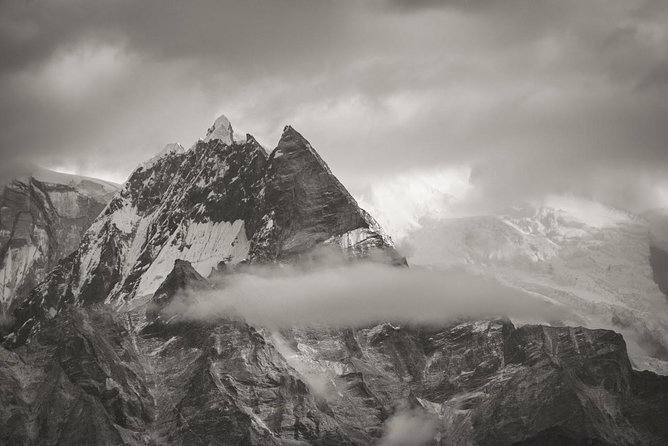
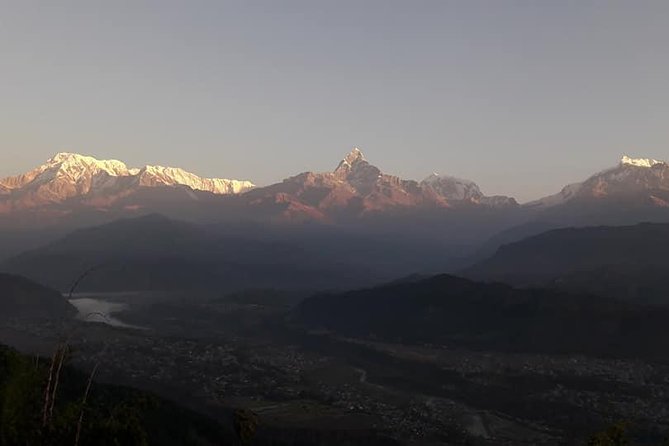
The longest trekking day goes from Dhampus to Sarangkot and takes about six hours. Along the way, you pass rice paddies, hills, village areas, and open viewpoints toward the Himalayan ranges.
Sarangkot sits at 1,590 meters on a ridge northwest of Pokhara. Its position gives views from Dhaulagiri across the Annapurna range toward Manaslu, as well as south across Pokhara Valley. The exact mountain view depends heavily on cloud and weather conditions, so keep your expectations flexible.
This day is the physical test of the trip. It is not a technical mountain route, and the package describes it as suitable for first-time and inexperienced hikers. Still, six hours on uneven paths is different from a short nature walk. Good walking shoes, a light rain layer, sun protection, and a small water supply will make the day more comfortable.
Sarangkot is known for both sunset and sunrise. Staying overnight in a lodge is important because it lets you see the early morning view without making a very early vehicle trip from Pokhara.
Day 8: Sunrise, descent, and Phewa Lake
The morning begins with sunrise and mountain views from Sarangkot. After breakfast, you descend toward Pokhara, with the walk listed at two to three hours.
The downhill direction may sound easy, but descents can be hard on knees and ankles. Take your time, especially if the path is wet. The reward is a changing view over Pokhara and the surrounding hills as you lose elevation.
The day ends with free time at Phewa Lake. This is a useful change of pace after the trek. You can rest by the water, take in the city setting, or simply enjoy an unplanned afternoon. Specific lake activities are not included, so any optional outing or personal expense is your responsibility.
You return to a Pokhara hotel for the night. Breakfast is included, but lunch and dinner are not.
Day 9: The return to Kathmandu
The return bus to Kathmandu takes about six to seven hours, with the itinerary describing the distance as roughly 200 kilometers. This is another substantial road day, and it is the least active part of the trip.
The benefit is simplicity. You do not need to arrange your own transfer back to the capital, and the tourist bus keeps the cost below a fully private road itinerary. The tradeoff is time and comfort. If you dislike long road journeys, this route may feel tiring by the end.
That evening includes a traditional cultural dinner. Your Kathmandu hotel is included, and the final overnight gives you a buffer before your international flight.
Day 10: Airport transfer and departure
A driver takes you to the international airport for your flight home. The transfer is listed at about 30 minutes.
Your departure time determines how much free time you have that morning. Since the itinerary does not include any final sightseeing, the day is intentionally simple. Keep your passport, flight details, and any remaining personal items ready the night before.
What the $699 price really includes
At $699 per person, this is a strong value if you use the included services. The package covers airport pickup and drop-off, Kathmandu and Pokhara hotel accommodation, Chitwan accommodation with three meals, trekking lodge accommodation with three meals, tourist bus transport, the private transfer to Phedi, Kathmandu sightseeing transport, a trekking guide, a porter for every two hikers, park fees and jungle activities, staff insurance, and local and government taxes where applicable.
The biggest savings come from combining several expensive elements. Chitwan activities, trekking support, accommodation, and transport would be difficult to arrange separately at the same price.
You still need money for cold drinks, bottled or mineral water, hot water, phone calls, laundry, alcohol, bar bills, sightseeing entrance fees and donations, meals in Kathmandu and Pokhara, trekking gear, souvenirs, tips, travel insurance, and any optional activities. Travel insurance and evacuation are specifically excluded, so arrange suitable coverage before leaving home.
The package lists breakfast nine times, while lunch and dinner are included in Chitwan and during the trek. Read that distinction carefully. You should not assume every meal across all 10 days is covered.
Service, guides, and practical comfort
The strongest praise focuses on the guide, driver, hotel staff, and the quality of the views. One visitor specifically found the guide helpful and enjoyed taking many photographs. Another praised the attentive staff, the driver, the hotels, and the overall service, describing the trip as unforgettable.
That praise fits the structure of the tour. A good trekking guide matters most on the Dhampus and Sarangkot section, while a reliable driver makes a real difference during the long road transfers. The company assigns an English-speaking trekking guide, but a dedicated guide for Kathmandu sightseeing is listed as an extra, so confirm that point.
The hotels are described as three-star category. That means you should expect practical accommodation rather than luxury. During the trek, teahouse and lodge rooms are simpler still, but the included meals and luggage porter reduce the amount you need to manage yourself.
Free cancellation is available when you cancel at least 24 hours before the start time. Cancellations made less than 24 hours before departure are not refunded, and late changes are not accepted.
Who should choose this Nepal tour?
I would recommend this route if you want a broad first look at Nepal and prefer a prepared schedule. It suits you especially well if you want:
- Major Kathmandu monuments without planning individual transfers
- A taste of Himalayan trekking rather than a long expedition
- Wildlife and Tharu culture in the same holiday
- Private sightseeing and trekking arrangements
- A fixed price with much of the accommodation and transport included
- A gentle introduction to walking at moderate elevation
It is less suitable if you want luxury hotels, flexible free time, or a serious multi-day mountain trek. It is also not ideal if long bus journeys frustrate you. The road sections are essential to the route, and the itinerary leaves little room for delays or extra rest days.
Should you book it?
Book this tour if you want Nepal in three clear chapters: temples in Kathmandu, wildlife in Chitwan, and mountain views around Pokhara. The Dhampus to Sarangkot walk gives you a genuine trekking feel while staying within a manageable 10-day plan.
Before paying, confirm the exact Kathmandu entrance fees, the sightseeing guide arrangement, the Chitwan activity schedule, and the hotel names. If you are comfortable with long road transfers and a six-hour walking day, the $699 price offers a practical and well-rounded introduction to Nepal.
FAQ
How long is the tour?
The tour lasts 10 days, including arrival in Kathmandu, departure from Kathmandu, the Chitwan visit, Pokhara, and the Dhampus to Sarangkot trek.
Where does the tour start?
It starts in Kathmandu, where a representative meets you outside the international terminal and transfers you to the hotel.
Is airport pickup included?
Yes. Airport pickup on arrival and airport drop-off on departure are included.
What sights are visited in Kathmandu?
The itinerary includes Pashupatinath Temple, Boudhanath Stupa, Patan Durbar Square, and Swayambhunath Stupa.
How long is the drive from Kathmandu to Chitwan?
The road journey is about 187 kilometers and takes approximately five hours.
What activities are included in Chitwan?
The Chitwan section includes jungle safari activities, national park fees, boating or canoeing, bird watching, and a Tharu stick dance.
How long is the trek from Dhampus to Sarangkot?
The trek from Dhampus to Sarangkot takes about six hours.
What elevation is Dhampus?
Dhampus is listed at an elevation of about 1,750 meters.
What elevation is Sarangkot?
Sarangkot is listed at an elevation of about 1,590 meters.
Are meals included?
Breakfast is included nine times. Breakfast, lunch, and dinner are included during the Chitwan tour and the Dhampus and Sarangkot hiking section. Lunch and dinner in Kathmandu and Pokhara are not included.
Is a trekking guide provided?
Yes. An English-speaking trekking guide is included, along with one porter for every two hikers.
Recently added around Kathmandu
- Ghorepani Poon Hill Trek★ 5.0 · 16 reviews
- Private Manaslu Circuit Trek at Himalayas★ 5.0 · 3 reviews
- Amazing 1 Day Trekking Experience in Kathmandu Nepal★ 5.0 · 24 reviews
- Ghorepani Poonhill Trek★ 5.0 · 5 reviews
- Upper Mustang Trekking★ 5.0 · 2 reviews
- Upper Mustang Trekking★ 3.0 · 2 reviews
- Upper Mustang Trekking★ 5.0 · 4 reviews
- Upper Mustang Trek★ 5.0 · 5 reviews
Tours, compared.
Full-Day Samaria Gorge Trek Excursion & Guide
Read our review →
Mount Etna Trekking Tour Beyond the Tourist Trails
Read our review →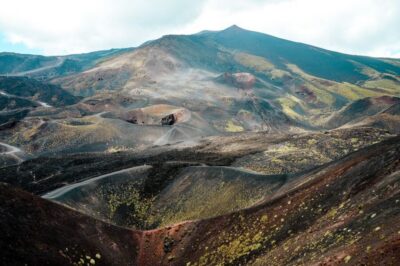
Etna Sunset Tour: Volcano trek, Cave & tasting from Catania
Read our review →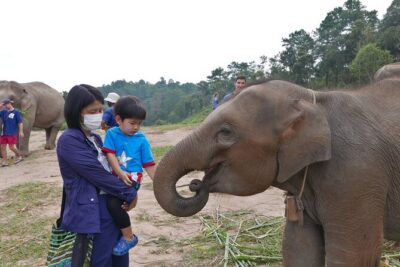
3-in-1: Doi Inthanon Tour, Elephant Sanctuary, and Trekking Trail
Read our review →
Mount Batur Sunrise Trekking Private Tour with Breakfast and Hotel Transfer
Read our review →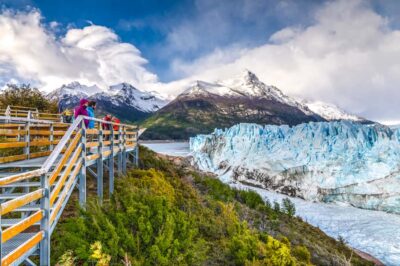
Perito Moreno Glacier Trekking Tour and Cruise
Read our review →