
REVIEW · SAPA
Trekking Sapa 1 Day With Local Guide, Terraced Rice Fields
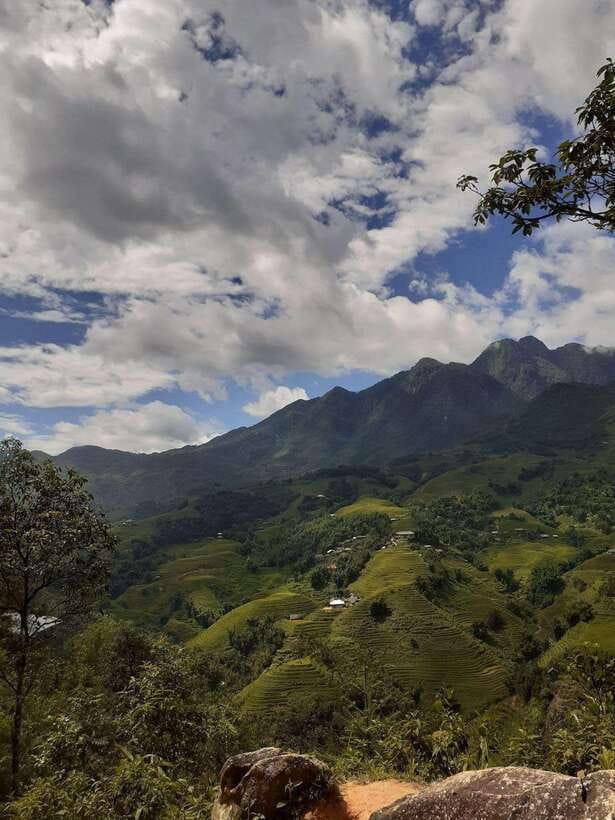
Sapa’s best views require muddy shoes. This 7-hour mountain trek links Hmong, Giay, and Black Hmong communities with broad views of the Muong Hoa Valley, famous rice terraces, and Hoang Lien Son Mountain. I like the small-group format, limited to 10 people, and the chance to walk beyond the busiest paths with a local English-speaking guide. I also like the strong value: $24 includes lunch, entrance fees, the guide, and the return bus.
The main catch is the trail itself. Rain can turn parts of the route into slippery mud, and you may spend as much time watching your footing as admiring the terraces. Sales pressure near the villages is another consideration, although guide Su has been praised for being kind and helpful, especially during heavy rain.
Key Things To Know Before You Go
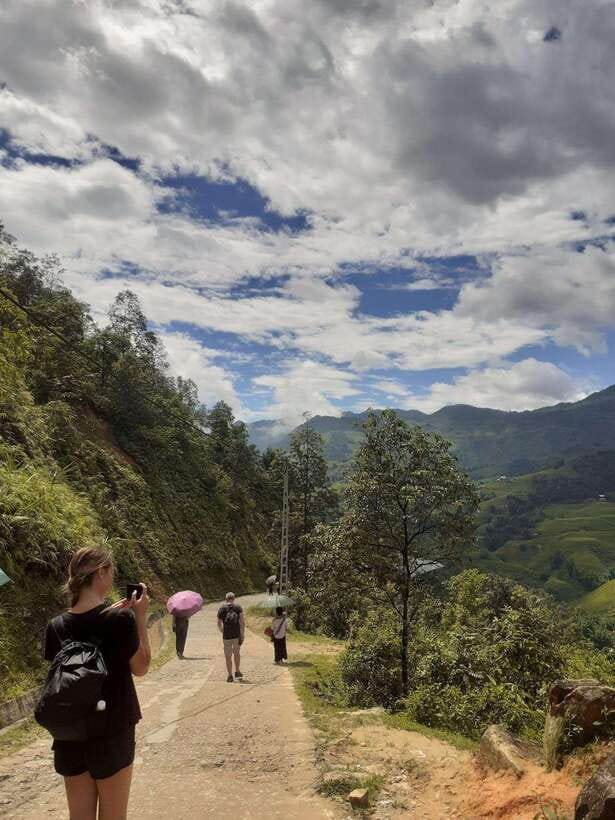
- 13 kilometers of walking: The route takes about five hours on foot, with the full experience lasting roughly seven hours.
- Three ethnic minority areas: You pass through Cat Cat, Y Linh Ho, Lao Chai, and Ta Van, with Hmong, Black Hmong, and Giay cultural encounters.
- High mountain views: The trail reaches about 1,800 meters above sea level and crosses bamboo forest, ridges, valley paths, and rice terraces.
- Lunch with a Hmong family: A simple midday meal is served at a small local restaurant in Y Linh Ho.
- Small groups matter: With no more than 10 people, it should be easier to hear your guide and keep a steady walking pace.
- Rain changes the experience: Waterproof shoes, a rain jacket, and careful footing are important, especially during the wet season.
Why This Sapa Trek Is Worth Your Time
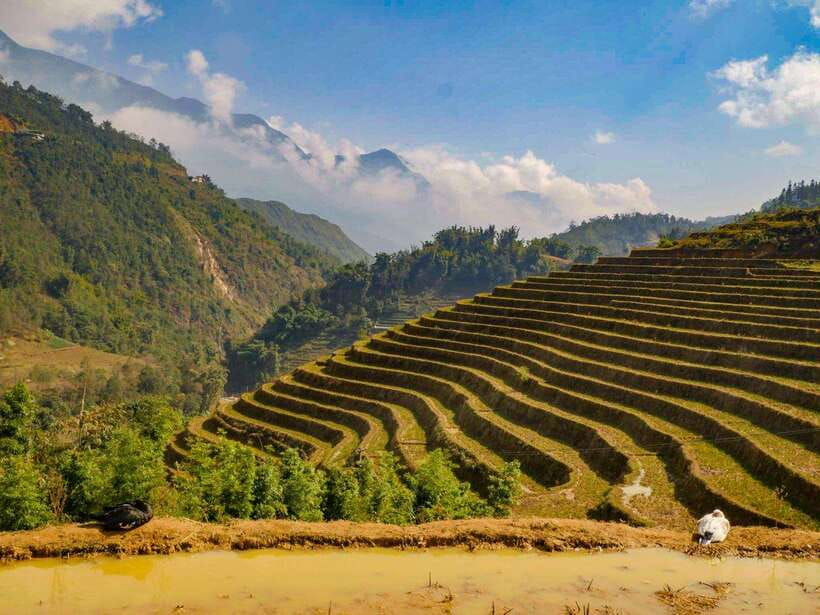
Sapa is easy to admire from a viewpoint or town café. The better way to understand the area is to walk through it. This route takes you away from the main town and into a chain of villages, rice fields, forest paths, and mountain slopes.
I like that the tour is not just a photo stop at one rice terrace. You spend several hours moving through the countryside, with time to see how the terrain connects the villages. The guide explains local customs, rice farming, house construction, work, and Hmong marriage traditions as you go.
At $24 per person, the tour offers a lot for the money. Your fee covers one meal, an English-speaking guide, all entrance fees, and the bus from Ta Van back to Sapa. Drinks, tips, taxes, and holiday surcharges cost extra, but the main expenses are already handled.
The walk is not a casual stroll. The advertised route covers about 13 kilometers and takes around five hours on foot. If you enjoy active sightseeing, that distance gives you time to see more than one village. If you prefer gentle walking, this may feel demanding.
More Rice Terrace Treks in Sapa
- Sa Pa: Muong Hoa Valley Trek and Local Ethnic Villages
★ 4.6 · 864 reviews - Explore Sapa by TrekkingAdventures, Mountain,Rice fields
★ 4.9 · 229 reviews - Sa Pa: 6-Hours Muong Hoa Valley Trek with Local Ethnic guide
★ 4.5 · 178 reviews
Starting In Sapa And Walking Toward Cat Cat
The day begins between 8:00 and 8:30 in Sapa Town. Pickup is available from hotels in central Sapa, or you can meet the guide in front of the main church. Hotels outside the center are not listed for pickup, so check this point before booking.
After a short introduction, you are taken about two kilometers down the road toward Cat Cat. Cat Cat is associated with the Hmong community and is one of the best-known village areas near Sapa.
This opening section helps move you out of town, but it is not yet the quietest part of the route. Cat Cat is well known, so you may encounter more tourist activity here than later in the walk. The benefit is that you quickly reach the countryside and begin the downhill and mountain route.
The itinerary describes Cat Cat as a walking stop rather than a long guided visit. Think of it as the first gateway into the trek, not the main cultural presentation of the day.
Crossing The Muong Hoa River And Entering The Mountains
From the Cat Cat road, the route heads toward the hanging bridge over the Muong Hoa River. This is where the outing begins to feel more like a mountain trek than a village tour.
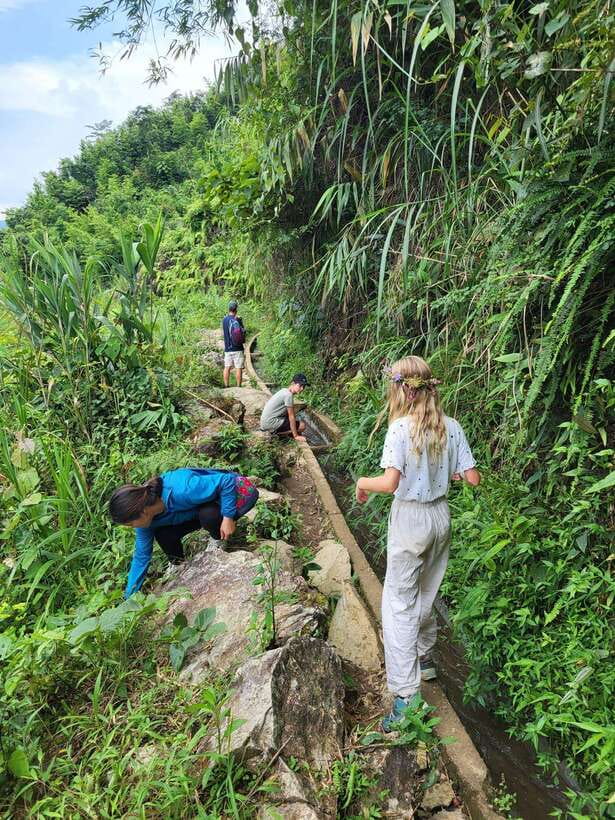
You then continue uphill toward the mountains and pass through bamboo forest. The climb gives you a different view of Sapa than the familiar valley outlooks. Instead of seeing only terraces from a lookout, you move among slopes and paths that lead toward them.
The route reaches about 1,800 meters above sea level. That figure matters because the combination of altitude, uphill walking, and uneven ground can make the trek tiring. People with altitude sickness or high blood pressure are specifically advised not to join.
The scenery is one of the strongest reasons to book. From the upper sections, you can look across large rice terraces and toward Hoang Lien Son Mountain. The views may be partly blocked by mist or rain, but the guide can still point out the valley and the farming patterns around you.
Y Linh Ho And Lunch With A Hmong Family
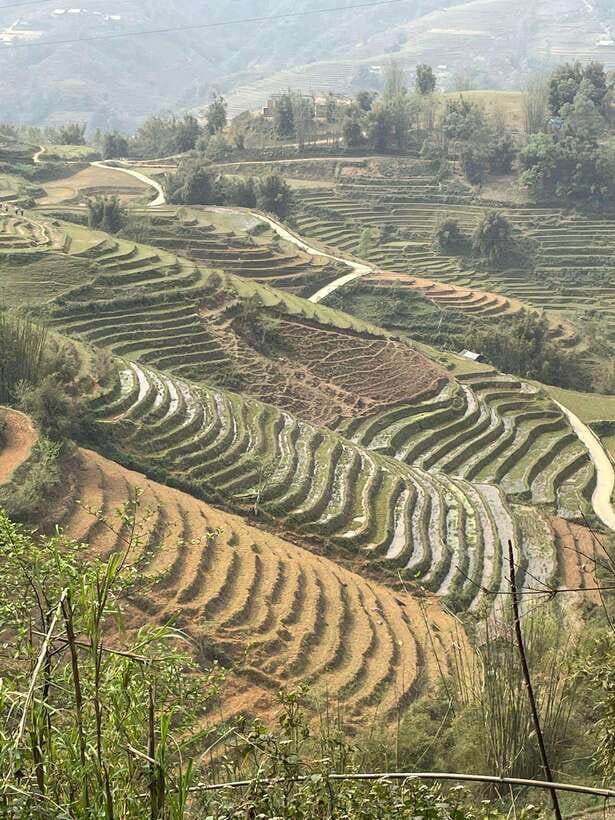
The trail eventually descends toward Y Linh Ho village. This section brings you closer to the rice fields and gives you a chance to see the mountain setting at a slower pace.
Y Linh Ho is also where lunch is served at a small restaurant run by a local Hmong family. One meal is included in the price, while drinks are not. That makes it wise to carry water or budget for a drink separately.
A meal stop is useful here for more than food. After several hours of walking, you need time to rest before the afternoon section. You can also use the pause to ask your guide about farming, houses, family customs, and daily work.
The meal should be approached as a simple local stop rather than a restaurant outing. The information provided does not specify a menu, so do not book this tour expecting a choice of dishes or a formal dining service.
More Rice Terrace Treks in Vietnam
- Sapa Muong Hoa Valley & Ta Van Eco Village Scenic Tour (No Trek)
★ 5.0 · 144 reviews - Daily Tour: Sapa Trekking in Muong Hoa valley, Bamboo forest
★ 5.0 · 121 reviews - 1-Day Sapa Long Trek – Rice Field Terrace, Ethnic Culture
★ 4.9 · 62 reviews - 3-Day Trek in Amazing Muong Hoa Valley & ethnic Homestay
★ 5.0 · 49 reviews
Lao Chai And The Black Hmong Community
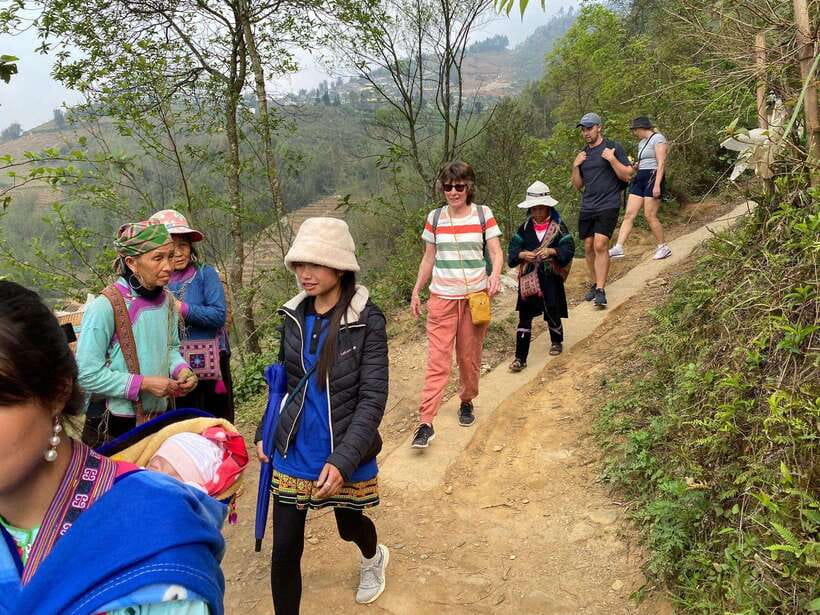
After lunch, you continue toward Lao Chai, a village associated with the Black Hmong. The name refers to a Hmong group with its own clothing traditions and cultural identity.
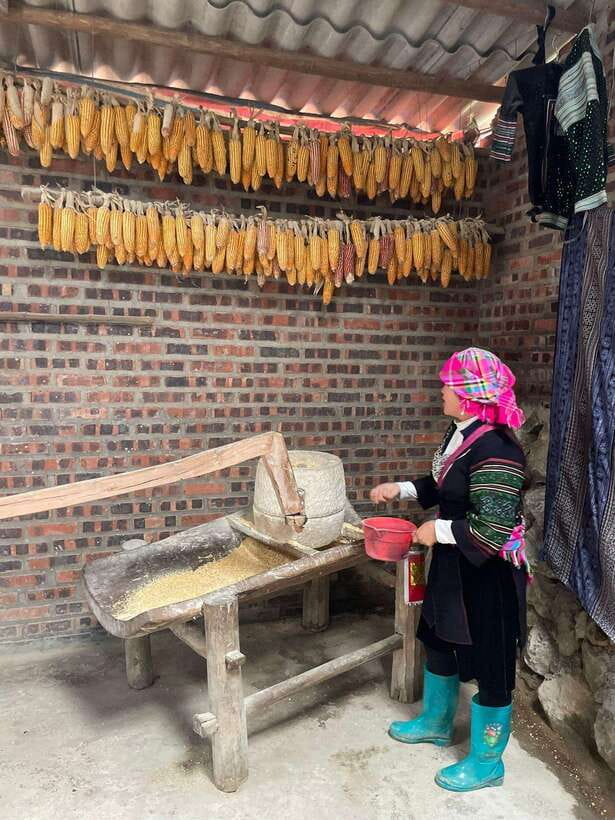
The guide’s role becomes especially useful here. You are introduced to differences between the minority groups, including customs, work, rice farming, house-building methods, and marriage traditions. These explanations help turn the walk into more than a series of scenic pauses.
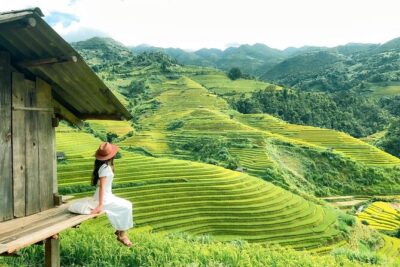
The rice terraces are the visual centerpiece of this section. Their shape changes with the season and weather, but the main idea is constant: steep mountain land has been shaped into fields that follow the contours of the slopes.
You may also see water buffalo during the outing. These animals are closely tied to rice farming and are one of the most recognizable parts of rural life in northern Vietnam. The experience promises a chance to see them in the countryside, although animal sightings cannot be guaranteed at a precise point on the route.
Ta Van And The Giay Village
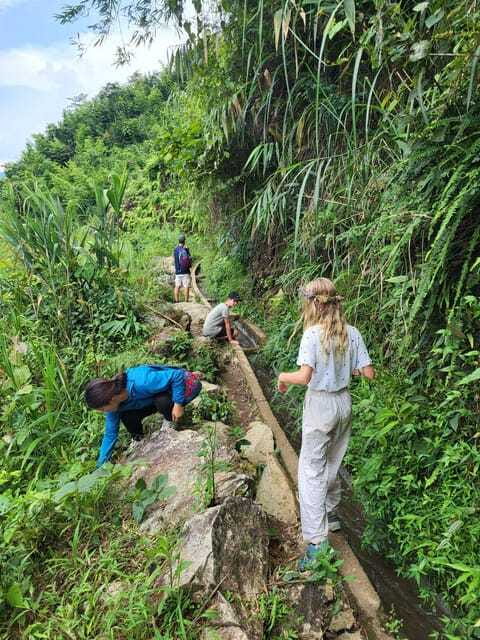
The final major village is Ta Van, home to the Giay minority. By this point, you have walked through several communities and can compare the setting and cultural information shared by your guide.
Ta Van is not simply the end point for photos. It is where the tour brings together the cultural themes introduced throughout the day. You learn more about how minority groups differ, while the guide helps explain the surrounding homes, fields, and village life.
The route description mentions Hmong, Giay, and Red Dao groups in its general highlights, but the detailed walking plan names Hmong, Black Hmong, and Giay communities. It does not identify a separate Red Dao village stop. If seeing a Red Dao settlement is essential to your plans, ask the provider to clarify this before paying.
Ta Van is also the point where walking ends. A bus brings you back to Sapa Town, so you do not need to retrace the entire route on foot. That return transfer is included and is a useful part of the value.
Mud, Rain, And The Real Trail Conditions
The biggest practical issue is weather. In wet conditions, the route can become very muddy, with slippery sections where keeping your balance takes real effort. One recent participant described heavy rain and said the guide and accompanying women were very friendly and helpful during the difficult conditions.
That is a meaningful point for anyone considering this trip. The scenery can be wonderful, but bad weather may limit your views and make the walk much harder. You might spend more time looking down to avoid slipping than looking across the valley.
Wear shoes with a firm grip and clothing that can get dirty. A waterproof jacket is more useful than an umbrella on a mountain trail. Keep valuables in a waterproof bag, and bring enough water for the walk because drinks are not part of the meal inclusion.
The tour is not suitable for babies under one year, people over 95, people with high blood pressure, or people with altitude sickness. Those limits do not describe every difficulty on the trail, so you should also consider your own comfort with five hours of uneven mountain walking.
Encounters Along The Route
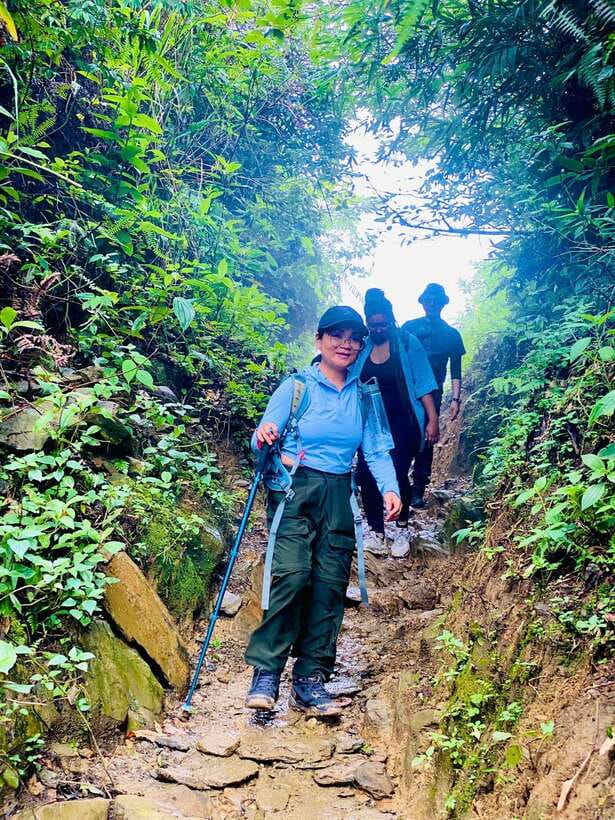
The cultural contact is one of the tour’s strongest features, but it may not always feel relaxed. At village entrances, local sellers may approach you with handmade goods. Some people enjoy browsing and buying directly from local vendors. Others find repeated sales approaches tiring.
You can prepare by deciding in advance how you want to handle purchases. A friendly greeting and a clear no thank you usually keeps the exchange brief. The guide may help you manage the situation, but you should not assume that every village stop will be free of commercial activity.
The tour’s cultural explanations are more valuable than a quick stop for photographs. You hear about Hmong marriage traditions, rice-field work, and house-building techniques while moving through places where those subjects remain part of daily life.
The small-group size should help. A maximum of 10 participants is modest for a mountain route, and it gives you a better chance to hear the guide than you would in a large coach group. It also makes it easier to keep the walk moving without long delays.
Timing, Transport, And Value At $24
The day starts in the morning and finishes around 2:30 p.m. in Sapa. That timing is convenient if you want to continue by bus to Hanoi or another destination later in the day, although you should leave a sensible buffer for delays.
The total duration is about seven hours. About five hours are spent walking the 13-kilometer route, with time for lunch, explanations, stops, and the return bus. You should treat the day as a full active outing, not as a short excursion squeezed between other plans.
The price is low for what is included. You receive a guide, one meal, entrance fees, and transport from Ta Van back to Sapa. You still pay for drinks, tips, taxes, and any holiday surcharge during periods such as Christmas, New Year, or Lunar New Year.
The value is best if you want to see several villages in one day without arranging private transport between them. A private guide could offer a slower pace or a different route, but this small-group trip keeps the cost down while providing a local guide and a planned return to town.
Free cancellation up to 24 hours before the start and the option to reserve without paying immediately make the booking less rigid. The more important decision, though, is whether your body and footwear are ready for the trail.
Who Should Book This Trek
I would choose this tour if you want active sightseeing, broad rice-terrace views, and direct contact with several ethnic minority communities. It is especially suitable for you if a five-hour mountain walk sounds like the main attraction rather than an inconvenience.
You will likely appreciate the tour if you want a local guide to explain customs instead of simply leading you from one viewpoint to another. The small group and included return bus also make the day straightforward.
I would think twice if you dislike mud, steep paths, or changing weather. The route is not ideal for people with altitude sickness or high blood pressure, and the full distance may be too much for anyone seeking an easy village visit.
Should You Book It?
Book this trek if your priority is value, village access, and serious scenery. The $24 price includes the main practical costs, and the route gives you far more than a single rice-field viewpoint.
Skip it if you need dry, polished paths or a quiet experience without local sellers approaching you. For most reasonably fit visitors who pack for rain and accept a little mud, this is a strong way to spend a day outside Sapa.
FAQ
How long does the Sapa rice terrace trek last?
The experience lasts about seven hours. The walking portion covers roughly 13 kilometers and takes about five hours, with additional time for lunch, village visits, and the return transfer.
What time does the tour start?
Pickup begins between 8:00 and 8:30 in the morning. You can be collected from a hotel in central Sapa or meet the guide in front of Sapa’s main church.
Which villages are included?
The route includes Cat Cat, Y Linh Ho, Lao Chai, and Ta Van. It introduces you to Hmong, Black Hmong, and Giay communities. The general description also mentions Red Dao culture, but a separate Red Dao village is not identified in the detailed route.
Is lunch included?
Yes. One meal is included, served at a small restaurant run by a local Hmong family in Y Linh Ho. Drinks are not included.
Is transportation back to Sapa included?
Yes. After reaching Ta Van, a bus takes you back to Sapa Town.
Is the trek suitable for people with altitude sickness or high blood pressure?
No. The activity specifically states that it is not suitable for people with altitude sickness or high blood pressure. It is also not suitable for babies under one year or people over 95.
What is the cancellation policy?
You can cancel up to 24 hours before the activity for a full refund. You can also reserve now and pay later.
More One-Day Treks in Sa Pa
- From Sapa: 1-Day Guided Trek to Lao Chai & Ta Van with Lunch
★ 4.9 · 416 reviews - Sapa 1 Day Long Trek: Trek to Hau Thao and Sa Seng Villages
★ 4.6 · 344 reviews - 1-day Authentik trek & Panorama valley views
★ 5.0 · 189 reviews - 1 day Fansipan Trekking
★ 5.0 · 180 reviews
More Rice Terrace Treks in Sa Pa
- Muong Hoa Valley Trek & Homestay Experience – 4D3N
★ 5.0 · 42 reviews - Sapa: Muong Hoa Mountain Views and Villages Trek with Lunch
★ 4.3 · 28 reviews - Sapa: Muong Hoa Valley View & Villages Trek with Local Guide
★ 5.0 · 25 reviews - From Sapa: Muong Hoa Valley View & Village Trek 1-Day
★ 5.0 · 21 reviews
Recently added around Sa Pa
- Soob Sapa Trekking Tour★ 4.3 · 3 reviews
- Sapa Trekking – Waterfalls And H’mong Villages★ 5.0 · 2 reviews
- Sapa Trekking Private Tour With Ethnic Female Tour Guide★ 4.9 · 24 reviews
- Sapa: Trekking Through Terraced Rice Fields & Valley 1 Day★ 4.8 · 4 reviews
- Sapa: Y Linh Ho – Lao Chai, and Ta Van Trekking Day Tour★ 5.0 · 25 reviews
- Sapa Trekking Guide Francophone 2 days – 1 night★ 5.0 · 2 reviews
- Sapa: Ta Phin Village Trek with Lunch and Bathing Experience★ 4.7 · 13 reviews
- Sapa small groupe activities: 1 Day trek – Meet the locals★ 4.7 · 3 reviews
Rice Terrace Treks, compared.
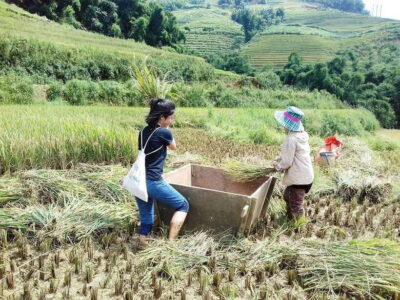
Muong Hoa Valley Trek and Local Ethnic Villages
Read our review →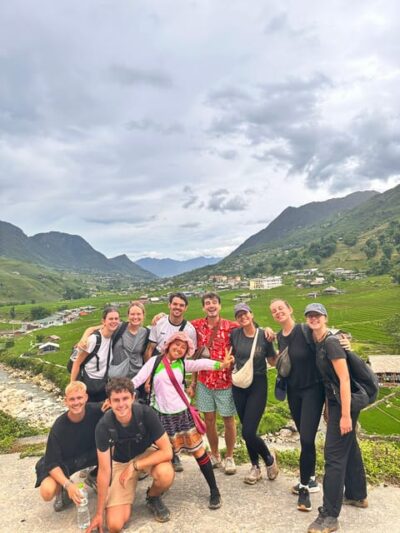
Explore Sapa by TrekkingAdventures, Mountain,Rice fields
Read our review →
Selogriyo Temple and Trekking Java Rice Terraces, hidden waterfall -Nature Java
Read our review →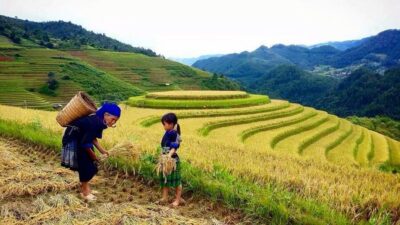
6-Hours Muong Hoa Valley Trek with Local Ethnic guide
Read our review →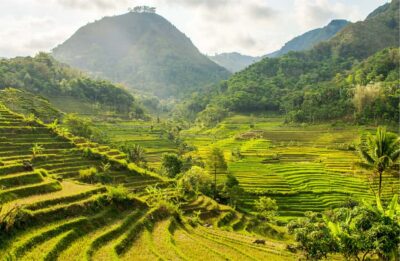
Sapa Muong Hoa Valley & Ta Van Eco Village Scenic Tour (No Trek)
Read our review →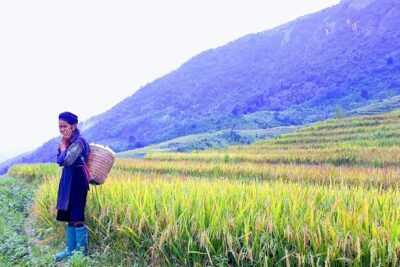
Daily Tour: Sapa Trekking in Muong Hoa valley, Bamboo forest
Read our review →
Rice Terrace, Holy Water Temple & Waterfalls Trek Tour
Read our review →Browse the lists this tour appears in