
REVIEW · SAPA
Sa Pa: Muong Hoa Valley Trek and Local Ethnic Villages
The valley rewards sturdy shoes. This six-hour trek gives you rice terraces, river paths, and village life in one well-priced outing, with lunch at a local home and a small group capped at 11 people. I especially like the mix of scenery and cultural context, plus guides such as Su, Chai, Khu, and Sunny, who have been praised for explaining local customs in clear English.
The main catch is the trail. Wet weather can turn the route into a mud-and-balance test, particularly in the bamboo forest and on steep paths near the terraces. I would not book this as a gentle countryside stroll, and I would bring proper hiking shoes rather than ordinary trainers.
Key points to know before you go
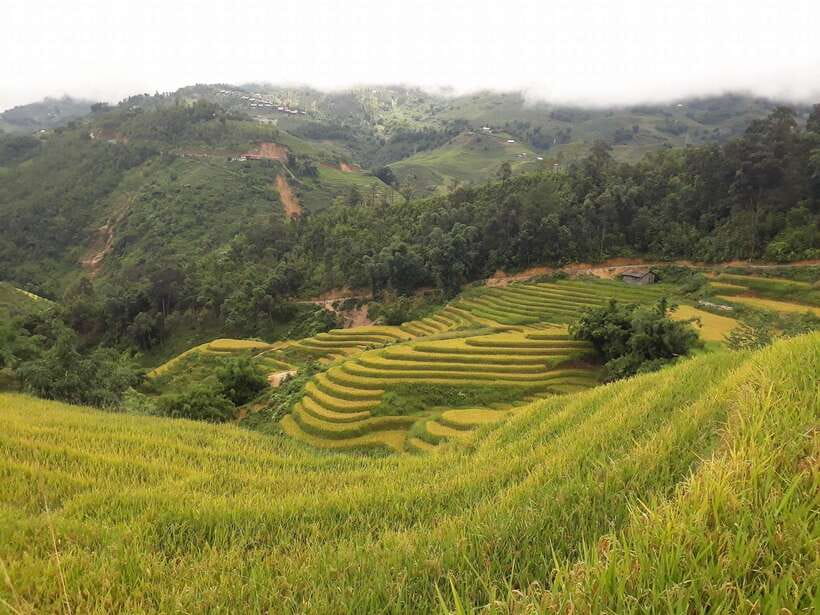
- A real 10-kilometer trek: Expect narrow paths, steep sections, slippery rocks, bamboo forest, streams, and roughly six hours on foot.
- Three distinct village areas: The route passes through Lao Chai, Ta Van Giay, and Giang Ta Chai, home to Black Hmong and Red Dao communities.
- Local support on muddy sections: Women from nearby villages may help you across difficult ground, but you should carry cash if you want to buy a small handmade item afterward.
- Lunch at a family home: The midday meal breaks up the walk and has included rice, vegetables, tofu, eggs, and vegetarian spring rolls.
- Small-group atmosphere: Groups are limited to 11, though some departures may be much smaller.
- Good value at $23: The price includes a guide, entry fees, lunch, water, pickup in central Sa Pa, and the return ride.
Why this Sa Pa trek is worth your time
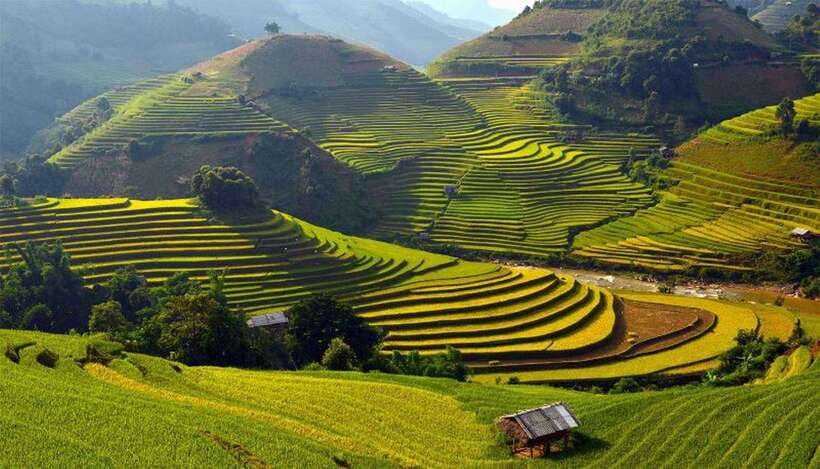
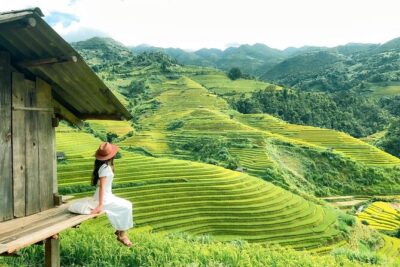
Sa Pa is famous for its steep green hills and layered rice terraces, but the best way to understand the area is to leave the town streets behind. This trek takes you into the Muong Hoa Valley, where the scenery is tied closely to daily work, village homes, footpaths, and farming.
For $23, I think the outing offers strong value. You are not simply paying for a marked walking route. The price includes an English-speaking guide, lunch, entrance tickets, 500 milliliters of mineral water, transport back to Sa Pa, and pickup from a hotel in the town center or the Vietnam Nomadtrails office.
The cultural side is the real reason I would choose this trip. Guides explain the lives and customs of the local communities as you walk, rather than leaving you to pass through the villages without context. Past guides have included Su, Chai, Khu, Sunny, Nhu, Linda, and Thao Nhu. The strongest praise has gone to guides who helped people over unsafe ground while also answering questions about local traditions.
Still, this is not a polished park trail. The route can be muddy, uneven, and poorly preserved in places. Several people have slipped in wet weather, and trainers have offered too little grip. Think of the trip as an active mountain walk with a cultural focus, not a sightseeing bus ride with a short stroll.
More Rice Terrace Treks in Sapa
- Explore Sapa by TrekkingAdventures, Mountain,Rice fields
★ 4.9 · 229 reviews - Sa Pa: 6-Hours Muong Hoa Valley Trek with Local Ethnic guide
★ 4.5 · 178 reviews - Sapa Muong Hoa Valley & Ta Van Eco Village Scenic Tour (No Trek)
★ 5.0 · 144 reviews
Starting in Sa Pa and entering Muong Hoa Valley
Pickup is available from hotels in Sa Pa town, or you can meet at the Vietnam Nomadtrails office. Pickup from outside the Sa Pa area is not included. The exact start time depends on availability, but the tour ends at about 3:30 PM, making it easy to plan an evening in town.
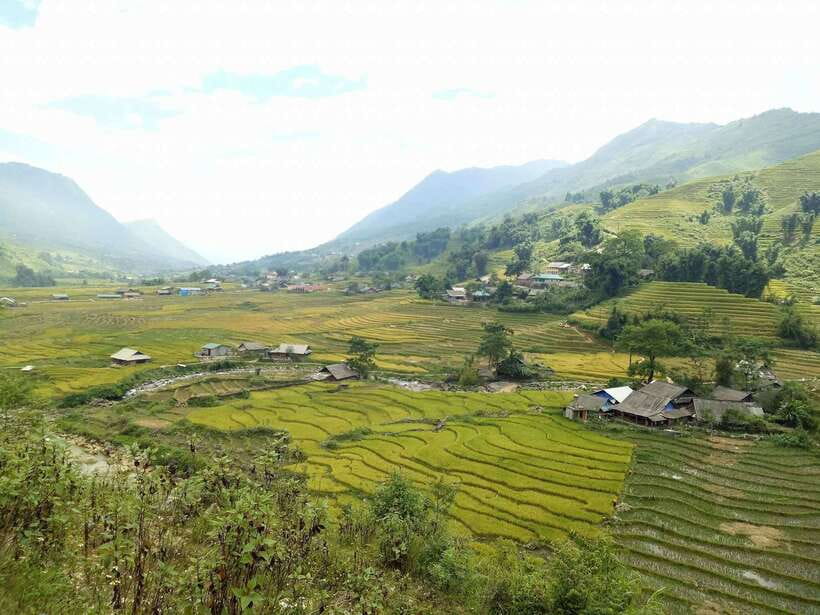
The walk begins along a small trail toward the Muong Hoa River. In the morning, mist can hang over the terraces, softening the view and giving the valley a very different mood from the clear, wide scenes you may see in photographs.
I would not count on perfect visibility. Fog and rain are common enough to affect the views, especially from October into the cooler months. Yet the valley can still be rewarding in cloudy weather. The terraces, homes, water buffalo, river, and village paths remain interesting even when distant hills disappear.
Your guide should set the pace and point out safer footing. In a small group, you have a better chance to stop for questions or take a short rest without holding up a large crowd. The maximum group size is 11, and some departures have been much smaller, including one group of only three people.
Lao Chai and the Black Hmong countryside
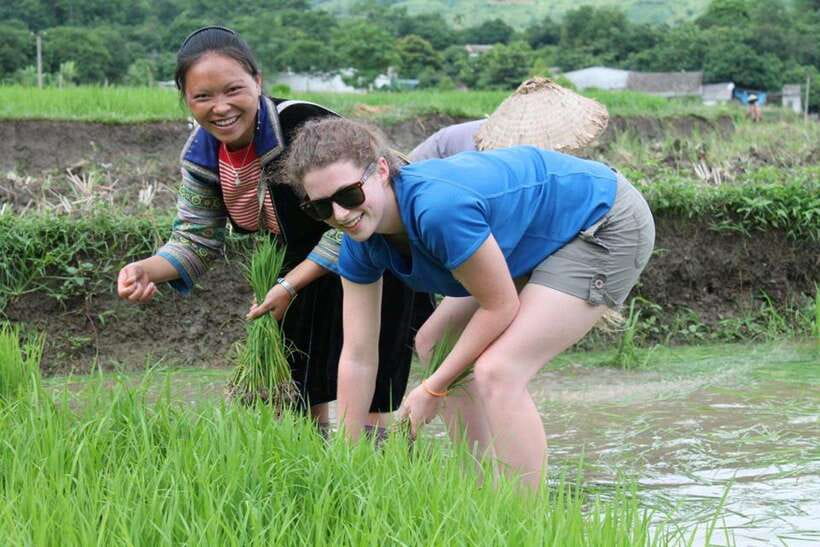
The route continues past carefully tended rice terraces toward Lao Chai, a village associated with the Black Hmong community. This section gives you one of the clearest views of how farming shapes the valley.
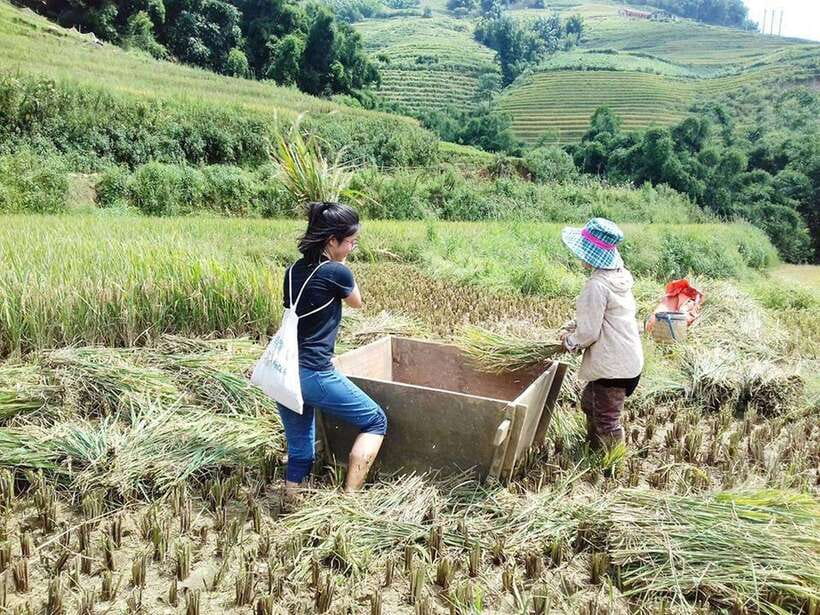
The terraces are not just scenic layers. They are working fields, and you may see people tending them and water buffalo near the paddies. The trail can pass close to homes and cultivated ground, so your guide’s explanations help you understand what you are seeing without treating the village as a backdrop.
This is also one of the places where local women may join the walking group. They are often especially helpful on steep or muddy stretches, taking your hand and showing you where to place your feet. That assistance can be genuinely useful, especially after rain.
There is a social and commercial side to this practice. You may be expected to buy a small item from the woman who helps you. I suggest carrying some cash and deciding in advance what feels comfortable. A modest purchase can be a polite thank-you, but you should not feel pressured into buying more than you want.
Ta Van Giay, the river, and ancient stone carvings
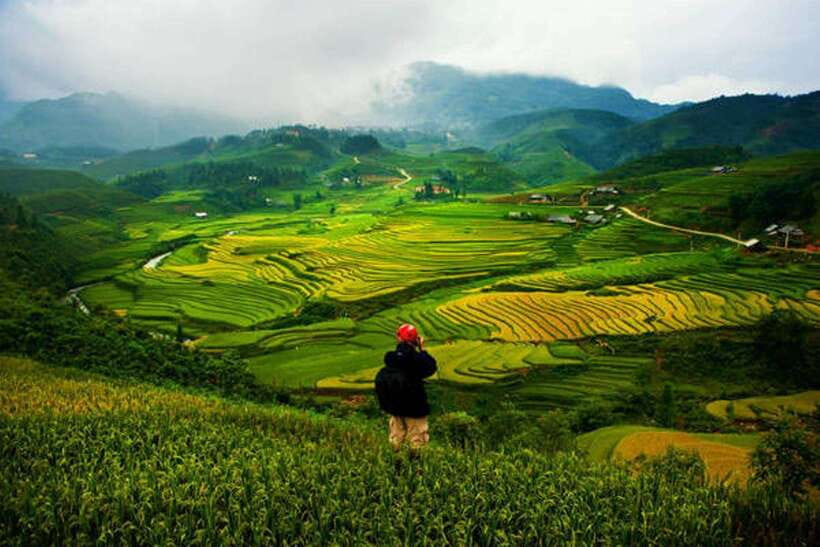
From Lao Chai, the trek continues toward Ta Van Giay. The path follows the Muong Hoa River and crosses a small suspension bridge about two kilometers from the settlement.
This part adds variety to the walk. Instead of staying high among the terraces, you move alongside the river and through changing terrain. The suspension bridge is a practical crossing, not a major attraction with elaborate facilities, so expect a simple local structure and take care with your footing.
The route also reaches a collection of ancient rock carvings. The carvings show figures, stilt houses, and decorative patterns. They offer a glimpse into the area’s older cultural record and give the guide a chance to explain how local life has been represented in stone.
Do not expect a large museum or a formal archaeological site. The appeal is that the carvings appear as part of the valley walk. You see them in the same setting as the river, terraces, and village paths, which makes the stop feel connected to the place rather than separated behind glass.
More Rice Terrace Treks in Vietnam
- Daily Tour: Sapa Trekking in Muong Hoa valley, Bamboo forest
★ 5.0 · 121 reviews - 1-Day Sapa Long Trek – Rice Field Terrace, Ethnic Culture
★ 4.9 · 62 reviews - 3-Day Trek in Amazing Muong Hoa Valley & ethnic Homestay
★ 5.0 · 49 reviews - Muong Hoa Valley Trek & Homestay Experience – 4D3N
★ 5.0 · 42 reviews
Lunch at a local home
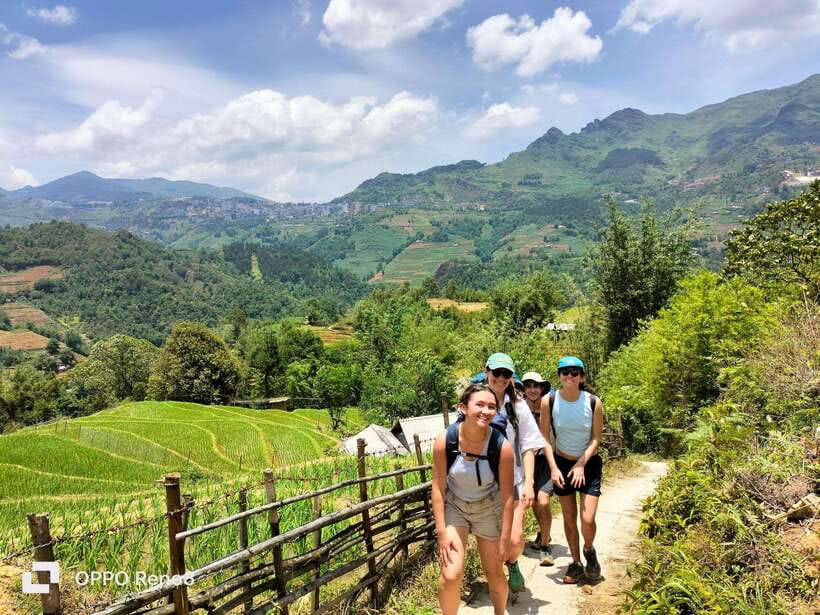
Lunch comes at a local house in one of the villages. This is an important pause because the walking day is long, and the meal breaks the route into manageable sections.
Food has included rice, vegetables, tofu, eggs, and vegetarian spring rolls. Special diets can sometimes be accommodated, as shown by the experience of a vegan participant, but I would still mention your needs when booking and again to the guide at the start.
The lunch is simple rather than luxurious, but that is part of its value. You get time to sit, eat, and see a little of village hospitality instead of rushing from viewpoint to viewpoint. It also gives you a chance to recover before the rougher sections later in the day.
Some guides have invited groups into a family home during Tet, the Lunar New Year period. That can make the meal feel especially personal, but holiday dates also bring a surcharge. From February 14 to 21, 2026, the additional charge is $30 per person, payable at departure.
Bamboo forest and Giang Ta Chai
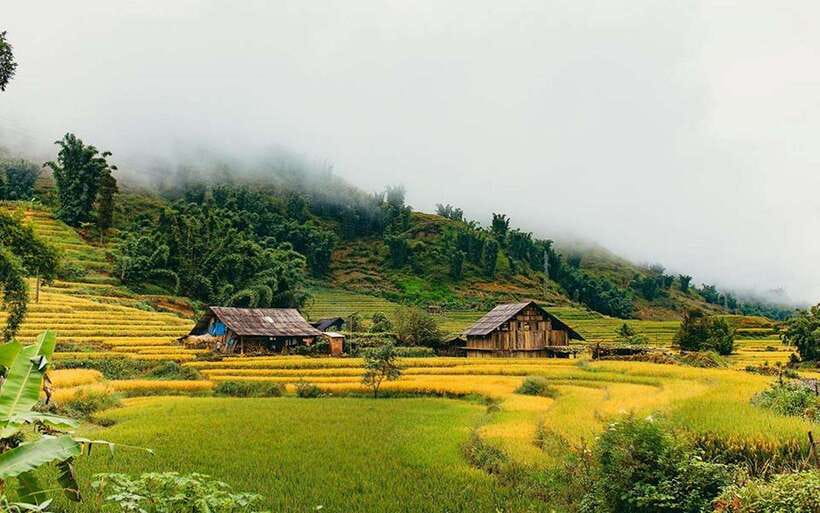
After lunch, the route heads through a bamboo forest before reaching Giang Ta Chai, a village associated with the Red Dao community. This is one of the most memorable sections, but it can also be one of the slipperiest.
Bamboo shade, wet ground, rocks, and narrow paths create a different kind of walking from the open terraces. If it has rained, you may need to move slowly and accept that your shoes and clothes could get dirty. Several people have described slipping in this area, while local helpers have offered hands and guidance through the worst patches.
At Giang Ta Chai, your guide can give you more background on the Red Dao community and the differences between the groups you have encountered during the day. The value of the stop comes from seeing several communities within one valley route rather than visiting only one village and returning by the same path.
The walk finishes near a waterfall, where you can take a short rest. This is a welcome break before the final climb uphill to the main road. A driver waits there to take you back to Sa Pa, so you do not have to retrace the entire route.
How hard is the 10-kilometer route?
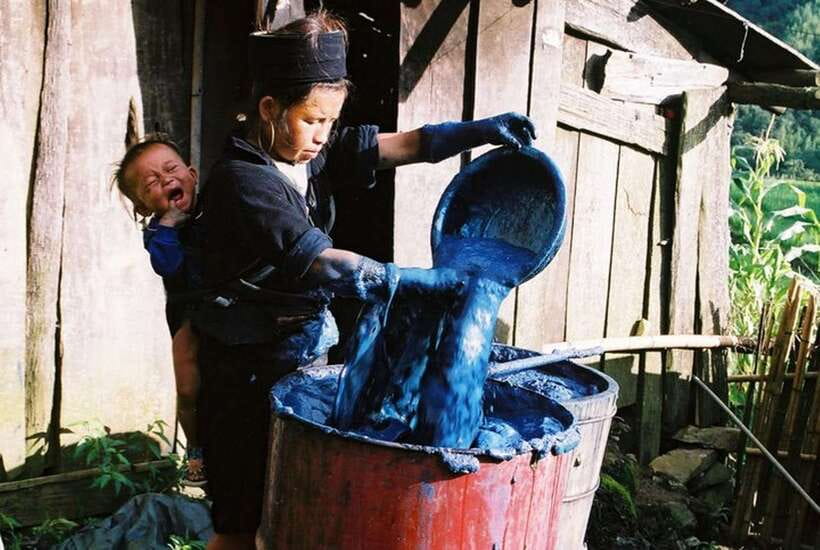
The advertised distance is 10 kilometers, but some people have recorded closer to 12.5 kilometers and more than 21,000 steps. The exact distance may vary with the route and conditions, so I would plan for a full day of active walking rather than relying on the shortest figure.
In dry conditions, average walkers with reasonable fitness may find it manageable. The path is not described as relentlessly strenuous, and one person recovering from a longer motorbike loop found it a suitable outing. But wet weather changes the calculation quickly.
The hardest features can include:
- Muddy descents and steep climbs
- Slippery rocks and uneven ground
- Narrow paths beside fields or streams
- Wet bamboo forest
- Small creek crossings
- Rough sections with limited maintenance
I would bring hiking shoes with strong grip, sunglasses, sunscreen, insect repellent, and warm layers from October to March. Rain boots or sturdy walking boots may be more useful than lightweight trainers after heavy rain. Do not wear new white sneakers unless you are happy for them to come home brown.
The tour is not suitable for people with mobility impairments or children under six. It is also not a good match if you dislike mud, uneven ground, or walking for several hours. Guides and local helpers can make difficult sections safer, but they cannot remove the physical demands of the route.
What the guide adds to the day
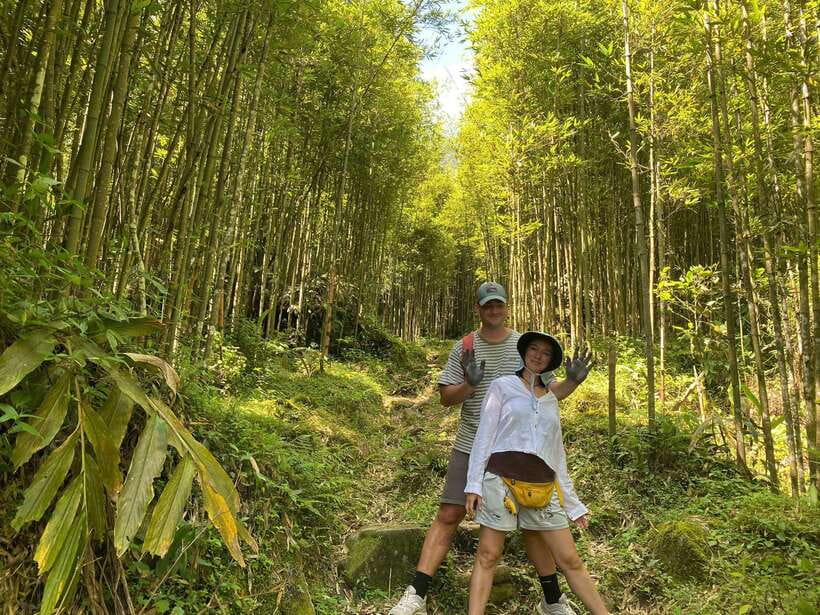
The quality of the guide matters greatly here. The valley is attractive on its own, but the cultural side depends on someone who can explain what you are seeing and help you move safely.
Guides such as Su have been praised for spotting unstable rocks and keeping an eye on everyone. Chai has been appreciated for explaining village life and speaking clear English. Sunny has been described as friendly and informative, with a knack for arranging local help on steep muddy sections. Khu has received praise for warmth, humor, safety, and the quality of the lunch stop.
I would ask questions as you walk. This is the right setting to learn about local customs, homes, farming, village differences, and daily routines. The best guides make the walk feel like a conversation rather than a lecture.
French-speaking guiding is available for an extra $19 per person, payable when confirmed. The standard tour language is English.
The local helper question
You should know about the village women who may walk with the group. They can be very helpful, particularly when the path is slick. In bad weather, some people have needed a steady hand almost continuously through the mud.
At the same time, the arrangement can feel commercial. The women may encourage you to buy their goods after helping you, and some people have found the sales attention tiring. I would treat a small purchase as an optional courtesy, carry cash if you want that option, and politely set limits if you do not want to buy.
This is one of those parts of the experience that is neither simply good nor bad. It reflects the way tourism and village livelihoods now meet in Sa Pa. You get practical help and direct contact with local people, but the interaction is not entirely separate from selling.
Price, group size, and practical value
At $23 per person, this is one of the more affordable ways to spend six hours around Sa Pa. Lunch, transport, entry tickets, a guide, and water are included, so the basic cost is clear.
You should budget extra for drinks, personal purchases, and possible souvenirs from local sellers. Soft drinks are not included. Carrying cash is wise, especially if you want to thank a helper with a purchase.
A small group matters on a trail like this. A group of 11 is still large enough to slow down at muddy sections, but it is far more manageable than a coach group. If your departure is smaller, you may get more time with the guide and a quieter walk.
Free cancellation is available up to 24 hours before departure, and you can reserve without paying immediately. Those terms help if Sa Pa weather looks uncertain, though I would still check the forecast and pack for wet conditions rather than assuming the rain will pass.
Who should book this Muong Hoa Valley trek?
I would recommend it to you if you want a half-day-plus outing that combines scenery, walking, and local culture. It suits people who are comfortable with basic mountain trails and who would rather see working villages than stay on Sa Pa’s main streets.
It is especially useful if your schedule is short. In one outing, you see rice terraces, the Muong Hoa River, a suspension bridge, ancient carvings, bamboo forest, a waterfall, and several village areas. You also get a meal and return transport without having to organize separate guides and transfers.
I would choose another activity if you need a smooth path, guaranteed dry footing, or easy access. I would also avoid booking it in poor weather if you have no proper shoes. The route can become exhausting, and falling into mud or water is a real possibility.
Should you book it?
Book this trek if you want a practical, low-cost way to see Sa Pa beyond the town, and you are ready for a genuine walk rather than a casual stroll. The guides, local lunch, village contact, and changing scenery make it good value.
Before confirming, ask yourself three questions: Can you walk 10 to 12.5 kilometers? Do you have shoes with real grip? Are you comfortable with muddy paths and possible souvenir selling? If the answer is yes, I would book it, pack light, carry cash, and save your clean clothes for the evening.
FAQ
How long is the Muong Hoa Valley trek?
The stated distance is 10 kilometers and the activity lasts about six hours. Depending on the route, some people may walk closer to 12.5 kilometers.
What is included in the price?
The $23 price includes pickup from a hotel in central Sa Pa, an English-speaking guide, entry tickets, lunch, 500 milliliters of mineral water, and the listed transport.
What should I wear and bring?
Bring hiking shoes or trekking shoes with strong grip. You should also bring sunglasses, sunscreen, insect repellent, and warm clothes from October to March.
Is the route difficult?
The trek can be challenging, especially after rain. Mud, steep sections, slippery rocks, bamboo forest paths, and uneven ground are possible, so a suitable level of fitness is needed.
Is this activity suitable for children or people with mobility impairments?
It is not suitable for people with mobility impairments or children under six years old.
Is lunch suitable for vegetarians or special diets?
Lunch has included vegetarian spring rolls, rice, vegetables, tofu, and eggs, and vegan meals have been accommodated. Tell the provider about your dietary needs when booking.
More Rice Terrace Treks in Sa Pa
- Sapa: Muong Hoa Mountain Views and Villages Trek with Lunch
★ 4.3 · 28 reviews - Sapa: Muong Hoa Valley View & Villages Trek with Local Guide
★ 5.0 · 25 reviews - From Sapa: Muong Hoa Valley View & Village Trek 1-Day
★ 5.0 · 21 reviews - SAPA: 1-DAY TREKKING TOUR WITH LOCALS, LUNCH & RICE FIELDS
★ 4.7 · 18 reviews
Recently added around Sa Pa
- Soob Sapa Trekking Tour★ 4.3 · 3 reviews
- Sapa Trekking – Waterfalls And H’mong Villages★ 5.0 · 2 reviews
- Sapa Trekking Private Tour With Ethnic Female Tour Guide★ 4.9 · 24 reviews
- Sapa: Trekking Through Terraced Rice Fields & Valley 1 Day★ 4.8 · 4 reviews
- Sapa: Y Linh Ho – Lao Chai, and Ta Van Trekking Day Tour★ 5.0 · 25 reviews
- Sapa Trekking Guide Francophone 2 days – 1 night★ 5.0 · 2 reviews
- Sapa: Ta Phin Village Trek with Lunch and Bathing Experience★ 4.7 · 13 reviews
- Sapa small groupe activities: 1 Day trek – Meet the locals★ 4.7 · 3 reviews
Rice Terrace Treks, compared.
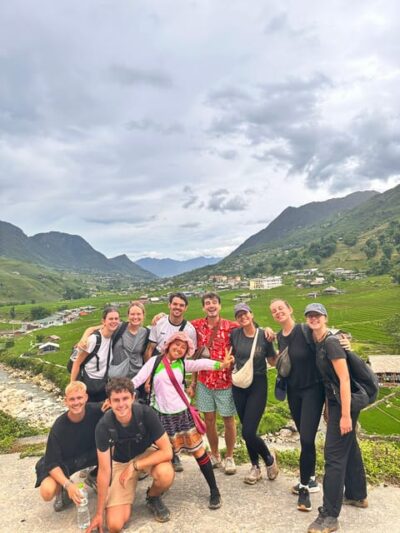
Explore Sapa by TrekkingAdventures, Mountain,Rice fields
Read our review →
Selogriyo Temple and Trekking Java Rice Terraces, hidden waterfall -Nature Java
Read our review →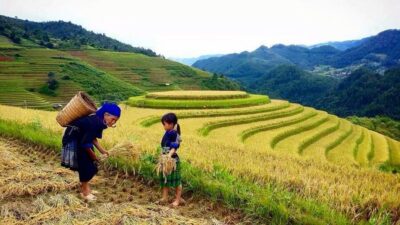
6-Hours Muong Hoa Valley Trek with Local Ethnic guide
Read our review →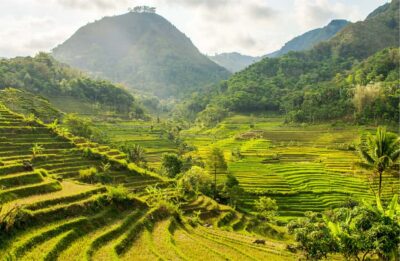
Sapa Muong Hoa Valley & Ta Van Eco Village Scenic Tour (No Trek)
Read our review →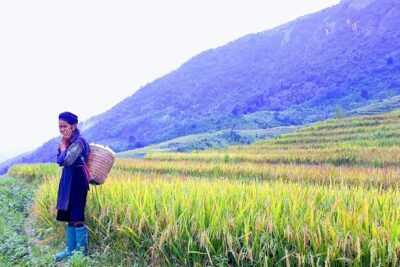
Daily Tour: Sapa Trekking in Muong Hoa valley, Bamboo forest
Read our review →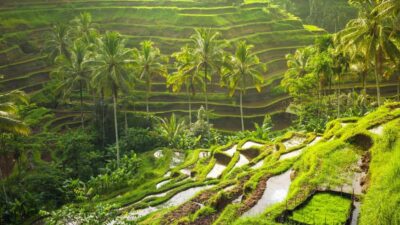
Rice Terrace, Holy Water Temple & Waterfalls Trek Tour
Read our review →
Mount Batur Sunrise Trekking and Rice Terrace Adventure
Read our review →Browse the lists this tour appears in