
REVIEW · SAPA
1-Day Sapa Long Trek – Rice Field Terrace, Ethnic Culture
Sapa’s best views come on foot. This 7-hour trek through Muong Hoa Valley links mountain scenery with daily village life, taking you past Hmong rice terraces, a riverside path, and Ta Van’s Giay community. I especially like the small-group format, limited to 10 people, and the chance to share a home-cooked lunch with a local family.
I also like the flexibility of the guides. Mao, Sung, Soso, Chai, Thao, Giang, and others are praised for adjusting the pace, explaining village customs, and choosing quieter paths when conditions allow. The main drawback is the trail itself: after rain, sections can be steep, muddy, and slippery, and the 12 to 15 kilometer distance may feel long if you are not used to hiking.
Key points to know before you book
- Fansipan views to Muong Hoa Valley: The morning begins with a ridge view toward Fansipan before descending through Sapa’s famous terrace country.
- A real village-to-village walk: You pass Y Linh Ho, Lao Chai Sang, and Ta Van rather than simply stopping at roadside viewpoints.
- Home-cooked Hmong lunch: Expect family-style food, generous portions, and a chance to sit inside a local home.
- Local guides make the difference: Guides such as Mao, Sung, Soso, and Chai explain traditions and adjust the route to your pace.
- Mud is part of the deal: Good hiking shoes matter, and rubber boots may be useful during the wet season.
- Excellent value at $24: Transport, guide, village fees, lunch, a small bottle of water, and rain protection are included.
Starting above Sapa with Fansipan in view
The day begins at 9:00 AM in Sapa town, with hotel pickup available inside town. If you stay farther out, you may need to reach a meeting point on Dien Bien Phu Street or Muong Hoa Street, or pay an extra pickup fee.
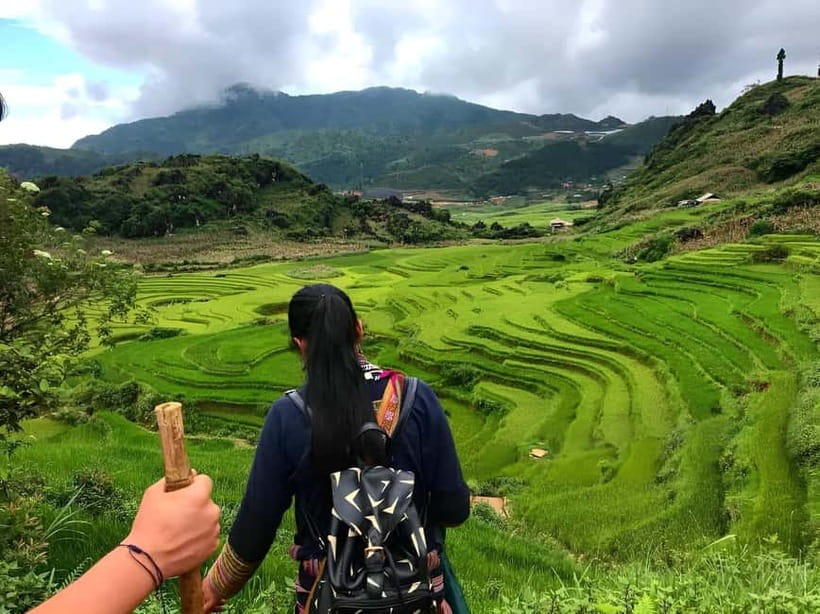
The first reward is a quiet ridge above town, where you can look toward Fansipan, the highest mountain in Indochina. Clouds often gather around the Hoang Lien Son range, so the view is not guaranteed. That is not a flaw in the tour so much as a fact of mountain weather. On a clear morning, though, this opening gives you a useful sense of the scale of the area.
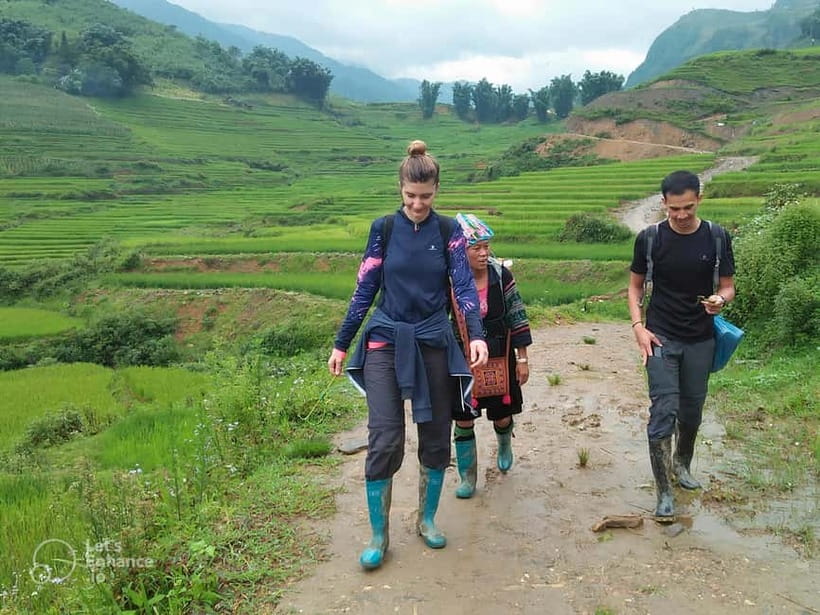
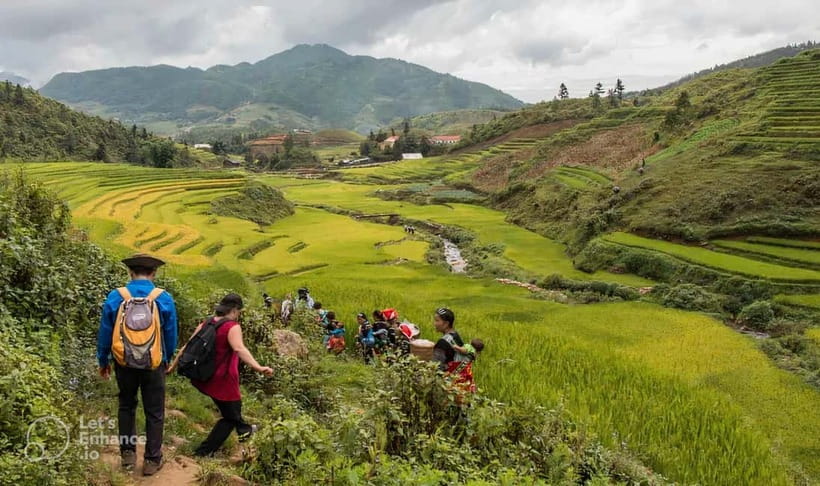
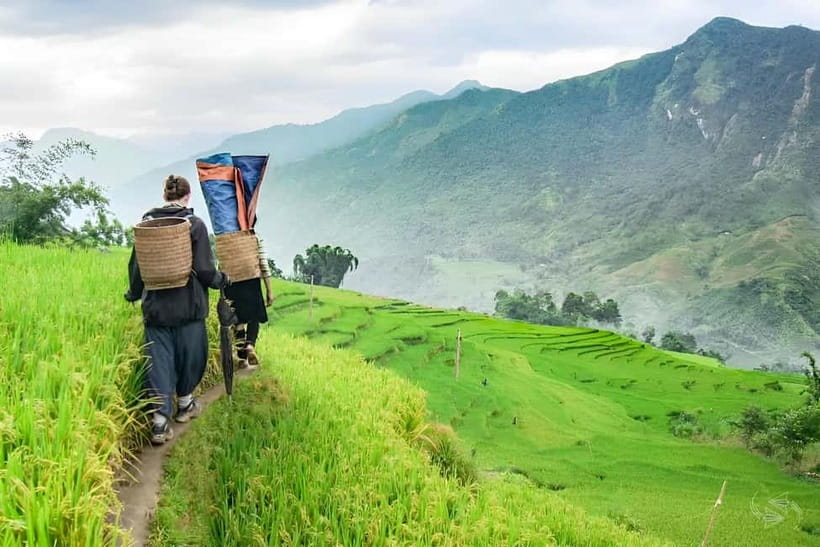
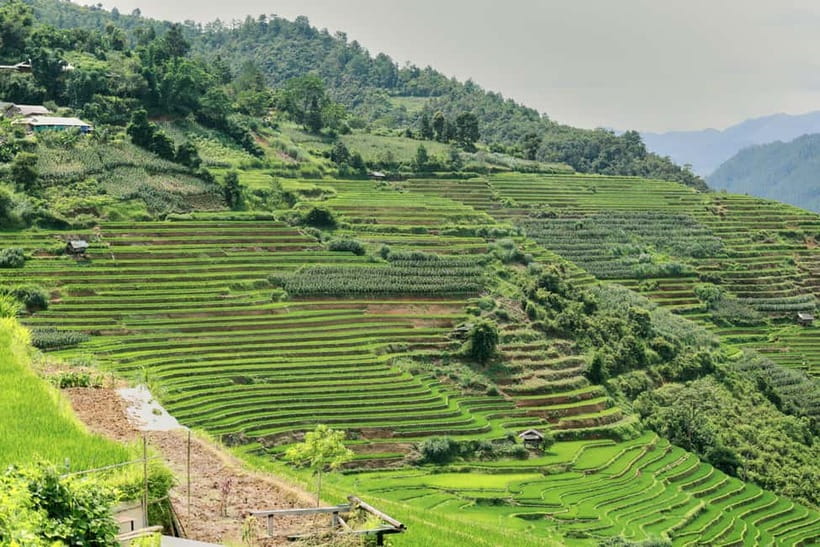
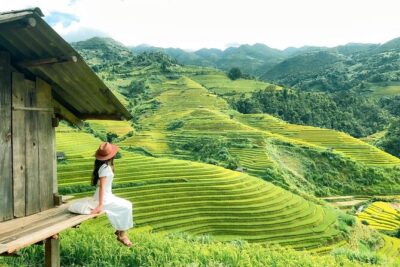
From the ridge, the trail descends toward Muong Hoa Valley. You begin to see rice terraces cut into the slopes, with streams, distant peaks, and small paths connecting the villages. The walk is not a gentle city stroll. You will go up and down, and the ground may be uneven even when the weather is dry.
Guides are a major part of the experience here. Soso is praised for leading groups along quieter paths, while Mao is noted for explaining local traditions and giving people a choice between easier and steeper sections. That kind of local judgment matters more than a polished speech. It helps you enjoy the views without treating the route like a race.
More Rice Terrace Treks in Sapa
- Sa Pa: Muong Hoa Valley Trek and Local Ethnic Villages
★ 4.6 · 864 reviews - Explore Sapa by TrekkingAdventures, Mountain,Rice fields
★ 4.9 · 229 reviews - Sa Pa: 6-Hours Muong Hoa Valley Trek with Local Ethnic guide
★ 4.5 · 178 reviews
Y Linh Ho and the first rice terrace views
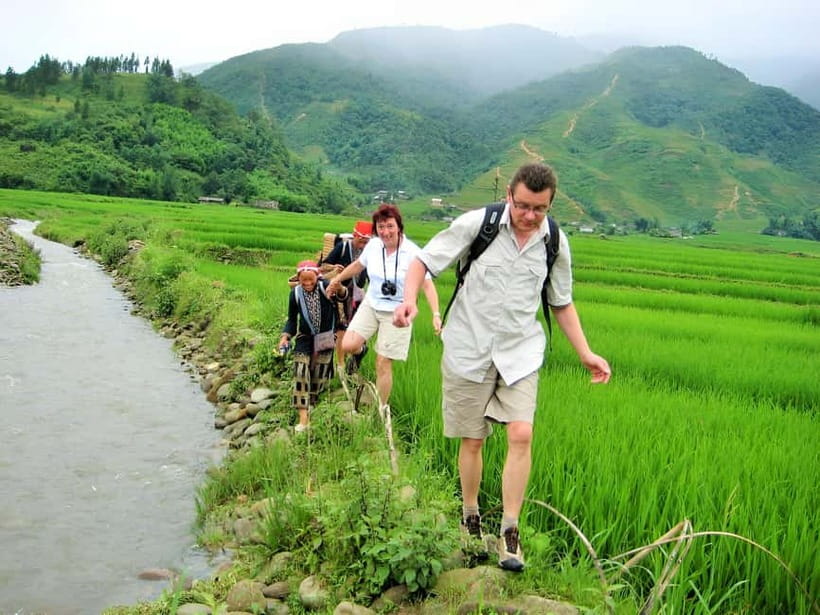
Around 11:00 AM, you reach Y Linh Ho, a peaceful Hmong village beside a river. The route crosses a wooden bridge before continuing through open fields and mountain country.
This is where the trek begins to feel different from a standard Sapa viewpoint tour. You are not only looking at rice terraces from above. You are walking through the places where people farm, move between homes, and work along the slopes. The scenery changes with the weather. In sunshine, the terraces show clear lines across the hills. In mist, the mountains become softer and the trail feels quieter.
The route can also be busy in places. Local women may walk beside you and offer handmade scarves or other products. Some people enjoy this contact and buy something useful; others find repeated sales approaches distracting. I would bring a polite, firm no if you do not want to shop, and cash if you do.
Rain changes the character of this section quickly. Several people found the muddy ground the hardest part of the day, especially on slippery downhill paths. Hiking shoes with solid grip are the sensible choice. Rubber boots can sometimes be rented locally, and one visitor described them as a major help after rain.
Lao Chai Sang and a generous mountain lunch
The lunch stop in Lao Chai Sang is one of the strongest parts of the day. You sit with a Hmong family and eat home-cooked food in a simple mountain setting. The meal is served family-style, with several dishes and portions that can be replenished if needed.
This is more valuable than a quick restaurant stop because it gives the day a pause and a human scale. You can ask about daily life, farming, clothing, and the villages you have passed through. Guides such as Giang and Thao are praised for making these conversations easy, especially when discussing local customs and the lives of women in the villages.
The exact setting and menu may vary. The tour information says dietary restrictions can be accommodated if you provide notice, so do that before the day begins. A picnic lunch is listed for the separate Fansipan trek option, but this Lao Chai and Ta Van route is described as a traditional lunch prepared by local families.
Expect a relaxed meal rather than a quick refueling break. That is good for the experience, but it also explains why the seven-hour schedule can feel like a full day. You are walking, stopping for photos, eating, and learning, not simply covering a marked trail.
Clothing, indigo, and the craft stop
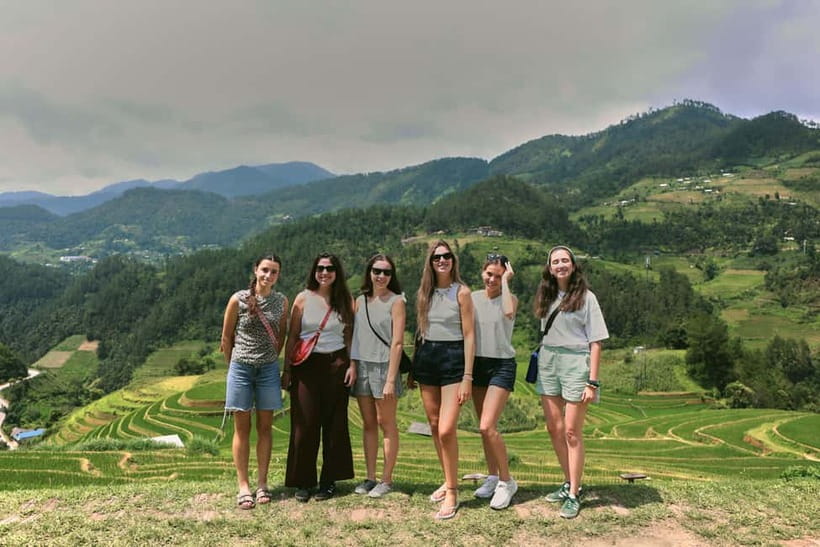
Around 2:00 PM, the route includes a stop connected with Hmong textile traditions. You can learn how handwoven clothing is made and how natural dyes are used. Several accounts specifically describe seeing indigo dyeing, which gives this part of the tour a practical focus rather than a simple souvenir-shop visit.
The experience description also mentions learning traditional incense making, but the more detailed schedule and feedback focus on clothing, weaving, and indigo work. If incense making is especially important to you, confirm the exact craft demonstration before booking.
This stop helps explain the clothing you may see in the villages. The textiles are not just decorative costumes arranged for visitors. They reflect work, identity, and skills passed through families. A guide can add context that you would miss if you only photographed the clothing from a distance.
Some village stops are connected with craft sales. You may feel pressure to buy, particularly after someone has spent time walking with you or showing you a product. I suggest deciding in advance how much you want to spend and buying only what you genuinely like. A purchase can support local makers, but it should not feel compulsory.
More Rice Terrace Treks in Vietnam
- Sapa Muong Hoa Valley & Ta Van Eco Village Scenic Tour (No Trek)
★ 5.0 · 144 reviews - Daily Tour: Sapa Trekking in Muong Hoa valley, Bamboo forest
★ 5.0 · 121 reviews - 3-Day Trek in Amazing Muong Hoa Valley & ethnic Homestay
★ 5.0 · 49 reviews - Muong Hoa Valley Trek & Homestay Experience – 4D3N
★ 5.0 · 42 reviews
Ta Van and the Giay village finish
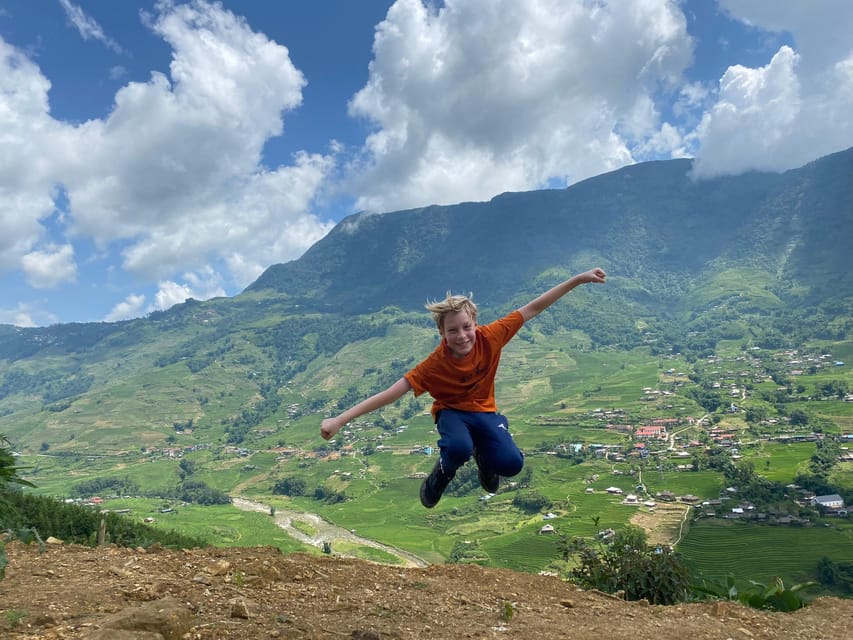
The final major stop is Ta Van, reached at about 3:00 PM. This is a Giay village in the Muong Hoa area, and it gives the day a cultural contrast after the Hmong communities earlier along the route.
The last section is still a walk, not just a quick photo stop. You may pass more terraces, streams, homes, and mountain views before reaching the point where your driver collects you. A return ride to Sapa is included, though the exact drop-off may depend on your location. Inside Sapa town, pickup and drop-off are covered. Outside town, an extra charge may apply.
Ta Van is a good finish because it brings the route together. You have seen the valley from above, walked through fields, eaten in a family home, and learned about local craft. The experience is strongest when you treat the villages as lived-in communities rather than scenery arranged for a tour.
At the same time, this is still a popular route. Do not expect complete solitude all day. The quieter paths described by Soso and Giang may be available, but weather, trail conditions, and group pace can affect the route.
How difficult is the 12 to 15 kilometer trek?
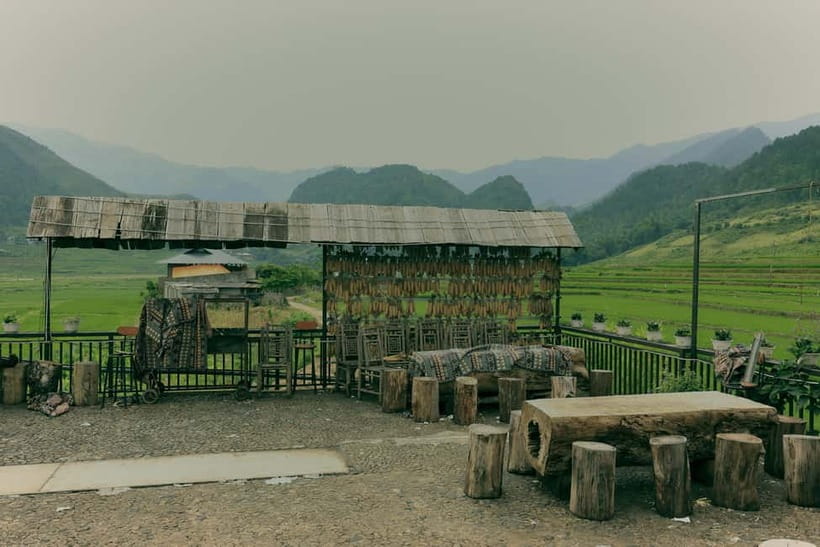
The distance varies in the accounts, with estimates from about 12 kilometers to more than 13 or 15 kilometers. The route includes climbs, descents, uneven ground, and some steep or slippery sections. One person described the trek as manageable, while another warned that it is not for weak knees or anyone who tires easily.
I would rate it as a moderate hike with some demanding moments, not a casual village walk. You do not need to be a serious mountain hiker, but you should be comfortable walking for several hours and handling rough ground.
The best preparation is simple:
- Wear hiking shoes or grippy sneakers.
- Bring water, sunscreen, sunglasses, a hat, and insect repellent.
- Carry a raincoat in the wet season.
- Consider rubber boots if the trail is very muddy.
- Tell the operator about allergies or dietary needs in advance.
- Pace yourself instead of trying to stay at the front.
The tour is not suitable for people with mobility impairments, heart problems, back problems, serious medical conditions, or a fear of heights. It is also not suitable for wheelchair users or people with visual impairments. The mountain paths are the reason this trip is scenic, but they are also the reason you need to take the fitness warning seriously.
Why the local guides receive so much praise
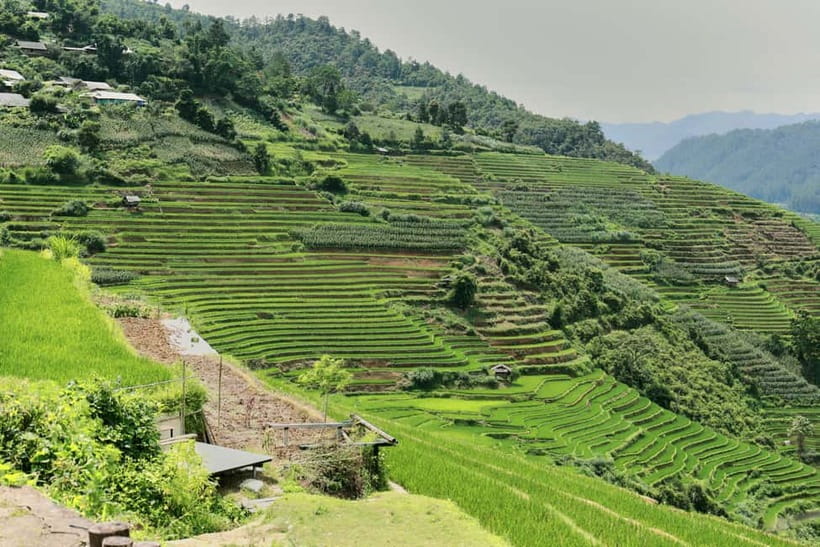
The guide can shape this trip more than any single viewpoint. The most praised guides include Mao, Sung, Soso, Chai, Thao, Giang, Ly, Vu, and Ma Ma Je. Their strengths are consistent: warmth, clear English, cultural explanations, patience, and a willingness to change the pace.
Mao is described as giving people a choice of easier or steeper paths. Sung is praised for flexibility and for allowing extra time for photos. Soso is noted for using less crowded routes. Chai receives particular praise for humor and personal stories, while Thao brings thoughtful discussion of village life and women’s changing opportunities.
English ability can vary from guide to guide, but the overall feedback is very strong. Many guides learned English through conversations with visitors, which can make the interaction feel personal rather than formal. You should still expect different guiding styles. Some guides may talk more, while others may let the scenery and village encounters lead the day.
A small group helps. The maximum is 10 people, and several outings had only four participants. A smaller group makes it easier to walk at one pace, ask questions, and request a short pause. If you want the most control, ask about a private or custom route, which may carry a different price.
What $24 includes, and where the value comes from
At $24 per person, this is strong value for a full day of walking and cultural contact. The price includes hotel pickup and drop-off within Sapa town, an English or Vietnamese-speaking local guide, village entrance fees, lunch, rain protection, and a small bottle of water.
The best value is not the transport. It is the local access. A guide from the surrounding villages can explain what you are seeing, help with slippery sections, and introduce you to a family lunch in a way that an independent walk may not.
The price does not include anything not listed, and extra transport from outside Sapa town may cost more. You should also carry some cash for optional purchases or possible boot rental. The tour has free cancellation up to 24 hours in advance and allows you to reserve now and pay later, which is useful when mountain weather may affect your plans.
With a 4.9 rating from 62 reviews and 94 percent of reviewers giving transport a perfect score, the practical side appears dependable. Still, I would not choose it for the price alone. Choose it because you want a long, active day with village contact rather than a short scenic drive.
Should you book the Sapa long trek?
Book it if you want rice terraces, local food, and village life in one day, and you are ready for muddy paths and a fair amount of walking. The guide quality, family lunch, small groups, and return transport make this one of the better-value ways to see the Muong Hoa Valley.
Skip it if you need a flat route, dislike sales approaches, or want guaranteed mountain views. Clouds and rain are part of Sapa, and the trail can become demanding.
My practical choice would be to book this tour with hiking shoes, a rain layer, and a flexible attitude. If the weather is clear, you get the big Fansipan and terrace views. If mist rolls in, the cultural side, lunch, craft work, and guide conversations still give the day a purpose.
FAQ
How long does the Sapa long trek last?
The activity lasts about seven hours, beginning at 9:00 AM and finishing with transport back to Sapa after reaching Ta Van around 3:00 PM.
Where does the trek start?
Pickup is available from hotels and locations inside Sapa town. Meeting points include Sapa TT Homestay at 812 Dien Bien Phu Street and Sapa View Spring Garden Hotel at 61 Muong Hoa Street.
Which villages does the route visit?
The route includes Y Linh Ho, Lao Chai Sang, Lao Chai Village, and Ta Van. The villages are associated mainly with Hmong and Giay communities.
Is lunch included?
Yes. A home-cooked traditional lunch with a local family is included on this route. Dietary restrictions and allergies should be shared in advance.
How far do you walk?
The distance varies by route and conditions. It may be around 12 to 15 kilometers, with uphill and downhill sections.
Is the trek suitable for beginners?
It can suit people who are comfortable walking for several hours, but it is not an easy stroll. Mud, steep sections, slippery ground, and uneven paths can make it challenging.
What should I wear and bring?
Wear hiking shoes or footwear with strong grip. Bring water, sunscreen, a hat, sunglasses, insect repellent, and a raincoat, especially during the wet season.
Is the group large?
The tour is a small-group experience with a maximum of 10 participants. Custom routes may be available on request.
Can I cancel or pay later?
You can cancel up to 24 hours before the activity for a full refund. You can also reserve your place and pay later.
More One-Day Treks in Sa Pa
- From Sapa: 1-Day Guided Trek to Lao Chai & Ta Van with Lunch
★ 4.9 · 416 reviews - Sapa 1 Day Long Trek: Trek to Hau Thao and Sa Seng Villages
★ 4.6 · 344 reviews - 1-day Authentik trek & Panorama valley views
★ 5.0 · 189 reviews - 1 day Fansipan Trekking
★ 5.0 · 180 reviews
More Rice Terrace Treks in Sa Pa
- Sapa: Muong Hoa Mountain Views and Villages Trek with Lunch
★ 4.3 · 28 reviews - Sapa: Muong Hoa Valley View & Villages Trek with Local Guide
★ 5.0 · 25 reviews - From Sapa: Muong Hoa Valley View & Village Trek 1-Day
★ 5.0 · 21 reviews - SAPA: 1-DAY TREKKING TOUR WITH LOCALS, LUNCH & RICE FIELDS
★ 4.7 · 18 reviews
Recently added around Sa Pa
- Soob Sapa Trekking Tour★ 4.3 · 3 reviews
- Sapa Trekking – Waterfalls And H’mong Villages★ 5.0 · 2 reviews
- Sapa Trekking Private Tour With Ethnic Female Tour Guide★ 4.9 · 24 reviews
- Sapa: Trekking Through Terraced Rice Fields & Valley 1 Day★ 4.8 · 4 reviews
- Sapa: Y Linh Ho – Lao Chai, and Ta Van Trekking Day Tour★ 5.0 · 25 reviews
- Sapa Trekking Guide Francophone 2 days – 1 night★ 5.0 · 2 reviews
- Sapa: Ta Phin Village Trek with Lunch and Bathing Experience★ 4.7 · 13 reviews
- Sapa: Private trek to Muong Hoa Valley★ 5.0 · 4 reviews
Rice Terrace Treks, compared.
Muong Hoa Valley Trek and Local Ethnic Villages
Read our review →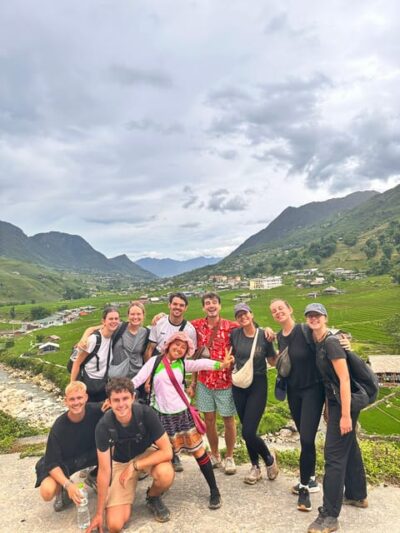
Explore Sapa by TrekkingAdventures, Mountain,Rice fields
Read our review →
Selogriyo Temple and Trekking Java Rice Terraces, hidden waterfall -Nature Java
Read our review →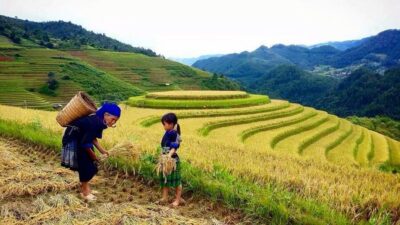
6-Hours Muong Hoa Valley Trek with Local Ethnic guide
Read our review →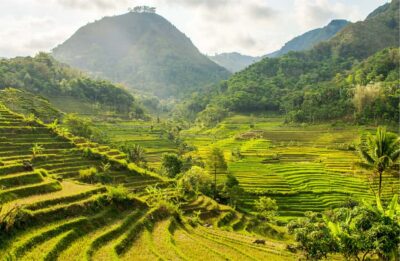
Sapa Muong Hoa Valley & Ta Van Eco Village Scenic Tour (No Trek)
Read our review →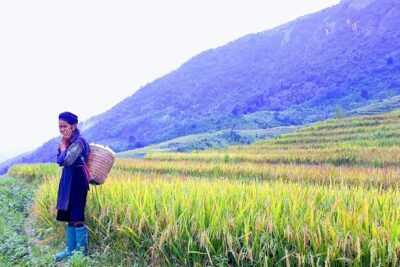
Daily Tour: Sapa Trekking in Muong Hoa valley, Bamboo forest
Read our review →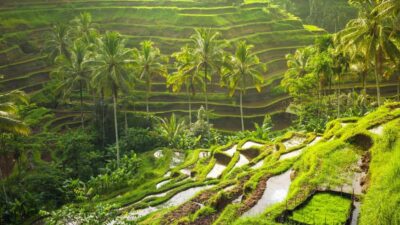
Rice Terrace, Holy Water Temple & Waterfalls Trek Tour
Read our review →Browse the lists this tour appears in