REVIEW · SAPA
From Sapa: Muong Hoa Valley View & Village Trek 1-Day
Mountain paths reward steady legs. This one-day trek trades Sapa’s busy center for Muong Hoa Valley views, Black H’Mong villages, terraced rice fields, and mountain trails that feel far removed from town. I like the chance to reach Tao Sha, described as Sapa’s highest village, and I like that the outing is a private-group experience with an English-speaking local guide.
The route also includes lunch in Hang Da Village, the ancient stone site near the end of the walk, and a ride back to Sapa. My main caution is simple: this is not an easy stroll. Steep climbs, rough paths, and a long descent call for a reasonable level of fitness, especially if the trail is slippery.
Key points to know before booking
- Reach Tao Sha, one of Sapa’s highest villages, with wide views across Muong Hoa Valley and the Hoang Lien Son range.
- Climb Ham Rong Mountain by rough mountain paths, with steep sections at the start and on the descent.
- Eat lunch in Hang Da Village, a high viewpoint known for open views, forests, rice terraces, and clouds.
- Meet local people in Black H’Mong communities, including visits around Sapa Sa and Hau Chu Ngai.
- Finish at the ancient stone site, where about 200 stones have unusual shapes and sizes.
- Travel privately with an English-speaking guide, hotel pickup, village entry fees, lunch, and 1.5 liters of water included.
A full day above Muong Hoa Valley
This tour gives you a different view of Sapa. Instead of spending the day on a short village walk near town, you climb high into the hills and connect several Black H’Mong communities by foot.
The schedule runs from about 8:30 in the morning until 4:00 in the afternoon. Actual walking time is roughly six to seven hours, according to the reported outings, so you should treat this as a serious day hike rather than a sightseeing trip with a little walking added.
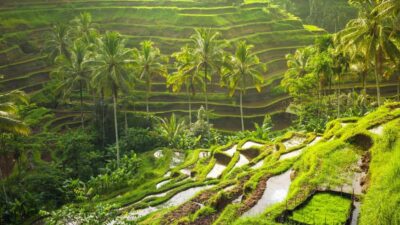
The payoff is scale. From the upper paths, you can look down into Muong Hoa Valley, across folded mountain slopes, and toward the Hoang Lien Son range. Rice terraces spread along the hillsides, while forests and bamboo groves fill the spaces between villages.
I like the way the route combines scenery with daily life. You are not only stopping at viewpoints. You pass through H’Mong villages, visit local homes, hear about food and plants, and see how communities sit within the steep terrain.
More Homestay Treks in Sapa
- Number one top rated ethical cultural trekking and homestay by ETHOS
★ 5.0 · 456 reviews - Sa Pa: 2-Day Trekking Trip with Ethnic Minority Homestay
★ 4.7 · 145 reviews - Sapa : 2-Day Trek & Heartwarming Homestay with an Ethnic Family
★ 5.0 · 143 reviews
8:30 pickup and the climb to Sa Seng
The day starts with pickup at your hotel in Sapa. The operator asks you to be at the front desk 30 minutes before departure, which is sensible since the pickup time is arranged after booking.
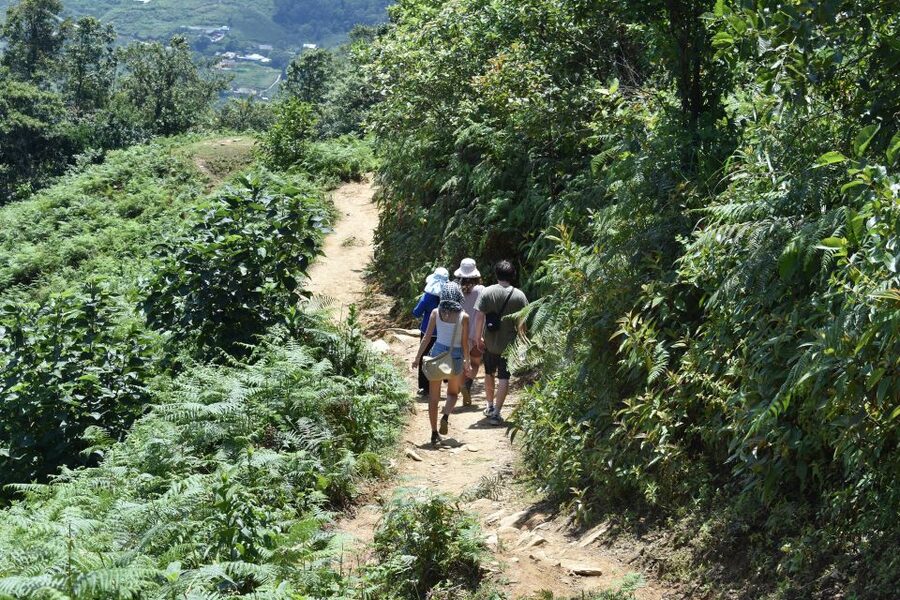
From town, you begin trekking toward Sa Seng Village. The opening section uses rough roads and steep mountain paths. One of the clearest practical points from the feedback is that the first climb can feel tough. If you have spent the previous days riding motorbikes, sitting in cafés, or taking cable cars, your legs may need a little encouragement here.
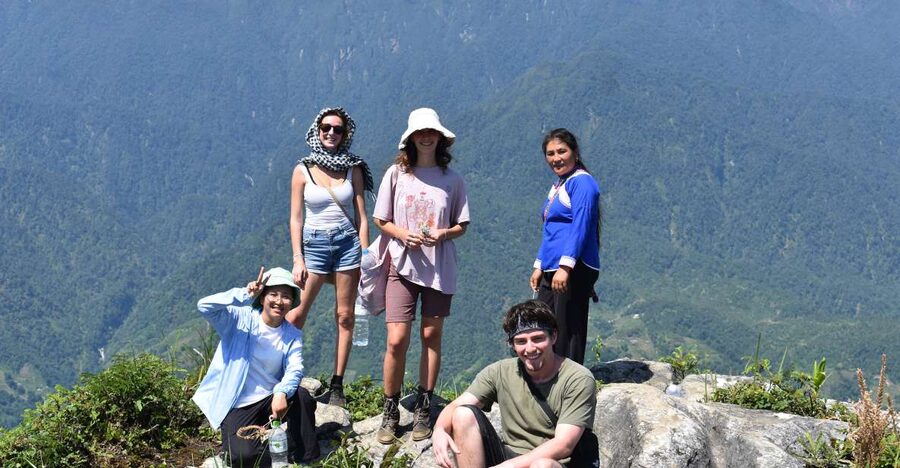
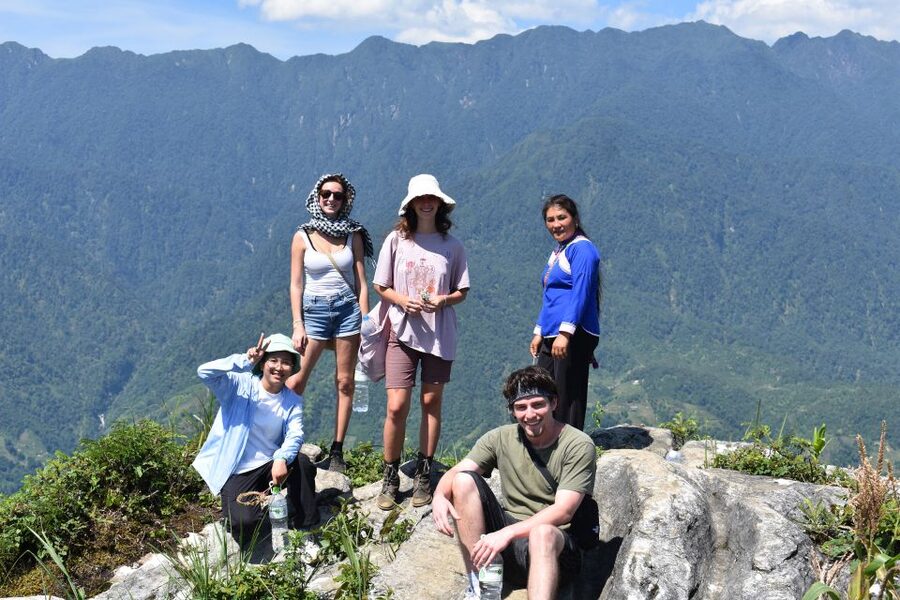
The route rises toward Ham Rong Mountain. At the top, you can look back over Sapa town and across the Hoang Lien Son range. The view gives you a useful sense of the region’s shape: Sapa sits in a high mountain basin, while the villages and terraces spread along the slopes below.
This is also where the private format helps. Your guide can set the pace around your group instead of moving everyone according to a fixed large-tour schedule. Guides named in the feedback include Nhu and Nay, both praised for clear English, easy communication, and explanations about local culture, food, and plants.
The walk has been described as reaching around 2,500 meters, though the exact elevation may vary with the route and conditions. Either way, the height matters. You should expect cooler air and broad views, but also a climb that tests your breathing.
Hang Da Village and lunch beside the cliffs
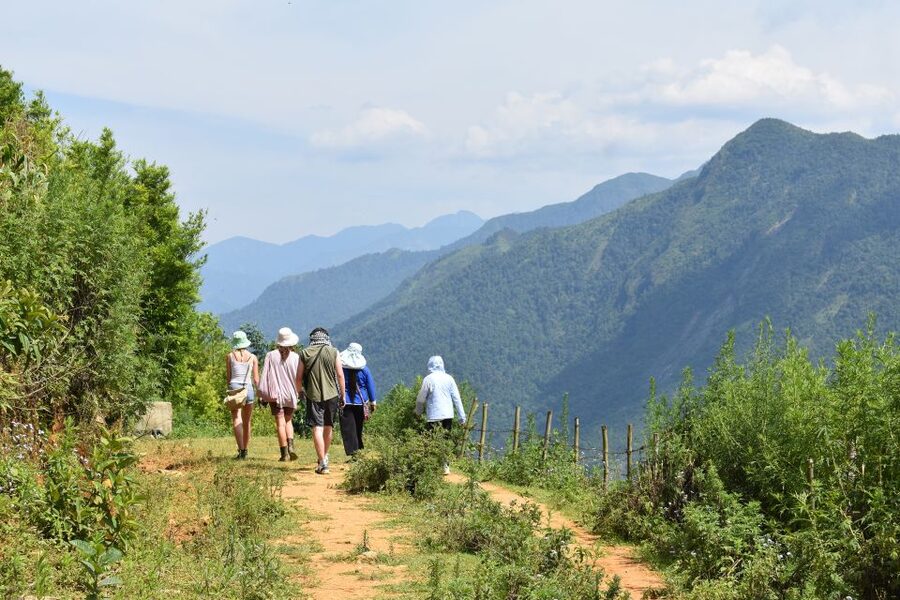
By about 11:30, the route reaches Hang Da Village for lunch. The approach is one of the more dramatic parts of the trek. One side of the path drops toward the valley, while the other rises into the mountain. The description of this section is not decorative language: the path presents real challenges and deserves careful footing.
Hang Da is known for its open views and high position. Forests, distant peaks, and curved rice terraces fill the scene. It is also a popular place for seeing clouds over Sapa, although cloud conditions naturally change from day to day.
Lunch is served at a local restaurant and is included in the price. The food has been described as tasty, and trying local dishes is one of the useful parts of this tour. You are not simply carrying snacks and eating quickly beside the road. The meal gives you time to rest, take in the views, and hear more about the communities you are walking through.
The 1.5 liters of included water is helpful, but I would still make sure you start the day hydrated. The tour is long, and climbing in mountain air can make you underestimate how much water you need.
Tao Sha, Sapa’s high Black H’Mong village
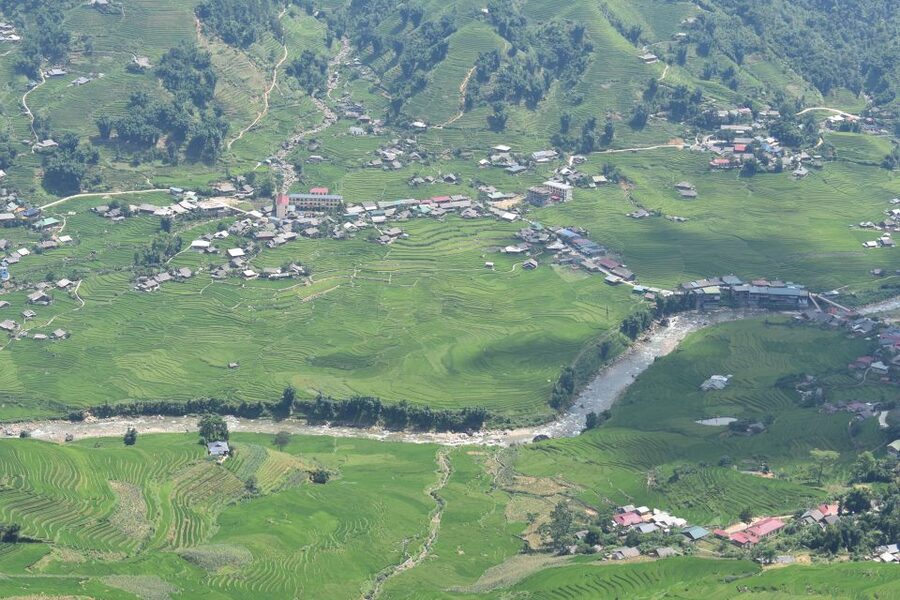
After lunch, the trek continues toward Tao Sha at about 1:15 in the afternoon. This is one of the main reasons to choose the route. Tao Sha is presented as the highest village in Sapa, and reaching it gives the day a clear sense of purpose beyond simply walking to a viewpoint.
The path continues to offer views of Muong Hoa Valley and the Hoang Lien Son mountains. At the village, you have time to rest and visit local homes. You also pass through Sapa Sa, described as a distinctive village in Hau Chu Ngai.
I like this part because it connects the scenery to people. A mountain view is easy to photograph and easy to forget. Seeing homes, paths, and village life gives the terrain a human scale. Your guide can explain aspects of Black H’Mong culture, local food, and the plants found along the route.
The experience is not completely free from sales activity. On one outing, local women walked with the group for a short time before leaving when told that no purchases were wanted. The important practical point is that the interaction was not described as aggressive. Still, if you prefer a walk with no contact at all, this is worth keeping in mind.
More Homestay Treks in Vietnam
- Sapa Valley Trek and Homestay – 3D2N
★ 5.0 · 105 reviews - 2 days authentic trekking tour in Sapa ( Homestay – Less touristy )
★ 5.0 · 68 reviews - From Sapa: 2 Days 1 Night Trek Over Night At Homestay
★ 5.0 · 68 reviews - 3-Day Trek in Amazing Muong Hoa Valley & ethnic Homestay
★ 5.0 · 49 reviews
Hau Thao’s terraces and bamboo forests
From Sapa Sa, you continue toward Hau Thao. Here, rice fields run along the mountainside beside forested areas and bamboo groves. The combination creates some of the best scenery of the day, especially for people who like wide views rather than a string of formal attractions.
The route can also offer a broad sea of white clouds. Do not book this tour solely for a guaranteed cloud view, since the weather decides that part. But the high villages and exposed paths give you a strong chance to see changing mountain conditions when the sky cooperates.
This section is a good test of what you want from a Sapa excursion. If you want a quick, easy look at terraces from a road, this tour asks too much walking. If you want to understand how villages, fields, forests, and steep slopes fit together, the extra effort has a clear reward.
The guide’s role matters here. A good guide can turn a walk through fields into a lesson about how local people use the land, what grows in the area, and how the villages relate to one another. Nhu and Nay received especially warm praise for their English and their ability to explain local life without making the outing feel stiff or formal.
The ancient stone site and the final descent
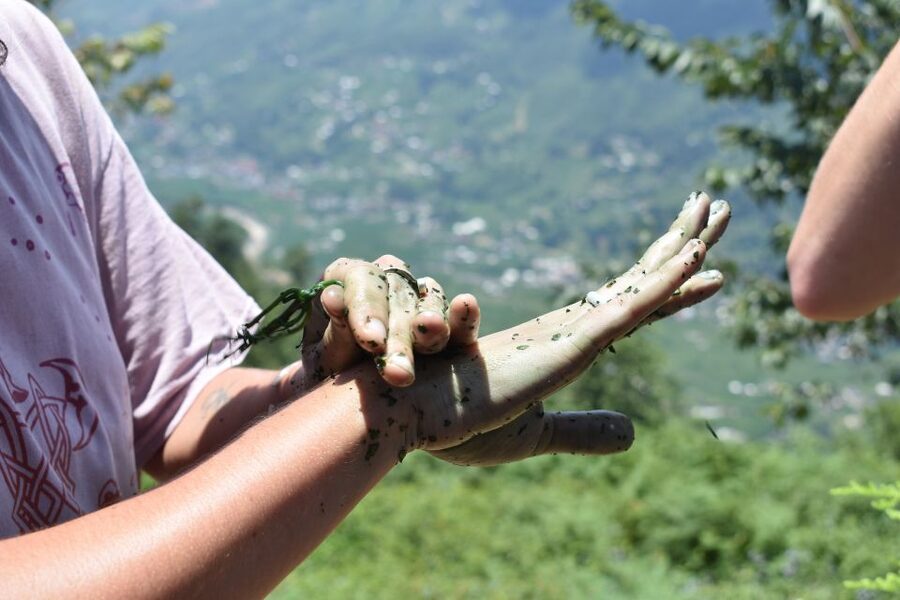
At about 3:00, the route heads down toward the ancient stone site near Sapa. The site contains around 200 stone blocks in different shapes and sizes. They are presented as evidence of people living in the area during an ancient period.
This stop adds a little mystery to a day that has otherwise focused on villages and scenery. It is not a large museum or a polished attraction. The interest comes from seeing the stones in their mountain setting and considering who placed or used them long ago.
The final descent ends the walking portion of the tour. Do not treat the downhill section as easy recovery. Descending steep trails can be hard on knees and ankles, especially after several hours of climbing and uneven paths.
At about 4:00, an awaiting car takes you back to Sapa. That return vehicle is a valuable inclusion. After a six to seven-hour trek, walking back into town would add needless fatigue.
How difficult is the trek?
The honest answer is medium to demanding, depending on your usual walking habits. The tour is not suitable for pregnant women, and the steep sections mean you should have at least moderate fitness.
You should be comfortable with:
- Long periods of walking
- Steep uphill sections
- Uneven and rough mountain paths
- A substantial descent
- Several hours outside in changing mountain conditions
One useful description of the route called the first climb quite rough, then said the views from the top made the effort worthwhile. Another called the trek peaceful but stressed that some climbs and descents were steep.
Wear shoes with a firm grip. That is practical advice rather than a fashion suggestion. The paths are described as rough, and mountain trails can become more difficult when wet. Bring clothing that suits a day in the hills, and keep your water accessible rather than buried at the bottom of a bag.
You may also meet animals along the way. That small detail helps set the tone: this is a working rural area, not a controlled park trail.
What the $36 price includes
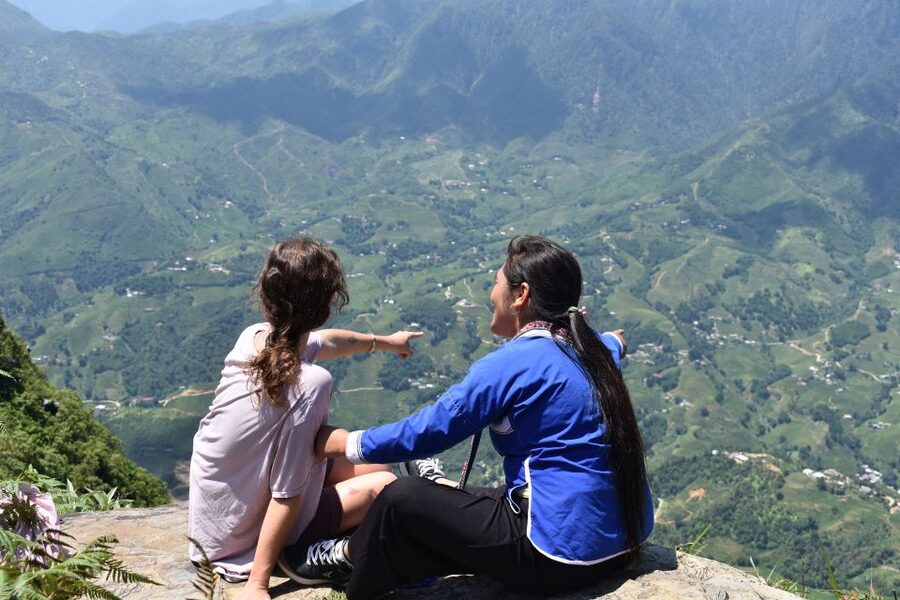
At $36 per person, the price is strong for a private full-day outing. The package includes an English-speaking guide, hotel pickup and drop-off, lunch, 1.5 liters of water, and village entrance fees.
The private-group format is the biggest value point. You are not paying only for transport to a viewpoint. You are paying for a guide who can explain the villages, help with the route, and adjust the experience to your group.
The price also removes several small costs that can add up. You do not need to arrange separate transport to the trailhead, buy village entry tickets, or find lunch during the walk.
The value is less clear if you dislike strenuous walking. In that case, a shorter valley outing may suit you better, even if it offers fewer high viewpoints and less time in remote villages.
Free cancellation up to 24 hours before the activity and the option to reserve now and pay later add useful flexibility. Starting times are subject to availability, so check the exact time when you book.
Guides, communication, and the private format
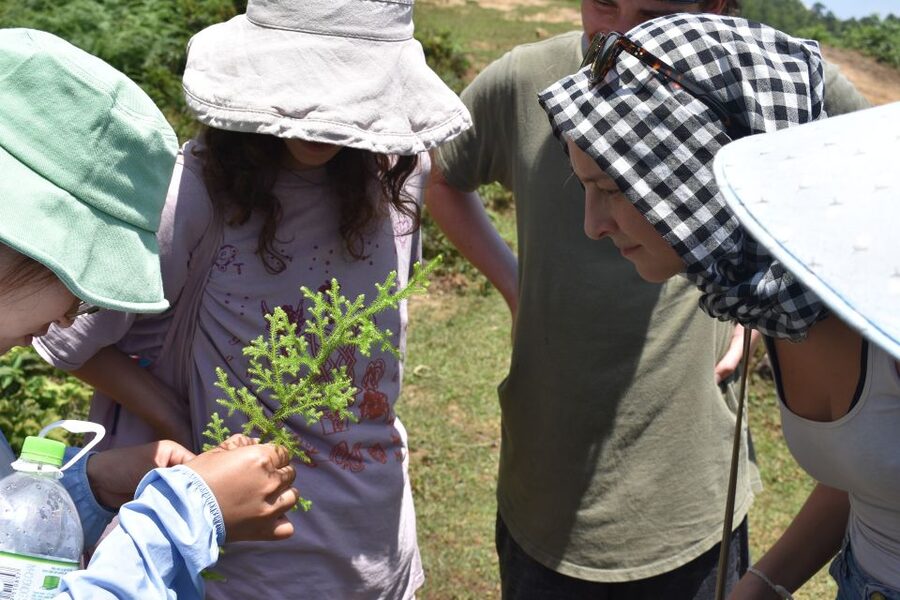
The guide can make or break a mountain walk. Here, English-speaking guides are included, and the strongest feedback centers on friendly, clear communication.
Nhu was praised for extensive explanations and for making advance planning easy. Nay was praised for arriving early, explaining plants and tribal culture, and creating an outing that felt personal rather than heavily commercial.
Those details matter because the route has no single headline attraction that carries the whole day. The value comes from the connection between places. A guide helps you understand why the terraces sit where they do, what makes the H’Mong villages distinctive, and how local food and plants fit into daily life.
A private group also means you can ask questions without worrying about holding up a large crowd. It may also make the climb feel more manageable, since the outing is not built around a rigid pace for many people.
Who should book this Sapa trek?
I would recommend it to you if you want:
- High viewpoints over Muong Hoa Valley
- A serious day of mountain walking
- Time in Black H’Mong villages
- Local food and cultural explanation
- A private guide rather than a large group
- Terraced fields, forests, and cloud views
- A quieter experience away from the busiest parts of Sapa
I would be cautious about booking it if you want a relaxed sightseeing day, have difficulty with steep paths, or are looking for a short village walk. The route has real physical demands, and the word trek should be taken seriously.
The tour also suits independent-minded visitors who want structure without losing a sense of discovery. Your transport, lunch, guide, and entry fees are arranged, but most of the day still unfolds on foot through mountain communities.
Should you book the Muong Hoa Valley trek?
Book it if the idea of earning your views appeals to you. The best parts are the climb above Sapa, the wide sightlines over Muong Hoa Valley, the high H’Mong villages, and the chance to connect scenery with local life.
The main decision is fitness. If you can handle steep trails for six to seven hours, the $36 price offers a lot: private guiding, lunch, transport, water, village access, and a route that reaches places many short excursions do not.
If you want an easy day, choose something gentler. If you want a quiet, physical, and culturally focused mountain day, this is a sensible choice, especially with guides such as Nhu or Nay and the flexibility of a private group.
FAQ
How long does the Muong Hoa Valley trek last?
The scheduled outing runs from about 8:30 in the morning until 4:00 in the afternoon. The walking portion takes roughly six to seven hours.
Is hotel pickup included?
Yes. Hotel pickup and drop-off in Sapa are included. You should be at your hotel front desk 30 minutes before departure.
Is lunch included in the price?
Yes. Lunch at a local restaurant in Hang Da Village is included.
How much water is provided?
Each person receives 1.5 liters of water.
Is the tour private?
Yes. The activity is arranged as a private group.
What language does the guide speak?
The guide speaks English.
Is the trek suitable for pregnant women?
No. The activity is listed as not suitable for pregnant women, and the route includes steep climbs, rough paths, and a demanding descent.
More Rice Terrace Treks in Vietnam
- Daily Tour: Sapa Trekking in Muong Hoa valley, Bamboo forest
★ 5.0 · 121 reviews - 1-Day Sapa Long Trek – Rice Field Terrace, Ethnic Culture
★ 4.9 · 62 reviews - Muong Hoa Valley Trek & Homestay Experience – 4D3N
★ 5.0 · 42 reviews - Sapa: Muong Hoa Mountain Views and Villages Trek with Lunch
★ 4.3 · 28 reviews
More Rice Terrace Treks in Sapa
- Sa Pa: Muong Hoa Valley Trek and Local Ethnic Villages
★ 4.6 · 864 reviews - Explore Sapa by TrekkingAdventures, Mountain,Rice fields
★ 4.9 · 229 reviews - Sa Pa: 6-Hours Muong Hoa Valley Trek with Local Ethnic guide
★ 4.5 · 178 reviews - Sapa Muong Hoa Valley & Ta Van Eco Village Scenic Tour (No Trek)
★ 5.0 · 144 reviews
Recently added around Sa Pa
- Soob Sapa Trekking Tour★ 4.3 · 3 reviews
- Sapa Trekking – Waterfalls And H’mong Villages★ 5.0 · 2 reviews
- Sapa: Y Linh Ho – Lao Chai, and Ta Van Trekking Day Tour★ 5.0 · 25 reviews
- Sapa Trekking Private Tour With Ethnic Female Tour Guide★ 4.9 · 24 reviews
- Sapa: Trekking Through Terraced Rice Fields & Valley 1 Day★ 4.8 · 4 reviews
- Sapa Trekking Guide Francophone 2 days – 1 night★ 5.0 · 2 reviews
- Sapa: Ta Phin Village Trek with Lunch and Bathing Experience★ 4.7 · 13 reviews
- Sapa small groupe activities: 1 Day trek – Meet the locals★ 4.7 · 3 reviews
Rice Terrace Treks, compared.
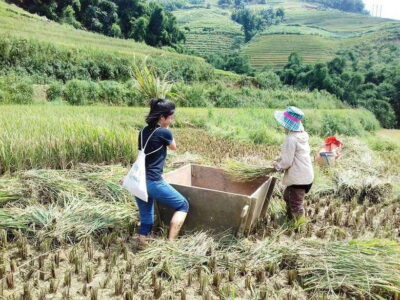
Muong Hoa Valley Trek and Local Ethnic Villages
Read our review →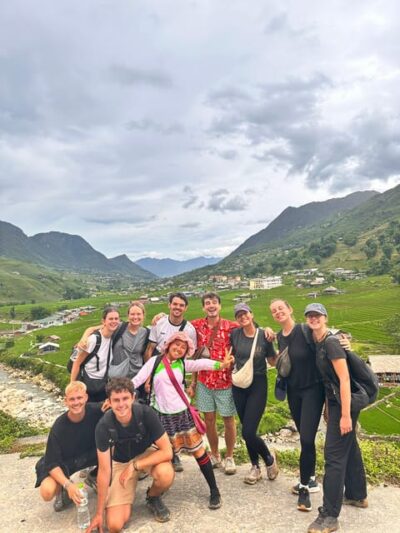
Explore Sapa by TrekkingAdventures, Mountain,Rice fields
Read our review →
Selogriyo Temple and Trekking Java Rice Terraces, hidden waterfall -Nature Java
Read our review →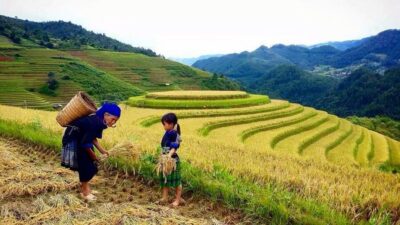
6-Hours Muong Hoa Valley Trek with Local Ethnic guide
Read our review →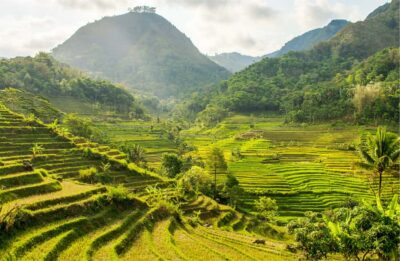
Sapa Muong Hoa Valley & Ta Van Eco Village Scenic Tour (No Trek)
Read our review →
Daily Tour: Sapa Trekking in Muong Hoa valley, Bamboo forest
Read our review →