
REVIEW · SAPA
Sapa Trekking Guide Francophone 2 days – 1 night
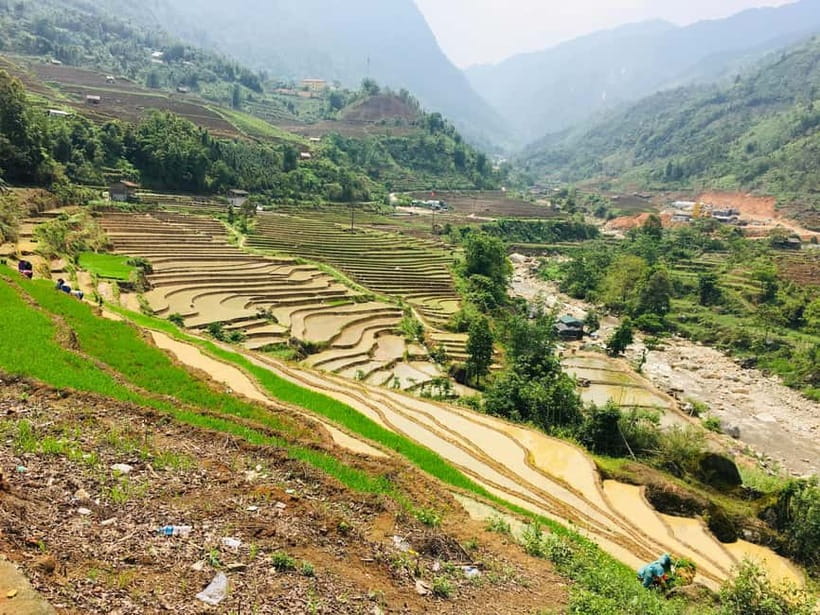
Rice terraces do the talking here. This two-day Sapa trek pairs sweeping mountain views with village visits, home cooking, and a night in a local homestay. I like the French-speaking guide and the chance to meet Black Hmong and Giay communities in places such as Y Linh Ho, Lao Chai, Ta Van, and Giang Ta Chai.
I also like the simple setup: meals, village entry fees, a night with a host family, and transport back to Sapa are covered for $100 per person. The main caution is physical effort. One review calls the trek a little strenuous, so this is not a gentle sightseeing stroll with a few photos along the way.
Key points at a glance
- Two days through Sapa’s rice terraces: The route links Y Linh Ho, Lao Chai, Ta Van, and Giang Ta Chai.
- French and English guiding: You can book with a live guide speaking either French or English.
- Two ethnic cultures: Day one focuses on the Black Hmong, while day two introduces the Giay community.
- One night in a homestay: You stay with a local family and share dinner in a more personal setting than a standard hotel.
- Water and meals included: Breakfast, two lunches, dinner, one small bottle of water per person per day, and village entry fees are covered.
- A real walking trip: The scenery is beautiful, but the route requires a reasonable level of fitness.
Why this Sapa trek feels different
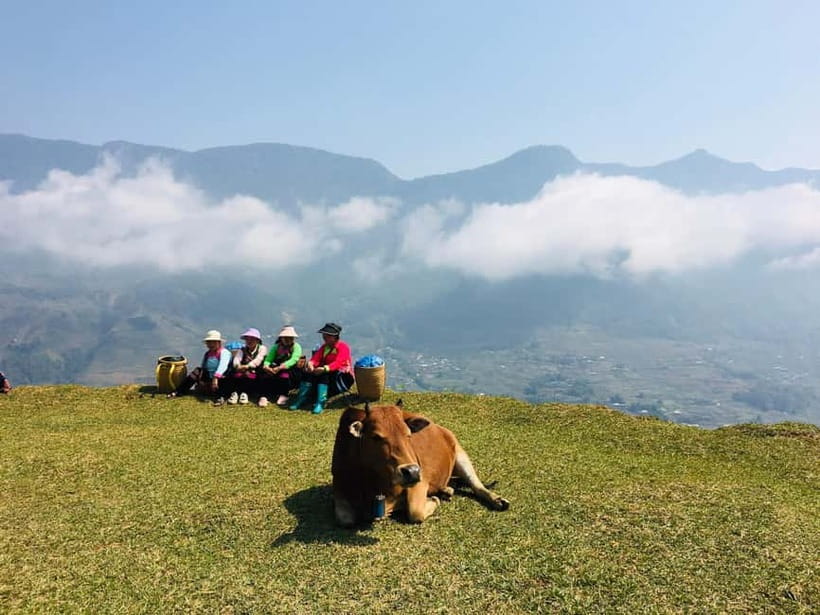
Sapa is famous for its rice terraces, but the best way to understand the area is on foot. Roads can show you the broad shape of the hills. A trek lets you notice the narrow paths, village homes, bamboo forest, river crossings, and changing views that make the region special.
This trip keeps the focus on local life. You walk from the Hmong village of Y Linh Ho toward Lao Chai, then spend the night with a host family. The next day brings Ta Van, the Giay community, a bamboo forest, the Muong Hoa River, and Giang Ta Chai waterfall.
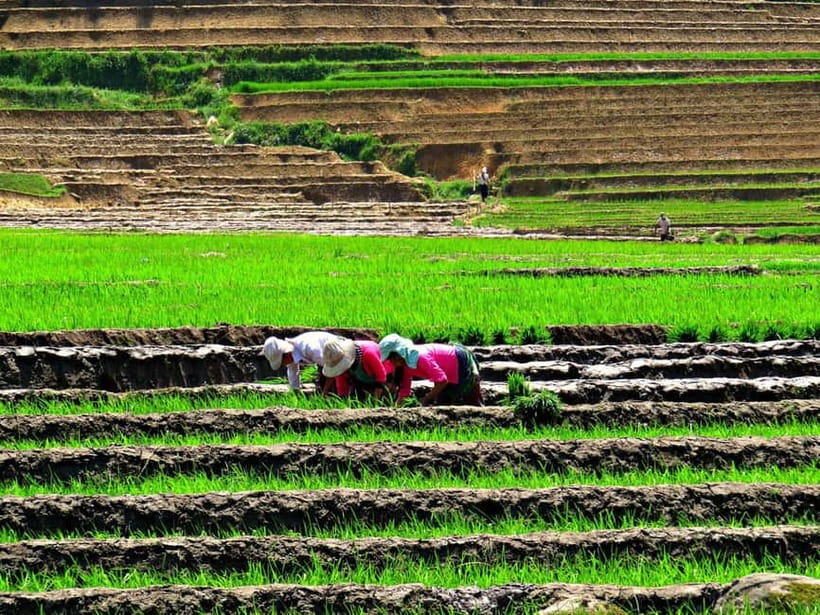
I like that the program is not built only around viewpoints. You get food prepared by local people, time in villages, and an overnight stay that gives the trip a slower rhythm. The experience is still organized, but it does not reduce Sapa to a quick photo stop.
The guide matters here. With French and English available, communication should be easier when you want to ask about local customs, food, village life, or the people you meet. A strong guide can also help you manage the walking pace and make the cultural encounters feel respectful rather than rushed.
A few more treks around Sa Pa worth a look
- SAPA: 2-DAY 1-NIGHT TREKKING & CULTURE WITH HMONG GUIDE LINH
★ 4.9 · 126 reviews - From Sapa: 2 Days 1 Night Trek Over Night At Homestay
★ 5.0 · 68 reviews - Sapa: 2-Day Local Guided Valley Trek with Night Homestay
★ 5.0 · 27 reviews
Day one: Y Linh Ho, Lao Chai, and a family homestay
Your first morning begins at 9 a.m., when the guide picks you up from your hotel and takes you to Y Linh Ho. This Hmong village is surrounded by the famous stepped rice fields of the Sapa region.
The terraces are the early visual reward. Their appearance changes with the season, but the basic appeal remains: long carved lines follow the hillsides, creating patterns that make the area a favorite for photographers. Bring patience rather than expecting one single lookout. The beauty comes from seeing the terraces from different angles as you walk.
Y Linh Ho also gives the day a clear local focus. You are not simply looking across a valley from a roadside platform. You begin among a Hmong community and then continue through the countryside on foot.
After exploring the village, you have a traditional lunch prepared by local people. Since two lunches are included during the trip, you do not need to budget separately for the main midday meals. Extra drinks are not included, though, so you should plan for water beyond the small bottle supplied each day.
From Y Linh Ho, the route continues toward Lao Chai. Here, the focus turns to Black Hmong culture. The program describes time to learn about local customs and traditional ways of life, so this is a good part of the walk for questions. Ask your guide to explain what you see instead of treating the village as a backdrop.
The afternoon ends at a local family homestay. You have dinner with your hosts and spend the night there, with stories and time together under the stars included in the spirit of the visit. The homestay is one of the strongest reasons to choose this trip over a day excursion.
You should keep your expectations practical. This is a local homestay, not a resort. The supplied details promise a comfortable night with a host family, but they do not specify room arrangements or private facilities. If you need hotel-style comforts, ask before booking.
The welcome at Nhu was praised as especially warm, and the trip was also described as very well organized. That combination matters after a long walk. A friendly arrival and a clear plan can make a simple overnight stay feel much easier.
The walking difficulty, and how to prepare
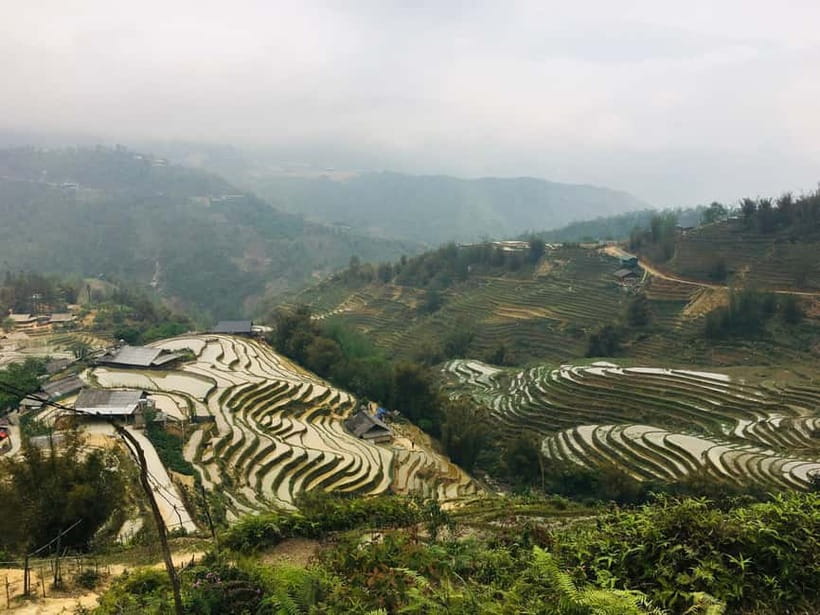
The most important practical point is that this is a trek, not a village transfer with short walks. One review praises the experience but specifically warns that it is a little strenuous physically.
The information does not give a precise distance, elevation gain, or group size, so you should not assume the route will be easy. Rice terraces, hills, village paths, and the walk through bamboo forest all suggest uneven ground and some uphill or downhill effort.
You will want sturdy walking shoes, clothes that can handle changing mountain weather, and enough water for the day. The tour includes one small bottle per person per day, but additional bottled water and beer cost extra. Bringing a refillable bottle is sensible if you have one, though the supplied information does not confirm refill points.
The pace may feel comfortable for an active walker, but the program is not best suited to someone looking for a relaxed two-day break with minimal exertion. Ask about current trail conditions and the expected walking time before you commit.
Day two: Ta Van, the Giay community, and Giang Ta Chai
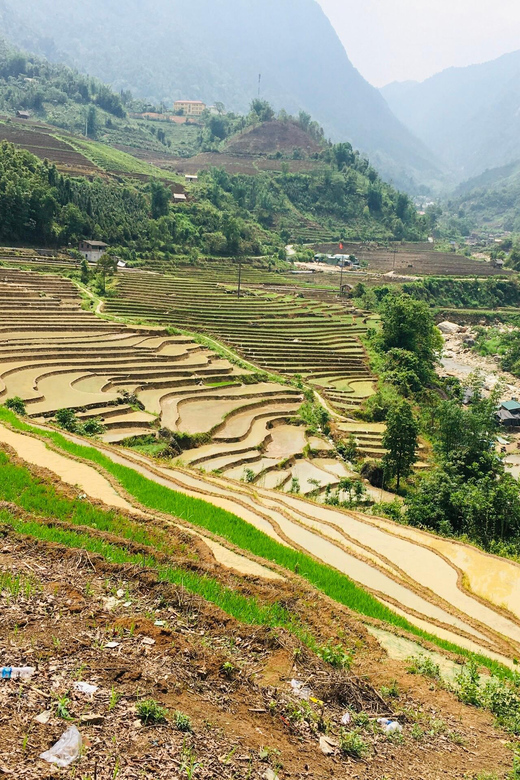
Morning begins with breakfast at the homestay. One of the pleasant details of this overnight is the view from the room: rice terraces and green hills spread out around you. It gives the second day a calm start before the walking resumes.
After breakfast, you continue to Ta Van, where you meet members of the Giay minority. The cultural contrast with the Black Hmong focus of day one gives the route more depth. You are not seeing one single version of mountain life. You are learning that different communities in the same region have their own traditions and daily patterns.
The route then passes through a bamboo forest toward the Muong Hoa River. This section changes the feel of the trek. The rice fields open wide, while the forest and river bring shade, water, and a more enclosed setting.
Your guide is particularly useful here. The program says you learn about the traditional way of life of the Giay community, but it does not list a set of formal demonstrations or performances. That is a positive point for anyone who prefers ordinary village life to staged entertainment, though the exact depth of explanation will depend on the guide and the time available.
Giang Ta Chai waterfall is the day’s main natural stop. It provides a scenic place for a picnic and a pause after walking through the forest. The setting should appeal to anyone who likes combining mountain views with water and woodland rather than spending the entire route among open terraces.
Lunch is included again, and the picnic setting gives the meal a welcome sense of place. Do not expect the trip to provide every snack or drink you might want. The included food covers breakfast, two lunches, and dinner, while extra beverages remain your responsibility.
At the end of the trek, transport takes you from the village back to Sapa. That final ride is useful because it saves you from arranging a separate return after two days on foot.
More Two-Day Treks in Sa Pa:
- EXPLORE SAPA: 2D1N TREKKING & HMONG CULTURE WITH DINH
★ 4.9 · 191 reviews - Sa Pa: 2-Day Trekking Trip with Ethnic Minority Homestay
★ 4.7 · 145 reviews - Sapa : 2-Day Trek & Heartwarming Homestay with an Ethnic Family
★ 5.0 · 143 reviews - 2 Days Fansipan Trekking
★ 5.0 · 84 reviews
What the $100 price covers
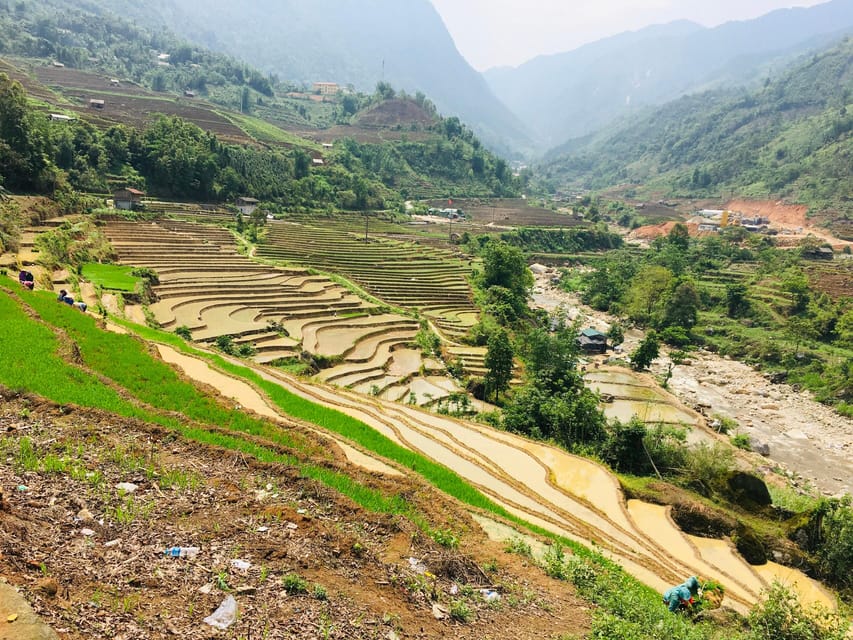
At $100 per person, the price is reasonable if you value the overnight stay and the food included. You are paying for more than a guide and a walk. The package includes:
- A French or English-speaking guide
- Hotel pickup at 9 a.m. on day one
- One night with a local host family
- Breakfast
- Two lunches
- One dinner
- One small bottle of water per person per day
- Village entrance fees
- Transport from the village back to Sapa
The value improves if you would otherwise pay separately for meals, entry fees, local transport, and a homestay. The guide is also important. In Sapa, a cultural explanation can turn a pretty walk into a more meaningful one.
The price is less attractive if you mainly want a short viewpoint visit or a private hotel room. You are paying for walking and local contact, not luxury. Since the group size is not provided, ask about it if personal attention is important to you.
The tour also offers reserve now and pay later, which helps if you are planning a wider Vietnam trip and do not want to pay immediately. Free cancellation is available up to 24 hours before the start for a full refund. Travel insurance is not included, so arrange your own coverage before the trek.
Food, drinks, and the homestay details
Food is a strong part of the plan. You receive a local lunch after visiting Y Linh Ho, dinner with the host family, breakfast the next morning, and another lunch on day two. This means most main meals are handled, and you can focus on walking rather than searching for restaurants.
The food is described as traditional and locally prepared, but no menu is given. If you have dietary restrictions, contact the provider before booking. The available information does not confirm how special diets are handled.
Drinks require more planning. The package provides one small bottle of water per person each day, but additional water and beer are not included. In a mountain setting, I would treat the included bottle as a starting supply rather than your full hydration plan.
The homestay is also a key part of the cultural value. Dinner and conversation with a family offer a closer look at local hospitality than a hotel can provide. At the same time, you should be comfortable with a simpler overnight arrangement and ask questions about sleeping facilities if that could affect your decision.
The guide and the cultural side of the route
The tour is available with a French-speaking guide, and English is also listed. For French-speaking visitors, that is a real advantage, especially when discussing customs and local life rather than only directions and timings.
The route gives the guide plenty to explain. You pass through a Hmong village, learn about Black Hmong culture in Lao Chai, meet the Giay community in Ta Van, and hear about traditional life while walking toward the Muong Hoa River.
I would use the guide actively. Ask about the terraces, the communities you meet, the meaning of local customs, and how the villages differ. The trip promises cultural contact, but your questions will help turn that promise into a fuller exchange.
The strongest praise attached to this experience concerns its organization, guide service, and warm welcome. It received two five-star ratings, including one describing the guide as very efficient and the village encounters as exceptional. The same feedback also gives you the needed warning: cultural value does not remove the physical challenge.
Who should book this experience?
This trek suits you if you want:
- A two-day walking route rather than a quick Sapa visit
- Rice terraces and mountain scenery
- Time in Hmong and Giay villages
- A French-speaking guide
- Local food and a family homestay
- A planned return to Sapa at the end
- A trip with cultural contact and some physical challenge
It may not suit you if you want a luxury overnight, a fully detailed fitness specification, or very little walking. The lack of stated distance, elevation, and group size means you should ask for those details before paying.
Photographers will find plenty to work with, especially around Y Linh Ho, Lao Chai, Ta Van, and the rice terraces seen from the homestay. Still, remember that the best views come during a moving trek, so carrying heavy camera gear may make the route harder.
Should you book the Sapa French-speaking trek?
I would book this trip if you want Sapa to feel like a place where people live, not just a collection of viewpoints. The mix of terraces, village visits, local meals, homestay, bamboo forest, river, and waterfall gives the two days a good sense of variety.
The $100 price makes sense for the included meals, entry fees, guide, overnight stay, and return transport. Your decision should turn mainly on fitness and comfort. If you are ready for a somewhat strenuous walk and a simple homestay, this is a well-rounded choice with strong cultural value. If you prefer easy paths and hotel comforts, choose a shorter outing instead.
FAQ
How long does the Sapa trek last?
The experience lasts two days and includes one night in a local homestay.
What time does the first day begin?
The guide picks you up from your hotel at 9 a.m. on day one.
Which languages are available with the guide?
The live guide is available in French and English.
How much does the trek cost?
The listed price is $100 per person.
Which villages are included in the route?
The route includes Y Linh Ho, Lao Chai, Ta Van, and Giang Ta Chai.
Which ethnic communities do you learn about?
Day one includes learning about Black Hmong culture in Lao Chai. Day two introduces the Giay community in Ta Van.
Is accommodation included?
Yes. The trip includes one night with a local host family in a homestay.
Which meals are included?
The package includes breakfast, two lunches, and one dinner.
Is travel insurance included?
No. Personal travel insurance is not included, so you should arrange suitable coverage before the trek.
Recently added around Sa Pa
- Soob Sapa Trekking Tour★ 4.3 · 3 reviews
- Sapa Trekking – Waterfalls And H’mong Villages★ 5.0 · 2 reviews
- Sapa Trekking Private Tour With Ethnic Female Tour Guide★ 4.9 · 24 reviews
- Sapa: Trekking Through Terraced Rice Fields & Valley 1 Day★ 4.8 · 4 reviews
- Sapa: Y Linh Ho – Lao Chai, and Ta Van Trekking Day Tour★ 5.0 · 25 reviews
- Sapa: Ta Phin Village Trek with Lunch and Bathing Experience★ 4.7 · 13 reviews
- Sapa small groupe activities: 1 Day trek – Meet the locals★ 4.7 · 3 reviews
- Sapa: Private trek to Muong Hoa Valley★ 5.0 · 4 reviews
Evening Experiences, compared.
Etna Sunset Tour: Volcano trek, Cave & tasting from Catania
Read our review →
2-Day Mt. Toubkal Trek with 1-Night Stay & Meals
Read our review →
Sapa 3 Days 2 Nights Trekking Tour (1 Night In Ta Van Village, 1 Night In Hotel)
Read our review →
Sapa 3 Day 2 Night Trekking With Hotel & Homestay
Read our review →
Browse the lists this tour appears in