REVIEW · SAPA
3-Day Trek in Amazing Muong Hoa Valley & ethnic Homestay
Rice terraces reward steady feet. This three-day trek from Sapa takes you through Muong Hoa Valley, Hmong and Red Dzao villages, bamboo forest, and mountain countryside, with ethnic homestays that give the route a human side. I like the small maximum group of 14 and the chance to spend two nights beyond Sapa Town rather than simply taking photographs from a roadside lookout. I also like that the price covers a guide, transport, seven meals, and the homestay portion.
The main consideration is effort. Day 2 lasts about seven hours, and the tour requires a moderate level of fitness. Trails can be tiring, and the route is much better suited to people who enjoy walking for several hours than to anyone seeking a relaxed sightseeing break. Guide Lang has led this three-day, two-night trek, and the full three days make more sense if you have the time and energy.
Key points to know before booking
- Muong Hoa Valley is the main event: You walk among rice terraces rather than viewing them only from a vehicle.
- Three ethnic communities shape the route: Day 1 focuses on Hmong country, while Days 2 and 3 introduce Red Dzao villages.
- Day 2 is the longest: Plan for roughly seven hours on foot, including the bamboo forest route from Ta Van to Giang Ta Chai.
- The group can include shorter-tour participants: One group of 11 included people on one-day and two-day options, so the company may combine departures.
- Seven meals are included: The package covers two breakfasts, three lunches, and two dinners.
- The price is strong for a multi-day trek: At $109 per person, you receive guiding, air-conditioned vehicle service, meals, and two nights connected with the homestay experience.
Why Muong Hoa Valley works best on foot
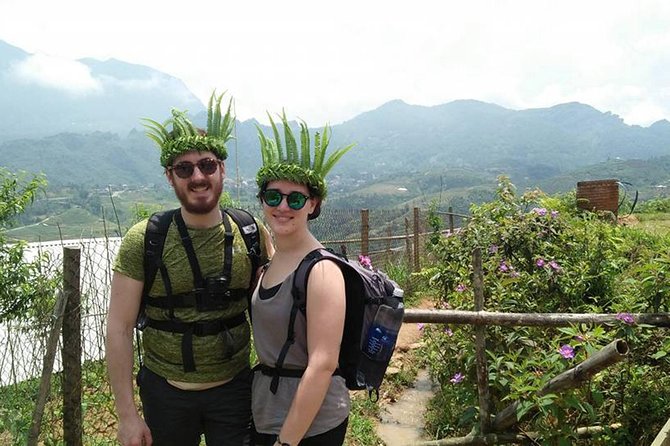
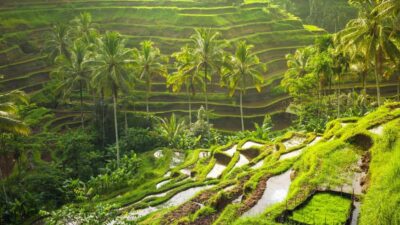
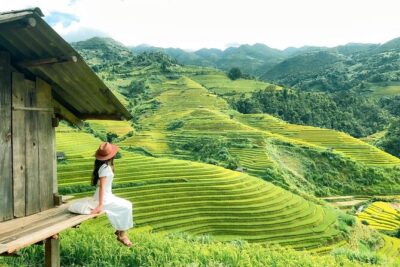
Sapa is famous for its mountain views, but the best part of the region is not always visible from town. Muong Hoa Valley gives you a closer look at the stepped rice terraces and the villages spread along the valley floor. Walking changes the pace. You have time to stop for photographs, notice the shape of the terraces, and meet people from communities with customs different from those in Sapa Town.
The route also has a useful cultural rhythm. You begin with the Hmong community around Lao Chai, continue toward Ta Van, then visit Red Dzao villages at Giang Ta Chai and Nam Tong. That variety gives the trip more substance than a single village visit. You are not simply checking off viewpoints. You are moving through several communities and staying in the area overnight.
The tour is capped at 14 people, which is a sensible size for narrow trails and village visits. Still, you should ask at booking how your departure is organized. A previous group began with 11 people, but some joined only for one day and others for two days. That means the full three-day group may not remain identical from start to finish.
More Homestay Treks in Sapa
- Number one top rated ethical cultural trekking and homestay by ETHOS
★ 5.0 · 456 reviews - Sa Pa: 2-Day Trekking Trip with Ethnic Minority Homestay
★ 4.7 · 145 reviews - Sapa : 2-Day Trek & Heartwarming Homestay with an Ethnic Family
★ 5.0 · 143 reviews
Day 1: From Sapa to Lao Chai and Ta Van
The day begins around 9:00 a.m. at 15 Tuệ Tĩnh in Sapa, with hotel pickup in Sapa Town around 9:15 a.m. The exact meeting arrangement should be clear when you book, but the listed starting point gives you a firm place to go if you are not being collected.
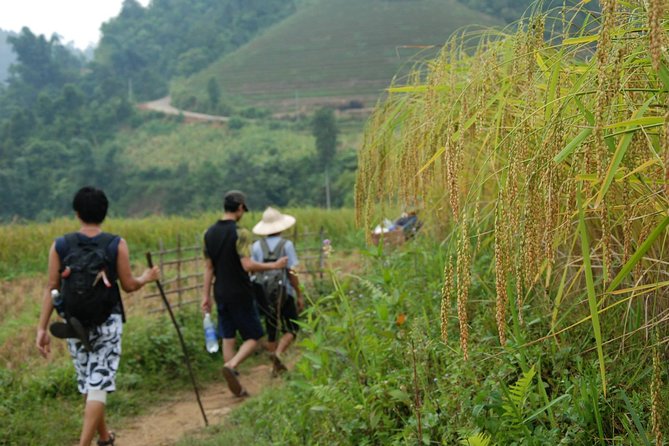
You then begin walking into Muong Hoa Valley toward Lao Chai, an area inhabited by the Hmong ethnic minority. The trek takes about six hours, so this is not a gentle orientation walk. You will need comfortable footwear and enough stamina for a full afternoon outside.
The appeal of this first day is the transition from town to countryside. Sapa can feel busy around its center, while the valley offers open views, terraced fields, and village paths. This is also the day when your guide can give the cultural background that helps you understand later stops. Guide Lang led a three-day, two-night route of this kind, and a guide is especially useful when you are walking through working villages rather than visiting a formal museum.
The Hmong focus makes Lao Chai a strong opening stop. You get an early look at local customs and daily life, while the terraces provide the classic Sapa photographs. Keep your camera ready, but do not let photographs turn the walk into a race. The value of the route comes from the steady movement through the valley.
The tour includes lunch and dinner on this day, as well as the first breakfast listed in the package. The provided details do not specify the exact menu, so you should not book this expecting a particular local dish. The important practical point is that the main meals are covered, which reduces the cost and planning burden during a remote walking day.
Your first night is connected with the ethnic homestay experience. The details do not specify the room setup or facilities, so ask the provider if you need particular sleeping arrangements. A homestay is best approached as a cultural part of the trip, not as a hotel replacement.
Day 2: Bamboo forest, Ta Van, and Giang Ta Chai
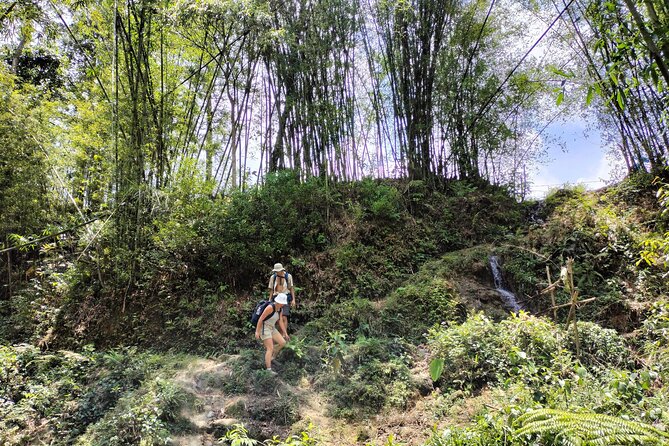
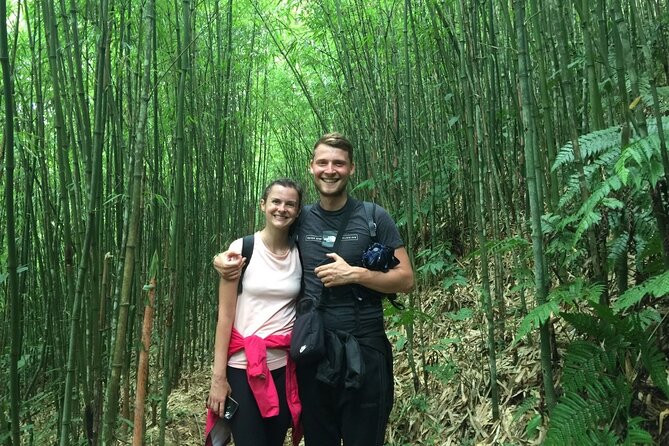
Day 2 is the toughest day by duration, lasting about seven hours. After a local breakfast, you leave Ta Van village and follow a trail through bamboo forest toward Giang Ta Chai, where the Red Dzao community lives.
This section gives the trek a different feel from Day 1. The forest route breaks up the open terrace views and adds shade, uneven ground, and a more enclosed walking environment. You continue through countryside rather than traveling between isolated attractions, so the day feels like a real route through the valley.
Giang Ta Chai is valuable because it adds another community to the trip. The Hmong experience around Lao Chai is followed by an introduction to Red Dzao culture and traditions. That comparison can help you see that the mountain region is not culturally uniform. Each village stop offers a different setting and a different point of reference.
The seven-hour schedule deserves respect. If you usually prefer short walks, this day may feel long. The tour asks for moderate fitness, not advanced mountaineering ability, but you still need to be comfortable walking for most of a day. Bring only what you need on the trail, since a heavy bag will make the forest section harder.
Breakfast, lunch, and dinner are included across the day. Having meals arranged is particularly useful here because the day is long and the route is outside Sapa Town. You can concentrate on walking and the countryside instead of searching for food between stops.
The second night continues the homestay element. Again, the supplied details do not list the exact village accommodation or amenities, so anyone who needs private facilities should confirm before paying. If you are happy with simple local lodging, the overnight format gives the trip more connection to the communities than a same-day excursion from Sapa.
Day 3: Sunrise in Ban Ho and Nam Tong
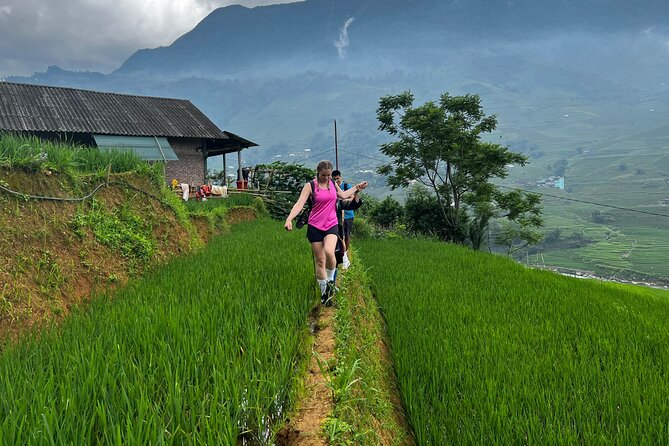
The final morning begins with breakfast and sunrise in Ban Ho valley. This is a shorter walking day, listed at about four hours, so it provides a useful change after the long second day. The early start also gives you a chance to see the valley at a quieter time, though the exact sunrise conditions will depend on the weather.
From Ban Ho, you take a short trek to Nam Tong village, another Red Dzao community. The focus here is culture and tradition. After two days of walking through the area, the village visit can feel more meaningful because you have already seen the terrain and several different settlements.
The route then returns to Ban Ho for lunch. The meal is included, along with the day’s breakfast. The provided schedule does not give a detailed afternoon route after lunch, so you should confirm the exact return arrangements with Vietnam Nomad Trails. The activity ends back at the meeting point in Sapa, and the listed transport is an air-conditioned vehicle.
Day 3 is likely the easiest day physically, but it is not an empty final morning. The combination of sunrise, a village walk, and lunch gives the trip a proper finish without adding another long trek. If you are choosing between a one-day, two-day, or three-day option, the third day is worthwhile for the slower pace and Ban Ho and Nam Tong visits.
More Homestay Treks in Vietnam
- Sapa Valley Trek and Homestay – 3D2N
★ 5.0 · 105 reviews - 2 days authentic trekking tour in Sapa ( Homestay – Less touristy )
★ 5.0 · 68 reviews - From Sapa: 2 Days 1 Night Trek Over Night At Homestay
★ 5.0 · 68 reviews - Muong Hoa Valley Trek & Homestay Experience – 4D3N
★ 5.0 · 42 reviews
What the $109 price really covers
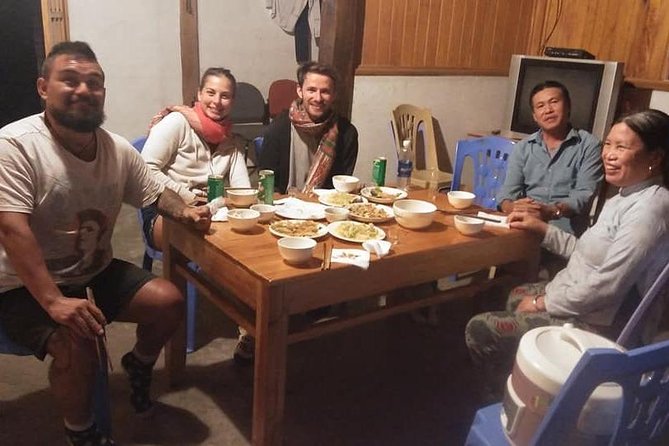
At $109 per person, the price is attractive for a three-day guided trek with meals and overnight village stays. You receive an English-speaking guide, air-conditioned vehicle service, two breakfasts, three lunches, and two dinners. The homestay experience is also central to the trip, though the supplied details do not spell out every accommodation feature.
That package matters because separate costs can add up quickly on a multi-day route. You are paying for local guiding, food, transport connected with the activity, and the organization needed to link several villages across three days. The value is strongest if you plan to use the guide fully, ask questions about the communities, and enjoy walking rather than treating the tour as a series of quick photo stops.
The price does not include travel insurance or personal expenses. Build those into your budget. You should also keep some money available for anything outside the included meals and services, since the package does not claim to cover every personal purchase.
The tour offers group discounts, which may improve the value for people booking together. The maximum group size is 14, so a discount should not automatically mean a huge group. Even so, ask how the discount is applied and whether your party will share the departure with people doing shorter versions.
How difficult is this trek?
The key figure is not the distance, which is not provided. It is the walking time: six hours on Day 1, seven hours on Day 2, and four hours on Day 3. That adds up to a serious walking holiday, even though the tour is not described as requiring advanced fitness.
You should be comfortable spending most of a day on foot and carrying what you need. The route includes bamboo forest and countryside trails, so the ground may vary. The tour specifically advises a moderate physical fitness level, and you should take that seriously.
I would choose this trip if you enjoy long walks, changing scenery, and basic homestay travel. I would hesitate if you want frequent vehicle transfers, polished accommodation, or a schedule with plenty of free time. The three-day format gives you more than a quick visit, but it also commits you to three active days.
Good weather matters. The experience can be canceled if conditions are poor, with the choice of another date or a full refund. That policy makes sense for a trek, since rain can affect both the trails and the views.
What to pack and what to confirm
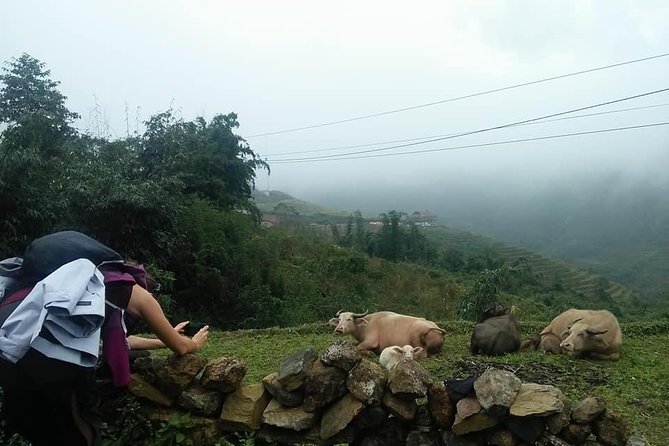
Use footwear that you trust for a long walk. The supplied information does not prescribe special equipment, but the six and seven-hour days make comfort important. Pack light enough for walking, and bring items suited to changing outdoor conditions.
Before departure, confirm these practical points:
- The exact pickup arrangement from your Sapa hotel
- The type of sleeping arrangement at each homestay
- The afternoon return plan after lunch on Day 3
- How your group will be combined with shorter-tour bookings
- Any personal costs not covered by the package
The start time is around 9:00 a.m., with pickup around 9:15 a.m. in Sapa Town. The activity ends back at the meeting point. Confirmation arrives at booking, and the meeting point is near public transportation.
Free cancellation is available if you cancel at least 24 hours before the start time. Changes or cancellations inside that period are not accepted for a refund. The cut-off follows local time, so keep that in mind if you are booking from another country.
Who should choose the full three days?
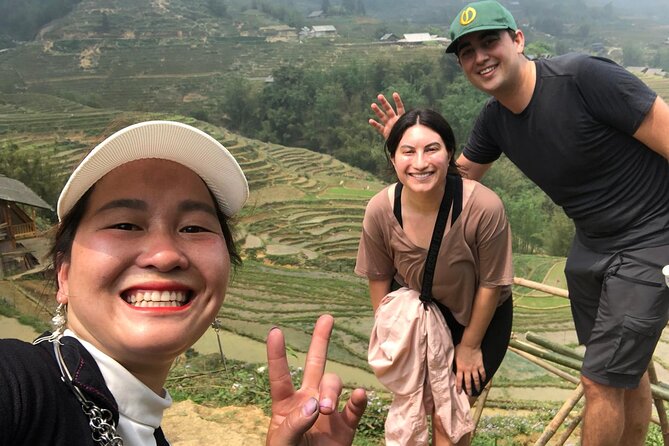
The full route suits you if you want the most complete version of the valley experience and have enough time for the long walking days. It is also a good match if you care about meeting Hmong and Red Dzao communities, not just photographing terraces from a lookout.
The three-day option may be especially useful for photographers, walkers, and first-time visitors who want a guide to explain the cultural side of the region. The overnight stops break up the route and let you see more than a day trip from Sapa can offer.
You may prefer a shorter option if your fitness is limited or if you are unsure about several hours of walking. The group structure can include people on one-day and two-day departures, but this particular experience is built around three days, so do not assume you can shorten it after starting.
Should you book this Muong Hoa Valley trek?
I would book this tour if your priority is walking through Sapa’s countryside with local cultural stops, rather than staying in town and taking short excursions. The route covers Hmong and Red Dzao villages, rice terraces, bamboo forest, Ban Ho sunrise, and two nights connected with ethnic homestays. The included meals and guide make $109 a fair price for the amount of time and organization involved.
I would skip it if seven-hour walking days sound unpleasant, or if you need hotel-style accommodation and a fixed, highly detailed schedule. Ask about the homestay facilities and final-day transport before paying. If the answers suit you, this is a practical and memorable way to see Muong Hoa Valley at a slower, more human pace.
FAQ
Where does the trek start?
The listed meeting point is 15 Tuệ Tĩnh, Sapa, Lào Cai, Vietnam. Hotel pickup in Sapa Town is scheduled for around 9:15 a.m., with the activity starting around 9:00 a.m.
How long does the experience last?
The trek lasts three days. The listed walking times are about six hours on Day 1, seven hours on Day 2, and four hours on Day 3.
How much does the tour cost?
The price is $109 per person. Group discounts are available.
What meals are included?
The package includes two breakfasts, three lunches, and two dinners.
Is transport included?
An air-conditioned vehicle is included. The activity begins and ends at the meeting point in Sapa.
Which ethnic communities do you visit?
The route includes Hmong communities around Lao Chai and Red Dzao communities around Giang Ta Chai and Nam Tong.
Is a guide included?
Yes. An English-speaking tour guide is included. Guide Lang has led a three-day, two-night trek of this type.
How large can the group be?
The maximum group size is 14 people.
What level of fitness is needed?
A moderate level of physical fitness is recommended. The trek includes walking periods of up to about seven hours.
Can I cancel for a refund?
You can cancel for a full refund up to 24 hours before the experience starts. Poor weather or failure to meet the minimum number of participants may also lead to a different date or a full refund.
More Rice Terrace Treks in Vietnam
- Daily Tour: Sapa Trekking in Muong Hoa valley, Bamboo forest
★ 5.0 · 121 reviews - 1-Day Sapa Long Trek – Rice Field Terrace, Ethnic Culture
★ 4.9 · 62 reviews - Sapa: Muong Hoa Mountain Views and Villages Trek with Lunch
★ 4.3 · 28 reviews - Sapa: Muong Hoa Valley View & Villages Trek with Local Guide
★ 5.0 · 25 reviews
More Rice Terrace Treks in Sapa
- Sa Pa: Muong Hoa Valley Trek and Local Ethnic Villages
★ 4.6 · 864 reviews - Explore Sapa by TrekkingAdventures, Mountain,Rice fields
★ 4.9 · 229 reviews - Sa Pa: 6-Hours Muong Hoa Valley Trek with Local Ethnic guide
★ 4.5 · 178 reviews - Sapa Muong Hoa Valley & Ta Van Eco Village Scenic Tour (No Trek)
★ 5.0 · 144 reviews
Recently added around Sapa
- Soob Sapa Trekking Tour★ 4.3 · 3 reviews
- Sapa Trekking – Waterfalls And H’mong Villages★ 5.0 · 2 reviews
- Sapa: Y Linh Ho – Lao Chai, and Ta Van Trekking Day Tour★ 5.0 · 25 reviews
- Sapa Trekking Private Tour With Ethnic Female Tour Guide★ 4.9 · 24 reviews
- Sapa: Trekking Through Terraced Rice Fields & Valley 1 Day★ 4.8 · 4 reviews
- Sapa Trekking Guide Francophone 2 days – 1 night★ 5.0 · 2 reviews
- Sapa: Ta Phin Village Trek with Lunch and Bathing Experience★ 4.7 · 13 reviews
- Sapa small groupe activities: 1 Day trek – Meet the locals★ 4.7 · 3 reviews
Rice Terrace Treks, compared.
Muong Hoa Valley Trek and Local Ethnic Villages
Read our review →
Explore Sapa by TrekkingAdventures, Mountain,Rice fields
Read our review →
Selogriyo Temple and Trekking Java Rice Terraces, hidden waterfall -Nature Java
Read our review →
6-Hours Muong Hoa Valley Trek with Local Ethnic guide
Read our review →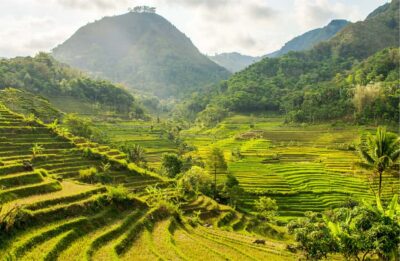
Sapa Muong Hoa Valley & Ta Van Eco Village Scenic Tour (No Trek)
Read our review →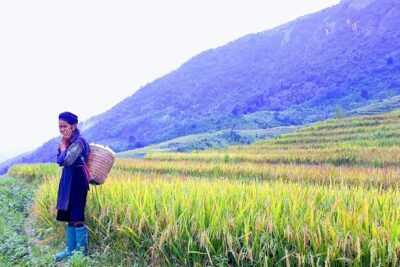
Daily Tour: Sapa Trekking in Muong Hoa valley, Bamboo forest
Read our review →