
REVIEW · SAPA
Sapa: Ta Phin Village Trek with Lunch and Bathing Experience
The best Sapa days leave the main road behind. This nine-hour outing combines quiet mountain trails and rice terraces with visits to Hmong and Dao communities, then finishes with a traditional herbal bath. I like the small group size, limited to 10 people, and the chance to eat lunch at a Hmong family restaurant rather than a standard tourist venue. I also like the clear cultural focus, especially the look at Red Dao herbal medicine and Hmong brocade work.
The main caution is that this is a serious day of walking, not a gentle village stroll. One account recorded about 15 kilometers, and the quality of the guide-led interpretation can affect the day greatly. Some guides, including Su and Vang, have received warm praise for their English and care, but you should be ready to ask questions and carry water, snacks, and proper shoes.
Key points at a glance
- About 15 kilometers on foot: The route crosses rice paddies, village paths, small roads, and mountain terrain.
- Suoi Ho and Ma Tra villages: You see Black Hmong homes, farm animals, cardamom plants, and working rice terraces.
- Lunch with a Hmong family: The meal takes place at a small restaurant with an outdoor patio and mountain views.
- Ta Phin’s Hmong and Red Dao traditions: Look for brocade work, marriage customs, and knowledge of herbal remedies.
- Ta Phin Cave and herbal bath: The cave adds a rough natural stop, while the bath gives tired legs a welcome rest.
- Strong value at $28: Transport, guide, lunch, cave entry, and the bath are included, though drinks and personal costs are extra.
Why this Sapa trek is worth considering
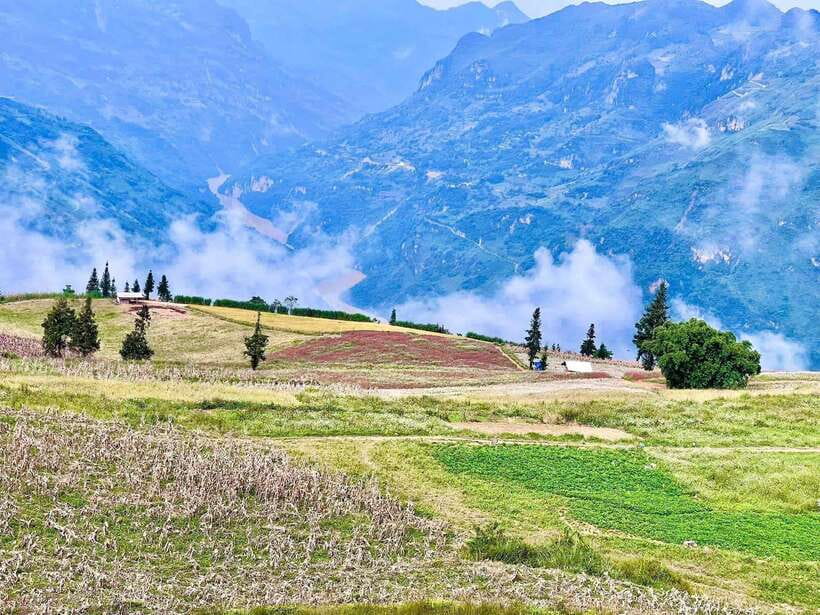
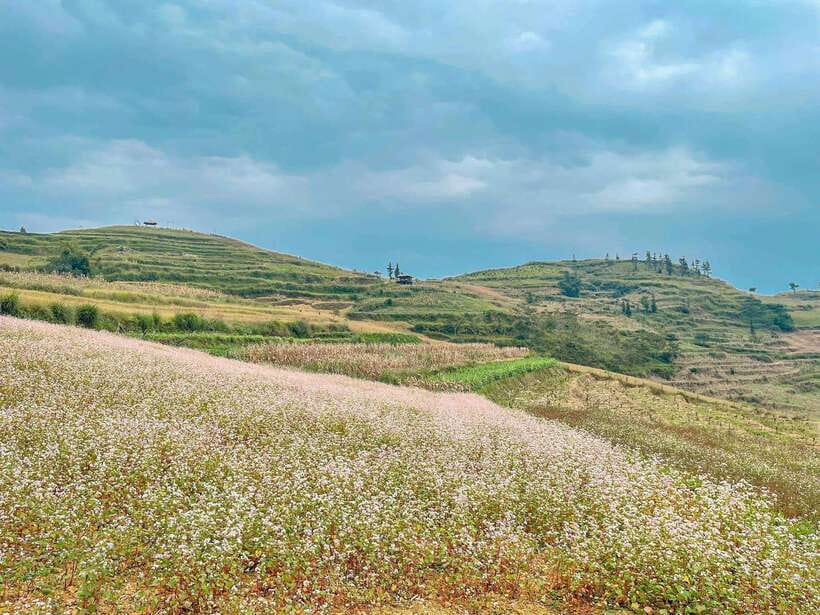
Sapa has plenty of short walks that let you snap a few terrace photos before returning to town. This route is different in scale. You spend most of the day moving through the countryside, with the scenery changing from small valleys and cardamom plants to rice fields, mountain paths, and village homes.
I particularly like the way the route links two cultural areas. The Black Hmong village of Suoi Ho gives you an early look at older, smaller houses and daily farm life. Later, Ta Phin brings Hmong and Red Dao traditions into focus. The Red Dao are especially known for herbal medicine, and the final bath connects directly with that tradition.
The price is another strong point. For $28 per person, you receive pickup and drop-off, an English-speaking guide, lunch, Ta Phin Cave admission, and the herbal bath. Drinks at lunch, tips, and personal purchases are not included, but the main costs are covered. A 20 percent discount at Massage Lits, 01 Hoang Van Thu, is also offered after the trip.
The value depends on the guide. Su has been praised for speaking English clearly, explaining farming and local life, and paying close attention to questions. Vang has also been praised as a friendly guide. Still, one account found the commentary hard to understand and felt the day lacked enough explanation. That difference matters on a cultural outing, so approach the tour as a good-value route with some variation in guiding quality.
More Homestay Treks in Sapa
- Number one top rated ethical cultural trekking and homestay by ETHOS
★ 5.0 · 456 reviews - Sa Pa: 2-Day Trekking Trip with Ethnic Minority Homestay
★ 4.7 · 145 reviews - Sapa : 2-Day Trek & Heartwarming Homestay with an Ethnic Family
★ 5.0 · 143 reviews
Starting from Hoang Van Thu at 9:00
Pickup is scheduled for 9:00 at your accommodation. The meeting point is Massage Lits at 01 Hoang Van Thu, and transport returns you to Sapa at roughly 16:30 to 17:00.
The first part is easy. After a short introduction, you walk about five minutes to a small trail. The itinerary also describes about 15 minutes on foot in the opening section, so allow a little flexibility as the group gets organized and heads out of town.
This is a useful start because you move quickly away from traffic and buildings. Bring your camera, but do not expect the walk to feel polished or paved throughout. The route uses narrow trails, farm roads, and paths beside the rice fields.
Cardamom valleys and the walk to Suoi Ho
One of the first interesting sights is cardamom, a valuable crop grown in the small valleys around Sapa. It is not just a pretty plant for a photograph. It gives you a glimpse of how mountain families use the land and why these shaded valley crops matter locally.
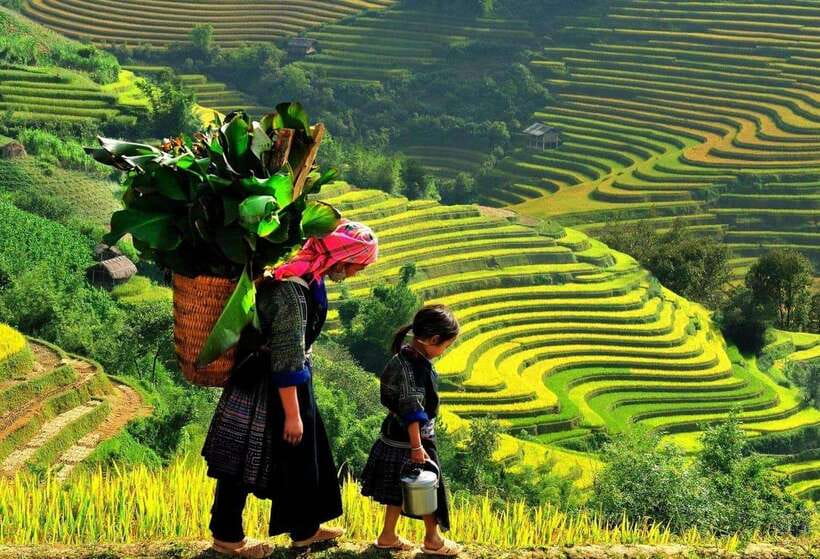
The trail then heads down toward Suoi Ho, a small village associated with the Black Hmong. The homes here are described as old and small, and the setting feels more rural than central Sapa. You may see water buffalo, chickens, dogs, and pigs, all part of ordinary village life rather than staged entertainment.
The route through this section can be uneven and downhill. Comfortable walking shoes are essential, especially if rain has made the ground slick. You should also keep your hands to yourself around plants and animals. The tour specifically asks you not to feed animals, touch plants, smoke, or leave rubbish behind.
Rice terraces, mountain views, and the Ma Tra lunch stop
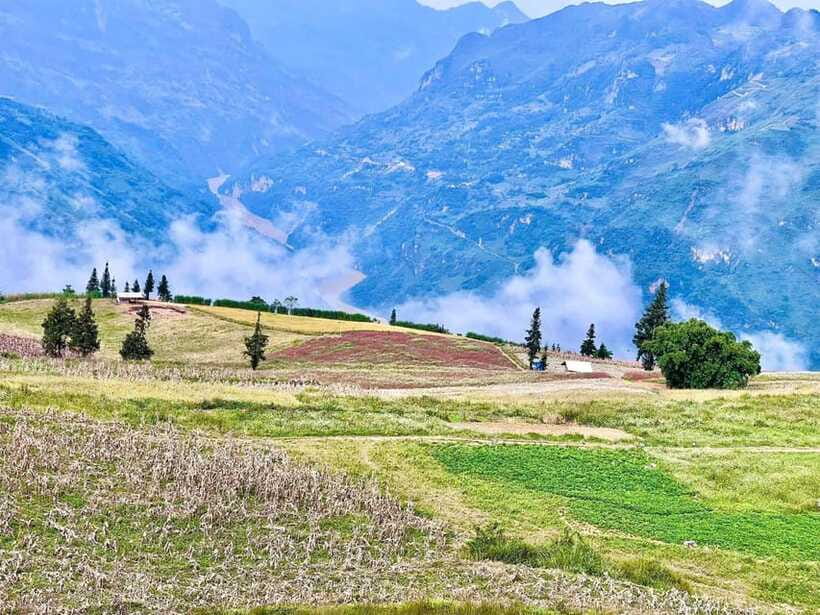
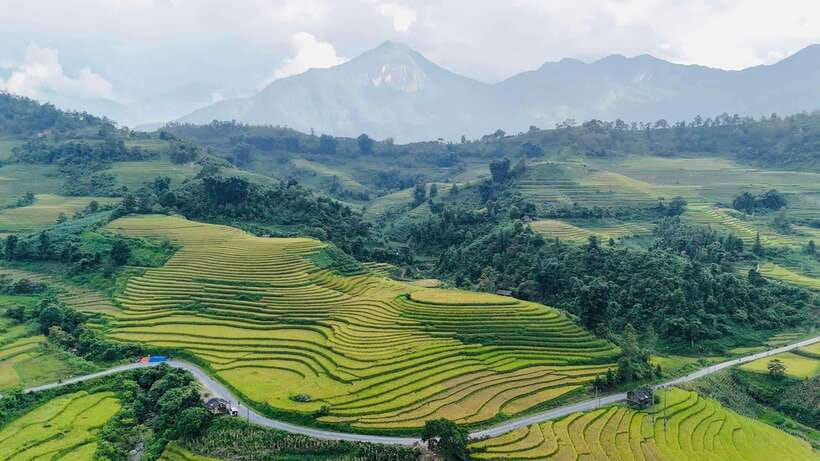
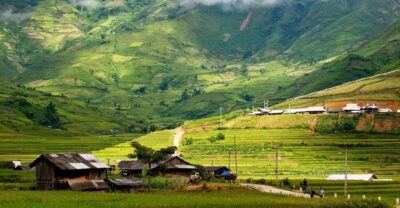
From Suoi Ho, the walk continues along a small road inside the rice paddies toward Ma Tra. This is one of the strongest parts of the day for scenery. You look across rice terraces and mountain slopes, with the route itself threading through working farmland.
The word trek is important here. You are not simply walking from one photo stop to another. You cover real distance, and some sections have little formal stopping time. One account found the day too continuous, with few breaks or points of interest. You can make the outing more comfortable by carrying water and a snack, even though lunch is provided later.
Lunch takes place at a small restaurant run by a traditional Hmong family. The outdoor patio has wide views, and the setting gives the meal more character than a quick stop beside a busy road. The food has been praised as very good, but drinks are not included, so bring extra cash for beverages.
This is also a good moment to ask your guide about farming, homes, and village life. Su was especially praised for answering questions about agriculture and local people. If your guide is less forthcoming, polite, specific questions will usually produce more useful conversation than waiting silently for a lecture.
More Homestay Treks in Vietnam
- Sapa Valley Trek and Homestay – 3D2N
★ 5.0 · 105 reviews - 2 days authentic trekking tour in Sapa ( Homestay – Less touristy )
★ 5.0 · 68 reviews - From Sapa: 2 Days 1 Night Trek Over Night At Homestay
★ 5.0 · 68 reviews - 3-Day Trek in Amazing Muong Hoa Valley & ethnic Homestay
★ 5.0 · 49 reviews
Ta Phin and the meeting of Hmong and Red Dao traditions
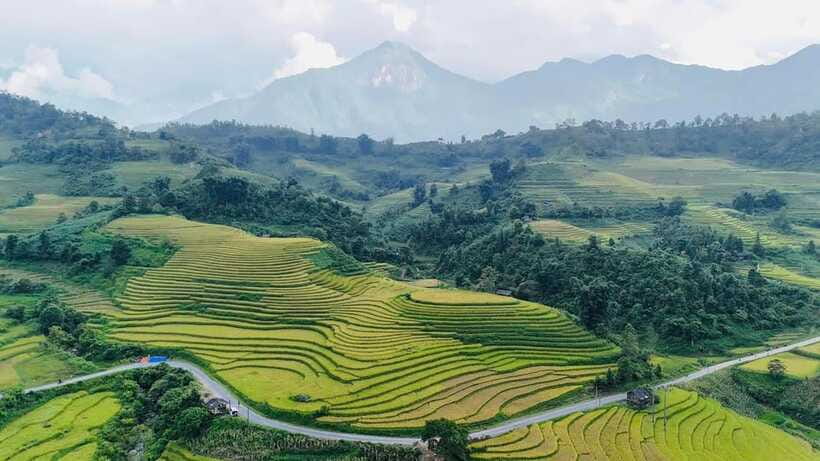
After lunch, the route continues to Ta Phin, a living village associated with both Hmong and Red Dao communities. This is the cultural center of the day, and it rewards a respectful, observant approach.
The Hmong are known here for distinctive marriage traditions. The Red Dao have a strong connection with herbal medicine and plants gathered from the surrounding area. The tour does not turn these subjects into a museum display. Instead, you see them in the context of a working village, which makes the visit more meaningful but also less predictable.
You may see women making brocade products for sale. These textiles are practical souvenirs because they connect to local craft traditions, but sellers can approach along the trail. One account found this pressure unpleasant. If you want to browse, take your time and ask about the work. If you do not want to buy, a friendly but firm no thank you is enough.
The cultural value here depends on respectful behavior. Dress practically, avoid touching plants or household items, and ask before taking close photographs. The instructions specifically ask you to respect local customs and traditions, which is more than a formality on a village walk.
Ta Phin Cave: interesting, but bring your own light
Ta Phin Cave goes deep into the mountains and adds a rougher, more natural element to the afternoon. It is included in the price, so you do not need to budget separately for admission.
The cave may not suit everyone. One account found it dark and slippery and noted that the guide did not have a light. Bring a phone with a dependable flashlight if you want to enter, and use care on wet or uneven ground. If you are uncomfortable with dark, slippery passages, you can treat the cave as an optional part of the stop rather than the main purpose of the day.
This is a good example of why footwear matters. Sandals and smooth casual shoes are poor choices for a route that already includes paddies, village paths, and a cave.
The herbal bath: a welcome finish after a long walk
The final stop is a local bathing place where you can relax in a traditional herbal remedy. After several hours on foot, the timing makes sense. This is not an ornamental add-on. It is the part of the day most likely to feel useful when your legs are tired.
The bath has been described as comfortable and heartening, with the option of private or shared bathing spaces. At the same time, one account found the room small, damp, and not especially clean. You should set your expectations accordingly. This is a local bathing experience, not a polished spa treatment.
The bath also gives the Red Dao herbal tradition a practical context. The plants and remedies discussed earlier are connected to something you can actually try. You may want to bring a small towel or change of clothes, although the provided information does not specify what the bathing place supplies.
After the bath, transport takes you back to Sapa. The planned finish is around 16:30 to 17:00, though the pace may vary. One account reported finishing near 14:00, far earlier than expected, so do not schedule a fixed evening commitment too tightly if the timing matters.
How difficult is the 15-kilometer route?
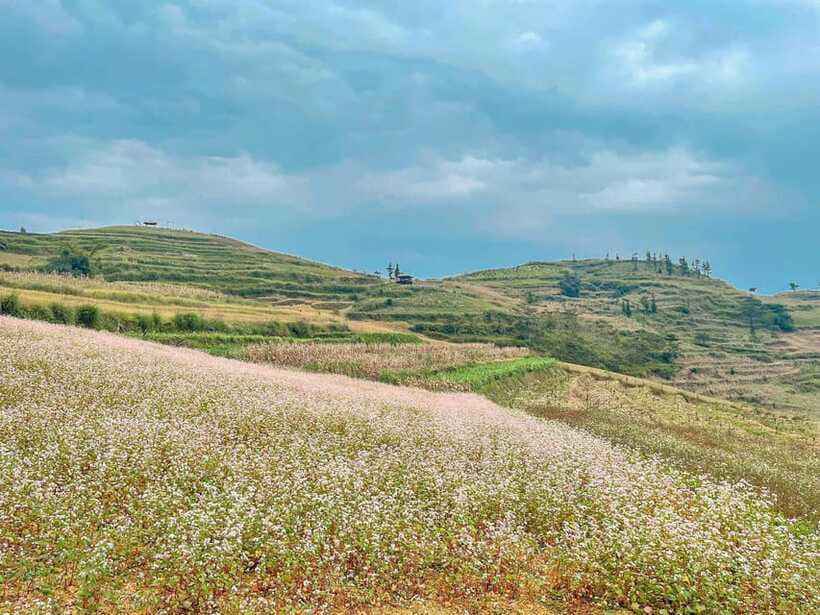
You should consider this a moderate to demanding walking day. The route includes downhill sections, rice paddies, small roads, village trails, and a cave. A reported total of about 15 kilometers gives a better picture than the nine-hour duration alone.
The tour is not suitable for children under six, pregnant women, people with back problems, people with mobility impairments, or wheelchair users. Even if you meet none of those conditions, you should still be comfortable walking for hours over uneven ground.
Pack:
- Comfortable walking shoes with good grip
- Water and a snack
- Hat and sunscreen
- Insect repellent
- Camera
- Clothing suited to changing weather
Sapa conditions can shift, so a hat and sunscreen are useful even when the morning feels cool. Rain can make paths more difficult, while warm weather makes water more important. The tour asks you not to litter, so keep wrappers in your bag until you find a bin.
Guide quality and small-group atmosphere
The group is limited to 10 participants, which is a sensible size for narrow paths and village visits. You can usually ask questions without shouting across a bus, and a small group is less intrusive around homes and farm areas.
The strongest guiding reports center on Su. He has been praised for fluent English, patience, interest in other cultures, and detailed explanations of farming, traditions, and everyday life. Vang has also received praise for being friendly and helpful.
But you should not assume every departure will feel identical. One account found the guide kind but difficult to understand, with too little unprompted information. I would treat the guide as a major part of the value and ask questions throughout the day. That helps you get more from the walk and can reveal whether your guide has useful local context to share.
Who should book this tour?
I would recommend it to active visitors who want a full day outside Sapa and prefer village paths to a quick viewpoint stop. It suits you if you are interested in farming, local crafts, ethnic traditions, and the practical side of herbal medicine.
It is also a good choice if you want a package with the main costs handled. Transport, lunch, cave entry, and the bath are all included for $28, which is a fair price for a full day if the route runs close to schedule.
I would hesitate if you want a quiet, luxury-style spa visit, a short easy walk, or highly polished historical commentary. The cave may be dark, the bath may feel basic, and the walking can be tiring. You may also find the seller encounters along the trail annoying.
Should you book the Ta Phin trek?
Book it if you want a long, scenic Sapa walk with a family lunch and a genuinely local-style bath at the end. The strongest parts are the mountain scenery, the Hmong and Red Dao focus, the small group, and the guides Su or Vang when available.
Skip it if you need guaranteed pacing, spotless bathing facilities, or a route with frequent breaks and formal interpretation. For most fit hikers, though, the combination of rice terraces, Suoi Ho, Ma Tra, Ta Phin Cave, and the herbal bath offers solid value at $28. Free cancellation is available up to 24 hours ahead, and you can reserve now and pay later, which helps when Sapa weather is uncertain.
FAQ
How long does the Ta Phin village trek last?
The scheduled duration is nine hours, beginning at 9:00 and usually ending around 16:30 to 17:00. Actual timing can vary, and one reported outing finished around 14:00.
How far do you walk?
The route involves considerable hiking, and one reported total was about 15 kilometers. You should prepare for a full walking day across trails, rice paddies, roads, and village paths.
What is included in the price?
Pickup and drop-off at your accommodation, an English-speaking guide, lunch at a traditional Hmong family restaurant, Ta Phin Cave entrance, and the herbal bath are included.
Are drinks included with lunch?
No. Drinks at lunch are not included, so bring money for beverages. Personal expenses and a tip for the guide are also separate.
Is the herbal bath private?
The bathing place offers private or shared bathing spaces. The facilities are local and basic rather than a full-service spa.
Is the tour suitable for children or people with limited mobility?
It is not suitable for children under six, pregnant women, people with back problems, people with mobility impairments, or wheelchair users.
What should I bring?
Bring comfortable walking shoes, a hat, sunscreen, water, snacks, insect repellent, and a camera. A light for Ta Phin Cave is also sensible because the cave may be dark.
More Homestay Treks in Sa Pa
- Muong Hoa Valley Trek & Homestay Experience – 4D3N
★ 5.0 · 42 reviews - Private Hoang Lien National Park & Tribal Village Trek
★ 4.7 · 30 reviews - Sapa: 2-Day Local Guided Valley Trek with Night Homestay
★ 5.0 · 27 reviews - Sapa: Ta Phin Village Trek & Red Dao Herbal Bath
★ 5.0 · 22 reviews
Recently added around Sa Pa
- Soob Sapa Trekking Tour★ 4.3 · 3 reviews
- Sapa Trekking – Waterfalls And H’mong Villages★ 5.0 · 2 reviews
- Sapa Trekking Private Tour With Ethnic Female Tour Guide★ 4.9 · 24 reviews
- Sapa: Trekking Through Terraced Rice Fields & Valley 1 Day★ 4.8 · 4 reviews
- Sapa: Y Linh Ho – Lao Chai, and Ta Van Trekking Day Tour★ 5.0 · 25 reviews
- Sapa Trekking Guide Francophone 2 days – 1 night★ 5.0 · 2 reviews
- Sapa small groupe activities: 1 Day trek – Meet the locals★ 4.7 · 3 reviews
- Sapa: Private trek to Muong Hoa Valley★ 5.0 · 4 reviews
Homestay & Village Treks, compared.
Number one top rated ethical cultural trekking and homestay by ETHOS
Read our review →
2-Day Sa Pa Ethnic Homestay Tour & Trek with Limousine Bus
Read our review →
Sapa 3 Day 2 Night Trekking With Hotel & Homestay
Read our review →
Sapa 2 Days 1 Night Overnight At Local Homestay
Read our review →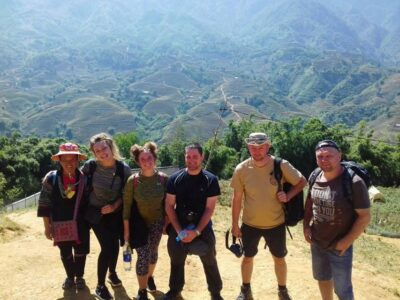
2-Day Trekking Trip with Ethnic Minority Homestay
Read our review →
2-Day Trek & Heartwarming Homestay with an Ethnic Family
Read our review →Browse the lists this tour appears in