
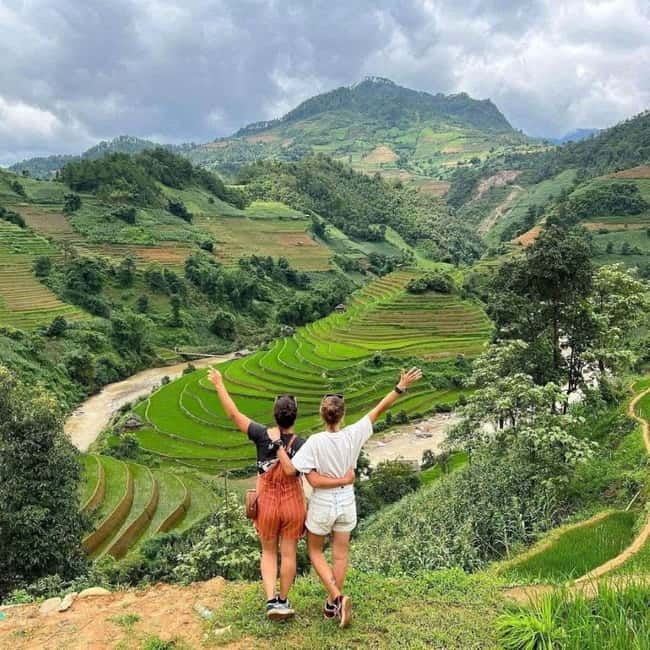
REVIEW · SAPA
From Sapa : 1 Day Amazing Sapa Trek To Terrace rice field
Mud is part of the adventure. This six-hour Sapa trek takes you from town into rice terraces, cornfields, potato plots, villages, and mountain scenery on a route that feels more rural than a town walk. I like the small-group format, limited to 10 people, and the chance to walk with an English-speaking local guide who can explain customs and daily life along the way.
I also like the simple logistics: hotel pickup in Sapa, village entrance fees, lunch, and a shuttle back to town are included. The main caution is the trail itself. Wet weather can make the steep paths very slippery, and recent walkers describe mud, falls, and dirty clothing as real possibilities.
Key points to know before you book
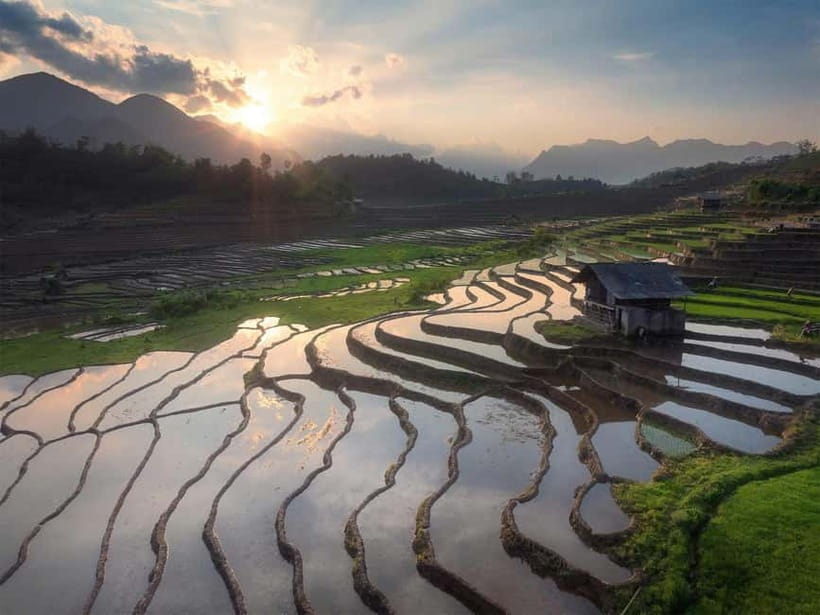
- The walk is roughly 10 kilometers: Expect a genuine half-day hike, not a short photo stop beside the rice fields.
- Much of the route goes downhill: That makes the distance manageable for some people, but slippery descents can be hard on knees and balance.
- Lao Chai village is the cultural heart of the trip: You see simple homes, local routines, and farming areas while walking through the community.
- A local guide adds useful context: The guide comes from the area and can explain local customs, habits, and village life in English.
- Lunch and the return shuttle are included: You walk out from Sapa, eat at a local restaurant, then ride back up to town.
- The $22 price covers the important basics: Pickup, drop-off, entrance fees, guiding, lunch, and transport back make this a strong-value outing.
Why this Sapa trek is worth your morning
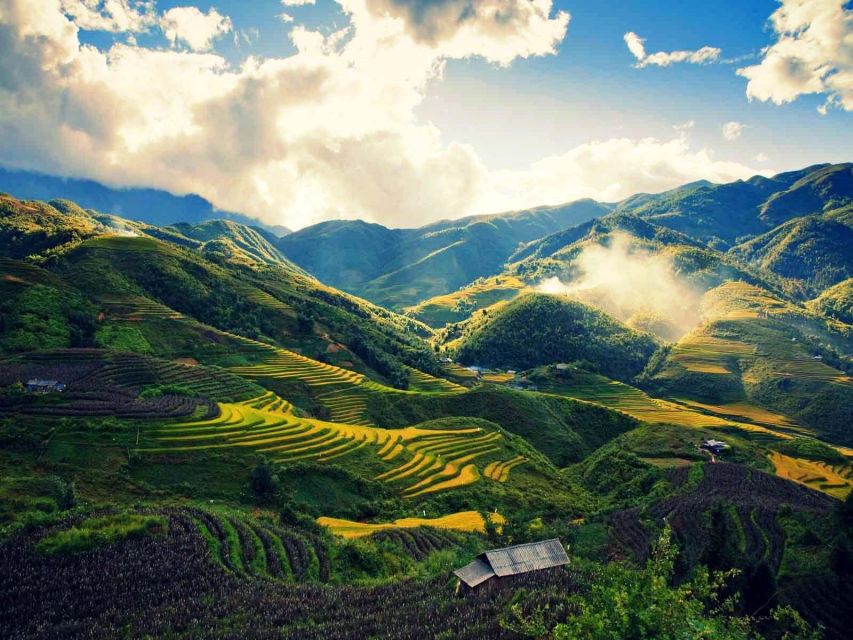
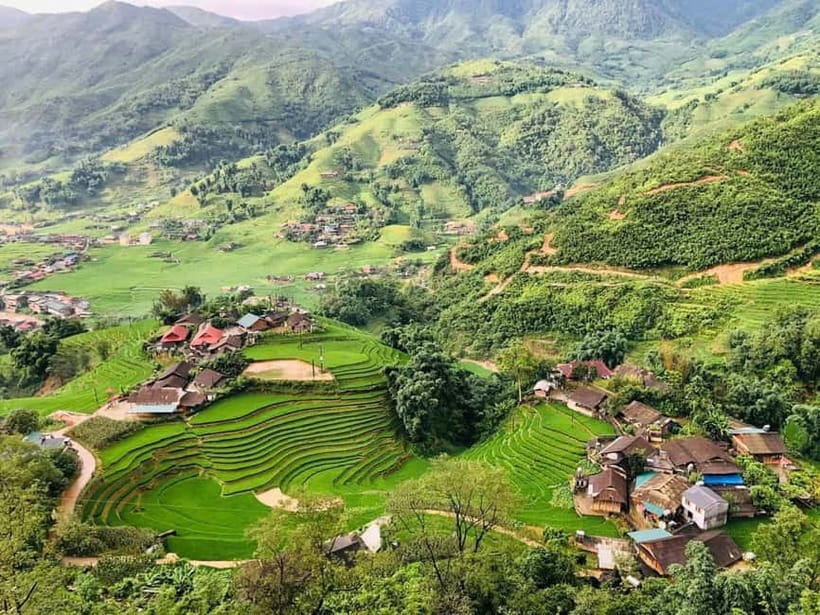
Sapa is famous for its terrace rice fields, but the best views do not begin right outside every hotel. This tour gets you moving through the town first, then gradually away from paved streets and tourist shops toward farmland and village paths.
I like that change of pace. You start by seeing Sapa as a mountain town, with its buildings and local architecture, then walk into a quieter setting where rice, corn, and potatoes are grown on steep hillsides. The contrast helps you understand the area better than a quick roadside viewpoint does.
The route also gives you time to notice small details. You may see homes, paths between fields, local people going about ordinary tasks, and the way farming fits into the hills. The guide is there not simply to lead the walk, but to explain local customs and habits as you go.
This is not a formal museum-style cultural visit. You are seeing daily life in motion, which can feel more direct and personal. At the same time, you should remain respectful. The villages are homes and working communities, not a staged attraction.
More Rice Terrace Treks in Sapa
- Sa Pa: Muong Hoa Valley Trek and Local Ethnic Villages
★ 4.6 · 864 reviews - Explore Sapa by TrekkingAdventures, Mountain,Rice fields
★ 4.9 · 229 reviews - Sa Pa: 6-Hours Muong Hoa Valley Trek with Local Ethnic guide
★ 4.5 · 178 reviews
08:00 to 08:30 pickup in Sapa town
The day begins with pickup at your hotel in Sapa town between 8:00 and 8:30 in the morning. Pickup and drop-off are included inside Sapa town, but accommodation outside town is not covered, so check your location before booking.
The early start gives you a useful block of time before the afternoon return. The full activity lasts about six hours, with drop-off expected around 14:00 to 14:30. That leaves the rest of your day open for lunch in town, rest, or another Sapa activity.
You begin on foot through Sapa. This first section is not the main rice-field walk, but it gives you a look at the town’s architecture and the setting of local ethnic minority communities. It also lets the guide explain what you are seeing before the trail becomes more rural.
Because the group is capped at 10 people, the guide should have a better chance to answer questions and keep an eye on the pace than on a large coach excursion. The exact group size can still vary up to that limit, but it is small enough to feel more personal.
From town streets to working farm terraces
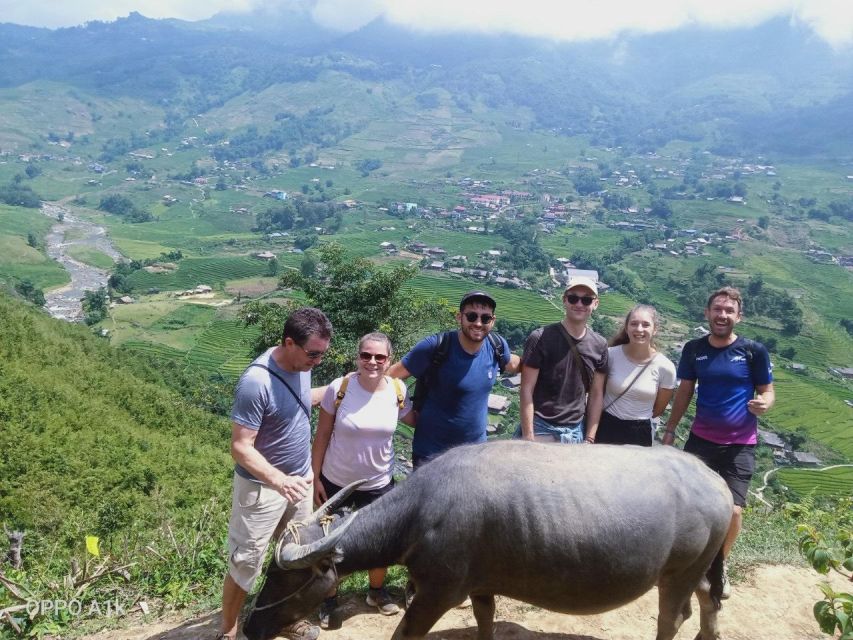
The most appealing part of the route begins after you leave the town behind. The path leads through rice terraces along with corn and potato fields, using a less touristy route according to the tour details.
That word, less touristy, matters. The attraction here is not a single famous viewing platform. It is the steady change in scenery as you walk from one field and village area to the next. Terraces appear in layers across the hills, and the route gives you repeated chances to stop for photographs.
The best views depend heavily on weather and season. On a clear day, you may get broad mountain views and sharp lines in the fields. In rain, the scene changes completely. One walker described the rain softening the colors of the mountains and earth, while another warned that damp slopes became very slippery. Both points are useful: poor weather can reduce comfort while adding its own beauty.
You should bring footwear with good grip and clothing that can get dirty. The path may be muddy, especially after rain, and the steep hillsides can be difficult to manage. Local people may help walkers through muddy sections, but that should not replace sensible preparation.
The downhill direction is another important detail. Much of the walk goes down from the hills, which can feel easier than a long climb, but descending on wet ground requires careful steps. A 10-kilometer downhill walk can still tire your legs, especially if you are unused to uneven paths.
Lao Chai village and local daily life
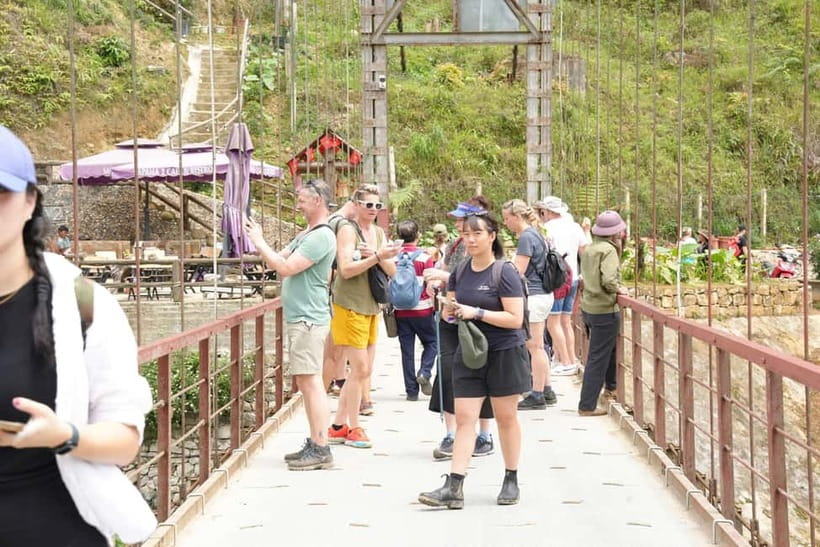
Lao Chai is one of the main cultural stops on the walk. It is described as a small village on a tribal hillside, surrounded by the kind of farm scenery that makes Sapa so distinctive.
Here, the appeal is the chance to see how people live in a rural mountain community. The route passes simple homes and village spaces, and your guide can explain local customs, routines, and traditions. I value this part more than simply taking photographs because it gives meaning to the fields and houses around you.
The guide is from one of the local villages visited on the route, which adds a useful connection to the area. That background can make the explanation more personal, especially when you ask about family life, farming, or local practices.
Still, keep your expectations realistic. This is a walking tour, not a long homestay or a hands-on cultural workshop. You will pass through the village and learn from the guide while moving along the trail. If you want several hours inside one household or a detailed craft demonstration, this is not the right format.
The experience works best when you stay curious and polite. Ask questions, listen to the guide, and avoid treating people’s homes as scenery. The tour gives you access to local life, but that access comes with a responsibility to behave thoughtfully.
More Rice Terrace Treks in Vietnam
- Sapa Muong Hoa Valley & Ta Van Eco Village Scenic Tour (No Trek)
★ 5.0 · 144 reviews - Daily Tour: Sapa Trekking in Muong Hoa valley, Bamboo forest
★ 5.0 · 121 reviews - 1-Day Sapa Long Trek – Rice Field Terrace, Ethnic Culture
★ 4.9 · 62 reviews - 3-Day Trek in Amazing Muong Hoa Valley & ethnic Homestay
★ 5.0 · 49 reviews
Waterfall break and photo stops

The route includes a waterfall where you can pause, rest, and take photographs. This gives the walk a welcome change from terraces and village paths.
A waterfall stop is useful for more than pictures. It breaks up the 10-kilometer route and gives you a chance to catch your breath before continuing. The tour description does not specify the size of the waterfall or whether swimming is allowed, so plan on viewing and resting rather than packing for a swim.
You will have many photo opportunities along the way. The terraces, farm plots, village paths, homes, mountain views, and waterfall all offer different subjects. Bring a phone or camera that you can protect from rain and mud, especially during the wet season.
Be careful with your footing while taking pictures. Sloped paths can be slick, and a good photograph is not worth stepping backward without checking the ground. The scenery rewards patience, so stop in safe places and let the guide suggest suitable points.
Lunch at a local restaurant
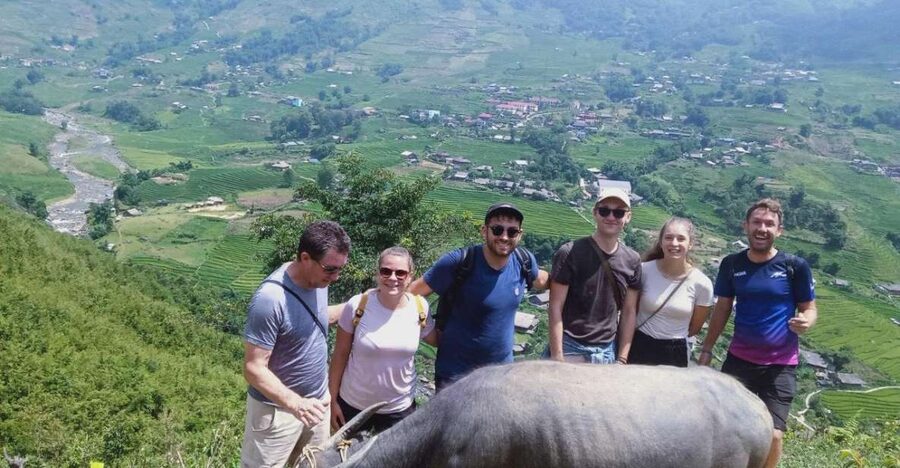
Lunch comes before the return to Sapa and includes local food at a restaurant. This is a practical inclusion because the walk occupies most of the morning and early afternoon.
The exact dishes are not specified, so you should not expect a guaranteed menu or plan around a particular meal. The tour promises local foods, giving you a taste of regional cooking rather than a generic international lunch.
Since only lunch is included, other meals and drinks are not covered. Bring money for beverages or anything else you may want during the day. The supplied details also do not state whether special diets can be accommodated, so ask the provider in advance if that matters to you.
After lunch, the walking portion is finished. You do not need to retrace the entire route on foot, which is one of the tour’s practical strengths.
The shuttle back to Sapa
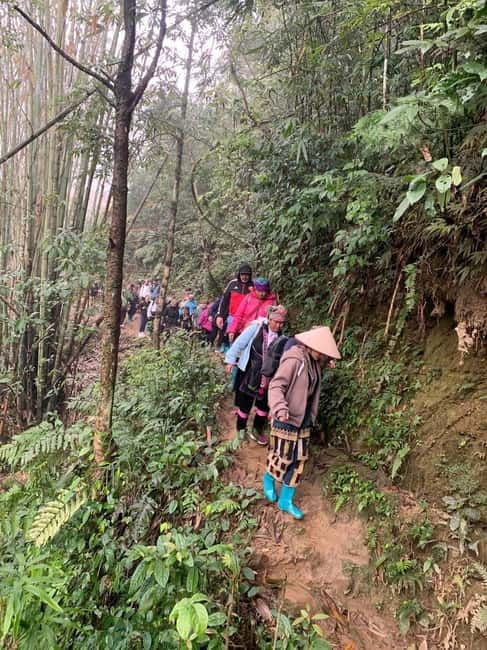
A shuttle bus returns you to Sapa town after lunch. The transfer uses the road to climb back toward the center, while the morning walk takes you downhill through the villages and fields.
That arrangement is much kinder than forcing you to walk uphill for another several kilometers. It also explains why the route can cover a large distance within six hours without turning into an all-day endurance test.
Drop-off at your Sapa town hotel is expected between 14:00 and 14:30. Outside-town pickup and drop-off are not included, so confirm that your hotel falls inside the service area.
What the $22 price really covers
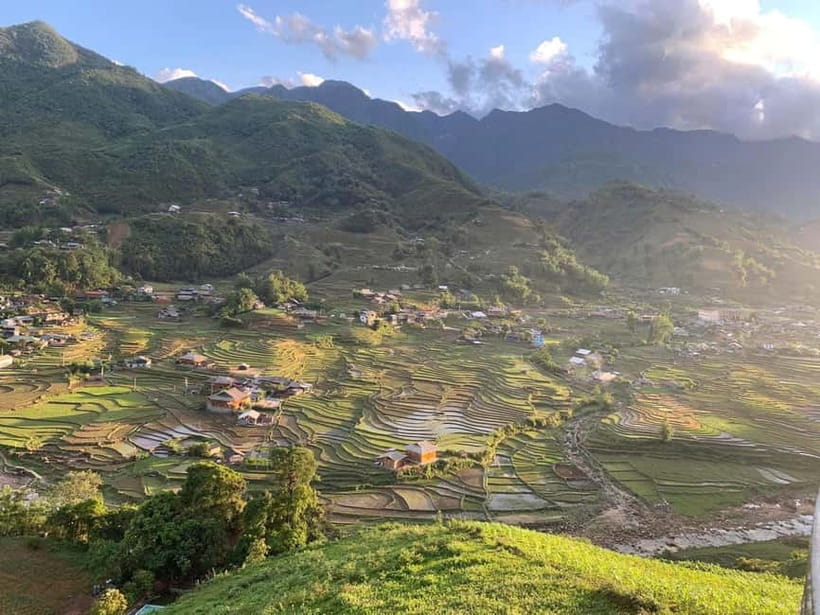
At $22 per person, this tour offers good value if you want a guided introduction to Sapa’s terraces without arranging separate transport, village access, lunch, and a return ride.
The included package covers:
- Hotel pickup and drop-off in Sapa town
- An English-speaking local guide
- Entrance fees for the villages
- A local lunch
- The terrace-field trek
- Photo stops
- Shuttle transport back to town
The price does not cover drinks beyond the stated lunch, travel insurance, visa services, or transport outside Sapa town. Those exclusions are normal, but they matter when you compare the total cost of your day.
The main value is not luxury. This is a straightforward walking trip with basic transport and food. You pay for access, guidance, local context, and a route through the countryside. If you prefer private cars, polished facilities, or a gentle sightseeing schedule, you may want a different option.
The 4.6 rating from 17 verified bookings suggests a strong overall response, but the smaller number of ratings means you should still pay attention to the physical demands rather than relying on the score alone. The praise focuses heavily on the beauty, the guide, and the cultural contact. The criticism is mild, but one rating simply called the tour average, so this is not a guaranteed perfect day for every person.
Who should book this walk
I would recommend it to you if you want to see Sapa on foot and are comfortable with a muddy rural trail. It suits people who care about scenery and local life more than comfort or speed.
It is also a good choice if you have limited time in Sapa. Six hours gives you a substantial look at the rice terraces, villages, and farms, while the afternoon return leaves room for other plans.
You should be prepared for:
- Around 10 kilometers of walking
- Uneven and sometimes muddy paths
- Steep downhill sections
- Possible rain
- Dirty shoes and clothing
- A basic local lunch
- A return shuttle rather than a second long walk
Families with older children may find it manageable, but the available information does not give a minimum age or specific accessibility details. Anyone with balance problems, knee concerns, or little experience on wet slopes should ask the provider for current trail conditions before booking.
The tour is less suitable for anyone seeking a relaxed road tour. It is also not ideal if you need guaranteed dry paths, a fixed menu, or fully accessible routes.
Weather, clothing, and useful preparation
The reviews make one point very clear: rain can change the walk. Mud may slow you down, and slippery slopes can lead to falls. Local assistance may be available on difficult sections, but you should still bring shoes with strong grip.
Wear clothing that you do not mind getting dirty. Pack a light rain layer, protect your phone, and carry only what you can manage comfortably for several hours. The supplied details do not list a recommended packing list, so these suggestions are based on the described terrain and recent conditions.
You should also allow some flexibility in your walking pace. A small group is helpful, but the route still includes natural ground, photo stops, village visits, and changing weather. The day is more enjoyable when you do not treat it like a race.
The walk is particularly photogenic, but keep the camera away during slick sections. A secure bag is more useful than a large collection of equipment.
Should you book this Sapa terrace trek?
Book it if you want an affordable, active day that combines mountain scenery with a look at local village life. The guide, lunch, village fees, and shuttle make the $22 cost hard to beat for a half-day outing.
Skip it if mud, steep paths, or a possible fall would ruin your day. The scenery is excellent, but the route is not soft or polished, especially after rain. If you arrive ready for a real walk, wear sensible shoes, and accept that your clothes may need cleaning afterward, this tour offers a strong first look at the countryside around Sapa.
FAQ
How long does the Sapa terrace-field trek last?
The activity lasts about six hours. Pickup is scheduled between 08:00 and 08:30, with return to your Sapa town hotel around 14:00 to 14:30.
How far will I walk?
The route is described as roughly 10 kilometers. Much of the walk goes downhill through rice terraces, corn and potato fields, villages, and rural paths.
Is lunch included?
Yes. Lunch at a local restaurant is included, with local foods served before the shuttle ride back to Sapa. Other meals and beverages are not included.
Does the tour include hotel pickup and drop-off?
Yes, pickup and drop-off are included for hotels in Sapa town. Transport outside Sapa town is not included.
Is the tour conducted in English?
Yes. The tour includes a live English-speaking local guide.
What happens if I need to cancel?
You can cancel up to 24 hours in advance for a full refund. You can also reserve now and pay later, according to the booking conditions provided.
More One-Day Treks in Sa Pa
- From Sapa: 1-Day Guided Trek to Lao Chai & Ta Van with Lunch
★ 4.9 · 416 reviews - Sapa 1 Day Long Trek: Trek to Hau Thao and Sa Seng Villages
★ 4.6 · 344 reviews - 1-day Authentik trek & Panorama valley views
★ 5.0 · 189 reviews - 1 day Fansipan Trekking
★ 5.0 · 180 reviews
More Rice Terrace Treks in Sa Pa
- Muong Hoa Valley Trek & Homestay Experience – 4D3N
★ 5.0 · 42 reviews - Sapa: Muong Hoa Mountain Views and Villages Trek with Lunch
★ 4.3 · 28 reviews - Sapa: Muong Hoa Valley View & Villages Trek with Local Guide
★ 5.0 · 25 reviews - From Sapa: Muong Hoa Valley View & Village Trek 1-Day
★ 5.0 · 21 reviews
Recently added around Sa Pa
- Soob Sapa Trekking Tour★ 4.3 · 3 reviews
- Sapa Trekking – Waterfalls And H’mong Villages★ 5.0 · 2 reviews
- Sapa Trekking Private Tour With Ethnic Female Tour Guide★ 4.9 · 24 reviews
- Sapa: Trekking Through Terraced Rice Fields & Valley 1 Day★ 4.8 · 4 reviews
- Sapa: Y Linh Ho – Lao Chai, and Ta Van Trekking Day Tour★ 5.0 · 25 reviews
- Sapa: Ta Phin Village Trek with Lunch and Bathing Experience★ 4.7 · 13 reviews
- Sapa Trekking Guide Francophone 2 days – 1 night★ 5.0 · 2 reviews
- Sapa small groupe activities: 1 Day trek – Meet the locals★ 4.7 · 3 reviews
Rice Terrace Treks, compared.
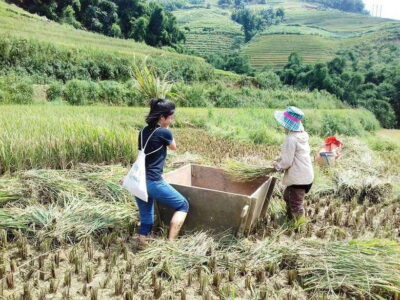
Muong Hoa Valley Trek and Local Ethnic Villages
Read our review →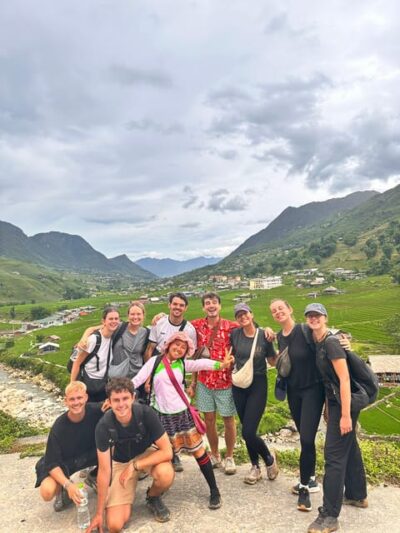
Explore Sapa by TrekkingAdventures, Mountain,Rice fields
Read our review →
Selogriyo Temple and Trekking Java Rice Terraces, hidden waterfall -Nature Java
Read our review →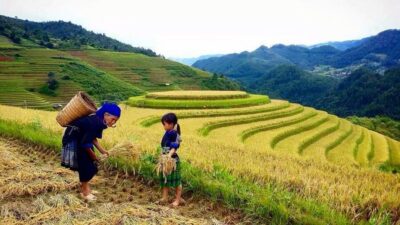
6-Hours Muong Hoa Valley Trek with Local Ethnic guide
Read our review →
Sapa Muong Hoa Valley & Ta Van Eco Village Scenic Tour (No Trek)
Read our review →
Daily Tour: Sapa Trekking in Muong Hoa valley, Bamboo forest
Read our review →
Rice Terrace, Holy Water Temple & Waterfalls Trek Tour
Read our review →Browse the lists this tour appears in