
REVIEW · KATHMANDU
Millennium Homestay Trek
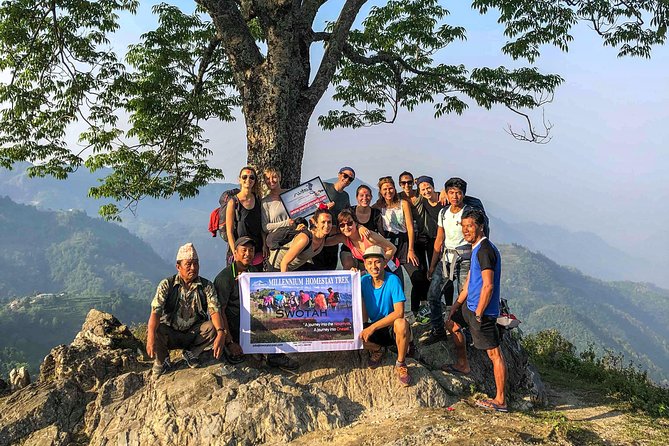
Nepal gets more personal beyond its famous trails. The Millennium Homestay Trek trades crowded high routes for 30-plus villages, family stays, mountain views, and daily contact with rural communities. I especially like the chance to stay in local homes and the variety of cultures packed into one compact route. The main drawback is that the schedule includes long walking days, steep climbs, basic homestay conditions, and some unclear timing that you should confirm before paying.
This is a strong choice if you want Nepal’s village life more than a famous base camp. The route stays below roughly 6,500 feet, so altitude is less of a concern than fitness, weather, and repeated uphill walking. Guides such as Rajkumar, Kumar, Chandra, Temba, Tek, and Surya have been praised for their care and local knowledge, though your exact guide may vary.
Key points at a glance
- Thirty-plus villages: The route passes through many small communities rather than concentrating on one large trekking center.
- Homestay-based travel: You sleep with local families and eat Nepali home cooking, giving the trip a social focus that hotels cannot match.
- More than ten ethnic groups: Gurung, Magar, Newari, Tibetan, and other communities bring different traditions, food, and village life.
- Millennium Cave with waterfalls: This is the route’s unusual natural feature, reached on foot between village stays.
- Low altitude, real hills: You avoid extreme Himalayan altitude, but several days still involve steep climbs and long hours on foot.
- Small group format: The maximum group size is 10, useful for village visits and family-host interaction.
Why the Millennium route feels different
The famous Annapurna and Everest routes offer grand peaks, but they also bring more lodges, traffic, and organized trekking infrastructure. The Millennium route takes a quieter approach. Its reward is not one dramatic summit or a single famous viewpoint. It is the steady change from one village to the next, with different homes, foods, customs, and conversations along the way.
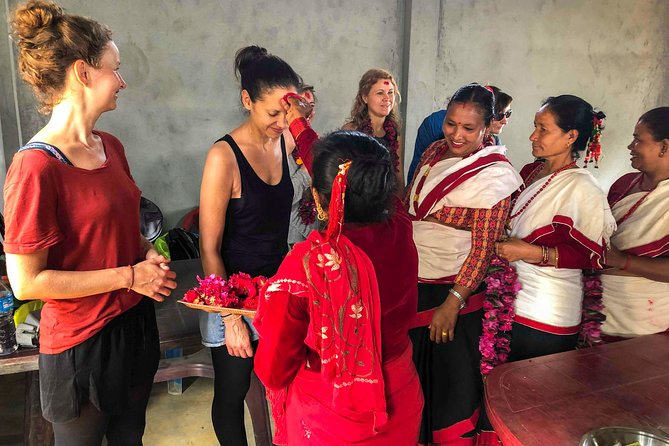
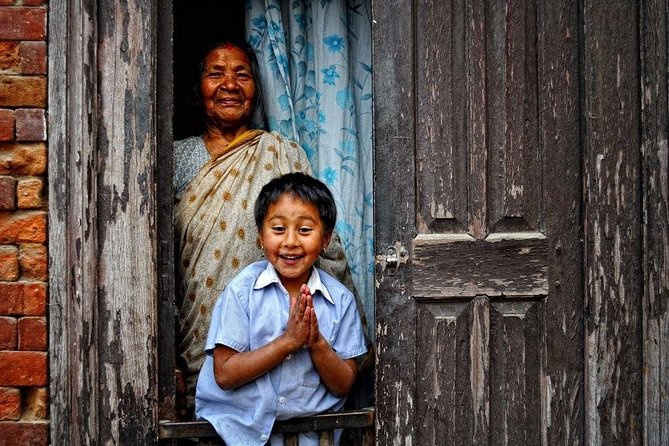
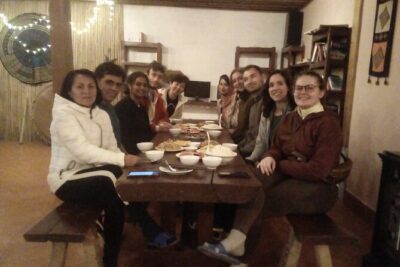
The route includes more than ten ethnic groups in a relatively small area. That matters because you are not simply looking at village life from a trail. You are invited into it through homestays, meals, welcome programs, prayers, and informal time with host families.
Expect a more direct form of cultural contact. You may be offered tea, fruit, or a place to sit while people explain daily life. The experience works best when you are willing to be polite, curious, and flexible. This is not a polished resort program, and that is precisely its appeal.
The published price is $1,500 per person for about 13 days. That is a substantial amount for Nepal, but it covers a much broader experience than a short trek alone: airport pickup, Kathmandu sightseeing, Pokhara time, transport between trail sections, guiding, and a series of homestays. Since the detailed inclusion list is not provided, ask directly about hotels, meals, private transport, porter support, entry fees, and insurance before booking.
More Homestay Treks in Kathmandu:
- Hanoi – Sapa 2 Days 1 Night Overnight At Homestay
★ 5.0 · 899 reviews - From Hanoi: 2-Day Sapa Trekking Trip with Homestay & Meals
★ 4.8 · 704 reviews - Number one top rated ethical cultural trekking and homestay by ETHOS
★ 5.0 · 456 reviews
Kathmandu begins with temples and old streets
Your arrival starts at Tribhuvan International Airport, where a representative meets you and transfers you to your hotel. The first evening includes a traditional dinner and a discussion of the route, a useful chance to clarify walking times, luggage arrangements, and the standard of the homestays.
Kathmandu Durbar Square provides an immediate introduction to Nepal’s old royal city. You have about two hours there with admission included. The square is best treated as a first orientation rather than a full study of Kathmandu. Look closely at the carved wood, temple courtyards, and the way modern city life presses around the old monuments.
The following sightseeing day includes Swoyambhu Mahachaitya, commonly called the Monkey Temple, and other major cultural sites in the valley. The schedule allows about eight hours. That is a full day, so wear comfortable shoes and expect a mix of walking, temple visits, traffic, and pauses.
Kathmandu contains seven UNESCO World Heritage Sites, and this portion of the trip gives you a useful cultural frame before you reach the villages. I like that the tour does not rush you straight from the airport to a remote trail. You get time to adjust, see the capital, and meet the guide team.
The road from Kathmandu to Pokhara
After breakfast, you drive toward Pokhara for roughly six to seven hours. The road follows the Trishuli River and passes villages, hills, and roadside settlements. It is a long transfer, but it shows you how quickly Nepal changes outside Kathmandu.
You spend the evening around Pokhara Lakeside and prepare for the trek. Pokhara is more developed and tourist-oriented than the villages ahead, with hotels, restaurants, shops, and evening activity by the lake. That contrast is useful. It also gives you a comfortable place to organize before the walking begins.
The road journey can be tiring, and traffic conditions may affect the timing. Do not plan an important flight or fixed evening appointment around the stated arrival hour. Nepal’s roads can make a schedule feel more like a guide than a guarantee.
From Khairenitar to your first homestay
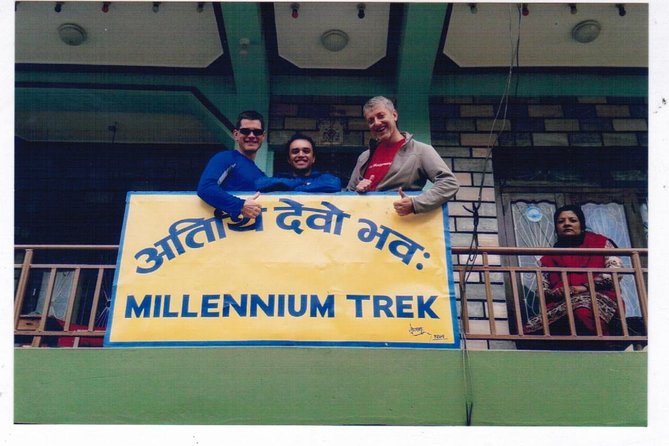
The walking section begins near Khairenitar Bazaar, about 28 kilometers from Pokhara. Depending on group size, you travel by bus or car before starting the walk toward Bankewa.
The first stay is in a local home near Udendhunga and Bankewa. A village welcome program introduces you to the community, and you have time to watch ordinary routines rather than simply pass through for a photograph. This is where the trek’s purpose becomes clear: the village is not just scenery, it is part of the experience.
The information for this stop gives only about 10 minutes, which does not match the description of a transfer followed by a village walk and homestay. Confirm the actual walking time and route with the operator. This is an important practical point, especially if you need to know how much luggage support or preparation is required.
Homestays are private and clean according to the supplied experiences, but you should still expect simple conditions rather than hotel service. The value comes from conversation and hospitality, not polished facilities.
A few more treks around Kathmandu worth a look
- Everest Base Camp Trek – 14 Days
★ 5.0 · 1,499 reviews - Everest Base Camp Trek
★ 5.0 · 842 reviews - Everest Base Camp Trekking
★ 5.0 · 485 reviews - Annapurna Circuit Trek with Tilicho Lake
★ 5.0 · 368 reviews
Surdaudi River and the Shaman ceremony
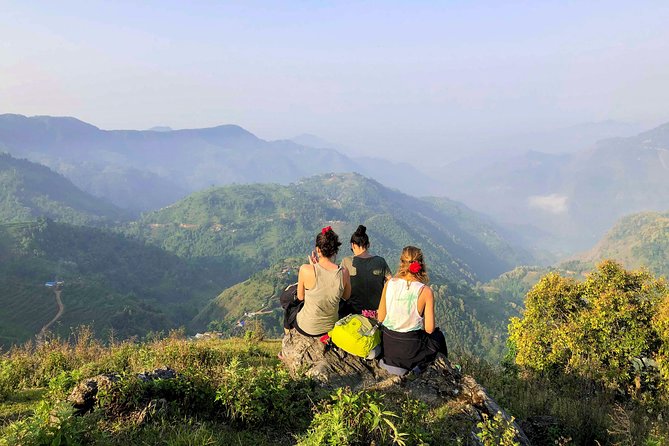
The next day follows a gentler line for much of the route, with downhill and flat walking before some later changes in height. You cross a bridge, follow the clean Surdaudi River, and use both stone paths and motor roads.
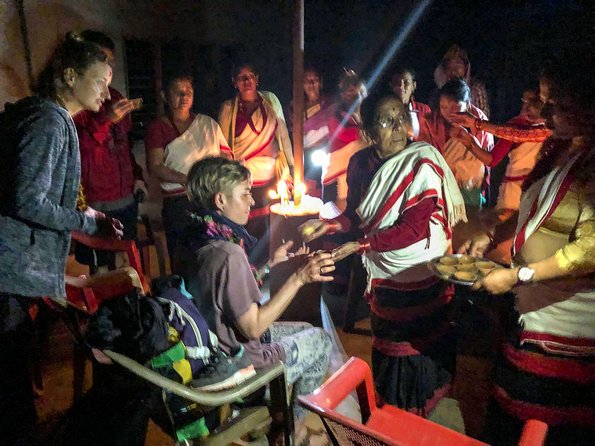
The destination is Pyuri Dobhan, where three sacred rivers meet. This gives the day a religious and natural focus. In the evening, a Shaman show and prayers offer a look at local spiritual practice. The guide can help explain what is happening, but approach the ceremony with respect. It is not a stage performance arranged solely for entertainment.
The stated duration is about 10 hours, so do not mistake the flatter sections for an easy day overall. A long day can still feel demanding when roads are uneven, temperatures change, and you are carrying a daypack. Bring water, sun protection, and shoes with a firm sole.
Gurung villages and the climb toward Gharedi
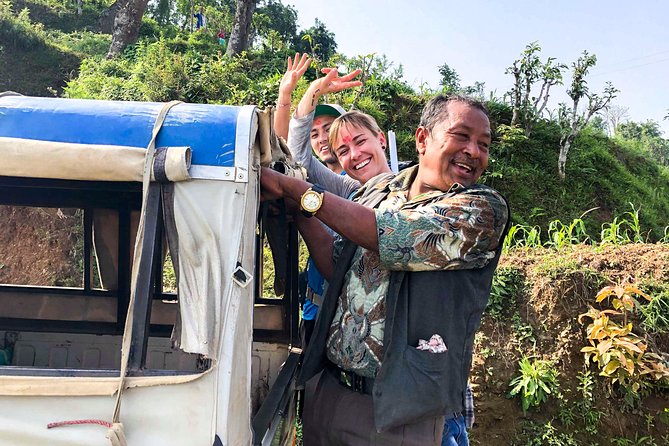
After a local breakfast, you begin a steeper section through small mountain villages. The trail passes Lamagaon, a Gurung village, before descending toward Gharedi after lunch.
This is one of the better days for seeing how ethnic identity shapes village life. The route is not just about reaching a viewpoint. You get a chance to notice building styles, household routines, clothing, farming patterns, and the way communities are arranged.
The stated walking time is five hours, shorter than several other days. Even so, the steep climbing makes fitness more important than the clock suggests. Previous experiences indicate that reasonably fit people can handle the route, and one family completed a version with children aged five, seven, and nine at an adjusted pace. That does not mean the standard schedule is easy for everyone. Ask for a pace adjustment if needed.
Millennium Cave and the view at Kolma
The route then heads toward Millennium Cave, one of the trek’s most distinctive stops. The cave includes waterfalls, adding a welcome change from the open hillside paths.
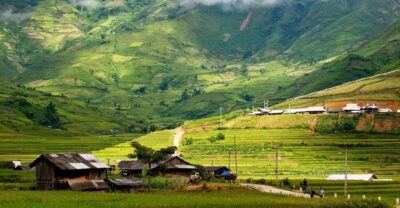
After exploring the cave, you climb toward Kalkhu and then Kolma. This is described as a hard walking day, but the reward arrives at the viewpoint above Kolma, where village roofs and Himalayan views open out below and beyond.
The day is listed at about 10 hours. That is a serious commitment, especially after earlier walking days. If wet weather affects the path near the cave, conditions may become more awkward. The tour requires good weather, and poor conditions can lead to a new date or a full refund.
Kolma is also linked with the Tamu community, giving the evening another cultural layer. The best part of this section is the combination of physical effort, a natural feature, and a strong sense of arrival at the village.
Rangrung, Thulo Hattiya, and Newari food
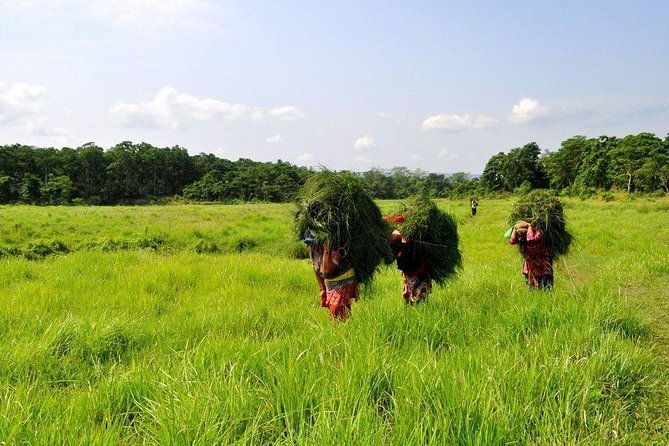
The next section leads toward Rangrung through smaller settlements and open hillside scenery. You pass Pyarsing before reaching Rangrung and visiting Thulo Hattiya.
The overnight stay is in the center of a Newari village, with a focus on traditional Newari food. This is a valuable contrast to the earlier Gurung and Tamu communities. Food becomes one of the easiest ways to notice regional differences, although you should not expect restaurant-style choice at every homestay.
The schedule repeats Rangrung as two separate stops, both listed at about 10 hours. That may reflect an overnight split, a duplicate entry, or a route variation. Ask for the final day-by-day plan before departure. A clear written schedule will help you understand where you sleep each night and how much walking is planned.
One practical point comes from a less enthusiastic food comment: meals may feel repetitive over several days. Home cooking is a major strength of the trip, but the menu may be simple and similar from one night to the next. If you have dietary restrictions, explain them well ahead of time.
Tibetan settlement and the return to Pokhara
The final walking section heads down toward the Kyangdi River. After crossing it, you reach Lalim and continue toward a Tibetan settlement.
This is one of five Tibetan camps in Nepal, established for Tibetans who arrived as refugees after the Chinese invasion of Tibet. The visit offers a chance to learn how a displaced community has built a new life and social structure in Nepal. Treat the area as a living community, not a museum.
After crossing the Seti Gorge, you visit a rock garden before reaching the Dulegaunda highway. From there, the group takes a bus or jeep back to Pokhara. The good news is that the walking ends on this day, although the combined walk, community visit, and road transfer still fill about 10 hours.
This transition from foot travel to vehicle travel is welcome. It also shows why a small group helps. Transport depends on group size, and a group of no more than 10 should be easier to move than a large party.
A final day around Pokhara
Pokhara receives a full sightseeing day. The city is known for its lakes, mountain views, caves, and evening activity around Lakeside. The itinerary also includes Pokhara Museum.
After several days of village life, Pokhara can feel busy and commercial. I see that as a useful final contrast rather than a flaw. You have time to rest, walk by the lake, and enjoy a different side of Nepal before the return to Kathmandu.
The final drive to Kathmandu takes about seven to eight hours by deluxe coach or jeep. The route again follows the Trishuli River and passes hillside villages. At the end, you return to your hotel before the airport transfer the next day.
Airport pickup and drop-off are offered. The stated meeting point is Tribhuvan International Airport, with a 6:15 a.m. start time, but the precise departure time may depend on your arrival and flight schedule. Airport check-in is advised three hours before departure. A farewell lunch, coffee, and souvenir shopping may also fit into the final arrangements.
Fitness, comfort, and group size
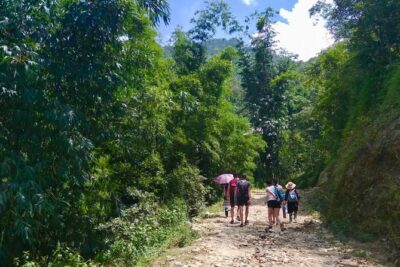
This is a lower-altitude trek, not an easy walk. The route includes steep climbs, long 10-hour days, river crossings, uneven paths, and repeated changes between road and trail. You do not need high-altitude mountaineering skills, but you should be comfortable walking for several hours on consecutive days.
The maximum group size is 10. That is small enough for direct contact with host families and manageable movement on village paths. It also gives the guide a better chance to adjust the pace, as happened for a group member with a hip injury.
Most people can participate, but the tour suits you best if you are reasonably fit and open to basic accommodation. The experience is less suitable if you need predictable hotel standards, short walking days, private bathrooms every night, or a tightly fixed schedule.
The tour has a 4.9 rating from 19 ratings and a 100 percent recommendation figure. The strongest praise centers on welcoming families, capable guides, fresh local food, beautiful views, and the sense of seeing ordinary Nepal away from the major trekking corridors. Guide names that appear repeatedly include Rajkumar and Kumar, with Chandra, Temba, Tek, Surya, Anil, and Marc also associated with different departures.
You can cancel for a full refund up to 24 hours before the start. Within 24 hours, changes and refunds are not accepted. Since weather can affect the route, ask how the operator handles delays, luggage, and replacement dates before you leave.
Should you book the Millennium Homestay Trek?
Book it if you want cultural contact, village hospitality, and a quieter trail more than a famous Himalayan endpoint. The combination of homestays, local food, the Millennium Cave, the Tibetan settlement, and more than 10 ethnic communities gives the trip a clear identity.
Think twice if you dislike long walking days, simple rooms, repeated meals, or schedule changes. At $1,500, the value depends on what is included, so get the details in writing before booking.
For the right person, this is not Nepal reduced to a view from a trail. It is Nepal encountered at kitchen tables, river crossings, village paths, prayer sites, and family homes.
FAQ
How long is the Millennium Homestay Trek?
The complete experience lasts about 13 days. It includes Kathmandu, Pokhara, the village trek, a return to Pokhara, and the drive back to Kathmandu.
Where does the experience begin?
It begins at Tribhuvan International Airport in Kathmandu, Nepal. The listed start time is 6:15 a.m., and pickup is offered.
How many people can join the tour?
The group can have a maximum of 10 people.
Is the trek at high altitude?
No. The route stays at a lower altitude than Annapurna or Everest base camp routes, with the highest area described in the supplied information at about 6,500 feet.
What kind of accommodation is used?
The experience includes hotel stays in Kathmandu and Pokhara, along with homestays in village communities during the trek.
What food is provided?
The tour focuses on authentic Nepali local cuisine, with traditional dinner at the beginning and local meals during the homestay sections. One available account noted that meals could become repetitive.
What happens if bad weather cancels the tour?
If poor weather causes cancellation, you are offered a different date or a full refund. If the minimum number of people is not met, you are also offered another date or experience, or a full refund.
Recently added around Kathmandu
- Ghorepani Poon Hill Trek★ 5.0 · 16 reviews
- Private Manaslu Circuit Trek at Himalayas★ 5.0 · 3 reviews
- Amazing 1 Day Trekking Experience in Kathmandu Nepal★ 5.0 · 24 reviews
- Upper Mustang Trekking★ 5.0 · 2 reviews
- Ghorepani Poonhill Trek★ 5.0 · 5 reviews
- Upper Mustang Trekking★ 3.0 · 2 reviews
- Upper Mustang Trekking★ 5.0 · 4 reviews
- Upper Mustang Trek★ 5.0 · 5 reviews
Homestay & Village Treks, compared.
Number one top rated ethical cultural trekking and homestay by ETHOS
Read our review →
2-Day Sa Pa Ethnic Homestay Tour & Trek with Limousine Bus
Read our review →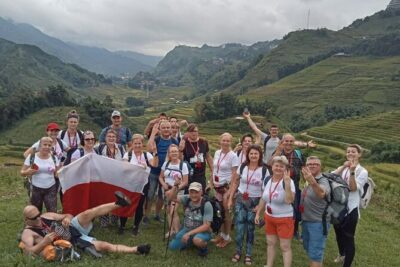
Sapa 3 Day 2 Night Trekking With Hotel & Homestay
Read our review →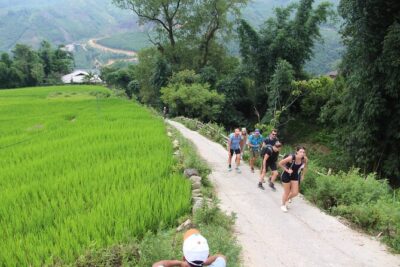
Sapa 2 Days 1 Night Overnight At Local Homestay
Read our review →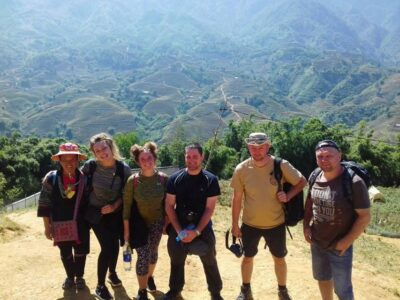
2-Day Trekking Trip with Ethnic Minority Homestay
Read our review →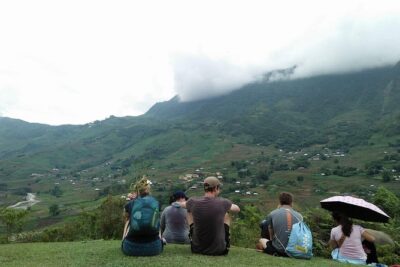
2-Day Trek & Heartwarming Homestay with an Ethnic Family
Read our review →Browse the lists this tour appears in