
REVIEW · SAPA
Sapa: Trekking Through Terraced Rice Fields & Valley 1 Day
Rice terraces reward every uphill step. This six-hour Sapa trek combines terraced rice fields with visits to Y Linh Ho, Lao Chai, and Ta Van, so you get mountain views and a closer look at village life in one day. I especially like the stop at a Black Hmong restaurant beside the stream, and the chance to see traditional Hmong textile work rather than simply passing through the villages.
The main consideration is the walking. Narrow paths, forest trails, rice-field tracks, and some uneven ground make this a poor choice if you have limited mobility. The route is also shaped by mountain weather, so bring sensible clothing and accept that the views may change with clouds, rain, or mist.
At a glance: what makes this Sapa trek worthwhile
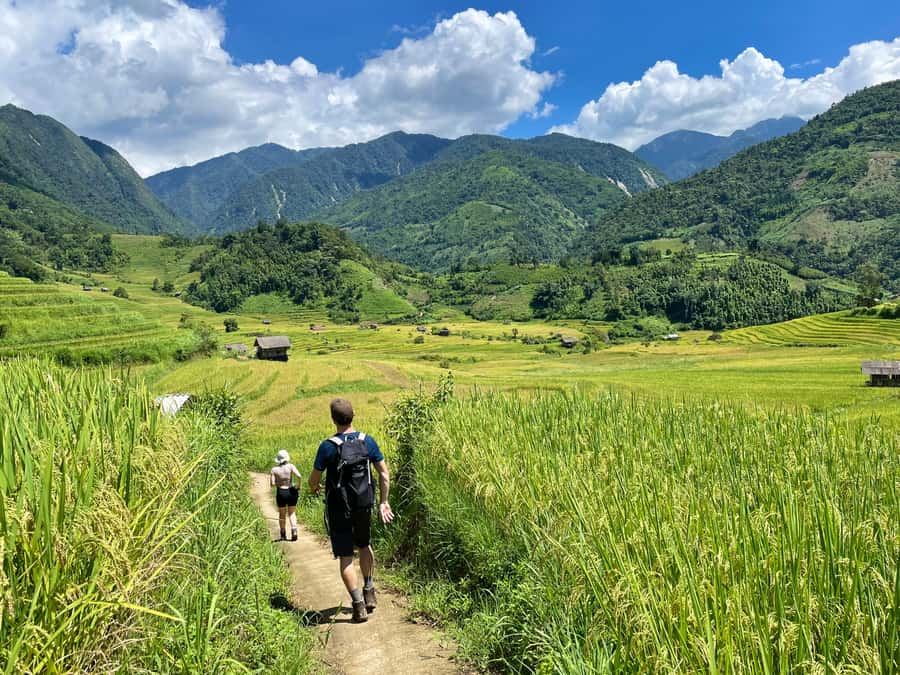
- Three distinctive villages in one route: Walk through Y Linh Ho, Lao Chai, and Ta Van, each offering a different setting and cultural focus.
- A useful 6-kilometer opening route: The trek begins through vegetable gardens and bamboo forest before reaching the Muong Hoa River.
- Black Hmong food by the stream: Lunch is served at a local restaurant, adding a pleasant break to a day of walking.
- Traditional textile practices: In Lao Chai, you may see cloth flattening and indigo dyeing connected with Hmong craft traditions.
- A guide named Nhu received special praise: One verified review singled out Nhu as a major part of the experience, calling the trip beautiful and well handled.
- Good value at $30: The cost includes an English-speaking guide, lunch, village entrance fees, and transport back to Sapa.
Starting in Sapa and finding the trail
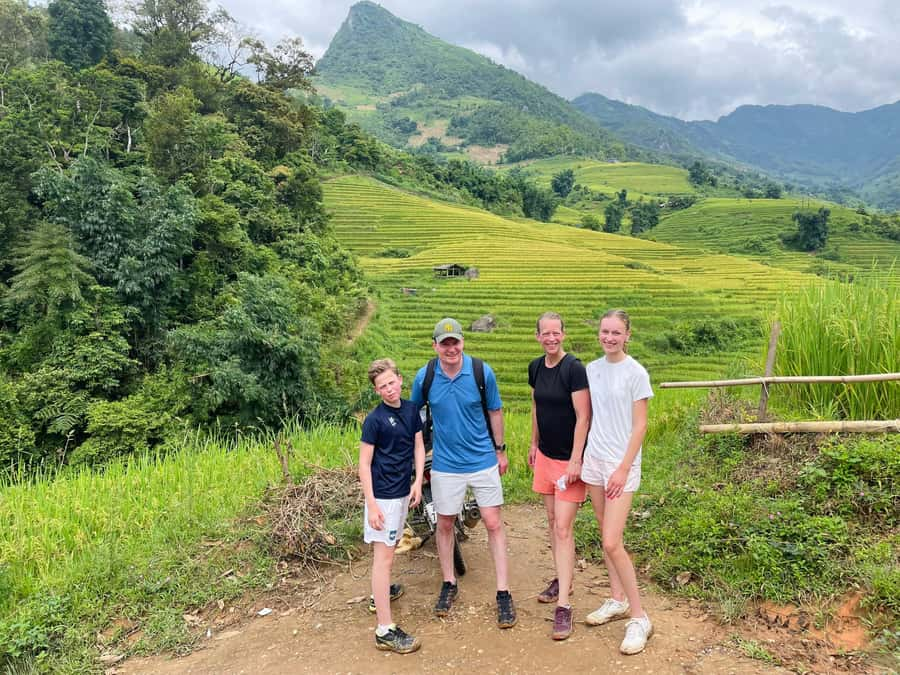
Your day begins with pickup from a hotel in central Sapa, or you can meet the guide at Sapa Church. After a welcome and briefing, you set out from town toward the valley. The start is useful because the guide explains the plan before the walking begins, giving you a clearer sense of the route and timing.
The first section passes vegetable gardens and a bamboo forest. After about three kilometers, you reach the Muong Hoa River, a natural marker that puts you properly into the valley. This opening walk helps move you away from the town’s streets and toward the quieter rural setting that makes the trip worthwhile.
You should wear shoes with a firm sole. The route is described as a hike through forest, rice fields, and narrow paths, not a paved village stroll. A hat, sunscreen, insect repellent, and weather-appropriate clothing are also listed as essentials. Sapa can change quickly, and a dry, easy trail can feel very different after rain.
The exact starting time depends on availability, but the full outing lasts about six hours. The day generally ends in Ta Van around 2:00 to 3:00 PM, followed by transport back to your accommodation or central Sapa.
More Rice Terrace Treks in Sapa
- Sa Pa: Muong Hoa Valley Trek and Local Ethnic Villages
★ 4.6 · 864 reviews - Explore Sapa by TrekkingAdventures, Mountain,Rice fields
★ 4.9 · 229 reviews - Sa Pa: 6-Hours Muong Hoa Valley Trek with Local Ethnic guide
★ 4.5 · 178 reviews
Y Linh Ho: forest paths and wide valley views
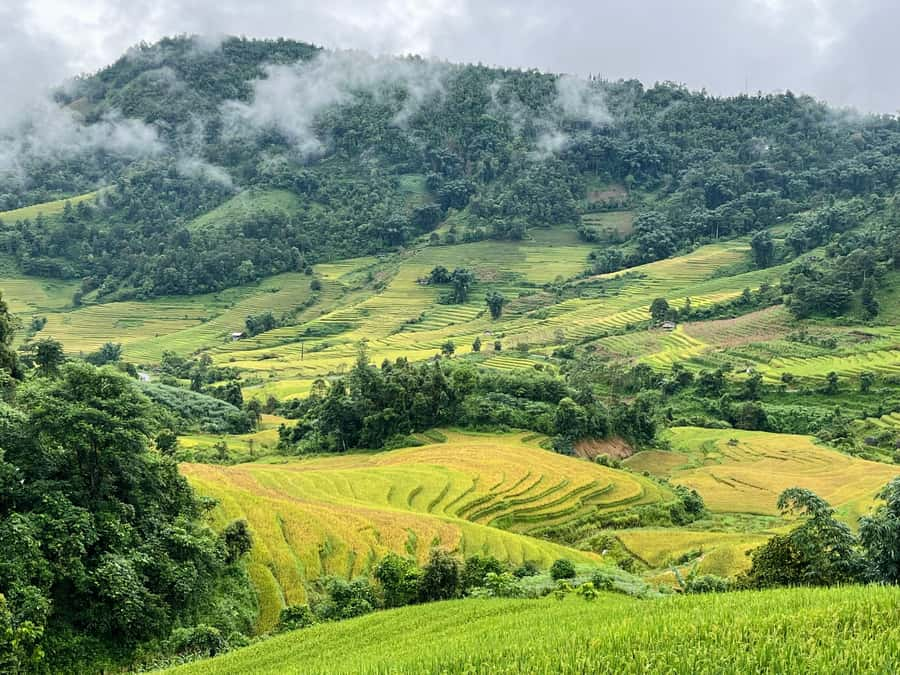
Y Linh Ho is the first major village area on the route and one of the best sections for scenery. From here, you walk through green forest and along rice terraces, with fresh mountain air and open views across the valley.
This part of the trek gives you the classic Sapa setting without reducing it to a photo stop. The route keeps changing as you walk. One moment you are under trees, and the next you are looking across stepped fields cut into the slopes. The terraces are especially striking because they show how farming and mountain terrain fit together.
The two-hour visit to Y Linh Ho includes walking, guided sightseeing, and scenic views along the way. That timing matters. You are not being rushed from one viewpoint to the next, although you should still expect steady progress rather than a relaxed picnic walk.
The rice fields may look different depending on the season. The supplied details do not promise a particular crop stage or color, so it is best to treat the scenery as weather and season dependent. The appeal is the shape of the terraces, the valley setting, and the chance to walk through working rural areas.
Lao Chai: Hmong homes and textile traditions
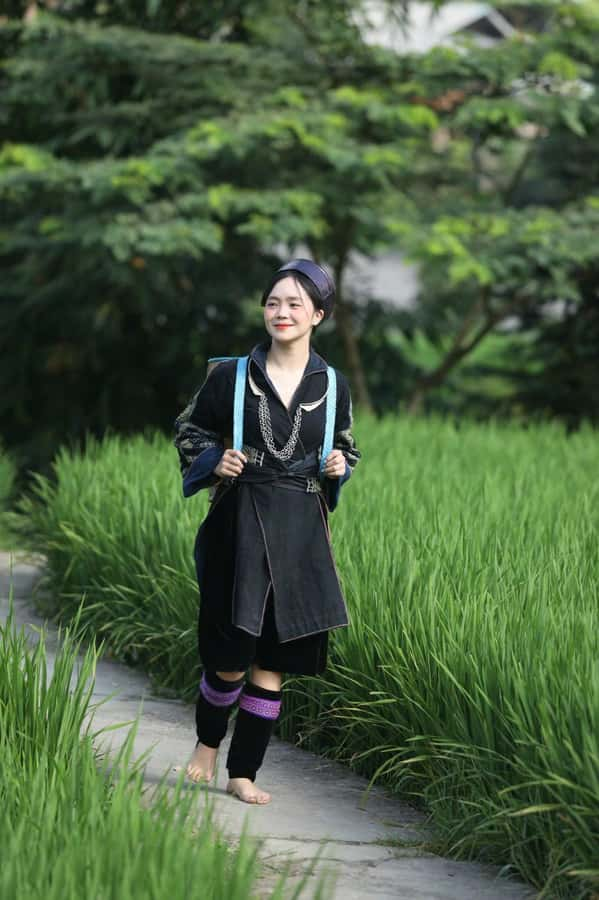
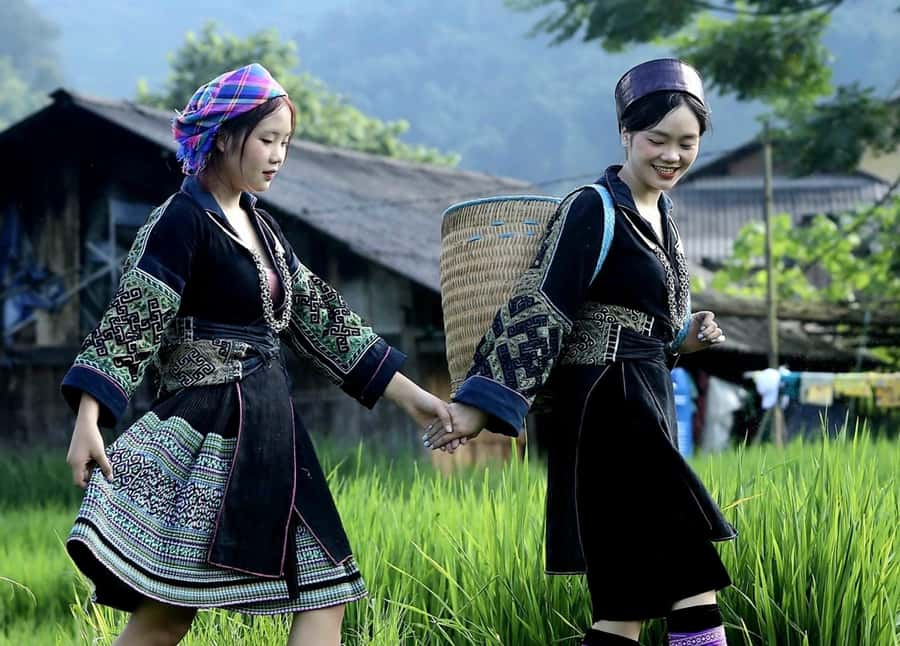
From Y Linh Ho, the route continues along narrow paths through the rice fields to Lao Chai Village. Lao Chai is home to the Hmong people, and the visit adds cultural interest to the natural scenery.
You can visit traditional houses and see elements of everyday village life. The experience also includes an opportunity to observe Hmong textile practices such as flattening cloth and using indigo dye. These details give the stop more substance than a quick walk past houses. You begin to see how local craft traditions connect with clothing, work, and community identity.
The listed visit lasts about one hour. That is enough time for a guided look at the village, but not enough for an extensive cultural study. Keep your expectations realistic. This is an introduction to Hmong life within a walking tour, not a museum visit or a long workshop.
Your guide matters here. An English-speaking guide can explain what you are seeing and help place the textile work in context. Nhu was specifically praised in one verified review from Moira of Italy, who described the trip as beautiful and said the guide added considerable value. Guide quality can shape this portion of the day, since the houses and crafts become more meaningful when someone explains their purpose.
Lunch beside the Muong Hoa Stream
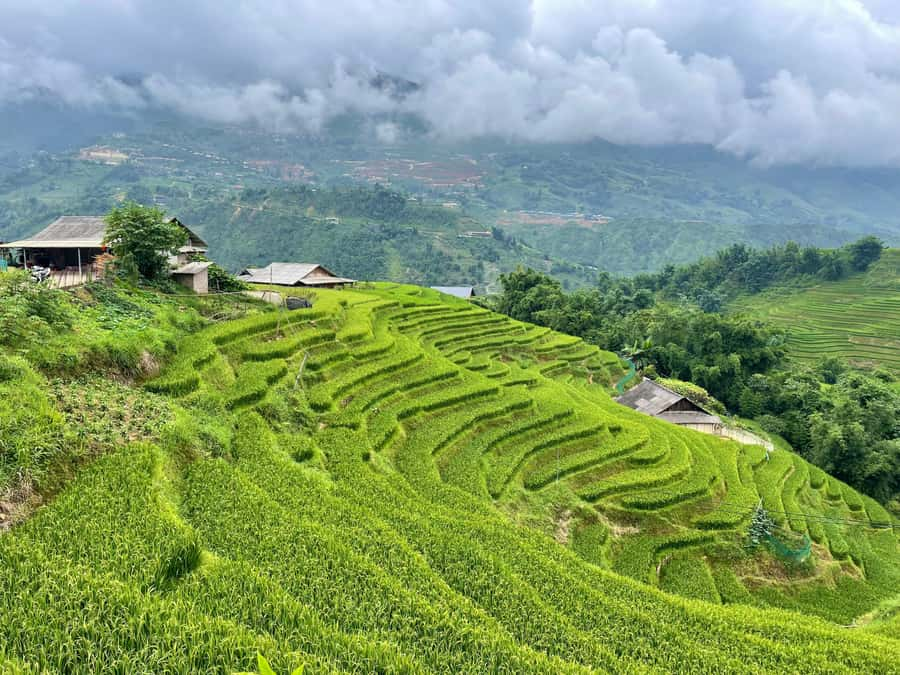
After Lao Chai, you stop for lunch in the Muong Hoa Valley. The meal is served at a small restaurant run by Black Hmong people, right beside the stream.
This is a smart pause in the itinerary. By this point, you have walked through forest and rice fields, so an hour to sit down, eat, and enjoy the water and mountain setting breaks up the route. Lunch is included in the $30 price, which improves the day’s value and means you do not need to arrange a separate meal during the trek.
The exact dishes are not specified, so I would not book this expecting a particular menu. The appeal is the local setting and the chance to eat at a place connected with the community you are visiting. Personal expenses are not included, so bring some money if you want anything beyond the provided lunch or need other small purchases.
This stop is also a good reason to pace yourself earlier. Six hours is not an extreme length for an active outing, but the walking is spread across several sections. Save some energy for the final route to Ta Van rather than treating the first rice-field views as a race.
More Rice Terrace Treks in Vietnam
- Sapa Muong Hoa Valley & Ta Van Eco Village Scenic Tour (No Trek)
★ 5.0 · 144 reviews - Daily Tour: Sapa Trekking in Muong Hoa valley, Bamboo forest
★ 5.0 · 121 reviews - 1-Day Sapa Long Trek – Rice Field Terrace, Ethnic Culture
★ 4.9 · 62 reviews - 3-Day Trek in Amazing Muong Hoa Valley & ethnic Homestay
★ 5.0 · 49 reviews
Ta Van: Zay, Hmong, and Red Dao culture
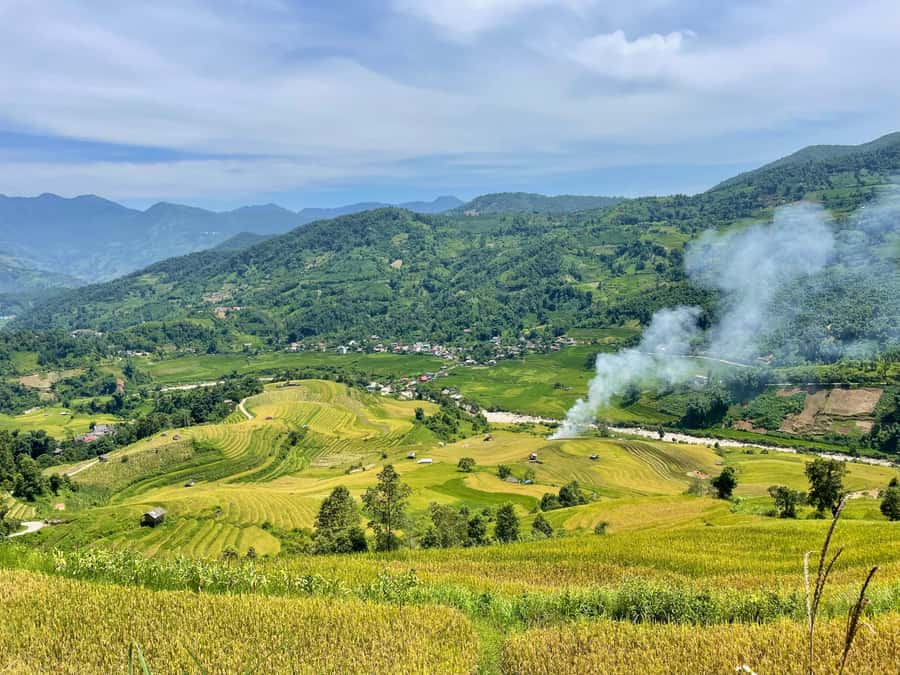
After lunch, you follow a scenic path beside the Muong Hoa Stream toward Ta Van Village. The final walking section lasts about two hours and combines fields, streamside paths, mountain views, and village life.
Ta Van is known here for the presence of Zay, Hmong, and Red Dao communities. That mix gives the final stop a broader cultural focus than Lao Chai, where the emphasis is on Hmong homes and textile practices. You can learn about different local traditions and interact with residents in a peaceful rural setting.
The route from Ta Van offers views toward the Hoang Lien Son mountain range. These mountains provide the larger frame for the valley, while the stream and terraces keep the scenery close and detailed. I like this progression: the day moves from forest to fields, then from village paths to wider mountain views.
The tour ends in Ta Van around 2:00 to 3:00 PM, followed by a transfer back to Sapa town or your accommodation. This return transport is included, a useful detail after several hours on foot. You do not need to arrange a separate ride from the village.
What the $30 price really covers
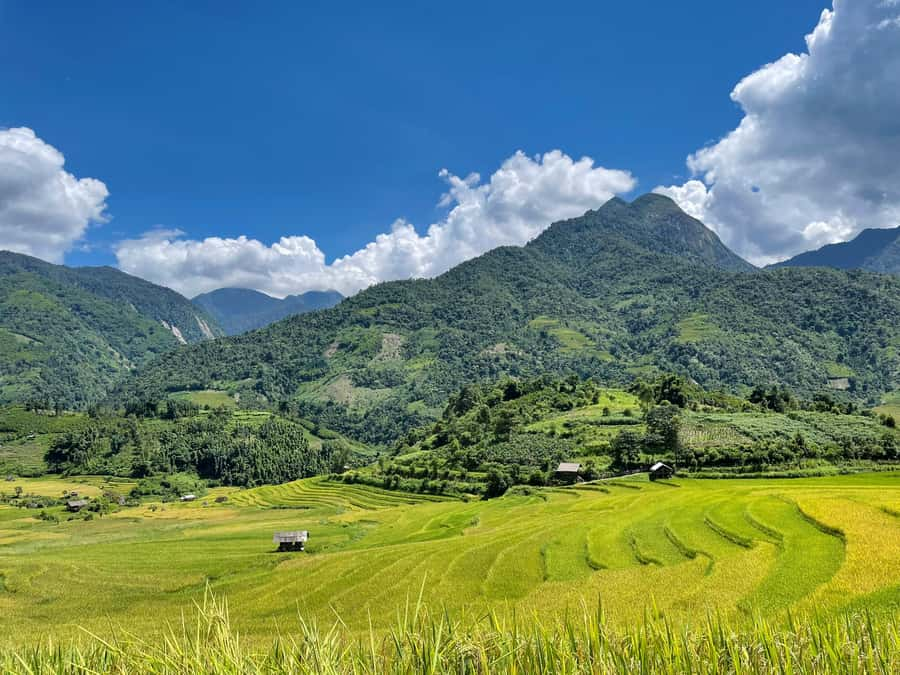
At $30 per person, this is a strong-value half-day experience if you want a guided walk rather than arranging every part yourself. The price includes an English-speaking guide, lunch, village entrance fees, and transport back to Sapa.
Those inclusions matter. A guide gives structure to the route and helps explain the communities and textile work. Lunch removes one practical task from the middle of the day, while entrance fees and the return transfer prevent small costs from piling up.
The price does not include personal expenses or insurance. That is standard enough, but you should read it literally. Bring your own sunscreen, insect repellent, and suitable clothing, and do not assume extra purchases are covered.
The four available ratings produce a score of 4.8 out of 5. One verified review from Richard of the United Kingdom simply called the trip brilliant. Another, from Moira, gave particular credit to Nhu. The sample is small, so I would treat the high score as encouraging rather than definitive. Still, the comments point to the two areas that matter most here: the route itself and the guide leading it.
The walking difficulty and who should book
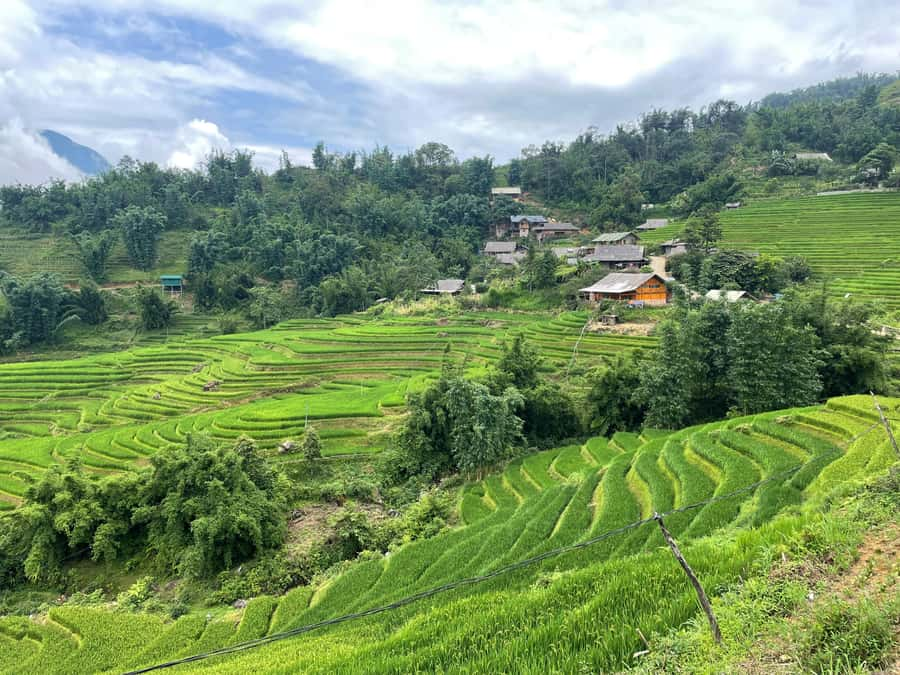
This trek suits you if you enjoy active sightseeing and can manage uneven paths for several hours. You should be comfortable walking through forest, along narrow rice-field trails, beside a stream, and between villages.
It is not suitable for pregnant women, people with mobility impairments, or wheelchair users. That restriction makes sense given the route description. The tour includes hiking through fields and forest, not just transport between fixed viewpoints.
The route may be manageable for many reasonably active visitors, but the supplied details do not give a precise difficulty grade, elevation gain, or group size. I would avoid assuming the trail is easy simply because the tour lasts six hours. Comfortable shoes are essential, and weather-appropriate clothing can make a major difference.
You should also bring a camera if you want to record the terraces and mountain range, but keep your attention on your footing in narrow sections. Sapa’s scenery is generous, but mountain paths are not always generous with misplaced steps.
Practical timing, weather, and comfort
The morning pickup or meeting point is in central Sapa. If you are staying outside the center, confirm the pickup arrangement before setting out, since the included transport is described as pickup from central Sapa hotels or a meeting point at Sapa Church.
The schedule divides the day into roughly two hours at Y Linh Ho, one hour at Lao Chai, one hour for lunch, and two hours around Ta Van. This gives you a clear rhythm: walk, explore, eat, then walk again before the return ride.
Weather can affect the character of the day. The information provided does not promise clear skies or dry trails, so pack for changing conditions. Sunscreen and a hat help on exposed field paths, while insect repellent is useful around forest and stream areas. A light layer or rain protection is sensible, though you should choose clothing according to the forecast.
Free cancellation is available up to 24 hours before the start for a full refund, and you can reserve now and pay later. Those options are useful when mountain weather or your Sapa schedule is uncertain.
What you will and will not get from the experience
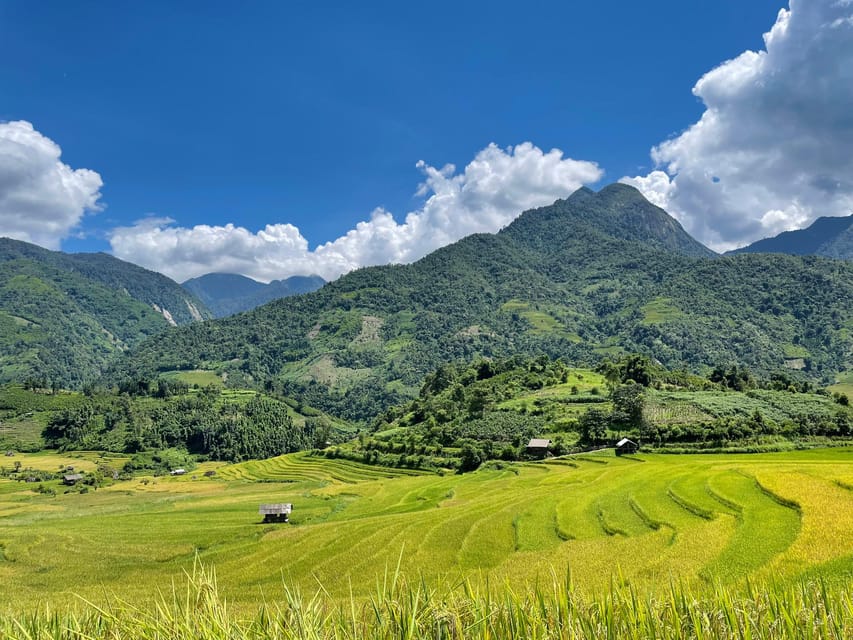
You will get a well-packed introduction to the Muong Hoa Valley, with scenery, food, transport, and cultural stops combined into one outing. You will also see several ethnic communities named in the program: Hmong, Zay, and Red Dao.
You will not get a long stay in each village. The schedule keeps moving, and the Lao Chai visit is about one hour. If you want an in-depth cultural workshop, extended photography time, or a slow homestay experience, this day trek may feel too brief.
You also should not expect every part of the route to be equally quiet. The information confirms village visits and local interaction, but it does not promise solitude or a private tour. The strongest reason to book is the combination of walking and local context, not guaranteed isolation.
Should you book this Sapa trek?
Book it if you want to see Sapa’s terraces on foot, eat lunch beside the Muong Hoa Stream, and visit several villages without committing to a multi-day trek. The $30 price is appealing because it includes the guide, meal, entrance fees, and return transport.
I would choose this tour for an active first look at the valley, especially if you value local textile traditions and want explanations along the way. I would skip it if you need an accessible route, dislike uneven trails, or prefer a slow cultural visit with plenty of unscheduled time.
The strongest practical tip is simple: wear proper walking shoes, pack for sun and rain, and save enough energy for Ta Van. If your guide is Nhu, the specific guide praised in one verified review, you may also have an especially strong person to help connect the scenery with local life.
FAQ
How long does the Sapa trekking experience last?
The experience lasts about six hours, with the day generally ending around 3:00 PM.
Where does the tour start?
You can be picked up from a hotel in central Sapa or meet the guide at Sapa Church.
Which villages does the trek visit?
The route includes Y Linh Ho, Lao Chai Village, and Ta Van Village.
Is lunch included?
Yes. Lunch is included and is served at a local restaurant run by Black Hmong people beside the stream.
What communities can I learn about?
The experience includes cultural information about the Hmong, Zay, and Red Dao ethnic groups.
Is transportation back to Sapa included?
Yes. Transport back to Sapa town or your accommodation is included after the walk.
What should I bring?
Bring comfortable shoes, a hat, a camera, sunscreen, insect repellent, and clothing suited to the weather.
Is the trek suitable for wheelchair users or people with mobility impairments?
No. The experience is not suitable for wheelchair users, pregnant women, or people with mobility impairments.
More One-Day Treks in Sa Pa
- From Sapa: 1-Day Guided Trek to Lao Chai & Ta Van with Lunch
★ 4.9 · 416 reviews - Sapa 1 Day Long Trek: Trek to Hau Thao and Sa Seng Villages
★ 4.6 · 344 reviews - 1-day Authentik trek & Panorama valley views
★ 5.0 · 189 reviews - 1 day Fansipan Trekking
★ 5.0 · 180 reviews
More Rice Terrace Treks in Sa Pa
- Muong Hoa Valley Trek & Homestay Experience – 4D3N
★ 5.0 · 42 reviews - Sapa: Muong Hoa Mountain Views and Villages Trek with Lunch
★ 4.3 · 28 reviews - Sapa: Muong Hoa Valley View & Villages Trek with Local Guide
★ 5.0 · 25 reviews - From Sapa: Muong Hoa Valley View & Village Trek 1-Day
★ 5.0 · 21 reviews
Recently added around Sa Pa
- Soob Sapa Trekking Tour★ 4.3 · 3 reviews
- Sapa Trekking – Waterfalls And H’mong Villages★ 5.0 · 2 reviews
- Sapa Trekking Private Tour With Ethnic Female Tour Guide★ 4.9 · 24 reviews
- Sapa: Y Linh Ho – Lao Chai, and Ta Van Trekking Day Tour★ 5.0 · 25 reviews
- Sapa Trekking Guide Francophone 2 days – 1 night★ 5.0 · 2 reviews
- Sapa: Ta Phin Village Trek with Lunch and Bathing Experience★ 4.7 · 13 reviews
- Sapa small groupe activities: 1 Day trek – Meet the locals★ 4.7 · 3 reviews
- Sapa: Private trek to Muong Hoa Valley★ 5.0 · 4 reviews
Rice Terrace Treks, compared.
Muong Hoa Valley Trek and Local Ethnic Villages
Read our review →
Explore Sapa by TrekkingAdventures, Mountain,Rice fields
Read our review →
Selogriyo Temple and Trekking Java Rice Terraces, hidden waterfall -Nature Java
Read our review →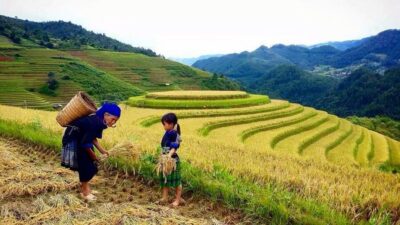
6-Hours Muong Hoa Valley Trek with Local Ethnic guide
Read our review →
Sapa Muong Hoa Valley & Ta Van Eco Village Scenic Tour (No Trek)
Read our review →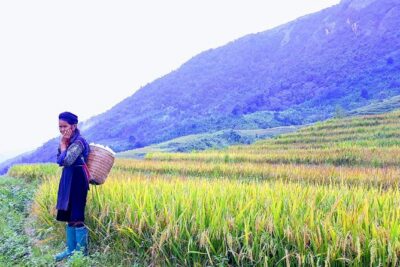
Daily Tour: Sapa Trekking in Muong Hoa valley, Bamboo forest
Read our review →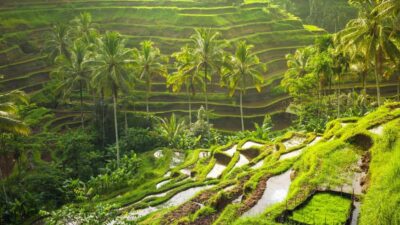
Rice Terrace, Holy Water Temple & Waterfalls Trek Tour
Read our review →Browse the lists this tour appears in