
REVIEW · SAPA
Sapa: 1-Day Trek to Mountain, Local Villages & Rice Terraces
Sapa opens up from above. This six-hour trek leads from town to Dragon Jaw Mountain, where you can look across Sapa and the Muong Hoa rice valley before walking down through Hmong villages, bamboo trails, farms, and terraced hillsides. I like the strong mix of scenery and local life, especially the chance to eat lunch in Hang Da village and visit a small museum about local customs. I also like that transport back to Sapa is included, so you do not need to arrange your own ride after a tiring walk.
The main caution is the route itself. Steep, slippery paths can make this a moderate to challenging outing, particularly after rain. Good grip matters, and the tour is not suitable for wheelchair users or people with heart problems. The weather can also hide Fansipan and the sea of clouds, so the finest views are never guaranteed.
Key points to know before you book
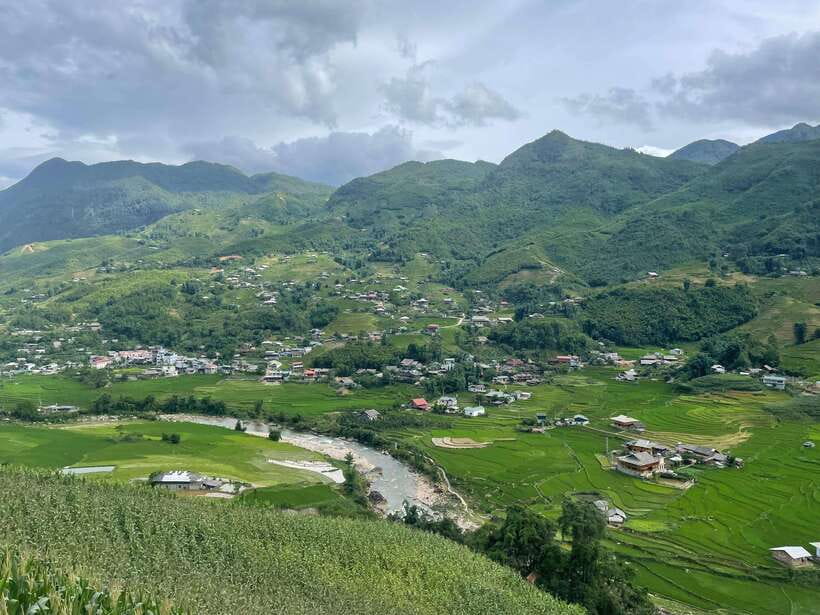
- Dragon Jaw Mountain reaches about 1,900 meters, with wide views toward Sapa, Muong Hoa valley, and Fansipan.
- The walking is genuinely hilly, with narrow trails, farm paths, bamboo forest sections, and slippery slopes in wet weather.
- Lunch is served in Hang Da village, with simple local food such as fried noodles or rice.
- The route passes through Black Hmong communities, where you see traditional homes, farm animals, scattered houses, and daily village life.
- Guide quality matters, and guides named Nhu, Tung Jacob, and Keyni received strong praise for patience, fitness, encouragement, and route adjustment.
- A museum visit finishes the cultural side of the day, with traditional clothing, customs, and local culture explained by the guide.
Starting in Sapa and climbing toward Dragon Jaw
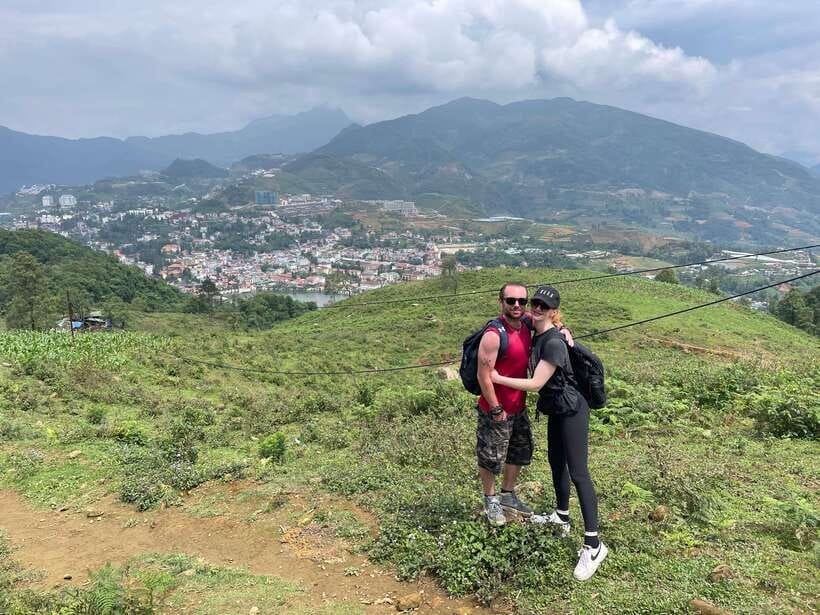
The day begins at 9:00 a.m. with pickup from a hotel around central Sapa. If you do not have a hotel arranged, meet the guide at Sapa Church, the main church in the center. The guide gives you a short briefing before you leave town.
That central meeting point is useful. Sapa is compact, but its steep streets and scattered accommodation can make pickup details less clear than they first appear. If you are staying outside the stated central area, confirm the meeting place in advance. The included return transport takes you back to Sapa town or your accommodation at the end.
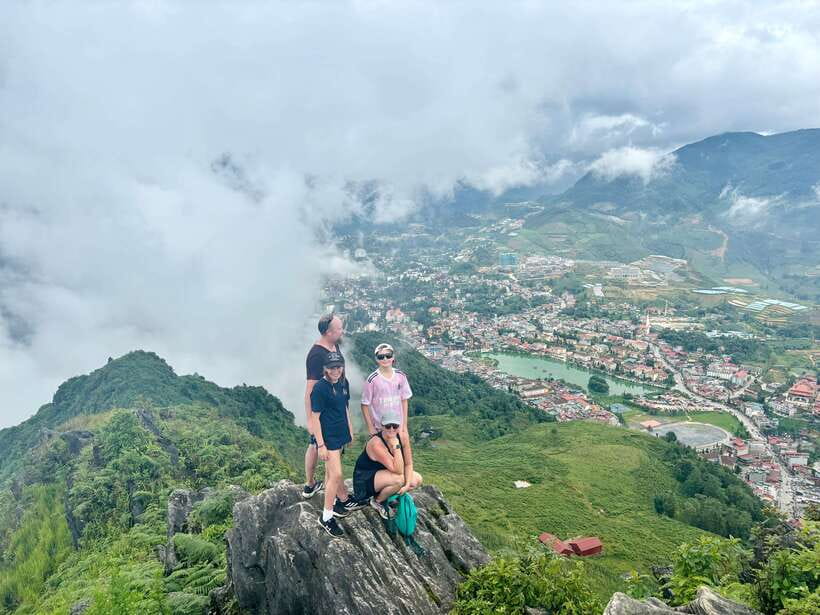
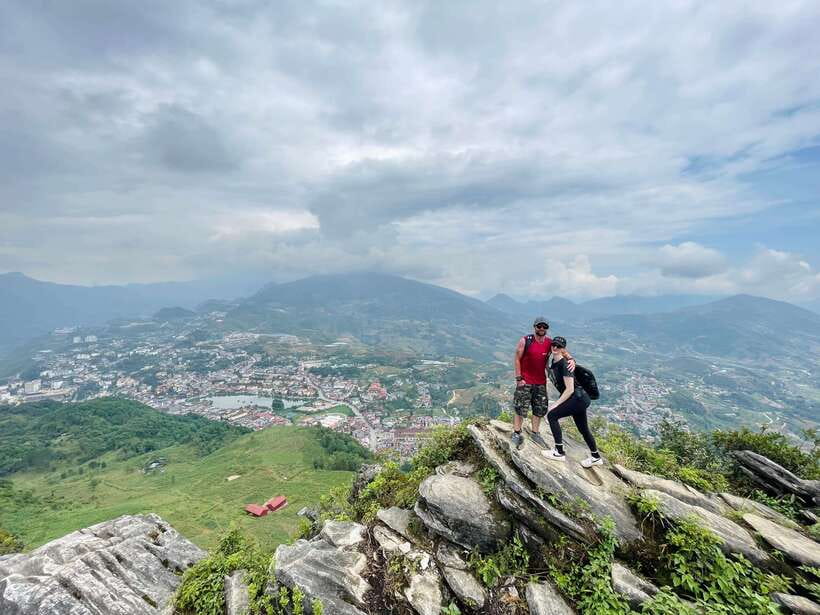
The trek starts on a smaller trail leading through a corn farm toward the mountain. This is not a gentle stroll on a paved walkway. You should expect uneven ground and a steady climb during the first part of the day. After about 1.5 hours, you reach Dragon Jaw Mountain at roughly 1,900 meters above sea level.
The name gives you an idea of the setting. The route follows a narrow ridge and high trail that can feel like walking along a dinosaur’s spine. It is a memorable section, but not one where you should rush for photos. Keep your footing, especially if the ground is damp.
More Rice Terrace Treks in Sapa
- Sa Pa: Muong Hoa Valley Trek and Local Ethnic Villages
★ 4.6 · 864 reviews - Explore Sapa by TrekkingAdventures, Mountain,Rice fields
★ 4.9 · 229 reviews - Sa Pa: 6-Hours Muong Hoa Valley Trek with Local Ethnic guide
★ 4.5 · 178 reviews
Dragon Jaw Mountain and the Muong Hoa valley views
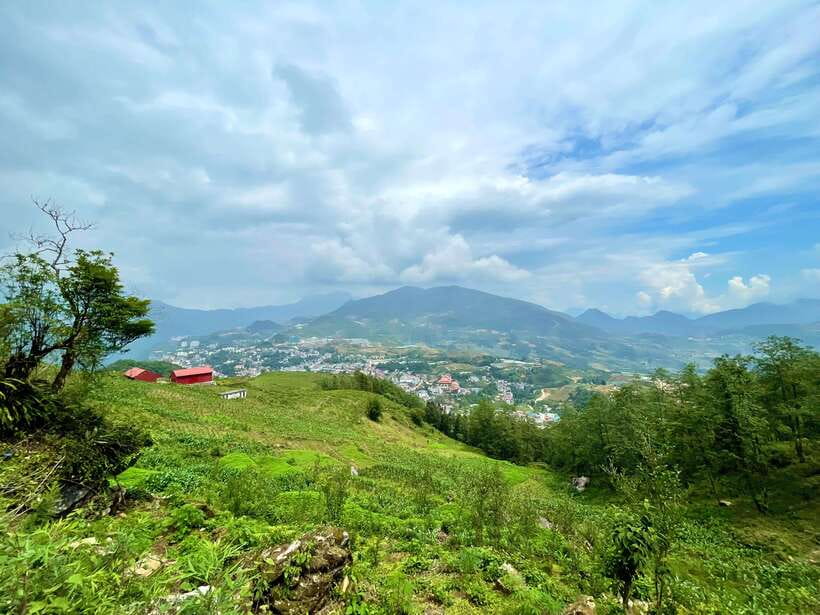
Dragon Jaw is the scenic prize early in the route. From this height, you can look down over Sapa town and across the Muong Hoa rice valley, one of northern Vietnam’s best-known mountain valleys. The view changes with the weather. On a clear day, the valley opens out below you. On a cloudy day, mist and shifting cloud may soften or hide the distance.
You can also see Fansipan from Dragon Jaw Mountain when conditions cooperate. Fansipan is the highest mountain in Indochina, and spotting it from the trail adds a fine sense of place to the walk. The tour description also points to possible sea-of-cloud views. Treat that as a bonus rather than a promise. Sapa weather changes quickly, and the same viewpoint can look completely different within a short time.
This stop is built for a break and photos. Bring a camera, but keep your attention on the path as well. A phone is enough for the views, though a waterproof cover is sensible in wet weather. Warm clothing is also important because conditions at higher points can feel cooler than they do in town.
The route has received particular praise for its guides. Keyni was described as physically fit, patient, and encouraging on a challenging trek. That matters here because the climb and ridge walking call for steady support, not just directions. Tung Jacob adjusted the route according to the group’s preference when rain made the conditions harder. You can ask for an easier or more difficult option, but the walk remains a hiking trip either way.
Down the ridge to Hang Da village
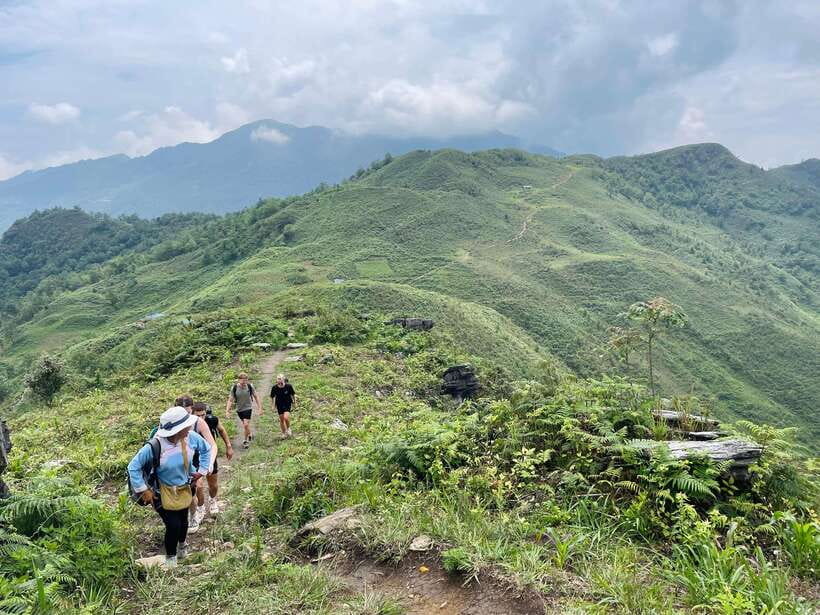
After the Dragon Jaw stop, the trail continues down toward Hang Da, a village associated with the Black Hmong community. The descent brings a different rhythm. Instead of looking out from one high viewpoint, you begin to notice the details around the trail: buffalo, cows, horses, pigs, houses scattered across the valley, and farmland worked close to the village.
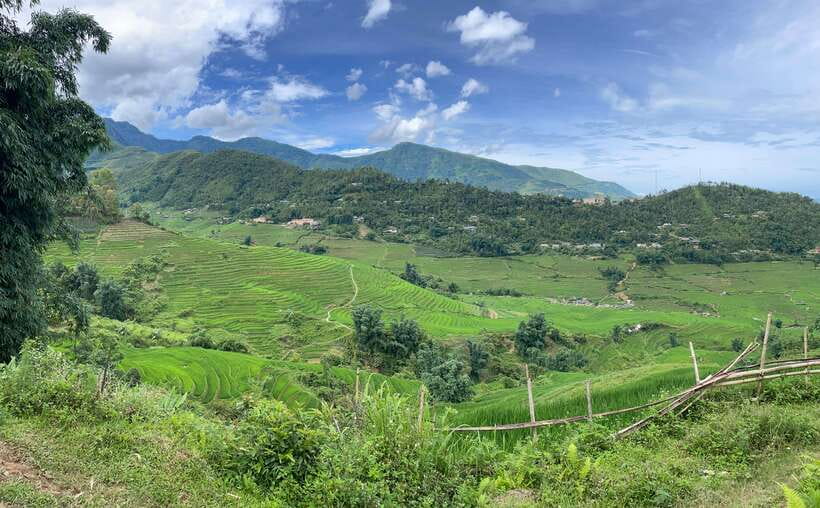
This part gives you a better sense of how the area functions beyond its postcard views. Rice terraces are not simply decoration. They are working fields shaped into the hillsides, and the scattered homes show how closely village life remains tied to the surrounding land.
You will also pass traditional houses and walk through a small part of Hang Da itself. The experience is observational rather than staged. The supplied information does not promise performances or demonstrations, so you should expect a walk through a living village rather than a formal cultural show.
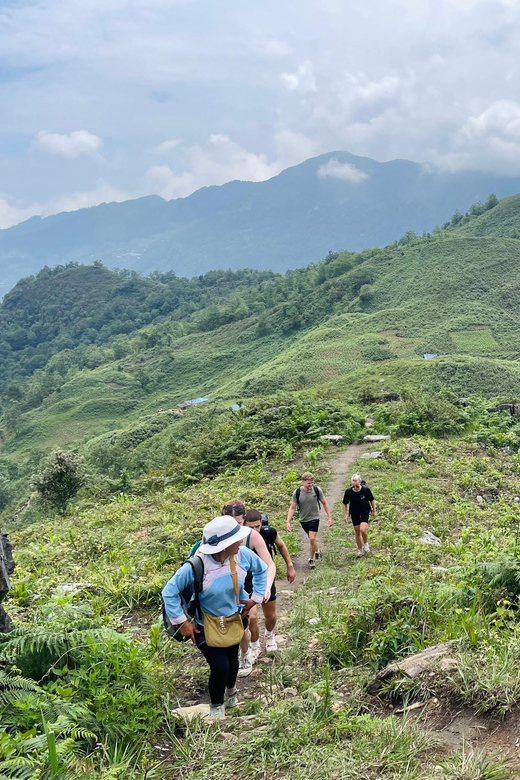
The downhill route may be harder than the climb for some people. Slippery slopes place more strain on your knees, and wet weather can turn a firm trail into a careful balancing exercise. One person who chose the more difficult option after rain specifically advised wearing shoes with good grip. That is useful advice, not a minor packing note.
A simple local lunch in Hang Da
Lunch lasts about one hour in Hang Da. Food is included, with simple dishes such as fried noodles or rice. Bottled water is also provided.
I would think of this meal as practical village food rather than a full restaurant experience. It gives you a chance to rest, eat, and recover before the second section of the trek. If you have dietary restrictions, tell the provider ahead of time. The meal may be simple, so clear communication matters.
Lunch is also a natural point to judge how you feel. The route continues after the break through Hau Chu Ngai and toward the later villages. If your legs already feel spent, use the hour to drink water and ask the guide about the remaining terrain. The information describes the trek as moderate to challenging, so this is not the best outing for anyone hoping to avoid exertion.
A poncho may be available if you ask, according to one detailed experience. Still, I would not rely on that alone. Weather can change, and a lightweight rain layer is a sensible addition to warm clothing and hiking shoes.
More Rice Terrace Treks in Vietnam
- Sapa Muong Hoa Valley & Ta Van Eco Village Scenic Tour (No Trek)
★ 5.0 · 144 reviews - Daily Tour: Sapa Trekking in Muong Hoa valley, Bamboo forest
★ 5.0 · 121 reviews - 1-Day Sapa Long Trek – Rice Field Terrace, Ethnic Culture
★ 4.9 · 62 reviews - 3-Day Trek in Amazing Muong Hoa Valley & ethnic Homestay
★ 5.0 · 49 reviews
Bamboo trails, Hau Chu Ngai, and the valley roads
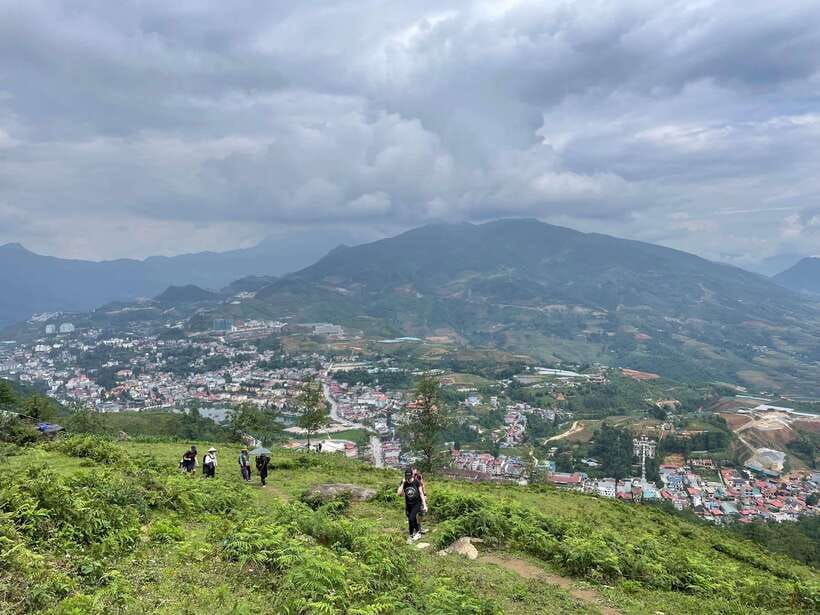
After lunch, the route continues through Hau Chu Ngai village and along attractive village roads and short bamboo forest trails. This portion is less about one famous viewpoint and more about the changing texture of the walk.
Small bamboo forests provide shade and a more enclosed feel after the open ridge. The trail then leads down toward the valley, with views of houses spread across the slopes and terraced fields seen from above. You get a useful contrast here: the high mountain outlook at Dragon Jaw, followed by a closer look at paths, homes, crops, and village connections.
The supplied route names also include Hau Thao Village and Giang Ta Chai as stops for photos, sightseeing, and scenic views. The tour description refers to Hau Chu Ngai and Ban Bo village, while the itinerary uses some different village labels and mentions Ban Pho. Because several nearby Sapa communities appear in the route information, I would confirm the exact final village and museum stop with the provider before departure. This is especially useful if you are trying to match the walk with a map or arrange onward transport.
That naming point does not change the main appeal. You are walking through small settlements and mountain paths rather than spending the day on a bus between viewpoints. But exact village names can matter in Sapa, where similar-sounding places are not always close together.
The museum visit and local customs
The cultural finish comes at a museum in Ban Bo, also referred to as Ban Pho in the route details. The guide explains traditional clothing, local customs, and aspects of community culture. This gives the day more context than a viewpoint-only hike.
The museum stop may be brief, but it helps connect what you have seen on the trail with the people who live there. Clothing, houses, farming patterns, and village roads are easier to understand when someone explains their place in local life.
Guide performance makes a difference here. One detailed account praised Tung Jacob’s communication and conversation but wished for more explanation about Sapa’s history and culture. That is a fair expectation to keep in mind. The guide can answer questions, but you may need to ask directly if you want more detail rather than a steady stream of commentary.
A local Hmong woman also joined part of one walk and shared small pieces of information about the mountains. A purchase was expected by the end, and the group was willing to support her. This is worth knowing in advance. If a local companion follows the route and offers help or information, decide early how you feel about buying something, and ask the guide to explain the arrangement.
What the guides do well
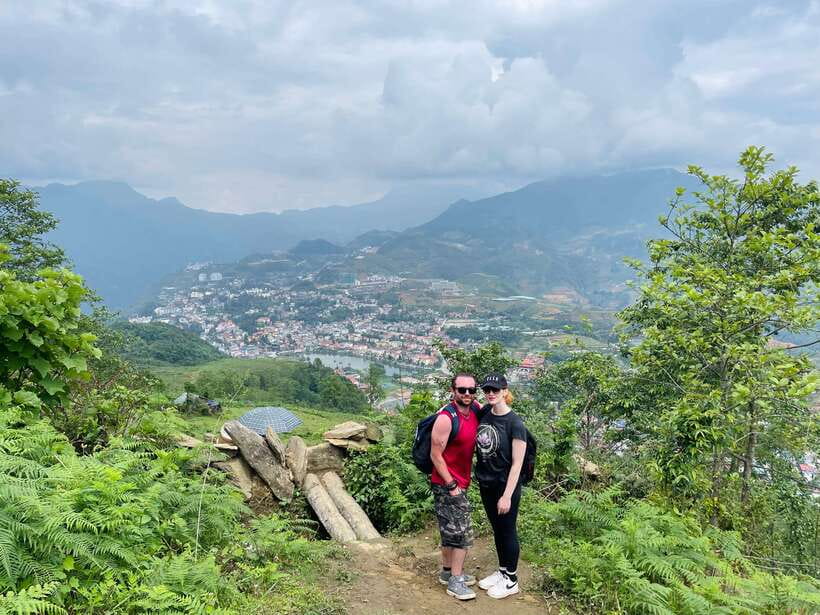
The named guides received the strongest praise in the available feedback. Nhu was described as well informed and fun, while Keyni earned praise for physical fitness, patience, and encouragement. Tung Jacob checked the group’s preferred difficulty and adapted to rainy conditions.
Those details tell you what to value. On a route with steep and slick sections, a guide who walks at a sensible pace and watches the group is more useful than someone who delivers a long speech at every stop. The best guide for you will combine route control with cultural explanation.
The English is described as communicable rather than highly polished in one account. You should be able to handle the basic tour, but ask questions clearly and simply. If learning about Hmong customs is a major reason for booking, tell the guide at the start. The museum and village sections are your best chances to request more explanation.
Is $24 good value for six hours?
At $24 per person, this is a strong value if you want a full day of walking and do not want to arrange several services yourself. The price includes an English-speaking guide, lunch, bottled water, entrance fees, and transport back to Sapa or your accommodation.
You are paying for more than a viewpoint. The route includes a mountain climb, village walking, a meal, a museum visit, and return transport. Hiring separate transport and finding a guide for these trails would likely be less convenient, even before adding food and entrance costs.
The value depends on your fitness and expectations. If you want a relaxed sightseeing day with little walking, this is not the right use of $24. If you are ready for a demanding half-day on foot and want scenery mixed with local communities, the package covers the key practical needs.
The included lunch is simple, and the route is not presented as a premium food experience. That is fine for most hikers. Bring extra snacks if you normally need more food during a six-hour outing, though personal spending is not included and the tour only promises the provided lunch.
Who should book this Sapa trek?
I would recommend it to you if you want:
- A proper mountain walk rather than a short roadside photo stop
- Views of Sapa, Muong Hoa valley, and possibly Fansipan
- A chance to pass through Black Hmong villages and see daily rural life
- A guide-led route with lunch and return transport included
- A reasonably priced activity for an active day in Sapa
You should think twice if steep slopes worry you, if you dislike walking on uneven ground, or if you need a wheelchair-accessible route. People with heart problems are specifically advised not to join.
This also suits visitors who can accept changing weather. Clear skies may bring the best mountain views, while rain can make the route much more difficult. The guide may help adjust the difficulty, but no route change removes the basic demands of a mountain trek.
What to bring for a safer, better day
Wear hiking shoes with strong grip. Comfortable shoes are listed as essential, but the more useful advice is to choose footwear that can handle wet, uneven slopes.
Pack warm clothing even if Sapa feels mild at breakfast. Conditions can change at higher altitude, and the tour reaches about 1,900 meters. A rain layer is sensible, and you can ask whether a poncho is available.
Bring a camera, personal water if you prefer more than the provided bottle, and any snacks you may need. Tell the provider about dietary restrictions before the tour so lunch can be considered in advance.
Finally, leave room in your schedule after the stated six hours. The activity includes transport back to town, but mountain routes and weather can affect timing. Do not book a tight onward connection immediately afterward.
Should you book this tour?
Book it if you want a low-cost, active introduction to Sapa’s mountain villages and rice terraces, and you are comfortable with steep, sometimes slippery trails. The best parts are the Dragon Jaw viewpoint, the walk through rural communities, the included lunch, and the practical return transport.
Skip it if you want an easy scenic outing, a polished cultural presentation, or guaranteed views of Fansipan. Before booking, confirm the meeting point, tell the provider about food restrictions, ask for the exact village and museum route, and bring shoes with real grip. With those points covered, this is a good-value choice for an energetic day beyond central Sapa.
FAQ
How long does the Sapa trek last?
The activity lasts about six hours, including the trek, village visits, lunch, museum stop, and transport back to Sapa or your accommodation.
What time does the tour begin?
Pickup begins at 9:00 a.m. from hotels around Sapa Center, or at Sapa Church if you do not have hotel pickup information.
What is Dragon Jaw Mountain?
Dragon Jaw Mountain is a viewpoint reached after about 1.5 hours of walking. It sits at roughly 1,900 meters and offers views of Sapa town, Muong Hoa rice valley, and, in clear conditions, Fansipan.
Can I see Fansipan on this tour?
You may see Fansipan from Dragon Jaw Mountain when the weather is clear. Mountain views and sea-of-cloud conditions are weather dependent.
Is lunch included?
Yes. Lunch is provided in Hang Da village, with simple local dishes such as fried noodles or rice. Tell the provider about dietary restrictions in advance.
Is the trek difficult?
The trek is described as moderate to challenging. It includes climbs, steep descents, narrow trails, bamboo forest paths, and potentially slippery ground after rain.
What should I wear?
Wear comfortable hiking shoes or hiking shoes with good grip, along with warm clothing. Weather can change during the day, so a rain layer is also useful.
Is transport back to Sapa included?
Yes. Transport back to Sapa town or your accommodation is included after the museum visit and final village section.
Can wheelchair users join the trek?
No. The activity is not suitable for wheelchair users. It is also not suitable for people with heart problems.
More One-Day Treks in Sa Pa
- From Sapa: 1-Day Guided Trek to Lao Chai & Ta Van with Lunch
★ 4.9 · 416 reviews - Sapa 1 Day Long Trek: Trek to Hau Thao and Sa Seng Villages
★ 4.6 · 344 reviews - 1-day Authentik trek & Panorama valley views
★ 5.0 · 189 reviews - 1 day Fansipan Trekking
★ 5.0 · 180 reviews
More Rice Terrace Treks in Sa Pa
- Muong Hoa Valley Trek & Homestay Experience – 4D3N
★ 5.0 · 42 reviews - Sapa: Muong Hoa Mountain Views and Villages Trek with Lunch
★ 4.3 · 28 reviews - Sapa: Muong Hoa Valley View & Villages Trek with Local Guide
★ 5.0 · 25 reviews - From Sapa: Muong Hoa Valley View & Village Trek 1-Day
★ 5.0 · 21 reviews
Recently added around Sa Pa
- Soob Sapa Trekking Tour★ 4.3 · 3 reviews
- Sapa Trekking – Waterfalls And H’mong Villages★ 5.0 · 2 reviews
- Sapa Trekking Private Tour With Ethnic Female Tour Guide★ 4.9 · 24 reviews
- Sapa: Trekking Through Terraced Rice Fields & Valley 1 Day★ 4.8 · 4 reviews
- Sapa: Y Linh Ho – Lao Chai, and Ta Van Trekking Day Tour★ 5.0 · 25 reviews
- Sapa Trekking Guide Francophone 2 days – 1 night★ 5.0 · 2 reviews
- Sapa: Ta Phin Village Trek with Lunch and Bathing Experience★ 4.7 · 13 reviews
- Sapa small groupe activities: 1 Day trek – Meet the locals★ 4.7 · 3 reviews
Rice Terrace Treks, compared.
Muong Hoa Valley Trek and Local Ethnic Villages
Read our review →
Explore Sapa by TrekkingAdventures, Mountain,Rice fields
Read our review →
Selogriyo Temple and Trekking Java Rice Terraces, hidden waterfall -Nature Java
Read our review →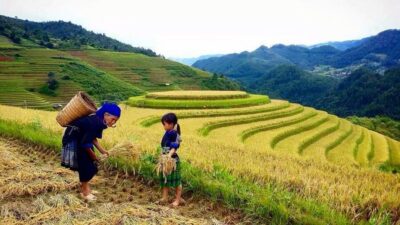
6-Hours Muong Hoa Valley Trek with Local Ethnic guide
Read our review →
Sapa Muong Hoa Valley & Ta Van Eco Village Scenic Tour (No Trek)
Read our review →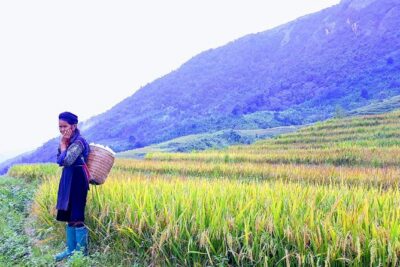
Daily Tour: Sapa Trekking in Muong Hoa valley, Bamboo forest
Read our review →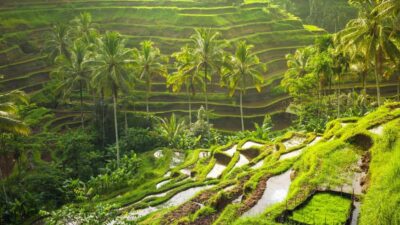
Rice Terrace, Holy Water Temple & Waterfalls Trek Tour
Read our review →Browse the lists this tour appears in