
REVIEW · KATHMANDU
Ghorepani Poon Hill Trek
Sunrise comes early in the Himalaya. This 10-day Ghorepani Poon Hill Trek gives you a manageable introduction to Nepalese trekking, with Annapurna sunrise views and walks through rhododendron forest, farmland, and mountain villages. I like the small maximum group of 14, which should make it easier to keep a steady pace and get help when needed. I also like that Kathmandu and Pokhara are built into the trip, so you are not spending every day on the trail.
The main caution is simple: this is not a gentle sightseeing holiday. The trek is rated for moderate fitness, and the climb to Ghorepani includes long, steep sections. Basic tea-house lodging and changing weather are part of the deal, even though the overall route is shorter and lower than many famous Himalayan treks.
The $700 price covers a lot: accommodation, meals during the trek, guides, porters, transfers, equipment, and sightseeing in Kathmandu. It does not cover Kathmandu and Pokhara lunches or dinners, drinks, tips, insurance, visa fees, or personal spending, so your final budget will be higher.
Key points before you book
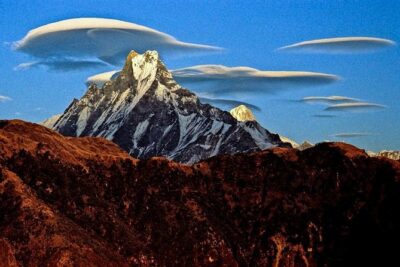
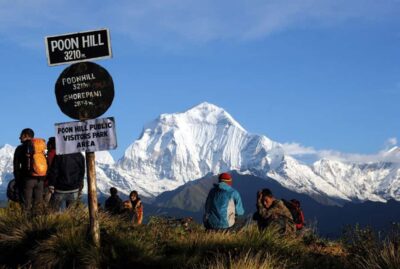
- Poon Hill sunrise at 3,180 meters: The pre-dawn hike leads to the trip’s main reward, broad views toward the Annapurna range and Machhapuchhre, often called Fishtail Mountain.
- A real but approachable trek: Expect four trekking days, with the longest listed at about six hours and plenty of uphill and downhill walking.
- Small-group support: Groups are limited to 14, with one porter assigned for every two people.
- Kathmandu and Pokhara included: You get cultural sightseeing in Kathmandu, two hotel nights in Pokhara, and time to recover between transfers and hikes.
- Village life along the trail: Ghorepani’s Magar communities and Ghandruk’s Gurung heritage add human interest beyond the mountain views.
- Strong guide support: The trip includes an experienced guide and porters. Previous departures have featured guides such as Jitu, Ravi, Sanjay, Ramesh, Amrit, and others praised for care, organization, and safety.
What the $700 price really buys you
At first glance, $700 may seem high for a 10-day Nepal trip. Look closer and the price covers the costly pieces of a supported trek. You receive three hotel nights in Kathmandu with breakfast, two hotel nights in Pokhara with breakfast, tea-house accommodation on the trail, airport transfers, tourist-bus transport between Kathmandu and Pokhara, a Kathmandu sightseeing tour, a guide, porters, meals during the trek, and several useful pieces of gear.
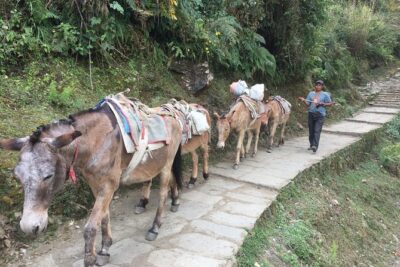
The guide and porter package also includes wages, food, drinks, lodging, transportation, and insurance for the staff. One porter carries the load for two people, which is a practical arrangement that keeps your walking pack lighter while avoiding the excess of assigning a porter to every individual.
Sleeping bags, down jackets, and a trekking map are available if needed and are returned after the trek. That matters if you are flying into Nepal without a full collection of mountain gear. You should still confirm what clothing and equipment you need before departure, since the supplied information does not list every item.
The price does not cover every daily cost. You pay for alcoholic and non-alcoholic drinks, desserts, personal purchases, sightseeing entrance fees in Kathmandu, Nepal’s entry visa, international flights, insurance, and tips. Lunch and dinner in Kathmandu and Pokhara are also outside the package.
The value is strongest if you want one organized booking rather than arranging each hotel, transfer, guide, and trekking permit detail yourself. It is less attractive if you already have Nepal connections or plan to travel independently on a tight budget.
More Poon Hill Treks in Kathmandu
- 4 Days Poon Hill Trek
★ 5.0 · 94 reviews - Ghorepani(Poonhill Trek)
★ 5.0 · 81 reviews - 4-day Poon Hill Trek
★ 5.0 · 74 reviews
Day 1: A practical arrival in Kathmandu
Your trip begins with airport pickup at Tribhuvan International Airport in Kathmandu. The listed start time is 6:15 a.m., so check the exact arrival and pickup arrangement carefully before you fly.
The first day is mainly for reaching the hotel and getting settled. Kathmandu can feel hectic after a long international flight, and a private airport transfer removes one early nuisance. Three hotel nights are included in the city portion of the itinerary, with breakfast provided.
Use this time to organize your walking gear, sort your luggage, and ask your guide what you will carry on the trail. Since the trek uses tea houses rather than full-service hotels, pack for simplicity. Keep one small day pack with water, warm layers, rain protection, medicines, and anything you need during the day.
Day 2: Kathmandu’s UNESCO sights
The second day brings a full sightseeing tour of the Kathmandu Valley and its historic UNESCO World Heritage Sites. The specific sites are not listed, so you should ask for the exact schedule and entrance fees, since those fees are not included.
This day adds real value to the trip. Poon Hill gives you mountain scenery, but Kathmandu gives you Nepal’s temples, courtyards, religious traditions, and urban character. I would treat this as more than a spare day before the trek. It gives you a cultural frame for the villages and communities you will see later.
There is also a practical benefit. You get time to meet the team, check equipment, and adjust to Nepal before the trail begins. Keep some cash available for food, entrance fees, drinks, and small purchases, all of which are your responsibility in the city.
Day 3: Six hours by road to Pokhara
The journey from Kathmandu to Pokhara is listed at about six hours by tourist bus. Road travel in Nepal can take patience, and the timing should be viewed as approximate rather than guaranteed.
Pokhara is a useful pause before the trek. Two hotel nights are included here, with breakfast. The city is known as the gateway to the Annapurna region, and the itinerary allows you to enjoy it instead of treating it as a quick roadside transfer.
Lunch and dinner in Pokhara are not included, so budget separately. This is also a good place to make any final purchases or ask about the next day’s walking conditions. The trip does not promise a private vehicle between Kathmandu and Pokhara, so if comfort and road time matter greatly to you, clarify the transport details before booking.
Same trailhead, a longer or shorter day out:
- Everest Base Camp Trek – 14 Days
★ 5.0 · 1,499 reviews - Everest Base Camp Trek
★ 5.0 · 842 reviews - Everest Base Camp Trekking
★ 5.0 · 485 reviews - Annapurna Circuit Trek with Tilicho Lake
★ 5.0 · 368 reviews
Day 4: Nayapul to Tikhedunga
The trail begins after a drive from Pokhara to Nayapul, at about 1,050 meters. From there, you walk to Tikhedunga, at about 1,577 meters, in roughly four hours.
This first walking day introduces the rhythm of the route without immediately pushing you to the highest point. You pass farmland and village areas, with the hills gradually taking over. The distance may look modest, but uneven paths and repeated uphill sections can make the day feel longer than a four-hour city walk.
This is a good day to settle into your pace. Walk slowly enough that you can speak comfortably, drink regularly, and avoid turning the first day into a race. The porter arrangement means you should carry only what you need for the day, but you remain responsible for your own small pack.
Day 5: The climb to Ghorepani
The route from Tikhedunga to Ghorepani takes about six hours and climbs to roughly 2,675 meters. This is one of the trek’s more demanding days, with a sustained rise and a noticeable gain in altitude.
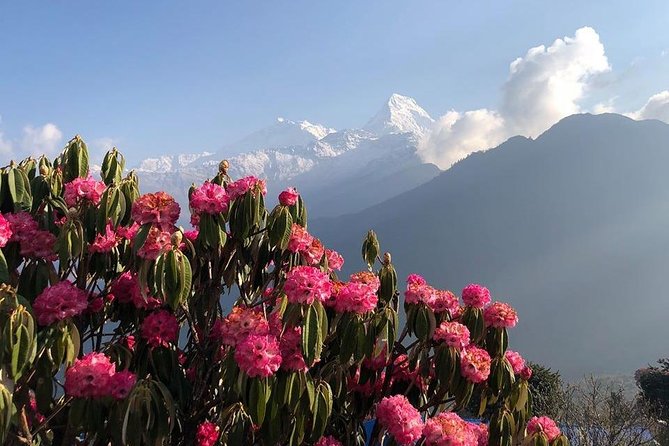
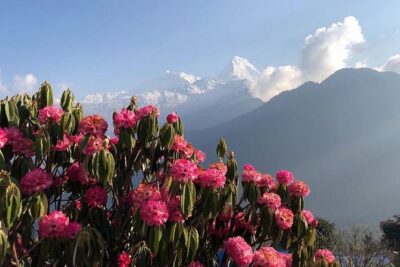
The reward is a changing setting. Farmland gives way to forest, including rhododendrons, Nepal’s national flower. In season, the forest can add strong color to the walk, while in other periods the appeal is the shade, quiet, and mountain atmosphere.
Ghorepani is a traditional Magar village and one of the most important stops on the route. Accommodation is in a lodge or tea house, not a luxury hotel. That means basic rooms and shared facilities may be part of your night, though the exact standard can vary.
Give yourself time to rest here. The early start for Poon Hill comes next, and a warm layer, headlamp, water, and shoes with good grip will make the morning easier.
Day 6: Poon Hill sunrise and the walk to Tadapani
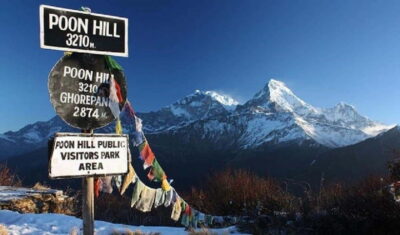
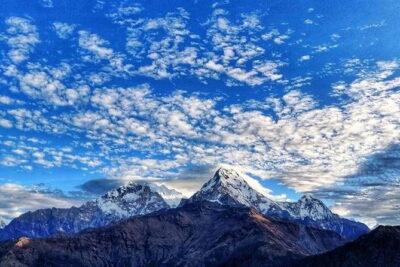
The highlight arrives before breakfast. You hike to Poon Hill at about 3,180 meters for sunrise over the Annapurna Himalaya. The viewpoint is the reason many people choose this route, and the early climb is worth taking seriously.
Clear weather can reveal a wide mountain panorama, including views toward Annapurna and Fishtail Mountain. Cloud and rain can block the scene, however. One of the strongest practical lessons from past departures is to trust your guide when weather turns rough. Guides have helped groups move safely through cloudy and rainy conditions, and mountain visibility is never guaranteed.
After the viewpoint, the route continues to Tadapani, at about 2,675 meters. The full walking day is listed at around six hours. You gain and lose elevation, so the lower altitude at the overnight stop does not mean the day is easy.
This is likely the most memorable day and one of the most tiring. If you are new to trekking, focus on the experience rather than trying to match another person’s pace. People who have enjoyed this route most often describe the combination of sunrise, forest walking, village scenery, and attentive guides as the trip’s strongest mix.
Day 7: Tadapani to Ghandruk
The walk from Tadapani to Ghandruk takes about three hours and drops to around 1,950 meters. Compared with the previous day, this is a shorter and more forgiving schedule.
Ghandruk is a Gurung village and gives the trek a second distinct cultural setting after Ghorepani’s Magar community. The route is not only about reaching viewpoints. Walking into villages, seeing how settlements fit into the hills, and spending nights close to local communities gives the trip more substance.
The shorter day also provides a chance to enjoy the village rather than arriving exhausted and immediately leaving. Exact activities and sightseeing in Ghandruk are not specified, so ask your guide what time is available there.
Day 8: Returning to Pokhara
The final walking section runs from Ghandruk to Nayapul and takes about four hours, followed by a drive back to Pokhara. It is a satisfying finish because you can look back on the route from the mountains to the roadhead.
Once in Pokhara, you return to a hotel and a more comfortable evening. Breakfast is included at the hotel, but meals later in the day are your responsibility. This is a good point to plan for a relaxed meal and time to recover before the next road journey.
The route gives you a clear progression: farmland, forest, high village, sunrise viewpoint, Gurung settlement, and return to the city. It is compact enough for a first trek but varied enough not to feel like a single repeated uphill walk.
Day 9: The road back to Kathmandu
The return drive from Pokhara to Kathmandu is listed at about six hours. This is another long road day, so do not plan an important international connection immediately afterward.
You have a final night in Kathmandu, with breakfast included as part of the hotel package. The extra night is useful because it creates a buffer before your flight and gives you one last chance to buy gifts, eat a favorite meal, or simply rest.
All airport transfers are by private vehicle, while the Kathmandu to Pokhara transport is by tourist bus. That division is worth noting. You receive private help at the airport, but the longer intercity journeys use shared tourist transport.
Day 10: Departure and the right level of fitness
The final day includes transfer to the international airport. The itinerary is designed to finish the organized portion before departure, but you should still provide your flight details accurately and allow plenty of time for airport procedures.
The route is described as suitable for all ages, but the more useful guide is your fitness level. You need moderate physical fitness and should be ready for six-hour walking days, steep sections, altitude, uneven paths, and changing weather.
You do not need to be an elite mountaineer. You do need to be comfortable walking uphill for several hours and then doing it again the next day. If you have knee, heart, breathing, or altitude concerns, speak with a medical professional before booking.
Guides, porters, and the human side of the trek
The guide is central to the quality of this trip. Names associated with past departures include Jitu, Ravi, Sanjay, Ramesh, Amrit, and other members of the Outfitter Nepal team. Their reported strengths include clear English, route knowledge, careful pacing, friendly support, and calm handling of poor weather.
That does not mean you are guaranteed one of those specific guides. It does show what to ask about before departure: who will lead your group, how many people are going, how porter loads are handled, and what happens if weather interrupts the plan.
The guide can also add meaning to the villages and forests. Ask questions as you walk. A good trek is not only a transfer from one lodge to another. It is your chance to understand the Magar and Gurung communities, the route’s farming life, and the practical realities of living in the hills.
What can go wrong, and how to prepare
The biggest uncertainty is weather. Cloud, rain, and poor visibility can affect the Poon Hill sunrise. You should choose the route for the full experience, not only for one photograph.
The second issue is physical strain. Several people who completed shorter versions of this trek found their legs sore, and the steep sections can be demanding. Build walking time into your preparation, especially uphill work and stairs.
The third issue is comfort. Tea houses are included, but they are basic mountain lodges. Carry a sleeping bag if you prefer extra warmth, or ask to use the supplied bag if necessary. Bring clothing that can handle cool mornings and wet conditions.
The cancellation policy allows a full refund when you cancel at least three full days before the start time. Cancellations or changes inside that window are not accepted for a refund.
Who should book this Poon Hill route?
I would recommend it to a first-time trekker who wants Himalayan views without committing to a multi-week expedition. It also suits people with limited holiday time, couples, families with active older children, and anyone who wants Kathmandu and Pokhara included in one plan.
It is a good choice if you value support, organized transport, and a porter. It is less suitable if you want high-end lodging, private road transport throughout, a guaranteed sunrise, or a completely independent route.
The trip earns its strong 4.9 rating from 46 ratings and a 98 percent recommendation figure, but those numbers should not replace a look at the details. The best match is someone who understands that the reward comes with early mornings, basic rooms, steep paths, and a little weather luck.
FAQ
How long is the Ghorepani Poon Hill Trek?
The full experience lasts approximately 10 days, including arrival and departure days, three days in Kathmandu, two nights in Pokhara, road transfers, and the trekking section.
What is the highest point on the itinerary?
Poon Hill is listed at approximately 3,180 meters. Ghorepani is about 2,675 meters, and Tadapani is also listed at about 2,675 meters.
Is the trek suitable for beginners?
It is presented as an introductory Himalayan trek and requires a moderate level of physical fitness. You should be prepared for steep terrain and walking days of up to about six hours.
How large is the group?
The maximum group size is 14 people. The package also includes one porter for every two people.
Are meals included?
Breakfast, lunch, and dinner are included during the trekking portion. Breakfast is included at the Kathmandu and Pokhara hotels. Lunch and dinner in Kathmandu and Pokhara are not included, and drinks and desserts are extra.
Is accommodation included?
Yes. The package includes three hotel nights in Kathmandu, two hotel nights in Pokhara, and lodge or tea-house accommodation during the trek.
Is transportation included?
Airport transfers by private vehicle are included. Tourist-bus transport between Kathmandu and Pokhara is also included, along with the drive from Pokhara to Nayapul and the return drive from Nayapul to Pokhara.
Is travel insurance required?
Yes. You must arrange your own travel insurance. Emergency helicopter service can be arranged, but the cost is to be paid by your travel insurance company.
Should you book it?
Book this trek if you want a well-supported first taste of Nepal’s mountains, with a famous sunrise, village culture, and city time already built into the plan. At $700, it offers solid value for the amount of guiding, porter support, accommodation, meals, equipment, and transport included.
Before paying, confirm the exact hotel names, guide assignment, sightseeing entrance fees, road transport schedule, and what equipment you need to bring. If you can handle steep walking and basic tea houses, this is a practical and rewarding introduction to the Annapurna region.
Recently added around Kathmandu
- Ghorepani Poon Hill Trek★ 5.0 · 16 reviews
- Private Manaslu Circuit Trek at Himalayas★ 5.0 · 3 reviews
- Amazing 1 Day Trekking Experience in Kathmandu Nepal★ 5.0 · 24 reviews
- Ghorepani Poonhill Trek★ 5.0 · 5 reviews
- Upper Mustang Trekking★ 5.0 · 2 reviews
- Upper Mustang Trekking★ 3.0 · 2 reviews
- Upper Mustang Trekking★ 5.0 · 4 reviews
- Upper Mustang Trek★ 5.0 · 5 reviews
Poon Hill Treks, compared.
4-Day Ghorepani, Poonhill & Ghandruk Mountain Trek
Read our review →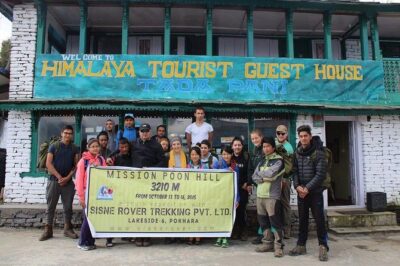
Browse the lists this tour appears in