
REVIEW · KATHMANDU
Dancing in the Manaslu Circuit Trek
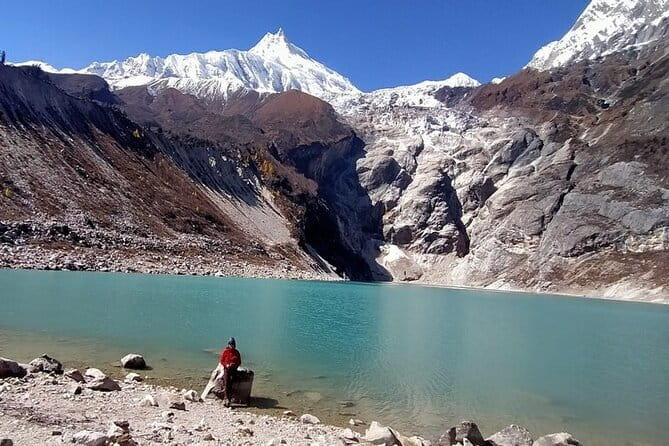
The Himalayas reward patience here. Dancing in the Manaslu Circuit Trek takes you around Mount Manaslu through river gorges, Tibetan-influenced villages, old monasteries, and the high Larkya La Pass at about 5,100 meters. I like the quiet, restricted setting, where the trail feels less crowded and more personal than Nepal’s best-known routes. I also like the strong human side of the journey, with village families, prayer flags, Mani walls, local guides, and occasional music and dance adding life to the mountain days.
The main caution is the pace. Many days are listed at around 12 hours, and the crossing of Larkya La is a serious high-altitude day. The route description also contains a few confusing place names and transport changes, so I would confirm the exact daily schedule with Master Himalaya before paying your deposit.
Five things to know before booking
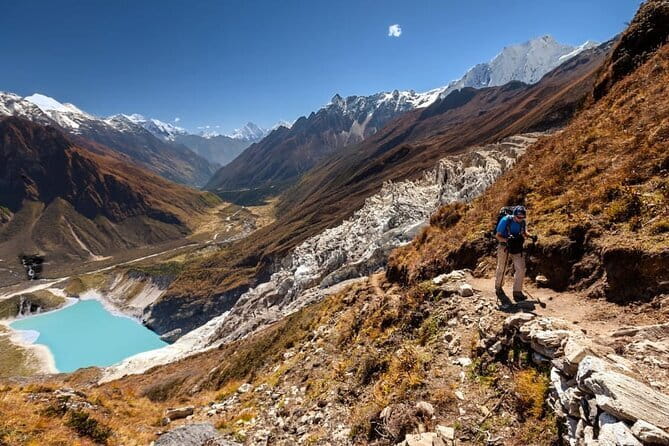
- Larkya La reaches about 5,100 meters, making altitude preparation and a steady pace essential.
- The route begins with a long drive, including a possible vehicle change between Soti Khola and Maccha Khola.
- Tibetan-influenced villages and monasteries give the trek its cultural character.
- A full-board package includes breakfast, lunch, dinner, permits, taxes, guide services, and accommodation, but not a porter.
- The package costs $1,390 per person, with private twin-sharing rooms and shared transport.
- The strongest praise goes to the guides and care from the team, including Bijaya, Lakpa, Tenji, Krishna, Nema, and other staff named in the feedback.
Why the Manaslu Circuit feels different
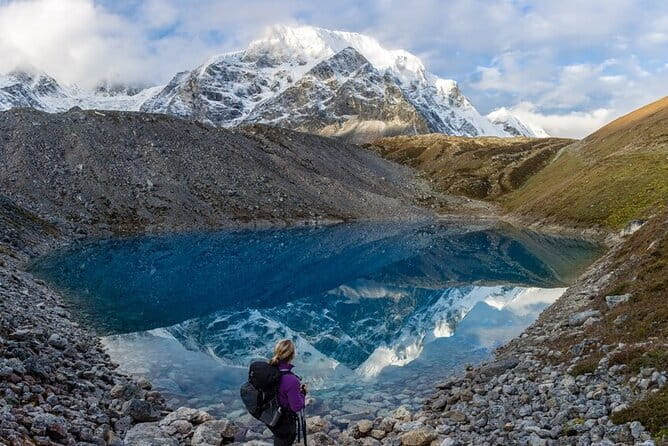
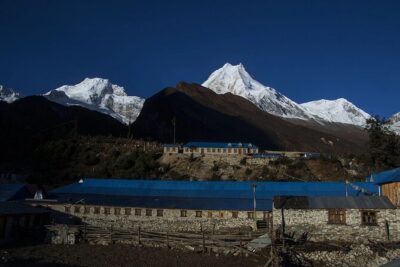
The Manaslu Circuit is a quieter alternative to Nepal’s more famous trekking routes. It circles Mount Manaslu, the country’s eighth-highest mountain, and passes through a restricted region where access is controlled. That rule helps keep the route from feeling overly busy.
I like the way the scenery changes in stages. You begin among green hills and river valleys, then move through forests, stone villages, dry mountain country, glaciers, icy streams, and high passes. It is not one long view of snowy peaks. It is a gradual change in climate, architecture, vegetation, and daily life.
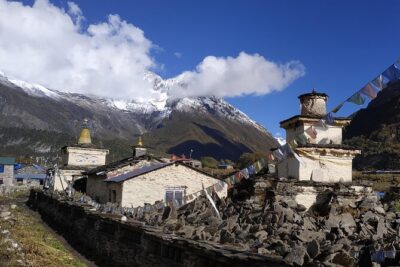
The cultural side matters just as much. Prayer flags, Mani walls, monasteries, and Tibetan-style villages appear along the trail. The experience is called Dancing in the Manaslu Circuit, and the description points to local music and dance as part of the journey. You should treat those moments as a cultural possibility rather than a guaranteed scheduled performance.
This is a private activity, so only your own group takes part. That can make a real difference on a demanding route. You can speak directly with the guide, ask for help, and handle the pace as a small group rather than being tied to a large coach-style party.
More Manaslu Treks in Kathmandu:
- Manaslu Circuit Trek
★ 5.0 · 292 reviews - Manaslu Circuit Trek:
★ 5.0 · 106 reviews - Manaslu Circuit Trek (15 Days)
★ 5.0 · 50 reviews
Day 1: the long road to Maccha Khola
The first day is mainly about getting to the trailhead. You travel from Kathmandu through rural villages and green hillsides toward Maccha Khola, with a possible vehicle change at Soti Khola.
The drive is listed at roughly 12 hours. That is a very long opening day, so you should expect limited walking and a lot of road time. The package includes deluxe bus transport from Kathmandu to Soti Khola, but the final connection toward Maccha Khola may involve a different vehicle.
This arrangement is practical, but not luxurious. Mountain roads can make even a shorter distance feel slow. I would keep this day simple, carry snacks and water, and avoid scheduling anything important in Kathmandu immediately afterward.
The daily stop is labeled Phedi Khola in one part of the schedule, while the description says Maccha Khola. Ask the operator to clarify the overnight point before departure.
Day 2: Tatopani hot springs and Jagat
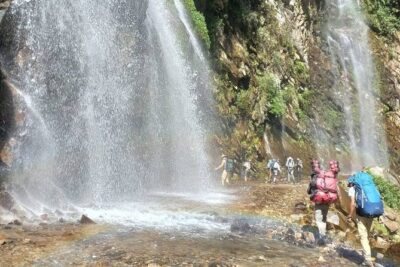
After breakfast in Maccha Khola, the trail follows the Budhi Gandaki River. You pass through Tatopani, known for its natural hot spring, then enter the restricted region and continue to Jagat.
Jagat is a good early introduction to the character of the route. Its stone houses and rural setting feel far removed from Kathmandu. The village is also an important point in the journey because the route becomes more remote from here.
The day is again described as lasting about 12 hours. That makes this more than a gentle warm-up. You will be walking beside a river, but the combination of uneven paths, bridges, village tracks, and long hours can be tiring.
The hot spring is one of the day’s most appealing details. Still, do not assume you will have a long, leisurely soak. The schedule is tight, and your guide will need to keep the group moving toward Jagat.
Day 3: Jagat to Deng through changing country
The route continues from Jagat toward Deng, although the stop name in the schedule is given as Salleri. This is another detail worth confirming in advance.
The Budhi Gandaki remains your companion as the valley changes around you. You move farther into the mountain region, where the sense of remoteness becomes stronger. The route description gives about 12 hours for the day, which signals a serious walking schedule.
Deng is important because it marks a deeper move into the Manaslu region. You are no longer simply approaching a trek. You are well inside it.
I would ask your guide how much flexibility is available if the group arrives late or finds the day too demanding. The package is private, which may make adjustments easier, but no shortened alternative is promised.
A few more treks around Kathmandu worth a look
- Everest Base Camp Trek – 14 Days
★ 5.0 · 1,499 reviews - Everest Base Camp Trek
★ 5.0 · 842 reviews - Everest Base Camp Trekking
★ 5.0 · 485 reviews - Annapurna Circuit Trek with Tilicho Lake
★ 5.0 · 368 reviews
Day 4: Prok village, Mani walls, and forest
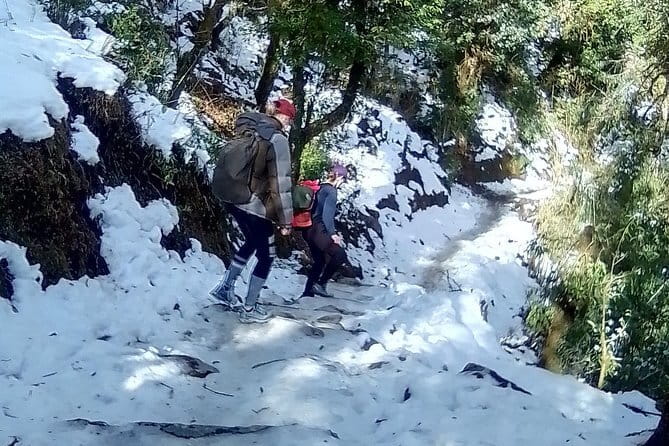
The next section includes Prok village, Mani walls, and forest. This is one of the days when the cultural details become especially visible.
Mani walls are built from stones carved or marked with Buddhist prayers. They are not just decorative features. They show how spiritual practice is part of the route itself. You will also pass through forested sections, giving relief from the open river valleys and exposed high country that comes later.
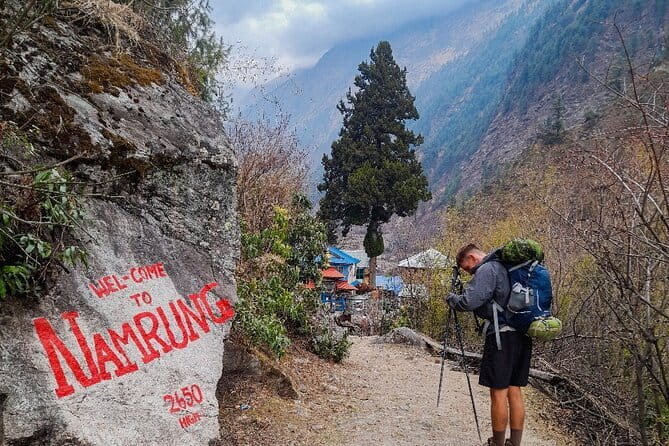
The overnight stop is listed as Namrung, while the day description focuses on Prok. Since both place names appear in the schedule, confirm the precise walking order. The information supplied does not provide elevation gains or exact distances, so you should rely on the guide for the final daily timing.
Day 5: Namrung to Shyala and the first big mountain feel
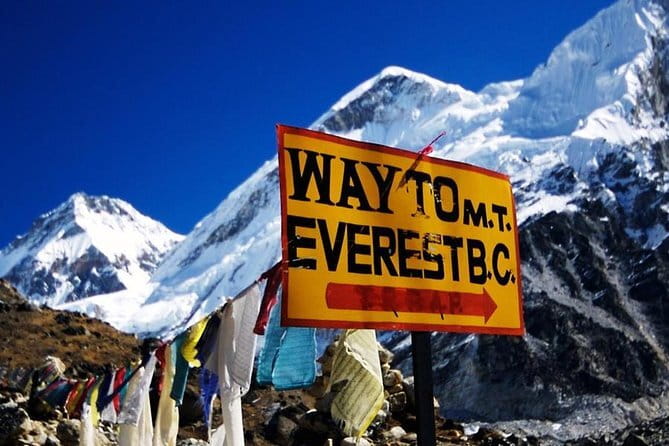
From Namrung, you trek toward Shyala. By now, the route has moved into a more distinctly high mountain setting.
Shyala is associated with broad mountain views and a more open feeling, though the supplied details do not promise specific peaks from the village. The changing scenery is the main reward here. Forest gives way to more exposed terrain, and the air and pace begin to remind you that altitude is becoming a serious factor.
This is another day listed at about 12 hours. For a fit hiker, the distance may be manageable, but the accumulated fatigue matters. You are not judging this trek by one day at a time. You are judging it by how your legs feel after several long days in a row.
The guide’s role becomes important here. Several people who used Master Himalaya described their guides as attentive, friendly, and willing to explain Nepalese life, local places, and the mountains. That kind of support is especially useful when you are tired and unsure how hard to push.
Day 6: Shyala to Samagaun and Pungeyn Gumpa
The route continues to Samagaun, with a hike to Pungeyn Gumpa. This is one of the cultural high points of the trek.
A gumpa is a Buddhist monastery, and Pungeyn Gumpa gives the day a clear spiritual focus. You are not simply walking from lodge to lodge. You are seeing the religious places that still shape life in this mountain region.
Samagaun is also an important base for the acclimatization day that follows. The schedule gives about 12 hours for this day, so the hike to the monastery may make it a full and tiring outing.
The package includes twin-sharing private rooms throughout the trek. That is useful after a long walking day, though mountain accommodation should not be confused with city hotel comfort. The information confirms rooms, meals, and a first aid kit, but it does not specify room facilities or heating.
Day 7: acclimatization, Manaslu Base Camp, or Birendra Lake
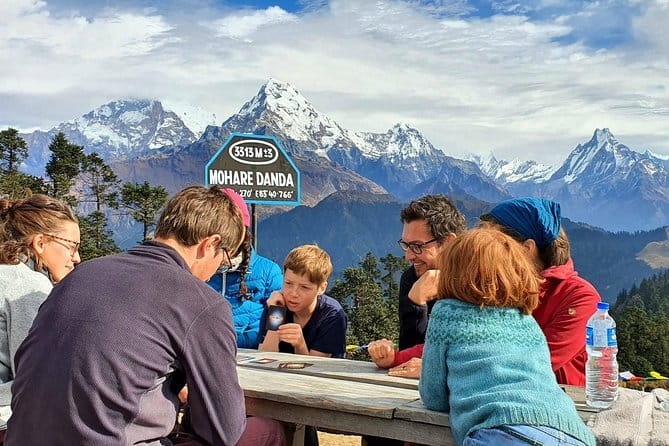
Day seven is set aside for acclimatization. This rest from point-to-point trekking is one of the most important parts of the plan.
You may choose an optional day hike to Manaslu Base Camp and Birendra Lake. The choice gives you some control. If you are feeling strong, the hike can add a major mountain highlight. If altitude is affecting you, resting in Samagaun may be the wiser decision.
Do not treat this as a wasted day. Time at altitude helps your body adjust before the route rises toward Dharmasala and Larkya La. The safest choice is the one that leaves you in good shape for the pass, not the one that fills every available hour.
The schedule specifically marks admission as included for this day, while most stops are listed as free admission. The key value is not an entry ticket. It is having a planned acclimatization pause built into a demanding route.
Days 8 and 9: toward the glacier and Dharmasala
The next two days bring you closer to the hardest section. One day includes a descent toward the Budhi Gandaki River, a wooden bridge, and views of the Larkya Glacier. Another passes icy streams, Larke Bazaar, monasteries, and Mani walls before climbing toward Dharmasala.
The descriptions place the Larkya Glacier at the center of this stage. You should expect colder, more exposed conditions and a sharper sense of altitude. The route is no longer just scenic walking. It is preparation for the pass.
Dharmasala is the practical staging point before Larkya La. The schedule does not give a separate comfort rating for the accommodation, so pack with basic mountain lodging in mind. Personal costs for hot water, mineral water, phone charging, and laundry are excluded, and these charges can add up over 12 days.
The package covers all three meals each day, with 12 lunches, 12 dinners, and 11 breakfasts specified. That means breakfast is not provided on the final return day, while lunch and dinner are counted across the full trip. Ask how food choices are handled if you have dietary restrictions, because no special menu information is provided.
Day 10: crossing Larkya La at 5,100 meters
This is the major test. The climb to Larkya La passes through difficult terrain and offers views of Cho Danda, Larkya Peak, and four frozen lakes.
At about 5,100 meters, the pass is high enough that you need to take altitude symptoms seriously. The route description calls this a challenging day, and the overall schedule gives about 12 hours. That combination tells you to expect an early start, slow progress, and a long descent afterward.
The reward is not just reaching a sign or high point. You see the icy world around the pass, with frozen lakes, glacial views, and a sharp contrast to the green valleys from the beginning of the trek.
A government-certified English-speaking guide is included. That is valuable here because the guide can help with route finding, timing, and basic first aid. A first aid kit is also included, but it does not replace travel insurance or proper personal preparation.
Day 11: descending through forest to Dharapani
After the pass, the route descends through lush forest, crosses the Dudh Khola, passes Karche Village, and reaches Dharapani.
The change back to greener country can feel dramatic after the ice and rock around Larkya La. Descending does not always mean easy, however. Tired knees, loose ground, and the accumulated strain of the pass can make this a demanding day.
Dharapani is a welcome stopping point because it marks the end of the high pass section. You still have transport ahead, but the most remote walking is behind you.
The package includes a shared jeep from Dharapani to Besisahar on the final day. Shared transport keeps the price down, though it gives you less control over departure time and seating than a private vehicle.
Day 12: jeep to Besisahar, then back to Kathmandu
The final day begins with the jeep ride from Dharapani to Besisahar. From there, you take a roughly five-hour drive to Kathmandu.
The total day is listed at about eight hours, though road conditions and the transfer between vehicles can affect the timing. This is not a sightseeing day. It is a return-to-the-city day, so keep your plans flexible after arrival.
A farewell dinner is included to mark the end of the trek. It is a pleasant touch after nearly two weeks of walking, meals, changing scenery, and shared effort.
What the $1,390 price really covers
At $1,390 per person, the package offers solid practical value if you want support rather than a fully independent trek. It includes three meals each day during the trek, required permits and government taxes, bus transport from Kathmandu to Soti Khola, the return transfer from Besisahar, a shared jeep from Dharapani, an English-speaking guide, twin-sharing rooms, first aid, and a farewell dinner.
The private format adds value for couples, friends, or families who want their own group. Several people who booked with Master Himalaya praised the care from the office and guides. Specific guides named in the feedback include Bijaya, Lakpa, Tenji, Krishna, and others, while porters such as Nema also received warm praise for their help and companionship.
The important extra cost is a porter. Porter service is not included, and you can hire one in Kathmandu or at Soti Khola. Travel insurance is also your responsibility. Add money for mineral water, hot water, phone charging, laundry, and tips.
The package also includes a deluxe bus for some sections, but deluxe does not mean every road is comfortable. The first and last transport days remain long, and the shared jeep adds a practical rather than polished finish.
Who should book this trek
I would recommend it to a fit hiker who wants a quieter Himalayan route, enjoys village life and Buddhist cultural sites, and accepts long walking days. It is also a good match for a couple or small private group that values personal attention from a guide.
You should be comfortable with basic trekking conditions and have moderate physical fitness. The 12-hour days and 5,100-meter pass make this a poor choice for anyone seeking a relaxed holiday with short walks.
Families can make it work if everyone is prepared. One positive account involved a group traveling with a father and sister, supported by guide Tenji and porter Nema. Still, age alone does not decide suitability. Fitness, altitude response, and willingness to follow the guide’s pace matter more.
Before booking, ask three direct questions: which villages are used for each overnight stop, how the daily walking hours are calculated, and what porter rates are available. The route names in the schedule are not always perfectly aligned, and clearing that up will make the trip easier to understand.
Should you book Dancing in the Manaslu Circuit?
Book it if you want a serious, culturally focused Himalayan trek with meals, permits, transport, and a guide arranged for you. The strongest reason to choose it is the combination of remote scenery and attentive personal service, not luxury.
Skip it if you want short walking days, guaranteed comfort, or a tightly polished schedule with no transport uncertainty. The route is demanding, and the Larkya La crossing deserves respect.
For the right person, $1,390 is a fair package price. Just budget separately for insurance, a porter, personal expenses, and tips, then confirm the day-by-day route before you go.
FAQ
Where does the Manaslu Circuit trek start?
The activity starts at P897+443, Kathmandu 44600, Nepal.
Where does the trek finish?
The experience ends back at the meeting point in Kathmandu after the return drive from Besisahar.
How long does the Manaslu Circuit trek last?
The trek lasts approximately 12 days.
How high is Larkya La Pass?
Larkya La Pass reaches about 5,100 meters.
Is transportation included?
Yes. The package includes deluxe bus transport from Kathmandu to Soti Khola, a shared jeep from Dharapani to Besisahar, and the return transfer from Besisahar to Kathmandu.
Are meals included?
Yes. Breakfast, lunch, and dinner are included during the trek. The package specifies 11 breakfasts, 12 lunches, and 12 dinners.
Is a porter included?
No. You must arrange and pay for a porter separately. Porters can be hired in Kathmandu or at Soti Khola.
Is this a private tour?
Yes. Only your own group participates in the activity.
Can I cancel for a full refund?
You can receive a full refund if you cancel at least 24 hours before the experience starts. Cancellations within 24 hours are not refunded. If poor weather or an insufficient minimum number of participants causes cancellation, you will be offered another date or experience, or a full refund.
Recently added around Kathmandu
- Ghorepani Poon Hill Trek★ 5.0 · 16 reviews
- Private Manaslu Circuit Trek at Himalayas★ 5.0 · 3 reviews
- Amazing 1 Day Trekking Experience in Kathmandu Nepal★ 5.0 · 24 reviews
- Ghorepani Poonhill Trek★ 5.0 · 5 reviews
- Upper Mustang Trekking★ 5.0 · 2 reviews
- Upper Mustang Trekking★ 3.0 · 2 reviews
- Upper Mustang Trekking★ 5.0 · 4 reviews
- Upper Mustang Trek★ 5.0 · 5 reviews
Manaslu Circuit Treks, compared.
16 Day Private Manaslu Circuit Trek from Kathmandu
Read our review →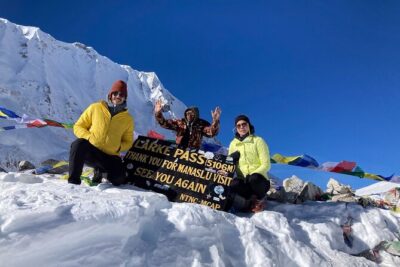
10 Days Manaslu Circuit Trek in Larke La Pass
Read our review →Browse the lists this tour appears in