
REVIEW · KATHMANDU
Kathmandu: Langtang Valley 6-Day all inclusive Guided Trek
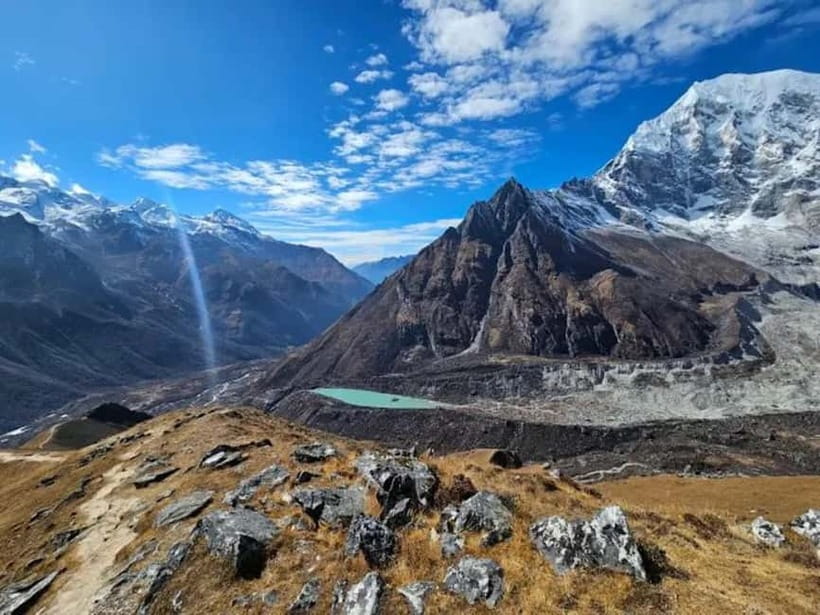
The mountains begin before the trail. This six-day Langtang Valley trek combines a long but scenic road journey from Kathmandu, quiet forest paths, Tamang villages, and close views of Langtang Lirung and Dorje Lakpa. I especially like the visit to Kyanjin Gompa and the local yak cheese factory, two stops that give the route a strong sense of place. The main drawback is the demanding road ride and a quick gain in altitude, so you need good fitness and a sensible approach to the walking days.
I also like the price of $179 per person, which covers permits, teahouse accommodation, transport, and a licensed English-speaking guide. But check the booking option carefully: full-board meals are included only if that option is selected, and a porter costs extra. The trek is affordable, but all inclusive does not cover every personal cost.
Key Points to Know Before You Book
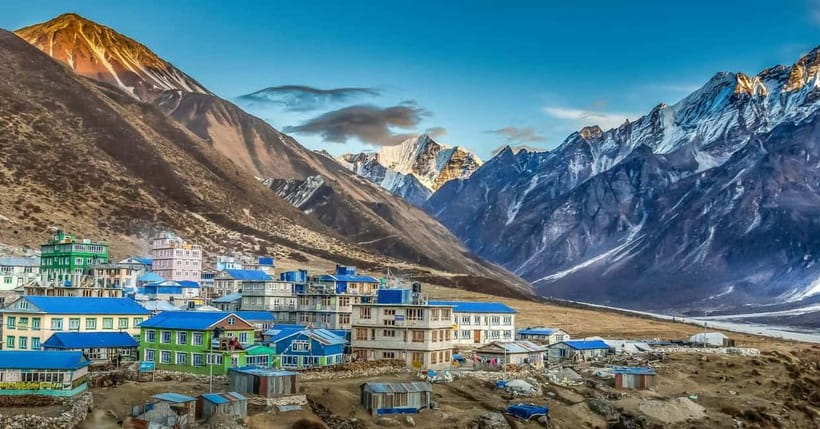
- Kyanjin Gompa at 3,870 meters: This mountain village is the cultural and scenic center of the trek, with monasteries, high peaks, and a traditional cheese factory.
- A real change in scenery: You move from subtropical forest and waterfalls to alpine meadows and high mountain views in only a few days.
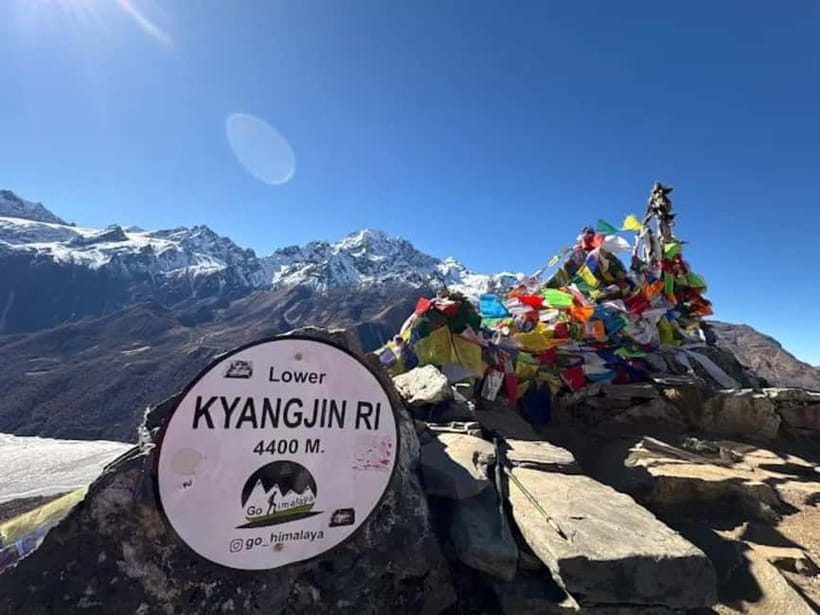
- Kyanjin Ri is optional: The hike reaches 4,770 meters and offers wider views, but it adds a serious physical challenge.
- Tamang and Tibetan culture: Villages, monasteries, local food, and yak cheese offer more than a simple mountain walk.
- Simple teahouse travel: Expect basic accommodation, limited Wi-Fi, and limited charging facilities. A power bank is a smart item to pack.
- Good value with important conditions: Transport, permits, a guide, and airport transfers are included, while insurance, Kathmandu meals, personal purchases, and possibly porter service are not.
Why Langtang Works Well for a Six-Day Himalayan Trip
Langtang Valley is a good choice if you want a genuine Himalayan trek without committing to a much longer route. The trail gives you forests, river scenery, villages, high meadows, monasteries, and dramatic peaks in less than a week.
I like the balance here. The route is not simply a mountain viewpoint reached by car, and it is not an expedition demanding weeks of preparation. You walk through changing environments and stay overnight in small mountain settlements. That makes the experience feel connected to local life rather than arranged around one photo stop.
The route is described as moderate, but that word deserves care. You need good physical fitness, especially for long walking days, uneven paths, and the optional climb to Kyanjin Ri. The altitude also matters. You go from Kathmandu to Pahiro at 1,550 meters, then up to Ghoda Tabela at 2,900 meters and Kyanjin Gompa at 3,870 meters. The ascent is gradual enough to help, but you should still hydrate, walk at a steady pace, and tell your guide about any discomfort.
This is a strong match for couples, solo visitors, families with fit older children, and first-time trekkers who want a manageable introduction to Nepal’s mountains. It is less suitable if you dislike basic accommodation, long road journeys, or walking several hours each day.
More Langtang Treks in Kathmandu:
- Langtang Valley Trek
★ 5.0 · 140 reviews - Langtang Valley Trek
★ 5.0 · 61 reviews - 8 Days Tour in Langtang Valley Trek
★ 5.0 · 45 reviews
Day One: Kathmandu to Syabrubesi, Then Pahiro
The first day begins with a drive of about six hours from Kathmandu to Syabrubesi. This is not a quick transfer. Roads in the region can make the journey tiring, but the route gives you a first look at the hills and valleys beyond the capital.
Syabrubesi is the main gateway to Langtang. From there, you walk for about two hours through forests and beside the Langtang River before reaching Pahiro at 1,550 meters. The short walking section is useful after the drive. You get your first sense of the trail without immediately facing a long uphill day.
Pahiro is a practical first overnight stop. The setting is quieter than Kathmandu, and the river and forest create a calm start to the trek. Do not expect luxury. Teahouses provide basic accommodation, and hot showers, Wi-Fi, and charging may cost extra or be limited.
The biggest issue on this day is time spent sitting in the vehicle. If you are prone to motion sickness, prepare accordingly. The trip is worth it for the access it provides, but you should treat the drive as part of the adventure rather than a minor transfer.
Day Two: Forests, Waterfalls, and Ghoda Tabela
From Pahiro, the trail follows green forests, small villages, waterfalls, and the river. This is one of the most appealing walking days for people who enjoy the path itself, not just the mountain views at the end.
The forest changes the feel of the trek. You are not yet in the open high country, so the shade and plant life make the walk more varied. Waterfalls and village sections break up the distance, while the sound of the river gives the route a steady rhythm.
You finish at Ghoda Tabela, around 2,900 meters. That rise in elevation is significant, even though the day is described as a moderate walk. Your guide can help you keep a suitable pace, and you should avoid treating the trail like a race. The best strategy is simple: drink regularly, take short rests, and pay attention to headache, dizziness, unusual tiredness, or other signs of altitude trouble.
Ghoda Tabela is also where the scenery begins to feel more distinctly Himalayan. You gain more open views and a stronger sense that the high mountains are getting close. The overnight stay breaks up the ascent before the route reaches Kyanjin Gompa.
Day Three: Reaching Kyanjin Gompa at 3,870 Meters
Day three is the heart of the trek. You continue toward Kyanjin Gompa, a mountain village surrounded by peaks and open high-country views.
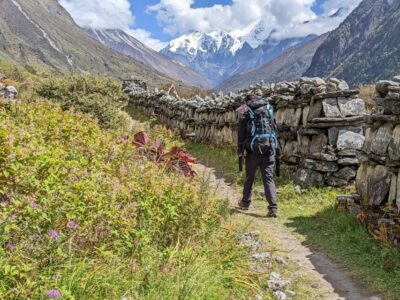
The walking route brings together several features that make Langtang appealing. You pass through local settlements, see changing vegetation, and begin to spend more time looking up toward Langtang Lirung, Dorje Lakpa, and other peaks. The views are not limited to one viewpoint. They develop gradually as you walk.
Kyanjin Gompa is more than an overnight stop. It is a place to learn about Tamang and Tibetan traditions, visit local monasteries, and see how mountain communities remain connected to livestock and local food production. The traditional yak cheese factory is a particularly good detail. It turns an abstract idea of mountain culture into something you can see and understand.
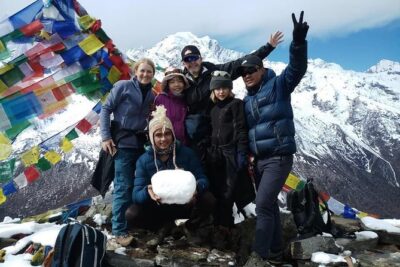
At 3,870 meters, Kyanjin Gompa is also where altitude becomes a serious consideration. You should not plan to rush around after arrival. Keep the afternoon gentle, drink water, eat properly, and follow your guide’s advice. The village gives you the chance to enjoy the setting without needing to climb higher immediately.
The teahouse stay here will be basic. That is part of the trade-off for reaching such a high mountain settlement. Wi-Fi and charging facilities are limited, so download important information before leaving Kathmandu and carry a power bank.
A few more treks around Kathmandu worth a look
- Kathmandu: 6-Day Limitless Langtang Trek
★ 5.0 · 21 reviews - 6 Days Poon Hill – Ghandruk Circuit Trek from Kathmandu
★ 5.0 · 10 reviews - Kathmandu: 6 Days Langtang Valley Trek with Kyanjin Ri
★ 5.0 · 7 reviews - Ghorepani Poonhill Trek (6 Days)
★ 5.0 · 6 reviews
Kyanjin Gompa and the Optional Kyanjin Ri Climb
The fourth day gives you the trek’s clearest choice. You can attempt Kyanjin Ri, which reaches about 4,770 meters, or spend more time around Kyanjin Gompa before continuing down toward Thangsyap.
Kyanjin Ri is for people who want a harder climb and wider views of the Langtang peaks. The height is considerable, and the effort is much greater than simply walking around the village. If you feel well acclimatized and your guide agrees, the climb can be the high point of the trip.
You should not feel pressured to do it. The optional nature of the climb is a real strength because it lets you match the day to your fitness, weather, and energy. The main trek remains worthwhile without it.
After returning from Kyanjin Ri, you continue down to Thangsyap at about 3,200 meters. This descent helps reduce altitude, but it still takes effort after the morning climb. If you skip Kyanjin Ri, you have a more relaxed day, although the route down to Thangsyap is still a proper trekking day.
I would make the decision based on how your body feels, not on the fear of missing a famous view. Mountains reward sensible choices. Your guide can help you judge conditions and pace.
Day Five: Following the Langtang River Back to Syabrubesi
The fifth day returns you to Syabrubesi, following the Langtang River through forests and familiar sections of the route. You may notice details you missed while walking uphill, including village life, waterfalls, and the changing shape of the trail.
Downhill walking is often easier on the lungs but harder on knees and ankles. Trekking poles can be useful, although no equipment list is provided, so you will need to arrange your own. Good shoes are also important because the route includes forest paths and uneven ground.
This final walking day has a different mood from the climb to Kyanjin Gompa. You are no longer trying to reach a higher destination. Instead, you can look back on the route, enjoy the last mountain views, and take your time with the return through the forest.
The overnight stay in Syabrubesi makes the final day easier. You do not need to finish the trek and immediately begin the long road trip to Kathmandu.
Day Six: The Road Back to Kathmandu
The final day is a drive from Syabrubesi to Kathmandu. Like the first day, it takes about six hours and can feel long after several days on foot.
Still, the return journey gives you a last chance to watch the hills change as you approach the capital. The contrast between quiet mountain villages and Kathmandu’s busy streets can be striking, even if the road itself is tiring.
Private airport transfers are included, which is useful if this trek connects directly with an international flight. I would still avoid scheduling a tight same-day departure without checking the transport arrangements carefully. The supplied details do not promise a fixed arrival time, and road conditions can affect the journey.
Teahouses, Meals, and What the $179 Covers
At $179 per person, this trek offers strong value for a guided six-day route. The cost includes Kathmandu to Syabrubesi and return transport by local bus, Langtang National Park and TIMS permits, teahouse accommodation, a licensed English-speaking guide, first aid equipment, government taxes, service charges, and private airport transfers.
Full-board meals, including breakfast, lunch, and dinner during the trek, are included only when you select that option. This is the most important price detail to check before booking. Lunch and dinner in Kathmandu are not included, and you should budget for personal expenses such as Wi-Fi, hot showers, bar bills, and other purchases.
Porter service is also conditional. One porter for two trekkers is available if you add that service. If you carry your own bag, pack carefully and keep the weight manageable. If you prefer to walk with a light daypack, the porter add-on may improve the experience.
The low price should not lead you to expect resort comfort. Teahouses offer basic amenities and local meals. That simplicity is part of the route’s character, but it also means you need to accept fewer conveniences.
Culture Along the Trail
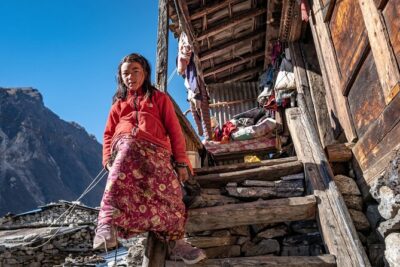
The cultural side of this trek is one of its strongest features. Tamang and Tibetan traditions shape the villages, monasteries, food, and mountain economy you encounter along the way.
Kyanjin Gompa provides the clearest cultural focus, with local monasteries and the yak cheese factory. The experience is not built around a large museum or staged performance. Instead, you learn through the places you pass and the guide’s explanations.
A local guide can make a major difference here. The available feedback praises the guide’s personal attention and ability to point out local details. No guide name is provided, so you should ask for the guide’s name and language ability before departure if that matters to you.
The route is also described as peaceful and less crowded than Nepal’s better-known trekking corridors. That can make village encounters feel more natural, though the trade-off is fewer facilities and less reliable connectivity.
Best Seasons, Fitness, and Practical Preparation
Spring, from March through May, and autumn, from September through November, are identified as the best seasons. These periods generally offer clear skies and pleasant temperatures for walking.
You should still prepare for changing mountain conditions. Bring layers, sturdy walking shoes, water protection, sun protection, and a power bank. The activity details do not specify a full packing list, so confirm current recommendations with the provider before leaving.
Altitude awareness is essential. The route rises from 1,550 meters at Pahiro to 3,870 meters at Kyanjin Gompa, with Kyanjin Ri reaching 4,770 meters. Stay hydrated, avoid rushing, and tell your guide if you feel unwell.
Travel insurance is mandatory and is not included. It should cover trekking at the altitudes involved. International airfare and visa fees are also separate.
The trek has a live English-speaking guide. Pickup is included within the stated pickup area, but you need to contact the provider if you are outside that zone so they can give you a meeting point.
Who Should Book This Langtang Trek?
I would recommend this experience to you if you want:
- A six-day introduction to Himalayan trekking
- A mix of nature, mountain views, and local culture
- A moderate route with an optional high viewpoint
- Guided support and permits arranged in advance
- Basic teahouse travel rather than luxury accommodation
- A quieter alternative to more crowded trekking routes
I would think twice if you want short transfers, reliable Wi-Fi, private hotel rooms, or a fully fixed schedule. The road journey is long, the accommodation is simple, and altitude requires care.
The two available ratings are both five out of five. One especially positive response describes strong affection for the experience and the guide, while another praises the beautiful route, local guide, and attention to local points of interest. Those comments match the trip’s main strengths: personal guiding and a route that connects scenery with daily mountain life.
Should You Book It?
Book this Langtang trek if you want a compact, good-value Himalayan experience with forests, peaks, villages, monasteries, and a real mountain community at the center. The visit to Kyanjin Gompa and the yak cheese factory gives the trip more substance than a simple scenic hike.
Before paying, confirm three things: that full-board meals are selected, that you understand the porter charge, and that your insurance covers trekking at altitude. If you are fit, flexible, and comfortable with basic teahouses, this is a strong six-day choice. If you want comfort and easy transport, Nepal has other trips that may suit you better.
FAQ
How long is the Langtang Valley trek?
The experience lasts six days, including the drives between Kathmandu and Syabrubesi.
What is the highest point on the standard route?
Kyanjin Gompa is at about 3,870 meters. An optional hike to Kyanjin Ri reaches approximately 4,770 meters.
Is the Kyanjin Ri hike required?
No. Kyanjin Ri is optional, so you can skip it and continue from Kyanjin Gompa toward Thangsyap.
Is the trek suitable for beginners?
It can suit first-time trekkers with good physical fitness. The difficulty is described as moderate, but the altitude and several hours of walking each day still require preparation.
What accommodation is provided?
You stay in teahouses during the trek. They offer basic amenities and local meals.
Are meals included?
Breakfast, lunch, and dinner during the trek are included if you select the full-board option. Lunch and dinner in Kathmandu are not included.
Is a porter included?
A porter for two trekkers is available if you add that service. It is not automatically included in the basic price.
Which permits are included?
The Langtang National Park Permit and TIMS card are included.
When is the best time to go?
Spring, from March through May, and autumn, from September through November, are recommended for clear skies and pleasant temperatures.
Recently added around Kathmandu
- Ghorepani Poon Hill Trek★ 5.0 · 16 reviews
- Private Manaslu Circuit Trek at Himalayas★ 5.0 · 3 reviews
- Amazing 1 Day Trekking Experience in Kathmandu Nepal★ 5.0 · 24 reviews
- Ghorepani Poonhill Trek★ 5.0 · 5 reviews
- Upper Mustang Trekking★ 5.0 · 2 reviews
- Upper Mustang Trekking★ 3.0 · 2 reviews
- Upper Mustang Trekking★ 5.0 · 4 reviews
- Upper Mustang Trek★ 5.0 · 5 reviews
Langtang Valley Treks, compared.
Trekking in Annapurna/Langtang/Everest/Upper Mustang regions
Read our review →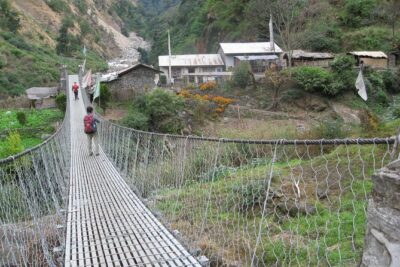
Browse the lists this tour appears in