
REVIEW · KATHMANDU
Multi-Day Sites of Nepal Tour from Kathmandu with Poon Hill Trek- 9 Days
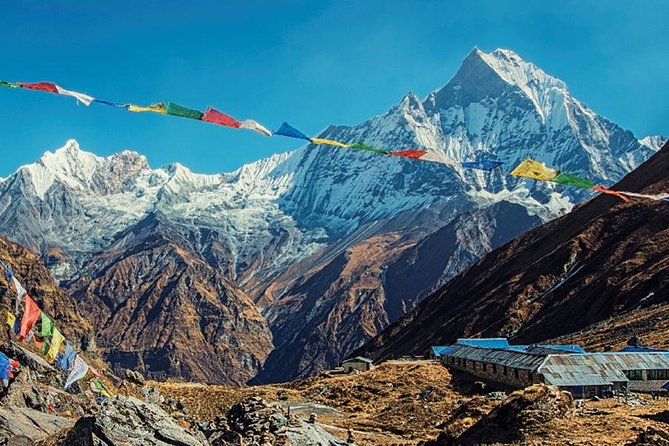
Sunrise on Poon Hill is the big payoff. This nine-day Nepal trip combines Kathmandu and Pokhara with a moderate trek through Gurung and Magar villages, rhododendron woods, and mountain country beneath Annapurna and Machhapuchhare. I like the mix of Himalayan views and village life, and I like that transport, meals, guides, porters, and teahouses are arranged in one package.
The main caution is the pace. You spend long hours on a tourist bus, then walk several days with uphill sections and an early morning climb to 3,232 meters. The displayed price of $0 per person needs clarification before booking, since the included services suggest a paid package with real operating costs.
Key points to know before you book
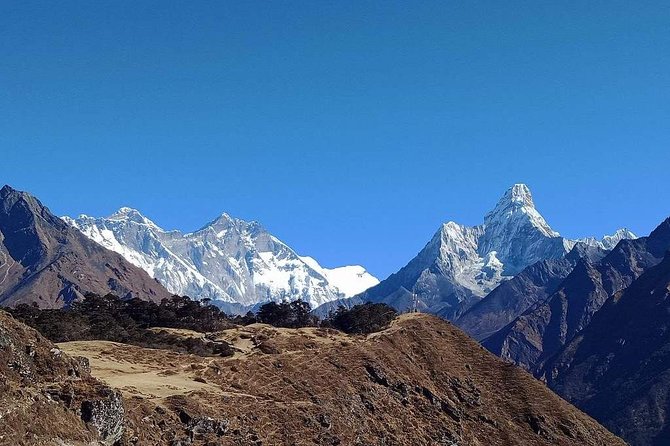
- Poon Hill sunrise at 3,232 meters: The early climb offers views toward Dhaulagiri, Annapurna, and Machhapuchhare.
- A real village trek: Ulleri, Ghorepani, Tadapani, and Ghandruk bring you into the home region of Gurung and Magar communities.
- Rhododendron forest walking: Expect shaded trails, bird calls, oak and sal trees, and thick forest between mountain villages.
- A private group experience: Only your group participates, with an English-speaking, government-licensed guide and porter support.
- Transport is mostly arranged: Tourist bus travel links Kathmandu and Pokhara, while private vehicles cover the trek transfers.
- Pack for variable costs: Bottled or boiled water, showers, battery charging, laundry, drinks, tips, insurance, visas, and personal items are extra.
What this nine-day Nepal route really gives you
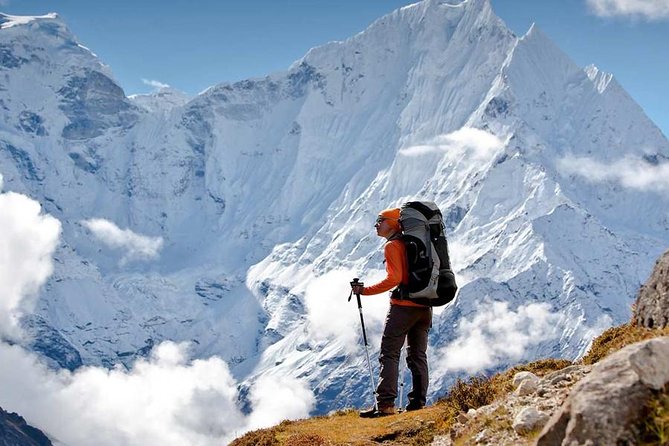
This is not a trek-only holiday. It is a compact introduction to Nepal that uses Kathmandu as both the arrival and departure point, Pokhara as the gateway to the Annapurna region, and Poon Hill as the main mountain goal.
I like that structure for a first visit. You get a city arrival, a scenic ride to Pokhara, several nights on the trail, and a return to Kathmandu before flying home. You are not asked to arrange each transfer or meal yourself, which matters in Nepal, where road times and mountain logistics can be unpredictable.
The route also gives you a useful balance of comfort and simplicity. Kathmandu and Pokhara accommodation includes breakfast, while the trek uses teahouses. You should not expect resort facilities in the mountains. Teahouse lodging is practical and social, but rooms and bathrooms can be basic, and the package does not cover every small comfort.
The tour is described as private, so your own group participates rather than joining a large mixed party. That can make a major difference on the trail. You can ask questions, set a sensible walking rhythm, and discuss the day with your guide instead of trying to match the pace of strangers.
More Poon Hill Treks in Kathmandu
- 4 Days Poon Hill Trek
★ 5.0 · 94 reviews - Ghorepani(Poonhill Trek)
★ 5.0 · 81 reviews - 4-day Poon Hill Trek
★ 5.0 · 74 reviews
Day 1: A simple arrival in Kathmandu
After landing at Tribhuvan International Airport, a representative collects you in a private vehicle and takes you to your Kathmandu hotel. This is a useful service after an international flight, especially if you are unfamiliar with airport procedures and city traffic.
The first day is intentionally light. There is no sightseeing program listed, so use the time to rest, organize your bag, and confirm the early start for the next morning. A current passport is required, and you need to arrange your Nepalese visa separately.
The package includes two nights in Kathmandu with breakfast. Lunch and dinner in the city are not included, so plan for those meals on your own. Travel insurance is also not included, and rescue coverage deserves serious attention on a mountain trek.
Day 2: Six hours by bus to Pokhara
The day begins early with breakfast and a ride on an air-conditioned tourist bus. The journey to Pokhara takes about six hours, making this one of the less active but still important days.
The bus is a practical choice because it keeps the package cost lower than private transport. It also gives you a look at the countryside between Nepal’s two major tourist bases. Still, road travel can be tiring, and you should not confuse an air-conditioned bus with a fast highway transfer. Bring water, snacks for the ride, and something to occupy you if the journey feels long.
Pokhara is the calmer base for the trekking section. The plan includes two nights there with breakfast. Since dinner is not included in the city, you have freedom to choose your own meal, but you should budget for it.
Day 3: Nayapul to Ulleri and the first mountain night
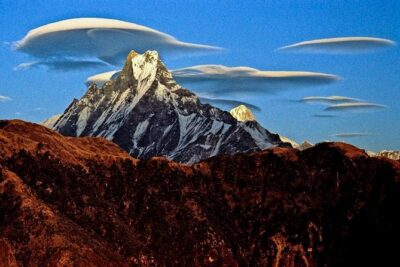
After breakfast, a private car takes you from Pokhara to Nayapul, the starting point of the trek. The drive takes about 45 minutes. The route brings Machhapuchhare, also called Fishtail Peak, into view, and the mountain remains a defining presence in this part of the journey.
From Nayapul, you walk toward Ulleri, where you spend the night. The supplied schedule does not give a precise walking time for this day, so ask your guide for the expected distance and elevation gain before setting out.
This is the point where the trip shifts from sightseeing to physical travel. You should carry a daypack with water, rain protection, warm layers, and personal medication. A porter is provided at a ratio of one porter for every two trekkers, but your own small bag still needs to be comfortable.
The trail introduces you to the rhythm of the route: forest, village paths, stone steps, and changing views. Ulleri is less about a major attraction than about getting you properly into the hills.
Same trailhead, a longer or shorter day out:
- Everest Base Camp Trek – 14 Days
★ 5.0 · 1,499 reviews - Everest Base Camp Trek
★ 5.0 · 842 reviews - Everest Base Camp Trekking
★ 5.0 · 485 reviews - Annapurna Circuit Trek with Tilicho Lake
★ 5.0 · 368 reviews
Day 4: Ulleri to Ghorepani through rhododendron country
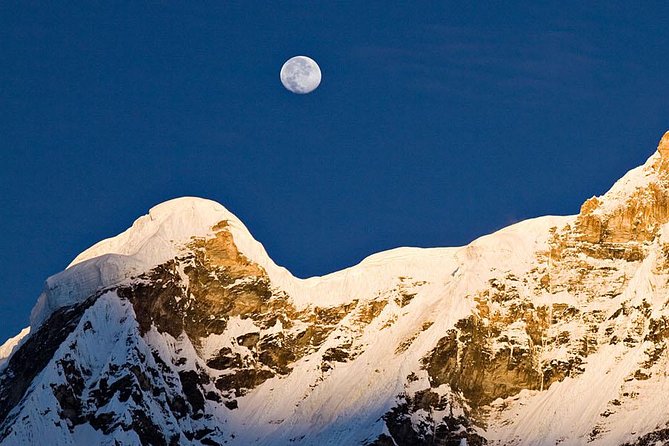
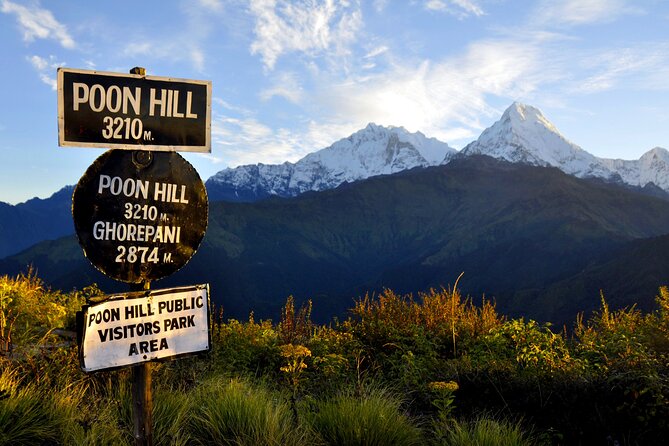
The walk from Ulleri to Ghorepani takes about six hours and reaches Ghorepani at roughly 2,874 meters. The schedule calls this a gentle hike, but six hours at altitude can still feel demanding, especially if you are not used to sustained uphill walking.
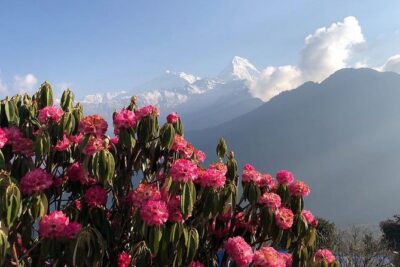
The forest is the star of this day. Rhododendron trees, shade, bird calls, and other plant life line the route. In bloom season, rhododendrons can add strong color to the trail, but the appeal remains even when flowers are not at their best. You are walking through a living mountain environment rather than simply moving from one viewpoint to another.
If time allows, you may see sunset from Poon Hill. Treat this as a bonus, not the main event. The sunrise climb is scheduled for the following morning, and conserving energy may be wiser than squeezing in another uphill excursion.
Ghorepani sits high enough that cold evenings are possible. Pack a warm layer for dinner and the early morning departure. Teahouse accommodation and all trek meals are included, along with tea or coffee, but personal drinks and bottled or boiled water cost extra.
Day 5: Poon Hill sunrise and the walk to Tadapani
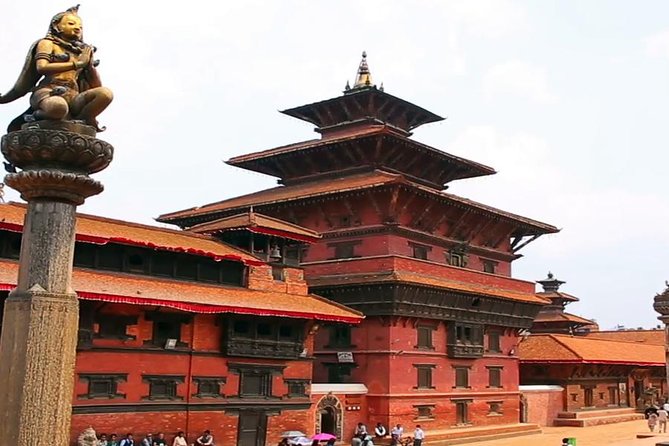
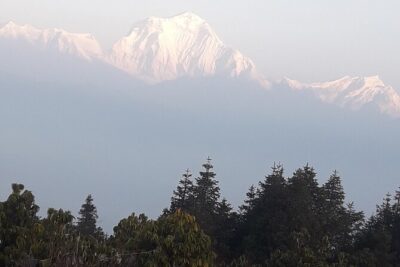
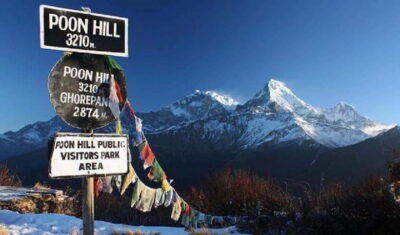
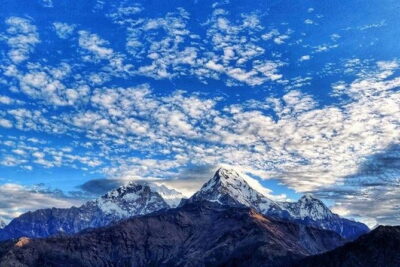
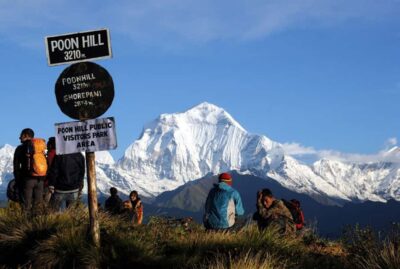
This is the signature day. Before breakfast, you climb to Poon Hill at 3,232 meters for sunrise. The reward is a broad Himalayan panorama, with Dhaulagiri at 8,167 meters and Annapurna at 8,091 meters among the major peaks. Machhapuchhare adds its distinctive pointed profile to the view.
The timing matters. You leave before breakfast because the changing light is the point of the climb. At sunrise, the snowy summits gradually catch the light, giving you a far better mountain scene than a quick daytime glance usually provides.
Do not underestimate the cold or the climb. Bring a headlamp if you have one, warm clothing, gloves, and a camera battery kept protected from the cold. These details can determine whether the morning feels magical or merely uncomfortable.
After returning to Ghorepani for breakfast, you continue to Tadapani at about 2,650 meters. This section takes around five hours. The route brings another stretch of forest and mountain scenery, but the early start can make the second half feel long.
Tadapani is a good night for a quiet meal and rest. You have already completed the main viewpoint climb, but the day still includes several hours of walking.
Day 6: Forest trails and the Gurung village of Ghandruk
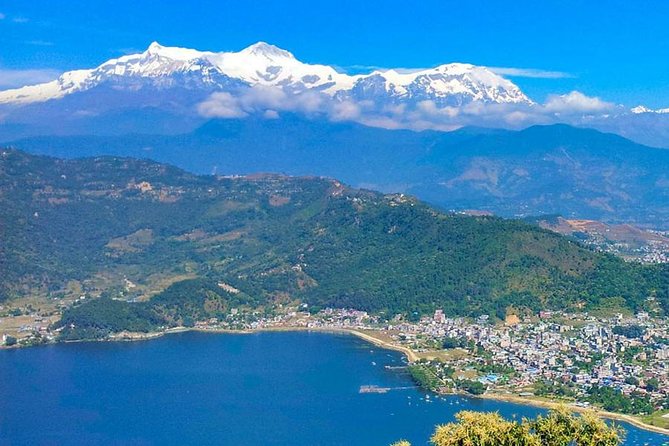
The walk to Ghandruk passes through dense rhododendron, oak, and sal forest beside the Kimrung Khola. Birdlife is part of the experience, so this is a good day to slow down and listen rather than rush from one checkpoint to the next.
The schedule describes the first section as easy, followed by a steep ascent toward Ghandruk. That change is important. An easy forest path can create false confidence, and the final climb may feel sharp after several days on foot.
Ghandruk is one of the cultural highlights of the route. The village is associated with the Gurung people, one of the communities that gives this trek its human character. You are not only walking below famous peaks. You are passing through settled mountain country, where village paths and local homes are part of daily life.
The experience is most rewarding when you remain respectful. Keep voices low near homes, ask before photographing people, and follow your guide’s advice about local customs. The itinerary does not list a formal cultural performance, so the value here is the setting and ordinary village life, not a staged show.
Day 7: The final trail to New Bridge and back to Pokhara
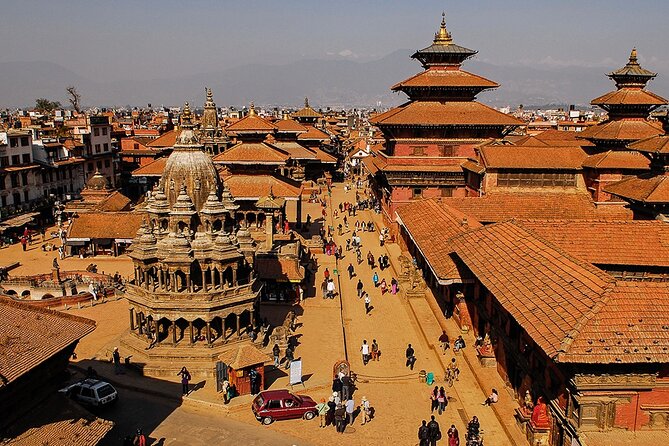
After breakfast, you make a gentle trek toward New Bridge. From there, a vehicle takes you back to Pokhara.
This is a useful ending to the walking section because it avoids forcing you to retrace the entire route on foot. The trail is described as gentle, but your legs may not agree after the previous days. Keep the morning relaxed and make sure your transport plan is clear before leaving the village.
Back in Pokhara, you return to a hotel rather than a teahouse. That change lets you wash, recharge, and enjoy a more comfortable evening. Extra hotel nights are not included if you return early or need to alter the schedule, so trip insurance and a little financial flexibility are sensible.
Day 8: The return to Kathmandu
After breakfast, you take an air-conditioned tourist bus back to Kathmandu. The ride is again scheduled for about six hours, although the exact road time can vary.
This day is mostly a transport day. I would not plan a major activity in Kathmandu for the evening unless you are comfortable with a late or tiring arrival. The package includes a second Kathmandu night with breakfast, which gives you a buffer before departure.
The return is also useful if you want to buy gifts or organize photographs, but remember that lunch and dinner in Kathmandu are not included. Phone calls, laundry, drinks, battery charging, and other personal costs are also outside the package.
Day 9: Airport transfer and departure
After breakfast, a private vehicle takes you to the airport for your final departure. The package includes airport pickups and drops, which removes one last transport task from your morning.
The activity uses a 6:15 a.m. start time, though the exact meeting point and timing should be confirmed with the operator before arrival. Since the itinerary includes airport service and an early day, keep your departure details easy to access.
What is included, and where the value lies
The package includes Kathmandu and Pokhara accommodation with breakfast, teahouses during the trek, all trek meals, airport transfers, bus transport between Kathmandu and Pokhara, private transfers between Pokhara and the trailhead, a licensed English-speaking guide, porter service, staff costs, taxes, and a welcome or farewell dinner.
That is a substantial list. The value is strongest if you want a managed trip and do not want to negotiate transport, find mountain lodging, or arrange food each day. It also supports local staff through guide, porter, and teahouse services.
The listed price is $0 per person, which should not be treated as the final cost without confirmation. A nine-day trip with lodging, meals, vehicles, staff, and permits or local taxes cannot realistically be assessed from that figure alone. Ask for the actual payable price, what permits are included, and how group discounts work.
Extra costs include the Nepalese visa, international flights, excess baggage, city meals, additional hotel nights, travel and rescue insurance, personal drinks, water, showers, laundry, phone calls, charging, extra porters, and tips for guides, porters, and drivers.
Who will enjoy this trek most
I would recommend this route to someone with moderate fitness who wants a first Himalayan walking experience without committing to a long expedition. The trek has a clear goal, several memorable villages, and a manageable nine-day frame.
It suits people who appreciate scenery but also want local transport and meals handled. It is also a good fit for private groups, couples, friends, and families with suitable fitness levels who prefer their own guide rather than a large party.
I would think twice if you dislike early mornings, long bus rides, basic teahouse lodging, or changing weather. Poon Hill is accessible compared with many high Himalayan routes, but it is still a mountain walk with altitude, steep sections, and limited personal comforts.
The strongest parts are the sunrise from Poon Hill, the forest walking, and the time spent around Gurung and Magar villages. The main weak point is that several days combine long transport or walking hours, leaving little room for delays or spontaneous changes.
Should you book the Poon Hill tour?
Book it if you want a well-organized introduction to Nepal with mountain views, village paths, and a private group format. The inclusion of a guide, porter, trek meals, teahouses, and transport makes the arrangement practical for a first trek.
Before paying, confirm the real price, exact hotels, permit arrangements, porter baggage limits, and the planned pickup time. Ask about guide assignment too. Sujan has received particular praise for friendly, attentive guiding in the operator’s broader Nepal services, although you should confirm who will lead your departure.
I would choose this trip for the classic Poon Hill sunrise and the steady mix of nature and village life. I would skip it only if you want a luxury trek, a slower schedule, or a trip with no long road transfers.
FAQ
How long is the Poon Hill tour?
The tour lasts nine days, including arrival and departure transfers, time in Kathmandu and Pokhara, and the trek through Ulleri, Ghorepani, Poon Hill, Tadapani, Ghandruk, and New Bridge.
What time does the activity start?
The stated start time is 6:15 a.m. Confirm the exact meeting point and pickup details with the provider before the tour begins.
Is transportation included?
Yes. Airport transfers use a private vehicle. Kathmandu to Pokhara and back uses an air-conditioned tourist bus. Pokhara to Nayapul and from New Bridge back to Pokhara use private vehicles.
Are meals included?
Breakfast is included at the Kathmandu and Pokhara hotels. Breakfast, lunch, and dinner are included during the trek, along with coffee or tea. Lunch and dinner in Kathmandu and Pokhara are not included.
What accommodation is provided?
The package includes two nights in Kathmandu, two nights in Pokhara, and teahouse accommodation during the trek.
Do I need travel insurance?
Travel and rescue insurance are not included. You need to arrange them separately if you want that protection.
Recently added around Kathmandu
- Ghorepani Poon Hill Trek★ 5.0 · 16 reviews
- Private Manaslu Circuit Trek at Himalayas★ 5.0 · 3 reviews
- Amazing 1 Day Trekking Experience in Kathmandu Nepal★ 5.0 · 24 reviews
- Ghorepani Poonhill Trek★ 5.0 · 5 reviews
- Upper Mustang Trekking★ 5.0 · 2 reviews
- Upper Mustang Trekking★ 3.0 · 2 reviews
- Upper Mustang Trekking★ 5.0 · 4 reviews
- Upper Mustang Trek★ 5.0 · 5 reviews
Poon Hill Treks, compared.
4-Day Ghorepani, Poonhill & Ghandruk Mountain Trek
Read our review →
Browse the lists this tour appears in