
REVIEW · KATHMANDU
Ghorepani Poonhill Trek
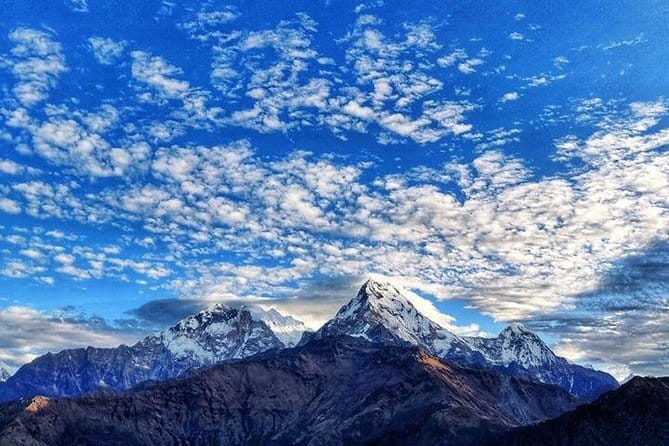
Sunrise comes early in the Himalaya. The Ghorepani Poon Hill Trek packs rhododendron forests, Gurung culture, and huge mountain views into a route that is shorter and lower than many Annapurna treks. That makes it a sensible first Himalayan walk, especially if you want real mountain scenery without committing to a long, high-altitude expedition.
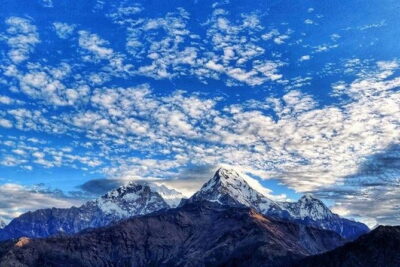
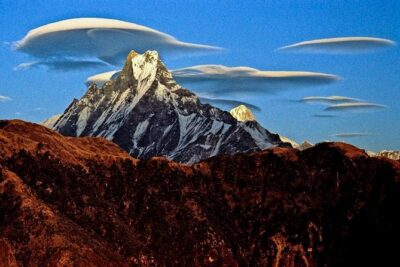
I like the famous sunrise from Poon Hill, where Annapurna, Dhaulagiri, and Manaslu can appear across the horizon. I also like the cultural stops in Ulleri and Ghandruk, where the trek feels connected to local village life rather than being just a march between viewpoints. The main catch is that easy is a relative word: the 3,300-step climb to Ulleri is a serious first test, and the nine-day schedule includes long bus rides.
At $700 per person, the package can offer fair value if transportation, meals, permits, and guiding are all handled as described. Still, the accommodation details need checking before you pay, since the package says two nights of accommodation even though the route includes several overnight stays in guesthouses.
Five things to know before you book
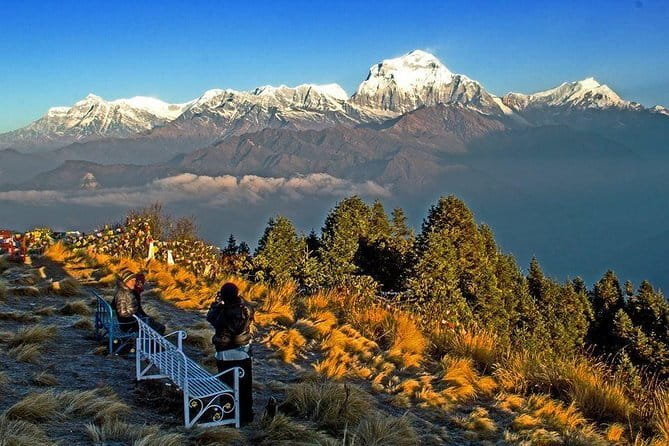
- Poon Hill sunrise is the main prize: Expect an early morning climb from Ghorepani for wide views of the Annapurna and Dhaulagiri ranges.
- The Ulleri staircase is the toughest early section: Around 3,300 steps make this route more demanding than its easy reputation suggests.
- The trek mixes mountain scenery with village culture: Ghandruk includes a Gurung museum and links to the history of Gurkha soldiers.
- Long road transfers take up part of the nine days: The bus from Kathmandu to Pokhara and back can take six to seven hours each way.
- The group is limited to 14 people: That is small enough for a more personal walking experience without requiring a private departure.
- Meals are partly included: Breakfast, lunch, and dinner are listed, but drinks and some food purchased on the road are extra.
Why Poon Hill works for a first Nepal trek
The Ghorepani route is popular for a good reason. It gives you forests, stone steps, mountain villages, and a famous Himalayan viewpoint without reaching the extreme altitude found on longer Annapurna routes.
That lower profile matters. Altitude can affect anyone, but this trek is generally considered one of the easier and shorter options in the Annapurna region. You still need stamina, though. The walking includes rocky paths, repeated uphill sections, and long descents. A person who is comfortable with several hours of hill walking will be better prepared than someone choosing it simply because the route is called easy.
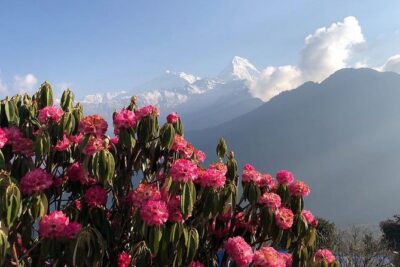
The scenery changes nicely along the way. Near the lower villages, you follow the Modi Khola area and pass through settlements linked by roads and footpaths. Higher up, oak and rhododendron forests frame the trail. In spring, the rhododendrons are a major attraction, though the supplied details do not promise a particular flowering period.
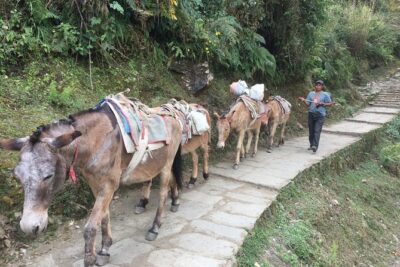
The cultural side is just as important. Ulleri, Ghorepani, Tadapani, and Ghandruk are not merely sleeping points. They show how a mountain route works as a chain of villages, guesthouses, paths, and local services. Ghandruk is particularly worthwhile because of its Gurung museum and its connection with Gurkha soldiers.
More Poon Hill Treks in Kathmandu
- 4 Days Poon Hill Trek
★ 5.0 · 94 reviews - Ghorepani(Poonhill Trek)
★ 5.0 · 81 reviews - 4-day Poon Hill Trek
★ 5.0 · 74 reviews
Day 1: Thamel preparation and a useful briefing
The trip begins with a meeting at Hotel Florid Nepal, followed by time around Thamel. The stated plan allows about two hours for preparation and a pre-trek meeting.
This is a practical start rather than a sightseeing day. Thamel is Kathmandu’s main tourist district, so you can use the time to organize your bag, confirm the morning pickup, and ask questions about the walking schedule. The meeting also gives you a chance to make sure you understand what is included, especially accommodation, meals, transport, and any gear arrangements.
The early start on the following day makes this briefing useful. Ask for a clear explanation of the road transfer, the first walking section, and the approximate overnight locations. It is much easier to enjoy a trek when you know which day includes the steepest climb.
Day 2: Kathmandu to Pokhara by road or air
Your guide picks you up from your Kathmandu hotel and takes you to the bus station. The tourist bus journey to Pokhara covers about 200 kilometers and is expected to take six to seven hours.
That is a substantial travel day. The distance may look modest on a map, but Nepal’s road travel can take time. Bring water, snacks, and something to occupy you during the ride. Food purchased on the road is not included in the package, according to the supplied terms.
An alternative is a 30-minute flight to Pokhara, but it costs extra. This is the clearest optional upgrade in the trip. Flying saves most of the day and may suit you if road travel is tiring, though the bus is already built into the package and keeps the overall price lower.
The evening is free around Pokhara Lakeside. That gives you a gentle transition from Kathmandu to the trekking region. Do not expect a full sightseeing program here. The value is having time to settle in before the walk begins.
Day 3: Birethanti, Hile, Tikhedhunga, and Ulleri
From Pokhara, the road transfer to Nayapul takes about an hour. From there, the route follows the bank of the Modi Khola toward Birethanti.
Birethanti Bridge is an important early point. It has a Tims checkpoint, and the Annapurna glacier river meets the area here. The stop itself is brief, but it marks the shift from road travel to the walking portion of the trip.
The trail then continues toward Hile and Tikhedhunga before the major climb to Ulleri. This is the day when the route earns its reputation as a proper mountain trek. The 3,300 steps are not a minor detail. They create a long, steady ascent that can feel harder than the total distance suggests.
Take the climb slowly. Short pauses are more useful than rushing and stopping for long periods. Good shoes matter here, especially because the route also includes rocky and uphill sections.
Ulleri is more than a place to sleep. It is the first clear reminder that villages in this region are connected by footpaths and steps as much as by roads. After a long climb, you will probably appreciate the guesthouse more than you would after an easy arrival.
Same trailhead, a longer or shorter day out:
- Everest Base Camp Trek – 14 Days
★ 5.0 · 1,499 reviews - Everest Base Camp Trek
★ 5.0 · 842 reviews - Everest Base Camp Trekking
★ 5.0 · 485 reviews - Annapurna Circuit Trek with Tilicho Lake
★ 5.0 · 368 reviews
Day 4: Oak forests and the approach to Ghorepani
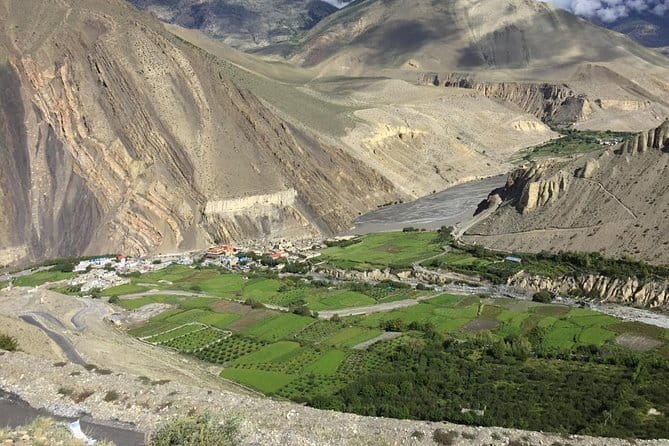
From Ulleri, the path becomes a gentler ascent through rhododendron and oak forest. The route passes Banthanti before continuing toward Ghorepani.
This is one of the prettiest sections of the trek. The forest gives the walking a cooler, more sheltered feel, and the rhododendrons add seasonal color. The supplied schedule describes the walk from Banthanti to Ghorepani as taking a couple of hours, though your exact pace will depend on conditions and the group.
Ghorepani is famous because it provides access to Poon Hill. That fame also makes it a busy point on the route, but the reason is easy to understand. The village is positioned for an early climb to a viewpoint with broad Himalayan views.
You stay overnight in a guesthouse. The package information lists only two nights of accommodation, while the route itself refers to guesthouse stays on several nights. I would ask the operator to confirm the exact room plan and number of nights before booking. This is a small but important detail for a nine-day trip.
Day 5: Poon Hill sunrise and the route to Tadapani
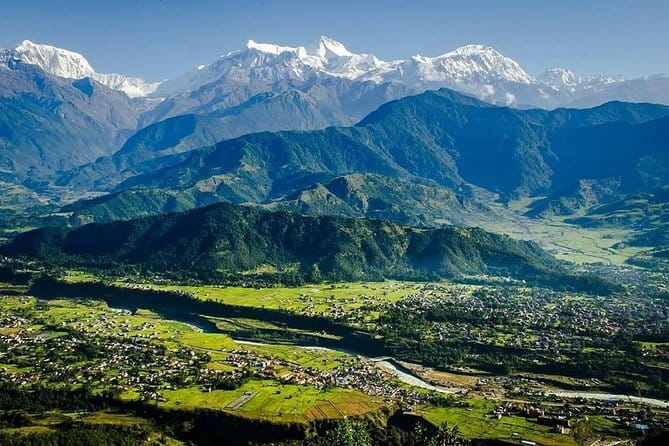
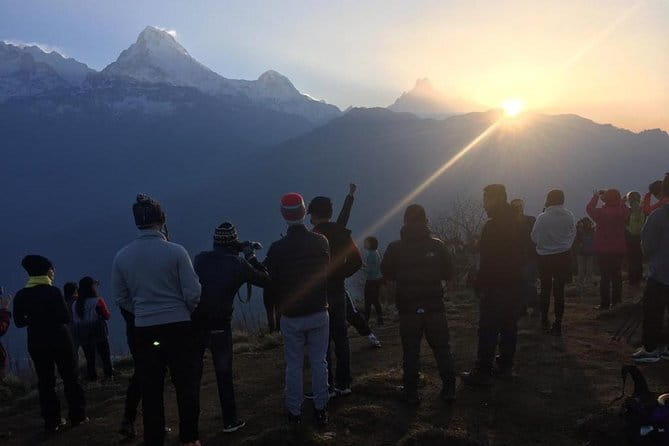
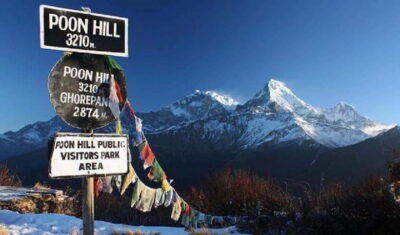
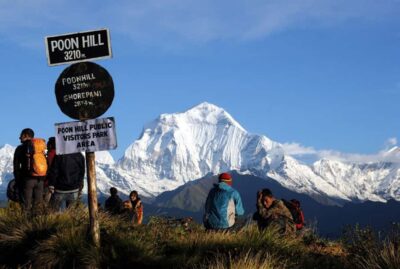
The central morning of the trek starts early. From Ghorepani, you walk for about an hour to Poon Hill for sunrise.
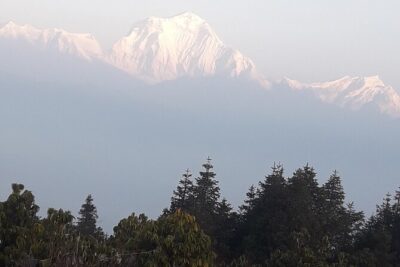
The viewpoint is known for a broad panorama that can include Manaslu, Annapurna, and Dhaulagiri. The exact visibility depends on weather, but the viewpoint is the main reason many people choose this trek. You return to Ghorepani for breakfast and then continue toward Tadapani.
This schedule gives the day two distinct parts. First comes the short, steep pre-breakfast climb. Then comes a longer walking day through the hills. You should expect the early start to affect your energy, especially after the Ulleri climb the previous day.
Tadapani is the overnight stop. The appeal here is less about a single named attraction and more about the route itself, with forest walking and changing mountain views. Keep your camera ready, but do not let the sunrise chase turn the rest of the day into a race.
Day 6: Tadapani to Ghandruk and Gurung culture
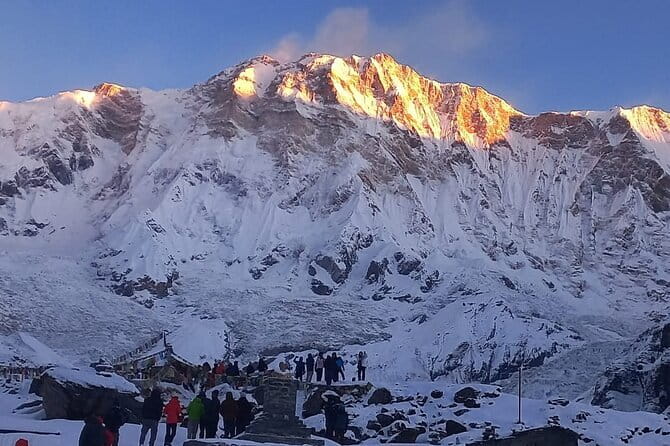
The walk to Ghandruk is described as the shorter hiking day, taking around three to four hours. That makes it a welcome change after the earlier climbs and the Poon Hill morning.
Ghandruk is one of the most meaningful stops on the route. It is a historic Gurung village associated with Gurkha soldiers, and the local Gurung museum offers a direct way to learn about that community. The museum is included without a separate admission charge.
This is where the trek feels most connected to people and place. Mountain scenery is impressive, but a visit to a village museum gives the journey more context. Allow time to look around rather than treating Ghandruk only as a lunch or sleeping stop.
You spend the night in a guesthouse. As with the other village stays, confirm what type of room and meal arrangement is covered. The supplied package promises meals in specific quantities, but it does not describe the room standard.
Day 7: Ghandruk to Nayapul, then back to Pokhara
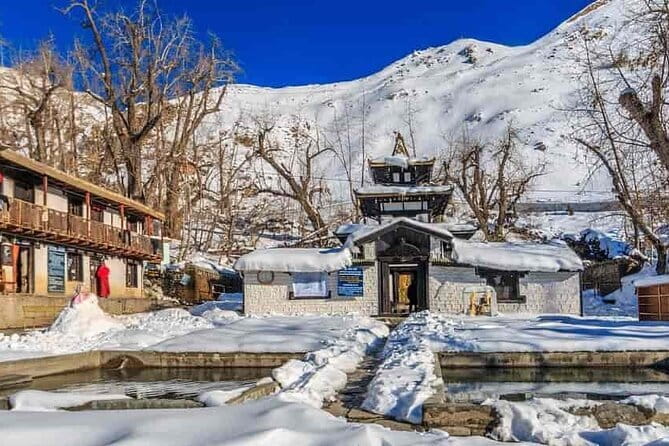
The final walking day takes about five hours to Nayapul. The first part descends for a couple of hours, then the route continues along a road toward Nayapul.
The road section is less scenic and less pleasant for walking than a forest trail, but it is part of the practical route back to transport. At Nayapul, you take a car to Pokhara.
This day is worth pacing carefully. Downhill walking can be tough on knees, particularly after several days of stairs. Trekking poles may help, though the package does not state that they are provided, so bring your own if you use them.
Back in Pokhara, the return to Lakeside provides a clear change of rhythm. You have moved from guesthouses and footpaths back to a city base, but the trek is not finished yet.
Day 8: Pokhara to Kathmandu and a farewell dinner
The return bus to Kathmandu takes another six to seven hours. It is a long final transfer, so this day feels more like transport than sightseeing.
A farewell dinner is planned in Kathmandu. It gives the group a final shared moment after the mountain section. Overnight accommodation in Kathmandu is included in the schedule, but the package wording should be checked against the statement that only two nights of accommodation are included.
If you prefer to fly back to Kathmandu, the supplied information only mentions the optional flight from Kathmandu to Pokhara, not a return flight. Ask the operator directly before assuming an air option is available in both directions.
Day 9: Airport drop-off
The company representative drops you at the airport on the final day. This is a simple ending, but airport transport is valuable after a nine-day trip, especially if your departure is early.
The listed start time for the experience is 7:15 am. Confirm which day that time applies to, since the schedule includes several early departures and an early Poon Hill hike.
What the $700 price really covers
At $700 per person, the price is potentially reasonable for a guided Nepal trek that includes transport from Kathmandu to Pokhara and back, local road transfers, national park and activity fees, and a set number of meals.
The package lists:
- Two-way transportation
- National park and activity fees
- Fuel, landing, and facility charges
- Nine breakfasts
- Five lunches
- Five dinners
- Two nights of accommodation
The meal count suggests that some breakfasts are covered across the full schedule, while lunch and dinner are included only on selected trekking days. Drinks are not included. You also pay tips for the guide and hotel staff.
There is a wording issue worth resolving. The package mentions food during the way to Chitwan and from Chitwan to Kathmandu, even though this trek schedule does not include Chitwan. That may be leftover wording from another program. Ask for a written confirmation of the exact meals, accommodation nights, and transfers for this trek.
The maximum group size is 14. That is a useful middle ground. You avoid the cost of a fully private departure, but the group should still be small enough for the guide to keep track of walking pace and basic needs.
What the praise tells you about the experience
The strongest themes in the supplied feedback are safety, organization, scenery, and care from the team. One account describes feeling safe from airport pickup onward, while another praises the handling of vehicles, accommodation, and sightseeing on a shorter Ghorepani trip.
A separate account describes the walk as challenging but rewarding, with especially strong mountain views. It also notes that the trek was completed during monsoon season and still felt worthwhile. That is useful, but you should not treat it as a promise of clear conditions. Weather can affect the Poon Hill sunrise and the comfort of the trail.
The company has also named team members including Dawa, Eku, and Sudip in correspondence about another Annapurna trek. That does not confirm who will lead your Ghorepani trip, so ask for your guide’s name before departure. Direct communication about the guide can make the trip feel more personal and gives you a clear contact if plans change.
Who should book this trek
I would recommend this experience to you if you want:
- A first Himalayan trek with a shorter route
- Famous Annapurna and Dhaulagiri views
- A clear cultural stop in Ghandruk
- Guided transport from Kathmandu through Pokhara
- A group setting of no more than 14 people
- A route that avoids the highest elevations of longer Annapurna treks
I would think twice if you dislike long bus journeys, steep stairs, rocky paths, or basic village accommodation. The route is easier than many Nepal treks, but it is not a casual walk. You also need to accept that weather may limit the mountain views.
The cancellation terms are strict close to departure. Six full days of notice are needed for a full refund, two to six days brings a 50 percent refund, and cancellation less than two days before departure receives no refund. Poor weather or failure to meet the minimum group size can lead to a different date or a full refund.
Should you book the Ghorepani Poon Hill Trek?
Yes, if you want a compact introduction to Nepal’s mountains and you are prepared for the Ulleri staircase, long road transfers, and simple guesthouse nights. The combination of Poon Hill sunrise, rhododendron forest, and Ghandruk culture gives the trek more variety than its short route suggests.
Before paying, get written confirmation of the accommodation count, the exact guide, meal coverage, and the return transport plan. Once those details are clear, the $700 package looks most useful for a first-time trekker who values organized logistics and strong mountain scenery more than luxury.
FAQ
How long is the Ghorepani Poon Hill Trek?
The experience is scheduled for approximately nine days, including time in Kathmandu, the bus journey to Pokhara, the trek, the return to Kathmandu, and airport drop-off.
How difficult is the trek?
It is considered one of Nepal’s easier and shorter treks, but it includes rocky and uphill paths. The steepest named section is the climb to Ulleri, with about 3,300 steps.
Is transportation from Kathmandu included?
Yes. Two-way transportation is listed as included. The standard plan uses a tourist bus between Kathmandu and Pokhara, with each trip taking about six to seven hours.
Can I fly from Kathmandu to Pokhara?
Yes. A flight takes about 30 minutes, but it costs extra. The supplied details specifically describe the flight option from Kathmandu to Pokhara.
What happens at Poon Hill?
You make an early morning walk of about one hour from Ghorepani to watch the sunrise and view the Annapurna, Dhaulagiri, and Manaslu mountain ranges.
Is food included?
Breakfast for nine days, lunch for five days, and dinner for five days are listed as included. Drinks are not included, and food purchased during the road journey is extra.
How many people can join the group?
The maximum group size is 14 people. The stated meeting time is 7:15 am, and pickup is offered.
Recently added around Kathmandu
- Ghorepani Poon Hill Trek★ 5.0 · 16 reviews
- Private Manaslu Circuit Trek at Himalayas★ 5.0 · 3 reviews
- Amazing 1 Day Trekking Experience in Kathmandu Nepal★ 5.0 · 24 reviews
- Ghorepani Poonhill Trek★ 5.0 · 5 reviews
- Upper Mustang Trekking★ 5.0 · 2 reviews
- Upper Mustang Trekking★ 3.0 · 2 reviews
- Upper Mustang Trekking★ 5.0 · 4 reviews
- Upper Mustang Trek★ 5.0 · 5 reviews
Poon Hill Treks, compared.
4-Day Ghorepani, Poonhill & Ghandruk Mountain Trek
Read our review →
Browse the lists this tour appears in