
REVIEW · KATHMANDU
15 Days Round Annapurna Trek with Poon Hill from Pokhara
Catch sunrise above the Himalayas. This 15-day route joins the Annapurna Circuit with Poon Hill, moving from river valleys and pine forests to high, dry mountain country, then back through villages and terraced hillsides. I like the strong variety of scenery, and I like that the route includes the major Thorung La crossing rather than offering only a short Himalayan walk. The main caution is the demanding altitude, early starts, long road transfers, and basic guesthouse accommodation.
At $790 per person, the trip offers good value if you want permits, guiding, hotels, trek lodging, and transport handled together. I especially like the built-in acclimatization day in Manang and the private format, but you should be comfortable with steep walking, cold conditions, and a 3:30 a.m. start for the pass.
Key points before you book
- Thorung La is the physical high point: The pass day begins around 3:30 a.m. and reaches exposed, windy high country before the weather worsens.
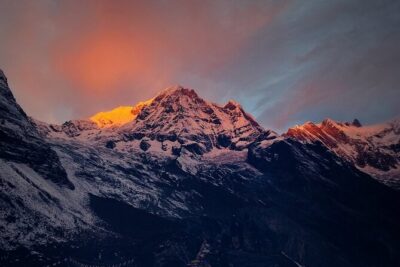
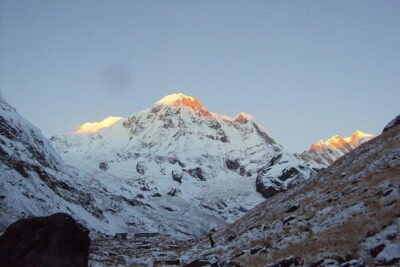
- Poon Hill adds a fine finale: An early climb brings you to a famous sunrise viewpoint above the hills, with changing colors over the Annapurna range.
- Manang provides needed acclimatization: Day 7 is not wasted time. It gives your body a chance to adjust before the trail climbs higher.
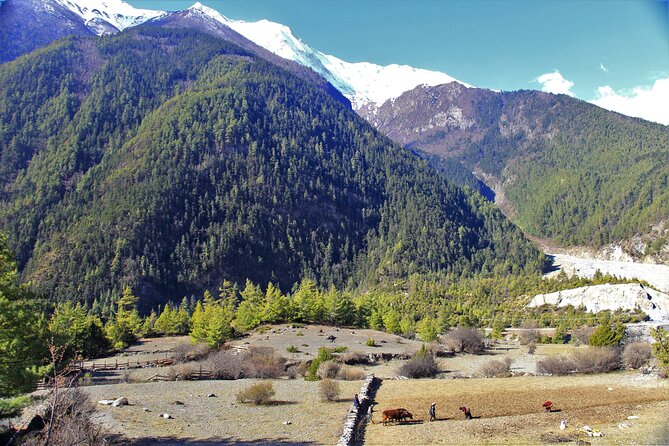
- The route changes dramatically: You move from waterfalls, forests, and farmland to dry slopes, snow peaks, and high mountain settlements.
- The package includes the essentials: Permits, official documents, a licensed English-speaking guide, lodging, breakfast in selected hotels, and round-trip transfers are included.
- The price has limits: Meals and drinks are extra, and the stated accommodation is mainly 2-star hotels and simple trekking guesthouses.
What this Annapurna route actually offers
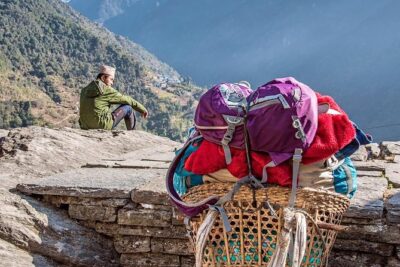
This is a full mountain circuit with a Poon Hill extension, not a relaxed sightseeing holiday. You spend much of the trip walking, but several sections also use a bus or jeep because roads now reach parts of the Annapurna region.
The route starts in Kathmandu, travels overland to Besisahar and Syange, climbs through Dharapani, Chame, Pisang, and Manang, then crosses Thorung La to Muktinath. After that comes a long transport section toward Tatopani, followed by the uphill walk to Ghorepani and the final sunrise at Poon Hill.
That combination is the appeal. You see several faces of Nepal in one trip: subtropical river country, Tibetan-style villages, dry high-altitude valleys, pilgrimage sites, and the forested hills around Ghorepani. You also get the cost and time savings of a prepared package, rather than arranging every permit, vehicle, and lodge yourself.
The word private matters here. Only your own group takes part, so the pace and daily rhythm are not tied to a large mixed party. Still, the itinerary is fixed enough that you should ask the operator about the exact group size, guide assignment, luggage arrangements, and current road conditions before paying.
More Annapurna Treks in Kathmandu
- Annapurna Circuit Trek with Tilicho Lake
★ 5.0 · 368 reviews - Annapurna base camp trek 5 Days
★ 5.0 · 252 reviews - 14-Day Private Annapurna Base Camp Trek
★ 5.0 · 180 reviews
Days 1 and 2: Kathmandu to Syange by road
The first day is mainly about arrival and preparation. A representative meets you at Tribhuvan International Airport, takes you by private vehicle to the hotel in Kathmandu, and gives you a briefing. Accommodation is listed in the Thamel area, with two Kathmandu nights included across the trip.
The next day begins with a long road journey. The drive to Besisahar covers about 190 kilometers and takes roughly six and a half hours, then a jeep continues to Syange at about 3,609 feet. This is not a scenic train ride or a quick transfer. Roads can make the day tiring before your boots have done much work.
Syange gives you the first taste of the route, with mountain surroundings and the sound of rushing water. Since the day is mostly transport, pack snacks and keep important items close to you. Food and drinks are not included, so you will buy those along the way.
Days 3 and 4: Dharapani, Chame, and changing mountain country
From Syange, the road follows a gorge with views down to vegetation and waterfalls. Snow-covered peaks begin to appear, though the early sections still feel relatively green. The drive to Dharapani takes about six hours and gives you a sense of how quickly the scenery changes with elevation.
Day 4 continues toward Chame. The route passes Bagarchhap, a village with Tibetan-style architecture, and moves through cooler forest. The change is gradual but clear: thicker mountain air, fewer broadleaf plants, and more dramatic slopes around the road.
These days are useful for getting your body ready, but the road travel has a drawback. The stated plan uses roads above the gorge, and some people may find the long vehicle sections less satisfying than walking. If your priority is uninterrupted trail time, ask how much of each transfer is normally done by jeep and how much by bus.
Days 5 and 6: Pisang to Manang and the best early views
The route follows the northern side of the Marsyangdi River toward Bratang. Pine forests and small villages line an undulating trail, followed by a bridge crossing and a steep climb. Pisang is a key stop because the mountain views become more pronounced and the air feels noticeably thinner.
From Pisang to Manang, the scenery improves again. Snow-covered peaks appear often, and after about 30 minutes on the trail, the route reaches a hill with broad views back across the valley. This is one of the days when the walking itself becomes more rewarding than the vehicle transfers earlier in the trip.
Manang is also an important practical stop. At this height, you are no longer simply gaining altitude in the background. You need to slow down, drink regularly, and pay attention to how you feel. The itinerary gives you the next day for adjustment, which is one of its strongest features.
More Poon Hill Treks in Kathmandu
- 4 Days Poon Hill Trek
★ 5.0 · 94 reviews - Ghorepani(Poonhill Trek)
★ 5.0 · 81 reviews - 4-day Poon Hill Trek
★ 5.0 · 74 reviews - Ghorepani Poon Hill Trek
★ 5.0 · 61 reviews
Day 7: A useful acclimatization day in Manang
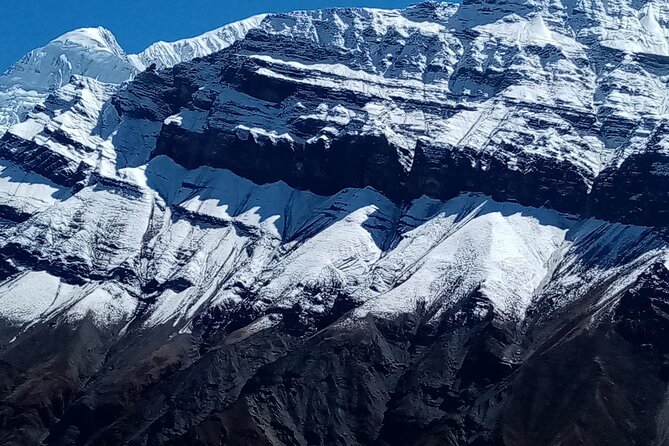
The plan keeps you in Manang for a second night. That is good mountain planning. You are advised to stay active with a short walk rather than spend the entire day lying in bed, but the exact outing is not specified.
This pause breaks up the steady climb and gives you time to prepare for the harsher upper section. You can use it to check clothing, organize your day bag, and ask your guide about the pass crossing. The trip includes a normal first-aid kit, but you should still bring any personal medication you need.
The guide is an important part of this stretch. English-speaking guides named Krishna, Biru, and Amrit have been associated with highly praised trips under this experience, with particular appreciation for careful support, clear explanations, and honest arrangements. Your assigned guide may differ, so confirm the name and experience level before departure.
Days 8 and 9: Yak Kharka and Thorung Phedi
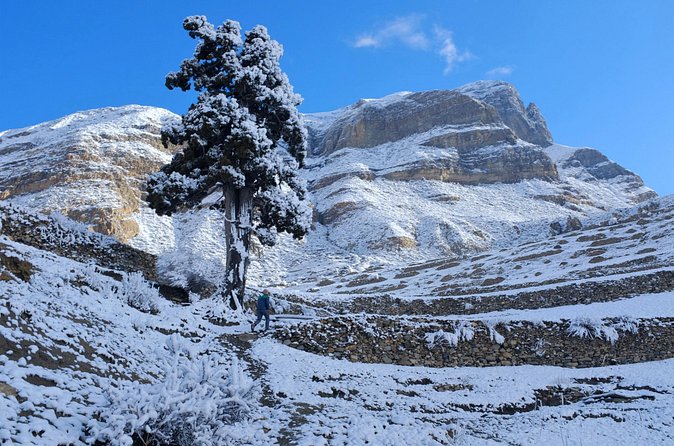
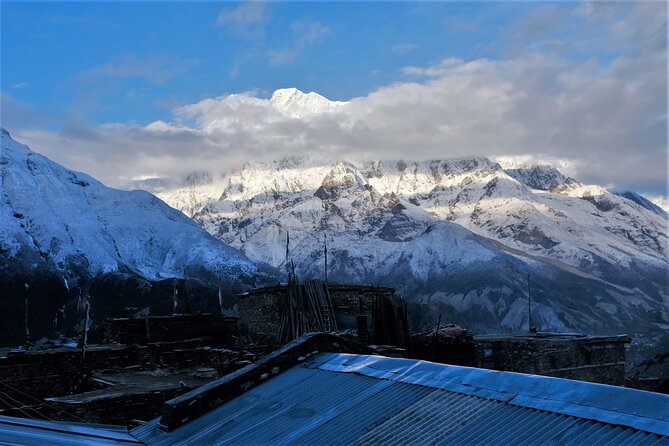
Leaving Manang, the trail climbs for about an hour with views of Annapurna II, Gangapurna, and the Chuli peaks. The setting turns arid, and the greener valley gives way to open slopes with fewer trees. Yak Kharka is a simple high settlement and a practical overnight stop rather than a place built around entertainment.
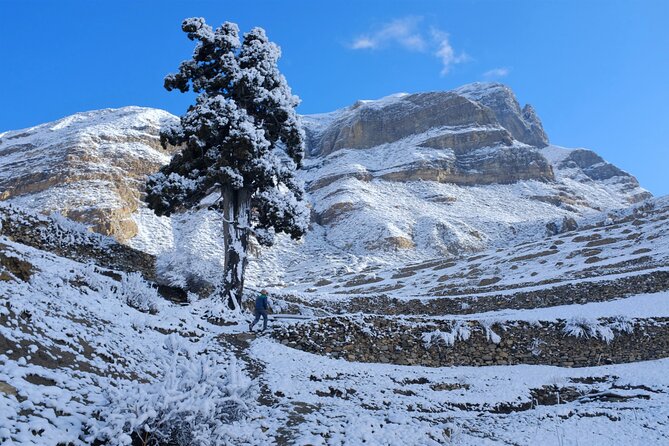
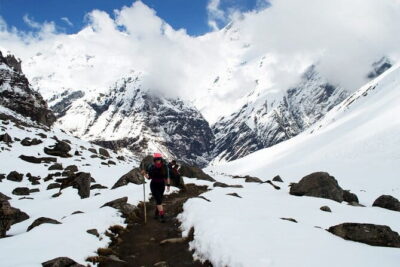
Day 9 brings a steady climb toward Thorung Phedi. At first, the route still offers views of the major peaks. Higher up, the country becomes bleaker and more exposed, with stronger winds and less shelter.
These two days can be tougher than their six-hour estimates suggest. Altitude affects everyone differently, and the trail may feel slow even when the distance looks modest. Keep your pace steady and tell the guide promptly if you feel unwell. The itinerary does not promise medical evacuation or special altitude treatment, so your own preparation and the guide’s judgment matter greatly.
Day 10: Thorung La and the descent to Muktinath
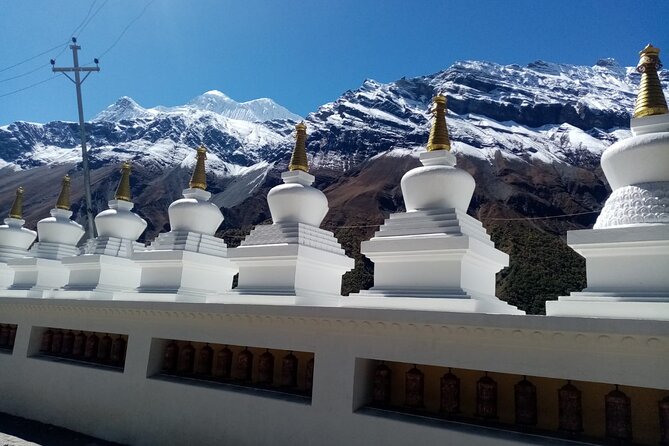
This is the biggest day of the trip. The start is around 3:30 a.m., chosen so you can reach Thorung La before stronger winds arrive later in the day. Expect darkness, cold, exposed ground, and a slow climb.
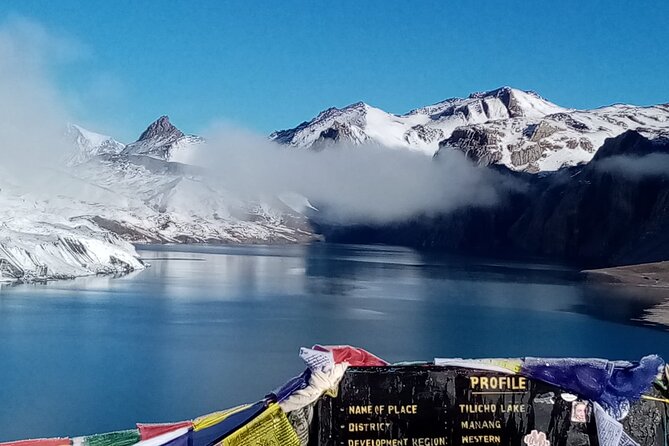
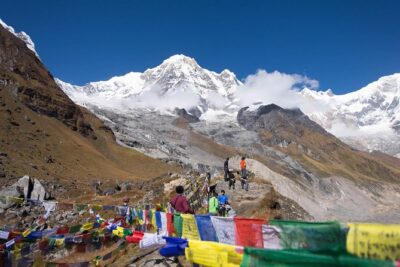
The pass crossing is the physical high point of the route. The views toward the Annapurna range make the effort worthwhile, but this is not a casual photo stop. Blustery conditions and altitude can make the crossing uncomfortable, so warm layers, gloves, a hat, and a headlamp are sensible items to discuss with the operator before leaving.
After the pass, you descend toward Muktinath. That downhill section may feel welcome, but it can also test tired legs after the early start. Muktinath adds cultural interest to the day as a significant mountain settlement and pilgrimage site. The schedule allows about nine hours, making this the longest stated day on the trek.
Days 11 and 12: Muktinath, Tatopani, and the climb to Ghorepani
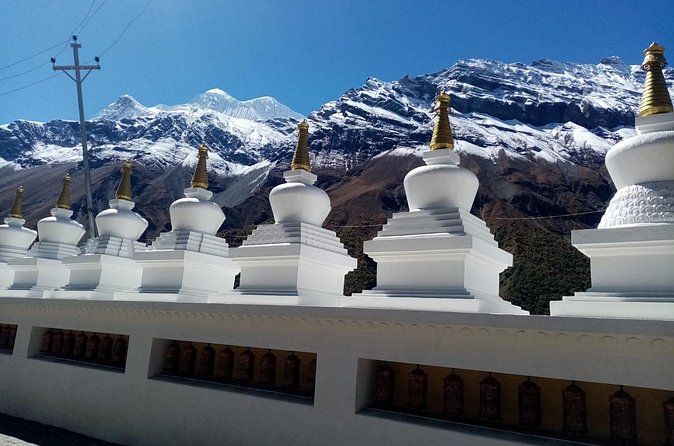
Day 11 changes the rhythm again. A bus ride from the Muktinath area toward Tatopani takes around five to six hours, with an Annapurna Conservation Area Project checkpoint at Jomsom. The route continues by bus, so this is another day where road conditions and traffic can affect the experience.
Tatopani means hot water, but the supplied plan does not promise access to bathing facilities or a specific hot spring experience. Treat it as an overnight point and a transition between the high, dry side of the circuit and the greener hills ahead.
The next day returns to walking. You descend first to a suspension bridge, then climb steadily toward Ghorepani through small villages and terraced farmland. At about seven hours, this is a full day, and the repeated uphill sections may surprise you after the pass. The reward is a more wooded setting and a clear build-up to Poon Hill.
Day 13: Poon Hill sunrise and Pokhara Lakeside
The Poon Hill morning begins early. You walk uphill before dawn to reach the viewpoint as the sun rises, watching the colors change across the surrounding peaks. This is the trip’s most carefully timed scenic moment, and it is easy to understand why it receives such strong praise.
You then return toward Ghorepani and continue on the route toward Pokhara Lakeside. The day is listed at about eight hours, so do not picture sunrise as the entire activity. It combines a pre-dawn climb, trail walking, and onward travel.
Pokhara adds a welcome city break after the long mountain section. One night of 2-star hotel accommodation with breakfast is included. The package does not list meals beyond the included breakfasts, so budget separately for lunch, dinner, drinks, and any extra time you spend in Pokhara.
Days 14 and 15: The long return to Kathmandu
Day 14 is another road day, with a return drive to Kathmandu taking about six to seven hours and including rest stops. It is a useful buffer before your flight, though a long highway journey can still be tiring after two weeks of mountain travel.
The plan places you back in the Thamel area. You may consider extending your Nepal stay, but the listed experience itself focuses on returning you to Kathmandu rather than adding another activity.
On Day 15, airport transfer is scheduled about three hours before departure. That final service is included, along with hotel pickup and drop-off for the round trip. Confirm your flight time and pickup details clearly, since the supplied meeting information lists a 9:45 p.m. start time at SPOT ON 376 Hotel Hazel, which does not neatly match the usual first-day airport arrival schedule.
What the $790 price covers
At $790, the value is strongest for someone who wants a guided trek without arranging permits and transport alone. The package includes:
- Hotel pickup and drop-off
- Two nights in Kathmandu and one night in Pokhara, with breakfast
- A government-licensed English-speaking trekking guide
- Trekking permits and official documents
- Guesthouse lodging during the trek
- Shared bus or jeep transfers
- Guide food, accommodation, and related expenses
- A normal first-aid kit
- A private trip for your group
You still pay for food and drinks, and gratuities are optional. The accommodation is practical rather than luxurious. Expect simple trekking guesthouses during the route and 2-star hotels in Kathmandu and Pokhara.
The private format and included paperwork add real value. You are paying for coordination as much as for the walking itself. Still, compare the transport setup carefully, because shared buses or jeeps can mean less control over departure times and more time on the road.
Who should book this trek?
I would recommend it to a fit walker who wants a broad sample of the Annapurna region in a fixed 15-day schedule. It suits you especially well if you want the major pass, a genuine acclimatization day, village stays, and the Poon Hill sunrise in one trip.
You should think twice if you dislike early mornings, long drives, simple lodging, or exposure to cold and wind. The itinerary requires strong physical fitness, and the Thorung La day is serious even for an experienced hiker.
Ask the operator a few direct questions before booking: Who is the guide? What is the expected group size? How is luggage handled? Which sections normally use bus or jeep? What food stops are available? Those answers will tell you more about the day-to-day comfort than the headline price.
The cancellation rule is fairly clear: cancel at least three full days before the local start time for a full refund. Within that window, payment is not refunded, and changes are not accepted.
Should you book the 15-day Annapurna and Poon Hill route?
Book it if you want a well-priced, guided circuit with a real high-pass crossing and a strong scenic finish. The best parts are the changing scenery, the Manang acclimatization day, the dramatic Thorung La morning, and Poon Hill at sunrise.
Skip it if you want a slow custom itinerary, upscale hotels, or meals included. For a fit and prepared hiker, though, $790 buys a lot: permits, local guidance, transport, mountain lodging, and two of Nepal’s most memorable viewpoints.
FAQ
How long is the Annapurna and Poon Hill experience?
The experience lasts approximately 15 days, including arrival, trekking, transport days, the return to Kathmandu, and airport transfer.
Where does the trip start?
The listed meeting point is SPOT ON 376 Hotel Hazel, Jadibutti, Kathmandu. The broader trip begins with airport pickup in Kathmandu, although the supplied start time is listed as 9:45 p.m., so you should confirm the exact pickup arrangement.
Is a guide included?
Yes. The package includes a government-licensed English-speaking trekking guide, along with the guide’s food, accommodation, and other listed expenses.
Are permits included?
Yes. Trekking permits and official documents are included in the price.
Are meals included?
Breakfast is included at the listed Kathmandu and Pokhara hotels. Food and drinks during the trip are not included and can be purchased separately.
How far in advance can I cancel for a full refund?
You must cancel at least three full days before the experience start time, based on local time. Cancellations within three full days are not refunded.
Recently added around Kathmandu
- Ghorepani Poon Hill Trek★ 5.0 · 16 reviews
- Private Manaslu Circuit Trek at Himalayas★ 5.0 · 3 reviews
- Amazing 1 Day Trekking Experience in Kathmandu Nepal★ 5.0 · 24 reviews
- Ghorepani Poonhill Trek★ 5.0 · 5 reviews
- Upper Mustang Trekking★ 5.0 · 2 reviews
- Upper Mustang Trekking★ 3.0 · 2 reviews
- Upper Mustang Trekking★ 5.0 · 4 reviews
- Upper Mustang Trek★ 5.0 · 5 reviews
Annapurna Base Camp Treks, compared.

Trekking in Annapurna/Langtang/Everest/Upper Mustang regions
Read our review →
Kathmandu to Annapurna Base Camp (ABC) 5-Day Trek
Read our review →Browse the lists this tour appears in