
REVIEW · SAPA
Sa Pa: 2-Day Trekking Trip with Ethnic Minority Homestay
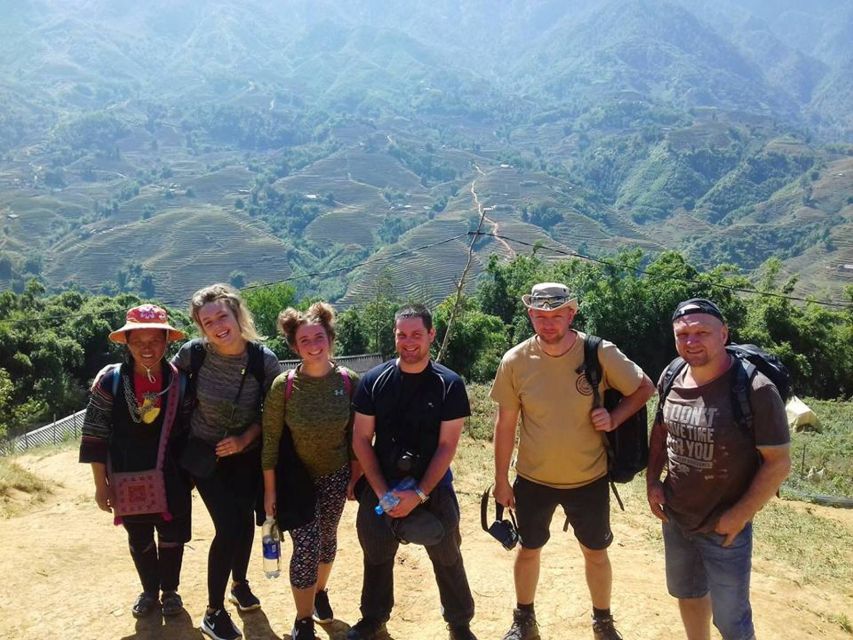
Rice terraces reward tired legs. This two-day trek from Sa Pa follows village paths through the Muong Hoa Valley, with a night at a Dzay homestay. I especially like the close look at Black H’mong and Dzay culture, plus the chance to see mountain scenery far beyond Sa Pa town. The $55 price also covers meals, a guide, accommodation, entrance fees, water, and transport back to Sa Pa. The main drawback is that wet weather can turn the first day into a slippery, muddy test.
I like the small groups of up to 14 people, since guides can adjust the pace and route more easily. I also like the food and human side of the trip: home-cooked dinner, a shared evening at the homestay, and guides such as Lan, Khu, and Nhu who are repeatedly praised for clear English and warm help. You should, however, expect a real trek rather than a gentle village stroll.
The route covers about 11 kilometers on the first day and 8 kilometers on the second. Healthy walkers should find it manageable in good conditions, but this is not suitable for children under six, pregnant women, or people with mobility or back problems.
Key Points Before You Book
- Two days, two very different walks: Day one crosses rice terraces and minority villages before ending at a Dzay homestay. Day two follows dirt trails, a bamboo forest, waterfall, and river.
- Guides make a major difference: Lan, Khu, Khu L, Nhu, Coo, Lang, and Son receive strong praise for kindness, English skills, cultural explanations, and practical help on steep ground.
- Expect mud after rain: Local women may help you across slippery sections, but some visitors found the later sales pressure uncomfortable.
- The homestay is simple but welcoming: Meals and warm blankets are praised, and some rooms have internet and power outlets. One report noted bedbugs, so bring sensible personal precautions.
- The $55 package is strong value: Two lunches, dinner, breakfast, accommodation, tickets, water, guide, and return transport are included.
- Keep your next departure flexible: One group waited about 40 minutes for another party during the return transfer and nearly missed a bus to Hanoi.
Why Muong Hoa Valley Makes This Trek Worthwhile
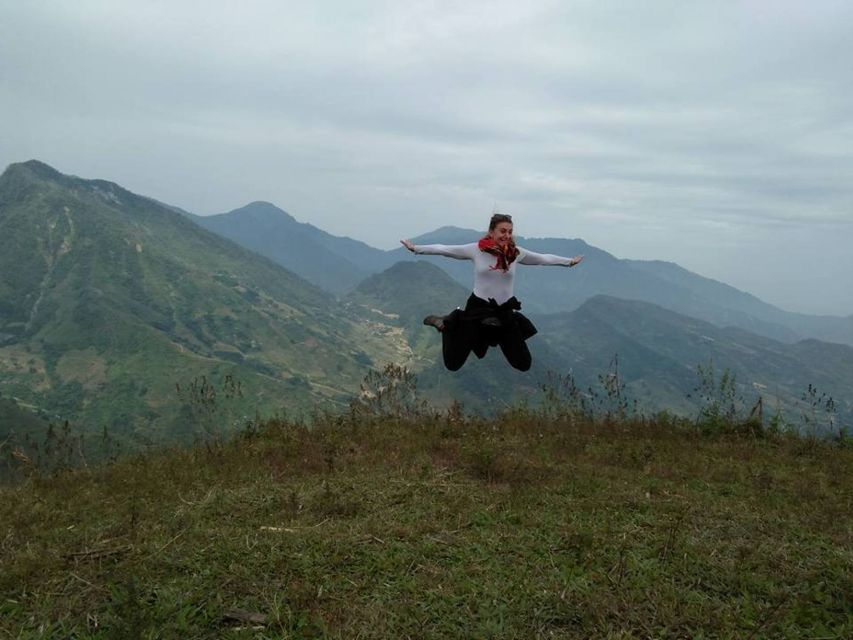
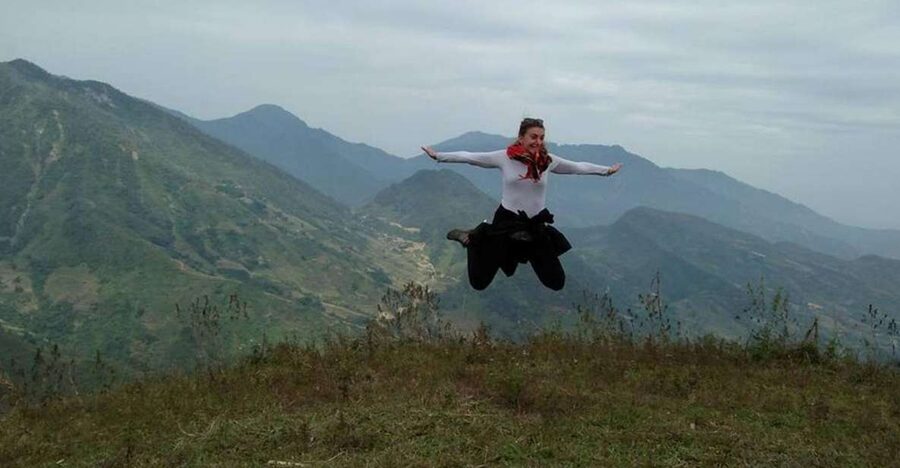
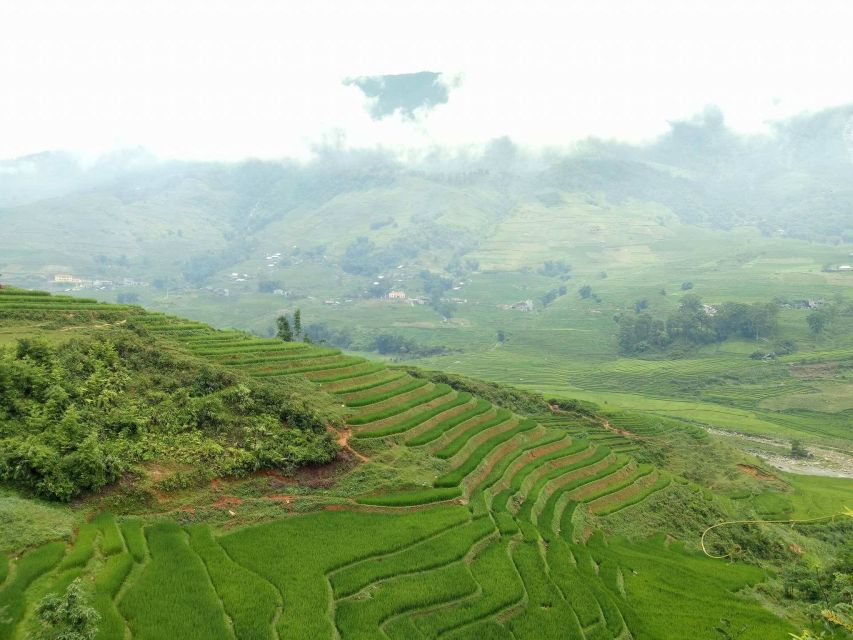
Sa Pa is famous for its mountains and terraces, but the best views are not beside the town’s busy streets. This route drops into the Muong Hoa Valley, where village paths cut between rice fields and steep hillsides. On a clear day, you may see Fansipan, Vietnam’s highest mountain, rising beyond the paddies.
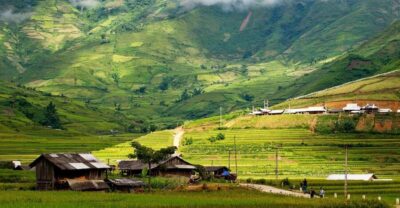
The views are the obvious prize, but the walking also gives the trip its purpose. You pass through places where people still live in wooden homes and work the surrounding fields. A guide can explain differences between the local ethnic groups, their customs, clothing, homes, and daily routines. That context turns a pretty walk into something more meaningful.
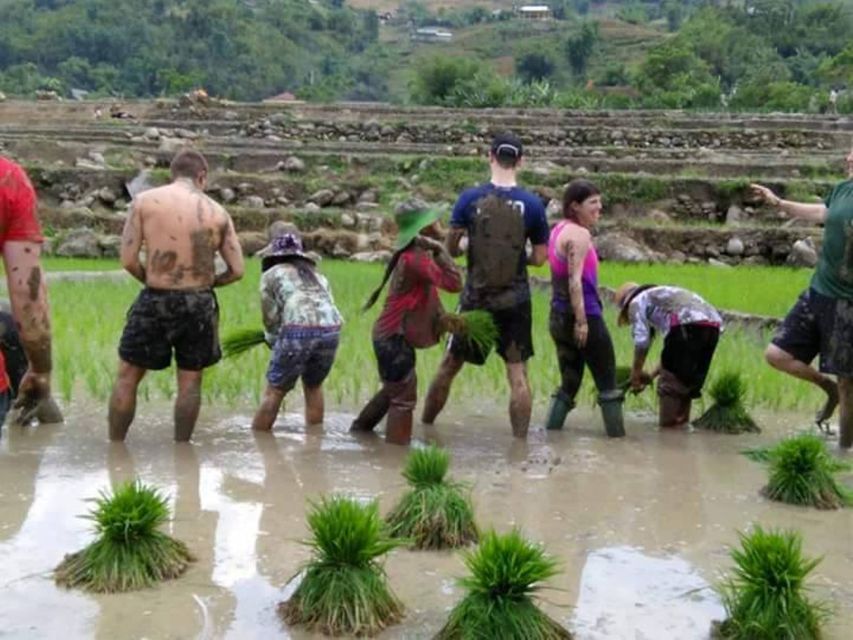
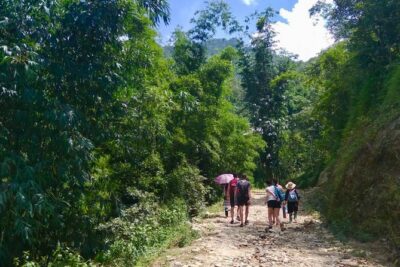
Conditions matter a lot. Clear weather brings wider mountain views, while mist can make the valley feel quiet and atmospheric. Rain is the real complication. The trail becomes slick, especially on the descent into the valley, and comfortable shoes with good grip are far more useful than fashionable trainers.
You may also find local women walking alongside the group on the first day. They can offer a steady hand on muddy slopes, which some people appreciated. At the end, though, they hope you will buy handmade goods. Be polite but firm if you do not want to purchase anything.
More Homestay Treks in Sapa
- Number one top rated ethical cultural trekking and homestay by ETHOS
★ 5.0 · 456 reviews - Sapa : 2-Day Trek & Heartwarming Homestay with an Ethnic Family
★ 5.0 · 143 reviews - Sapa Valley Trek and Homestay – 3D2N
★ 5.0 · 105 reviews
Day One: Y Linh Ho and Lao Chai on the 11-Kilometer Route
The first day begins with pickup in central Sa Pa and a trek of roughly 11 kilometers. The exact starting time depends on availability, so check it before booking and avoid planning a tight connection later that day.
The first important village is Y Linh Ho, associated with the Black H’mong people. Here you can learn about local life and look inside a typical wooden house. The visit is not simply a photo stop. Your guide can help explain how the home is arranged and how the community lives in the mountain setting.
This section also brings some of the best views of Fansipan and the rice paddies. The terraces change character with the season, and weather can decide how much you see. Bring sunglasses and sunscreen for clear days, but pack warm layers too, especially between October and March.
From Y Linh Ho, the route continues toward Lao Chai and then Ta Van. The walking alternates between village paths, cultivated slopes, and rougher dirt trails. It is not described as an extreme trek, but the distance and uneven ground will feel substantial if you rarely walk in the countryside.
A good guide is especially useful here. Lan has been praised for explaining H’mong culture in clear English and for keeping the group comfortable. Khu and Khu L are also praised for answering questions, adjusting to the group, and helping people across difficult parts of the route. That personal attention is one of the strongest reasons to choose a guided trek instead of trying to find these paths alone.
The route’s biggest weakness is the combination of rain and descending trails. One person nearly skipped the walk after seeing the morning rain, then found the muddy conditions part of the adventure. That should not be taken as a promise that bad weather will always be safe. If the trail is very wet, ask the guide about conditions and pace, and do not treat the local helpers as a substitute for proper shoes.
By late afternoon, you reach Ta Van village and check into a Dzay homestay. This is the point where the trip changes from a hike into a cultural stay.
Evening at a Dzay Homestay in Ta Van
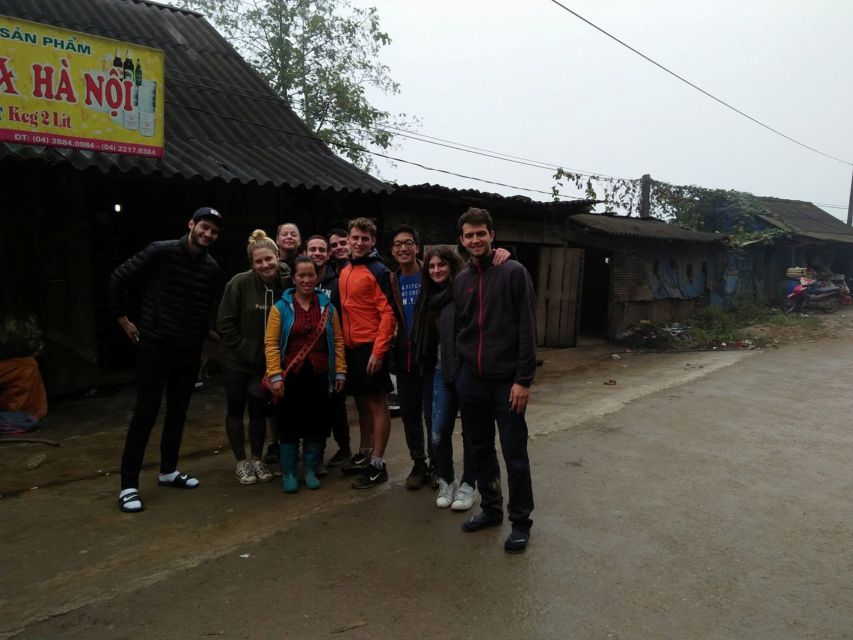
The overnight stay is simple, social, and central to the experience. You sleep in a Dzay village rather than returning to a hotel in Sa Pa, which gives you a closer look at local hospitality and daily life.
The accommodation has been described as comfortable enough, clean, and welcoming. Warm blankets are especially useful in cooler months. Some rooms have internet and power outlets, but you should not assume that every facility will match a town hotel. A homestay is part of the experience, so expect practical comfort rather than polished luxury.
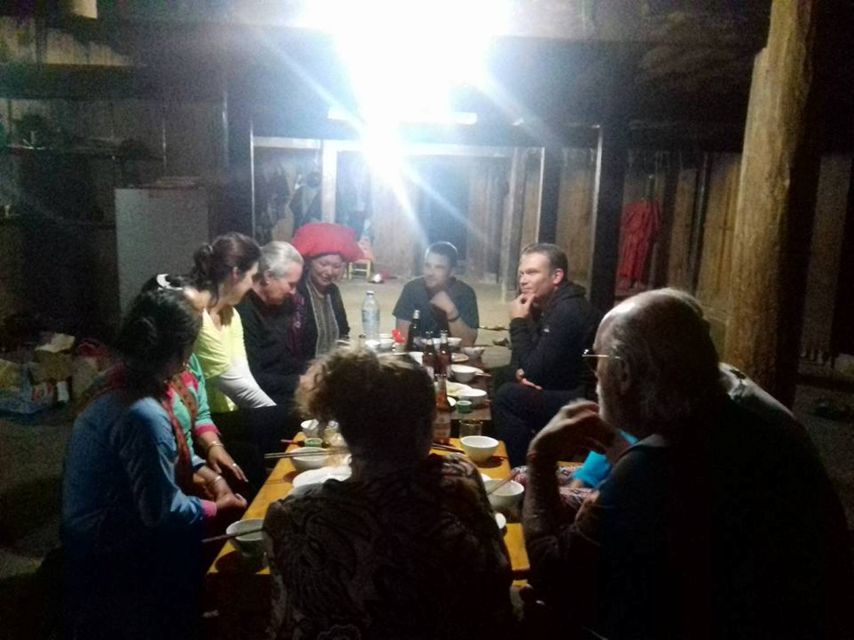
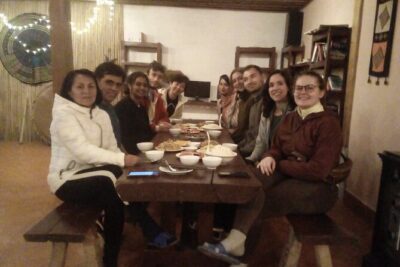
Dinner is included and has earned some of the warmest praise. The meal is home-cooked, and groups eat together at the house. You may also be offered locally made happy water, the Vietnamese term often used for shared rice liquor. Try it carefully, and remember that drinks beyond the included meals are not covered.
The evening may be quiet once dinner is over. That is not necessarily a flaw. After 11 kilometers of walking, you may be happy to talk with the group, enjoy the setting, and sleep early. If you need nightlife or a long list of activities after dark, Ta Van will feel too calm.
One report raised a concern about bedbugs in some beds. It appears to be an isolated complaint among otherwise positive comments, but it is still worth noting. Bring a sleeping liner if you have one, keep luggage closed, and inspect the bed without making the issue larger than it is. These are sensible homestay habits anywhere.
Day Two: Bamboo Forest, Waterfall, and the Muong Hoa River
After breakfast at the homestay, the second day covers about 8 kilometers on a dirt trail. Most people find this day less demanding than the first, though the surface can still be uneven and slippery after rain.
The route passes a small H’mong settlement before reaching a bamboo forest. This is a quieter section of the walk, with a different feel from the open rice terraces. The forest and village paths give you more time to notice small details rather than constantly searching for the next big viewpoint.
A waterfall provides a break along the way. If conditions are suitable, you can cool off with a swim in the Muong Hoa River. Swimming is optional, of course, and you should follow the guide’s advice about the water and footing. Bring a small towel or quick-drying clothing if you want to take part, though a swim is not listed as a separate included service.
Lunch comes at a local restaurant before the return drive to Sa Pa. The package includes both lunches, the hosted dinner, and breakfast, so you do not need to arrange food along the route. Drinks are not included, so carry enough cash for anything beyond the provided meals and mineral water.
The second day often feels like the reward for the harder first descent. You continue through village country without packing in too many major stops, which leaves room to walk at a reasonable pace and enjoy the scenery.
More Homestay Treks in Vietnam
- From Sapa: 2 Days 1 Night Trek Over Night At Homestay
★ 5.0 · 68 reviews - 2 days authentic trekking tour in Sapa ( Homestay – Less touristy )
★ 5.0 · 68 reviews - 3-Day Trek in Amazing Muong Hoa Valley & ethnic Homestay
★ 5.0 · 49 reviews - Muong Hoa Valley Trek & Homestay Experience – 4D3N
★ 5.0 · 42 reviews
Guides, Group Size, and the Human Side of the Walk
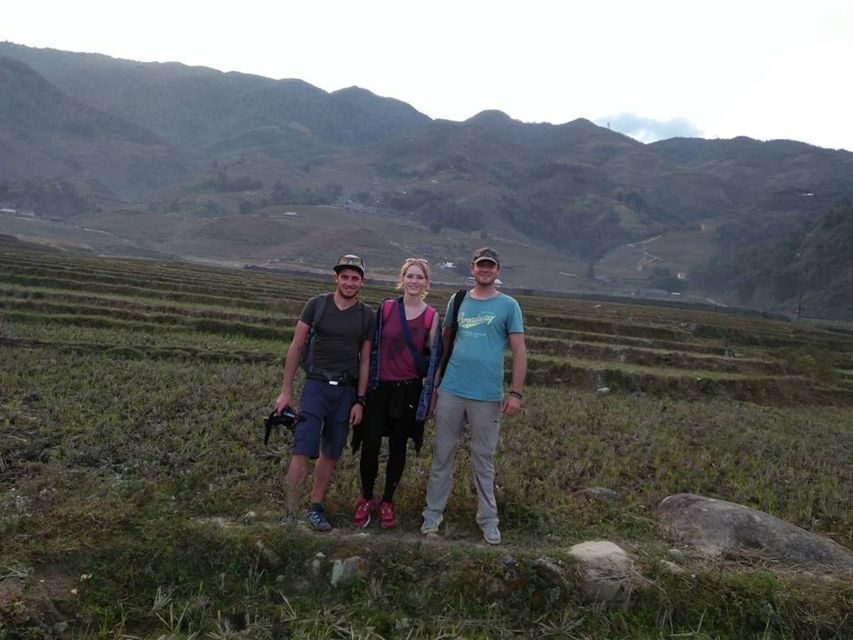
This experience depends heavily on the individual guide. The strongest guide names attached to the trip include Lan, Khu, Khu L, Khu, Nhu, Coo, Lang, Son, and Dung. Several people praised Lan’s humor, patience, English, and ability to explain local customs. Khu was praised for helping people, answering questions, and sharing local culture. Nhu and Coo also received warm comments for friendliness and good route support.
A small group capped at 14 people is a practical advantage. Groups may be smaller, sometimes around five people, which makes it easier to meet fellow walkers and ask questions. A guide can also offer shorter or longer options and check how the group is coping, something one guide did throughout the trek.
The experience is not perfect for every group. One person felt a guide spent too much time on a mobile phone and did not engage enough. That appears to be an exception, but it is a useful reminder that guide quality can vary from day to day.
The local helpers are another mixed part of the trip. Their support on muddy paths can be genuinely useful, particularly on the first day. At the same time, the expectation that you buy something can feel uncomfortable. Decide in advance if you want to shop, and do not feel obliged to purchase simply because someone helped you.
What the $55 Price Really Covers
At $55 per person, this is a good-value package if you want an overnight village experience rather than a basic day hike. You get an English-speaking guide, entrance tickets, two local restaurant lunches, a hosted dinner, breakfast, a Dzay homestay, mineral water, and return bus transport.
The value is strongest because accommodation and food are included. Booking these parts separately would take time, and you would still need to arrange the village route and return transport. The price also buys local interpretation, which is hard to get from a map or independent walk.
There are extra costs to remember. Drinks are not included, and there is a $30 surcharge per person during Lunar New Year from January 26 to February 2, 2025. Confirm the current dates and charge when booking, since holiday pricing can change.
Free cancellation is available up to 24 hours before departure, and you can reserve now while paying later. Pickup is included from hotels in Sa Pa town center. If you stay outside that area, confirm the meeting arrangement before you rely on included pickup.
Who Should Choose This Sa Pa Trek?
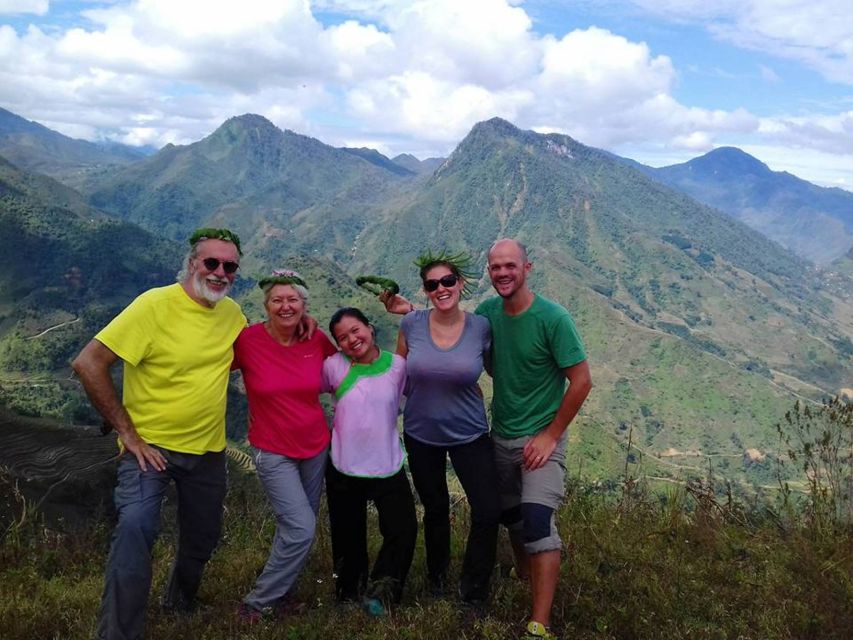
You are a good match if you enjoy walking, mountain scenery, local meals, and simple accommodation. The route suits a healthy person who can manage 19 kilometers across two days and cope with dirt trails, slopes, and changing weather.
It also works well for people who want more than a viewpoint and a quick photograph. The H’mong and Dzay village visits, wooden home, shared dinner, and explanations from local guides give the trip a cultural focus.
You should think twice if you have mobility limitations, back problems, are pregnant, or are traveling with a child under six. The activity is also a poor fit if you need hotel-standard rooms, predictable dry footing, or a tightly timed transfer to a Hanoi bus or train.
Pack trekking shoes, warm clothing, sunglasses, sunscreen, insect repellent, and a little patience. Respect local customs, ask before photographing people or homes, and keep your expectations practical. This is village life and mountain walking, not a staged resort activity.
Should You Book This Two-Day Homestay Trek?
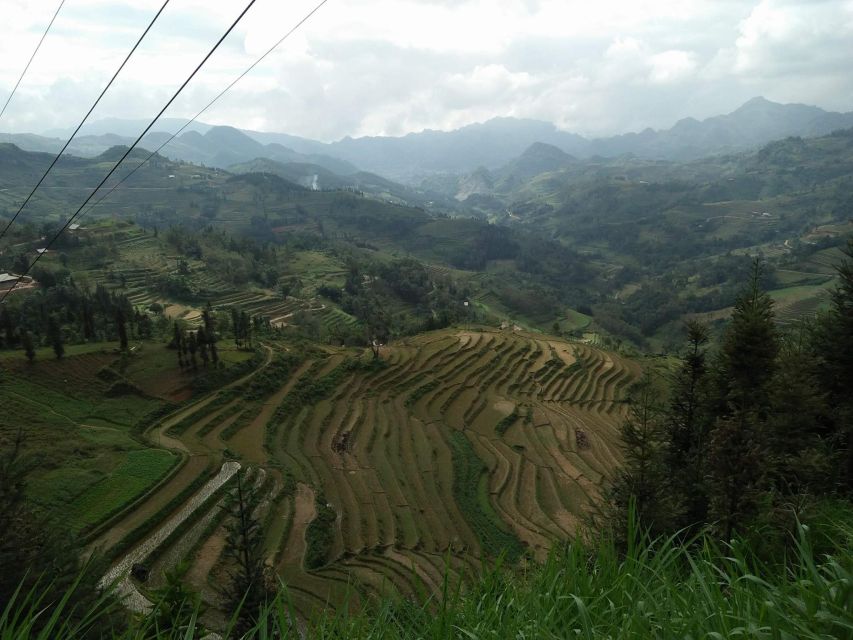
I would book it if you want the best mix of scenery, village contact, food, and value around Sa Pa. The strongest parts are the Muong Hoa Valley views, the Dzay homestay, and guides such as Lan and Khu who can make the cultural side come alive.
I would avoid booking it immediately before an important departure. The return transfer has occasionally taken longer than expected, and muddy trails can slow the group. Book with comfortable shoes, flexible timing, and a willingness to sleep simply.
For an active visitor who wants two full days outside Sa Pa, this is a well-priced and rewarding choice. Just remember that the beautiful valley comes with real paths, real mud, and real village etiquette.
FAQ
Where does the trek start?
Pickup is available from hotels in Sa Pa town center. Check the available starting time when you book.
How long is the trek?
The first day covers about 11 kilometers from Sa Pa through Y Linh Ho and Lao Chai to Ta Van. The second day covers about 8 kilometers.
Where do you sleep?
You spend the night at a Dzay ethnic minority homestay in Ta Van village.
Which meals are included?
The package includes two lunches at a local restaurant, one hosted dinner in the village, and breakfast at the homestay.
Is transport back to Sa Pa included?
Yes. Return transfer by bus is included after the second day.
Is an English-speaking guide included?
Yes. The experience includes a live English-speaking guide.
Is the trek suitable after rain?
Rain can make the trails muddy and slippery. Wear trekking shoes with good grip and be prepared for a slower walk.
What should you bring?
Bring comfortable trekking shoes, warm clothing, sunglasses, sunscreen, and insect repellent. A small towel may be useful if you choose to swim in the Muong Hoa River.
Is the trek suitable for children?
It is not suitable for children under six years old. The activity is also not suitable for pregnant women or people with mobility impairments or back problems.
What is not included in the price?
Drinks are not included. There is also a $30 per person Lunar New Year surcharge from January 26 to February 2, 2025, payable at the meeting point.
More Two-Day Treks in Sa Pa
- EXPLORE SAPA: 2D1N TREKKING & HMONG CULTURE WITH DINH
★ 4.9 · 191 reviews - SAPA: 2-DAY 1-NIGHT TREKKING & CULTURE WITH HMONG GUIDE LINH
★ 4.9 · 126 reviews - 2 Days Fansipan Trekking
★ 5.0 · 84 reviews - 2D1N Buffalo trek by Hmong Sister House and Trekking
★ 5.0 · 81 reviews
More Homestay Treks in Sa Pa
- Private Hoang Lien National Park & Tribal Village Trek
★ 4.7 · 30 reviews - Sapa: 2-Day Local Guided Valley Trek with Night Homestay
★ 5.0 · 27 reviews - Sapa: Ta Phin Village Trek & Red Dao Herbal Bath
★ 5.0 · 22 reviews - From Sapa: Muong Hoa Valley View & Village Trek 1-Day
★ 5.0 · 21 reviews
Recently added around Sa Pa
- Soob Sapa Trekking Tour★ 4.3 · 3 reviews
- Sapa Trekking – Waterfalls And H’mong Villages★ 5.0 · 2 reviews
- Sapa Trekking Private Tour With Ethnic Female Tour Guide★ 4.9 · 24 reviews
- Sapa: Trekking Through Terraced Rice Fields & Valley 1 Day★ 4.8 · 4 reviews
- Sapa: Y Linh Ho – Lao Chai, and Ta Van Trekking Day Tour★ 5.0 · 25 reviews
- Sapa Trekking Guide Francophone 2 days – 1 night★ 5.0 · 2 reviews
- Sapa: Ta Phin Village Trek with Lunch and Bathing Experience★ 4.7 · 13 reviews
- Sapa small groupe activities: 1 Day trek – Meet the locals★ 4.7 · 3 reviews
Homestay & Village Treks, compared.
Number one top rated ethical cultural trekking and homestay by ETHOS
Read our review →
2-Day Sa Pa Ethnic Homestay Tour & Trek with Limousine Bus
Read our review →
Sapa 3 Day 2 Night Trekking With Hotel & Homestay
Read our review →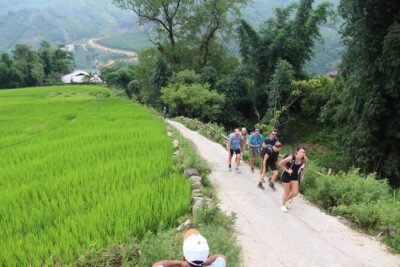
Sapa 2 Days 1 Night Overnight At Local Homestay
Read our review →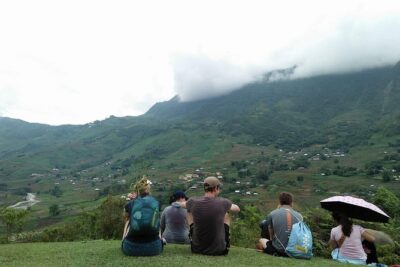
2-Day Trek & Heartwarming Homestay with an Ethnic Family
Read our review →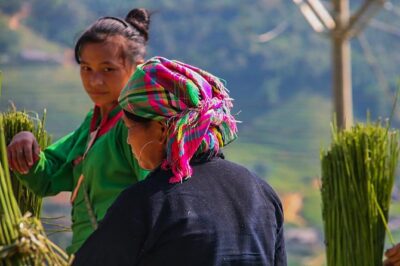
Browse the lists this tour appears in