
REVIEW · SAPA
2 Days Fansipan Trekking
Fansipan rewards steady legs. This two-day climb from Sapa combines a demanding mountain trek, a night at base camp, and local guidance from a Black H’Mong host. I like the cultural connection with guides such as Sing and Tinh, who share details about local life as you walk. I also like the practical package: transport, meals, sleeping gear, hot showers, and a certificate are included.
The main caution is physical effort. You cover about 24 kilometers across two days, with roughly 1,200 meters of climbing on the first day and a long descent on the second. Rain, cold, thin air, and muddy paths can make this much harder than the distance suggests, so you need proper shoes, warm layers, and a solid fitness level.
Key points to know before booking
- A real two-day mountain trek: Expect 10 kilometers and about 1,200 meters of ascent on day one, followed by around 14 kilometers of trekking on day two.
- Local Black H’Mong guidance: Guides such as Sing and Tinh add cultural context and help set a steady pace.
- Sunrise is optional: You may start early from base camp, with breakfast around 4:00 or 6:00 in the morning.
- Useful comforts are included: Meals, water, transport, camping equipment, sleeping bag, mattress, entrance fee, and hot showers are part of the package.
- The return has a choice: You can walk down to Tram Ton Pass or buy a cable car ticket yourself.
- Weather matters: Warm clothing in layers and sturdy walking shoes are essential, especially in rain or cold conditions.
Why climb Fansipan on foot from Sapa?
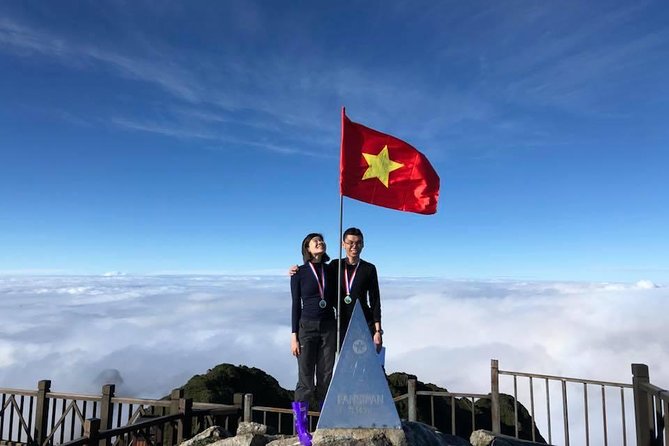
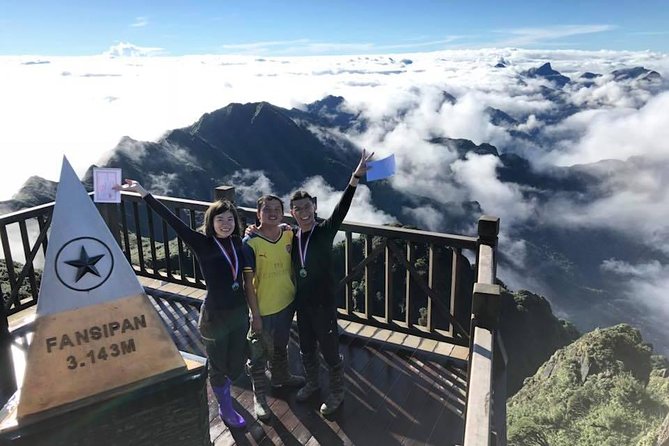
At 3,143 meters, Mount Fansipan is known as the Roof of Indochina. From the summit, you can see across northern Vietnam and toward southern China when conditions are clear. The views are the prize, but the route gives you something the cable car cannot: hours on forest paths, streams, ridges, and mountain slopes with a local guide.
I see this as a good choice for someone who wants the achievement of reaching Fansipan under their own power. It is not simply a scenic outing from Sapa. You need to walk for several hours, sleep at base camp, and manage a long descent the next day.
The tour is private, meaning only your own group participates. That matters on a demanding route. You can discuss your pace with the guide instead of being tied to a large group. The tour also suits people who want a more personal link with the region. A Black H’Mong guide can offer cultural insight that you would not get from following a marked route alone.
Still, private does not mean easy. Your guide can help with pace and encouragement, but you remain responsible for handling steep ground, changing weather, and fatigue.
More Fansipan Treks in Sapa:
- 1 day Fansipan Trekking
★ 5.0 · 180 reviews - 2-Day Fansipan Mountain Trek – Indochina’s Highest Peak
★ 4.3 · 42 reviews - From Sa Pa: Full Day Trek of Fansipan Mountain
★ 4.3 · 10 reviews
Day one: Tram Ton Pass to the mountain camp
The day begins around 8:30 or 9:00 in Sapa, depending on the arrangements made for your departure. Transport takes you to Tram Ton Pass, the trailhead for the climb. If only one person is taking the tour, transport may use a scooter, with the guide driving and you sitting behind. That detail is worth confirming in advance if you have luggage or feel uneasy on a motorbike.
From Tram Ton Pass, the first day covers about 10 kilometers and takes roughly five to six hours. The climb gains around 1,200 meters, so this is the toughest upward push of the trip. The distance may look manageable on paper, but the elevation gain tells the real story.
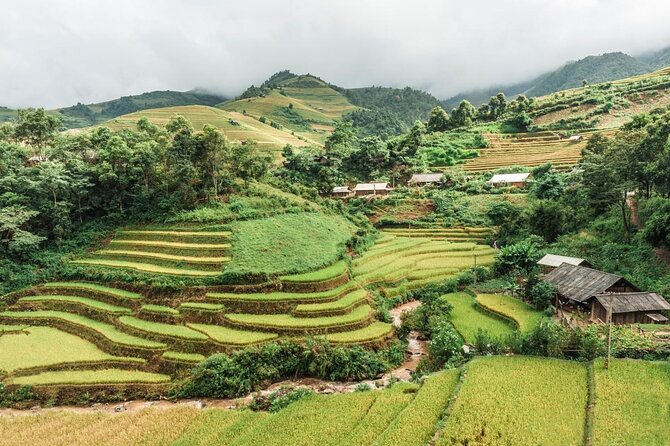
The route passes through pine and bamboo forest, with several streams along the way. These sections give the walk a changing rhythm. You are not simply grinding uphill on one exposed road. The forest offers shade and a sense of being away from Sapa, while the streams and uneven ground require careful footing.
After a picnic lunch, the route continues along a ridge toward the summit area. The ridge section is a good point to slow down and take in the mountain views, though weather can limit what you see. Fansipan is famous for its broad views, but cloud and rain are common concerns at high elevation. I would treat clear vistas as a bonus rather than a promise.
The first day ends with a night at base camp. The package includes shared accommodation, camping equipment, a sleeping bag, and a mattress. This is basic mountain lodging, not a private hotel room. The arrangement makes sense for a trek, but you should be comfortable with simple sleeping conditions and sharing space.
Dinner is included, along with 1.5 liters of water for the day. The food is one of the more praised parts of the experience. One particularly wet outing still included a memorable meal prepared by the guide team, which says something useful about the care put into the practical side of the trip. You should still carry any personal snacks you prefer, though the supplied information does not specify extra food options.
The early start and the Fansipan summit
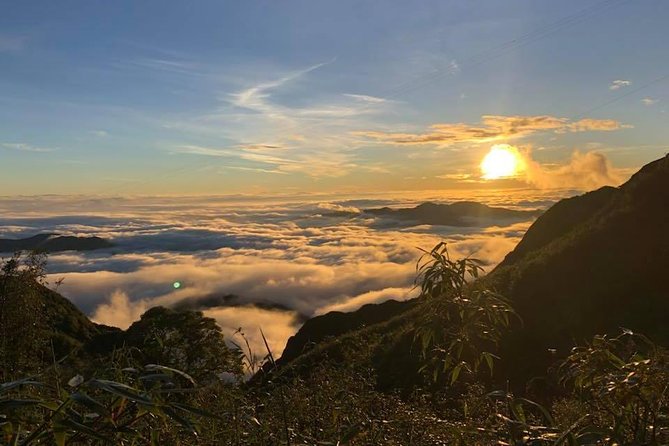
The next morning begins early, with breakfast scheduled around 4:00 or 6:00. The exact time depends on the summit plan and conditions. An early start gives you the chance to reach the summit around sunrise, one of the strongest reasons to choose the overnight trek.
Sunrise is not guaranteed. Clouds, rain, and poor visibility can hide the views, and the air can feel cold before dawn. Pack warm layers even if Sapa feels mild when you leave. A Swedish-speaking visitor gave the practical advice that you should wear layers, bring good shoes, and expect the thin air to make the climb physically demanding.
The morning trek covers around three hours according to the schedule, with the full second day taking six to seven hours. The supplied route details describe about 300 to 400 meters of additional uphill walking and roughly 1,100 to 1,200 meters of downhill. So even after reaching the high point, your work is not over.
A sunrise summit attempt adds atmosphere, but it also means waking before dawn and walking when it may still be dark or cold. If you mainly want the achievement and do not care about sunrise, ask how the morning timing will work for your group. If the summit view is your priority, accept that the weather controls the result.
The descent to Tram Ton Pass
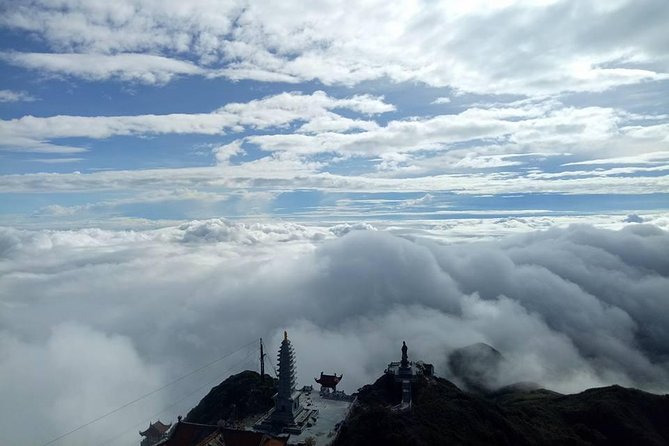
After the summit section, you return toward Tram Ton Pass. The descent can be just as taxing as the climb. Long downhill stretches place strain on knees and thighs, especially after the first day’s ascent. Trekking poles are not specifically listed as included, so ask about them or bring your own if you normally use them.
The full second day is listed at about 14 kilometers. This makes the tour a test of endurance, not only a summit walk. Good shoes matter here. The route includes forest, streams, and uneven mountain ground, and wet weather can make each step less secure.
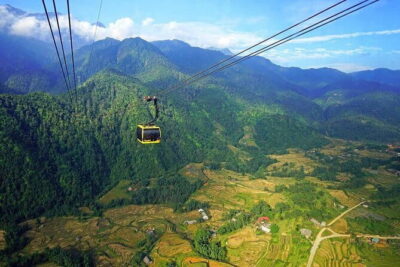
You also have the option to take the cable car yourself to a station near Sapa instead of walking the entire way down. The cable car ticket is not included, so budget for that separately. This option can be useful if your legs are spent, if the weather worsens, or if you want to save energy for later time in Sapa.
If you take the cable car, transport waits near the station to return you to town. If you walk all the way to Tram Ton Pass, the car or motorbike can also take you back to Sapa. The expected return is around 1:00 in the afternoon, although mountain timing can shift.
More Two-Day Treks in Sapa:
- EXPLORE SAPA: 2D1N TREKKING & HMONG CULTURE WITH DINH
★ 4.9 · 191 reviews - Sa Pa: 2-Day Trekking Trip with Ethnic Minority Homestay
★ 4.7 · 145 reviews - Sapa : 2-Day Trek & Heartwarming Homestay with an Ethnic Family
★ 5.0 · 143 reviews - SAPA: 2-DAY 1-NIGHT TREKKING & CULTURE WITH HMONG GUIDE LINH
★ 4.9 · 126 reviews
The guides and the human side of the trek
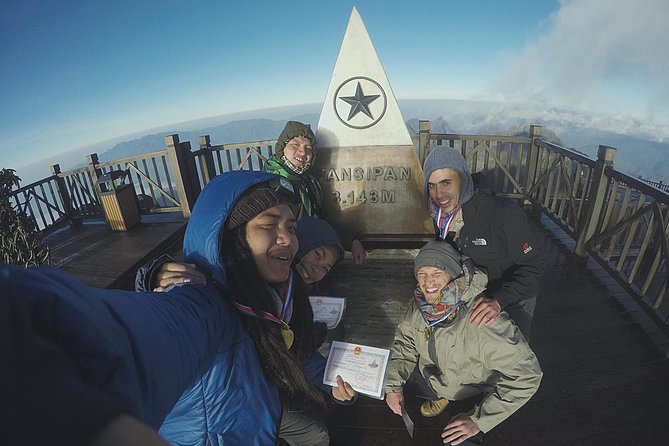
The guide is central to this experience. Sing and Tinh are two names associated with especially strong outings. Tinh was praised for arriving on time, staying patient, keeping the walk engaging, and explaining the area and his culture along the route. Sing was remembered as a capable guide during rainy conditions, supported by a porter who handled the mountain work with impressive ease.
That kind of local guidance changes the walk. You are not only counting kilometers. You have someone who can explain the places you pass and help keep the day moving when your legs begin to tire.
The pace also appears to be flexible. A small private group allows more room to stop, adjust timing, or discuss the morning plan. That is helpful for a physically demanding trek, although flexibility does not remove the need for fitness.
The guide team also receives praise for hospitality and organization. The comments about feeling safe are useful for solo women and small groups who may be unsure about a remote overnight trek. No tour can control mountain weather or trail conditions, but having a local team responsible for transport, meals, camp arrangements, and route guidance removes much of the usual stress.
Food, water, showers, and useful extras
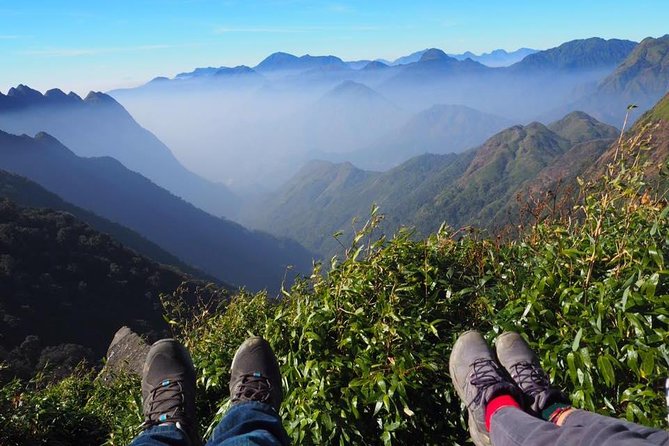
The price is $136 per person. For a private two-day mountain trip, that is a fair package if you use most of what is included. You receive:
- English-speaking guide
- Transport from Sapa to the trailhead and back
- Entrance fee
- Two lunches
- One dinner
- One breakfast
- 1.5 liters of water per person per day
- Shared accommodation at camp
- Sleeping bag and mattress
- Camping equipment
- Medal and certificate
- Hot shower before and after the trek at the Sapa office
The hot shower is a small but valuable detail. After a wet, muddy, or sweaty mountain walk, having a place to clean up before returning to town makes the final hours much easier. A rest area at the office is also available, which is especially welcome after the descent.
Food receives some of the warmest praise. A well-prepared meal matters when you are climbing for hours, and the included picnic lunches keep the arrangement simple. The tour does not list special diets, so contact the provider directly if you need specific food.
The package information includes insurance, but the exclusions also mention insurance as not included. That is an important point to clarify before paying. Ask exactly what coverage is provided and what you must arrange yourself. Tips, personal expenses, and the cable car are not included.
Weather, fitness, and what to pack
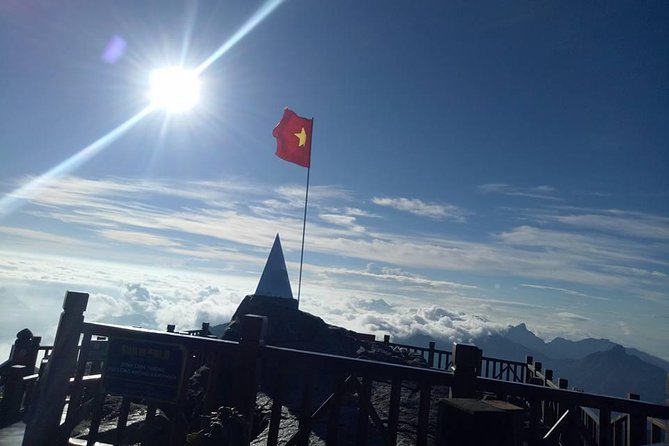
You should approach this as a serious trek. The operator asks for strong physical fitness, and the schedule supports that warning. Day one climbs 1,200 meters. Day two adds more uphill walking before a descent of up to 1,200 meters.
Rain is not a minor detail. Wet trails can slow the pace and make rocks, roots, and stream crossings harder to manage. The experience can still be enjoyable in poor weather, but you need to accept that the summit view may disappear and the trail may feel much tougher.
Bring:
- Sturdy hiking shoes with good grip
- Warm clothing in layers
- Rain protection
- Personal toiletries
- Any preferred snacks
- A small bag suitable for an overnight trek
The included water is helpful, but the stated amount is 1.5 liters per day. If you normally drink more during exercise, ask how additional water can be obtained or carry suitable capacity.
You should also prepare mentally for basic sleeping conditions. A sleeping bag and mattress are supplied, but this is shared mountain accommodation. It is the price of spending the night near the summit route rather than returning to a hotel in Sapa.
How this compares with taking the cable car
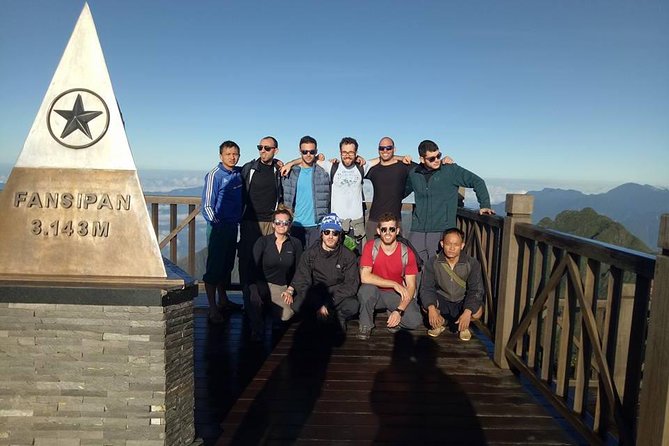
The cable car is the easier way to reach Fansipan, but this trek offers a different reward. Walking through pine and bamboo forest, crossing streams, and gaining the ridge gives you a physical sense of the mountain. You also spend time with a local guide rather than simply arriving at a viewpoint.
The cable car option is still useful on the way down. It gives you an escape route if the descent becomes too much or if you want to shorten the second day. Since the ticket costs extra, make your choice based on your condition and budget rather than assuming it is part of the tour.
I would choose the trek if reaching the summit under your own power matters to you. I would choose a cable car-based visit if you mainly want the views and do not enjoy long, demanding walks.
Who should book this Fansipan trek?
This suits you if you:
- Exercise regularly and can handle long uphill and downhill walks
- Want a real mountain challenge rather than a short sightseeing trip
- Value a local Black H’Mong guide and cultural conversation
- Are comfortable with shared, basic accommodation
- Like the idea of a pre-dawn summit attempt
- Want transport, meals, camping gear, and showers handled in one package
It is less suitable if you have limited mobility, dislike steep trails, need private accommodation, or want a guaranteed clear view from the summit. The tour is also a poor fit if you prefer a relaxed holiday pace. Even with an adaptable guide, the mountain sets the schedule.
The 100 percent recommendation rate and 5.0 rating from 84 ratings point to a consistently strong experience, especially for guide service, food, organization, safety, and post-trek facilities. I would still read the fitness warning seriously. High praise does not make a 24-kilometer mountain route gentle.
Should you book it?
Book this tour if you want the satisfaction of walking up Fansipan, spending a night near the route, and learning about the region from a Black H’Mong guide. The $136 price includes enough practical support to make the trek good value, particularly with meals, transport, entrance fees, sleeping equipment, and hot showers covered.
Before booking, confirm the exact departure time, sleeping arrangement, weather plan, transport if you are alone, and the insurance details. Pack for cold rain, not just pleasant Sapa weather. If you are fit, flexible, and ready for a demanding two-day climb, this is a strong way to experience Vietnam’s highest mountain.
FAQ
How long is the Fansipan trekking tour?
The experience lasts about two days. Day one involves around 10 kilometers and five to six hours of trekking. Day two covers about 14 kilometers and takes roughly six to seven hours.
How much elevation does the trek include?
Day one includes about 1,200 meters of elevation gain. Day two includes around 300 to 400 meters of uphill walking and about 1,100 to 1,200 meters of downhill.
Where does the trek begin?
Transport takes you from Sapa to Tram Ton Pass, where the trek begins. If only one person is booked, transport may use a scooter with the guide driving.
Is the tour private?
Yes. Only your own group participates in the activity.
Is accommodation included?
Yes. The package includes shared accommodation at base camp, camping equipment, a sleeping bag, and a mattress.
Are meals included?
Yes. The package includes two lunches, one dinner, and one breakfast. It also includes 1.5 liters of water per person per day.
Can I take a cable car instead of walking down?
Yes. You can take a cable car from the mountain area toward Sapa, but the ticket is not included and must be paid for separately.
What happens after the trek?
Transport returns you to Sapa from Tram Ton Pass or from the cable car station. A hot shower is available at the provider’s Sapa office before and after the trek.
Recently added around Sapa
- Soob Sapa Trekking Tour★ 4.3 · 3 reviews
- Sapa Trekking – Waterfalls And H’mong Villages★ 5.0 · 2 reviews
- Sapa Trekking Private Tour With Ethnic Female Tour Guide★ 4.9 · 24 reviews
- Sapa: Trekking Through Terraced Rice Fields & Valley 1 Day★ 4.8 · 4 reviews
- Sapa: Y Linh Ho – Lao Chai, and Ta Van Trekking Day Tour★ 5.0 · 25 reviews
- Sapa: Ta Phin Village Trek with Lunch and Bathing Experience★ 4.7 · 13 reviews
- Sapa Trekking Guide Francophone 2 days – 1 night★ 5.0 · 2 reviews
- Sapa small groupe activities: 1 Day trek – Meet the locals★ 4.7 · 3 reviews
Fansipan Treks, compared.
3 Days Luxury Sapa Trek & Fansipan Peak with Dcar
Read our review →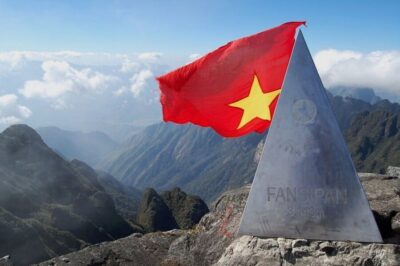
2-Day Fansipan Mountain Trek – Indochina’s Highest Peak
Read our review →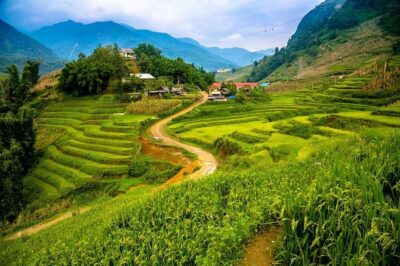
Sapa 2 days 1 night trekking Lao Chai Ta Van – Fansipan mountain by cable car
Read our review →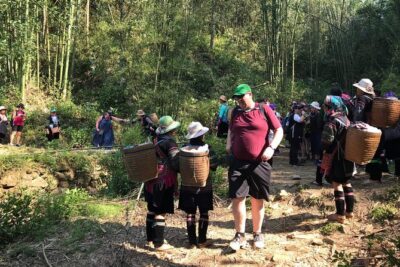
2-Days Sapa Tour with Fansipan Cable Car Trekking Three Village
Read our review →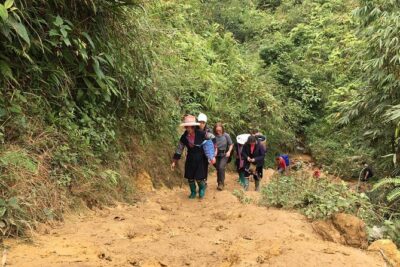
2 Days Luxury Sapa Trek & Fansipan Peak with Dcar
Read our review →Browse the lists this tour appears in