
REVIEW · SAPA
Sapa Valley Trek and Homestay – 3D2N
Sapa rewards walkers who keep going. I like the chance to visit five villages connected to Hmong, Giay, Red Dao, Tay, and Black Hmong communities, and I like that local guides such as Soso, Ly, Mae, May, Dom, and Sush bring personal knowledge of village life. The biggest consideration is the physical effort: some paths are long, steep, and slippery, especially after rain.
This $170, three-day trip also covers village entry fees, meals, a local guide, one large bottle of water, and transport back to Sapa. The scenery is the star, with rice terraces, waterfalls, bamboo forest, mountain paths, and the broad valley below. Before booking, I would confirm the sleeping arrangements, since the package lists one homestay night while the schedule describes a three-day, two-night experience and includes two dinners.
Key points to know before booking
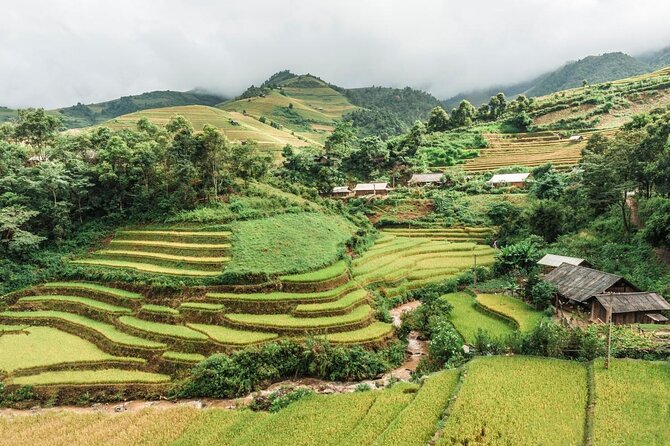
- Five village visits: The route includes Y Linh Ho, Ta Van, Giang Ta Chai, Ban Ho, and Nam Tong, with contact across several ethnic communities.
- Local cultural focus: Your guide may explain Hmong marriage customs, farming, house building, traditional homes, plants, animals, and daily work.
- Long walking days: A moderate fitness level is required, and the route can become difficult on slippery tracks.
- Homestay experience: You can expect a simple village stay, hot shower time, home cooking, and a chance to take part in activities such as making fried spring rolls.
- Small group size: The maximum is 15 people, which gives the guide a better chance to adjust the pace.
- Simple logistics: Meet at Sapa Church at 9:00 am, with pickup offered from Sapa Town hotels and transport back to the meeting point area at the end.
Why three days works better than a quick Sapa walk
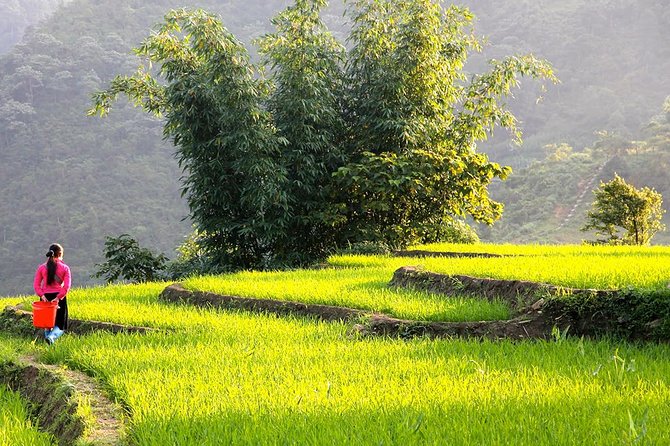
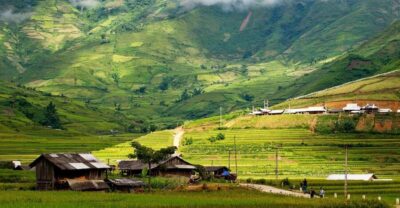
Sapa’s famous rice terraces are easy to admire from a road or viewpoint. They make more sense when you walk among them, pass working villages, and hear how farming, housing, marriage, and family life fit together.
That is the main strength of this trip. You are not simply checking off a waterfall and a village. You spend enough time on foot to move from the busy center of Sapa into quieter valley routes, then continue farther toward Ban Ho and Nam Tong.
The three-day format also gives the guide room to adjust the walking distance. One family with children aged 12 to 16 chose longer routes because they already had trekking experience. Another guide, Dom, was praised for changing the difficulty according to how the group felt. That flexibility matters, because fitness levels can vary sharply in a group of up to 15.
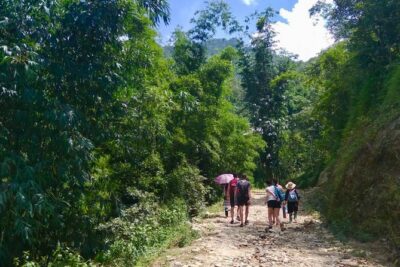
You should still take the word trek seriously. The route is described as feasible for an average person, but it is also long and difficult in places. Expect uneven ground, uphill sections, and slippery tracks. Good shoes are more useful here than fashionable ones, and a modest level of fitness will make the trip far more enjoyable.
More Homestay Treks in Sapa
- Number one top rated ethical cultural trekking and homestay by ETHOS
★ 5.0 · 456 reviews - Sa Pa: 2-Day Trekking Trip with Ethnic Minority Homestay
★ 4.7 · 145 reviews - Sapa : 2-Day Trek & Heartwarming Homestay with an Ethnic Family
★ 5.0 · 143 reviews
Day one: from Sapa to Y Linh Ho and Ta Van
The tour begins at 9:00 am. Your guide meets you at your hotel in Sapa Town or at Sapa Church, the stated meeting point on Hàm Rồng Street.
After a short introduction, you are taken about two kilometers down the road toward the Cat Cat area before continuing on foot. The first named stop is Y Linh Ho, a village setting surrounded by mountain scenery and rice fields. The schedule gives one hour here, but the wider day is clearly built around walking rather than quick roadside stops.
This is where you start seeing the difference between a city excursion and a valley trek. The views are broad, but the route also gives you small details: paths between fields, homes, local work, and the changing shape of the valley as you lose height from Sapa.
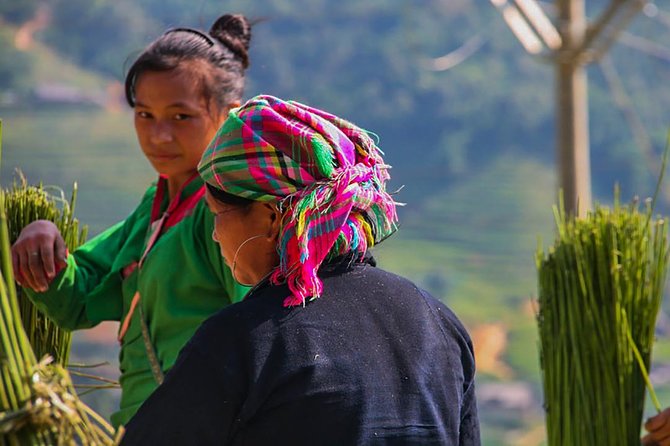
Your guide is central to the experience. Guides from the local Hmong community have explained farming, house construction, marriage traditions, and everyday customs in clear, personal terms. Ly, Soso, and Mae have each been praised for answering questions and making cultural information easy to understand. Since the exact guide is not named in advance, the quality of your day may depend partly on who is assigned.
After Y Linh Ho, the route continues toward Ta Van, associated with the Giay minority. This is your main village arrival for the first night. The local host family welcomes you, and you have time to rest, shower, and prepare for dinner.
That pause is welcome. A full day of walking followed by a hot shower is a much better rhythm than racing from one photo stop to the next. The homestay is described as cozy, clean, and comfortable enough for the purpose, though you should expect village accommodation rather than hotel polish.
Meals included for the trip are three lunches, two breakfasts, and two dinners. The homestay may also offer extra drinks, but bottled water, beer, and similar purchases cost extra.
Ta Van homestay: simple comfort and real contact
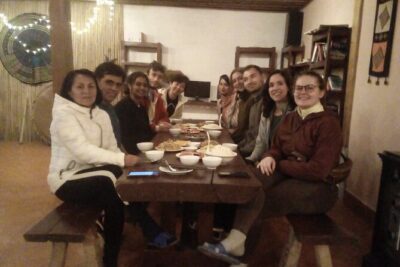
The homestay is one of the most appealing parts of the experience because it changes the pace. You are not just looking at a village from a trail. You stay with a local family, eat dinner, and have time to notice how the home works.
Past experiences on this route have included making fried spring rolls with the host family. That kind of shared activity is modest but valuable. It gives you something to do together, rather than leaving cultural contact at the level of a guide’s explanation.
One guide, Mae, has also taken visitors to her home and prepared lunch. That detail suggests the human side of the tour can be especially strong when the guide and host family are comfortable sharing their daily world.
The homestay is not the place to expect private-hotel standards or a tightly controlled schedule. The available details confirm a hot shower and friendly family setting, but they do not specify room arrangements, bedding, or bathroom style. Ask the operator before departure if those details matter to you.
There is also a practical point to clear up. The package information lists accommodation at a homestay for one night, while the experience is sold as 3D2N, includes two dinners, and refers in the trip descriptions to homestays in the plural. I would confirm whether the second night is also in a homestay, and where it is located.
Day two: Giang Ta Chai waterfalls and the road to Ban Ho
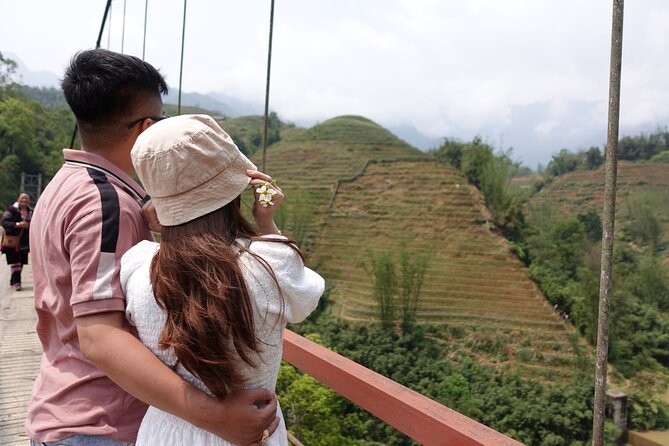
Day two begins with breakfast and a look around the homestay area. You can walk near the rice fields before heading uphill toward the waterfalls at Giang Ta Chai.
The waterfall section adds variety to the route. After a day centered on terraces and village paths, water and forest make the surroundings feel different. The schedule specifically mentions nearby rice fields and the uphill walk to the falls, so you should be ready for a more demanding start.
This is also the sort of section where weather matters. The tour requires good weather, and wet conditions can make trails harder. The operator offers a different date or a full refund if poor weather causes cancellation, but you should not assume that a wet-weather route will feel easy if the trip goes ahead.
After Giang Ta Chai, the route continues toward Su Pan, a Black Hmong community, then on to Ban Ho. Ban Ho brings several communities into the day, including Red Dao and Tay people, as well as the local groups already encountered.
The cultural range is a major reason to choose this itinerary. Sapa is not one single cultural experience, and the route lets you compare village traditions, house styles, clothing, farming patterns, and local customs across several groups. Your guide can help prevent those differences from becoming a blur of labels.
Ban Ho is also an important rest point because it becomes the base for the final day. The walking is not merely a transfer between attractions. You are moving through places where people live and work, and that can make the day feel more grounded than a standard sightseeing circuit.
The exact distances are not supplied, so I would not book this trip expecting a gentle, measured stroll. One direct assessment describes the trek as long and difficult but manageable for an average person. That is a fair way to think about it.
More Homestay Treks in Vietnam
- From Sapa: 2 Days 1 Night Trek Over Night At Homestay
★ 5.0 · 68 reviews - 2 days authentic trekking tour in Sapa ( Homestay – Less touristy )
★ 5.0 · 68 reviews - 3-Day Trek in Amazing Muong Hoa Valley & ethnic Homestay
★ 5.0 · 49 reviews - Muong Hoa Valley Trek & Homestay Experience – 4D3N
★ 5.0 · 42 reviews
Day three: Tay homes and Nam Tong village
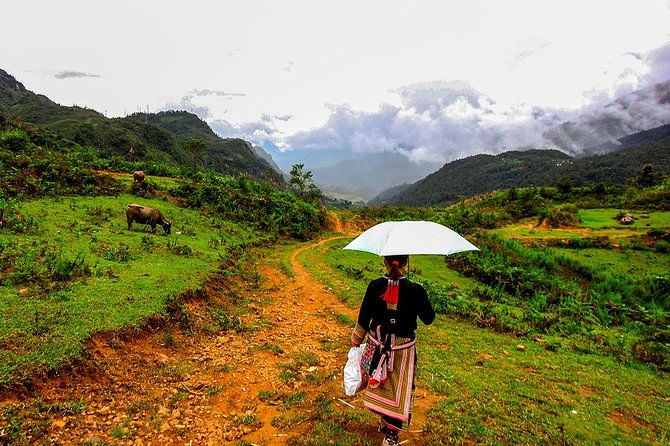
After breakfast on the third day, you visit traditional houses and learn about Tay culture before continuing to Nam Tong village.
This final morning is less about ticking off a famous viewpoint and more about understanding how people live. Traditional homes provide a useful setting for discussions about construction, family life, and local customs. Earlier cultural explanations may include Hmong work methods and marriage traditions, while Ban Ho and Nam Tong add another perspective through Tay life and other local communities.
The route’s ending is practical rather than theatrical. After the village visits, transport takes you back toward Sapa, and the activity ends back at the meeting point area. That saves you from arranging a separate return journey through the valley.
The final day may feel easier or harder depending on the pace and how your legs feel after two days. If you are an experienced walker, ask whether longer distances are possible. If you are less confident, tell the guide early. The small maximum group size should make that conversation easier.
The guides are the heart of the trip
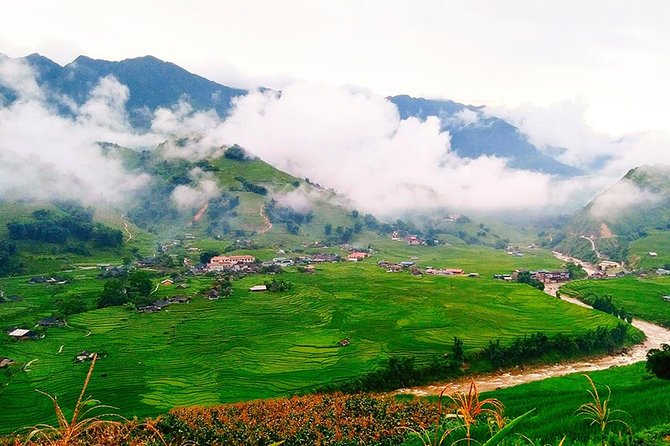
The strongest part of this experience is the guide. Sapa’s scenery is excellent, but a walk through rural villages can feel shallow without someone who can explain what you are seeing.
The guide team includes local Hmong people, and several names have received especially warm praise. Soso has been described as caring, helpful, and able to support a family on demanding routes. Ly has been valued for clear explanations of culture and daily life. May has helped on slippery sections and shared local knowledge about plants and animals.
Dom’s strength is route management. Adjusting the difficulty to suit the group is not a small thing on a three-day walk. Sush has also been praised for making people feel welcome and comfortable, while Mae is known for strong English and a personal approach.
Do not assume your guide will be one of these specific people. Still, these examples show what to look for: clear communication, help on difficult ground, and explanations tied to real places and customs rather than memorized facts.
If you have questions about marriage traditions, farming, house building, or village life, ask them. The tour is at its best when you treat the walk as a conversation, not just an exercise route.
What $170 includes, and where the value lies
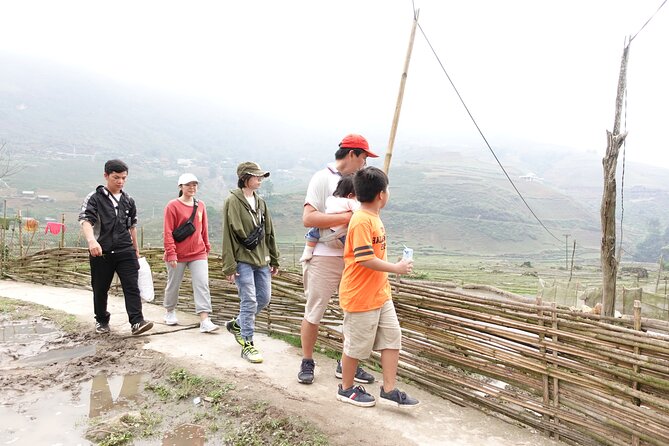
At $170 per person, the price covers a lot for a three-day trip. Included are village entry fees, a local guide, transport back to Sapa, one large bottle of water, three lunches, two breakfasts, and two dinners.
That makes the cost reasonable if you want meals, a guide, cultural interpretation, and transport bundled together. You are paying for access to a route and local connections that would be difficult to arrange as smoothly on your own.
The value is strongest for visitors who would otherwise need to organize village fees, meals, transport, and a guide separately. It is less compelling if you want luxury accommodation, precise hiking distances, or a private itinerary.
Bring money for extra drinks at the homestay and for tips if you choose to give them. Personal travel insurance is not included. The trip also requires a minimum number of participants, so a cancellation for that reason may lead to a different date, another experience, or a full refund.
Free cancellation is available up to 24 hours before the 9:00 am start time. Changes or cancellations inside that window are not accepted for a refund, and the local time in Vietnam controls the cut-off.
Who should book this Sapa trek?
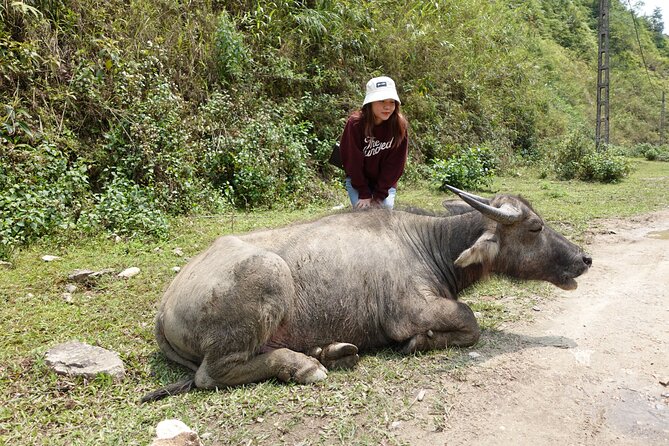
I would recommend it to you if you want several days of walking, village contact, and cultural explanation rather than a short scenic outing.
It suits:
- Hikers with moderate fitness
- Families with older children who are comfortable walking
- People interested in Hmong, Giay, Red Dao, Tay, and Black Hmong traditions
- Visitors who prefer local homestays to standard hotels
- Anyone who wants a guide who can adjust the pace and explain daily life
I would think twice if you dislike uneven paths, steep sections, basic accommodation, or changing weather. The route is not presented as accessible for people with limited mobility, and the moderate fitness requirement should be taken seriously.
A group of up to 15 is small enough for a social trip but not the same as a private walk. If you want complete control of stops and pace, ask about a private option before booking.
Should you book the Sapa Valley Trek and Homestay?
Book it if you want Sapa beyond its main streets and viewpoints. The combination of five villages, rice terraces, waterfalls, local guides, and homestay time gives you a fuller sense of the region than a one-day walk.
The main trade-off is comfort. You gain local contact and a longer route, but you also accept demanding paths, basic lodging, and less certainty about exact distances. Confirm the one-night versus two-night accommodation detail, then pack for wet and uneven ground.
For an active visitor who values village life and personal guiding, $170 is a fair price. For a visitor seeking a soft, hotel-based tour, choose something shorter and easier.
FAQ
Where does the Sapa trek begin?
The stated meeting point is Sapa Church on Hàm Rồng Street in Sapa. Pickup is also offered from hotels in Sapa Town.
What time does the tour start?
The tour starts at 9:00 am.
How many villages does the itinerary visit?
The tour is designed to visit five villages: Y Linh Ho, Ta Van, Giang Ta Chai, Ban Ho, and Nam Tong.
Which ethnic communities are included?
The route includes Hmong, Giay, Red Dao, Tay, and Black Hmong communities.
What meals are included?
The package includes three lunches, two breakfasts, and two dinners.
Can I cancel for a full refund?
Yes. You can cancel at least 24 hours before the experience start time for a full refund. If bad weather or an insufficient minimum group size causes the operator to cancel, you are offered another date or experience, or a full refund.
More Three-Day Treks in Sapa
- Sapa 3-Day Trekking Adventure from Hanoi
★ 4.5 · 64 reviews - From Hanoi: Sapa 3-Day Medium Trek and Limousine Trip
★ 4.5 · 59 reviews - From Hanoi: 3-Day Sapa Trekking (sleep at hotel & homestay)
★ 5.0 · 2 reviews - Sapa 3 Days 2 Nights Trekking Tour (1 Night In Ta Van Village, 1 Night In Hotel)
★ 5.0 · 699 reviews
Recently added around Sapa
- Soob Sapa Trekking Tour★ 4.3 · 3 reviews
- Sapa Trekking – Waterfalls And H’mong Villages★ 5.0 · 2 reviews
- Sapa: Y Linh Ho – Lao Chai, and Ta Van Trekking Day Tour★ 5.0 · 25 reviews
- Sapa Trekking Private Tour With Ethnic Female Tour Guide★ 4.9 · 24 reviews
- Sapa: Trekking Through Terraced Rice Fields & Valley 1 Day★ 4.8 · 4 reviews
- Sapa Trekking Guide Francophone 2 days – 1 night★ 5.0 · 2 reviews
- Sapa: Ta Phin Village Trek with Lunch and Bathing Experience★ 4.7 · 13 reviews
- Sapa small groupe activities: 1 Day trek – Meet the locals★ 4.7 · 3 reviews
Homestay & Village Treks, compared.
Number one top rated ethical cultural trekking and homestay by ETHOS
Read our review →
2-Day Sa Pa Ethnic Homestay Tour & Trek with Limousine Bus
Read our review →
Sapa 3 Day 2 Night Trekking With Hotel & Homestay
Read our review →
Sapa 2 Days 1 Night Overnight At Local Homestay
Read our review →
2-Day Trekking Trip with Ethnic Minority Homestay
Read our review →
2-Day Trek & Heartwarming Homestay with an Ethnic Family
Read our review →Browse the lists this tour appears in