
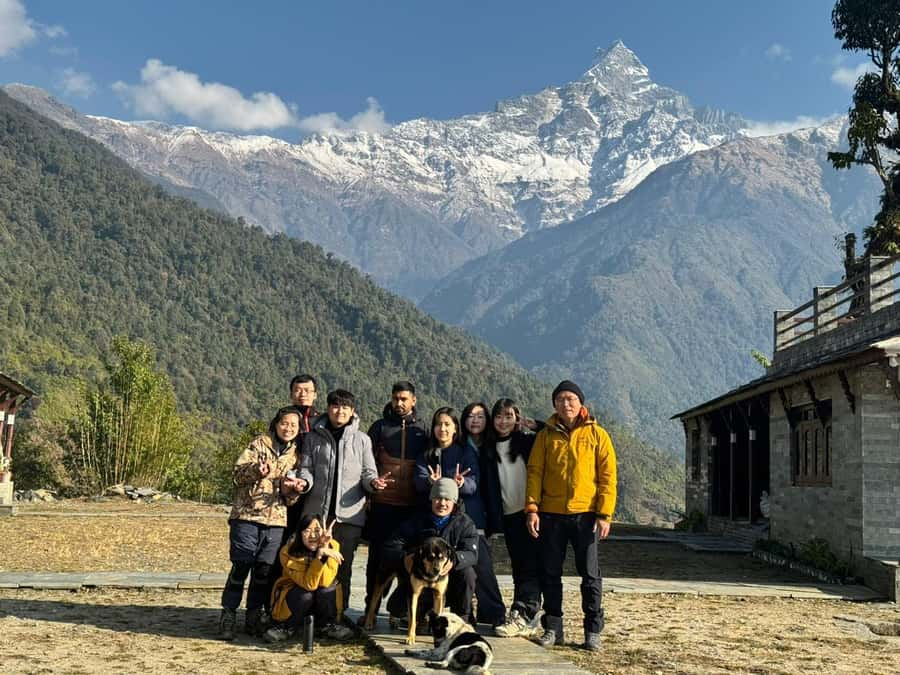
REVIEW · NEPAL
Pkr. Backpacker Group Dep.: 4 Day Mardi Himal Base Camp Trek
Mardi Himal rewards strong legs with huge views. This short trek from Pokhara combines quiet rhododendron forests with close views of Machhapuchhre and the Annapurna Range, making it a good choice when you want a Himalayan walk without committing to a much longer route. I like the early sunrise walk to base camp, and I like the way the route moves from forest to open high country in only a few days. The main catch is the altitude: reaching about 4,500 meters in four days demands steady pacing and careful attention to weather.
The $181 price is attractive because it covers permits, a guide, mountain transport, guesthouse stays, and a trekking pole. Guide Birendra, also called Biru, has earned especially strong praise for adjusting the pace, arranging good overnight stops, and handling changes without fuss. Still, food, drinks, porter service, personal costs, and emergency rescue are extra.
Key Points Before You Book
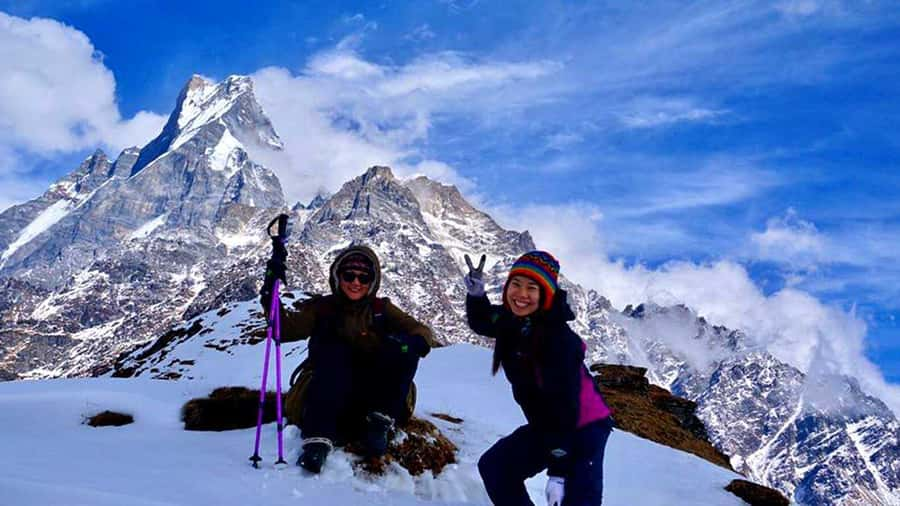
- Sunrise at 4,500 meters: The early climb to Mardi Himal Base Camp brings wide views of Annapurna South, Hiunchuli, Machhapuchhre, and Mardi Himal.
- A forest-to-alpine route: You walk through dense rhododendron woods, past terraced hillsides, and into open meadows above the tree line.
- A compact Himalayan trek: Four days gives you a real high-altitude walking experience while fitting neatly into a Pokhara holiday.
- Flexible guiding: Birendra, known as Biru, has been praised for adapting walking speed, meal stops, overnight plans, and return arrangements.
- Simple mountain lodging: Nights are spent in tourist-standard tea houses, with basic comfort and mountain scenery rather than hotel service.
- Good value with clear extras: The price includes transport, permits, guide costs, and lodging, but not meals, drinks, porter hire, or rescue.
Why This Four Day Trek Works
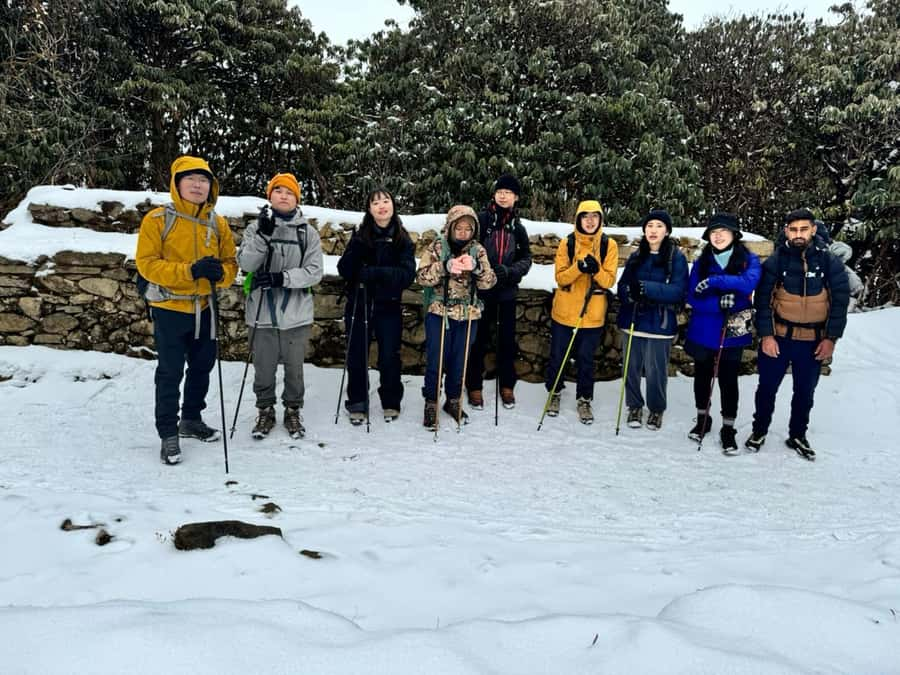
Mardi Himal is a useful middle ground in Nepal. You get snow peaks, high altitude, village life, and forest walking, but the schedule is short enough for people spending a limited amount of time around Pokhara.
The route begins at Kande and ends at Siding Village. That matters because you are not simply walking back over the same ground. The journey forms a neat crossing through the hills, with changing views and a different feel each day.
I especially like the route’s gradual visual change. At the start, you walk under trees and through settled hill country. Higher up, the forest thins, the horizon opens, and Machhapuchhre begins to dominate the view. By the base camp, there is little to distract you from the high peaks.
The trek is not a soft stroll, though. The walking days run from about five to eight hours, and Day 3 includes the highest point of the trip. The path has many stairs and steady uphill sections. One recent guest described the stairs as a fair price for the views, which is a good way to think about the route.
More Mardi Himal Treks in Nepal:
- Pokhara: 4-Day Mardi Himal Trek
★ 4.9 · 59 reviews - Private Mardi Himal Trek
★ 5.0 · 42 reviews - Mardi Himal Trek
★ 5.0 · 41 reviews
Day 1: Kande, Australian Camp, Pothana, and Forest Camp
Your first morning begins with pickup from the Lakeside area of Pokhara. A private vehicle takes you about 1.5 hours to Kande, where you begin walking.
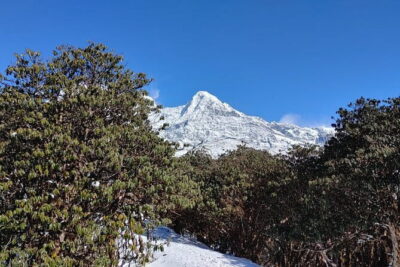
The trail passes through rhododendron forests and reaches Australian Camp, a natural place for lunch and a first proper mountain view. From here, the Annapurna Range and Machhapuchhre can appear across the hills. This stop gives you a quick sense of what the trek is about: village paths below, giant peaks ahead, and plenty of uphill work between the two.
After lunch, you continue toward Pothana and then Forest Camp. The walking time is listed at five to six hours, so you should expect a full first day rather than a gentle warm-up. The woods provide shade, but the route still gains height and may feel demanding if you have just arrived in Nepal.
Forest Camp sits at about 2,550 meters. Your overnight stay is in a tea house, with tourist-standard accommodation. That usually means a practical place to sleep rather than a polished hotel, so pack with simple mountain lodging in mind.
The first day is also when your guide can help set the tone. Birendra has been praised for allowing people in one group to walk at different speeds, while still arranging sensible stops and a comfortable pace. That flexibility is useful here, especially if you are walking with friends who have different fitness levels.
Day 2: Forest Camp to Low Camp and High Camp
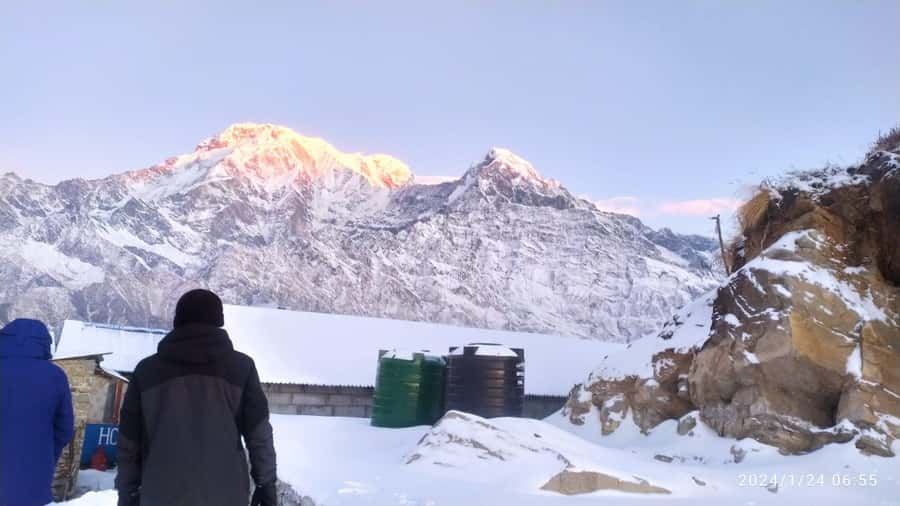
Day 2 climbs from Forest Camp to High Camp at about 3,550 meters. The walk takes roughly five to six hours and passes through Low Camp.
The forest remains thick at first. As you climb, the trees begin to thin and the views become wider. Low Camp is an important transition point because the route starts to feel less like a forest walk and more like a high mountain trek.
After lunch, you continue to High Camp. The views of Machhapuchhre and Mardi Himal become much closer and more dramatic. This is one of the strongest parts of the journey for anyone who wants that classic Nepal experience of walking toward a large, snowy peak.
High Camp is also where altitude begins to matter more. You are sleeping at 3,550 meters before heading higher the next morning. The schedule is compact, so you should walk at a calm pace, drink regularly, and tell your guide if you feel unwell. The supplied information does not promise a separate acclimatization day, so this trek suits people who are comfortable with long uphill walks and rapid changes in altitude.
The overnight tea house is basic but well placed. You are there for the mountain position, not for luxury. Carry warm clothing, even if Pokhara feels mild when you leave.
Day 3: The 4,500 Meter Base Camp Push
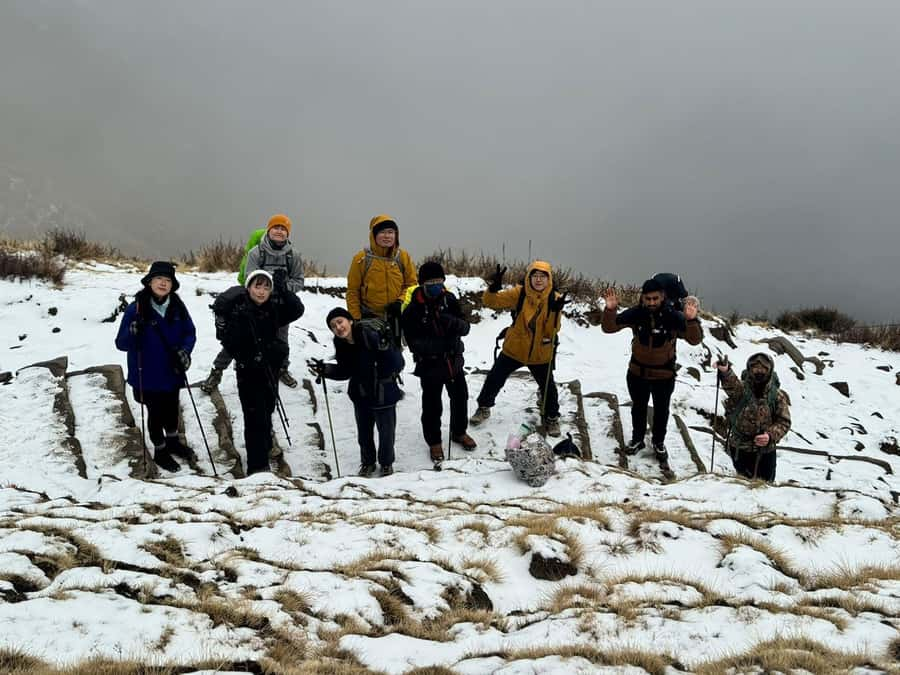
Day 3 is the main event. You leave High Camp early for the walk to Mardi Himal Base Camp, reaching about 4,500 meters before returning to Low Camp.
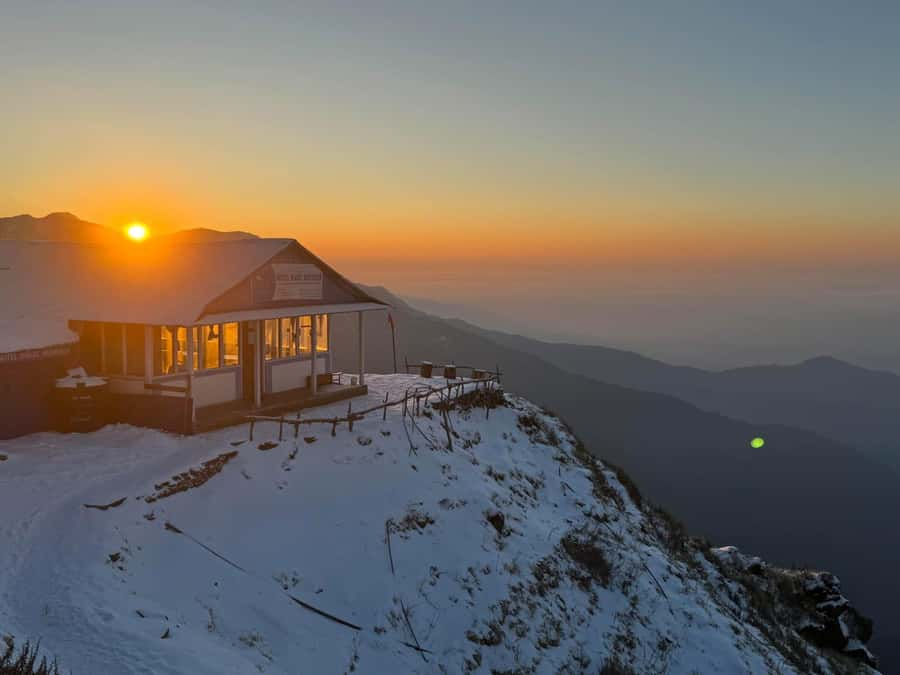
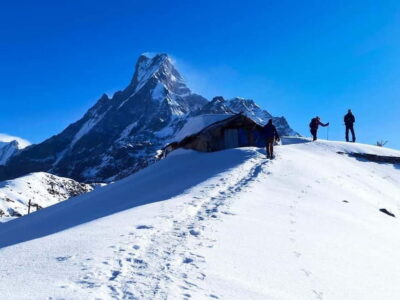
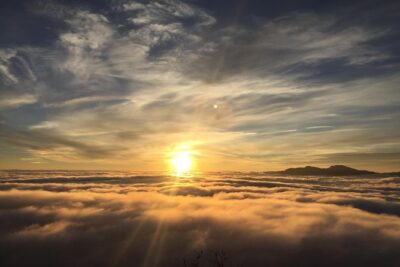
The round trip takes seven to eight hours. An early start is important because it gives you a chance to see sunrise over the Himalayan peaks and leaves more time for the descent. The route opens into high alpine country, with views toward Annapurna South, Hiunchuli, Machhapuchhre, and Mardi Himal.
This is the day when the trek’s short length becomes both its strength and its challenge. You reach a serious altitude in a limited number of days, so the walking can feel hard even if the distance does not look extreme on paper. Snow, cloud, wind, and temperature can change quickly in the mountains, and clear views are never guaranteed.
At the base camp, you have time to take in the panorama before descending. The high point is not only about reaching a marker. It is the sense of moving from shaded forest to a broad, exposed ridge with major peaks in several directions.
You return to Low Camp for the night. That descent helps, but it is still a long day on your feet. If you enjoy taking photographs or stopping often, the schedule may feel tight. One of the useful strengths of Birendra’s guiding style is the ability to adjust the walking rhythm. At the same time, one guest found the repeated safety reminders a little too frequent, especially as an experienced hiker. That is a minor but fair point: a careful guide may feel overly watchful if you already have plenty of mountain experience.
A few more treks around Nepal worth a look
- Pokhara: 4-Day Ghorepani, Poonhill & Ghandruk Mountain Trek
★ 5.0 · 132 reviews - 4 Days Poon Hill Trek
★ 5.0 · 94 reviews - 4-day Poon Hill Trek
★ 5.0 · 74 reviews - 4-Day Private Poon Hill Trekking Tour
★ 5.0 · 58 reviews
Day 4: Low Camp to Siding Village and Pokhara
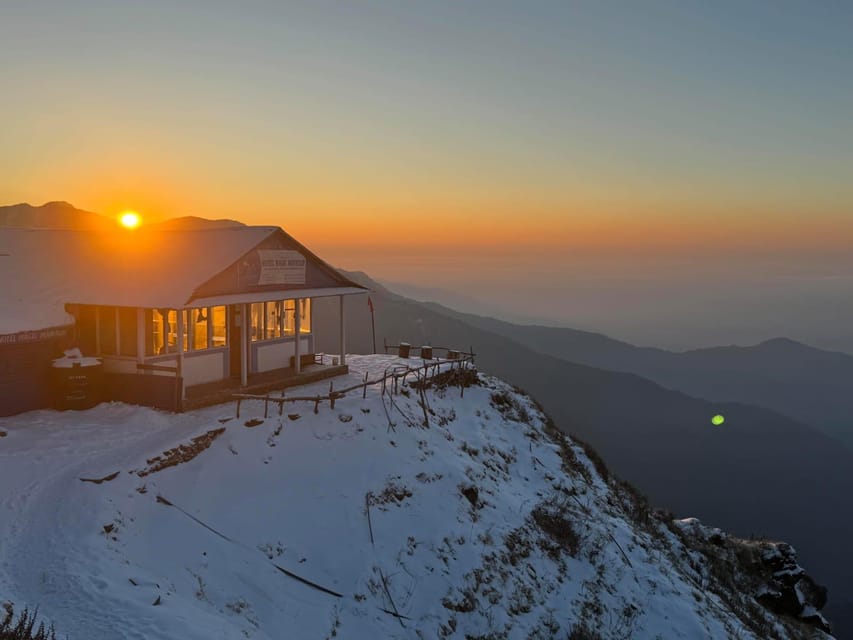
The final walking section takes three to four hours, descending from Low Camp to Siding Village.
This part of the route shifts the mood again. The high views give way to traditional villages and lower hill country. You get a better look at local Gurung culture and the settled side of the Annapurna region, rather than only seeing the mountains from a trail.
At Siding, a shared jeep takes you back to Pokhara. The drive takes about 2.5 to 3 hours. Shared transport can be less private and less predictable than a private car, but it is part of the local travel experience and keeps the package price down.
The return to Pokhara gives you a useful end point. You can finish the trek without retracing the full route, then return to the Lakeside area for food, rest, and a shower. If your legs are tired, the drive will feel long, so leave room in your plans rather than booking an important same-day flight.
Views, Forests, and Gurung Villages
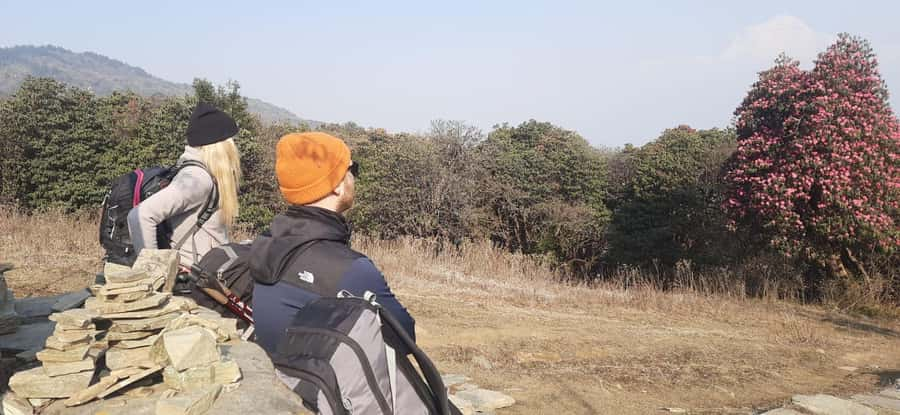
The appeal of Mardi Himal is the changing scenery. The route is not just a mountain viewpoint reached by transport. You walk through several distinct zones.
The rhododendron forests are especially attractive in spring, when flowers may add color to the trail. In other seasons, the woods still provide shade and a strong sense of being away from the road. Above the trees, the route opens into high meadows and broad ridges.
The mountain views are strongest around Australian Camp, Low Camp, High Camp, and the base camp approach. Machhapuchhre, often called Fishtail, is one of the most recognizable peaks along the route. Annapurna South and Hiunchuli also come into view near the top.
The village sections add needed balance. You see terraced hillsides and traditional settlements rather than spending every night in a high camp. The chance to stay in tea houses and pass through Gurung communities gives the trip a local character that a viewpoint-only excursion would miss.
Sunrise and sunset are major attractions, but they depend on clear weather. Spring and autumn are the safest choices for stable conditions and mountain visibility. The trek can operate year-round, yet winter cold, monsoon rain, cloud, and changing trail conditions can affect what you see and how comfortable the walk feels.
Guide Support and Group Style
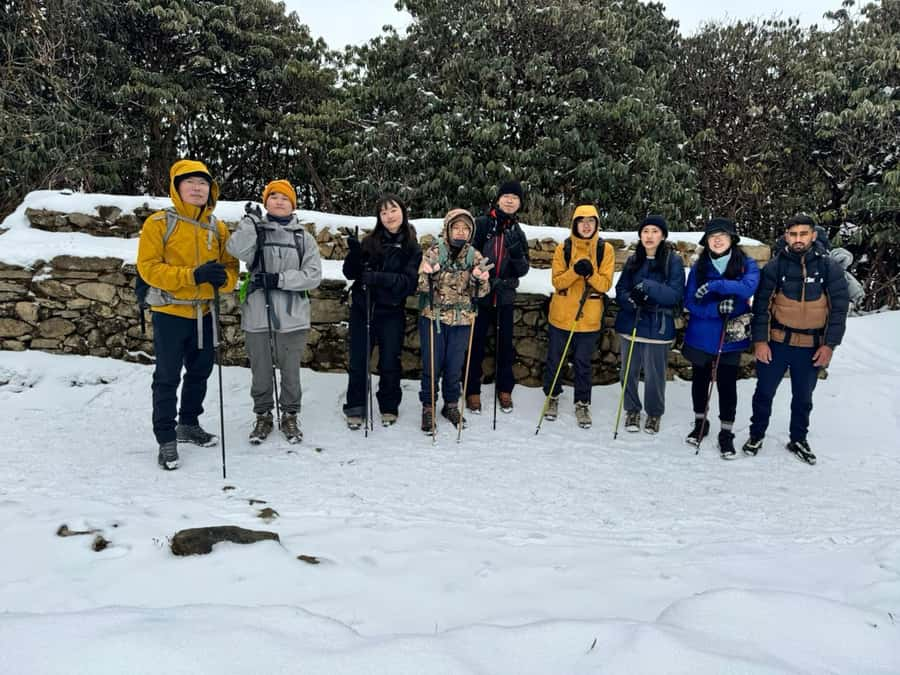
The trip includes a licensed English-speaking guide, with Hindi also available. Pickup and drop-off are provided for the Lakeside area of Pokhara.
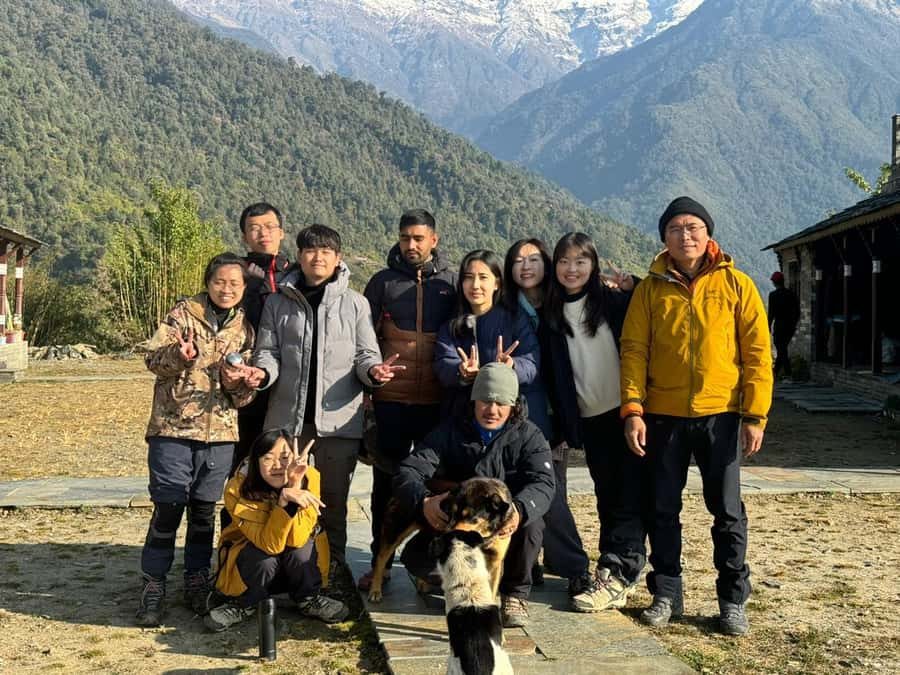
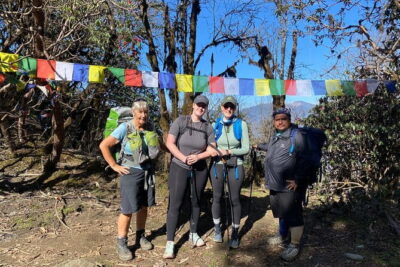
The group departure does not guarantee a large group. On several recent departures, the booking ended up with only one or two guests and the guide. That can be a benefit if you prefer a more personal pace and direct attention. It can also mean the social atmosphere is quieter than you expect from the words group departure.
Birendra, or Biru, is the guide name connected with the strongest feedback. His praised strengths include flexibility with walking speed, careful attention to accommodation, early starts, meal stops, and practical help when plans changed. On one trip, he helped arrange extra accommodation in Pokhara when the trek finished earlier than expected.
Your experience may depend on the guide assigned to your date, so I would confirm the guide arrangement if this matters to you. I would also tell the guide on the first day how often you prefer to stop and how much mountain experience you have. Clear expectations can prevent the helpful safety advice from becoming irritating.
What the $181 Price Really Covers
At $181 per person, this is a strong-value trek if you already have suitable clothing and can pay for food separately.
The package includes:
- Pickup and drop-off in the Lakeside area
- Private transport from Pokhara to Kande
- Shared jeep transport from Siding to Pokhara
- A licensed English-speaking guide
- Trekking permits and official documents
- Tourist-standard tea house accommodation
- Guide expenses
- A basic emergency first-aid kit
- A trekking pole
The main extra cost is food and drinks. These are available for purchase during the trek, but you should carry cash because personal expenses are not included. A porter is available for $25 per day, which can make the trek easier if you want to walk with a lighter day pack.
Emergency rescue is also excluded and should be covered by travel insurance. Check that your policy includes trekking at the planned altitude, since the route reaches about 4,500 meters.
The value is strongest for an independent-minded hiker who wants a guide and organized transport but does not need an all-inclusive luxury package. The price is less complete than it first appears once you add meals, drinks, possible porter service, and insurance. Even so, permits, guide costs, accommodation, and both road transfers are meaningful inclusions.
What to Pack for the Four Days
Bring comfortable walking shoes, warm clothing, and practical layers. Temperatures can change sharply between Pokhara, the forest, High Camp, and the base camp.
You should also bring:
- Comfortable clothes for walking
- A reusable water bottle
- Cash for meals, drinks, and personal costs
- Your passport or an accepted copy
- A passport-sized photo
- Warm layers for early starts and high camps
A trekking pole is supplied, which is useful on the stairs and descent. You may still want a small day pack for water, warm clothing, and personal items.
Pets are not allowed. The trek is not suitable for pregnant women, wheelchair users, or people with back problems. It is also a poor match if you want a slow, low-altitude holiday with short walking days.
Who Should Book This Trek?
I would recommend Mardi Himal to you if you want a short Nepal trek with real altitude and strong mountain scenery. It suits hikers who can manage five to eight hours of walking, accept basic tea house accommodation, and understand that the weather may hide the peaks.
It is a good fit for:
- Visitors based in Pokhara with four days available
- Hikers seeking a quieter route than Nepal’s busiest trekking corridors
- People who want forest, villages, and high mountain views in one trip
- Couples or small groups who value flexible guiding
- Experienced walkers comfortable with steep stairs and altitude gain
I would hesitate if you have back problems, need accessible paths, dislike basic lodging, or want guaranteed clear skies. I would also think carefully if you are new to long uphill walks. The route is short, but short does not mean easy.
Free cancellation is available up to 24 hours before departure, and you can reserve now and pay later. That flexibility is useful when mountain weather or your Pokhara schedule is uncertain.
Should You Book the Mardi Himal Base Camp Trek?
Yes, if your priority is a compact and fairly priced Himalayan trek with excellent scenery. The strongest reasons are the sunrise push to 4,500 meters, the switch from rhododendron forest to open high country, and the personal guiding style associated with Birendra.
Book with realistic expectations. You will pay extra for meals, drinks, a porter, and possible rescue. You will sleep in simple tea houses, climb many stairs, and face a demanding third day. If you are prepared for those limits, the four-day route gives you a lot of Nepal in a small amount of time.
The overall score of 4.8 from three verified bookings reflects the main pattern here: very attentive guiding, flexible pacing, and memorable views, with only a minor concern about overly frequent safety reminders for confident hikers. For most fit visitors staying in Pokhara, this is a practical way to reach high mountain country without giving up an entire week.
FAQ
How long is the Mardi Himal Base Camp Trek?
The trek lasts four days. Walking times range from about three to eight hours per day, with the longest day being the round trip from High Camp to Mardi Himal Base Camp and back to Low Camp.
What is the highest altitude reached?
The route reaches approximately 4,500 meters at Mardi Himal Base Camp. High Camp is at about 3,550 meters.
What is included in the $181 price?
The price includes hotel pickup and drop-off in the Lakeside area, a licensed English-speaking guide, permits and official documents, transport from Pokhara to Kande, a shared jeep from Siding to Pokhara, tea house accommodation, guide expenses, a basic first-aid kit, and a trekking pole.
Are meals included?
No. Food and drinks are available for purchase but are not included in the price.
Can I hire a porter?
Yes. Porter service is available for $25 per day, but it is not included in the main price.
When is the best time to do the trek?
Spring, from March to May, and autumn, from September to November, usually offer the most stable conditions and clearest mountain views. The trek can operate throughout the year, but mountain weather can change quickly.
Recently added around Nepal
- Ghorepani Poon Hill Trek★ 5.0 · 16 reviews
- Private Manaslu Circuit Trek at Himalayas★ 5.0 · 3 reviews
- Amazing 1 Day Trekking Experience in Kathmandu Nepal★ 5.0 · 24 reviews
- Upper Mustang Trekking★ 5.0 · 2 reviews
- Ghorepani Poonhill Trek★ 5.0 · 5 reviews
- Upper Mustang Trekking★ 3.0 · 2 reviews
- Upper Mustang Trekking★ 5.0 · 4 reviews
- Upper Mustang Trek★ 5.0 · 5 reviews
Mardi Himal Treks, compared.
Mardi Himal Trek – 8 Days | Hidden Gem of the Annapurnas
Read our review →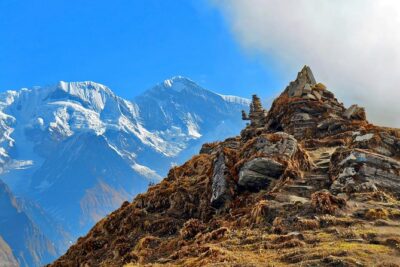
Browse the lists this tour appears in