
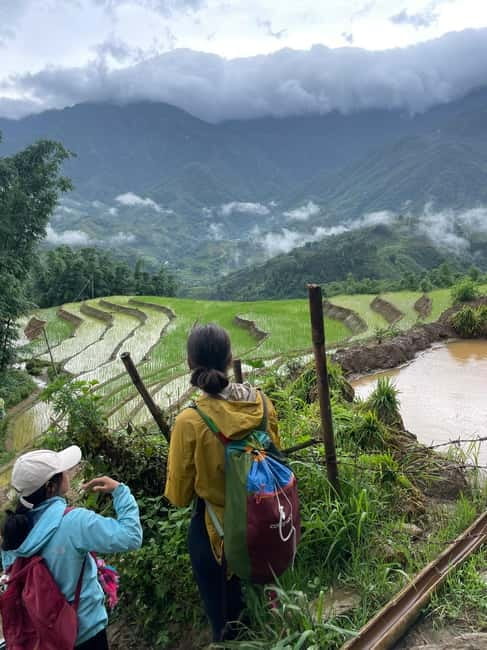
REVIEW · SAPA
Ha Noi-Sapa Authentic Trek & Homestay wih hmong women (2D1N)
Mountain villages are best reached on foot. This 2-day Sapa trek combines rice terraces and bamboo forests with a night in a Hmong family home, giving you more than a quick photo stop. I like the personal touch from local guides Dinh and her sister, plus the chance to help prepare dinner with the family.
I also like the tour’s clear rhythm: a picnic lunch after arriving in Sapa, a long village walk, an evening homestay, then waterfalls and Red Dao country the next morning. The main caution is the moderate to demanding walking. The route covers about 18 kilometers, includes steep and uneven ground, and the final sections can be tough.
Five things to know before booking
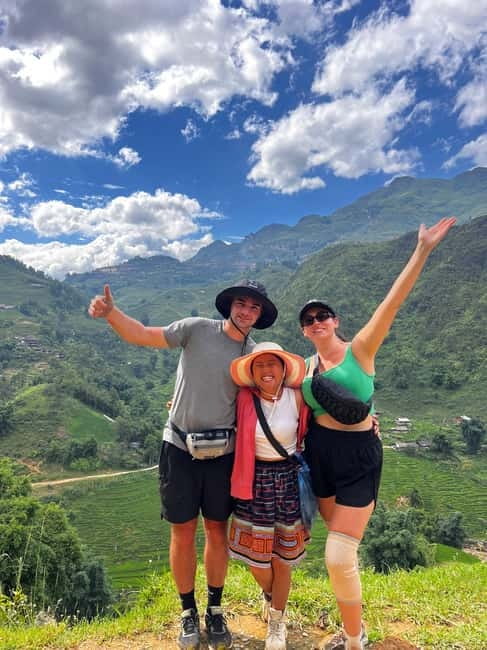
- The first day runs 9 to 11 kilometers: Allow about five and a half hours for walking from Y Linh Ho through Lao Chai to Ta Van.
- You stay with a Hmong family: Expect simple, cozy accommodation with basic amenities, not a polished hotel.
- The evening has real family contact: You help cook, eat together, watch a traditional dance, and may join local rice-wine drinking games.
- The scenery changes quickly: Rice terraces, mountain paths, bamboo forest, village lanes, and Giang Ta Chai waterfall all appear within two days.
- The price is $78 per person: That includes transport help, meals, village entry fees, guiding, the homestay, water, and the return to Sapa after trekking.
- Fitness matters: People with back problems or mobility impairments should not book, and the waterfall swim is not suitable for non-swimmers.
Why this Sapa trek feels different
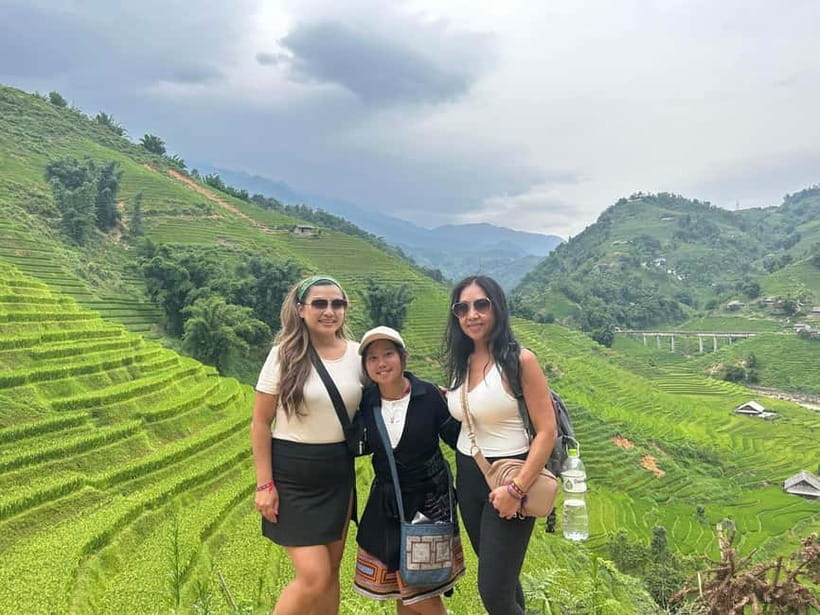
Many Sapa outings give you a short walk through one village and a few minutes for photographs. This trip gives you a fuller two-day route, with time to see how several ethnic communities live and work in the hills.
The personal link is central. Dinh is a Hmong guide from the area, and she presents the tour as a family-run experience. Her sister also helps with the guiding and pickup. One guide named Do has led the route in English as well, so the exact guide may depend on the date you book.
That local connection matters most at the homestay. You are not simply sleeping near a village. You spend the evening with a family, help make a traditional meal, and hear about Dinh’s effort to support the education of 10 local children. Her students may perform a traditional dance for you, which gives the evening a community feel rather than a staged hotel show.
The tour also includes contact with Hmong, Giay, and Red Dao communities. You will not become an expert in northern Vietnam’s ethnic groups in two days, but you will see more than scenery. Your guide explains daily life as you walk, and the route passes through places where locals may be planting or harvesting rice.
More Homestay Treks in Sapa
- Number one top rated ethical cultural trekking and homestay by ETHOS
★ 5.0 · 456 reviews - Sa Pa: 2-Day Trekking Trip with Ethnic Minority Homestay
★ 4.7 · 145 reviews - Sapa : 2-Day Trek & Heartwarming Homestay with an Ethnic Family
★ 5.0 · 143 reviews
Hanoi to Sapa: a long but useful first morning
Pickup from Hanoi’s Old Quarter is scheduled between 6:00 and 6:45 in the morning. You travel by limousine van or sleeper bus, with the trip taking roughly five to six hours. Arrival in Sapa is expected around noon or 12:30.
This timing shapes the whole experience. You lose the morning to transport, but you also avoid arranging a separate hotel night in Sapa. The guide meets you at the Sapa bus stop or your hotel, then gets you moving on the trek.
A helpful detail is the picnic lunch. Instead of stopping to search for a restaurant in town, you eat before the walk, with local food prepared for you. That saves time and gives you a proper start, though you should still carry a small snack if you tend to get hungry on long walks.
The bus ride is not a minor part of the trip. You leave Hanoi early on Day 1 and return to Hanoi around 9:00 to 10:00 the following night. In practical terms, this is a compact Sapa experience built around one overnight stay, not a relaxed mountain holiday.
Day 1: Y Linh Ho, Lao Chai, and Ta Van
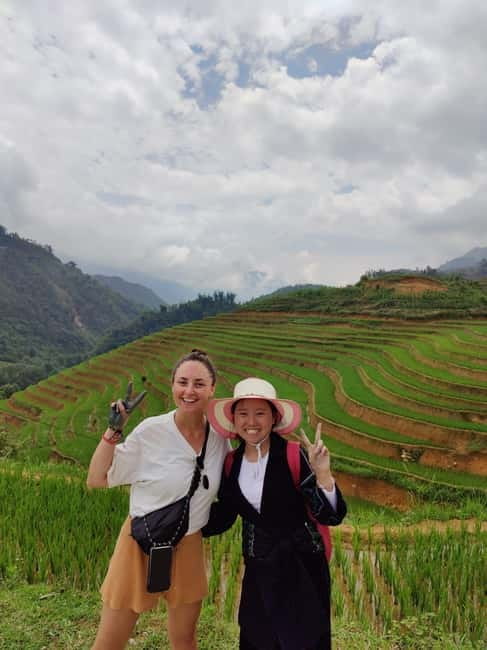
After lunch, the trail drops toward Y Linh Ho. The walking begins with mountain views and paths through the hills, then continues toward Lao Chai. Plan on nine to 11 kilometers and about five and a half hours, depending on the group and ground conditions.
Lao Chai is one of the largest and oldest Hmong villages in the area. Here, the value of having a local guide becomes clear. Dinh or another guide can explain what you are seeing instead of leaving you to guess at the meaning of houses, fields, clothing, and farm work.
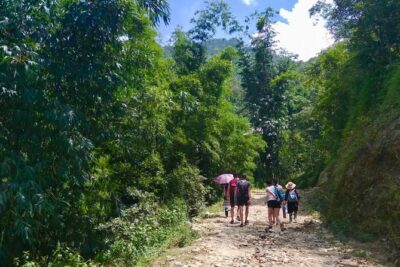
The route is not a flat village stroll. You should expect uneven paths and some steep climbs. A basic level of fitness is essential, and sturdy shoes are more useful than fashionable trainers. One account describes the final part of the trek as tough, while another points out that there is a lot of climbing. Take those comments seriously.
From Lao Chai, you continue to Ta Van Village, where Hmong and Giay communities live. Depending on the season, you might see people planting or harvesting rice. The terraces change character with the agricultural calendar, so the same route can look quite different at different times of year.
The route includes four village entry fees in the tour price. That is useful because the fee is already handled, and you can focus on walking rather than sorting out small payments along the way.
Ta Van homestay: dinner, dancing, and simple comfort
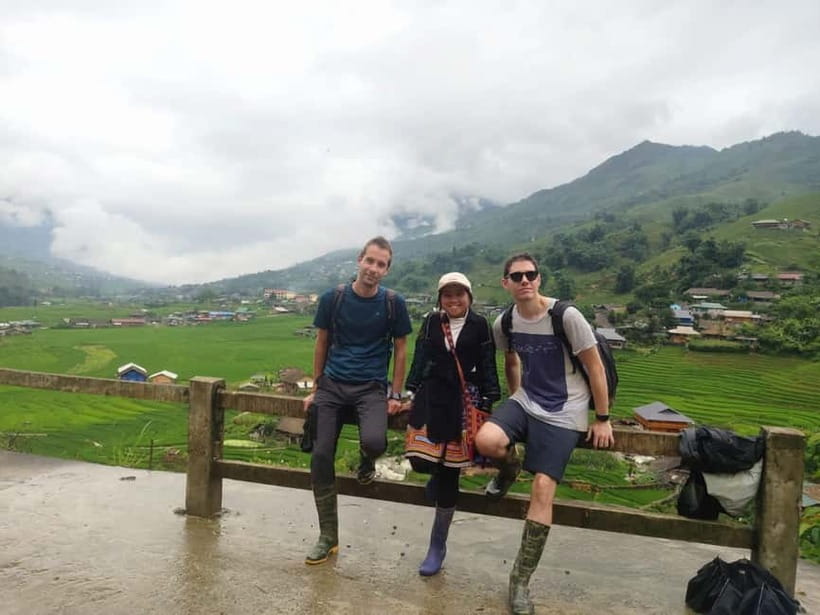
Arriving at the family homestay is the reward for the first day’s effort. You can take a hot shower, change clothes, and settle in before dinner. The accommodation is described as simple, authentic, and cozy, with basic amenities.
That means you should adjust your expectations. This is not a private boutique room with hotel-style facilities. If you need a certain sleeping arrangement or have a strong preference about the homestay setup, tell the provider when booking.
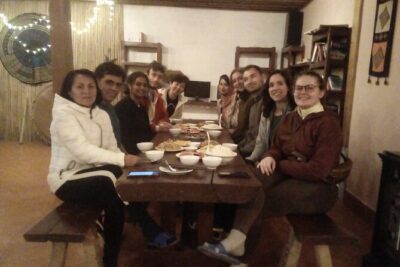
The cooking activity is informal. You join the family in preparing a traditional dinner, then sit down to eat together. This is one of the strongest parts of the tour because food becomes a way to spend time with your hosts, not just another included meal.
The evening can include a traditional dance performed by Dinh’s students. You may also be invited to join drinking games with Happy Water, the local name for rice wine. You do not need to drink alcohol to enjoy the evening, but if you do participate, keep it modest. You still have a long walk the next morning.
Dinh also shares her work supporting 10 local children’s education. That detail gives the homestay a clear social purpose. Your payment supports a small family operation and helps connect the visit to local community needs, although you should view this as a personal cultural exchange rather than a formal charity program.
More Homestay Treks in Vietnam
- Sapa Valley Trek and Homestay – 3D2N
★ 5.0 · 105 reviews - 2 days authentic trekking tour in Sapa ( Homestay – Less touristy )
★ 5.0 · 68 reviews - From Sapa: 2 Days 1 Night Trek Over Night At Homestay
★ 5.0 · 68 reviews - 3-Day Trek in Amazing Muong Hoa Valley & ethnic Homestay
★ 5.0 · 49 reviews
Day 2: bamboo forest and Giang Ta Chai waterfall
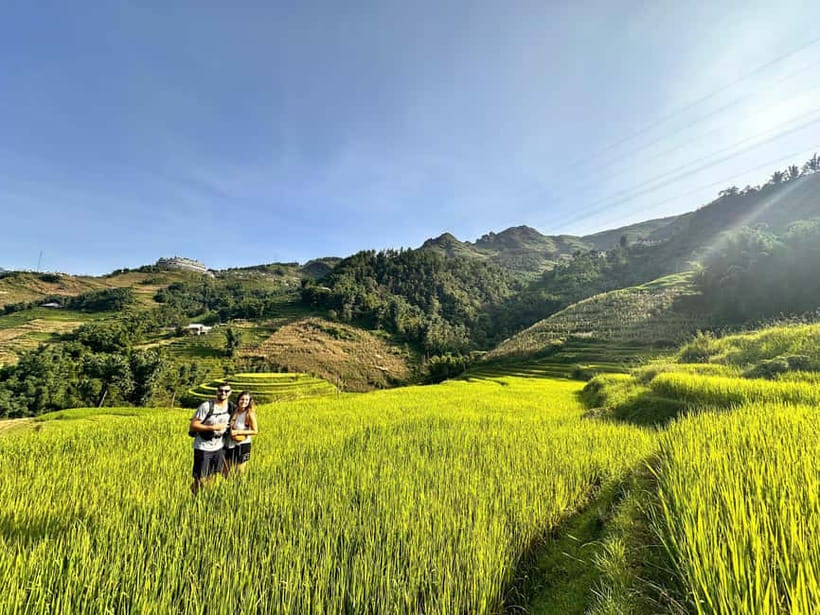
The second morning begins with hot coffee or tea and breakfast. The quiet start is welcome after a demanding first day, especially if you want to enjoy the mountain air before setting off.
The route then leads through bamboo forest and terraced fields toward Giang Ta Chai waterfall. This section offers a different kind of scenery from the first day. Instead of spending most of your time among village paths and open terraces, you move through cooler woodland before reaching the water.
Swimming is offered at the waterfall, so bring swimwear and a change of clothes. The water is described as cool and clear, which makes it an appealing break after several hours of walking. You must be comfortable in the water, however. The tour is specifically not suitable for non-swimmers.
Conditions can affect the experience. One account found the waterfall dry and felt the stop could have been skipped. That is useful advice: treat the waterfall as a bonus, not the main reason to book. The bamboo forest, terraces, and ethnic villages remain the heart of the second day even if water levels are low.
After the waterfall, the route enters a Red Dao area before reaching the main road. This adds another cultural layer to the trek and helps you see how close several ethnic communities are within the Sapa region. A final lunch follows, then a taxi takes you back to Sapa Town.
The trek ends in Sapa between about 2:00 and 3:30 in the afternoon. Your return bus or limousine van to Hanoi usually leaves around 3:30 to 4:00. Traffic determines when you reach Hanoi, with arrival expected between 9:00 and 10:00 at night.
The walking level: scenic, but not gentle
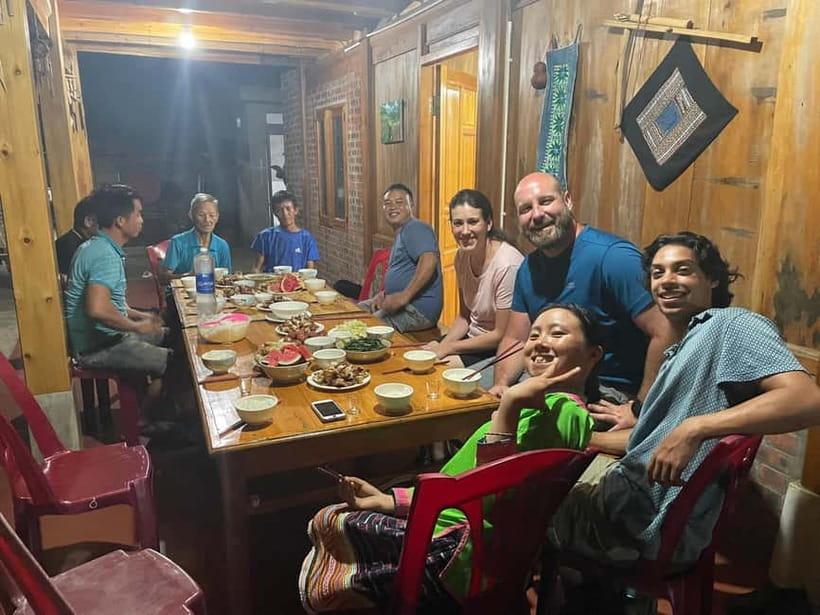
The tour calls its fitness requirement moderate, but I would describe it as moderate with challenging stretches. Eighteen kilometers over two days is manageable for an active person, yet the surface and elevation make the distance feel longer.
You may encounter steep and uneven paths, muddy ground depending on weather, and extended climbs. The exact conditions are not fixed, so pack for changeable mountain weather. Comfortable walking shoes, a light raincoat or jacket, sunscreen, a hat, sunglasses, mosquito repellent, and spare clothes are sensible choices.
A large bottle of drinking water is included per person per day. That is helpful, but you should still bring the water you need for your own pace, especially in warm conditions. Snacks, extra drinks, souvenirs, and personal purchases are not included.
This is not the right choice if you have back problems or limited mobility. It also is not a good first hiking trip if you rarely walk uphill. The guide can help, but no guide can remove the physical demands of the route.
The group and the guide
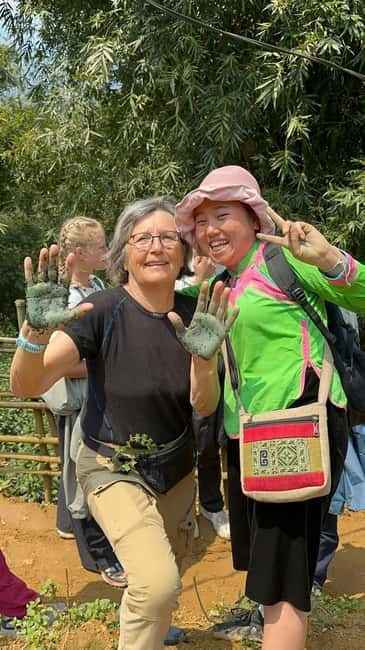
This is a group tour, so you will trek with other people. That keeps the cost down and can make the homestay evening more social. It also means you will not control every pause or walking speed.
English is available, and the guiding team speaks Vietnamese as well. The strongest praise for the tour centers on the guide’s communication and ability to explain village life. Do was described as an excellent English communicator and an informative companion, while Dinh’s introduction emphasizes her Hmong background and family connection.
You should expect a warm, personal style rather than a formal lecture. That suits this route. The guide’s role is not just to point out viewpoints, but to help you understand the people and places around you.
There is one practical nuisance to prepare for. Local vendors may approach you along the route and try to sell handmade souvenirs or walk beside you for part of the trek. You can be polite and firm if you are not interested. Carrying less cash and deciding in advance how you feel about buying crafts can make these encounters easier.
Is $78 good value?
At $78 per person, the tour offers solid value if you want transport and a two-day experience handled in one booking. The price includes the local English-speaking guide for two days, four village entry fees, two lunches, one dinner, one breakfast, a one-night homestay, one large bottle of water per day, the Day 1 picnic, and transportation back to Sapa after the walk.
It also includes help booking the Hanoi to Sapa and Sapa to Hanoi buses. That support matters because the journey involves several moving parts and late arrival back in Hanoi.
You still pay for travel insurance, snacks, drinks beyond the supplied water, and souvenirs. The booking also offers a free T-shirt at the end of your Sapa journey, a pleasant extra but not a reason to choose the tour.
The real value comes from the homestay and the local guiding. If you only want a short scenic walk, you may find the early departure, long bus rides, and 18-kilometer route excessive. If you want a low-cost way to combine mountain scenery, family hospitality, and cultural contact, the price is reasonable.
Who should book this experience?
I would recommend it to active visitors who have limited time in northern Vietnam and want more than a town-based Sapa visit. It suits people who enjoy walking, simple accommodation, shared meals, and direct contact with a local family.
It is also a good fit if you care about where your money goes. The tour is run by a Hmong family, and Dinh’s education work gives the experience a clear local connection.
I would not choose it for a slow, comfortable weekend. The transport days are long, the walking can be hard, and the homestay has basic facilities. Families with very young children should note that children under three can join free, but the provider must be told in advance. The route itself may still be unsuitable for small children because of the distance and uneven ground.
Book at least 24 hours ahead, and use the free cancellation period up to 24 hours before departure if your plans are uncertain. Most importantly, ask about the homestay preference and make sure you are comfortable with a group walk.
FAQ
How long is the trek?
The route covers about 18 kilometers over two days. Day 1 is approximately 9 to 11 kilometers, and Day 2 is approximately 8 to 11 kilometers.
What time does the tour leave Hanoi?
Pickup from hotels in Hanoi’s Old Quarter is scheduled between 6:00 and 6:45 in the morning.
How long does the trip from Hanoi to Sapa take?
The bus or limousine van usually takes about five to six hours. Arrival in Sapa is expected around 12:00 to 12:30.
What meals are included?
The tour includes two lunches, one dinner, and one breakfast. Day 1 lunch is provided as a picnic before the trek begins.
What is the homestay like?
The homestay is with a local Hmong family and has simple, authentic, cozy accommodation with basic amenities. You can request a preference when booking.
Can I swim at the waterfall?
Swimming is offered at Giang Ta Chai waterfall, but you should bring swimwear and a change of clothes. The tour is not suitable for non-swimmers.
What happens after the trek ends?
After lunch on Day 2, a taxi takes you back to Sapa. The trek usually ends in Sapa Town between 2:00 and 3:30, followed by a bus or limousine van to Hanoi around 3:30 to 4:00. Arrival in Hanoi is expected around 9:00 to 10:00 at night.
Should you book it?
Book this tour if you want a physically active, family-run Sapa experience with a real homestay and plenty of time on village paths. The strongest reasons are the Hmong guides, shared cooking, mountain scenery, and chance to support a small local operation.
Skip it if steep walking, basic accommodation, long bus rides, or group travel would spoil your trip. For fit visitors who can accept those tradeoffs, $78 buys a useful and unusually personal introduction to the villages around Sapa.
More Two-Day Treks in Sa Pa
- EXPLORE SAPA: 2D1N TREKKING & HMONG CULTURE WITH DINH
★ 4.9 · 191 reviews - SAPA: 2-DAY 1-NIGHT TREKKING & CULTURE WITH HMONG GUIDE LINH
★ 4.9 · 126 reviews - 2 Days Fansipan Trekking
★ 5.0 · 84 reviews - 2D1N Buffalo trek by Hmong Sister House and Trekking
★ 5.0 · 81 reviews
More Homestay Treks in Sa Pa
- Muong Hoa Valley Trek & Homestay Experience – 4D3N
★ 5.0 · 42 reviews - Private Hoang Lien National Park & Tribal Village Trek
★ 4.7 · 30 reviews - Sapa: 2-Day Local Guided Valley Trek with Night Homestay
★ 5.0 · 27 reviews - Sapa: Ta Phin Village Trek & Red Dao Herbal Bath
★ 5.0 · 22 reviews
Recently added around Sa Pa
- Soob Sapa Trekking Tour★ 4.3 · 3 reviews
- Sapa Trekking – Waterfalls And H’mong Villages★ 5.0 · 2 reviews
- Sapa Trekking Private Tour With Ethnic Female Tour Guide★ 4.9 · 24 reviews
- Sapa: Trekking Through Terraced Rice Fields & Valley 1 Day★ 4.8 · 4 reviews
- Sapa: Y Linh Ho – Lao Chai, and Ta Van Trekking Day Tour★ 5.0 · 25 reviews
- Sapa Trekking Guide Francophone 2 days – 1 night★ 5.0 · 2 reviews
- Sapa: Ta Phin Village Trek with Lunch and Bathing Experience★ 4.7 · 13 reviews
- Sapa small groupe activities: 1 Day trek – Meet the locals★ 4.7 · 3 reviews
Homestay & Village Treks, compared.
Number one top rated ethical cultural trekking and homestay by ETHOS
Read our review →
2-Day Sa Pa Ethnic Homestay Tour & Trek with Limousine Bus
Read our review →
Sapa 3 Day 2 Night Trekking With Hotel & Homestay
Read our review →
Sapa 2 Days 1 Night Overnight At Local Homestay
Read our review →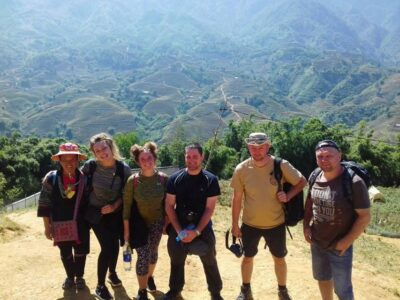
2-Day Trekking Trip with Ethnic Minority Homestay
Read our review →
2-Day Trek & Heartwarming Homestay with an Ethnic Family
Read our review →Browse the lists this tour appears in