
REVIEW · SAPA
Sapa : 2-Day Trek & Heartwarming Homestay with an Ethnic Family
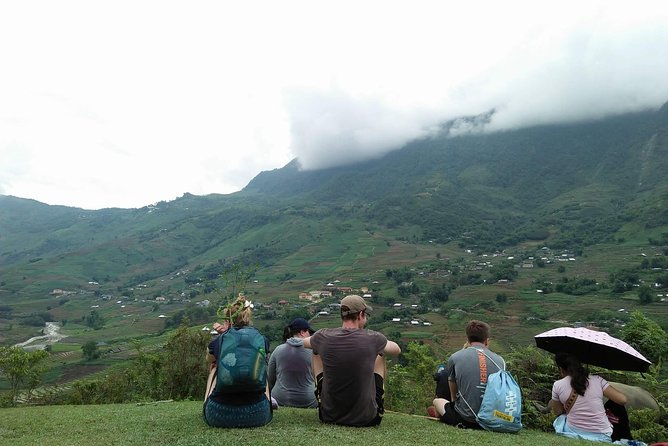
Sapa rewards slow feet. This two-day trek pairs Muong Hoa Valley’s rice terraces with a night in a local family home, giving you more time than a quick day walk and a direct look at village life. I like the small-group format, listed at no more than 10 people in the final tour details, and I like that meals, water, transport back to Sapa, and the homestay are included. The main catch is the trail: you need moderate fitness, and some paths can be slippery.
I also like the human side of this trip. Guides such as Nhu, Thao Nhu, Chai, Khu, and Sai are praised for their friendly manner, clear English, and willingness to explain ethnic traditions and daily life. You should still expect a simple overnight stay rather than hotel comfort, and the tour does not include drinks, insurance, VAT, or personal expenses.
Key things to know before you go
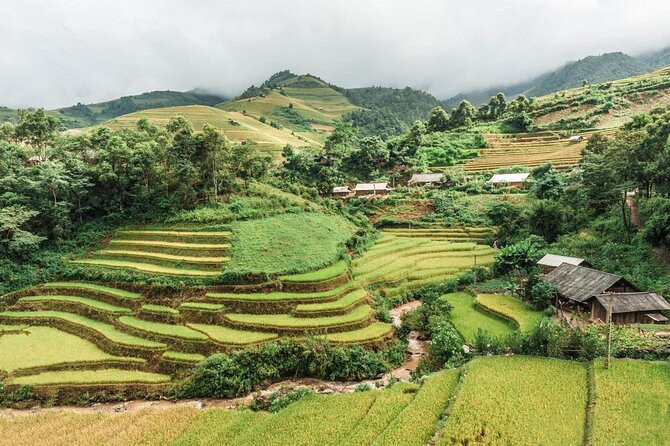
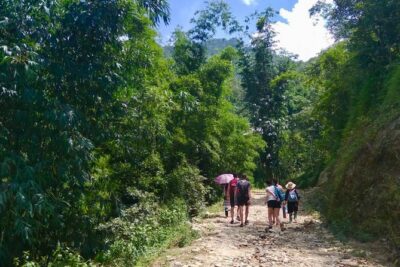
- Muong Hoa Valley by foot: Rice terraces, village paths, waterfalls, bamboo forest, farm animals, and mountain views fill the two-day route.
- One night with a local family: You share dinner and take part in a cooking session inside a traditional home.
- Small-group attention: The tour information gives a maximum of 10 people, while the promotional description mentions up to 14, so confirm the group size when booking.
- Strong guide feedback: Nhu, Thao Nhu, Chai, Khu, and Sai are praised for warmth, humor, English, and cultural explanations.
- Moderate physical effort: Trekking shoes are essential. Slippery ground can make the walk harder than the scenic photos suggest.
- Good value at $59: Two lunches, breakfast, dinner, water, transport back to central Sapa, and one night of lodging are covered.
Why two days works better than a quick Sapa walk
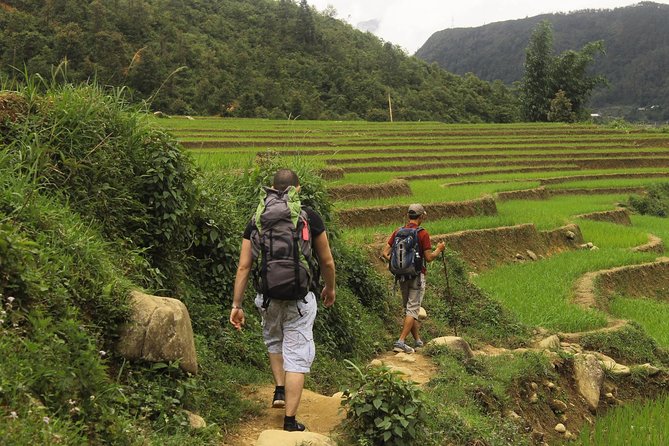
Sapa is easy to see badly. You can snap a few photos, walk a short village road, and leave with little sense of how the area fits together. This two-day route gives you time to leave the town behind and move at the pace of the valleys.
I like the basic shape of the trip. The first day is not just a march from one photo stop to another. You move through ethnic communities, see farmland and village life, and have time to ask questions as you walk. Then the evening changes the tone completely. Instead of returning to a Sapa hotel, you eat with a local family and sleep in their home.
That overnight matters. A daytime stop can show you buildings and clothing, but a family meal gives you a better sense of hospitality and routine. The cooking activity adds another useful layer because you are not only watching local life from the path. You have a small role in preparing the evening meal.
The next day keeps the walking going before a bus returns you to Sapa center. You get a fuller picture of the area without trying to squeeze every sight into one tiring day.
More Homestay Treks in Sapa
- Number one top rated ethical cultural trekking and homestay by ETHOS
★ 5.0 · 456 reviews - Sa Pa: 2-Day Trekking Trip with Ethnic Minority Homestay
★ 4.7 · 145 reviews - Sapa Valley Trek and Homestay – 3D2N
★ 5.0 · 105 reviews
Starting at 9:00 am from central Sapa
The advertised meeting point is Nomadtrails Boutique Hotel at 15 Tue Tinh, Sapa. Departure is scheduled for 9:00 am, and you should arrive 15 minutes early. Hotel pickup and drop-off are listed as available, but the specific meeting instructions name this hotel, so check the exact pickup arrangement after booking.
The morning start is practical. You do not need to rush out before dawn, and you have time to eat breakfast and prepare your day bag. Bring only what you need for the walk and overnight stay. A small pack is much easier on village paths than a large suitcase.
The vehicle is air-conditioned, and the return bus to Sapa center is included. That is a useful detail because the route finishes away from town, and arranging your own ride could add cost and confusion after two days on foot.
You receive one liter of mineral water per person per day. That is helpful, but it is not a reason to skip your own refillable bottle. The tour does not include drinks beyond the stated water, so budget for any extra beverages.
Muong Hoa Valley and Sapa’s mountain villages
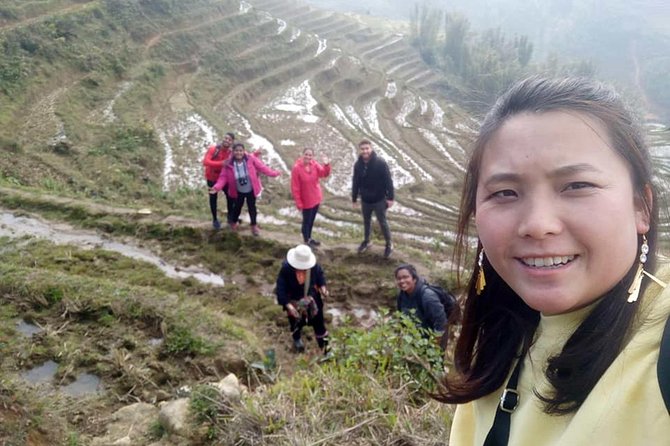
The central scenery is Muong Hoa Valley, where rice terraces run down the mountain slopes in broad steps. The view changes with the season, but the terraces are the main visual reward of the route. You will see more by walking through the valley than by stopping at a single roadside viewpoint.
The path also brings you close to ordinary village activity. The experience can include water buffalo, cows, chickens, and ducks, along with rice fields, homes, and village lanes. These details may sound modest, but they are exactly what keeps the trek from becoming only a mountain photo tour.
Several descriptions of the route include waterfalls and bamboo forest. One account also mentions swimming in a waterfall, but that should not be treated as guaranteed. Conditions, timing, and the guide’s route can affect what is possible, so bring suitable clothing if you would like the option of getting wet.
The ethnic communities are a key part of the walk. Your guide explains local customs, different groups in northern Vietnam, and how people live in the area. This is where the guide makes a real difference. A path through a village is interesting; a path with clear cultural context is much more useful.
Do not expect a flat park trail. The tour asks for moderate physical fitness, and one of the most practical warnings is that the road can be slippery. Trekking shoes with a good grip are more important than fashionable walking shoes. Sunglasses, sun cream, and insect repellent are also recommended.
The guides make the cultural side work
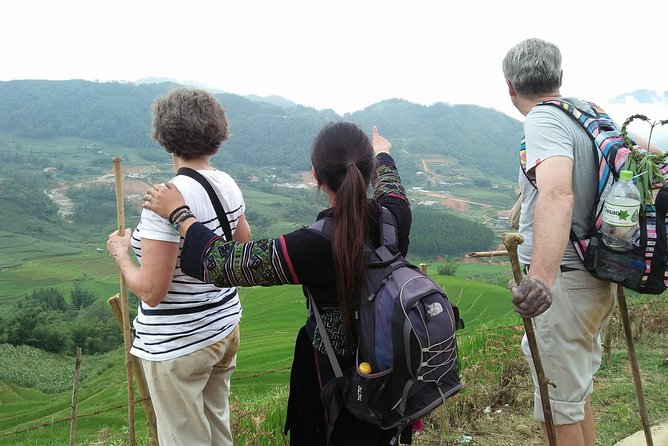
The clearest strength of this experience is its guiding. Nhu is repeatedly praised for being friendly, energetic, and willing to answer questions about Vietnamese life. She is also described as speaking English very well, which helps when you want more than a memorized explanation.
Thao Nhu receives similar praise for her cheerful attitude and ability to adjust the walk when timing or the group’s condition requires it. That flexibility is useful on a route where weather, slippery ground, and walking speed can affect the day.
Chai is praised for combining humor with explanations about ethnic minorities and life in Vietnam. Khu is remembered as a sweet and enjoyable guide, with a warning attached: the terrain can be slippery, so do not underestimate the physical side of the trip.
Sai is described as patient and attentive, with a strong grasp of local customs and the different populations of northern Vietnam. These comments point to an important benefit of a small group. You have a better chance to ask questions and receive personal attention than on a large bus excursion.
The guide’s name may vary, and no particular guide can be promised. Still, the consistent pattern is encouraging: warm personalities, useful cultural background, and a willingness to talk rather than simply lead from the front.
More Homestay Treks in Vietnam
- From Sapa: 2 Days 1 Night Trek Over Night At Homestay
★ 5.0 · 68 reviews - 2 days authentic trekking tour in Sapa ( Homestay – Less touristy )
★ 5.0 · 68 reviews - 3-Day Trek in Amazing Muong Hoa Valley & ethnic Homestay
★ 5.0 · 49 reviews - Muong Hoa Valley Trek & Homestay Experience – 4D3N
★ 5.0 · 42 reviews
A local family dinner and one-night homestay
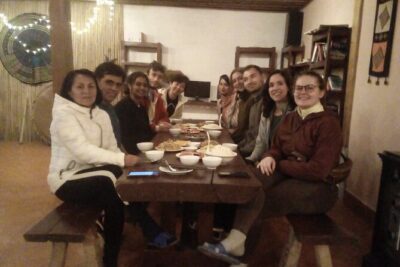
The evening homestay is the emotional center of the trip. You join a local family for dinner, help with a cooking activity, and sleep in their traditional home. The meal is included, as is breakfast the next morning.
I like that dinner is described as part of the family experience rather than as a restaurant meal. Sharing food in a home creates a more personal connection, even though you should keep your expectations realistic. This is a village homestay, not a private boutique room.
The supplied details do not specify the bedding, bathroom setup, room arrangement, or heating. You should ask the operator if those details matter to you. Pack clothes for the night, and bring warm layers, especially from October through March. Sapa can feel cold, and a simple home may not offer the same indoor comfort as a town hotel.
The cooking session may be one of the most memorable parts of the visit. You get to take part rather than simply sit down when the food appears. It also gives your guide and host family an easy setting for conversation.
Please respect local culture during the stay. Dress and behave thoughtfully, ask before taking photos, and follow the family’s lead. The experience is at its best when you treat the homestay as a shared visit, not as a staged attraction.
What the $59 price really covers
At $59 per person, this is a strong package if you plan to trek in Sapa anyway. The price includes two lunches at local restaurants, one dinner with the family, one breakfast at the homestay, one liter of water per day, one night of accommodation, air-conditioned transport, and the bus back to Sapa center.
That list removes several costs you would otherwise pay separately. You also receive a guide, route support, and cultural interpretation for two days. Compared with arranging meals, transport, and a village stay on your own, the price is sensible.
There are limits. Drinks are extra, and you need to cover personal expenses, travel insurance, and VAT. The price also does not guarantee a private room, a particular guide, or a specific village sequence. If you want polished accommodation or complete control over the itinerary, this may not be the right fit.
The tour is often booked about 24 days ahead. That suggests you should not leave it until the last minute during a busy Sapa visit. Confirmation is provided when you book, and the activity offers free cancellation up to 24 hours before the local start time. A cancellation within 24 hours is not refundable.
Who will enjoy this trek most
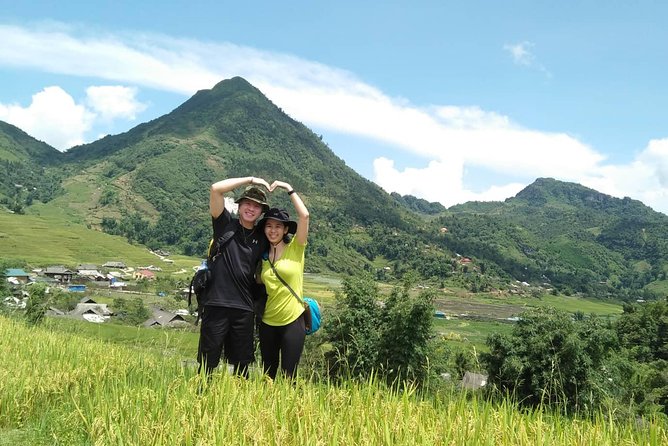
I would recommend this trip to a first-time Sapa visitor who wants a clear introduction without arranging every detail independently. It suits you if you enjoy walking, village scenery, local meals, and conversation with a guide.
It is also a good match for people who want a little more depth than a day tour. The overnight stay slows things down and gives you time to see the valley, talk with the guide, and share an evening meal.
You should think twice if you dislike uneven paths, wet weather, basic accommodation, or changing outdoor conditions. A moderate fitness level is required, and the slippery sections are not a minor footnote. This is not a sightseeing bus with a short stroll at the end.
Families and older people should judge the route by fitness rather than age alone. The operator can be told about dietary requirements when you book, which is useful if you need a special meal. Bring a valid passport on the day of the trip.
What to pack for the two days
Keep your luggage light and practical. The required and recommended items include trekking shoes, sunglasses, sun cream, insect repellent, and clothes for the night.
From October through March, add warm clothing. A rain layer is also sensible for any mountain walk, though the provided information does not promise specific weather gear or equipment.
Your packing list should include:
- Grippy trekking shoes
- Warm night clothing
- Sun protection
- Insect repellent
- Personal toiletries
- Extra water capacity
- Any needed medication
- Clothing suitable for respectful village visits
If you plan to swim at a waterfall, carry a small change of clothes, but remember that swimming is not guaranteed. Keep valuables to a minimum and protect electronics from rain or damp paths.
Small groups, route changes, and realistic expectations
The tour is promoted as a small-group activity. One section gives a maximum of 10 people, while another says the group can reach 14. Because those figures do not match, I would confirm the expected number before paying if group size matters to you.
A smaller group usually helps on narrow or muddy paths. It also gives you more time with the guide and makes it easier to discuss food or fitness needs. A larger group can slow the walk and reduce the quiet feeling of the valley.
The exact route may also vary. The descriptions include Ta Phin, Lao Chai, waterfalls, bamboo forest, rice fields, and several villages, but not every stop is guaranteed on every departure. Weather, trail conditions, group pace, and timing can all shape the final route.
That is normal for a mountain trek. Go for the overall experience rather than a rigid checklist of photo stops. The best parts are the combination of walking, local explanation, family dinner, and time away from Sapa town.
Should you book this Sapa homestay trek?
Book it if you want a good-value two-day introduction to Sapa, prefer active days to bus sightseeing, and are comfortable with a simple family homestay. The included meals, return transport, guide, and overnight stay make $59 a fair price.
You should skip it if you need hotel-level comfort, private transport throughout, or a completely fixed route. Also skip it if slippery trails and moderate hiking sound unpleasant.
For most reasonably fit first-time visitors, I like this as a practical way to see Muong Hoa Valley and meet local people without taking on the planning alone. Confirm the group size, ask about homestay facilities if comfort is important, bring proper shoes, and arrive ready for a real mountain walk rather than a gentle outing.
FAQ
Where does the tour start?
The stated meeting point is Nomadtrails Boutique Hotel, 15 Tue Tinh, Sapa 330000, Vietnam. The start time is 9:00 am, and you should arrive 15 minutes early.
Does the tour include hotel pickup and drop-off?
Hotel pickup and drop-off are listed as included or available. The named meeting point is Nomadtrails Boutique Hotel, so confirm the exact pickup details after booking.
How long does the tour last?
The experience lasts approximately two days and includes one night at a local homestay.
What meals are included?
The tour includes two lunches at local restaurants, one dinner with a local family, and one breakfast at the homestay.
Is accommodation included?
Yes. One night of homestay accommodation with a local family is included.
How large is the group?
The final tour information gives a maximum of 10 people, while another description mentions up to 14. Confirm the expected group size when booking.
What should I bring?
Bring trekking shoes, sunglasses, sun cream, insect repellent, and clothes for the night. Warm clothing is recommended in Sapa from October through March.
Can I cancel for a full refund?
Yes, if you cancel at least 24 hours before the local start time. Cancellations or changes made less than 24 hours before departure are not refunded or accepted.
More Two-Day Treks in Sapa
- EXPLORE SAPA: 2D1N TREKKING & HMONG CULTURE WITH DINH
★ 4.9 · 191 reviews - SAPA: 2-DAY 1-NIGHT TREKKING & CULTURE WITH HMONG GUIDE LINH
★ 4.9 · 126 reviews - 2 Days Fansipan Trekking
★ 5.0 · 84 reviews - 2D1N Buffalo trek by Hmong Sister House and Trekking
★ 5.0 · 81 reviews
Recently added around Sapa
- Soob Sapa Trekking Tour★ 4.3 · 3 reviews
- Sapa Trekking – Waterfalls And H’mong Villages★ 5.0 · 2 reviews
- Sapa: Trekking Through Terraced Rice Fields & Valley 1 Day★ 4.8 · 4 reviews
- Sapa: Y Linh Ho – Lao Chai, and Ta Van Trekking Day Tour★ 5.0 · 25 reviews
- Sapa Trekking Private Tour With Ethnic Female Tour Guide★ 4.9 · 24 reviews
- Sapa Trekking Guide Francophone 2 days – 1 night★ 5.0 · 2 reviews
- Sapa: Ta Phin Village Trek with Lunch and Bathing Experience★ 4.7 · 13 reviews
- Sapa small groupe activities: 1 Day trek – Meet the locals★ 4.7 · 3 reviews
Homestay & Village Treks, compared.
Number one top rated ethical cultural trekking and homestay by ETHOS
Read our review →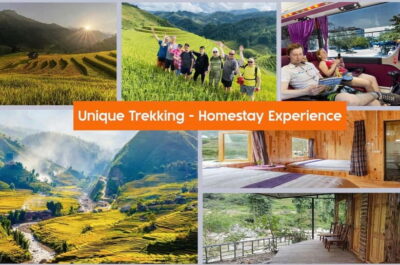
2-Day Sa Pa Ethnic Homestay Tour & Trek with Limousine Bus
Read our review →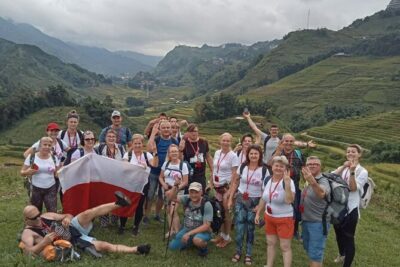
Sapa 3 Day 2 Night Trekking With Hotel & Homestay
Read our review →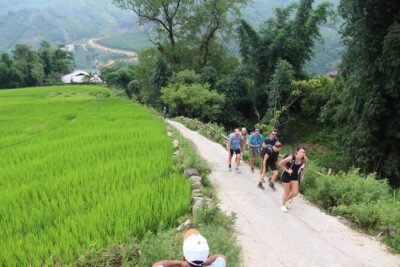
Sapa 2 Days 1 Night Overnight At Local Homestay
Read our review →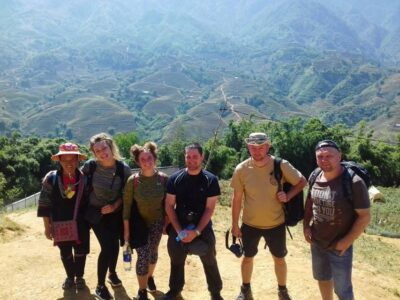
2-Day Trekking Trip with Ethnic Minority Homestay
Read our review →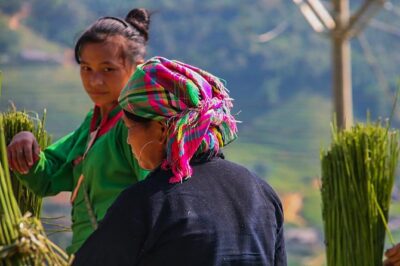
Browse the lists this tour appears in