REVIEW · SAPA
Muong Hoa Valley Trek & Homestay Experience – 4D3N
Sapa rewards walkers. This four-day Muong Hoa Valley route takes you through five villages connected with Hmong, Giay, and Red Dao communities, while showing off rice terraces, waterfalls, mountain views, and the Muong Hoa River. I like that the focus is not only on scenery, but also on local customs, house-building methods, farming, and Hmong marriage traditions.
I also like the small-group limit of 15 people and the fact that village entry fees, meals, water, a local guide, and transport back to Sapa are included. The main caution is physical: this is a proper multi-day trek, not a series of short walks, and summer heat in the valley can be far stronger than the temperature in Sapa Town. The accommodation details also deserve clarification, since only one homestay night is specifically listed as included.
Key points to know before booking
- Five ethnic minority villages: The route includes Y Linh Ho, Ta Van, Giang Ta Chai, Ban Ho, and Nam Toong, with a focus on Hmong, Giay, and Red Dao culture.
- Rice terraces and Hoang Lien views: The best scenery comes early, especially around Ta Van and the Muong Hoa Valley.
- A warm-weather trek: In late June, Sapa was about 23°C while the valley reached 31 to 32°C, even without rain.
- Three included dinners, four lunches, and three breakfasts: Food is a major part of the package, along with one large bottle of water per person.
- A small group capped at 15: That should make village visits and walking instructions easier to manage than on a large coach tour.
- One detail to confirm: The inclusions list specifies one homestay night, although the experience lasts four days and three nights.
Why Muong Hoa Valley Is Worth Four Days
Sapa is often sold through quick terrace viewpoints and short village walks. This route gives you more time on foot, which changes the feel of the visit. You are not simply stopping for a photograph, then returning to town. You move between villages, see how the valley changes, and have time to ask your guide about daily life.
The route also offers a useful contrast between the groups living around Sapa. The tour introduces Hmong, Giay, and Red Dao customs rather than treating all mountain communities as one culture. That matters. Clothing, traditions, farming practices, and village life are not interchangeable, and a local guide can provide context that a viewpoint sign cannot.
The price is $190 per person. For four days, that is a reasonable package price if you value included meals, village entry fees, guiding, accommodation, water, and the return ride to Sapa. You are paying for a long route with local support, not merely transport to a lookout.
Still, I would confirm exactly where the other nights are spent. The listed inclusions name accommodation at a homestay for one night, while the tour runs for four days and three nights. That may be a simple description issue, but it is worth settling before you pay.
More Homestay Treks in Sapa
- Number one top rated ethical cultural trekking and homestay by ETHOS
★ 5.0 · 456 reviews - Sa Pa: 2-Day Trekking Trip with Ethnic Minority Homestay
★ 4.7 · 145 reviews - Sapa : 2-Day Trek & Heartwarming Homestay with an Ethnic Family
★ 5.0 · 143 reviews
Day One: Y Linh Ho, Ta Van, and the First Terraces
The tour begins at 9:00 a.m. Your guide meets you at your hotel in Sapa Town or at Sapa Church on Ham Rong Street. From there, you are taken about 2 kilometers down the road toward Cat Cat before continuing into the valley.
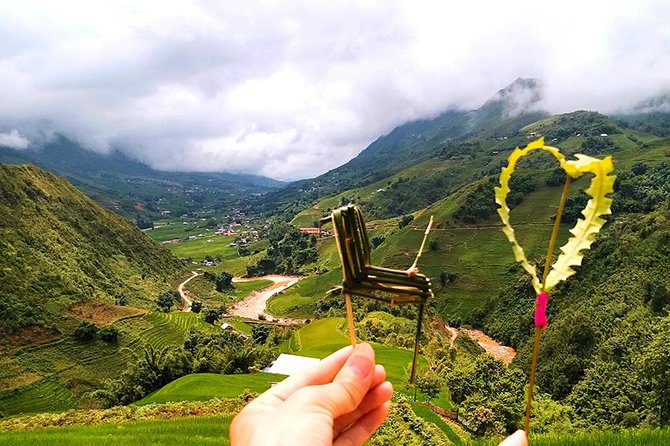
Y Linh Ho is an excellent opening stop because it brings you quickly away from the town setting and toward the rural side of Sapa. The route introduces the scale of the valley, with steep hills, working farmland, and terrace fields cut into the slopes. The exact walking distance for the full day is not provided, so you should ask the operator for a current estimate before booking.
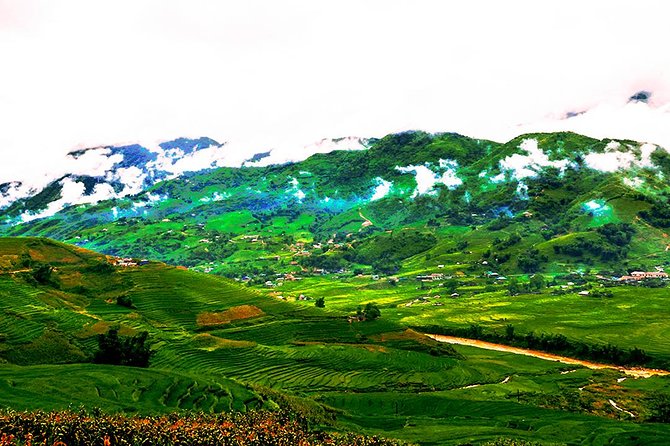
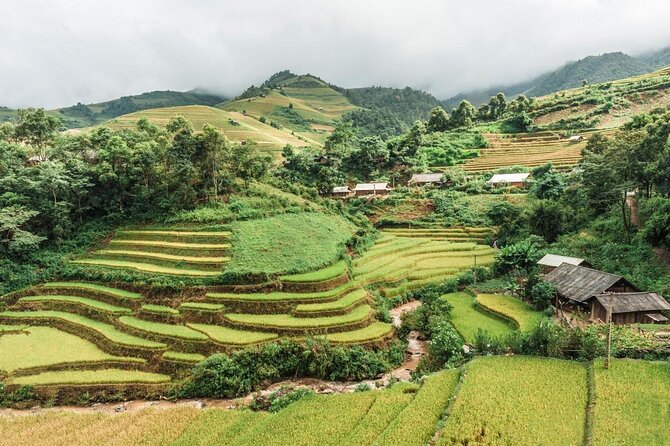
Ta Van is the major highlight of the first day. Here, you can see some of the largest and most striking rice terraces in the area, along with broad views toward the Hoang Lien mountain range. This is the part of the trip that most clearly explains why Sapa is famous.
The terraces are not just scenery. They show how farming has been adapted to steep mountain ground. Your guide is expected to explain rice cultivation and local work, which adds meaning to the views. A photograph captures the curves of the fields, but the explanation helps you understand the labor behind them.
Day One includes lunch and dinner, and the accommodation plan should be checked in advance. If your first night is at a village homestay, you will have a more direct connection with local life than you would in a Sapa hotel. If not, ask where you sleep and how luggage is handled.
Day Two: Waterfalls and the Red Dao Area
After breakfast, the route heads uphill toward the waterfalls at Giang Ta Chai. This is a useful change from the first day, which leads you into the valley. The climb gives the day a more physical edge and may feel harder in warm weather.
Giang Ta Chai is associated with the Red Dao community. Here, the guide explains Red Dao customs and culture in greater detail. The tour description also places emphasis on traditional work and village life, so this is a good point to ask specific questions rather than simply follow the group from one stop to the next.
The waterfall gives the day a natural focal point, but the cultural setting is just as important. You are seeing how different communities occupy the same wider region, while keeping their own customs and identity.
I would pay attention to the weather forecast before setting out. The tour requires good weather, and conditions can change the character of a mountain walk quickly. A summer experience in June showed the difference between town and valley temperatures: around 23°C in Sapa, but 31 to 32°C along much of the lower route. Even when the air feels mild at the start, the valley can become hot.
A large bottle of water is included for each person, but that is not a substitute for planning. Extra drinks are not included, so you should budget for additional bottled water or drinks at the homestay. The tour also does not include personal travel insurance.
Day Three: Ban Ho and the Walk to Nam Toong
Day Three centers on Ban Ho, followed by a roughly 3-kilometer walk to Nam Toong. The route gives you another opportunity to learn about the Red Dao community, which is especially useful after the introduction at Giang Ta Chai.
Nam Toong is presented as a place where you can learn about the Red Dao people who live there. The value of this stop depends heavily on your guide, because the village itself is not simply a museum display. You are there to understand a living community, its customs, and the way people work and build homes.
The tour places particular attention on Hmong marriage traditions, rice fields, house construction, and practical village life. Some of that discussion may occur at different points along the route, but Day Three is a good time to ask for comparisons between Hmong and Red Dao traditions.
The short distance from Ban Ho to Nam Toong does not mean the day is effortless. The complete trek includes the approaches between villages, and the route may involve uneven ground and changes in elevation. The stated fitness requirement is moderate, which is a fair warning for anyone unused to walking several days in a row.
Breakfast, lunch, and dinner are included on the relevant tour days, giving you fewer food decisions to make while walking. That is a real benefit in a rural area. Extra drinks remain your responsibility, and tipping is not included.
More Homestay Treks in Vietnam
- Sapa Valley Trek and Homestay – 3D2N
★ 5.0 · 105 reviews - 2 days authentic trekking tour in Sapa ( Homestay – Less touristy )
★ 5.0 · 68 reviews - From Sapa: 2 Days 1 Night Trek Over Night At Homestay
★ 5.0 · 68 reviews - 3-Day Trek in Amazing Muong Hoa Valley & ethnic Homestay
★ 5.0 · 49 reviews
Day Four: Following the Muong Hoa River Back to Ban Ho
The final day starts with breakfast in Ban Ho, then follows a different route from Thanh Phu back toward Ban Ho beside the Muong Hoa River. This is described as an easier walk, making it a sensible way to finish after several days on foot.
The river route offers a slower ending than another steep climb would. You can take in the valley at a gentler pace and review the villages, terraces, and cultural information from the earlier days. It is also a useful reminder that Sapa is more than its famous rice fields. The waterway, farms, settlements, and footpaths all shape the valley.
Lunch is included, and transport back to Sapa is provided after the village portion of the tour ends. The listed end point is back at the original meeting point, so you should expect to finish near Sapa Church or your initial pickup location.
The exact time of return is not provided. If you have a train, bus, or other fixed connection that day, ask the operator for a realistic arrival window before booking. Mountain routes do not always follow a precise city schedule, and a four-day trek is best treated as the main event of your day.
What the Meals and Homestay Add
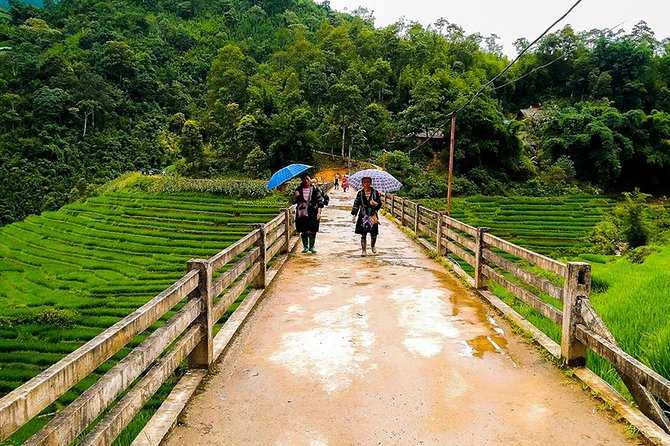
Three dinners, four lunches, and three breakfasts are included. That is generous coverage for a four-day experience and helps explain the value of the $190 price. You are not paying separately for every meal while moving through the valley.
Food at a homestay can also be more useful than a restaurant stop because it keeps you close to village life. The supplied details do not specify menus, dietary arrangements, room type, bedding, or bathroom facilities, so you should ask about those points if they matter to you.
The biggest accommodation question is the one-night wording. A four-day, three-night trip normally suggests three nights of lodging, but only one homestay night is clearly named in the inclusions. Do not assume the other two nights are covered. Confirm the sleeping arrangements, locations, and whether any Sapa hotel nights are your responsibility.
Extra drinks, including bottled water and beer at the homestay, cost more. One large bottle of water per person is included, but the valley heat described in June makes it sensible to ask how much additional water you should carry.
How Difficult Is the Trek?
The tour calls for moderate physical fitness. That means you should be comfortable walking for several days, handling uneven village paths, and managing both uphill and downhill sections. The route includes an uphill walk to Giang Ta Chai and several stretches between villages.
The heat may be a bigger problem than the cool Sapa mornings. A June walk recorded temperatures of about 31 to 32°C in the valley, despite 23°C in town. If you visit during the wet season, good weather may produce comfortable walking conditions, but rain can alter the ground and visibility.
Wear shoes suited to a rural mountain route, and bring clothing that works in warm conditions. The supplied information does not specify gear requirements, so ask the operator what they recommend for the current season. You should also tell the guide about any medical or mobility concerns before departure.
This trip is a poor match for anyone looking for a gentle sightseeing circuit. It is a good fit if you want real walking, village contact, and several days away from the usual Sapa town routine.
Group Size, Guide Support, and Practical Planning
The group limit is 15 people. That is large enough to create a social atmosphere, but small enough for the guide to give walking instructions and answer questions without shouting across a crowd.
The provider, Trekking Tour Sapa, describes itself as a small local Hmong group. A response from the provider is signed Sinh, although the supplied details do not confirm that Sinh will personally lead your departure. If having a particular guide matters to you, ask when booking.
Pickup is offered from a Sapa Town hotel or from Sapa Church. The formal meeting point is Sapa Church, P. Ham Rong, and the start time is 9:00 a.m. Confirmation is received at booking, and the location is near public transportation.
The tour is commonly booked well in advance, with an average booking time of 97 days. That is a useful planning signal, especially if your visit falls in a busy season. The experience also requires a minimum number of participants, so the operator can cancel and offer another date or a full refund if that minimum is not met.
Free cancellation applies up to 24 hours before the start time. Within 24 hours, refunds are not available, and late changes are not accepted. Poor weather can also lead to a new date or a full refund.
Is $190 Good Value?
I consider $190 a fair price if the accommodation question is resolved in your favor. The cost covers a local guide, entry fees, meals throughout the route, water, a homestay night, and transport back to Sapa. Those inclusions remove many small expenses that can add up during a four-day trip.
The value is strongest for you if cultural explanation matters as much as scenery. A short terrace walk can be cheaper, but it will not give you the same time with village routes, Red Dao areas, river paths, and farming discussions.
The value is weaker if you only want the most photogenic terraces. You may find a shorter Sapa excursion more suitable and less demanding. You should also check whether tips, insurance, additional drinks, and any extra accommodation are within your budget.
Who Should Book This Sapa Trek?
Book this experience if you want several days on foot, a local guide, village visits, and a closer look at Hmong, Giay, and Red Dao communities. It suits people who prefer a slower trip and do not mind trading hotel comfort for a homestay experience.
It is also a sensible choice for anyone who wants food and transport bundled into one price. The small group cap should help keep the route personal, while the four-day schedule gives you more time than a standard day trip.
Think twice if you have limited walking fitness, a tight departure schedule, or a strong need for clearly specified hotel accommodation. Confirm the number of nights, sleeping arrangements, expected walking distances, and return time before paying.
If those points are clear, I would book it for the combination of terraces, waterfalls, river paths, and cultural explanation. The route gives you a fuller picture of Sapa than a quick viewpoint stop, but it asks you to accept heat, hills, and simple accommodation in return.
FAQ
Where does the Muong Hoa Valley trek start?
The trek starts at 9:00 a.m. Your guide can meet you at your hotel in Sapa Town or at Sapa Church on P. Ham Rong Street.
How long does the tour last?
The experience lasts approximately four days and includes three breakfasts, four lunches, and three dinners.
Which villages are included?
The route includes Y Linh Ho, Ta Van, Giang Ta Chai, Ban Ho, and Nam Toong. It introduces Hmong, Giay, and Red Dao communities.
Is accommodation included?
One homestay night is specifically listed as included. Since the tour lasts four days and three nights, confirm the arrangements for all nights before booking.
How fit do I need to be?
A moderate level of physical fitness is required. The route includes village walking, an uphill section toward Giang Ta Chai, and a walk of about 3 kilometers from Ban Ho to Nam Toong.
What is included in the price?
The price includes village entry fees, a local guide, one large bottle of water per person, one homestay night, transport back to Sapa, three dinners, four lunches, and three breakfasts.
Can I cancel for a full refund?
You can receive a full refund if you cancel at least 24 hours before the start time. Cancellations or changes made within 24 hours are not refunded or accepted. If poor weather or insufficient numbers cause cancellation, you are offered another date or a full refund.
More Rice Terrace Treks in Vietnam
- Daily Tour: Sapa Trekking in Muong Hoa valley, Bamboo forest
★ 5.0 · 121 reviews - 1-Day Sapa Long Trek – Rice Field Terrace, Ethnic Culture
★ 4.9 · 62 reviews - Sapa: Muong Hoa Mountain Views and Villages Trek with Lunch
★ 4.3 · 28 reviews - Sapa: Muong Hoa Valley View & Villages Trek with Local Guide
★ 5.0 · 25 reviews
More Rice Terrace Treks in Sapa
- Sa Pa: Muong Hoa Valley Trek and Local Ethnic Villages
★ 4.6 · 864 reviews - Explore Sapa by TrekkingAdventures, Mountain,Rice fields
★ 4.9 · 229 reviews - Sa Pa: 6-Hours Muong Hoa Valley Trek with Local Ethnic guide
★ 4.5 · 178 reviews - Sapa Muong Hoa Valley & Ta Van Eco Village Scenic Tour (No Trek)
★ 5.0 · 144 reviews
Recently added around Sapa
- Soob Sapa Trekking Tour★ 4.3 · 3 reviews
- Sapa Trekking – Waterfalls And H’mong Villages★ 5.0 · 2 reviews
- Sapa: Trekking Through Terraced Rice Fields & Valley 1 Day★ 4.8 · 4 reviews
- Sapa: Y Linh Ho – Lao Chai, and Ta Van Trekking Day Tour★ 5.0 · 25 reviews
- Sapa Trekking Private Tour With Ethnic Female Tour Guide★ 4.9 · 24 reviews
- Sapa Trekking Guide Francophone 2 days – 1 night★ 5.0 · 2 reviews
- Sapa: Ta Phin Village Trek with Lunch and Bathing Experience★ 4.7 · 13 reviews
- Sapa small groupe activities: 1 Day trek – Meet the locals★ 4.7 · 3 reviews
Rice Terrace Treks, compared.
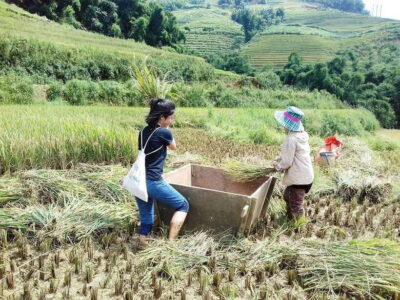
Muong Hoa Valley Trek and Local Ethnic Villages
Read our review →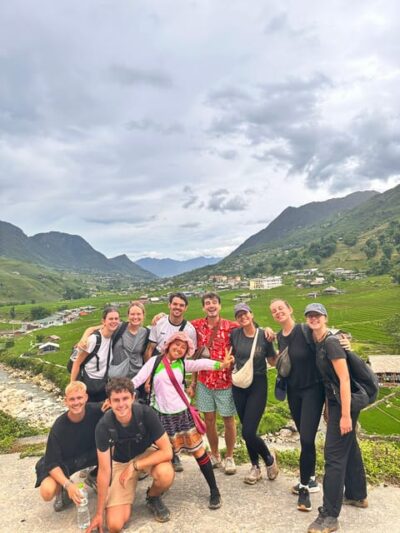
Explore Sapa by TrekkingAdventures, Mountain,Rice fields
Read our review →
Selogriyo Temple and Trekking Java Rice Terraces, hidden waterfall -Nature Java
Read our review →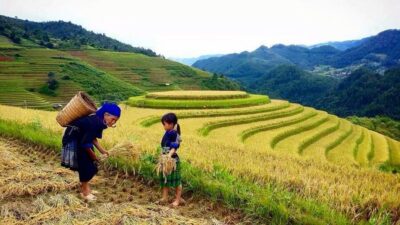
6-Hours Muong Hoa Valley Trek with Local Ethnic guide
Read our review →
Sapa Muong Hoa Valley & Ta Van Eco Village Scenic Tour (No Trek)
Read our review →
Daily Tour: Sapa Trekking in Muong Hoa valley, Bamboo forest
Read our review →