
REVIEW · SAPA
Explore Sapa by TrekkingAdventures, Mountain,Rice fields
Sapa opens up one muddy step at a time. This five-hour trek follows mountain paths from Sapa to Y Linh Ho, Lao Chai, and Ta Van, with local Hmong women guiding you through rice terraces, village lanes, and daily life in northern Vietnam. I especially like the direct connection with local guides and the chance to choose between an easier route and a more demanding one. The included lunch and return ride also make the $23 price unusually strong.
The main caution is the ground. Downhill paths can be slippery, rocky, and muddy, especially after rain, and winter fog may hide the famous views. You should also expect some local women to offer handmade goods along the route. That can feel pushy, though the guides make clear that buying is optional.
The best parts at a glance
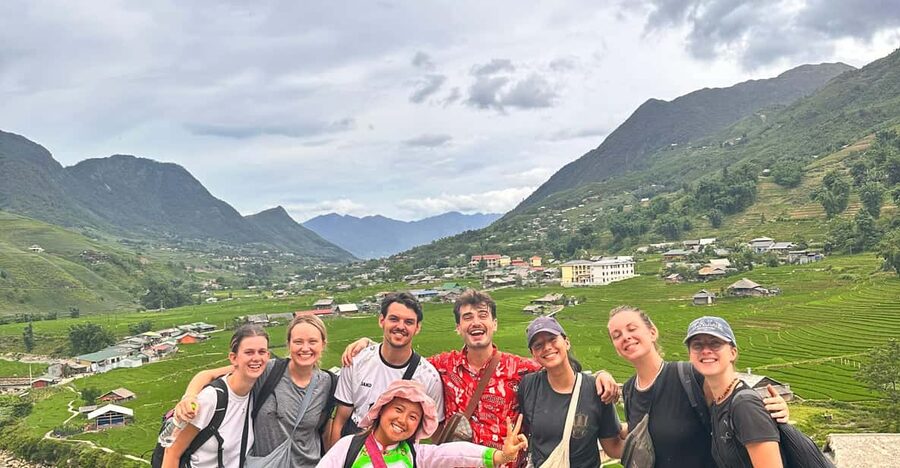
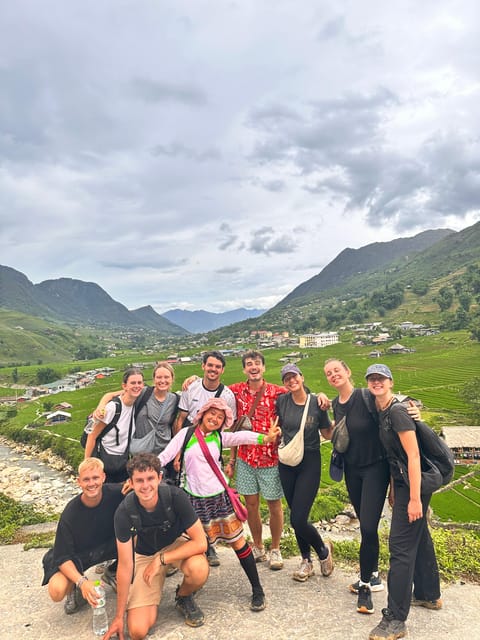
- Three villages in one walk: Follow the route from Sapa through Y Linh Ho and Lao Chai to Ta Van, seeing different communities and traditions along the way.
- Local Hmong women lead the way: Guides such as Sun, Dinh, Khu, Ko, and Chuchu share personal stories about family life, marriage customs, work, and village traditions.
- Flexible trekking difficulty: Choose a shorter five-kilometer walk, a route closer to 11 or 12 kilometers, or an easier road section instead of rougher paths.
- Rice terraces change with the season: Planting and harvest periods offer a working view of the fields, while other months focus more on scenery and village life.
- A useful $23 package: Lunch, water, village entry fees, a local English-speaking guide, and transport back to Sapa are included.
- Weather matters greatly: Clear days bring wide views, while fog, rain, and mud can turn the same route into a quieter but harder outing.
Starting below Sapa’s fog
The tour normally begins at 9:00 AM, with pickup at your hotel in Sapa Town or near the main church. The church meeting point can be busy, especially when several groups gather, but the organizers sort people into smaller groups before setting off.
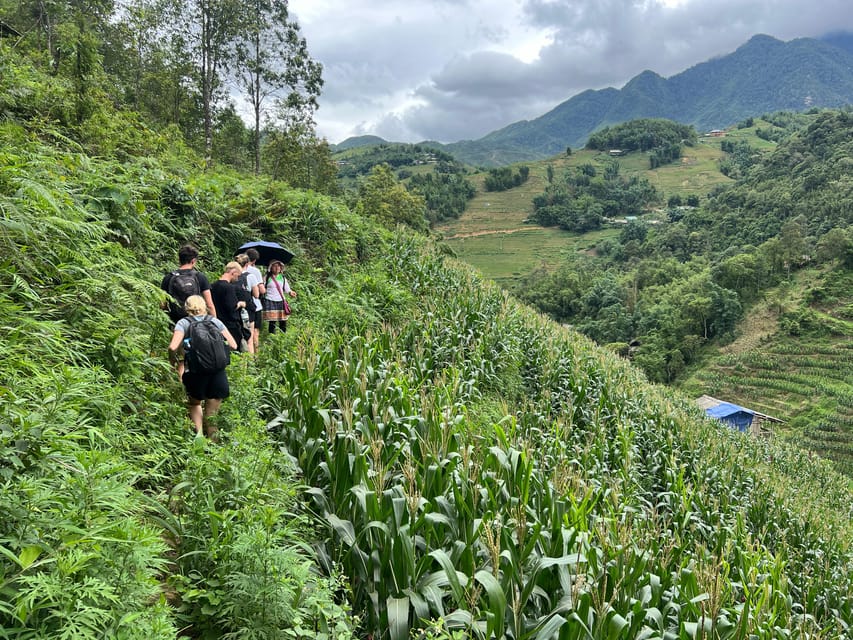
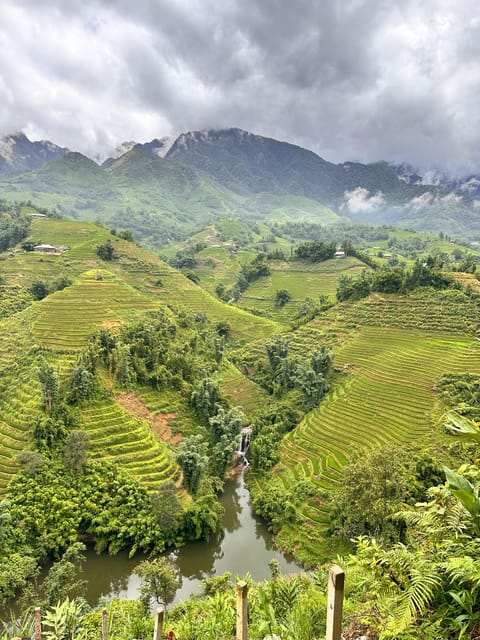
The first stretch heads downhill from Sapa toward Y Linh Ho, a Black Hmong village. That descent is important to understand before you book. You are not simply strolling along a flat valley road. The route can include narrow paths, muddy slopes, stream crossings, rough steps, and low fences. The walking is manageable for many people, but your balance and footwear matter more than speed.
On clear days, the descent gradually reveals rice terraces and mountain valleys. Several people found that the fog around Sapa lifted as they walked lower, replacing gray streets with open views. In winter, though, fog can remain thick for much of the day. You may still enjoy the villages and exercise, but you should not count on postcard views.
Guides regularly stop to explain the area and allow time for photographs. Sun is praised for her humor and excellent English, while guides including Dinh, Khu, Ko, Ze, Mam, and Chuchu are described as warm, attentive, and good at keeping the group together. The quality of the day depends heavily on your guide, and this team’s personal connection to the area is one of the tour’s strongest features.
More Rice Terrace Treks in Sapa
- Sa Pa: Muong Hoa Valley Trek and Local Ethnic Villages
★ 4.6 · 864 reviews - Sa Pa: 6-Hours Muong Hoa Valley Trek with Local Ethnic guide
★ 4.5 · 178 reviews - Sapa Muong Hoa Valley & Ta Van Eco Village Scenic Tour (No Trek)
★ 5.0 · 144 reviews
Y Linh Ho and the first rice terraces
Y Linh Ho is the first major village section and one of the prettiest parts of the walk. The Black Hmong community lives among steep hills and cultivated terraces, so you get a close look at how paths, homes, animals, and farmland fit together.
You may see buffalo, pigs, and chickens beside the route. These details matter because they make the walk more than a string of viewpoints. Your guide can explain how people work and live in the mountains, rather than simply pointing out scenery.
The Hmong guides also talk about their own lives. The sisters who run the experience grew up in a mountain village without electricity and did not have the chance to attend school. Their stories touch on early arranged marriages, motherhood, work, and the limited choices available to many women in their communities.
That personal element gives the tour a human focus. You are not just passing through a scenic valley. You are walking with women whose families and communities are part of the place you are seeing. The company also says it helps local children attend school and supports employment for more women.
At the same time, keep the conversation respectful. This is not a staged cultural show, and your guide may share personal experiences at her own pace. Ask questions, listen carefully, and avoid treating private stories as entertainment.
Lao Chai, lunch, and the largest village stop
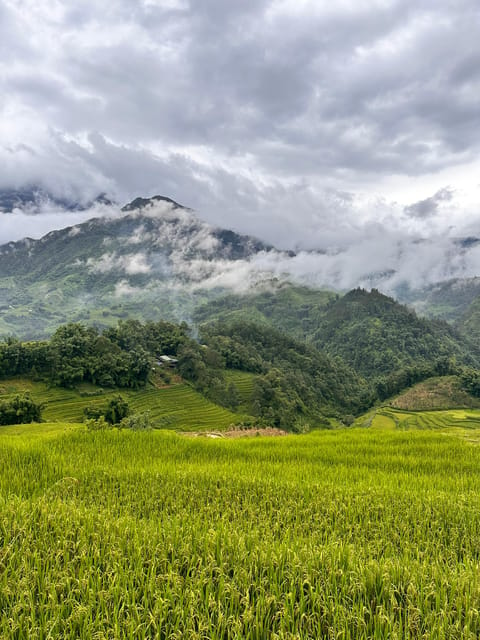
The route continues to Lao Chai, described as one of the oldest and largest Hmong communities in the area. This is where the scenery and cultural explanations come together especially well. You may pass homes, animals, terraces, bamboo areas, and small paths while learning how Black Hmong traditions differ from those of nearby groups.
Lunch is included at a local restaurant in Lao Chai. The exact menu can vary, but the meal is described as plentiful and tasty, with vegetarian and vegan options available on some outings. One useful detail is that lunch may be served near the river or with views over the rice fields, giving you a proper pause after the downhill walking.
Do not expect a quick snack and an immediate departure. Lunch is a genuine break, and the day’s pace includes regular stops. One account described a short break every hour or so, while another felt the pauses became repetitive toward the end. If you prefer a brisk walk, tell your guide early. If you want time for photographs and conversation, the relaxed rhythm works well.
The food is part of the value. At $23, a meal, water, village entry fees, guide, and return transportation are bundled into a low price. You should still bring cash for extra drinks, since beer and additional bottled water are not included.
A traditional Hmong home and everyday culture
A visit to a traditional Black Hmong house gives the cultural part of the trip more focus. Rather than only seeing houses from the path, you can learn about daily routines, family life, and local customs in a more personal setting.
The guides explain differences between ethnic groups in the Sapa area, including the Black Hmong and Dzay people. This is useful because Sapa is often presented as one broad hill-tribe destination, even though nearby communities have their own clothing, languages, customs, and histories.
Some guides also explain traditional skills such as indigo dyeing. If this subject interests you, ask questions as you walk. The guide is usually the bridge between what you see and what it means.
The experience is best when you treat the guide as a person rather than a walking information service. Ask about her village, family, work, or the route, but give her room to decide how much she wants to share. The strongest moments come from ordinary conversation.
More Rice Terrace Treks in Vietnam
- Daily Tour: Sapa Trekking in Muong Hoa valley, Bamboo forest
★ 5.0 · 121 reviews - 1-Day Sapa Long Trek – Rice Field Terrace, Ethnic Culture
★ 4.9 · 62 reviews - 3-Day Trek in Amazing Muong Hoa Valley & ethnic Homestay
★ 5.0 · 49 reviews - Muong Hoa Valley Trek & Homestay Experience – 4D3N
★ 5.0 · 42 reviews
The walk to Ta Van and the Dzay community
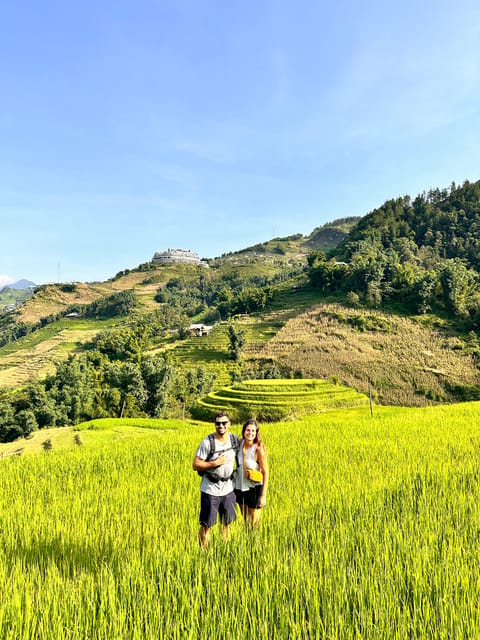
After Lao Chai, the walk continues toward Ta Van Village, home to the Dzay people. By this stage, you will have seen more than one community and can compare the homes, customs, and surroundings explained earlier in the day.
The route may pass through rice fields and narrower paths. If you visit during planting or harvest, you might see people working in the terraces. Outside those periods, the fields remain scenic, but the agricultural activity may be less visible.
The final section can feel repetitive for some people, particularly if you choose the longer route and have already been walking for several hours. Others enjoy the slower finish and the chance to take in the valley. Your route may total anywhere from about five to 11 kilometers, with some outings reaching roughly 12 kilometers, so clarify your preferred distance before leaving.
The tour ends in Ta Van at about 3:00 PM. A private car then takes you back to Sapa Town. That return ride is a practical bonus. After a muddy downhill walk, you do not need to arrange your own transport from the valley.
Choosing easy, hard, or somewhere between
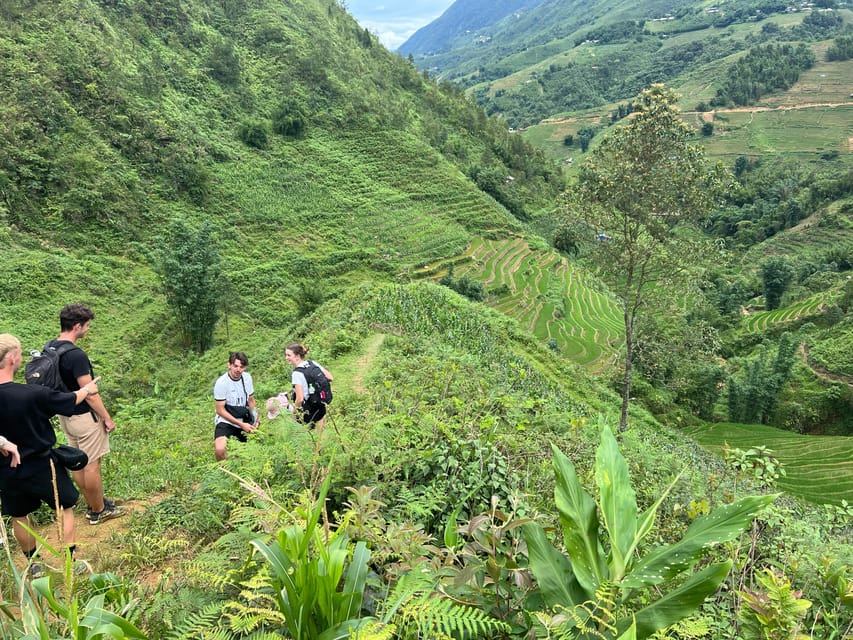
The advertised options are easy, hard, or hard then easy. The exact choice can depend on weather and the path conditions that day.
The easier route generally uses more road walking. The harder section takes rougher paths through fields and can include slippery or rocky ground. Choosing the hard route brings closer contact with the terraces and countryside, but it also demands more balance and confidence.
You do not need to be a trained hiker to enjoy the outing, based on the range of experiences described. Still, full leg mobility is important. The route is not suitable for someone who struggles with steep downhill sections, narrow paths, or uneven ground. People over 95 are specifically listed as unsuitable for the activity.
Wear shoes you are willing to get muddy. In wet conditions, the company provides boots and trekking sticks, which can make a real difference. Bring a raincoat, sun protection, insect repellent, and a hat. Sapa can feel cool, so layers are sensible even when the valley looks warm in photographs.
How the weather changes the experience
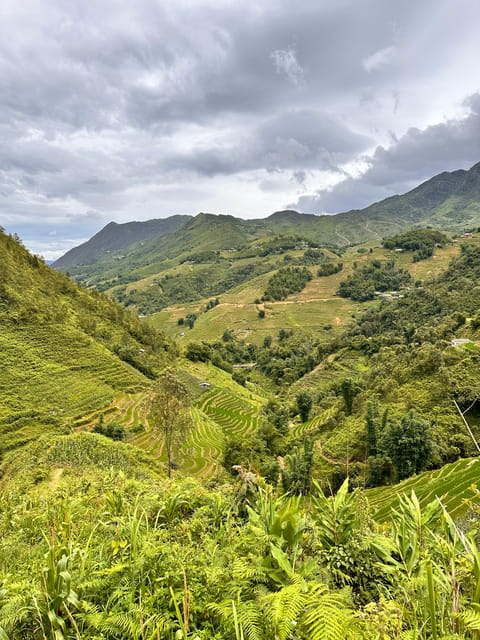
Sapa weather can make this feel like two different tours. Clear conditions bring wide views across the terraces and valleys. Rain creates slippery mud and makes stream crossings and rough paths harder. Fog may hide the views but can give the villages a quiet, atmospheric feel.
The best advice is to check the forecast and keep your expectations flexible. A rainy day does not cancel the cultural side of the trip, and the guides carry on with boots and sticks ready. But if your main reason for booking is photography, clear weather matters a great deal.
Rice fields also change by season. During planting or harvest, you may see active farm work. At other times, the terraces can look less dramatic, especially in poor weather. The village visits and personal stories help keep the day worthwhile when the views do not cooperate.
Local women, handmade goods, and the social side
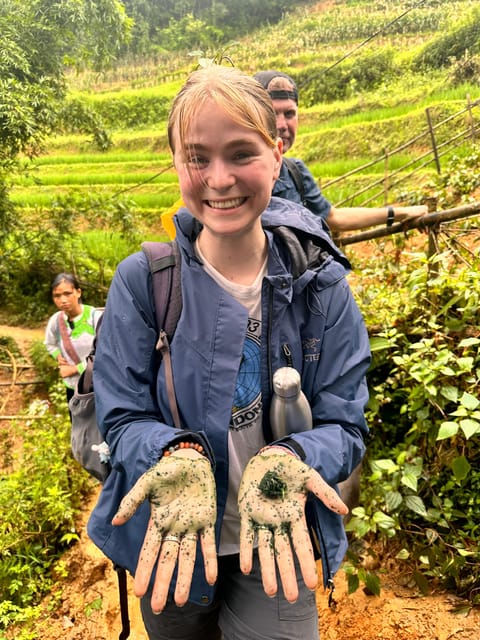
The tour is operated by three sisters, with the stated aim of supporting local Hmong women and helping children attend school. Booking directly contributes to that family-run effort, which adds meaning to a low-cost excursion.
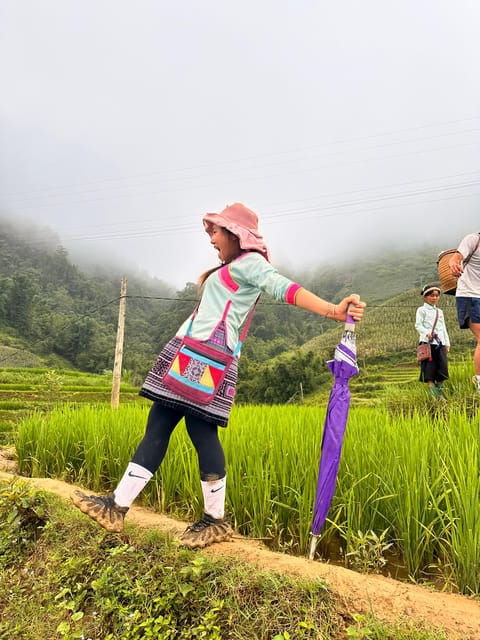
You may also be accompanied for part of the route by other women from local villages. They can help people across tricky sections and may offer handmade items for sale. Some visitors enjoyed meeting them and bought crafts, while others found the repeated selling uncomfortable.
You are not required to buy anything. Decide in advance what feels right for you, and say no clearly but politely if you are not interested. It is helpful to carry small amounts of cash if you do want to purchase something, but do not let the sales activity overshadow the guide and the scenery.
Is $23 a good value?
Yes, for most people it is excellent value. The price includes a local English-speaking guide, lunch, water, village entry fees, and transport back to Sapa. You also receive several hours of walking through places that would be difficult to understand fully without local context.
The low price does not mean the walk is effortless or polished like a private luxury outing. It is a group tour, and the pace may be shaped by other people. The meeting point can be busy, breaks may feel long, and the route can be muddy. A private tour is available for an additional charge if you want more control over timing and pace.
The flexibility is useful. You can reserve now and pay later, and free cancellation is available up to 24 hours before departure. Booking two or three hours ahead is recommended, though one account describes arranging the trip only 30 minutes before it began.
Who will enjoy this Sapa trek?
You will probably like it if you want:
- Mountain scenery without committing to a multi-day trek
- Real contact with Hmong guides and village communities
- A flexible route with an easier option
- A filling local lunch included in the price
- Stories about work, family, customs, and rural life
- A social group outing rather than a private, quiet walk
You may want another activity if you dislike uneven ground, rain, mud, steep descents, or sales offers. This is also not the best choice if you have limited mobility or need a fully paved route.
The tour suits curious visitors who are willing to trade a little comfort for a closer look at Sapa beyond the town center. Bring patience, sturdy footwear, and questions. The guides do much of the rest.
Should you book it?
I would book this tour if you have one day in Sapa and want scenery with a human story attached. The combination of Y Linh Ho, Lao Chai, Ta Van, local lunch, and Hmong women guides gives you far more than a basic viewpoint stop.
Choose a clear-weather day if possible, and pick the shorter or easier route if muddy hills worry you. If you want the fullest experience, ask for the harder path, carry water and cash, and be ready for a few slippery sections.
At $23, this is one of the better-value ways to see the valleys around Sapa. Its limits are clear: group pacing, uncertain weather, rough paths, and occasional pressure to buy crafts. For an active visitor who values local contact over polished comfort, those trade-offs are fair.
FAQ
How long is the Sapa trekking tour?
The activity is listed as five hours, usually from about 9:00 AM to 3:00 PM. Walking distances range from approximately five to 11 kilometers, with some outings reaching about 12 kilometers.
Where does the trek start and finish?
You meet at your hotel in Sapa Town or near the main church. The walking route ends in Ta Van Village, and private transport takes you back to Sapa Town.
Which villages does the route visit?
The route goes from Sapa to Y Linh Ho, then Lao Chai, and finally Ta Van. Y Linh Ho and Lao Chai are associated with Black Hmong communities, while Ta Van is home to the Dzay people.
Is lunch included?
Yes. A local lunch in Lao Chai is included. Vegetarian and vegan meals have been available on some outings, but you should mention dietary needs when booking.
Can I choose the trekking difficulty?
Yes. You can choose an easy route, a harder route, or a route that begins hard and becomes easier. The easier option generally uses more road walking, while the harder route includes rougher paths through fields.
What happens if it rains?
The company provides boots and trekking sticks when needed. You should still bring a raincoat and wear clothes and shoes suited to wet, muddy conditions.
Are drinks included?
Water is included. Extra drinks, such as additional bottled water or beer, are not included, so bring cash if you want to buy them.
Is this a private tour?
It is normally a group tour with other people. A private option is available for an additional charge. Free cancellation is available up to 24 hours before departure, and you can reserve now and pay later.
More Rice Terrace Treks in Sa Pa
- Sapa: Muong Hoa Mountain Views and Villages Trek with Lunch
★ 4.3 · 28 reviews - Sapa: Muong Hoa Valley View & Villages Trek with Local Guide
★ 5.0 · 25 reviews - From Sapa: Muong Hoa Valley View & Village Trek 1-Day
★ 5.0 · 21 reviews - SAPA: 1-DAY TREKKING TOUR WITH LOCALS, LUNCH & RICE FIELDS
★ 4.7 · 18 reviews
Recently added around Sa Pa
- Soob Sapa Trekking Tour★ 4.3 · 3 reviews
- Sapa Trekking – Waterfalls And H’mong Villages★ 5.0 · 2 reviews
- Sapa Trekking Private Tour With Ethnic Female Tour Guide★ 4.9 · 24 reviews
- Sapa: Trekking Through Terraced Rice Fields & Valley 1 Day★ 4.8 · 4 reviews
- Sapa: Y Linh Ho – Lao Chai, and Ta Van Trekking Day Tour★ 5.0 · 25 reviews
- Sapa Trekking Guide Francophone 2 days – 1 night★ 5.0 · 2 reviews
- Sapa: Ta Phin Village Trek with Lunch and Bathing Experience★ 4.7 · 13 reviews
- Sapa small groupe activities: 1 Day trek – Meet the locals★ 4.7 · 3 reviews
Rice Terrace Treks, compared.
Muong Hoa Valley Trek and Local Ethnic Villages
Read our review →
Selogriyo Temple and Trekking Java Rice Terraces, hidden waterfall -Nature Java
Read our review →
6-Hours Muong Hoa Valley Trek with Local Ethnic guide
Read our review →
Sapa Muong Hoa Valley & Ta Van Eco Village Scenic Tour (No Trek)
Read our review →
Daily Tour: Sapa Trekking in Muong Hoa valley, Bamboo forest
Read our review →
Rice Terrace, Holy Water Temple & Waterfalls Trek Tour
Read our review →
Mount Batur Sunrise Trekking and Rice Terrace Adventure
Read our review →Browse the lists this tour appears in