
REVIEW · SAPA
Sa Pa: 6-Hours Muong Hoa Valley Trek with Local Ethnic guide
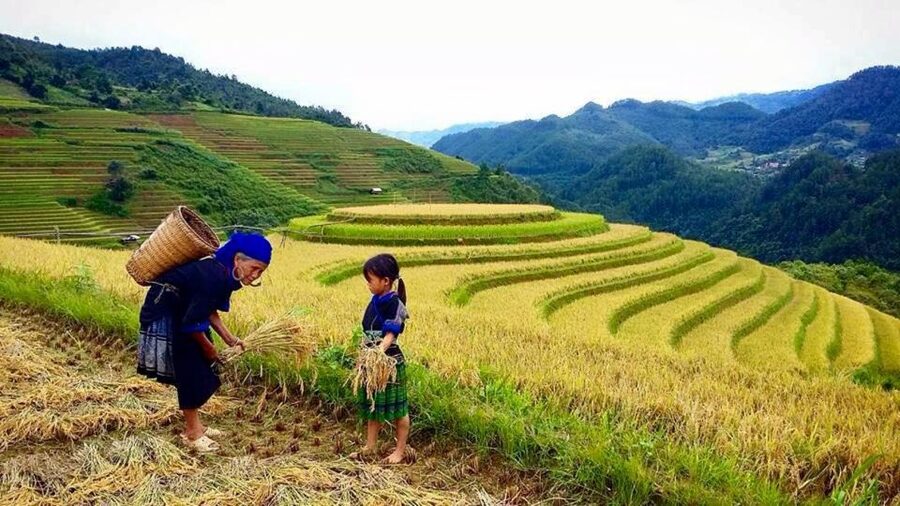
Rice terraces, muddy paths, and village life await. This 10-kilometer trek from Sa Pa to Muong Hoa Valley offers a close look at Black Hmong and Dzay communities, with plenty of time for mountain views and local craft traditions. I especially like the small group size, capped at 11 people, and the chance to walk with a local ethnic guide rather than simply gaze at the valley from a viewpoint.
The scenery is the clear star, from bamboo and forest paths to the wide rice terraces around Lao Chai. I also like that the route connects several villages instead of turning around at one lookout. The catch is simple: this is a real trek, not a gentle stroll. Wet weather can make the slopes slick, and some older people or anyone with limited mobility may find the route too demanding.
Key points at a glance
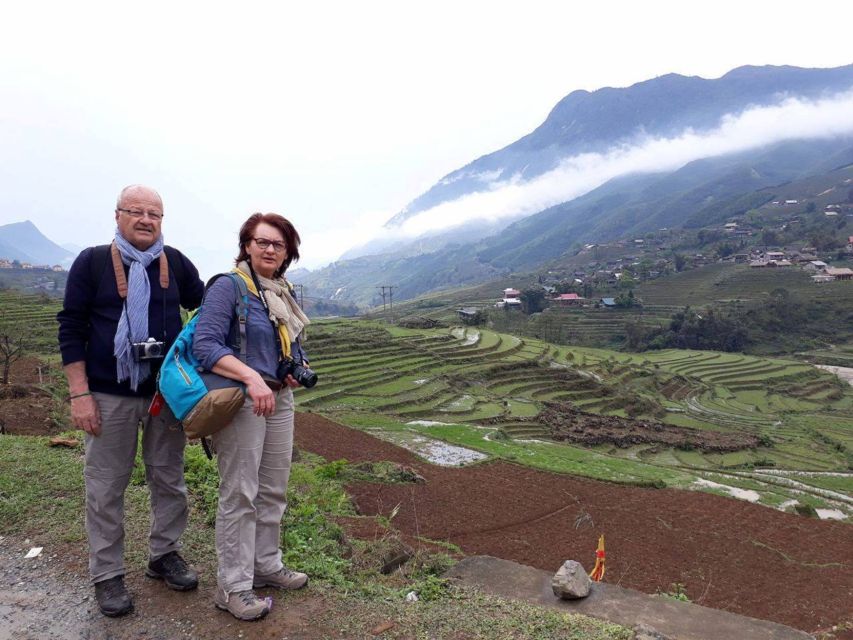
- A one-way 10-kilometer route: You walk from Sa Pa through Y Linh Ho, Lao Chai, and Ta Van, then return by bus.
- Black Hmong and Dzay culture: The day includes village visits, local homes, traditional clothing, weaving, rice farming, and craft demonstrations.
- Rice terraces at their best: Lao Chai provides the broadest views, while smaller paths bring you closer to fields and forest.
- Local help on difficult ground: Hmong women may assist on muddy or steep sections, though craft sales can follow.
- Good value at $18: The price covers transport, an English-speaking guide, entrance fees, and a bottle of water, but not lunch or drinks.
- Weather matters: Trekking shoes, sun cream, insect repellent, and warm layers from October through March are useful additions.
Starting from Sa Pa and reaching Y Linh Ho
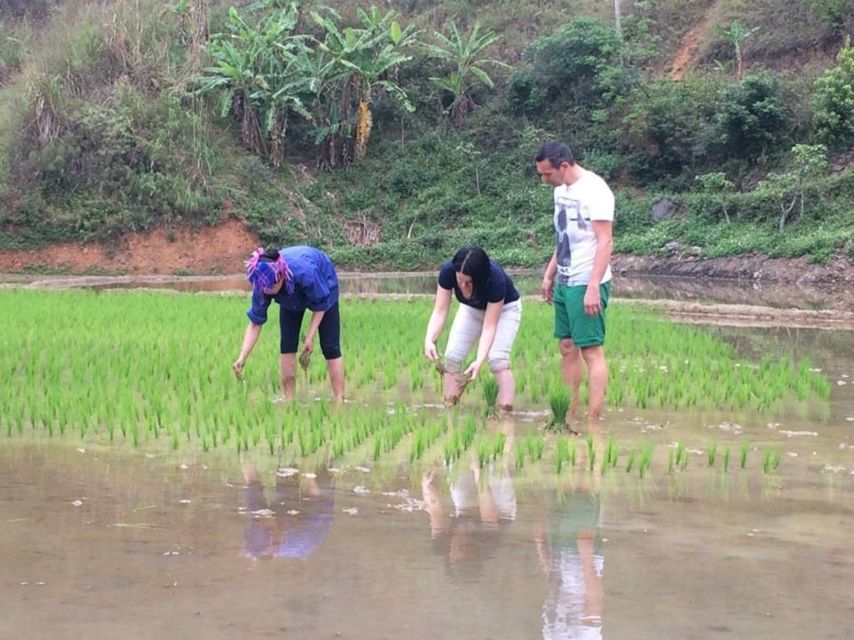
The day begins with pickup from hotels in Sa Pa town, though some accommodations may require you to meet at the operator’s office or another meeting point. Confirm your hotel name and address before the morning of the trek. One transport problem has been reported, so I would not leave this detail vague.
From Sa Pa, the walk toward Y Linh Ho takes about 20 minutes along a scenic road. This first section eases you into the day before the route narrows toward the valley and village paths. Y Linh Ho is associated with the Black Hmong, and the stop gives you a first look at local routines rather than presenting only a polished sightseeing point.
The village center is a useful place to watch daily life unfold. Your guide can explain customs, clothing, farming, and the way homes and work fit together in the valley. Guides such as Sang, Sai, Su, Bao, and Sàng have received especially warm praise for clear English, humor, patience, and practical help.
The English may not always be perfect, but the important details are generally easy to follow. A strong guide makes a major difference here because the day is about people and place, not just taking photographs.
More Rice Terrace Treks in Sapa
- Sa Pa: Muong Hoa Valley Trek and Local Ethnic Villages
★ 4.6 · 864 reviews - Explore Sapa by TrekkingAdventures, Mountain,Rice fields
★ 4.9 · 229 reviews - Sapa Muong Hoa Valley & Ta Van Eco Village Scenic Tour (No Trek)
★ 5.0 · 144 reviews
Lao Chai and the valley’s famous rice terraces
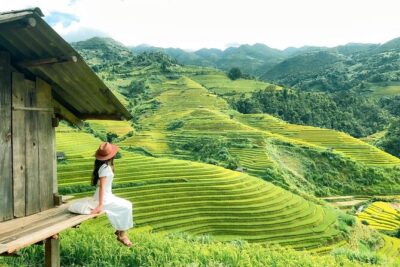
The route continues to Lao Chai, where the views open over some of Vietnam’s best-known rice terraces. These stepped fields are not simply scenic decoration. They show how farming has been adapted to steep mountain ground, with water and planting carefully managed across the slopes.
I would plan to pause here rather than hurry through for the next stop. The broad views are the main photographic moment of the walk, but the smaller details matter too: paths between fields, bamboo stands, changing elevations, and homes set into the valley.
The appearance of the terraces depends heavily on the season. Summer can bring heat and strong sun. Autumn may offer more golden tones. From October through March, warm clothing is sensible, and winter mornings can bring thick fog. Fog may hide the grand views, but it can also make the walk feel quieter and more atmospheric.
The route is not always a soft dirt trail. You may encounter concrete or stone sections, uneven roads, narrow paths, and steep ground. Several people have found the descent harder than expected, particularly in rain. Good trekking shoes are more important here than fashionable trainers.
Traditional crafts, homes, and farming
At Lao Chai and later in Ta Van, the cultural side of the trip becomes more specific. You may learn about indigo dyeing, batik, hemp weaving, and rice cultivation. These activities help explain the clothing and textiles you see in the villages.
The Hmong use hemp and textile work as part of a long-standing craft tradition, while indigo dye gives clothing its deep blue tones. Batik adds detailed pattern work. The value of seeing these skills in place is that you can connect the finished clothing with the plants, tools, and labor behind it.
Ta Van brings you into the area associated with the Dzay people. Here, differences in customs and dress become easier to understand. A visit to traditional homes gives you a more grounded view of rural life than a staged cultural show.
The route also passes through tropical vegetation, bamboo forest, and mountain farmland. The plants and terrain change as you walk, so the day is not just a succession of identical rice-field views. Keep an eye on the ground, though. The most interesting paths can also be the least even.
Local lunch, extra cost, and the sales question
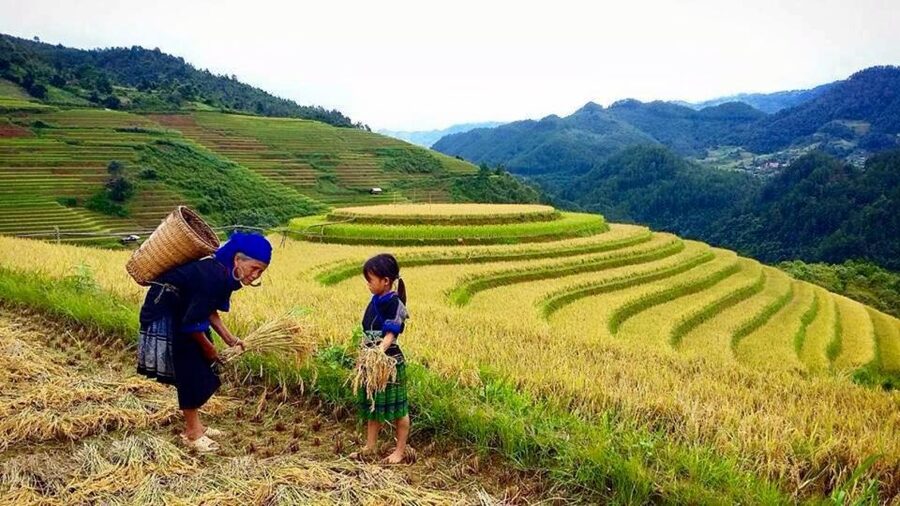
Lunch is not included in the $18 price. You pay separately at a local restaurant, where the food has generally been described as plentiful and varied, though one account found it bland. Bring some cash for the meal and for drinks if you want them.
The lunch stop can also be the most awkward part of the day. Local women and children may approach with handmade goods, and some people have felt pressured to buy. Others have viewed purchasing as a fair way to thank women who helped them across slippery sections.
My advice is to decide your approach before sitting down. You can buy something if you genuinely want it, but you are not required to purchase a souvenir because someone helped you. A polite no thanks, repeated calmly, should be enough. If you do buy, look at the item carefully and agree on the price before paying.
This is an important part of responsible visiting. Local craft sales support household income, but cultural exchange works best when it does not become a test of guilt or generosity. Carry modest cash and keep your choices friendly but firm.
More Rice Terrace Treks in Vietnam
- Daily Tour: Sapa Trekking in Muong Hoa valley, Bamboo forest
★ 5.0 · 121 reviews - 1-Day Sapa Long Trek – Rice Field Terrace, Ethnic Culture
★ 4.9 · 62 reviews - 3-Day Trek in Amazing Muong Hoa Valley & ethnic Homestay
★ 5.0 · 49 reviews - Muong Hoa Valley Trek & Homestay Experience – 4D3N
★ 5.0 · 42 reviews
The physical challenge: 10 kilometers downhill and uneven
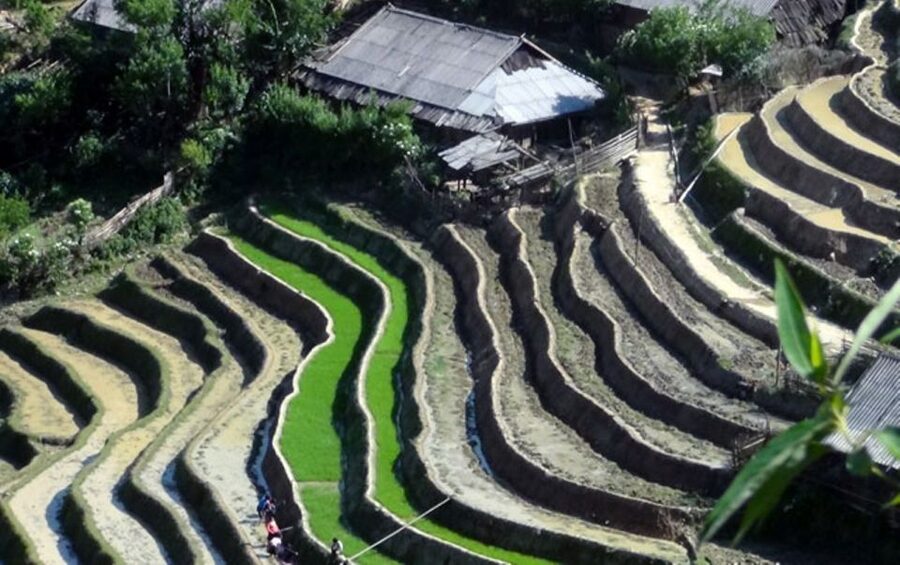
The route covers about 10 kilometers and is often more demanding because much of the walking heads downhill. That sounds easier than climbing, but steep descents can put pressure on knees and ankles. Mud, loose ground, heat, and narrow paths add to the work.
People in reasonable physical condition should find the day manageable, but you need to be comfortable walking for several hours. The trek is not suitable for wheelchair users, people with mobility impairments, pregnant women, or children under six. Older people are specifically advised to avoid it because wet conditions can make the route dangerous.
Rain changes the experience quickly. Paths through rice fields can become muddy, and bamboo or forest sections may be slippery. Local women sometimes accompany the group and offer a steady hand on difficult parts. Their help can be very useful, but it does not remove the need for careful footwear.
Pack light. Your essentials are:
- Trekking shoes with reliable grip
- Sun cream and sunglasses
- Insect repellent
- Warm clothing from October through March
- A small amount of cash for lunch and personal purchases
- A rain layer if the forecast looks uncertain
The tour provides one 500-milliliter bottle of water per person. I would carry additional water if you expect heat or usually drink often during exercise.
Meeting Black Hmong and Dzay communities respectfully
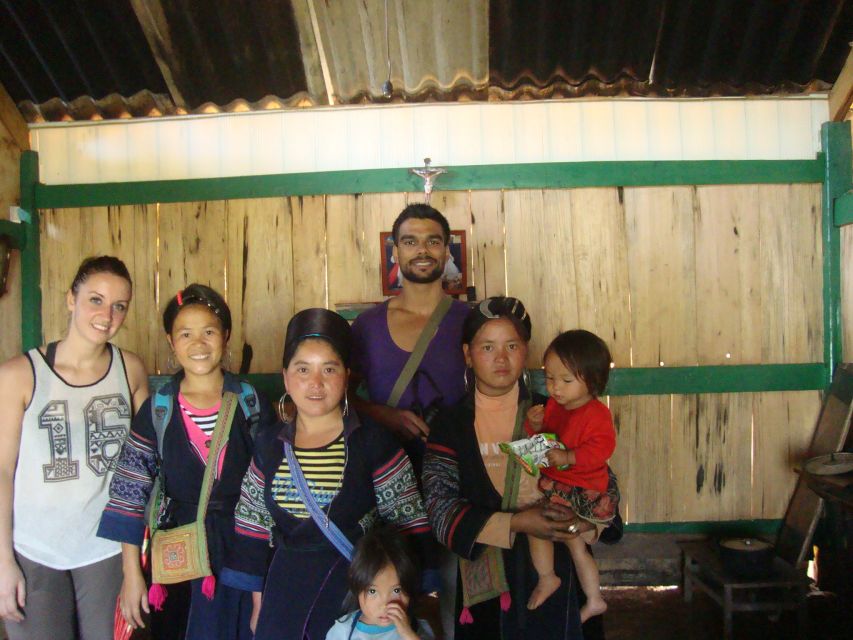
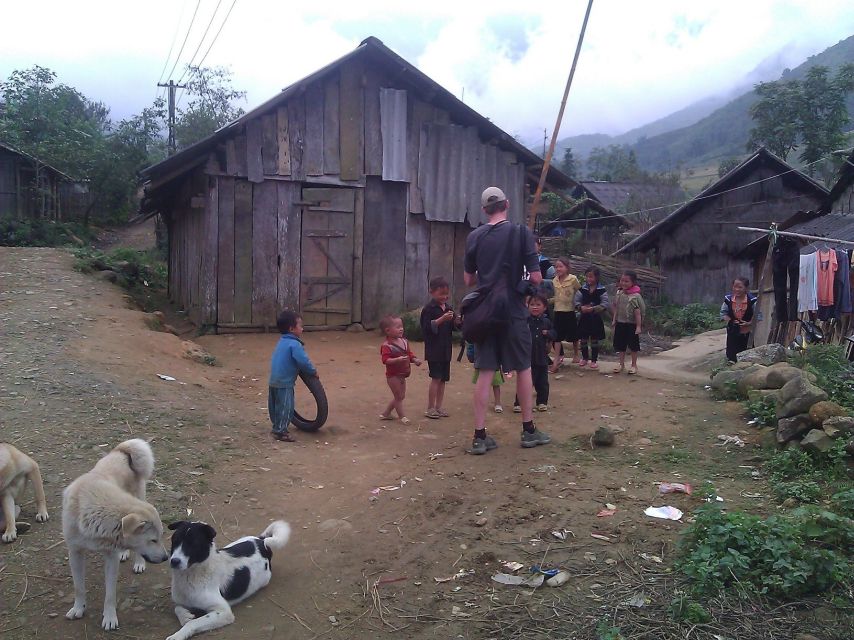
This outing works best when you treat the villages as living communities, not open-air museums. Ask before photographing people, especially children. Do not touch children’s heads, and follow your guide’s lead when entering homes or observing daily activities.
The guide helps translate more than words. They can explain why clothing differs, how rice farming shapes the calendar, and how village life is organized. The best moments may be small ones: a conversation beside a home, a look at textile work, or an explanation of how a field is maintained.
You will also see a contrast between the visitor experience and ordinary village life. The route brings income through guiding, food, and handicrafts, but that does not mean every interaction is a performance for visitors. A little patience and good manners go a long way.
The group limit of 11 helps. It is large enough to share the cost of transport while still allowing the guide to keep an eye on people over rough ground. Smaller groups also make it easier to listen during village explanations without forming a noisy crowd.
Returning to Sa Pa by bus
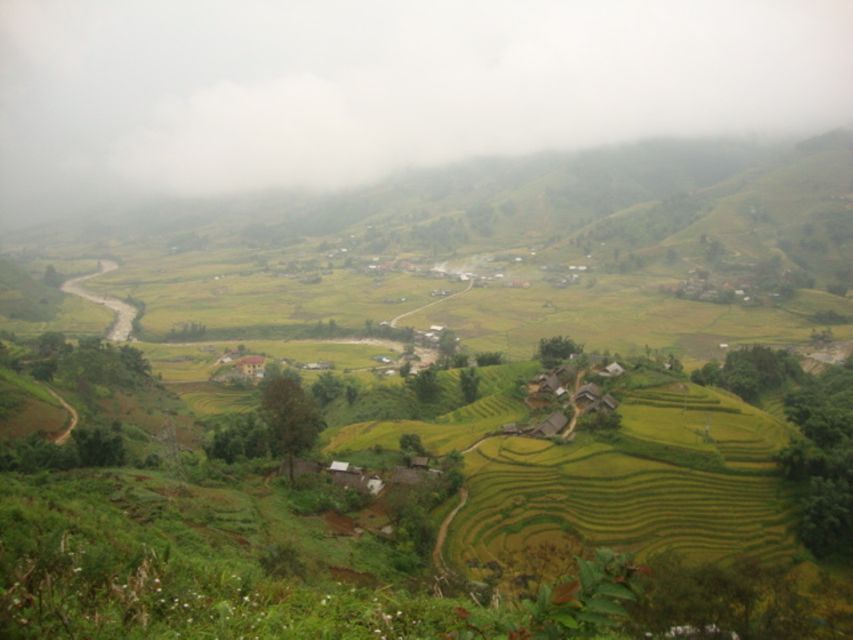
Ta Van is the final village stop, and the walk ends with a bus transfer back to Sa Pa center. This is not a loop, so you do not walk back along the same route. That is a practical advantage after several hours on your feet.
The bus return also keeps the day within roughly six hours. You get a proper point-to-point walk through the valley without spending the final part retracing every muddy slope. The drop-off is at the local office in central Sa Pa.
The schedule may feel full, especially if the group moves slowly in wet conditions or stops often for photos. Do not book a tight onward connection immediately afterward. A little spare time is sensible, particularly if pickup has to be arranged from a meeting point.
Is $18 good value?
At $18 per person, this is strong value for a six-hour guided outing. The fee includes transport by bus, an English-speaking guide, entrance tickets, and one bottle of water. It also gives you access to a route that would be harder to understand on your own, especially when visiting homes and learning about Hmong and Dzay customs.
The low price does not mean the day is all-inclusive. Lunch, soft drinks, travel insurance, VAT, and personal spending are extra. You should also account for possible craft purchases, though those are entirely optional.
There can be special surcharges. The supplied booking information lists a Lunar New Year charge, but the dates and amount differ between the notices, with one note referring to February 2025 and another to February 2024. Confirm the current charge before booking if your visit falls during Tet. A French-speaking guide costs an additional $20 per person.
Free cancellation up to 24 hours before departure and the option to reserve without paying immediately make the booking fairly flexible. Pickup is limited to hotels in Sa Pa town, so people staying farther out may need to reach a meeting point.
Who should book this Muong Hoa trek?
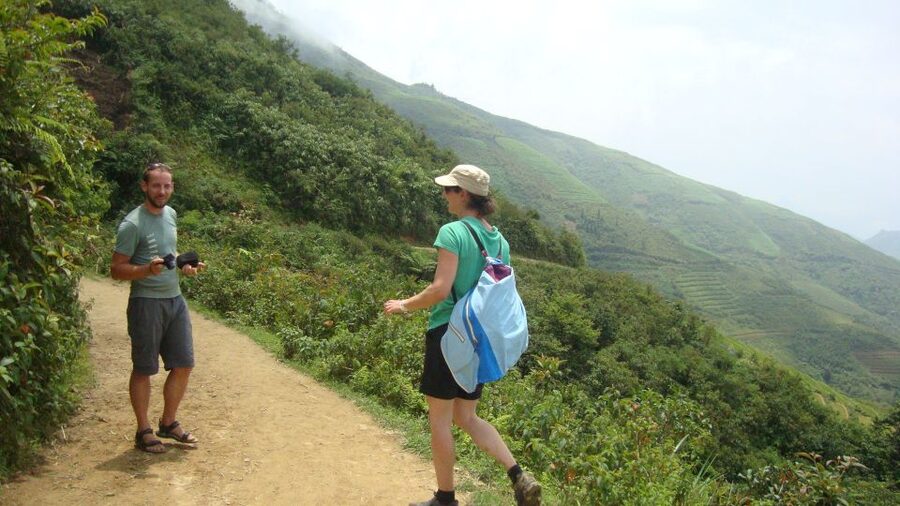
I would recommend it to you if you have limited time in Sa Pa but want more than a cable car, viewpoint, or short roadside stop. The route combines major scenery with village visits and gives you a full active day without requiring an overnight stay.
It suits:
- Adults with a reasonable level of fitness
- Families with children over six who are comfortable walking
- People interested in Hmong and Dzay culture
- Photographers who want rice terraces and village paths
- Visitors who prefer a small group and local guide
- Anyone looking for a low-cost way to see the valley
I would think twice if you dislike uneven ground, have knee problems, or plan to visit during heavy rain. The route can be slippery, and the local helpers are not a substitute for physical readiness.
The experience is also a better fit if you can accept some commercial contact. You may be offered textiles or handicrafts during or after the walk. That does not ruin the day, but it is part of the setting and worth expecting.
Should you book it?
Book this trek if you want Sa Pa’s famous terraces together with real walking, village contact, and a guide who can explain local customs. The strongest parts are the scenery around Lao Chai, the Hmong and Dzay cultural encounters, and the practical help available on rough paths.
Skip it if you need a gentle excursion, guaranteed dry footing, or an entirely quiet cultural visit. For most reasonably fit people, though, the $18 cost is hard to fault. Wear proper shoes, carry extra water, budget for lunch, and treat local people with respect. You will earn the bus ride back to Sa Pa.
FAQ
How long is the Muong Hoa Valley trek?
The activity lasts about six hours and covers roughly 10 kilometers on foot.
Where does the trek begin?
The experience begins in Sa Pa, with a scenic walk toward Y Linh Ho village.
Which villages are visited?
The route includes Y Linh Ho, Lao Chai, and Ta Van.
Which ethnic communities do you learn about?
You learn about the Black Hmong and Dzay communities, including their customs, clothing, crafts, and farming traditions.
Is lunch included?
No. Lunch is available at a local restaurant but must be paid for separately.
What does the $18 price include?
The price includes bus transportation, an English-speaking guide, entrance tickets to the stated sites, and one 500-milliliter bottle of water per person.
Is the trek suitable for children?
Children under six are not permitted on the trek. Older children must also be able to manage a challenging 10-kilometer route.
Is the trek suitable for people with limited mobility?
No. The activity is not suitable for wheelchair users, people with mobility impairments, or pregnant women.
What should I bring?
Bring trekking shoes, sunglasses, sun cream, insect repellent, and warm clothing between October and March. Extra water and cash for lunch are also practical.
Is hotel pickup available?
Pickup is available from hotels in Sa Pa town. You should provide your hotel name and address because some accommodations may require you to meet at a designated meeting point.
More Rice Terrace Treks in Sa Pa
- Sapa: Muong Hoa Mountain Views and Villages Trek with Lunch
★ 4.3 · 28 reviews - Sapa: Muong Hoa Valley View & Villages Trek with Local Guide
★ 5.0 · 25 reviews - From Sapa: Muong Hoa Valley View & Village Trek 1-Day
★ 5.0 · 21 reviews - SAPA: 1-DAY TREKKING TOUR WITH LOCALS, LUNCH & RICE FIELDS
★ 4.7 · 18 reviews
Recently added around Sa Pa
- Soob Sapa Trekking Tour★ 4.3 · 3 reviews
- Sapa Trekking – Waterfalls And H’mong Villages★ 5.0 · 2 reviews
- Sapa Trekking Private Tour With Ethnic Female Tour Guide★ 4.9 · 24 reviews
- Sapa: Trekking Through Terraced Rice Fields & Valley 1 Day★ 4.8 · 4 reviews
- Sapa: Y Linh Ho – Lao Chai, and Ta Van Trekking Day Tour★ 5.0 · 25 reviews
- Sapa Trekking Guide Francophone 2 days – 1 night★ 5.0 · 2 reviews
- Sapa: Ta Phin Village Trek with Lunch and Bathing Experience★ 4.7 · 13 reviews
- Sapa small groupe activities: 1 Day trek – Meet the locals★ 4.7 · 3 reviews
Rice Terrace Treks, compared.
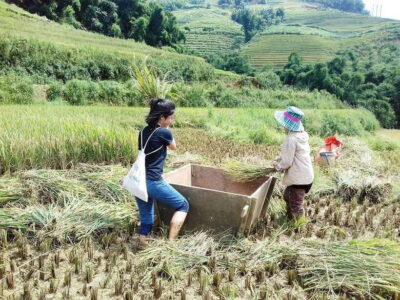
Muong Hoa Valley Trek and Local Ethnic Villages
Read our review →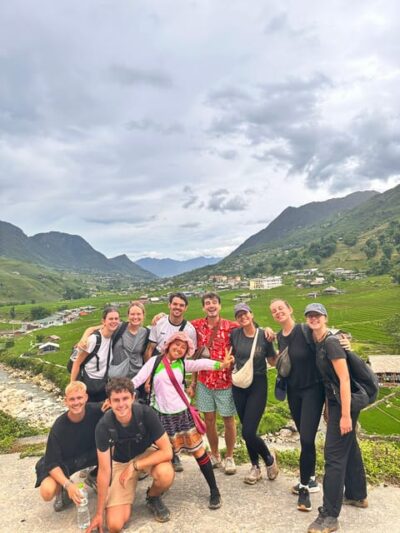
Explore Sapa by TrekkingAdventures, Mountain,Rice fields
Read our review →
Selogriyo Temple and Trekking Java Rice Terraces, hidden waterfall -Nature Java
Read our review →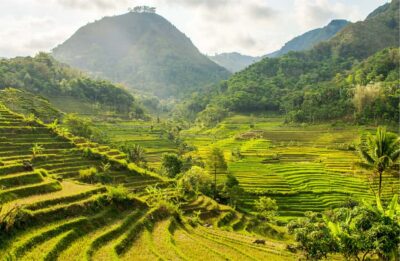
Sapa Muong Hoa Valley & Ta Van Eco Village Scenic Tour (No Trek)
Read our review →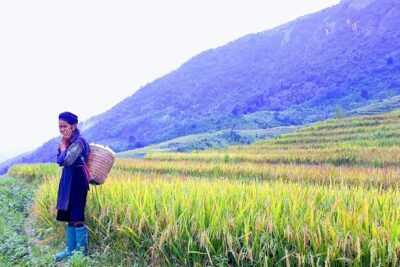
Daily Tour: Sapa Trekking in Muong Hoa valley, Bamboo forest
Read our review →
Rice Terrace, Holy Water Temple & Waterfalls Trek Tour
Read our review →
Mount Batur Sunrise Trekking and Rice Terrace Adventure
Read our review →Browse the lists this tour appears in