
REVIEW · POKHARA
Pokhara: 5-Day Trek to Annapurna Base Camp and Hot Springs
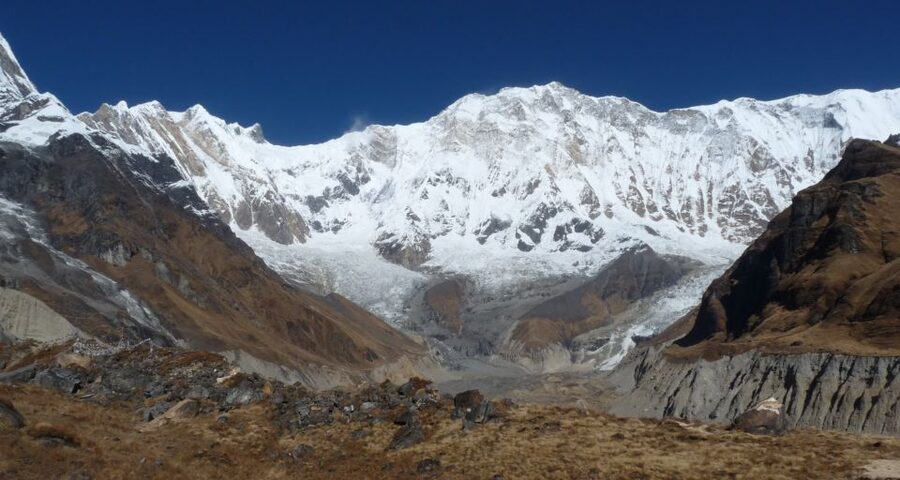
Big mountains, small lodges, sore legs. This Annapurna Base Camp trek packs rivers, villages, waterfalls, forest paths, glaciers, and hot springs into five demanding days. I like the direct route from Pokhara, and I like that permits, registered guides, transport, and tourist-standard lodge accommodation are arranged for you. The price of $206 is also appealing for a Himalayan trek, though you need to check whether meals and a porter are included in your chosen option.
I especially like the finish at Jhinu hot springs, where warm water gives your legs a welcome break after the high-altitude descent. I also value the guides’ reported care with pacing and safety. Tanka adjusted the walking speed to suit the group and answered questions about nature, animals, and local culture, while Chhabi was praised for his hard work as a porter.
The main thing to watch is the description’s mixed timing. It says five days, yet part of the longer account mentions six and seven days. The day-by-day schedule is clearly five days, so confirm the exact plan, accommodation, meals, and porter arrangement before you pay.
Key points at a glance
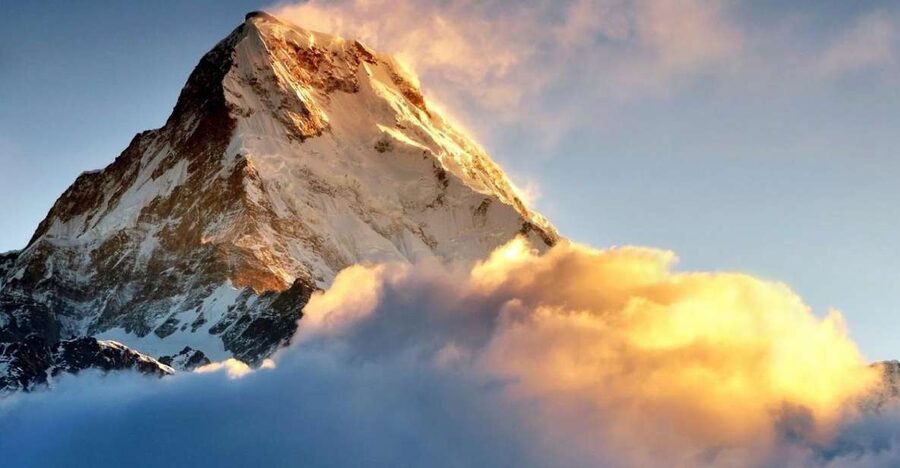
- Annapurna Base Camp in five days: You reach 4,120 meters on a tight schedule, with long walking days and little room for delays.
- Jhinu is the reward at the end: The hot springs offer a genuine rest stop after the hardest downhill section.
- Pokhara transport is included: Hotel or airport pickup, a shared jeep to the roadhead, and a return jeep reduce planning work.
- Guide support matters here: Registered English-speaking guides manage permits, route finding, pacing, and safety.
- The $206 price needs careful checking: Meals and porters depend on the package, so the final cost may be higher.
- Expect basic mountain lodging: The accommodation is described as private tourist-standard lodge rooms, not a full-service hotel.
Why this route is worth your time
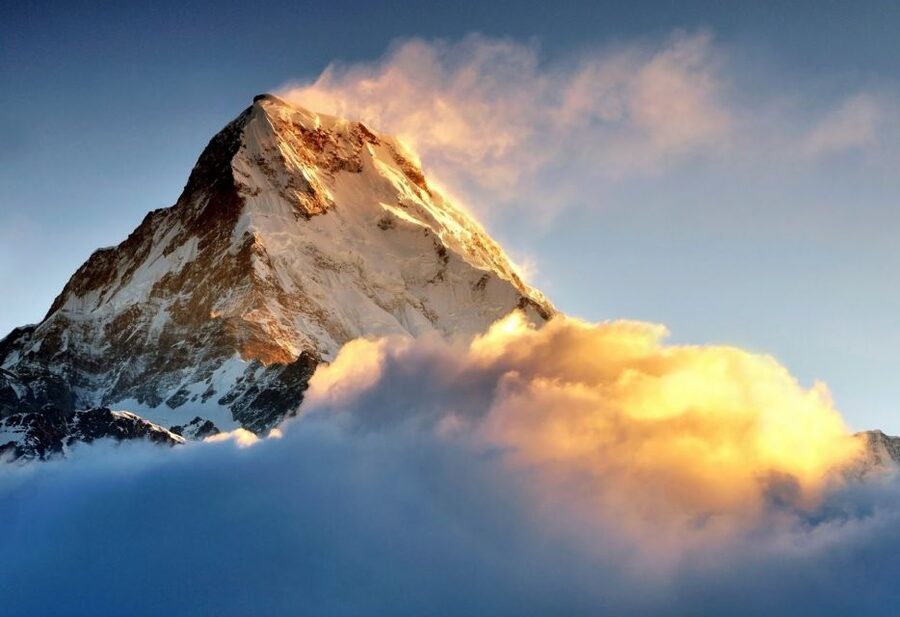
The Annapurna Base Camp route gives you a quick lesson in Himalayan scale. You begin near Pokhara, following the Modi Khola River through settlements and farmland. Then the path rises through forest, streams, and mountain villages before entering the high Annapurna Sanctuary.
What makes the route special is the change in scenery. One hour you may be walking beside a river, and later you are looking toward snow-covered peaks and glacial terrain. Waterfalls, bridges, forests, and stone-built villages keep the walking varied.
This is not a sightseeing tour with a few easy strolls. You walk for four to eight hours each day, often on steep or uneven trails. The altitude also changes quickly. The final push to Annapurna Base Camp reaches 4,120 meters, so a good level of fitness is important.
I would choose this trip if you have limited time in Nepal but still want a serious mountain experience. If you prefer slow walking days, more rest, or extra time for weather changes, a longer itinerary would be more comfortable.
More Annapurna Treks in Pokhara
- Trekking in Annapurna/Langtang/Everest/Upper Mustang regions
★ 5.0 · 161 reviews - Kathmandu/Pokhara: 5-Day Annapurna Base Camp (ABC) Trek
★ 4.9 · 72 reviews - Annapurna Panorama trek
★ 5.0 · 71 reviews
Day 1: Pokhara to Samrung and Sinuwa
Your day begins with pickup at your hotel in Lakeside Pokhara or at the airport. The included vehicle takes you toward Samrung, with about three hours by jeep before the walking begins.
The jeep is shared, so you should expect a practical rather than luxurious ride. This transport saves a large amount of walking on the lower road section and makes the five-day schedule possible.
From Samrung, you trek for about four hours toward Sinuwa, reaching roughly 2,200 meters. The path follows the Modi Khola River and passes small villages. You cross the river and continue through the lower part of the route, where the surroundings feel more rural than alpine.
Your first night is in a tourist-standard tea lodge. The lodging is meant for rest, not pampering. Bring toiletries, a change of clothes, and some patience for basic facilities. You should also carry money for showers, laundry, phone calls, battery charging, and drinks, since these extras are not included.
Day 2: Sinuwa to Deurali at 3,230 meters
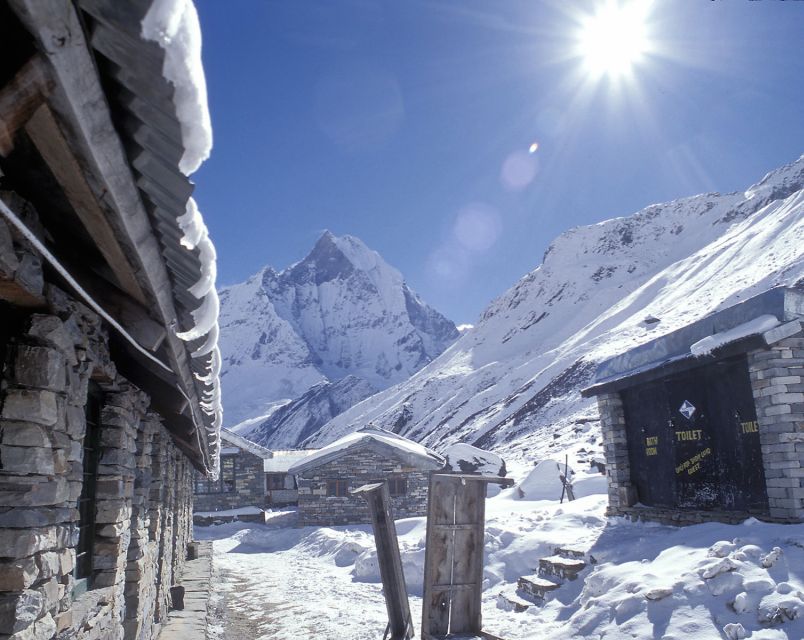
The second day covers the route from Upper Sinuwa to Deurali. Allow six to seven hours for the walk.
Chhomrong is one of the largest villages on this part of the route and gives the day a useful landmark. From there, the trail continues through dense forest. This section offers shade and a cooler walking environment, but the path still rises and falls enough to test your legs.
Deurali sits at 3,230 meters, so the altitude becomes more noticeable. You may find the pace slower here, especially if you are not used to mountain walking. A guide who watches your condition is valuable, and the past guiding team led by Tanka was praised for adjusting the walk to the group’s ability.
The key is not to race. Keep your daypack light, drink regularly, and tell the guide if you develop a headache, unusual tiredness, or feel unwell. Travel insurance with trekking and rescue cover is strongly recommended.
Day 3: Deurali to Annapurna Base Camp
This is the trip’s big mountain day. You walk from Deurali to Annapurna Base Camp in about five to six hours, reaching 4,120 meters.
The trail crosses several streams and continues toward Machhapuchhare Base Camp. From there, you enter the area known as the Annapurna Sanctuary. The route passes through the Ablation Valley, described as a hollow corridor between the glacier and the mountain.
This section is the reason to book the trek. You are no longer simply walking through villages and woodland. The terrain feels larger, more exposed, and closely tied to the glaciers and high peaks around you. Lunch with mountain views is one of the day’s natural highlights, though the schedule leaves little time for lingering.
Altitude is the serious issue. A five-day plan moves quickly, and you spend the night at the highest point of the route. The itinerary does not include an extra acclimatization day, so this trek suits people who already have some hiking experience and understand the need to monitor their health.
At Annapurna Base Camp, you spend the night in a mountain lodge. The setting is remarkable, but conditions are basic and cold compared with Pokhara. Pack warm layers, sunglasses, sun protection, and a change of dry clothing.
More Hot Spring Treks in Nepal
- Pokhara: 5 Day Annapurna Base Camp Trek & Natural Hot Spring
★ 4.9 · 44 reviews - From Pokhara: 5-Day Annapurna Basecamp Trek with Hot Springs
★ 4.9 · 26 reviews - Pokhara: 7-Day Annapurna Base Camp Trek & Natural Hot Spring
★ 5.0 · 11 reviews - Pokhara: 7-Day Annapurna Base Camp Trek & Hot Spring
★ 4.0 · 3 reviews
Day 4: The long descent to Sinuwa
The fourth day is likely to be the hardest physically, even though you are going downhill. The schedule allows seven to eight hours from Annapurna Base Camp to Sinuwa at about 2,350 meters.
You leave the sanctuary through its single main exit and descend toward Bamboo before continuing to Sinuwa. The drop is around 1,600 meters from Annapurna Base Camp to Bamboo. That puts serious strain on knees and thighs, particularly on uneven stone steps.
Good hiking shoes matter more here than fashionable trekking clothes. Trekking poles would also be useful, but they are not listed as included equipment, so ask about them before departure or arrange your own.
The positive side is that the air becomes warmer and the route returns to forest and river scenery. You also gain the satisfaction of having completed the highest section. Still, do not treat the descent as an easy day. The long downhill can be more uncomfortable than the climb.
Day 5: Sinuwa, Jhinu, and back to Pokhara
The final day combines a shorter walk with the trip’s most relaxing stop. You trek from Lower Sinuwa through the farmland around the river and continue toward Jhinu Danda. The walking portion takes about four hours.
Jhinu is the place to slow down. Its hot spring baths give you a chance to rest after the high-altitude route and the long descent. The springs are not a substitute for medical care, but they are a welcome comfort at the end of a demanding trek.
After Jhinu, a shared jeep takes you back toward Pokhara, with about three hours of driving. The trip ends with drop-off in Lakeside Pokhara or another arranged location.
The schedule’s wording needs attention here. A longer description refers to descending over several days and finishing after six or seven days, while the stated itinerary places Jhinu and the return to Pokhara on day five. Ask the operator to confirm the exact number of nights and walking hours before departure.
Guides, porters, and the human side of the trip
A registered English-speaking guide is included. That matters on a route where the trail changes from road-access villages to high mountain paths. Your guide also handles the conservation entry permit and TIMS permit, which removes much of the paperwork.
The guide’s role is more than route finding. A good guide watches your pace, checks how you feel, explains local culture, and helps you make sensible decisions when the altitude rises. Tanka received particularly strong praise for safety, health checks, pacing, and answers about animals, nature, and culture. Amir was also described as friendly and attentive.
A porter is included only with the all-inclusive option. In the budget option, you pay extra if you want one. This is an important choice. Carrying a daypack is manageable for many fit hikers, but carrying all your clothing, toiletries, water, and warm gear for five days can make the long descent much harder.
Chhabi was praised for his physical effort and calm manner as a porter. If you hire a porter, pack thoughtfully and keep your own essentials, passport, medication, water, and valuables in your daypack.
What $206 really covers
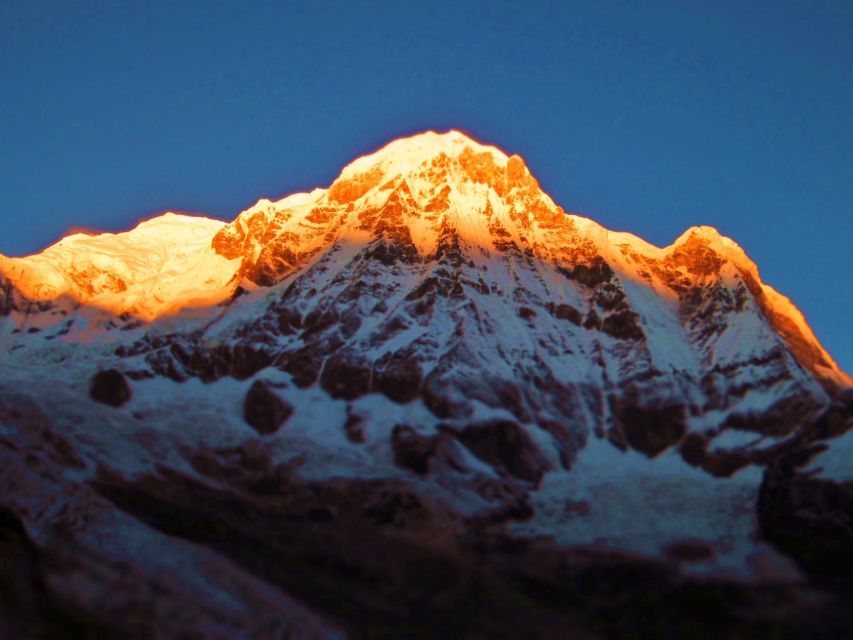
At $206 per person, the trip offers good value if you want the main logistics handled. The package includes hotel or airport pickup, shared jeep transport from Pokhara to the roadhead and back, private accommodation in tourist-standard lodges, permits, a registered guide, guide salary, guide accommodation, guide meals, government tax, and service charges.
The price does not automatically cover everything you will spend on the trail. Meals and a porter depend on whether you select the all-inclusive option. Drinks are excluded, including hot, cold, and alcoholic beverages. You should also budget for bottled or boiled water, showers, laundry, phone use, battery charging, bar bills, and personal purchases.
Ask one simple question before booking: Does my selected price include meals and a porter? That answer changes the value considerably. Also confirm the number of nights, because the description contains both a five-day schedule and a longer seven-day account.
Free cancellation up to 24 hours before the activity and reserve-now, pay-later terms make the booking less rigid. Still, the financial flexibility does not replace travel insurance. Rescue coverage is especially important for a high-altitude trek.
Packing for five days in the Annapurna region
Keep your daypack light, but do not cut the essentials. The required list includes a passport or ID card, comfortable shoes, hiking shoes, sunglasses, a sun hat, sunscreen, insect repellent, toiletries, a change of clothes, and a daypack.
I would organize your packing around three needs: warmth, sun protection, and dry clothing. The route reaches 4,120 meters, and the weather can feel very different from Pokhara. Your guide or operator may provide further equipment advice, so ask before you leave.
Bring enough personal funds for the items not covered by the package. The information specifically points to phone calls, laundry, bar bills, battery charging, extra porters, bottled or boiled water, and showers.
Pets and weapons or sharp objects are not allowed. Pregnant people and those with heart problems should not choose this activity.
Who should book this trek?
You should consider it if you want:
- A short, organized route to Annapurna Base Camp
- Mountain scenery without arranging permits and transport yourself
- A registered English-speaking guide
- A mix of village, forest, river, glacier, and hot spring experiences
- A five-day schedule with long walking days
- The option to add a porter or meals through the all-inclusive package
You should think twice if you need a slow pace, dislike basic lodge accommodation, or have no experience with long uphill and downhill walks. The route is not suitable for pregnant people or those with heart problems, and rescue insurance is a sensible safeguard for everyone.
The strongest part of the experience is the balance between practical support and real mountain effort. You are not simply driven to a viewpoint. You walk through the route, sleep in mountain lodges, deal with the altitude, and earn the hot springs at Jhinu.
Should you book it?
Book this trek if five days is your available window and you are ready for demanding walking at altitude. The combination of Annapurna Base Camp, registered guide support, included permits, shared transport, and Jhinu hot springs makes $206 a strong starting price.
Before paying, confirm four details in writing: the exact five-day schedule, whether meals are included, whether a porter is included, and the number of nights at the lodges. If those terms suit you, Welcome Nepal Treks offers a practical way to reach Annapurna Base Camp from Pokhara without handling every detail alone.
FAQ
How long is the Annapurna Base Camp trek?
The stated duration is five days. The daily schedule runs from Pokhara to Sinuwa, Deurali, Annapurna Base Camp, Sinuwa, Jhinu, and back to Pokhara.
What is the highest point reached?
Annapurna Base Camp is at approximately 4,120 meters.
Is hotel pickup included?
Yes. Pickup and drop-off are provided from hotels in Lakeside Pokhara or from the airport by car.
Is transport from Pokhara included?
Yes. A shared jeep is included from Pokhara to the final road-access point and back.
Are permits included?
Yes. Conservation entry permits and a Trekkers’ Information Management System permit are included.
Is a guide included?
Yes. The experience includes a government-registered, English-speaking trekking guide.
Is a porter included?
A porter is included only if you select the all-inclusive option. The budget option requires an extra charge for a porter.
Are meals included?
Meals are included with the all-inclusive option. They are not included with the budget option.
Are the hot springs at Jhinu included in the route?
Yes. The final walking day passes through Jhinu Danda, where you can rest at the hot spring baths.
What should I bring?
Bring your passport or ID card, comfortable and hiking shoes, sunglasses, a sun hat, sunscreen, insect repellent, toiletries, a change of clothes, and a daypack. Personal funds are also recommended for drinks and other extra costs.
More 5-Day Experiences in Pokhara
- From Pokhara: 5-Day Mardi Himal Base Camp Trek
★ 5.0 · 10 reviews - Pokhara: 5-Day Ghorepani and Poon Hill Private Trek
★ 5.0 · 4 reviews - Annapurna base camp trek 5 Days
★ 5.0 · 252 reviews - Kathmandu to Annapurna Base Camp (ABC) 5-Day Trek
★ 5.0 · 102 reviews
More Hot Spring Treks in Pokhara
- Private Tour Mount Batur Sunrise Trekking and Natural Hot Spring
★ 5.0 · 431 reviews - Mount Batur Sunrise Trek & Natural Hot Spring Experience
★ 5.0 · 95 reviews - 3D/2N Rinjani trekking summit,lake and hot springs.
★ 5.0 · 85 reviews - Mount Batur Sunrise Trekking & Natural Hot Spring – All Inclusive
★ 5.0 · 58 reviews
Recently added around Pokhara
- Pokhara: Majestic Mardi Base Camp Guided Trek with HotSpring★ 5.0 · 6 reviews
- Pokhara: 9-Day Annapurna Base Camp Trek with Poon Hill★ 5.0 · 6 reviews
- Pokhara: 5-Day Ghorepani and Poon Hill Private Trek★ 5.0 · 4 reviews
- Pokhara: 7-Day Annapurna Base Camp Trek & Hot Spring★ 4.0 · 3 reviews
- Pokhara:4-Day Ghorepani Poon Hill Guided Trek via Ghandruk★ 5.0 · 3 reviews
- Pokhara: 4-Day Poon Hill and Ghandruk Guided Trek★ 5.0 · 14 reviews
- Pokhara: 4-Day Ghorepani, Poonhill & Ghandruk Village Trek★ 5.0 · 6 reviews
- Pokhara: 4-Day Beautiful Ghorepani Poon Hill & Ghandruk Trek★ 4.8 · 21 reviews
Annapurna Base Camp Treks, compared.

Trekking in Annapurna/Langtang/Everest/Upper Mustang regions
Read our review →
Kathmandu to Annapurna Base Camp (ABC) 5-Day Trek
Read our review →Browse the lists this tour appears in