
REVIEW · POKHARA
Pokhara: 5 Day Annapurna Base Camp Trek & Natural Hot Spring
Mountains reward steady feet. This five-day Annapurna Base Camp trek packs terraced fields, forest paths, Gurung villages, and high Himalayan views into a short but serious journey from Pokhara. I like the private-group format, which gives you more control over walking speed and rest stops, and I like that permits, transport, guide costs, and basic lodge accommodation are handled for $171 per person. The natural hot spring at Jhinu is a welcome finish.
The main catch is the pace. Reaching Annapurna Base Camp in five days means long walking days, steep sections, cold conditions near 4,130 meters, and little room for delays. Meals are not included, and a porter costs an extra $15 per day, so your final bill will be higher than the headline price.
What makes this trek worth considering
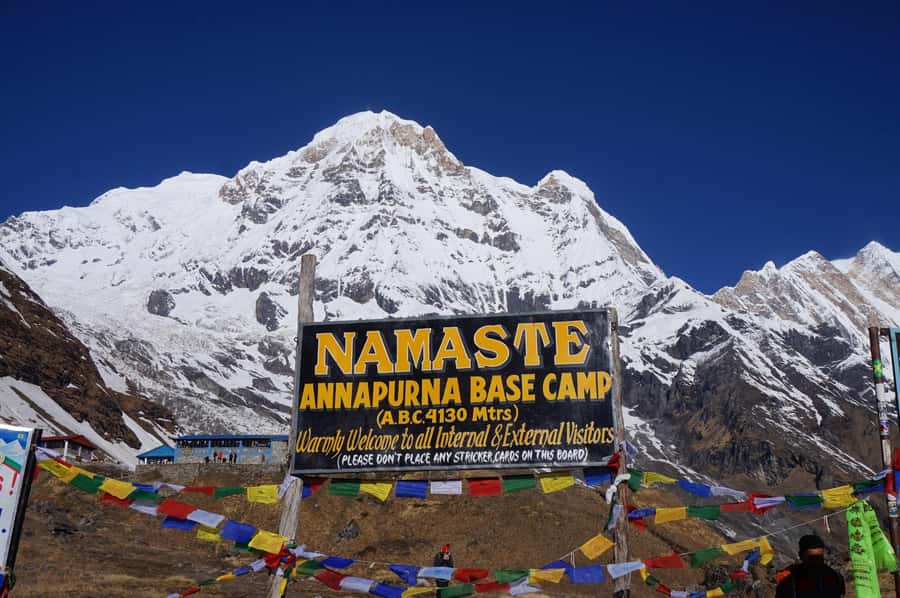
- Annapurna Base Camp at 4,130 meters: Reach the amphitheater beneath Annapurna and Machhapuchhre, with the Annapurna massif rising around you.
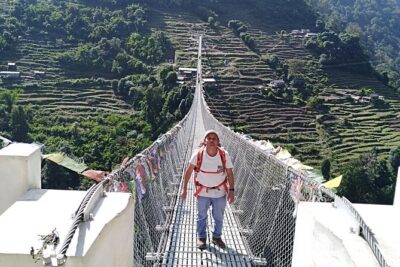
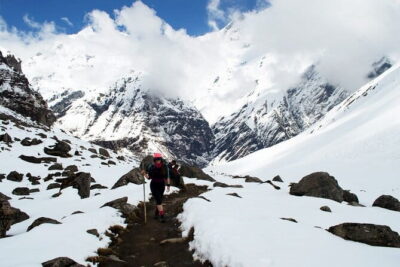
- A changing route: Walk from rice terraces and villages into dense forest, then into colder alpine country above the tree line.
- Gurung culture along the trail: Stay near traditional villages and learn about local life from guides such as Deepak, Hari, Narayan, and Sandesh.
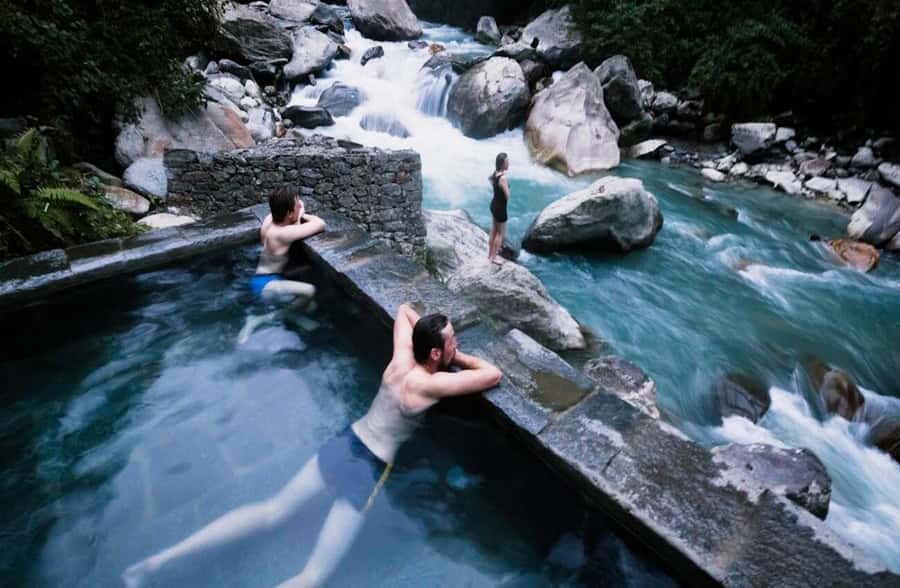
- Jhinu hot spring stop: Soak tired legs in a natural hot spring before the drive back to Pokhara.
- A guide-led private trip: Your guide sets the pace, arranges lodge stays, helps with permits, and watches for altitude problems.
- A strong value at $171: Transport, permits, guide expenses, lodge accommodation, and some equipment support are included, but food and optional porter service are extra.
From Pokhara to Jhinu: the trek begins on the road
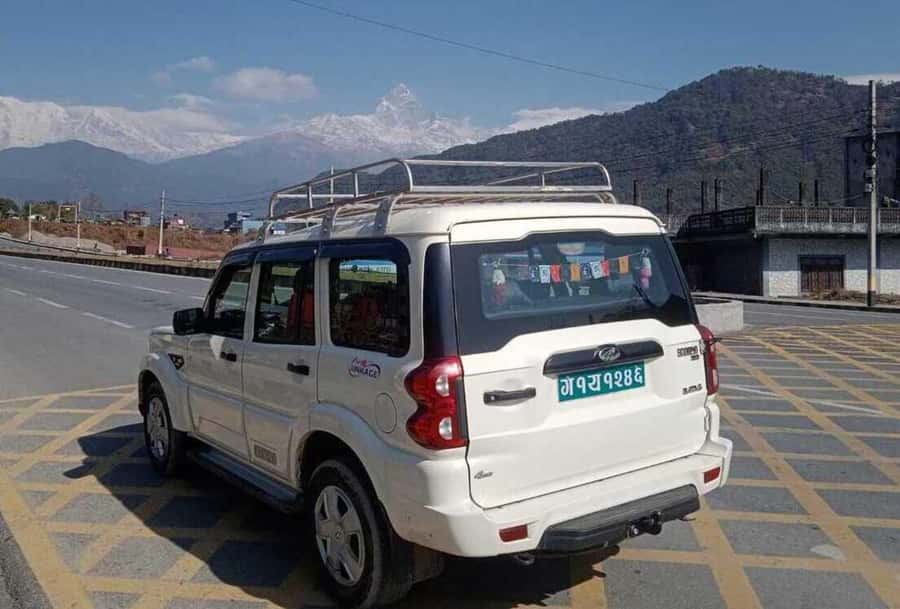
Your morning starts with pickup from a hotel in Lakeside Pokhara, or from the airport. A shared jeep or SUV takes you toward Jhinu, the roadhead for this route. The drive takes about two hours, and the vehicle is included in both directions.
This road transfer matters. It lets you begin the walking portion farther into the Annapurna region, saving time compared with a trek that starts from a lower village. The trade-off is a bumpy mountain drive, and the shared vehicle may not feel luxurious. Still, it is a practical way to fit Annapurna Base Camp into four nights and five days.
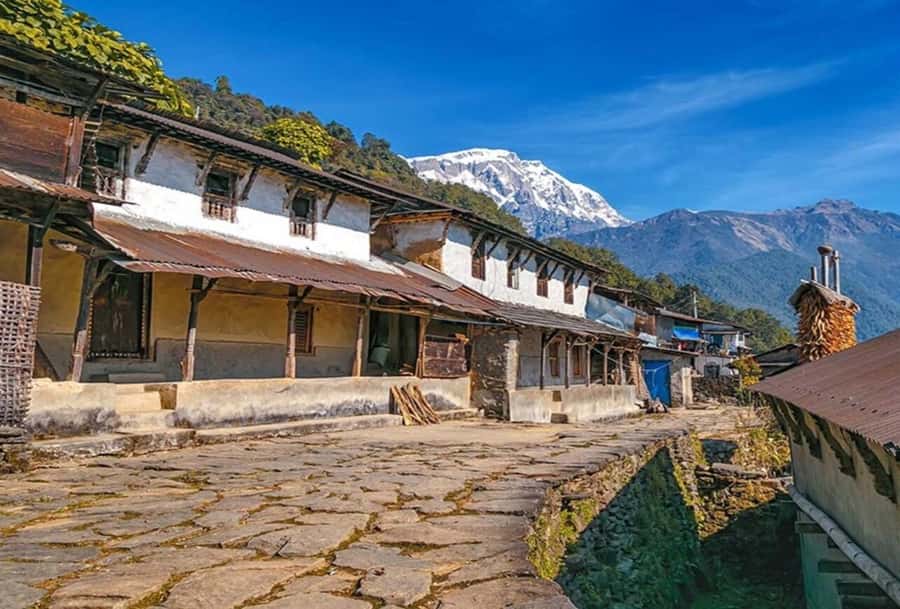
From Jhinu, you walk toward Lower Sinuwa, reaching about 2,300 meters after roughly five hours. The first day introduces the route gradually, with forest, village paths, and sections of stone steps. You may see terraced farming areas and traditional homes before the trail turns more wooded.
Jhinu is also important because of its hot spring. On the first day, you are mainly heading toward Lower Sinuwa, while the hot spring stop is scheduled for the return. Saving it for the end makes sense: you will appreciate warm water far more after several days of climbing and descending.
More Annapurna Treks in Pokhara
- Trekking in Annapurna/Langtang/Everest/Upper Mustang regions
★ 5.0 · 161 reviews - Kathmandu/Pokhara: 5-Day Annapurna Base Camp (ABC) Trek
★ 4.9 · 72 reviews - Annapurna Panorama trek
★ 5.0 · 71 reviews
Lower Sinuwa to Deurali: forests, steps, and altitude
Day two runs from Lower Sinuwa to Deurali, at about 3,200 meters. The walk takes approximately six hours, so this is one of the days when your pacing matters most.
The lower portion of the route passes through dense forest. The setting changes as you gain height, and the air becomes cooler. Waterfalls, quiet paths, and forest scenery help break up the long climb, but this is not a gentle stroll. Steep stone steps can make the distance feel longer than the mileage suggests.
I would use this day to settle into a slow rhythm. Your guide can help you stop for rests and food, and several guides on this trip have been praised for allowing people to walk at a comfortable pace. Narayan, for example, was noted for organizing regular meal and photo stops, while other guides carried a bag when a participant struggled.
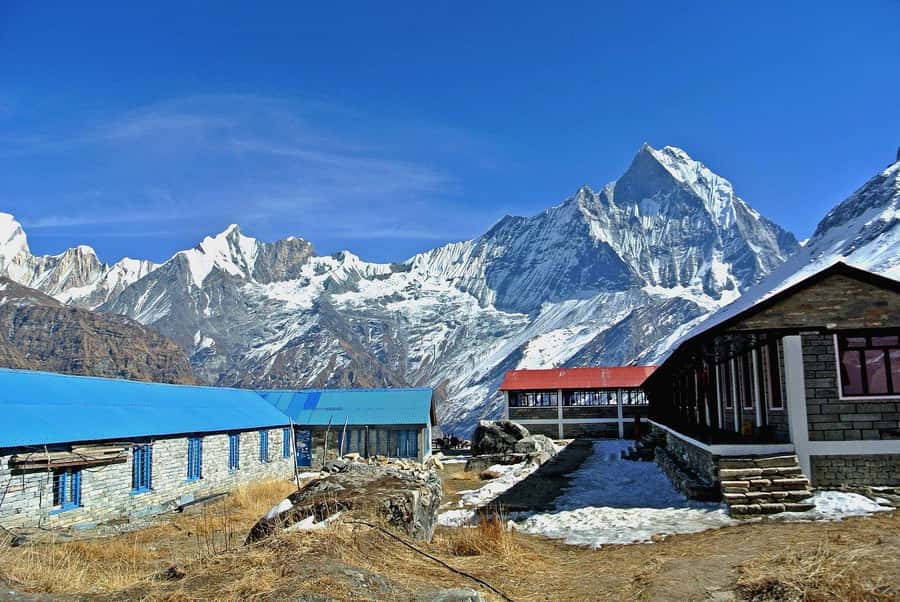
Deurali is a useful overnight point because it places you close to the high section of the route. Lodge accommodation is described as tourist standard and private, though you should keep expectations practical. Tea house rooms in the mountains are mainly about shelter, warmth, and sleep, not luxury. Cold nights are possible, and extra blankets may be available.
Deurali to Annapurna Base Camp via Machhapuchhre Base Camp
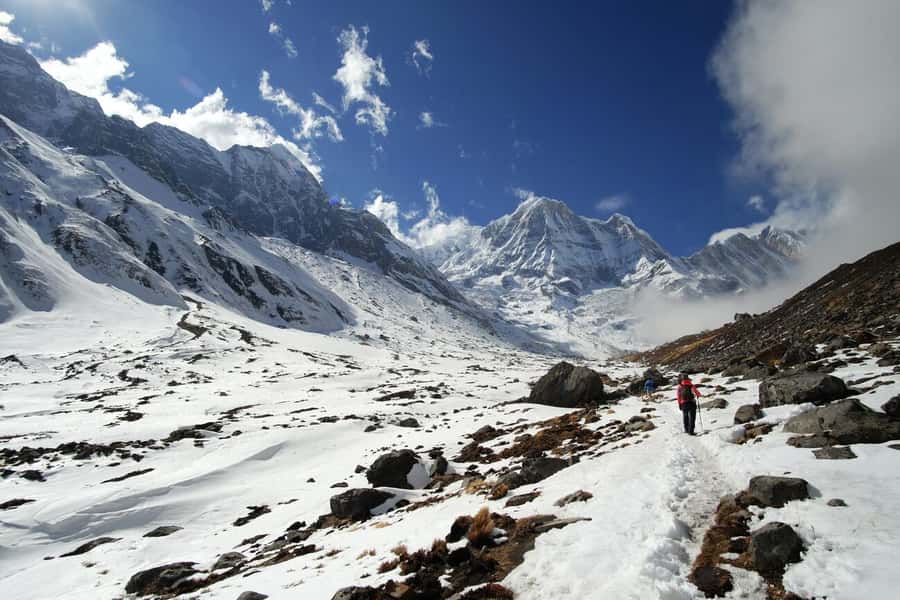
Day three is the shortest walking day by the stated schedule, at about four hours, but it is the day that asks the most from your body. You leave Deurali for Machhapuchhre Base Camp, then continue to Annapurna Base Camp at approximately 4,130 meters.
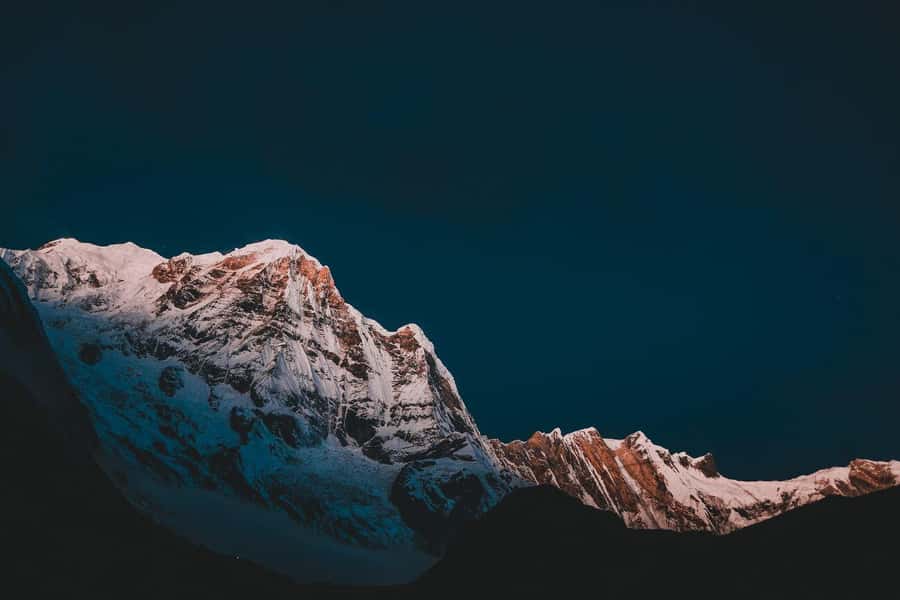
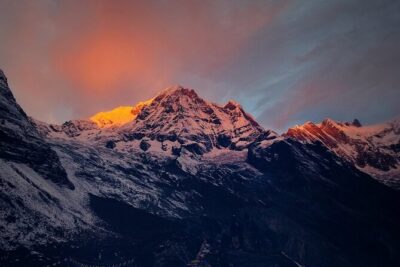
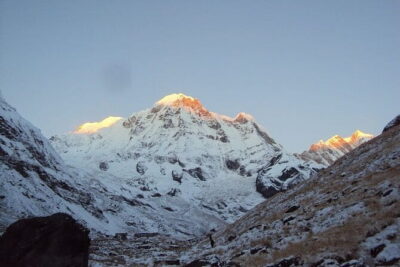
Machhapuchhre, also called Fishtail, is one of the region’s most recognizable peaks. The route then opens toward the Annapurna sanctuary area, where large Himalayan peaks surround the base camp. Hiunchuli and the Annapurna massif become part of the main view, and the scale of the mountains is the reward for the slow uphill work.
The short timing does not mean the day is easy. At higher altitude, you may walk more slowly and need more breaks. Several people on this trip experienced mild altitude sickness, and guides such as Paras, Basanta, and Narayan were praised for checking on their groups, offering alternatives, and helping with bags. That kind of support is one of the strongest reasons to choose a guided trek rather than trying to manage every detail alone.
You should tell your guide quickly if you feel unwell. Headache, nausea, unusual fatigue, or breathlessness deserve attention. The itinerary reaches a high point quickly, so your guide’s judgment and your willingness to slow down are important.
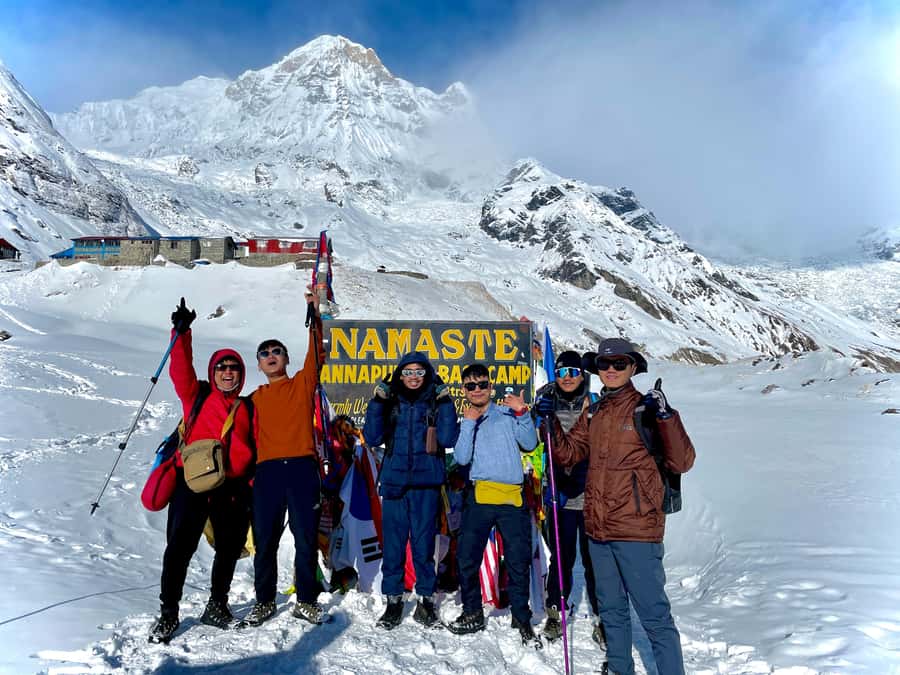
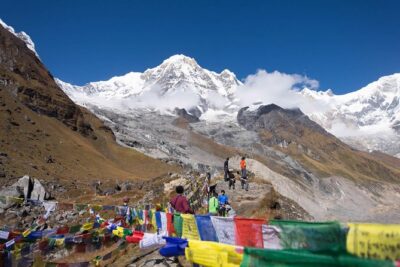
At Annapurna Base Camp, the setting is the main event. You are standing beneath one of the world’s highest mountains, Annapurna, listed as the tenth highest peak in the world. The surrounding ridges and peaks can feel close enough to touch, though views depend on weather. January brought clear skies for some groups, while monsoon walkers encountered cloud, rain, and leeches.
Time at base camp, then down to Bamboo
Day four begins with time to explore Annapurna Base Camp before descending to Bamboo. The listed walking time is about six hours, and the altitude drops to roughly 2,400 meters.
Morning at base camp may offer the clearest mountain views, so this is a good time for photographs and quiet observation. You are not simply arriving, taking one picture, and leaving. The schedule gives you space to look around before starting the long descent.
Downhill walking can be harder on knees than uphill walking is on lungs. Stone steps and uneven paths require care, especially after a cold night and a high-altitude morning. Trekking poles are useful here, and poles can be provided if required.
Bamboo brings you back into lower forest country. The descent should help your body adjust to lower altitude, but fatigue may be building. Your guide will still need to monitor the group, since tired legs can lead to slips and minor injuries.
The accommodation is simple but functional. Food can be purchased at the lodges, and warm meals are available, but you pay for all meals separately. Bring enough Nepalese rupees or other accepted cash for food and personal costs, since prices can vary at higher lodges. One useful tip from past participants is to carry extra cash rather than assuming every expense is covered by the tour price.
More Hot Spring Treks in Nepal
- From Pokhara: 5-Day Annapurna Basecamp Trek with Hot Springs
★ 4.9 · 26 reviews - Pokhara: 7-Day Annapurna Base Camp Trek & Natural Hot Spring
★ 5.0 · 11 reviews - Pokhara: 5-Day Trek to Annapurna Base Camp and Hot Springs
★ 5.0 · 4 reviews - Pokhara: 7-Day Annapurna Base Camp Trek & Hot Spring
★ 4.0 · 3 reviews
Bamboo to Jhinu and the natural hot spring
The final walking day takes you from Bamboo to Jhinu, followed by the drive back to Pokhara. The schedule allows about six hours of walking, then roughly two hours by jeep or SUV.
By now, the route feels familiar in reverse, but the descent still demands care. You may pass through forest and villages, with more signs of settled life as you lose altitude. Local communities and Gurung villages are an important part of the route, and a good guide can explain the customs, language, and mountain lifestyle you see along the way.
The stop at the Jhinu hot spring is the trip’s small luxury. After four nights on the trail, warm mineral water can soothe tired legs before you sit in the vehicle for the return to Pokhara. It is not a substitute for a rest day, but it gives the final day a satisfying finish.
The drive ends in Pokhara, with drop-off at Lakeside or another listed Pokhara location. The included luggage storage facility is useful if you do not want to carry your full city luggage into the mountains. One person did report having to arrange storage independently, so I would confirm this service before departure rather than relying on it without checking.
What the $171 price really covers
At $171 per person, this is an attractive price for a guided five-day trek. You receive hotel pickup and drop-off, shared transport from Pokhara to Jhinu and back, Annapurna Conservation Area permits, government permits, TIMS-related costs, taxes, a registered trekking guide, tourist-standard private lodge accommodation, first-aid support, and storage for luggage in Pokhara.
The guide’s food, lodging, insurance, salary, transport, and equipment are also covered. Trekking poles, a duffel bag, or a trekking bag may be available if you need them.
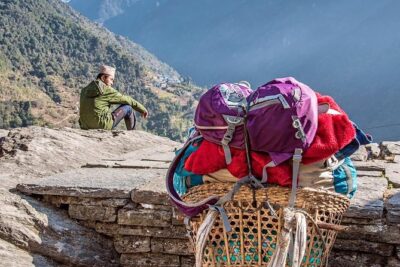
The price does not include meals or personal expenses. A porter is optional at $15 per day. If you want to walk with only a light daypack, that porter fee is worth considering. If you are fit and can pack lightly, you may prefer to carry your own gear and keep the total cost down.
You should also budget for drinks, snacks, lodge meals, extra services, and possible equipment purchases. The tour price is good value, but it is not an all-inclusive mountain holiday.
Guides are the biggest part of the value
The repeated praise for guides is the clearest strength of this trek. Deepak is especially noted for supporting large groups, handling requests, helping with lodge arrangements, and keeping morale high. Paras helped a participant adjust plans during altitude sickness, while Hari explained local culture and surroundings with care.
Narayan was praised for his long experience, steady pacing, and willingness to carry a bag when someone was struggling. Basanta and porters such as Sushil provided close support to first-time hikers, including people who developed mild altitude symptoms. Sandesh was remembered for helping with dietary needs, sharing mountain culture, and keeping the evenings friendly.
Guide assignments can vary, so you should not assume you will receive a particular person. Still, the pattern is encouraging: pacing, safety checks, cultural explanations, and practical help are central to the service.
The trek is private, but the vehicle from Pokhara to Jhinu and back is shared. That distinction matters. You have a private walking group and guide, while the road transfer is not necessarily private.
The weather, difficulty, and what to pack
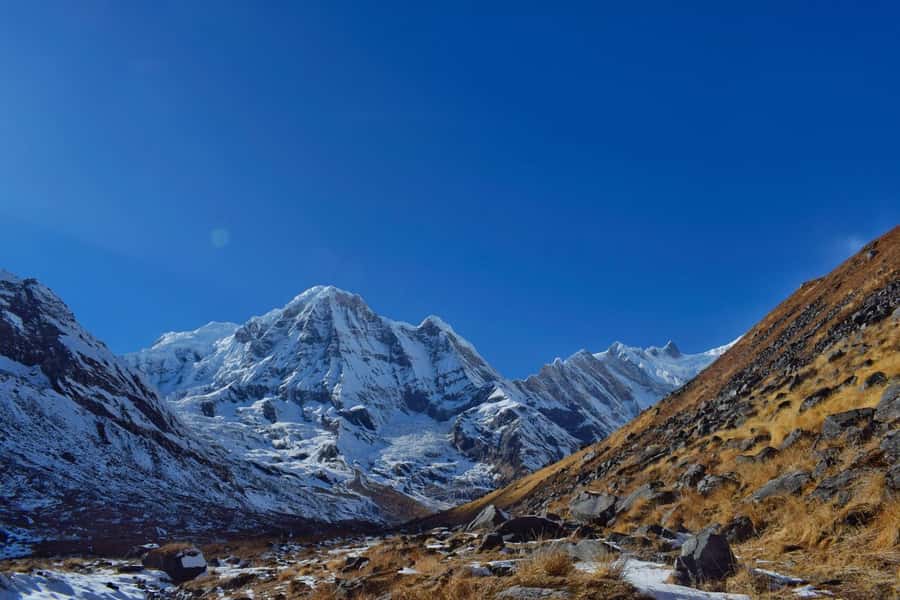
This is a challenging trek, even though it lasts only five days. You will walk for four to six hours on several days, handle steep sections, reach 4,130 meters, and deal with cold at base camp. First-time hikers have completed it, but you should not treat the route as a casual weekend walk.
Pack comfortable, supportive shoes. Waterproof footwear is useful during wet weather, and a proper rain poncho matters during monsoon season. Monsoon conditions can bring leeches and cloudy mountain views. Clear weather is more likely to give you the dramatic Annapurna panorama, but no schedule can guarantee it.
Useful items include:
- Warm layers for Annapurna Base Camp
- A waterproof jacket or poncho
- Comfortable walking shoes
- Trekking poles
- Personal medication and basic toiletries
- Cash for meals and personal expenses
- Passport or ID card, with a copy accepted
- Small snacks and water supplies
Pregnant people should not book this activity. The pace, altitude, and steep trail make it unsuitable.
Who should book this Annapurna trek?
I would recommend it to you if you have limited time in Pokhara but want a genuine Himalayan trek rather than a short scenic walk. It suits active first-time hikers, couples, friends, and small private groups who value a guide and want permits and transport arranged.
It is also a good choice if you want cultural contact along with mountain scenery. The Gurung villages, forest paths, lodge stays, and conversations with your guide give the route more character than a simple mountain viewpoint trip.
I would hesitate if you dislike basic accommodation, need a slow acclimatization schedule, or want every meal included in the upfront price. The five-day format is efficient, but it is not leisurely. If you are unsure about your fitness, ask about the daily walking demands before booking and consider adding extra time if your schedule allows.
Should you book it?
Book this trek if reaching Annapurna Base Camp quickly matters to you and you are ready for long, steep days. The combination of included permits, transport, guide support, lodge accommodation, and the Jhinu hot spring makes $171 a strong starting value.
Go in with realistic expectations. Add money for meals and possibly a porter, pack for cold and rain, and expect basic mountain lodging. The best reason to choose this trip is the human support: guides such as Deepak, Narayan, Paras, Hari, Basanta, and Sandesh have helped make a demanding route feel manageable. If you want a compact Himalayan challenge with strong practical support, this is a sensible choice from Pokhara.
FAQ
How long is the Annapurna Base Camp trek?
The trek lasts five days and includes four nights of accommodation.
Where does the trek start?
Pickup is available from Lakeside Pokhara or Pokhara Airport. The walking route begins near Jhinu after a drive of about two hours.
How high is Annapurna Base Camp?
Annapurna Base Camp is listed at approximately 4,130 meters.
Is transport from Pokhara included?
Yes. Shared jeep or SUV transport from Pokhara to Jhinu and back is included. The drive takes about two hours each way.
Are meals included?
No. Meals are available for purchase at the lodges, but you pay for them separately.
Is a porter included?
No. Porter service is optional and costs $15 per day.
What accommodation is provided?
The package includes private accommodation in tourist-standard lodges along the trek.
Is a guide included?
Yes. A professionally registered trekking guide is included, along with the guide’s food, accommodation, insurance, salary, transport, and equipment costs.
Can I cancel the booking?
You can cancel up to 24 hours in advance for a full refund. The activity also offers a reserve-now, pay-later option.
More 5-Day Experiences in Pokhara
- From Pokhara: 5-Day Mardi Himal Base Camp Trek
★ 5.0 · 10 reviews - Pokhara: 5-Day Ghorepani and Poon Hill Private Trek
★ 5.0 · 4 reviews - Annapurna base camp trek 5 Days
★ 5.0 · 252 reviews - Kathmandu to Annapurna Base Camp (ABC) 5-Day Trek
★ 5.0 · 102 reviews
More Hot Spring Treks in Pokhara
- Private Tour Mount Batur Sunrise Trekking and Natural Hot Spring
★ 5.0 · 431 reviews - Mount Batur Sunrise Trek & Natural Hot Spring Experience
★ 5.0 · 95 reviews - 3D/2N Rinjani trekking summit,lake and hot springs.
★ 5.0 · 85 reviews - Mount Batur Sunrise Trekking & Natural Hot Spring – All Inclusive
★ 5.0 · 58 reviews
Recently added around Pokhara
- Pokhara: Majestic Mardi Base Camp Guided Trek with HotSpring★ 5.0 · 6 reviews
- Pokhara: 9-Day Annapurna Base Camp Trek with Poon Hill★ 5.0 · 6 reviews
- Pokhara: 5-Day Trek to Annapurna Base Camp and Hot Springs★ 5.0 · 4 reviews
- Pokhara: 5-Day Ghorepani and Poon Hill Private Trek★ 5.0 · 4 reviews
- Pokhara: 7-Day Annapurna Base Camp Trek & Hot Spring★ 4.0 · 3 reviews
- Pokhara:4-Day Ghorepani Poon Hill Guided Trek via Ghandruk★ 5.0 · 3 reviews
- Pokhara: 4-Day Poon Hill and Ghandruk Guided Trek★ 5.0 · 14 reviews
- Pokhara: 4-Day Ghorepani, Poonhill & Ghandruk Village Trek★ 5.0 · 6 reviews
Annapurna Base Camp Treks, compared.
Trekking in Annapurna/Langtang/Everest/Upper Mustang regions
Read our review →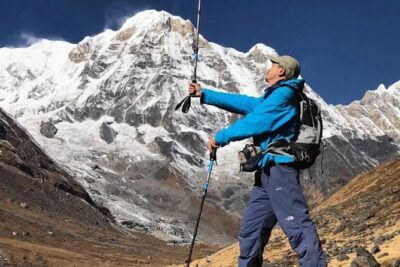
Kathmandu to Annapurna Base Camp (ABC) 5-Day Trek
Read our review →Browse the lists this tour appears in