
REVIEW · SAPA
From Hanoi: 3-Day Sapa Trekking (sleep at hotel & homestay)
Mountain villages are worth the late-night bus ride. This three-day Sapa trip gives you rice-terrace views and local village walks without requiring you to arrange hotels, meals, transport, or a guide yourself. I like the route because it combines Cat Cat, Lao Chai, Ta Van, and Giang Ta Chai rather than stopping at one popular village. I also like the small group, capped at 12 people, and the friendly, well-organized guides praised in the tour feedback.
The main catch is the pace. You cover about 21 kilometers on foot, including an 8-kilometer hike on the final day, and some paths may be uneven or slippery in wet weather. The overnight sleeper bus from Hanoi also begins at 9:30 PM, so this is not a restful city break. It suits you best if you want active days and simple accommodation rather than comfort at every turn.
Key points at a glance
- A 9:30 PM sleeper bus links Hanoi and Sapa, saving you the cost and hassle of arranging separate transport.
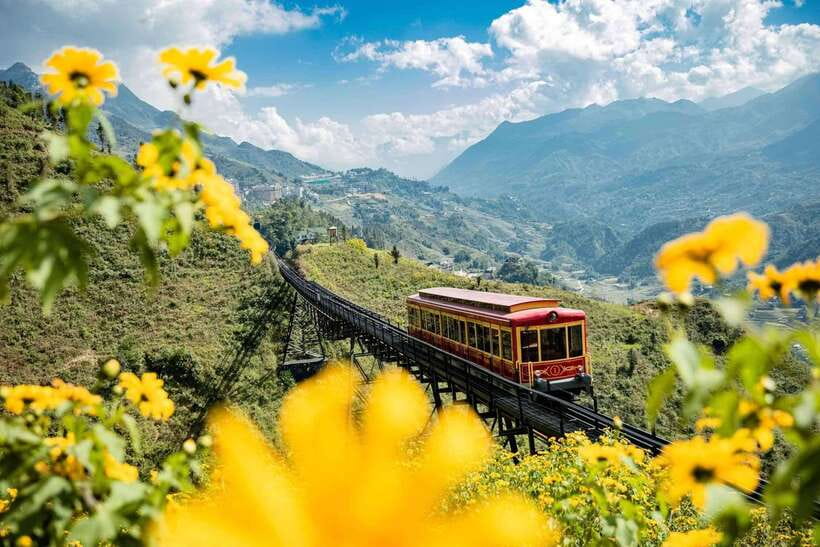
- Cat Cat Village combines H’mong culture, mountain scenery, a waterfall, and a French-built hydroelectric plant in one busy first morning.
- The Muong Hoa Valley route reaches Y Linh Ho, Lao Chai, and Ta Van, with village paths and rice terraces along the way.
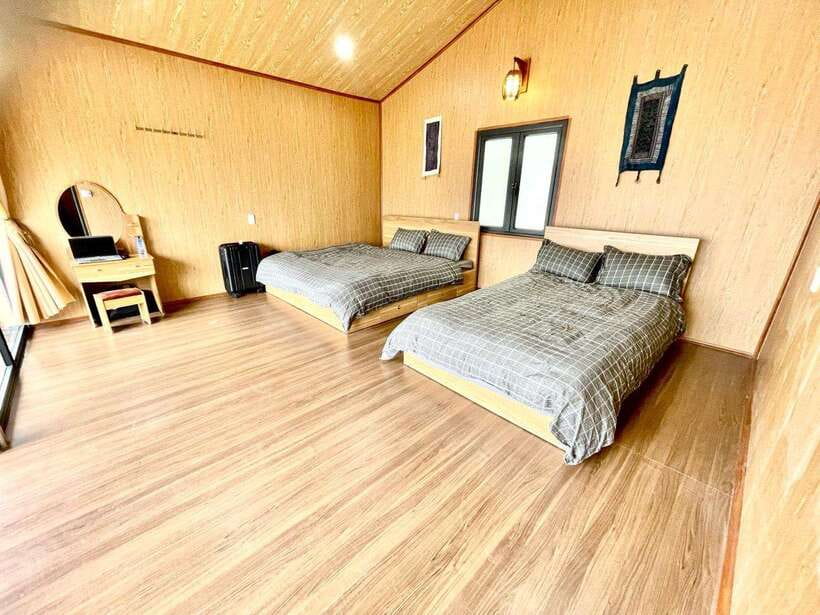
- You sleep in two different settings, one night in a hotel in Sapa Town and one night in a homestay in Ta Van.
- The final trek visits Giang Ta Chai and Red Dao communities, adding a different cultural setting to the H’mong villages.
- The $114 price includes transport, accommodation, meals, guide services, and sightseeing tickets, but not drinks, insurance, or personal expenses.
What the $114 price really covers

At $114 per person, this trip offers good value if you would otherwise need to organize several moving parts yourself. The price includes the round-trip sleeper bus between Hanoi and Sapa, one hotel night, one homestay night, meals, an English-speaking guide, and scheduled sightseeing tickets.
That bundle matters in northern Vietnam. You are not only paying for a hike. You are also paying for the long-distance transport, a route through several villages, food during the three days, and a guide who helps connect the scenery with local life.
The value is strongest for a first visit to Sapa. You can book one package instead of comparing buses, hotels, village routes, entrance fees, and meals separately. A solo visitor may also find the small group useful, since the guide provides company and keeps the route moving.
There are limits. Coffee, soft drinks, travel insurance, and personal purchases are extra. The accommodation is practical rather than luxurious, and the overnight bus involves a late departure and a very early arrival. If you prefer a private vehicle and a polished hotel each night, this is not the right price comparison.
The tour offers free cancellation up to 24 hours before departure, and you can reserve now and pay later. Pickup begins from Hanoi Capsule Station at 22 Tran Nhat Duat or from a hotel or hostel in Hanoi’s Old Quarter. You should be waiting in the lobby 15 minutes before pickup.
More Homestay Treks in Sapa
- Number one top rated ethical cultural trekking and homestay by ETHOS
★ 5.0 · 456 reviews - Sa Pa: 2-Day Trekking Trip with Ethnic Minority Homestay
★ 4.7 · 145 reviews - Sapa : 2-Day Trek & Heartwarming Homestay with an Ethnic Family
★ 5.0 · 143 reviews
The overnight bus from Hanoi to Sapa
The trip starts at 9:30 PM. The sleeper bus picks you up at the stated meeting point or from your accommodation in the Old Quarter, then carries you north toward Sapa.
You arrive around 4:00 AM and can sleep until 6:00 AM. That short rest is useful, but it is not the same as a full night in a bed. I would treat the bus as part of the cost-saving design, not as a luxury transfer.
A sleeper bus lets you avoid losing a daytime sightseeing period to transport. Still, pack light and keep key items close: passport, water, phone, money, and any medication you need. Large luggage is not suitable for this trip, and you will change between bus, hotel, homestay, and trekking paths.
The early arrival may sound harsh, but the schedule gets you into the mountains quickly. After a brief rest, the guide collects you at the hotel for breakfast and a chance to freshen up.
Day one: Cat Cat Village and Sapa Town

Your first walking day begins after breakfast. Around 8:00 or 8:30 AM, you set out through rice terraces toward Cat Cat Village, associated with the H’mong community.
Cat Cat is a popular stop, but it offers more than a quick photo opportunity. The walk introduces you to mountain farming scenery, village traditions, and the daily setting of an ethnic community near Sapa. Your guide can help explain customs and local ways of life, which gives the scenery more meaning than a simple viewpoint stop.
The route also includes Cat Cat Waterfall. Water, steep hillsides, and village paths make this one of the more scenic portions of the first day. You will have time for photographs, so bring a camera, but keep one hand free for balance on the walking sections.
Another unusual feature is the old hydroelectric power plant connected with French colonial rule in the early 20th century. It is a small but interesting reminder that Sapa’s mountain setting has long attracted outside interest for both scenery and resources.
Lunch follows at a restaurant, with a home-cooked meal shared with a local family in Cat Cat included among the cultural highlights of the day. The exact meal setting can vary with the day’s arrangements, so you should expect local food rather than a formal dining experience.
After lunch, you check into the hotel in Sapa Town. The afternoon is free, which is welcome after the overnight bus and morning hike. You can use this time to rest or walk around town at your own pace. Dinner is served at a restaurant around 6:00 PM, followed by your hotel night.
This first day is a sensible introduction. You get a guided village walk, cultural context, food, and a bed in town before the longer trekking day. The drawback is that Cat Cat can feel more visitor-focused than the smaller villages later in the route. If you want a quieter experience, pay attention to the paths and conversations beyond the main sights.
Day two: Y Linh Ho, Lao Chai, and Ta Van
After breakfast at the homestay, the main valley walk begins at about 8:00 or 8:30 AM. The stated route covers roughly 6 kilometers toward Y Linh Ho, then another 3 kilometers to Lao Chai.
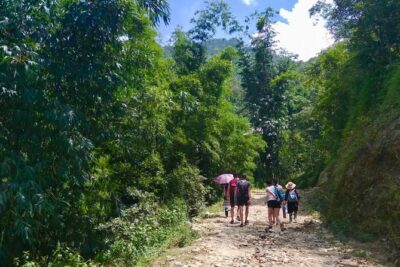
Y Linh Ho is a Black H’mong village in the Muong Hoa Valley. The walk follows the contours of the valley, with rice terraces and green hills around you. This is the day when the trip feels most like a proper countryside trek rather than a sightseeing transfer.
The route continues to Lao Chai, another H’mong village. A small tunnel or bridge connects the route toward the Muong Hoa Valley, adding a modest change of pace to the walk. The total distance is not extreme for a fit hiker, but the terrain and hills make distance feel different from a flat city walk.
You have lunch in Ta Van, then check into the homestay and rest. In the afternoon, the guide takes you through nearby village areas and helps you see more of local life. This is where a small group can make a difference. With no more than 12 people, the walk should be easier to manage than a large coach excursion.
Around 4:00 PM, you return to the homestay. A cooking class follows, focused on traditional Vietnamese spring rolls. It is a simple activity, but it gives the evening a useful rhythm. You are not only looking at village life from a path. You are also handling ingredients and learning one small part of the local food culture.
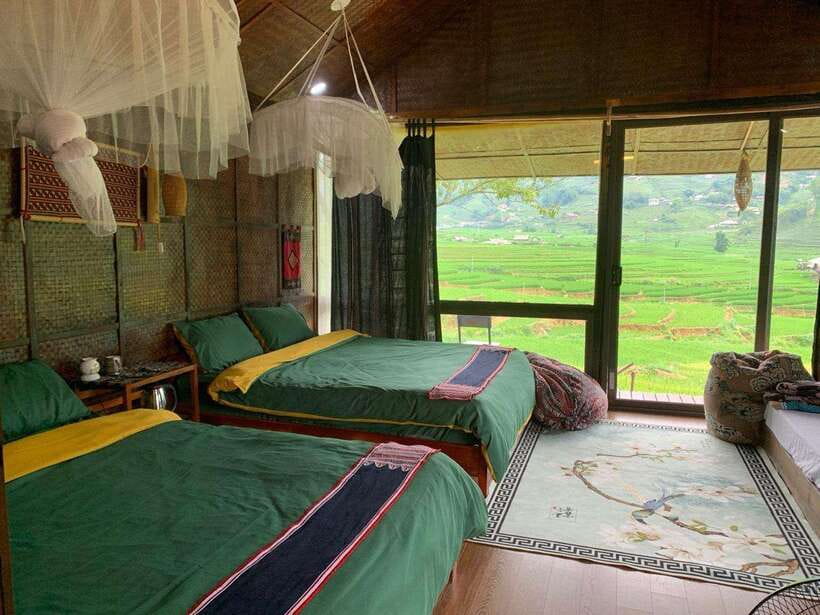
Dinner features local dishes at about 6:30 PM. You sleep in Ta Van, which changes the feel of the trip. The hotel night is convenient, while the homestay night is more closely tied to the village setting.
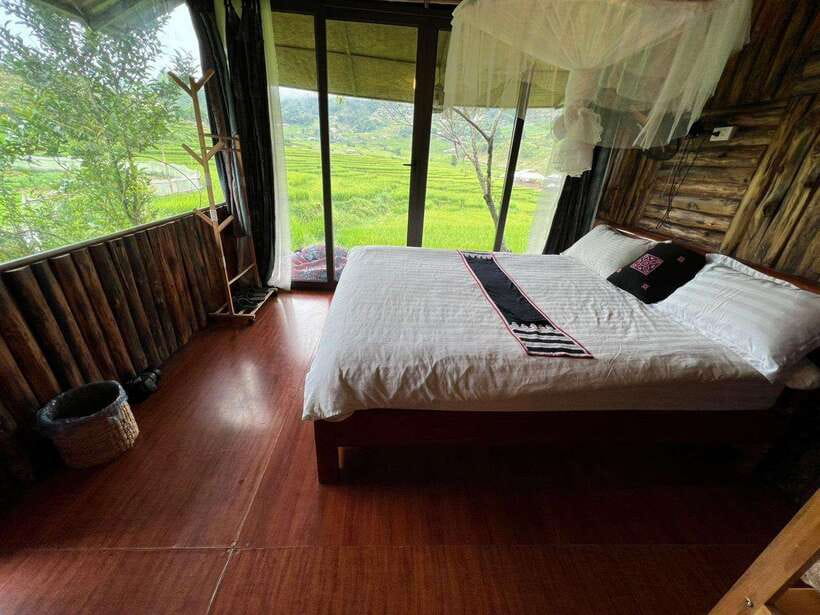
You should keep your accommodation expectations practical. The information provided does not promise private rooms, luxury facilities, or a specific homestay standard. Bring only what you need for the night, and use a small daypack for the trek.
More Homestay Treks in Vietnam
- Sapa Valley Trek and Homestay – 3D2N
★ 5.0 · 105 reviews - From Sapa: 2 Days 1 Night Trek Over Night At Homestay
★ 5.0 · 68 reviews - 2 days authentic trekking tour in Sapa ( Homestay – Less touristy )
★ 5.0 · 68 reviews - 3-Day Trek in Amazing Muong Hoa Valley & ethnic Homestay
★ 5.0 · 49 reviews
Day three: Giang Ta Chai and the return to Hanoi
The final morning begins with breakfast at the homestay, followed by an 8-kilometer trek to Giang Ta Chai. This village is linked with the Red Dao community, giving you a different cultural focus from the H’mong villages visited earlier.
The route passes through two Red Dao communities. Their traditions and clothing add another layer to the cultural side of the trip. The point is not simply to collect village names. It is to see that northern Vietnam includes several ethnic groups, each with its own customs and way of presenting community life.
The 8-kilometer distance makes this the most demanding walking day on paper. If your legs are tired from the previous day, the length will matter. Comfortable shoes are essential, and proper hiking shoes are a better choice if rain has made the trails muddy.
Lunch is served at a local restaurant around noon. After time to rest, a car takes you back to Sapa Town between 1:30 and 2:00 PM. The timing gives you a short buffer before the return bus.
The sleeper bus leaves Sapa around 3:00 or 3:30 PM and reaches Hanoi around 9:30 PM, with drop-off on Tran Quang Khai Street. Your Sapa program ends there.
This final transfer is efficient, but it leaves little room for delay. Keep your belongings organized and be ready to leave promptly after lunch. The return schedule is one reason not to add extra shopping or a long independent walk in Sapa that afternoon.
The walking difficulty and what to pack
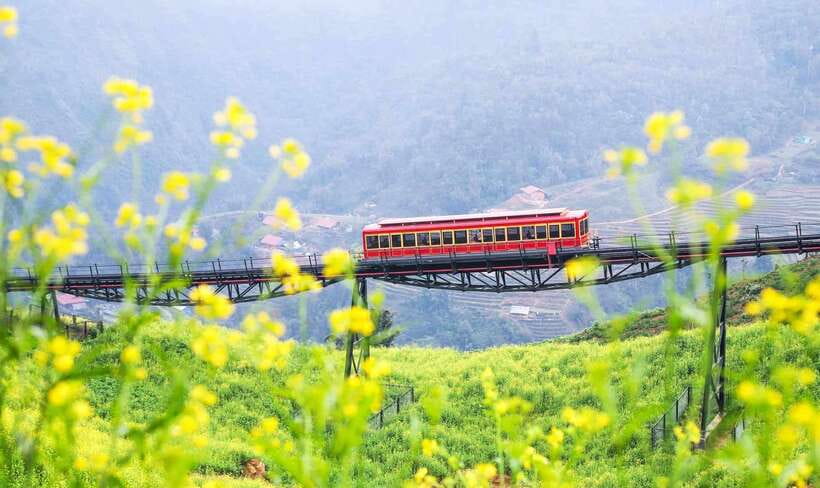
The tour describes the total hike as about 13 miles, or 21 kilometers, with a moderate to high fitness requirement. That figure covers the walking across the three days, not one single continuous hike.
You should be comfortable walking for several hours on village paths and uneven ground. The route includes hills, terraces, and rural trails. The tour is not suitable for pregnant women, wheelchair users, or people with mobility impairments.
Pack the following:
- Passport
- Comfortable walking clothes
- Hiking shoes
- Hat
- Sunscreen
- Water
- Camera
- Rain gear
Rain gear deserves special attention. Weather in the mountains can change, and wet paths are harder to manage. A small bag is much easier than a suitcase. Large luggage is specifically discouraged, so arrange separate storage if you are carrying more than you need for three days.
You should also allow for simple accommodation and changing conditions. The itinerary includes a hotel and a homestay, but it does not list particular room facilities. Pack modestly and practically rather than planning for a full wardrobe.
The guide, group size, and cultural contact
The English-speaking guide is one of the strongest parts of the arrangement. The guide meets you early in Sapa, leads the village walks, explains local customs, takes you through the afternoon village visits, and helps organize the cooking activity.
The available feedback gives the guides high marks for friendliness and organization. It also notes that the trip felt a little bumpy at first but was well planned overall. That is a fair description of a journey that begins with a night bus, a dawn arrival, and several changes of accommodation.
The group limit of 12 is useful. You still travel with other people, but the size is small enough for the guide to keep track of the pace and answer questions. It also helps during village walks, where a huge group would feel less personal.
Cultural contact is handled through village visits, meals, the homestay, and the spring-roll lesson. You should approach these moments with respect. Ask before photographing people, follow the guide’s instructions, and remember that villages are homes, not just scenic backdrops.
Who should book this Sapa trek?
I would recommend this trip to you if you want:
- A ready-made trip from Hanoi
- Several Sapa villages rather than one short excursion
- Daily walking through rice terraces and valleys
- One hotel night and one homestay night
- Local meals and a basic cooking activity
- A small group with an English-speaking guide
- A reasonably priced introduction to northern Vietnam
I would be more cautious if you need a soft travel schedule. The overnight bus, early morning arrival, 21 kilometers of trekking, and return bus on day three create a full program.
You should also reconsider if you dislike simple accommodation, cannot manage uneven paths, or want a private itinerary. This is an active group tour, not a luxury retreat.
Should you book it?

Book this Sapa trek if you want the practical parts handled for you and you are ready to walk. The $114 price is sensible for the transport, two nights of accommodation, meals, guide, and sightseeing included.
The strongest reasons to choose it are the variety of villages, the Red Dao and H’mong cultural encounters, the small group, and the balance between guided activity and free time in Sapa Town. The main tradeoff is comfort: the bus is overnight, the homestay is simple, and the trails demand real effort.
For a first visit to Sapa, this is a well-rounded option. Pack light, wear proper shoes, protect yourself from rain and sun, and expect the mountains to set the pace.
FAQ
How long does the Sapa tour last?
The experience lasts three days, beginning with an overnight sleeper bus from Hanoi and ending with arrival back in Hanoi around 9:30 PM on the third day.
What time does the bus leave Hanoi?
Pickup begins at 9:30 PM from Hanoi Capsule Station or from a hotel or hostel in Hanoi’s Old Quarter.
Where does the bus arrive in Hanoi?
The return bus arrives around 9:30 PM, with disembarkation on Tran Quang Khai Street.
Which villages does the trek visit?
The route includes Cat Cat, Y Linh Ho, Lao Chai, Ta Van, and Giang Ta Chai.
Where do you sleep during the trip?
You spend one night in a hotel in Sapa Town and one night in a homestay in Ta Van village.
Are meals included?
Yes. Meals are included, including breakfast, lunch, dinner, and local dishes during the program. Coffee, soft drinks, and personal purchases are not included.
How far do you walk?
The trip involves about 13 miles, or 21 kilometers, of hiking in total. The second day includes approximately 6 kilometers to Y Linh Ho and 3 kilometers to Lao Chai. The third day includes an 8-kilometer trek to Giang Ta Chai.
Is the tour suitable for people with mobility impairments?
No. The activity is not suitable for people with mobility impairments, wheelchair users, or pregnant women. It requires a moderate to high level of fitness.
What should you bring?
Bring your passport, comfortable shoes or hiking shoes, a hat, camera, sunscreen, water, and rain gear. Do not bring large luggage.
More Three-Day Treks in Sa Pa
- Sapa 3-Day Trekking Adventure from Hanoi
★ 4.5 · 64 reviews - From Hanoi: Sapa 3-Day Medium Trek and Limousine Trip
★ 4.5 · 59 reviews - Sapa 3 Days 2 Nights Trekking Tour (1 Night In Ta Van Village, 1 Night In Hotel)
★ 5.0 · 699 reviews - 3-Day Trekking Adventure of Sapa from Hanoi – Stay Ta Van Village
★ 5.0 · 611 reviews
More Homestay Treks in Sa Pa
- Muong Hoa Valley Trek & Homestay Experience – 4D3N
★ 5.0 · 42 reviews - Private Hoang Lien National Park & Tribal Village Trek
★ 4.7 · 30 reviews - Sapa: 2-Day Local Guided Valley Trek with Night Homestay
★ 5.0 · 27 reviews - Sapa: Ta Phin Village Trek & Red Dao Herbal Bath
★ 5.0 · 22 reviews
Recently added around Sa Pa
- Soob Sapa Trekking Tour★ 4.3 · 3 reviews
- Sapa Trekking – Waterfalls And H’mong Villages★ 5.0 · 2 reviews
- Sapa Trekking Private Tour With Ethnic Female Tour Guide★ 4.9 · 24 reviews
- Sapa: Trekking Through Terraced Rice Fields & Valley 1 Day★ 4.8 · 4 reviews
- Sapa: Y Linh Ho – Lao Chai, and Ta Van Trekking Day Tour★ 5.0 · 25 reviews
- Sapa Trekking Guide Francophone 2 days – 1 night★ 5.0 · 2 reviews
- Sapa: Ta Phin Village Trek with Lunch and Bathing Experience★ 4.7 · 13 reviews
- Sapa small groupe activities: 1 Day trek – Meet the locals★ 4.7 · 3 reviews
Homestay & Village Treks, compared.
Number one top rated ethical cultural trekking and homestay by ETHOS
Read our review →
2-Day Sa Pa Ethnic Homestay Tour & Trek with Limousine Bus
Read our review →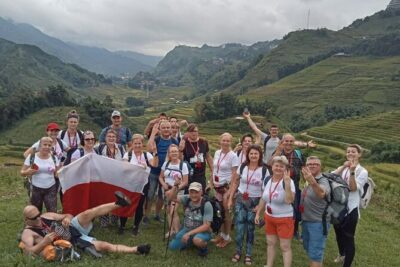
Sapa 3 Day 2 Night Trekking With Hotel & Homestay
Read our review →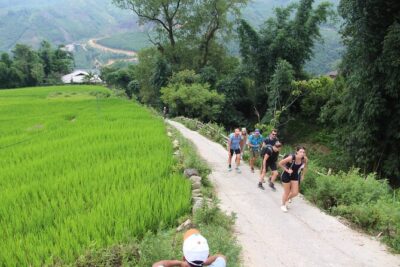
Sapa 2 Days 1 Night Overnight At Local Homestay
Read our review →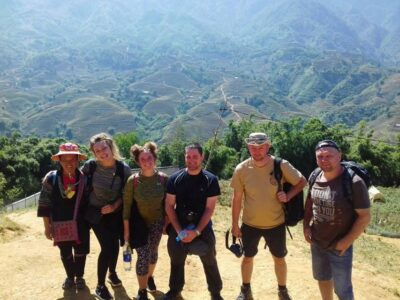
2-Day Trekking Trip with Ethnic Minority Homestay
Read our review →
2-Day Trek & Heartwarming Homestay with an Ethnic Family
Read our review →Browse the lists this tour appears in