
REVIEW · SAPA
Sapa 3-Day Trekking Adventure from Hanoi
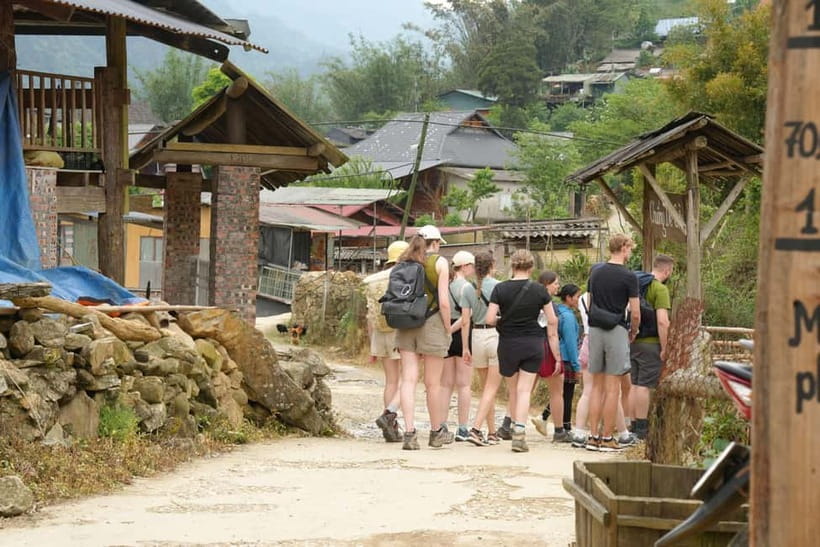
Mountain paths get muddy fast. This three-day trip from Hanoi is appealing because it combines terraced rice fields, ethnic villages, and a homestay without requiring you to arrange buses, meals, permits, and guides yourself. I especially like the small group size, capped at about 10 to 12 people, and the chance to walk with local H’Mong and Dao guides who can explain daily life in the villages.
I also like the balance between a night in a Sapa hotel and a night in Ta Van village. The main drawback is the hiking itself: some paths are steep, slippery, and difficult in wet weather. The return bus also reaches Hanoi late, around 10:00 to 10:30 p.m., and drops you on Tran Quang Khai Street rather than at your hotel.
What makes this Sapa trip worth considering
- A 14-kilometer village trek: Day two covers roughly 9 kilometers from Y Linh Ho through Lao Chai to Ta Van, followed by another 4 kilometers around Giang Ta Chai and Su Pan.
- Local guides from the region: Guides such as Su, Sue, and Dinh have been praised for explaining H’Mong, Dao, and Giay customs in a personal, clear way.
- One night in Ta Van: The homestay includes dinner, breakfast, and a simple cooking activity with local hosts.
- A practical all-in-one price: At $116 per person, the trip includes buses, hotel and homestay accommodation, five meals, entrance fees, permits, and guiding.
- Small-group format: The group is limited to around 10 to 12 people, making it easier to adjust stops to fitness and weather.
- Real hiking rather than a scenic bus ride: Expect mud, uneven paths, steep sections, and possible falls, especially after rain.
The long ride from Hanoi to Sapa
Your day begins early, with pickup between 6:10 and 6:30 a.m. from a hotel in Hanoi’s Old Quarter or from a designated meeting point. The bus ride takes about five to five and a half hours on the highway, so this is not a quick weekend hop into the mountains.
The transport is described as a VIP cabin bus. That sounds comfortable, but you should still think of it as a long shared coach journey. One important practical point: the return vehicle may not be the same type of bus as the outbound one, and there may not be a working toilet. A past passenger had to repeatedly ask the driver for a restroom stop.
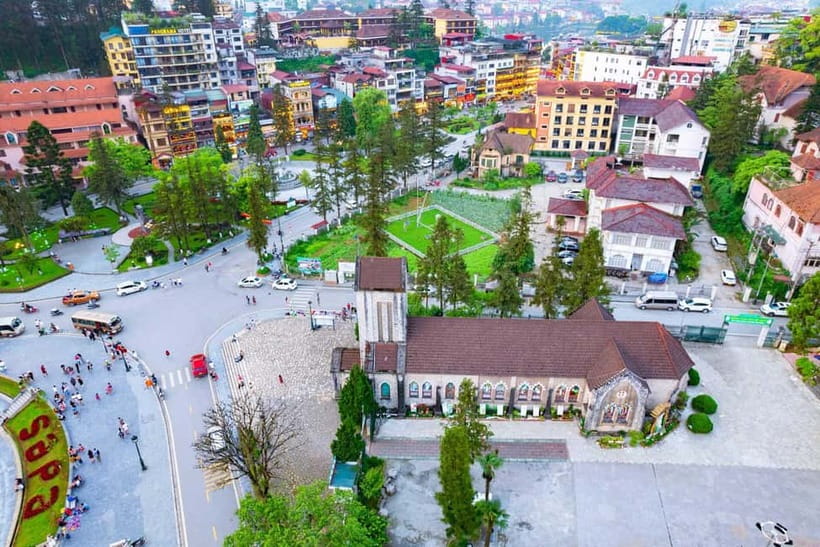
You arrive in Sapa around 1:15 to 1:40 p.m. After checking into the hotel and eating lunch, there is little time to waste before the first walk. This schedule works well if you want to start seeing the area on arrival, but it can feel tiring after the early start and long ride.
Your bulky luggage can generally remain at the hotel while you trek. Bring a small daypack for the walking portion, with water, rain protection, sun protection, and a change of clothes.
More Three-Day Treks in Sa Pa:
- Sapa Valley Trek and Homestay – 3D2N
★ 5.0 · 105 reviews - From Hanoi: Sapa 3-Day Medium Trek and Limousine Trip
★ 4.5 · 59 reviews - 3-Day Trek in Amazing Muong Hoa Valley & ethnic Homestay
★ 5.0 · 49 reviews
Day one: Cat Cat Village and Sapa town
The first afternoon walk heads toward Cat Cat Village, traditionally associated with the Black H’Mong. You will see local customs, village buildings, Cat Cat Waterfall, and a small hydroelectric plant built by the French in the early twentieth century.
The walk gives you a gentle introduction to the area, but do not expect untouched village life from start to finish. The route passes market stalls and a developed tourist village. Some people enjoy the color, shops, and photo stops. Others find Cat Cat too commercial compared with the quieter village walks on the next two days.
That contrast matters. If Cat Cat is the only village you visit, the experience may feel packaged. Here, it is just the opening chapter, followed by longer walks through farming areas and village communities.
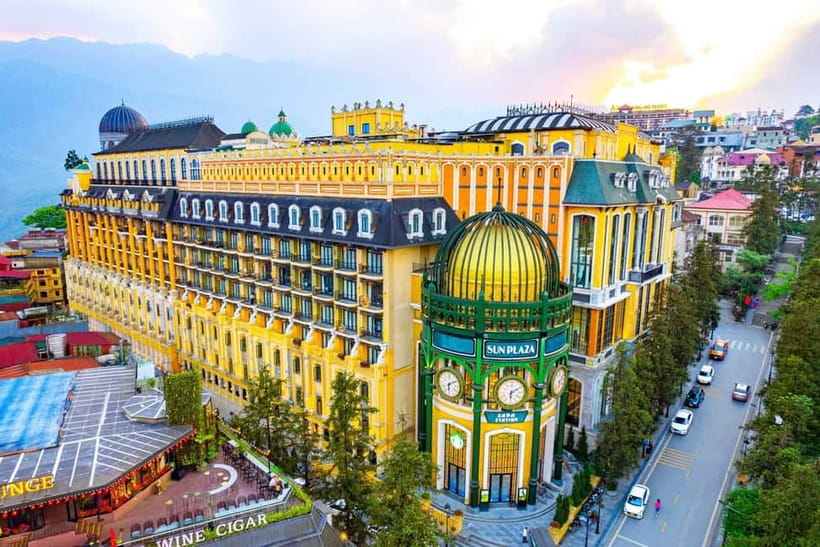
Dinner comes at about 6:30 p.m. After that, you have free time to look around Sapa. The town is a busy mountain center rather than a remote hamlet. It has hotels, restaurants, shops, and plenty of traffic. I would treat Sapa as your base for the trek, not as the main reason to book this trip.
You spend the first night at a three-star hotel in town, listed as Sapa Retreat Condotel or Delta Sapa Hotel. The hotel night is a useful buffer before the more basic homestay.
Day two: 9 kilometers through Muong Hoa Valley
After breakfast, you meet the guide at about 8:30 a.m. and begin the main trek toward Y Linh Ho. From there, the route follows the Muong Hoa Stream and continues through rice terraces toward Lao Chai, a village associated with the Black H’Mong.
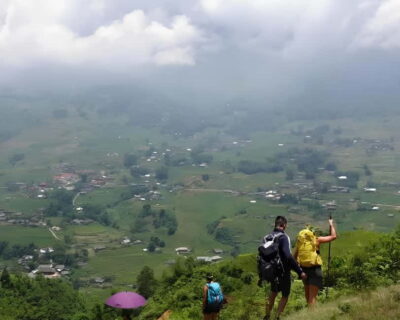
This is the day that makes the trip worthwhile. The views open toward the Hoang Lien Son mountain range, and the route gives you time to see how paths, terraces, streams, and homes fit together. You are not simply stopping at a viewpoint for ten minutes. You are walking between communities.
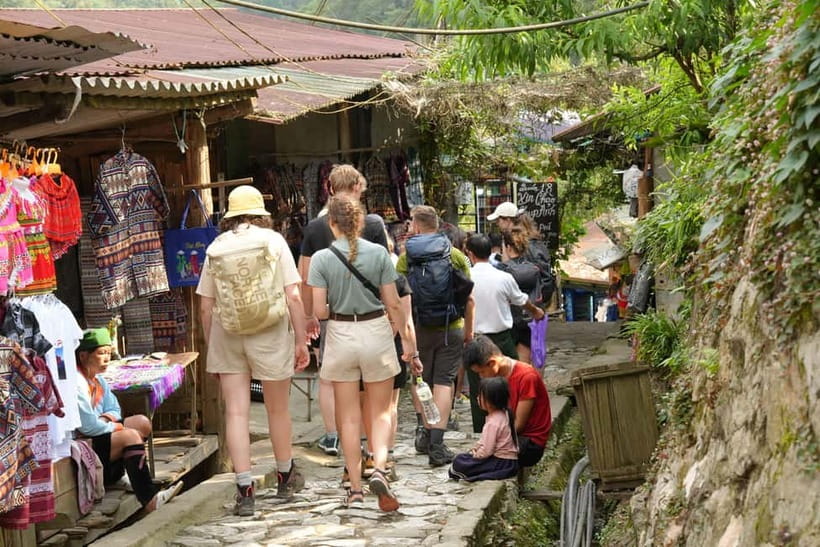
The terrain is the catch. In dry weather, regular walkers may find the route manageable. In rain, the clay-like mud can become slippery enough to make some sections genuinely difficult. One particularly muddy stretch has taken around an hour and a half for some groups. Local women sometimes walk alongside the group and help people keep their balance, but they may also sell handmade products at the end of the route.
You do not need to buy anything. A polite no is enough, and you can enjoy the help without feeling obliged to shop. Still, the selling can become persistent and may interrupt the quiet of the walk. That is part of the reality of a popular village route, and it is worth knowing before you go.
The trek continues to Ta Van, where lunch is served around 12:30 p.m. After checking in, you have the afternoon free at the homestay. This break is welcome because the morning can be tiring, especially if the ground is wet.
The Ta Van homestay and cooking activity
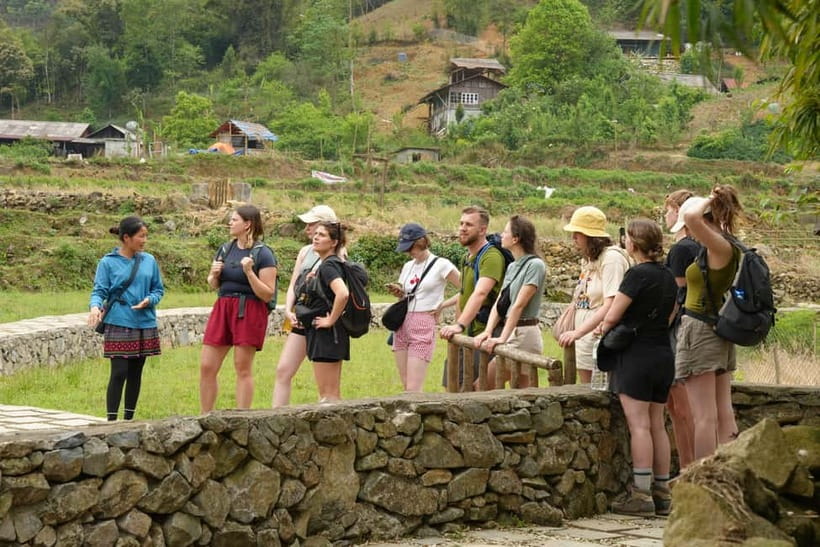
The overnight stay in Ta Van is the most personal part of the trip. The accommodation is basic, so you should not expect hotel-style facilities. Its value comes from spending the night in the village and eating with the local hosts.
Around 5:00 to 5:30 p.m., you join a cooking activity. The ingredients may already be prepared, and the hands-on work can be limited to simple preparation and table tasks. Even so, it gives you a closer look at how the evening meal comes together than simply sitting down at a restaurant.
Dinner is served at about 6:30 p.m. The food is described as plentiful, and the evening can include group games led by the guide. The atmosphere depends on the group, but this is usually the most sociable night of the trip.
The meals are included, with two breakfasts, two dinners, and three lunches across the three days. Drinks are not included, so budget for water, coffee, soft drinks, or anything else you want with meals. The food is generally plentiful, though the menu may not always feel especially varied or strongly Vietnamese.
A few more treks around Sa Pa worth a look
- Sa Pa: Muong Hoa Valley Trek and Local Ethnic Villages
★ 4.6 · 864 reviews - Sapa: Eco Adventure Terrace Fields and Local Villages Trek
★ 4.9 · 636 reviews - Number one top rated ethical cultural trekking and homestay by ETHOS
★ 5.0 · 456 reviews - From Sapa: 1-Day Guided Trek to Lao Chai & Ta Van with Lunch
★ 4.9 · 416 reviews
Day three: Giang Ta Chai, Su Pan, and the ride home
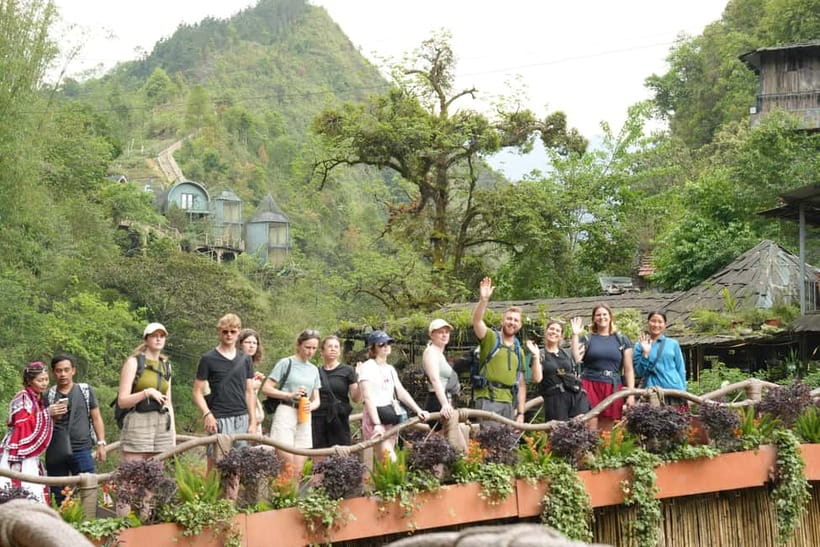
Breakfast at the homestay comes between 7:30 and 9:00 a.m. The final walk begins around 9:00 to 9:30 a.m. and covers roughly 4 kilometers through Giang Ta Chai and Su Pan.
Giang Ta Chai is associated with the Red Dao, whose clothing, customs, and village traditions differ from those of the H’Mong. The route gives you another cultural angle rather than repeating the same village visit. Su Pan adds another rural stop before you return toward Sapa.
Although the final trek is shorter than day two, it still involves uneven and potentially muddy ground. Do not assume that 4 kilometers means an easy stroll. Good hiking shoes matter more here than fashionable footwear.
Lunch is served after the walk, followed by a vehicle transfer back to Sapa around 1:00 p.m. You board the bus for Hanoi at about 3:30 p.m. The expected arrival is around 10:00 p.m., sometimes closer to 10:30 p.m.
The tour ends on Tran Quang Khai Street near Hoan Kiem. This is not a hotel drop-off. You will need to arrange your own short transfer from there, so keep your phone charged and have your accommodation details ready.
How hard is the hiking?
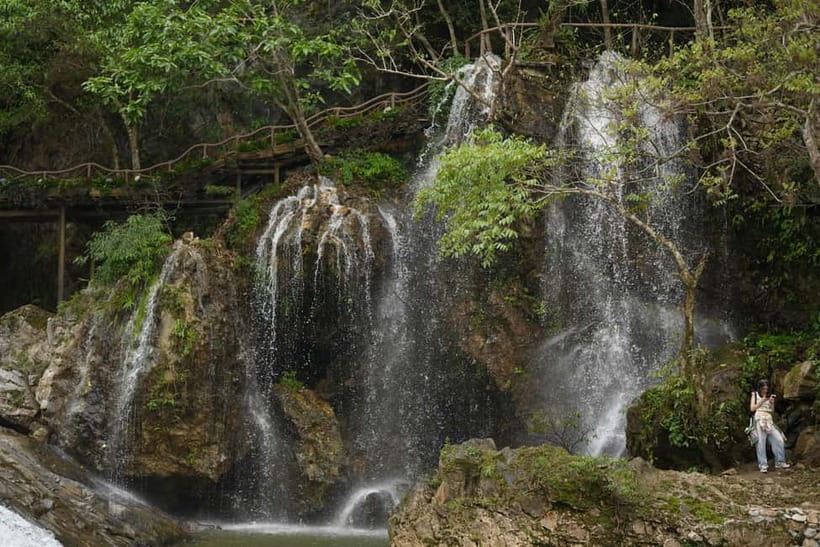
The total walking distance on days two and three is about 14 kilometers. Distance alone does not tell the full story. The path can include steep slopes, slippery clay, muddy sections, rocks, and uneven steps.
I would rate this as a moderate trek in dry conditions and a harder one after rain. You do not need to be an athlete, but you should be comfortable walking for several hours on rough ground. The guides can add or remove stops based on the group’s fitness, which is helpful, but you should still arrive prepared.
Pack:
- Hiking shoes or boots with good grip
- Comfortable hiking trousers
- A waterproof layer
- Insect repellent
- Sunscreen
- Warm clothing from October through March
- A passport or ID card
- A small daypack
Avoid high heels completely. They are not suitable for the village paths, hotel transfers, or the muddy sections. Alcohol and drugs are not allowed on the activity.
The trip is not suitable for children under three, people with mobility impairments, people with back problems, or people over 75. Those limits reflect the rough ground and long walking days, not just the distance.
The guides make the cultural side stronger
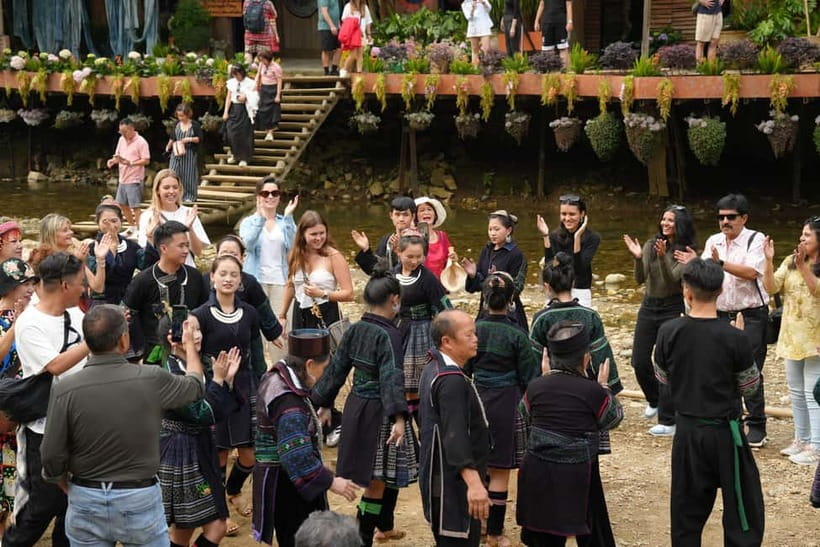
The guide is a major part of the experience. A good guide turns a walk past a house or rice terrace into a lesson about work, family, clothing, farming, and local customs.
Su and Sue have received especially strong praise for their friendly, local perspective. Dinh has also been praised for explaining village life in a way that helped people understand more than just what they were seeing. The important point is not the guide’s name alone. It is that the trip uses local ethnic guides rather than relying only on a city-based escort.
The small group helps here. With about 10 to 12 people, it is easier to ask questions, walk at a reasonable pace, and adjust the route. The group may still spread out on steep or muddy sections, but it should feel more personal than a large coach excursion.
What the $116 price really covers
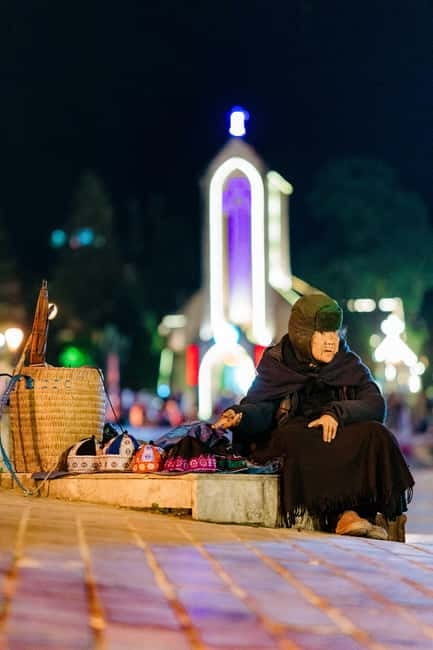
At $116 per person, this is a strong package if you want convenience. The price includes:
- Return bus transport between Hanoi and Sapa
- Pickup from an Old Quarter hotel or meeting point
- One night at a three-star hotel in Sapa
- One night in a private homestay in Ta Van
- An English-speaking local guide
- Two breakfasts
- Two dinners
- Three lunches
- Entrance fees and permits
- The cooking activity
That is a lot of separate costs bundled together. You would otherwise need to arrange the Hanoi to Sapa bus, hotel, village accommodation, guide, meals, permits, and local transfers.
The value is less clear if you dislike fixed schedules or want polished accommodation. The homestay is basic, the bus ride is long, and the return drop-off is not at your hotel. Drinks, personal purchases, and anything not named in the inclusions cost extra.
There are no extra tour charges promised during the itinerary, which makes budgeting easier. Still, keep small cash available for drinks and personal expenses.
The biggest strengths and weak points
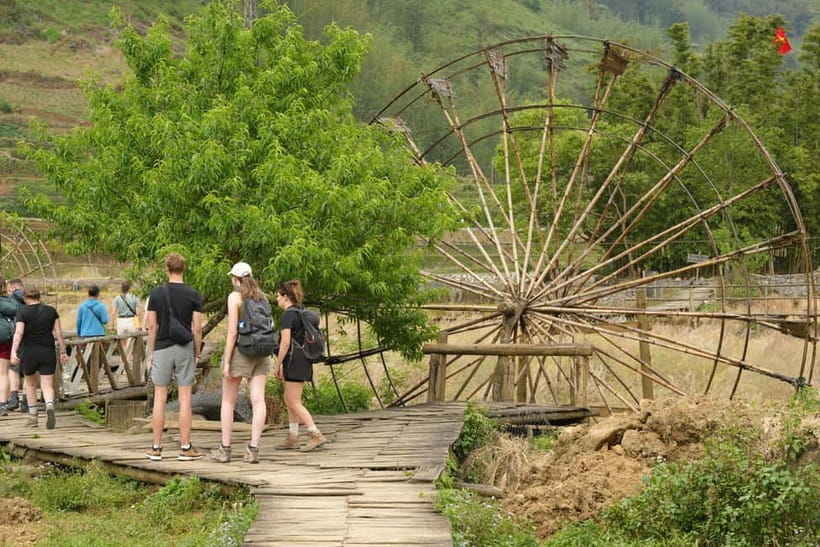
The strongest part is the village trekking after you leave Cat Cat. The Muong Hoa route, Ta Van homestay, and Red Dao villages offer more substance than a short photo stop. The guides are another major plus, especially when they explain local life rather than simply pointing out scenery.
The main weakness is weather. Mud can turn a pretty mountain path into a difficult balancing act. Some people have fallen on the uneven sections, so take the warnings seriously. If the forecast calls for heavy rain, ask about the route and be ready for a slower, messier day.
The second weak point is the sales pressure along parts of the trail. Local women may be friendly and helpful, then try to sell handmade items. You can decline, but the repeated approach may bother you if you want a quiet walk.
Finally, the return journey is a long finish to an active trip. Reaching Hanoi late and finding your own way from Tran Quang Khai Street is manageable, but it is not door-to-door service.
Should you book this Sapa trek?
Book it if you want a well-organized first visit to Sapa with local guides, village walking, a homestay, and most costs handled in advance. It suits regular walkers who can cope with mud and do not need luxury accommodation.
Think twice if you want a relaxed sightseeing tour, dislike long bus rides, have mobility or back problems, or expect a quiet and untouched village setting. Cat Cat is commercial, Sapa is a busy town, and the main trails can be rough.
For the best chance of enjoying it, bring serious footwear, keep your luggage light, accept that the weather may shape the trek, and regard the homestay and village walks as the heart of the trip. At $116, it offers good value for an active three-day escape, as long as you understand that active means muddy, uneven, and occasionally uncomfortable.
FAQ
How long is the Sapa tour from Hanoi?
The experience lasts three days. The bus ride from Hanoi to Sapa takes about five to five and a half hours each way.
Where does the tour pick up in Hanoi?
Pickup is available from hotels in Hanoi’s Old Quarter or from a designated meeting point in Hoan Kiem.
Where does the tour end in Hanoi?
The bus drops you at 160 Tran Quang Khai Street in Hoan Kiem. It does not provide a final drop-off at your hotel.
How much hiking is included?
Days two and three include about 14 kilometers of hiking in total. Day two covers around 9 kilometers, and day three covers about 4 kilometers.
Where do you stay during the tour?
You spend one night at a three-star hotel in Sapa and one night at a private homestay in Ta Van village.
Are meals included?
Yes. The tour includes two breakfasts, two dinners, and three lunches. Drinks with meals are not included.
Is the cooking class included?
Yes. A cooking activity with local hosts takes place at the Ta Van homestay on the second evening.
What should you bring?
Bring a passport or ID card, comfortable clothes, hiking shoes or boots, hiking trousers, insect repellent, sunscreen, and warm clothes from October through March.
Recently added around Sa Pa
- Soob Sapa Trekking Tour★ 4.3 · 3 reviews
- Sapa Trekking – Waterfalls And H’mong Villages★ 5.0 · 2 reviews
- Sapa Trekking Private Tour With Ethnic Female Tour Guide★ 4.9 · 24 reviews
- Sapa: Trekking Through Terraced Rice Fields & Valley 1 Day★ 4.8 · 4 reviews
- Sapa: Y Linh Ho – Lao Chai, and Ta Van Trekking Day Tour★ 5.0 · 25 reviews
- Sapa Trekking Guide Francophone 2 days – 1 night★ 5.0 · 2 reviews
- Sapa: Ta Phin Village Trek with Lunch and Bathing Experience★ 4.7 · 13 reviews
- Sapa small groupe activities: 1 Day trek – Meet the locals★ 4.7 · 3 reviews
Sapa Trekking Tours, compared.
Muong Hoa Valley Trek and Local Ethnic Villages
Read our review →
Eco Adventure Terrace Fields and Local Villages Trek
Read our review →
Number one top rated ethical cultural trekking and homestay by ETHOS
Read our review →
1-Day Guided Trek to Lao Chai & Ta Van with Lunch
Read our review →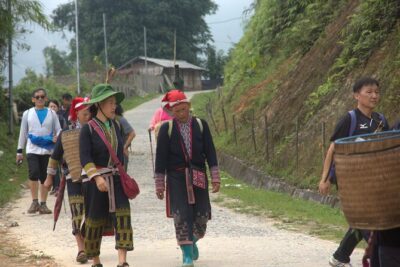
Sapa 1 Day Long Trek: Trek to Hau Thao and Sa Seng Villages
Read our review →
Explore Sapa by TrekkingAdventures, Mountain,Rice fields
Read our review →
EXPLORE SAPA: 2D1N TREKKING & HMONG CULTURE WITH DINH
Read our review →Browse the lists this tour appears in