
REVIEW · POKHARA
Kathmandu: 11-Day Annapurna Circuit Guided Trek via Tilicho
High passes make this trek unforgettable. This 11-day journey links the Annapurna Circuit with Tilicho Lake, then crosses Thorong La at 5,416 meters, giving you mountain scenery, village life, and a serious high-altitude test in one trip. I like the smart route design, which includes an acclimatization day in Manang, and I like that the tour includes permits, accommodation, meals on the full package, transport, and a licensed guide.
The main consideration is the altitude and effort. Day 9 can last up to 12 hours, and you reach places above 5,000 meters. The tour is a private group, but the bus and shared Jeep portions are not private unless you pay extra for a private vehicle. Tea-house rooms are basic, and a porter costs extra.
Key points to know before booking
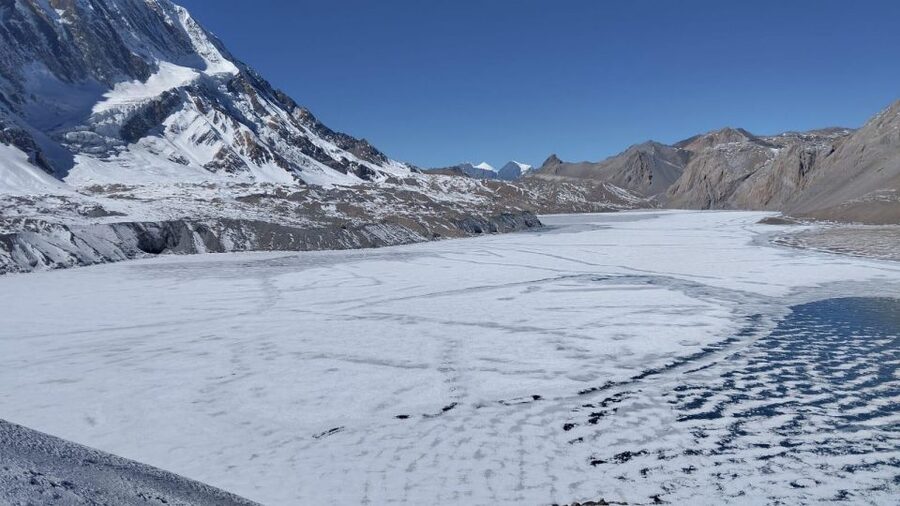
- Tilicho Lake adds a major high-altitude highlight: You reach the lake at about 5,050 meters, surrounded by stark mountain scenery.
- Thorong La is the hardest day: The crossing reaches 5,416 meters and is followed by a long descent to Muktinath.
- The route changes dramatically: You begin in greener hill country, pass through alpine terrain, then reach the dry Mustang region near Jomsom.
- The guide can make or break the trip: Guides Mahesh and Bipin Rijal received especially strong praise for pacing, support, and tea-house arrangements.
- The price covers a useful bundle: At $521 per person, the cost includes permits, lodging, guide services, staff expenses, and scheduled transport.
- Budget extra for essentials: Insurance, drinks, bottled or boiled water, showers, laundry, personal expenses, and porters are not included.
Why this Annapurna route is worth your time
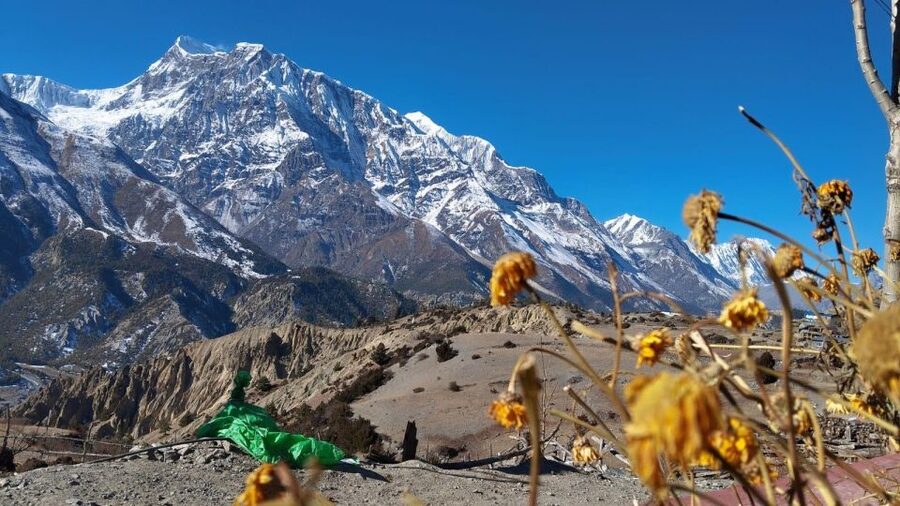
The Annapurna Circuit is appealing because it is not one-note. You are not staring at the same view for 11 days. The route moves from road travel near Kathmandu and Besisahar into mountain villages, then up to high alpine country, across a famous pass, and down into the dry Mustang region.
Adding Tilicho Lake makes the route more demanding, but it also gives the trip a second major high point. Thorong La is the classic achievement. Tilicho is the quieter, more unusual prize. You get both in one itinerary.
I also like the cultural side of the route. Villages such as Upper Pisang, Ngawal, Manang, and Muktinath give you time to see how communities function at high altitude. Muktinath is especially important as a pilgrimage site for Hindus and Buddhists, so the trek is not only about scenery and physical achievement.
The schedule is brisk. Several days list about six hours of walking, while the first day involves around 10 hours of driving and the pass-crossing day may last 12 hours. This is not a casual mountain holiday. You should be comfortable walking uphill for several days and managing cold, fatigue, and basic accommodation.
More Annapurna Treks in Pokhara
- Trekking in Annapurna/Langtang/Everest/Upper Mustang regions
★ 5.0 · 161 reviews - Kathmandu/Pokhara: 5-Day Annapurna Base Camp (ABC) Trek
★ 4.9 · 72 reviews - Annapurna Panorama trek
★ 5.0 · 71 reviews
Day 1: Kathmandu to Chame, a long road into the mountains
The first day is mostly about getting into position. You take a bus from Kathmandu to Besisahar, then continue by shared Jeep through Dharapani to Chame. The entire transfer can take about 10 hours.
This is a practical start, not a relaxing one. Road conditions and traffic can make a long driving day feel longer, and you will spend much of the day seated. The reward is that you reach Chame at 2,670 meters, putting you closer to the walking section and reducing the amount of time spent on lower roads later.
The route passes through changing scenery as the road heads toward the Annapurna region. You should keep your day bag accessible, since you may want warm clothing, water, snacks, and medication during the transfer.
Day 2: Chame to Upper Pisang, your first proper trekking day
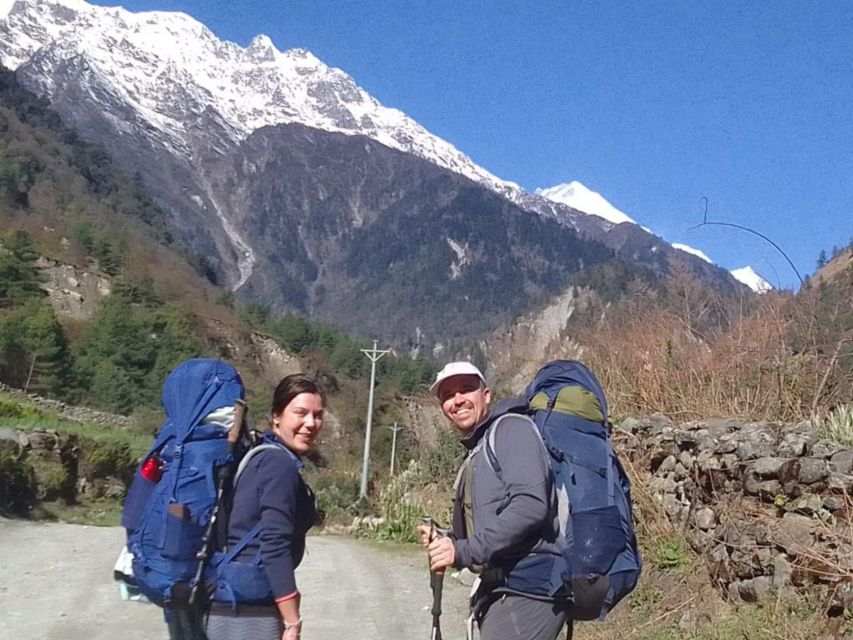
The walk from Chame to Upper Pisang takes about six hours and reaches 3,300 meters. This is where the trip begins to feel like a trek rather than a transport program.
Upper Pisang is a mountain village with broad views and a strong sense of place. The village is also a good introduction to tea-house life, where comfort is simple and the setting matters more than polished facilities. You can expect basic accommodation and local meals, with dal bhat, lentils and rice, as a dependable choice.
The altitude begins to matter here. You are already well above the height of most towns, so drink regularly, walk at a measured pace, and tell your guide if you develop a headache or feel unusually weak.
Day 3: Upper Pisang to Ngawal and the high route
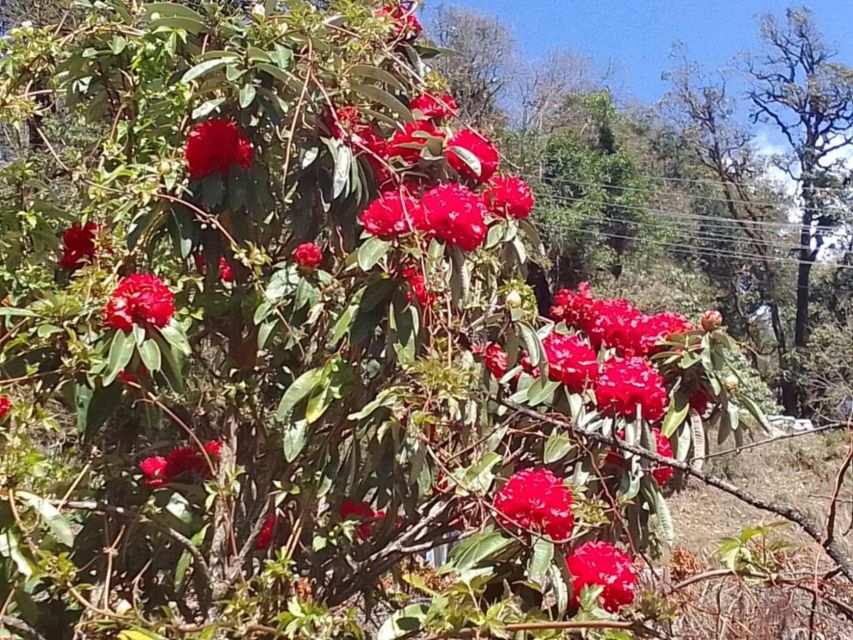
The six-hour walk to Ngawal climbs to 3,700 meters. The route gives you views of Annapurna II, Annapurna III, and Gangapurna, along with valleys that show how sharply the terrain changes as you gain height.
Ngawal sits on a hillside and makes a memorable overnight stop. The setting is part of the appeal, but the climb also makes this a day to take seriously. You gain roughly 400 meters from Upper Pisang, and your body is still adjusting.
A good guide should control the pace rather than rush you to the next tea house. Bipin Rijal was praised for doing exactly that, offering support without pressure and adapting the walking speed to the trekker. That sort of attention matters more than a fast arrival when you are gaining altitude.
Same trailhead, a longer or shorter day out:
- Poon hill Trek 3 days
★ 5.0 · 176 reviews - Pokhara: 4-Day Ghorepani, Poonhill & Ghandruk Mountain Trek
★ 5.0 · 132 reviews - Ghorepani – Poon Hill Trek 3N-4D
★ 5.0 · 125 reviews - From Pokhara: 3-Day Ghorepani Poon Hill Trek with Guide
★ 4.9 · 68 reviews
Day 4: Ngawal to Manang, with time to adjust
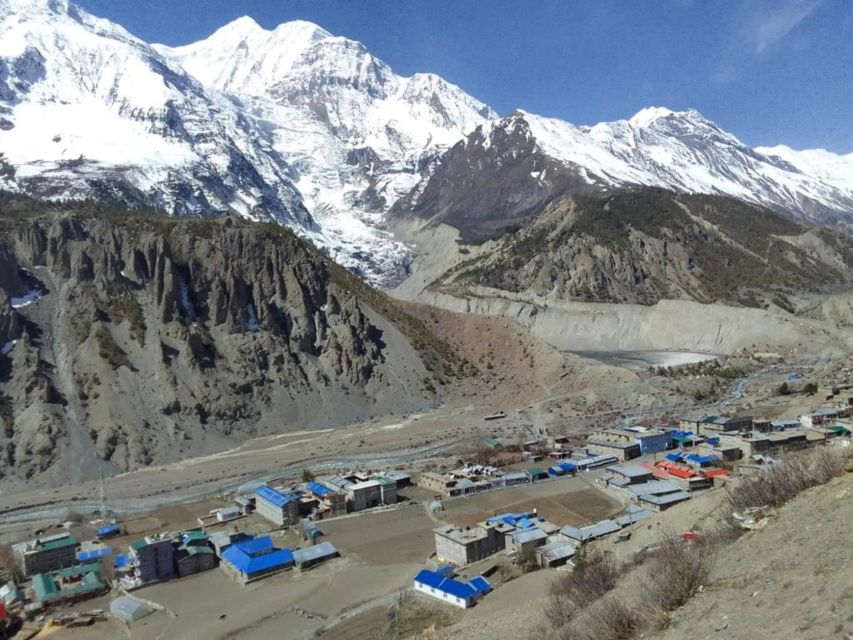
The walk from Ngawal to Manang reaches about 3,540 meters. The schedule includes time to explore a cave near Ngawal, then rest and acclimatize in Manang.
This is one of the most useful parts of the itinerary. Manang is not treated as just another overnight stop. You get time to explore the village, look across to the surrounding peaks, and let your body catch up before the route climbs higher.
Do not treat the acclimatization day as wasted time. The next stages take you above 4,000 meters, and the itinerary becomes more strenuous. A slow walk around Manang is sensible. Save energy, eat well, and use the day to check your clothing and sleeping bag.
Day 5: Manang to Tilicho Base Camp
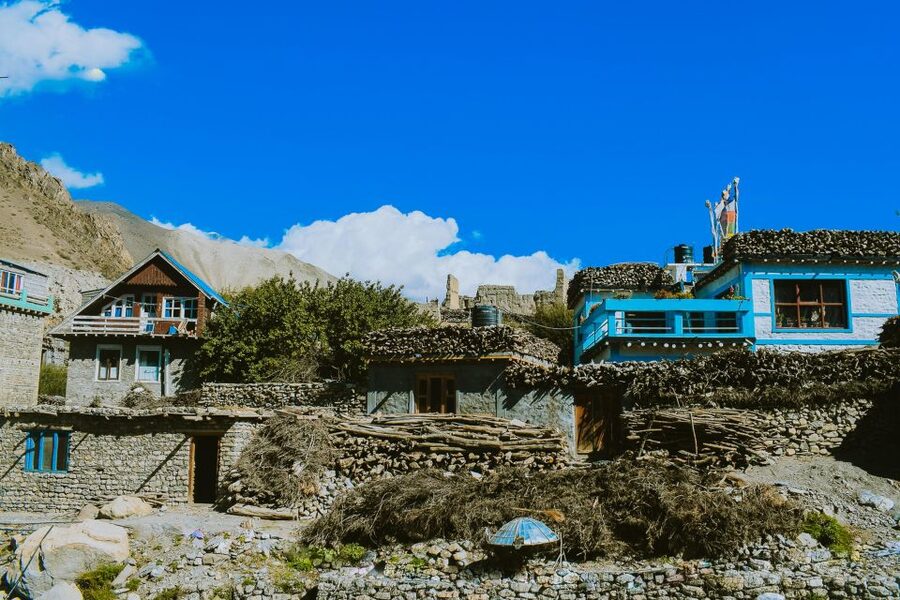
The trek from Manang to Tilicho Base Camp takes about six hours and rises to 4,150 meters. The scenery becomes more austere as trees give way to alpine ground and the air feels thinner.
Tilicho Base Camp is a purposeful overnight stop. You are positioning yourself for the lake, not simply passing through another village. Accommodation remains basic, and high-altitude tea houses can feel functional rather than cozy. That is part of the deal here.
This is a good point to be realistic about comfort. Showers, battery charging, bottled or boiled water, and other small services cost extra. Bring a water bottle and plan for personal expenses. The included medical kit is useful, but it does not replace proper travel and rescue insurance with high-altitude coverage.
Day 6: Tilicho Lake at 5,050 meters
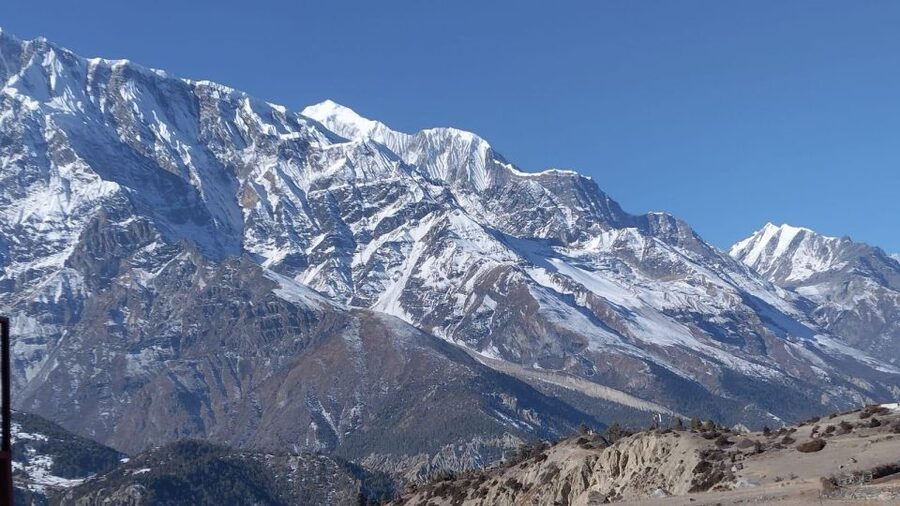
The route heads from Tilicho Base Camp toward Tilicho Lake, listed at about 5,050 meters, then continues toward Shri Kharka. The day is described as roughly six hours, with both ascent and descent through high alpine terrain.
Tilicho is the special feature of this version of the circuit. The lake is surrounded by high mountain scenery, and reaching it gives you a clear sense of having gone well beyond the standard village-to-village walk. The setting is quiet and stark, with little room for distraction. You are there for the mountain setting and the achievement of reaching a very high lake.
This is also a day when conditions can change quickly. The tour advises warm layers, sunglasses, sunscreen, a jacket, and a sleeping bag. Those are not decorative packing suggestions. Sun can feel strong at altitude, while wind and cold can arrive quickly.
The route description places the overnight stop at Shri Kharka after the lake section. Your guide will be important here, especially if weather or your condition requires a slower pace. The second published rating specifically praised guide Mahesh for matching the pace to the group and arranging tea houses along the route.
Day 7: Shri Kharka to Yak Kharka
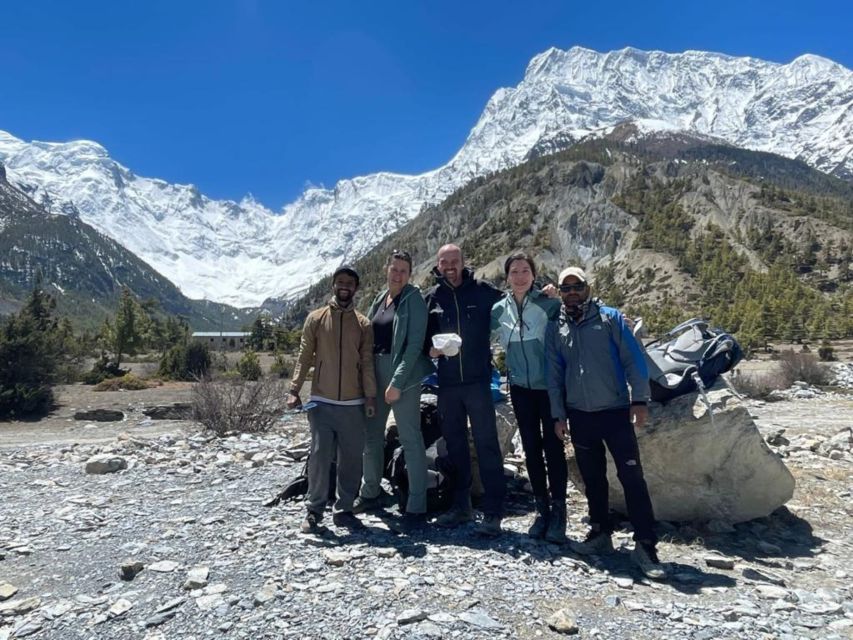
The six-hour walk from Shri Kharka to Yak Kharka keeps you in high country, around 4,050 meters. By now, the scenery is less about forests and farmland and more about open slopes, rock, sky, and distant peaks.
This day helps reconnect the Tilicho section with the main Annapurna Circuit. It may not have the single dramatic moment of the lake or pass, but it is valuable because it places you back on the route toward Thorong La without forcing an immediate pass crossing.
Your job is simple: keep walking steadily, eat even if your appetite is low, and report symptoms early. Altitude problems can worsen quickly. A guide is there to support you, but you still need to speak up.
Day 8: Yak Kharka to Thorong Phedi
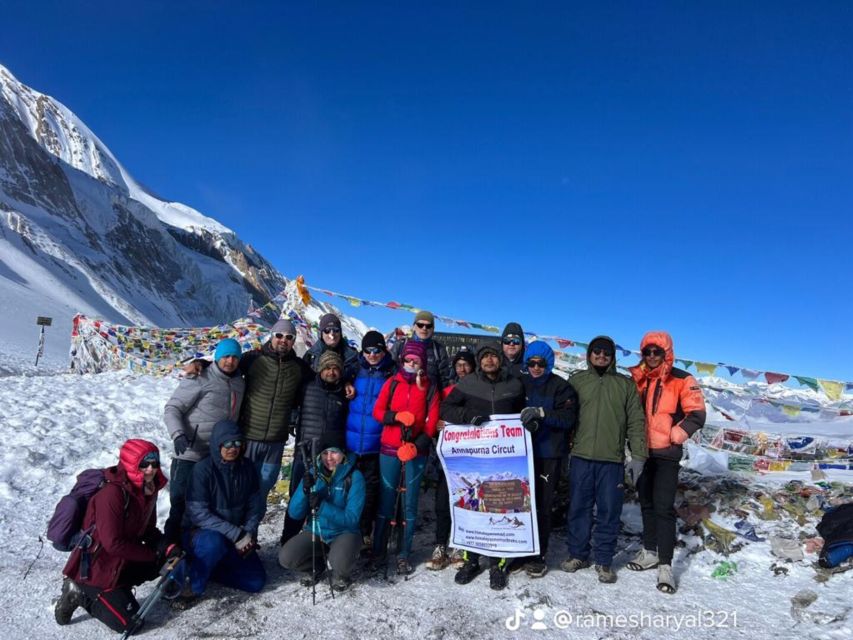
The walk to Thorong Phedi takes about six hours and reaches 4,450 meters. This is the staging ground for the pass.
Thorong Phedi is not a place to expect luxury. It is a practical base where you prepare for the next morning. Organize your day pack before dinner, set out warm clothing, keep your headlamp ready, and make sure your water is accessible.
The following day is the toughest of the trip, so do not spend this evening trying to squeeze in extra sightseeing. Rest is the main activity. The itinerary includes accommodation and staff costs, but not personal extras such as drinks, showers, or battery charging.
Day 9: Thorong La to Muktinath, the big test
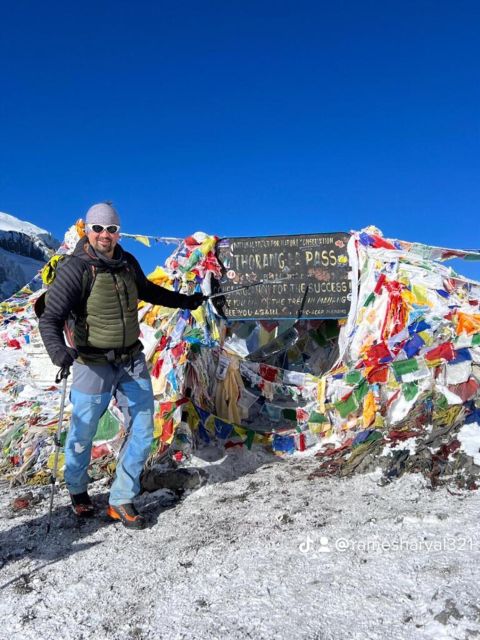
The pass-crossing day starts early and can take up to 12 hours. You climb from Thorong Phedi to Thorong La at 5,416 meters, then descend to Muktinath at 3,800 meters.
This is the day you need to respect most. Crossing the pass is physically hard because of the height, cold, early start, and long total distance. The descent is not an easy finish. Once you reach the top, your legs still have a substantial walk ahead of them.
The reward is a huge change in scenery and the satisfaction of crossing one of the best-known high passes in Nepal. You then reach Muktinath, a sacred pilgrimage site for Hindus and Buddhists. Its religious importance gives the stop a different character from the mountain villages earlier in the route.
The itinerary does not promise a quick day, and that honesty is helpful. You should book this trip only if you are prepared for a long, demanding day rather than assuming the guide will make it effortless.
Day 10: Muktinath to Jomsom and the Mustang change
The five-hour descent to Jomsom takes you farther into the Mustang region. The scenery becomes drier and more desert-like, a sharp contrast with the greener lower sections.
Jomsom sits at about 2,720 meters and is known for strong winds. This is a good reminder that the Annapurna Circuit is a journey through several climate zones, not just a climb and descent around one mountain.
The shorter walking day gives you time to explore town and recover from the pass. It also makes the change in scenery easy to appreciate. After the high, cold route, the dry Mustang setting feels like a new chapter.
Day 11: Jomsom to Pokhara by bus
The final transfer from Jomsom to Pokhara takes about eight hours by bus. It is another long road day, but you can use it to watch the scenery change and think back over the route.
Pokhara is the natural place to finish. The schedule does not include a sightseeing program there, but it does give you time to relax after completing the trek. If you arrive early or stay longer, any extra accommodation in Pokhara is your responsibility unless it is part of a separate arrangement.
The transport plan is economical, but it is not designed around maximum privacy. Kathmandu to Besisahar is by bus, Besisahar to Chame is by shared Jeep, and Jomsom to Pokhara is by bus. A private vehicle is available for an additional cost.
What the $521 price really includes
At $521 per person, this is a strong price for an 11-day guided trek if you choose the full package and understand the limits. The cost includes hotel pickup and drop-off, permits, required paperwork, the Trekkers’ Information Management System fee, applicable government tax, accommodation during the trek, a guide, scheduled transport, and staff expenses such as salaries, food, lodging, equipment, insurance, and transportation.
The full package also includes breakfast, lunch, and dinner during the trek. That is important, since food costs can add up over 11 days. Confirm which package you are booking, because the meal inclusion is specifically stated for the full package.
A porter is not included. That may suit you if you prefer carrying your own bag, but it is a real cost if you want help with luggage. Drinks, water, laundry, showers, phone calls, charging, bar bills, and personal purchases are also extra.
The price does not include travel or rescue insurance. For a route reaching 5,416 meters, high-altitude coverage is not an optional luxury. International flights and the Nepalese visa fee are also outside the tour cost.
Guides, group style, and service
The tour is described as a private group with an authorized English-speaking guide. Hindi and Nepali are also available. That gives you a more personal setup than a large fixed group, though the standard transport still uses public or shared vehicles.
The guide service is one of the strongest parts of the experience. Bipin Rijal was praised for watching a trekker’s well-being, adjusting the pace, and providing steady support without being pushy. Mahesh was also praised for being good company, walking at the group’s preferred speed, and arranging tea houses along the way.
Those details are worth more than a generic promise of a guide. On a high route, you want someone who notices fatigue, helps with practical arrangements, and does not turn the trek into a race.
There is one service warning to keep in mind. One published account raised concerns about an unprofessional freelance Jeep driver and overcrowding in a private Jeep arrangement, with luggage nearly lost. The agency promised to address the problem. I would still confirm the vehicle arrangement, passenger capacity, and luggage handling before departure if you pay for a private transfer.
Tea houses, food, and what to pack
Tea-house accommodation is part of the character of this trek, but the rooms and facilities are basic. One account specifically noted that some tea houses could take better care of facilities, including rooms used by guides and porters.
Expect simple village accommodation rather than hotel standards. Bring a sleeping bag, warm clothing, a jacket, comfortable trekking boots, sunglasses, sunscreen, and a headlamp. Trekking poles and a water bottle are also recommended.
Dal bhat, lentils and rice, is a dependable meal on the route. Other food options are available, but choices may be more limited at higher stops. The full package includes the three main meals, but bottled or boiled water is extra.
Pack layers. The lower sections, high passes, Tilicho Lake, and dry Mustang region can feel very different in one trip. Weather is often clear and sunny, but rain or snow can occur.
Who should book this trek
I would recommend this route to a fit hiker who wants a demanding Nepal journey with both famous and less routine highlights. It suits someone who values local villages, high passes, basic tea houses, and a guide who can adapt the pace.
It is less suitable if you want short walking days, private transport throughout, polished accommodation, or a relaxed holiday. The route includes steep inclines, high altitude, long transfers, and one very long pass day.
Pregnant women should not book this activity. Everyone else should consider fitness, medical needs, and insurance before paying. The free cancellation option up to 24 hours before the start and reserve-now-pay-later option offer useful flexibility, but they do not reduce the physical demands of the trek.
Should you book the Annapurna Circuit via Tilicho?
Book it if you want strong value, a private guided setup, and two major mountain goals in one trip. Tilicho Lake adds a memorable high point, while Thorong La provides the classic pass-crossing achievement. The inclusion of permits, meals on the full package, accommodation, staff expenses, and scheduled transport makes $521 an appealing starting price.
Do not book it simply because the price looks low. Add money for insurance, a porter if needed, water, personal costs, and possible private transport. Go in prepared for basic rooms and a demanding schedule.
If you can handle the altitude and long days, this is a well-packed route with real variety. I would pay particular attention to the guide assignment and transport details, then book with confidence if those arrangements are clear.
FAQ
How long is the Annapurna Circuit via Tilicho tour?
The scheduled trek lasts 11 days, beginning in Kathmandu and ending in Pokhara.
What is the highest point on the trek?
The highest point is Thorong La Pass at 5,416 meters, or 17,769 feet.
How high is Tilicho Lake?
Tilicho Lake is listed at approximately 5,050 meters, or 16,568 feet.
Is transportation included?
Yes. The scheduled transport includes a bus from Kathmandu to Besisahar, a shared Jeep from Besisahar to Chame, and a bus from Jomsom to Pokhara.
Can I get a private vehicle?
Yes. A private vehicle is available for an additional cost.
Are meals included?
Breakfast, lunch, and dinner during the trek are included with the full package.
Is a porter included?
No. Porter service costs extra.
What languages can the guide speak?
Guiding is available in English, Hindi, and Nepali.
What accommodation is included?
Accommodation during the trek is included, generally in tea houses or guesthouses with basic comforts.
Is travel insurance included?
No. Travel and rescue insurance are not included. High-altitude coverage is strongly advised for this route.
Recently added around Pokhara
- Pokhara: Majestic Mardi Base Camp Guided Trek with HotSpring★ 5.0 · 6 reviews
- Pokhara: 9-Day Annapurna Base Camp Trek with Poon Hill★ 5.0 · 6 reviews
- Pokhara: 5-Day Trek to Annapurna Base Camp and Hot Springs★ 5.0 · 4 reviews
- Pokhara: 5-Day Ghorepani and Poon Hill Private Trek★ 5.0 · 4 reviews
- Pokhara: 7-Day Annapurna Base Camp Trek & Hot Spring★ 4.0 · 3 reviews
- Pokhara:4-Day Ghorepani Poon Hill Guided Trek via Ghandruk★ 5.0 · 3 reviews
- Pokhara: 4-Day Poon Hill and Ghandruk Guided Trek★ 5.0 · 14 reviews
- Pokhara: 4-Day Ghorepani, Poonhill & Ghandruk Village Trek★ 5.0 · 6 reviews
Annapurna Base Camp Treks, compared.

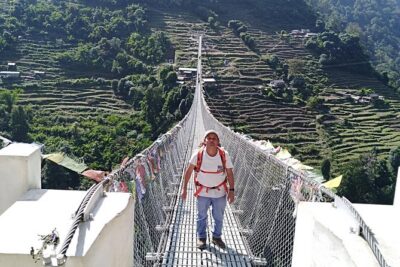
Trekking in Annapurna/Langtang/Everest/Upper Mustang regions
Read our review →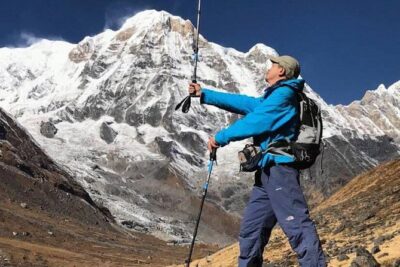
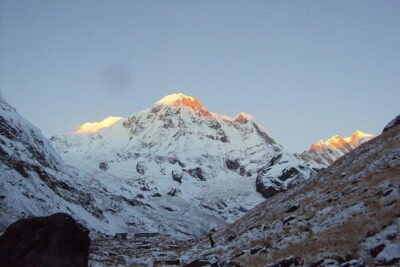
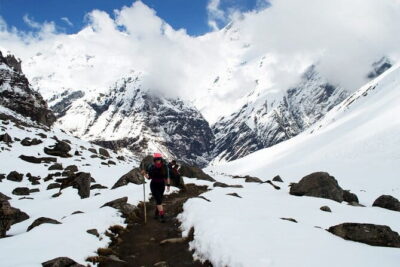
Kathmandu to Annapurna Base Camp (ABC) 5-Day Trek
Read our review →Browse the lists this tour appears in