REVIEW · SAPA
Sapa: Private Muong Hoa Valley and Homestay Trekking 2-Day
Quiet paths, big mountain views, real village life. This two-day trek through Muong Hoa Valley combines six ethnic villages with terraced rice fields, local meals, and a night in a Giay family homestay. I like the private format and the chance to compare Black Hmong and Giay customs rather than rushing through one viewpoint. I also like that the route includes bamboo forest, a waterfall, and everyday village scenes. The main caution is simple: this is a proper two-day hike, not a gentle sightseeing walk, and mountain weather can make the paths wet.
The price is $78 per person, including meals, water, a guide, village fees, the homestay, and the ride back to Sapa. Guides connected with this experience include Du, also written Zu, and Pang Chou. Pang Chou is especially praised for explaining local culture clearly, while Du is described as friendly and energetic. The homestay is basic, but that is part of the point: you trade hotel comfort for a closer look at family life in the valley.
Key points to know before you book
- Six villages in two days: The route links Y Linh Ho, Lao Chai, Ta Van, Giang Ta Chai, Hau Thau, and nearby village areas rather than stopping at one scenic overlook.
- Three ethnic groups: You learn about Black Hmong, Red Dao, and Giay traditions, although the detailed overnight stay is with Giay hosts.
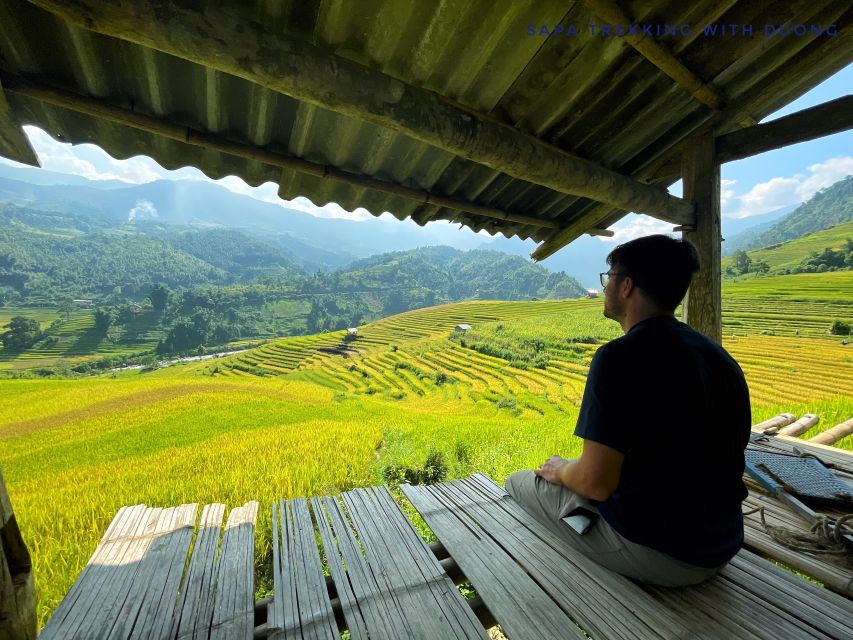
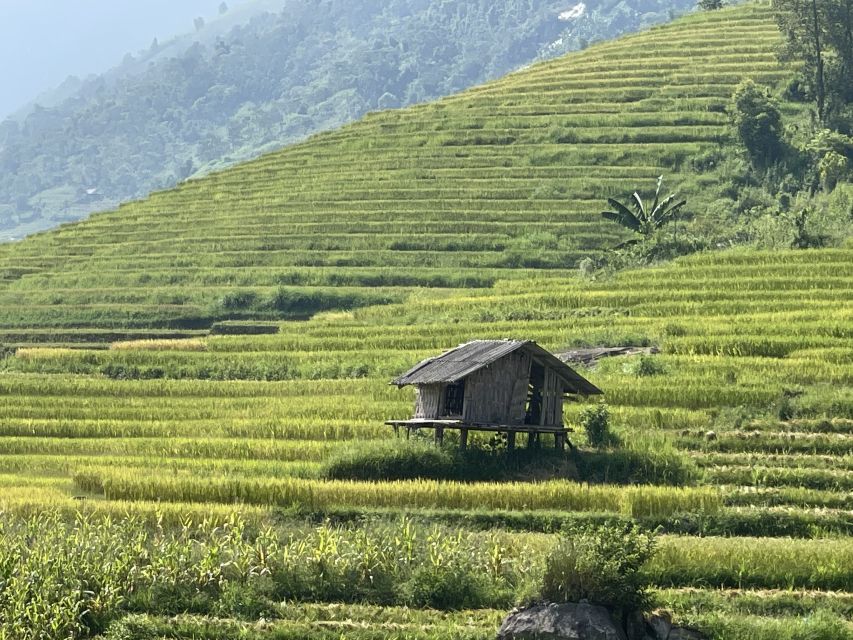
- Terraced fields are the main show: Rice terraces appear throughout the trek, with the best views around Y Linh Ho and Lao Chai.
- A true homestay night: You sleep at a local Giay home, eat dinner there, and learn about customs, food, and the household.
- Private group advantage: Your walking pace and questions can be handled more easily than on a large group tour.
- Useful inclusions: A local English-speaking guide, 1.5 liters of water per person per day, a raincoat, trekking stick, meals, and private transport back to Sapa are covered.
Why this Muong Hoa trek is worth your time
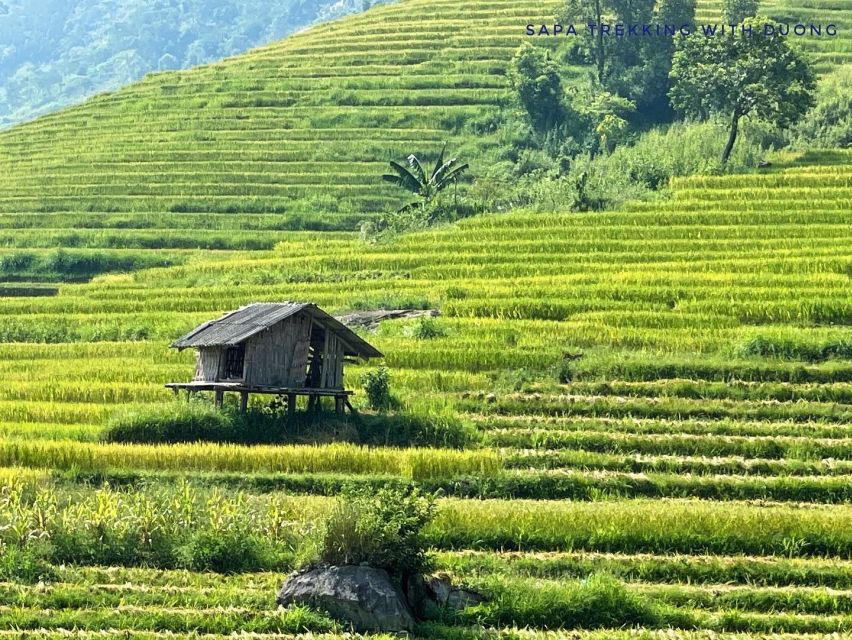
Sapa is famous for its mountains and rice terraces, but the best moments often come between the major viewpoints. This route gives you two full days to notice details: how rice is planted, what a traditional wooden house looks like, how indigo cloth is made, and how different ethnic communities organize daily life.
The six-village plan gives the trip a clear purpose. You are not simply walking through pretty countryside. Each stop adds another piece to the cultural picture. Black Hmong communities feature heavily on both days, while Ta Van gives you time with Giay hosts and the route also introduces Red Dao culture.
I especially like the private arrangement. With your own guide, you can stop for photographs, ask more questions, or take a slower pace when the trail turns steep. The guide is local and English-speaking, and the experience also includes an English audio guide. The supplied details do not explain how that audio guide is delivered, so treat the live guide as the main source of interpretation.
This is not a polished resort activity. Meals are cooked locally, the overnight stay is in a family home, and the path passes through working villages. If you want a tidy schedule and a soft bed every night, you may prefer a hotel-based Sapa tour. If you want contact with village life, this format offers better value.
More Homestay Treks in Sapa
- Number one top rated ethical cultural trekking and homestay by ETHOS
★ 5.0 · 456 reviews - Sa Pa: 2-Day Trekking Trip with Ethnic Minority Homestay
★ 4.7 · 145 reviews - Sapa : 2-Day Trek & Heartwarming Homestay with an Ethnic Family
★ 5.0 · 143 reviews
Day one: Y Linh Ho and the first rice terraces
The day starts at 9:30 a.m. with pickup from your hotel in central Sapa, or from Sapa Church if that is easier. The ride brings you toward Y Linh Ho, where the walking begins around 10:30 a.m.
Y Linh Ho is a strong opening because the rice terraces are not treated as a distant photo backdrop. You see Black Hmong people planting rice and learn how the fields fit into local work. The timing matters. In a farming area, a view means more when you understand the labor behind it.
Your guide also takes you to a traditional Black Hmong house. This is one of the more useful parts of the first morning because it gives context to the scenery outside. You can ask about Hmong customs, the design of the wooden home, and the way traditions continue in daily life.
Lunch is served at a local home around 11:30 a.m. Two lunches are included in the total price, and this first meal is a chance to try local food while speaking with people in the village. Do not expect a restaurant menu or a long list of choices. The value is in eating food prepared by local residents and seeing how a meal fits into the household setting.
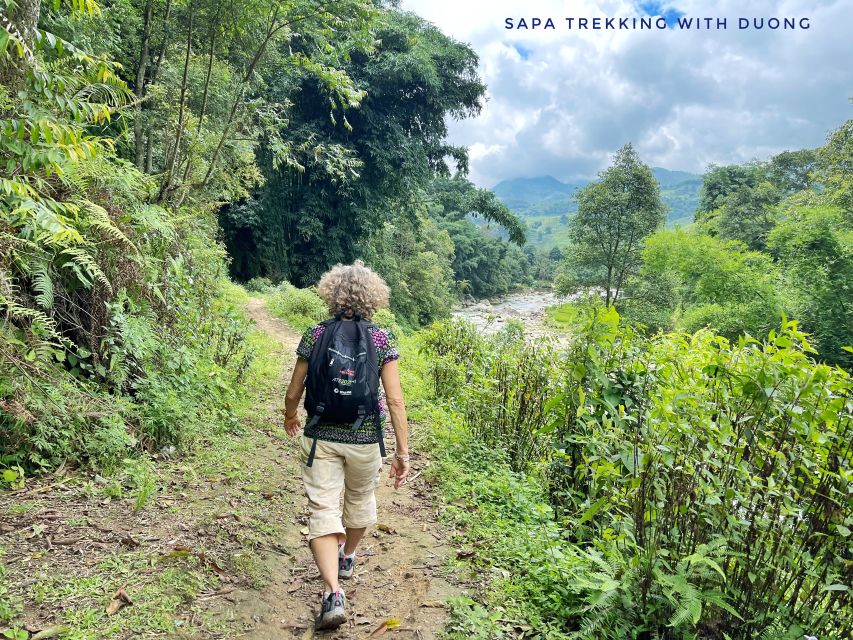
After lunch, the hike continues toward Lao Chai San at about 1 p.m. The route reaches one of the forest areas in Muong Hoa, then opens onto more rice terraces. This stretch is likely to be one of the best parts for scenery, but it is also where you should pay attention to your footing. The supplied details do not give a trail grade or distance, so you should be ready for uneven ground and changing conditions.
Lao Chai and the move from scenery to culture
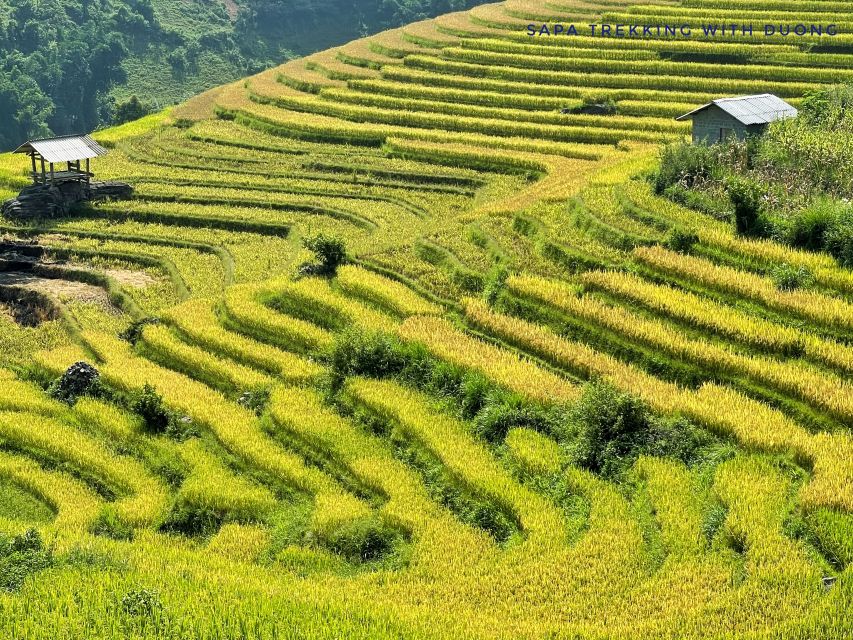
You reach Lao Chai at around 2 p.m. Here the focus turns back to Black Hmong life. You learn about traditional wooden homes and the clothing associated with the community.
Clothing is not a minor decorative detail in this setting. The route also discusses indigo plants and how Hmong people use them to make distinctive fabric. That gives you a better way to understand the dark blue clothing you may see in the villages. Instead of seeing textiles as souvenirs alone, you begin to connect them with plants, skill, and household work.
The schedule places several cultural explanations beside the walking rather than saving them for a formal museum visit. I find that useful because you can look at a house, a field, or a piece of clothing while the guide explains it. The tradeoff is that the experience depends heavily on the guide’s communication style. Du, also known as Zu, is described as friendly and energetic. Pang Chou is noted for giving a first-hand explanation of ethnic culture and the surrounding scenery.
By 4:30 p.m., you arrive at the Giay homestay in Ta Van. This is more than a place to sleep. You learn about Giay food, household traditions, and customs, then compare them with what you saw among the Black Hmong earlier in the day.
That contrast is the real strength of the overnight stay. You are not presented with one simplified idea of ethnic culture. Black Hmong and Giay homes, food, and customs are treated as different, and the guide helps you notice those differences.
What a night at the Giay homestay means
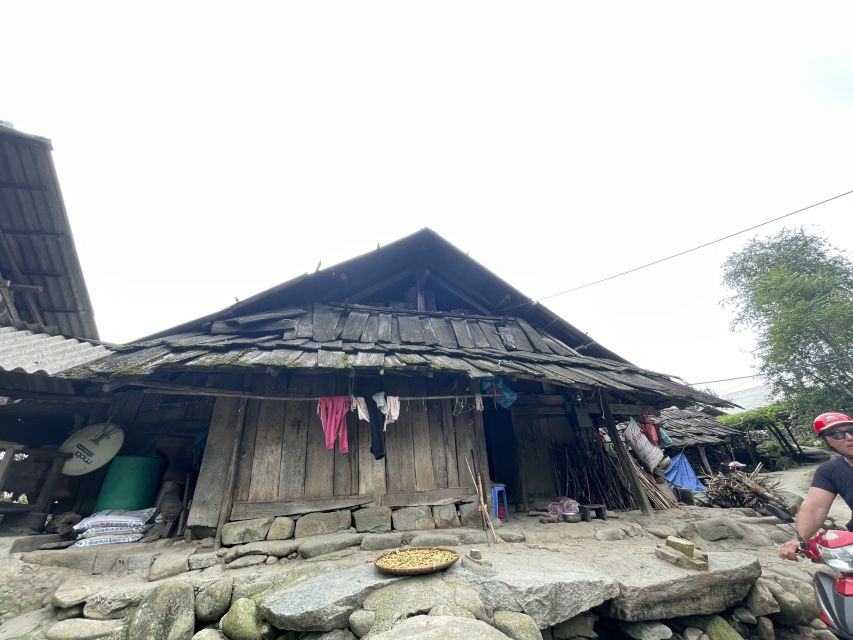
The homestay includes dinner and breakfast, and the experience is described as a chance to feel at home with the local hosts. Still, keep your expectations realistic. This is a local family stay, not a private hotel room. The provided information does not specify room arrangements, bathroom details, or bedding, so ask the operator before booking if those points matter to you.
The overnight stay also creates space for conversation that a daytime stop cannot provide. You have more time to ask about food and family traditions, and you can see the village after the main walking schedule ends. A homestay is valuable because it shifts the center of the experience from sightseeing to sharing a household setting.
You should bring only what you need for one night. A small bag is easier to carry than a full suitcase, especially if you walk with your own belongings. The tour includes 1.5 liters of water per person per day, but carry extra money for drinks because additional beverages are not included.
More Homestay Treks in Vietnam
- Sapa Valley Trek and Homestay – 3D2N
★ 5.0 · 105 reviews - 2 days authentic trekking tour in Sapa ( Homestay – Less touristy )
★ 5.0 · 68 reviews - From Sapa: 2 Days 1 Night Trek Over Night At Homestay
★ 5.0 · 68 reviews - 3-Day Trek in Amazing Muong Hoa Valley & ethnic Homestay
★ 5.0 · 49 reviews
Day two: bamboo, water, and Giang Ta Chai
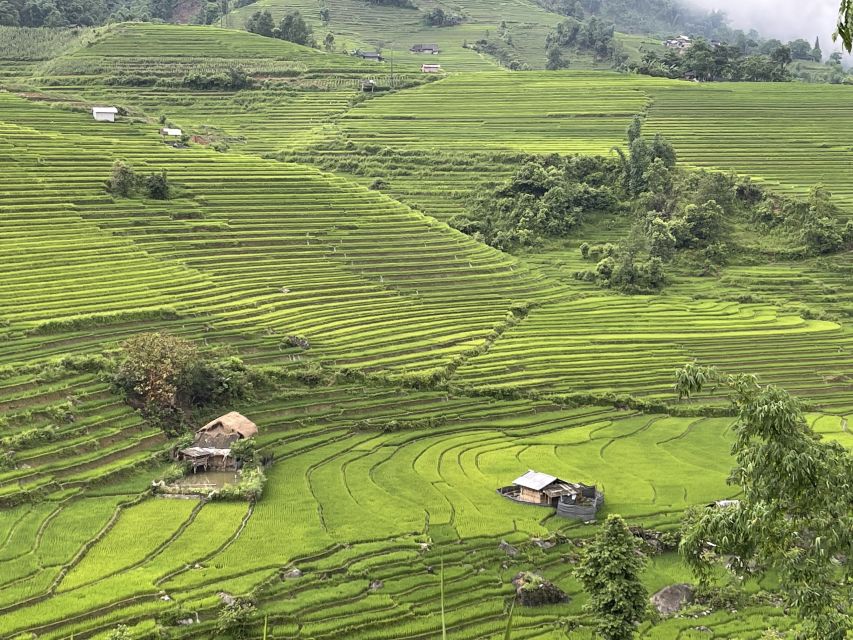
Breakfast and morning coffee or tea begin the second day at 7 a.m. The later hike starts at about 9:30 a.m., giving you time to wash, eat, and enjoy a quiet start in Ta Van.
The route then heads through rice terraces and bamboo forest. These changing settings keep the second day from feeling like a repeat of the first. You see more agricultural scenery, then move into greener woodland before reaching Giang Ta Chai waterfall and lake.
The waterfall stop comes around 9:30 a.m., according to the schedule, although the timing overlaps with the stated hiking start. Treat the timetable as a general guide rather than a minute-by-minute promise. At the waterfall and lake, you have time to rest and listen to stories about the Black Hmong.
This is a good place to slow down. The route is not only about covering ground, and the guide’s stories help connect the natural setting with local life. The details provided do not promise swimming, so do not plan the stop as a water activity.
Lunch follows at about 11:30 a.m. in a Black Hmong house. The food is prepared by local people, with dishes described as traditional to the village. This is another reason the tour suits people who want meals to be part of the cultural experience. At the same time, food preferences and dietary needs are not addressed in the details, so you should confirm them before departure.
Hau Thau and the final walk back to Sapa
After lunch, the trek continues toward Hau Thau, the last village on the route. The walk gives you more chances to see daily life among the Black Hmong rather than only formal cultural demonstrations.
Your guide explains how Hmong people make clothing with indigo plants and talks about Hmong wedding customs. These subjects give the final afternoon a strong human focus. You are learning about family life and craft, not just taking in mountain views.
One particularly unusual detail is the chance to hear an older Black Hmong man play the trumpet. The information does not say exactly when this happens or whether it is guaranteed, so consider it a possible cultural moment rather than a scheduled performance. That distinction matters. The appeal here is an encounter connected to local life, not a staged show with fixed production values.
At about 3 p.m., a private taxi takes you back to Sapa. This ride is included, which is important after two days on foot. You do not have to arrange a separate transfer from a remote village or work out public transport after the trek.
The walking, weather, and what to pack
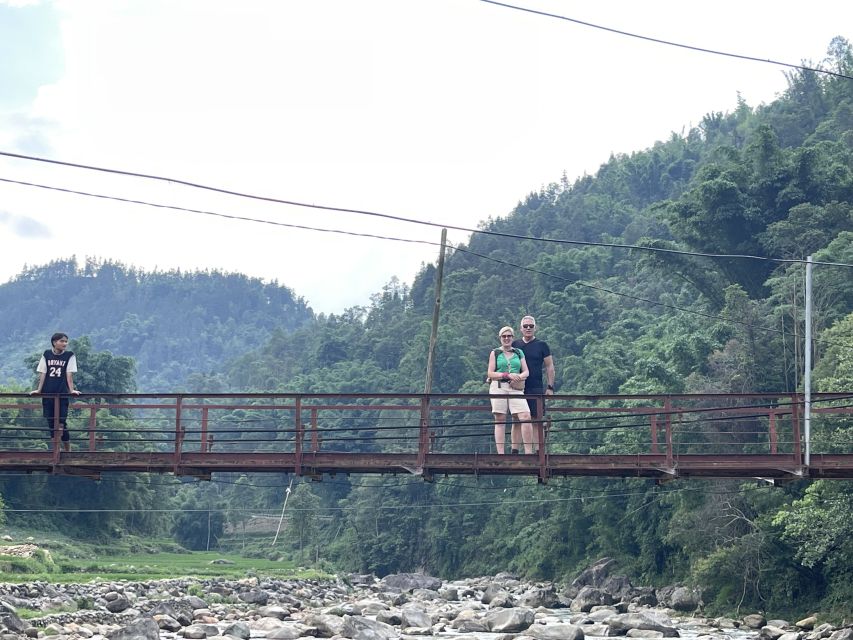
The route is suitable for people who are comfortable walking for much of two days. No total distance, elevation gain, or formal fitness rating is provided, so I would not book it if you want a short, flat stroll.
Sapa’s weather can change quickly, and wet conditions affect terraced paths. The tour provides a raincoat and trekking stick per person, which are practical inclusions rather than small extras. Wear shoes with good grip, bring clothing that dries easily, and keep electronics protected from rain.
A sensible day bag should hold:
- Extra water or money for drinks
- A change of clothes for the homestay
- A light layer for changing temperatures
- Personal toiletries
- A phone or camera in a waterproof pouch
- Any medication you need
The guide will help with the route, but the supplied information does not promise luggage transfer. Assume you will carry your own small bag unless the operator tells you otherwise.
What the $78 price includes
At $78 per person, this trip offers good value if you plan to use the included parts. The price covers central Sapa hotel pickup and drop-off, village entry fees, a local English-speaking guide, one homestay night, one breakfast, two lunches, one dinner, two 1.5-liter water allowances, a raincoat, a trekking stick, and the private ride back to Sapa.
That is a lot of practical coverage for two days. A separate guide, local meals, accommodation, and an end-of-route taxi could quickly cost more if arranged independently. The private group format adds value too, especially if you want to ask questions or set a pace suited to your party.
The price does not include drinks bought along the way or at restaurants, travel insurance, or tips for the guide and driver. Bring Vietnamese currency for small purchases, though the exact amount needed is not specified.
Who will enjoy this experience most
I would choose this trek if you want three things at once: strong views of rice terraces, contact with local communities, and a night away from Sapa town.
It suits couples, families with older children who can manage a long walk, and small private groups that prefer flexibility. It is also a good choice if you would rather learn through conversation, houses, clothing, food, and farming than through a formal museum.
You may want another activity if you need a detailed accessibility plan, a fixed trail distance, or hotel-level comfort. The route includes forests, terraces, villages, and a waterfall, but the available information does not describe accessible paths or facilities. People who dislike basic accommodation should also ask about the homestay before paying.
The experience is offered with free cancellation up to 24 hours before the start, and you can reserve now and pay later. Those terms help if your Sapa plans are still shifting, but they do not replace travel insurance.
Should you book this Sapa homestay trek?
Book it if your idea of a good Sapa trip includes walking through working villages, eating at local homes, comparing Black Hmong and Giay traditions, and sleeping in a family homestay. The route offers more substance than a quick terrace photo stop, and the private format makes the two-day pace easier to manage.
Before booking, confirm the expected walking distance, homestay sleeping arrangements, bathroom setup, and how dietary needs are handled. If those basics suit you, $78 is a fair price for the guide, meals, overnight stay, equipment, village access, and return transport. The strongest reasons to choose it are the cultural range, the local meals, and the personal guidance associated with Du, Zu, and Pang Chou.
FAQ
Where does the trek start?
Pickup is provided from your hotel in central Sapa. You can also meet the guide at Sapa Church.
How long does the experience last?
The trek lasts two days. Day one starts with pickup at 9:30 a.m., and the second day ends with a private taxi ride back to Sapa at about 3 p.m.
Which ethnic groups will I learn about?
The experience covers Black Hmong, Red Dao, and Giay communities. The detailed village visits and overnight stay focus especially on Black Hmong and Giay culture.
Where do I sleep?
You spend one night at a homestay belonging to ethnic minority hosts, specifically in a Giay community in Ta Van.
What meals are included?
The price includes one breakfast, two lunches, and one dinner. Extra drinks bought on the route or at a restaurant are not included.
Is water provided?
Yes. The tour provides 1.5 liters of water per person per day.
Is transportation back to Sapa included?
Yes. A private taxi returns you to Sapa from the last village, Hau Thau.
More Rice Terrace Treks in Vietnam
- Daily Tour: Sapa Trekking in Muong Hoa valley, Bamboo forest
★ 5.0 · 121 reviews - 1-Day Sapa Long Trek – Rice Field Terrace, Ethnic Culture
★ 4.9 · 62 reviews - Muong Hoa Valley Trek & Homestay Experience – 4D3N
★ 5.0 · 42 reviews - Sapa: Muong Hoa Mountain Views and Villages Trek with Lunch
★ 4.3 · 28 reviews
More Rice Terrace Treks in Sapa
- Sa Pa: Muong Hoa Valley Trek and Local Ethnic Villages
★ 4.6 · 864 reviews - Explore Sapa by TrekkingAdventures, Mountain,Rice fields
★ 4.9 · 229 reviews - Sa Pa: 6-Hours Muong Hoa Valley Trek with Local Ethnic guide
★ 4.5 · 178 reviews - Sapa Muong Hoa Valley & Ta Van Eco Village Scenic Tour (No Trek)
★ 5.0 · 144 reviews
Recently added around Sa Pa
- Soob Sapa Trekking Tour★ 4.3 · 3 reviews
- Sapa Trekking – Waterfalls And H’mong Villages★ 5.0 · 2 reviews
- Sapa Trekking Private Tour With Ethnic Female Tour Guide★ 4.9 · 24 reviews
- Sapa: Trekking Through Terraced Rice Fields & Valley 1 Day★ 4.8 · 4 reviews
- Sapa: Y Linh Ho – Lao Chai, and Ta Van Trekking Day Tour★ 5.0 · 25 reviews
- Sapa: Ta Phin Village Trek with Lunch and Bathing Experience★ 4.7 · 13 reviews
- Sapa Trekking Guide Francophone 2 days – 1 night★ 5.0 · 2 reviews
- Sapa small groupe activities: 1 Day trek – Meet the locals★ 4.7 · 3 reviews
Rice Terrace Treks, compared.
Muong Hoa Valley Trek and Local Ethnic Villages
Read our review →
Explore Sapa by TrekkingAdventures, Mountain,Rice fields
Read our review →
Selogriyo Temple and Trekking Java Rice Terraces, hidden waterfall -Nature Java
Read our review →
6-Hours Muong Hoa Valley Trek with Local Ethnic guide
Read our review →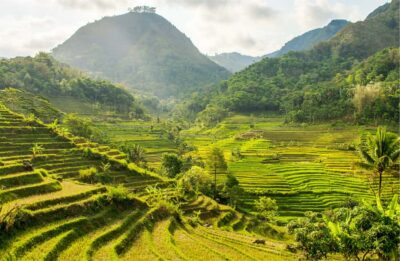
Sapa Muong Hoa Valley & Ta Van Eco Village Scenic Tour (No Trek)
Read our review →
Daily Tour: Sapa Trekking in Muong Hoa valley, Bamboo forest
Read our review →