
REVIEW · POKHARA
From Pokhara: 4-Day Annapurna and Poon Hill Himalayan Trek
Sunrise comes early in the Himalayas. This four-day trek from Pokhara combines a famous Poon Hill sunrise with forest trails, Gurung villages, mountain views, and a stop at the hot springs in Jhinu. It is a compact way to see the lower Annapurna region without committing to a week or more on the trail.
I like the mix of scenery and culture here. You walk through Himalayan forests, spend nights in simple tea houses, and reach Ghandruk, one of the area’s best-known Gurung villages. I also like that transport, permits, accommodation, and a licensed English-speaking guide are included. The main caution is that mountain roads and weather can alter the plan. In September 2024, a landslide damaged the road and forced a later starting point, removing one planned stop and costing a day of trekking.
At $287 per person, this is a fair package if you value having the transport, permits, guide, and lodging arranged together. Food and drinks cost extra, and the days are active, with trekking times listed at five to seven hours. You should be comfortable with long uphill and downhill walks before booking.
Key points at a glance
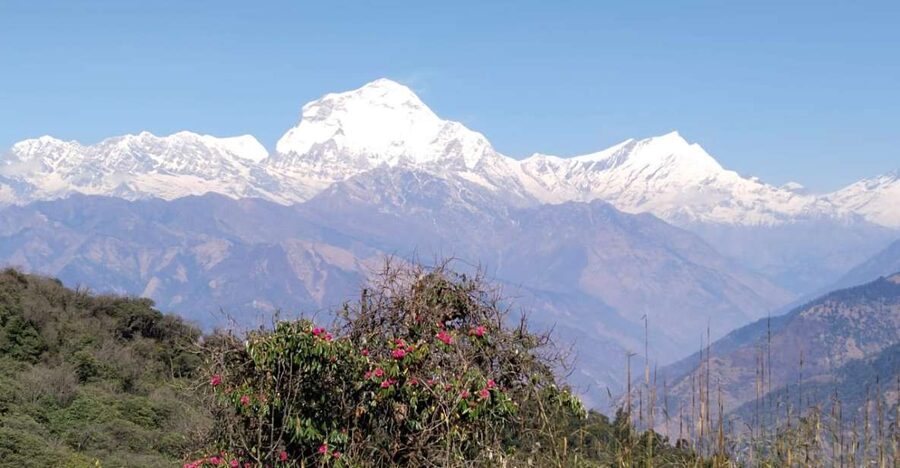
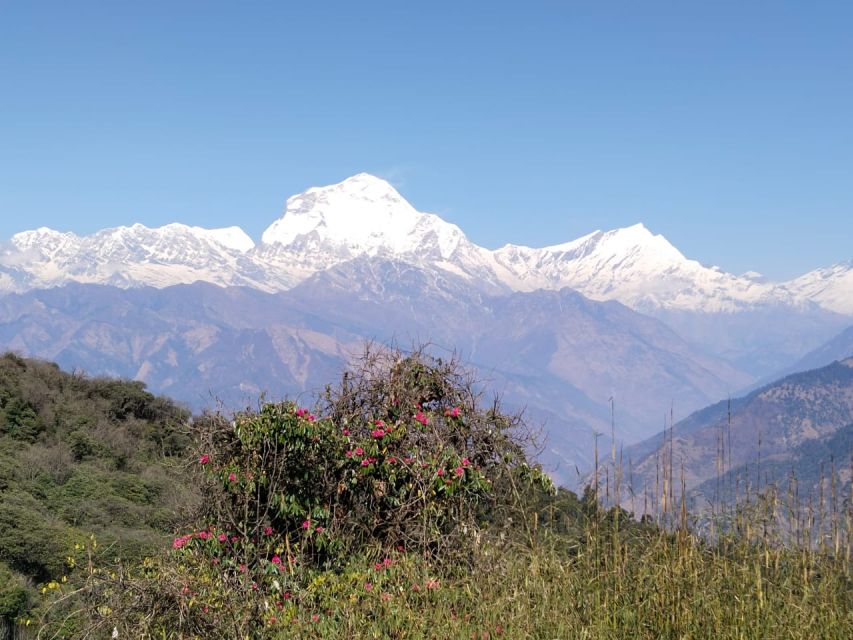
- Poon Hill sunrise: The early hike reaches the viewpoint in about an hour, with a broad view of the Annapurna Range.
- Four full days from Pokhara: The route begins with a private car or jeep transfer and ends with a return drive to your hotel.
- Jhinu hot springs: You get time for a natural hot-water bath, described as therapeutic, before continuing toward Ghandruk.
- Gurung village life: Ghandruk offers a closer look at Gurung homes, village design, and mountain living.
- Simple tea-house nights: Accommodation is included in tea houses or guest houses, while meals are purchased separately.
- Guide quality matters: Gobinda received praise for kindness and practical help, while another guide, Muku, was considered good but could have watched the weather more closely.
Why this short Annapurna route works
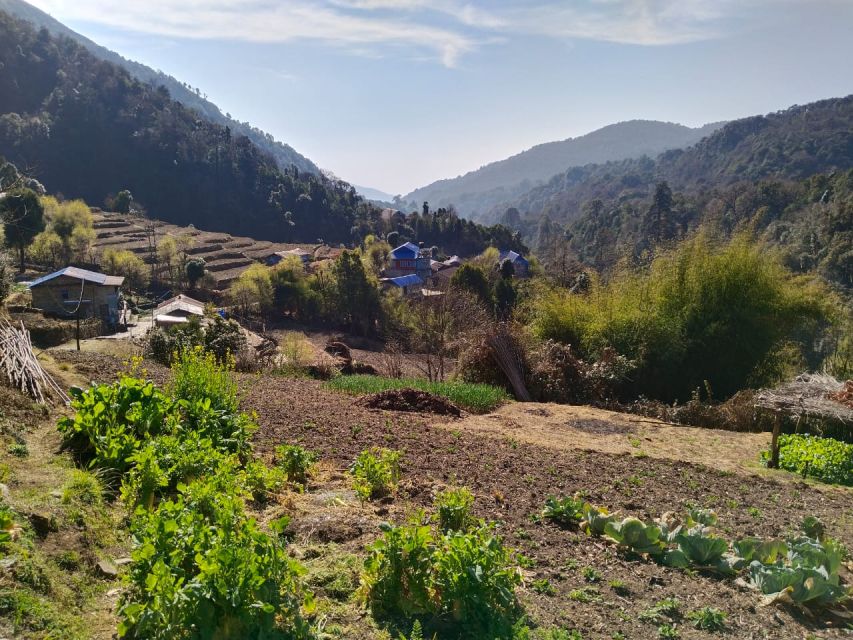
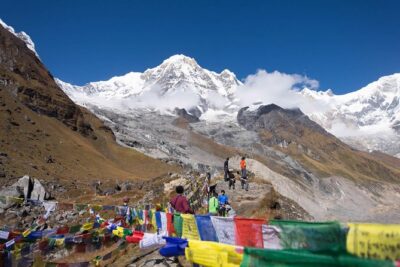
The appeal is simple: you get a major Himalayan viewpoint and several different types of scenery in only four days. The route moves from the roadhead near Ulleri into forest paths, then to high viewpoints, mountain villages, hot springs, and a final descent toward Nayapul.
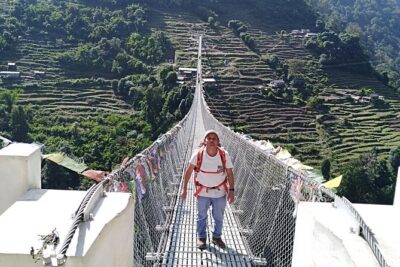
This is not a gentle sightseeing circuit. The itinerary lists six to seven hours of walking on two days, and the climb toward Ghorepani and Poon Hill requires steady effort. Still, it is shorter than many Annapurna treks and does not require you to carry a full camping setup.
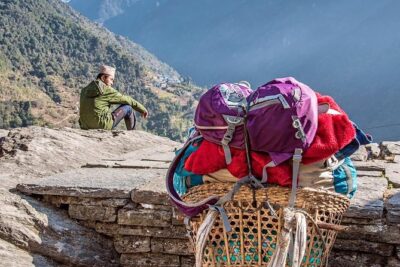
The route is also more than a mountain-view trip. The forests give the walk shade and a sense of distance from Pokhara. The tea houses offer basic overnight lodging, while Ghandruk gives you a chance to see how Gurung communities have adapted to life in the hills.
I would choose this trek if you want a real walking experience but have only a long weekend. I would not choose it if you want a relaxed holiday with short strolls and plenty of spare time.
More Annapurna Treks in Pokhara
- Trekking in Annapurna/Langtang/Everest/Upper Mustang regions
★ 5.0 · 161 reviews - Kathmandu/Pokhara: 5-Day Annapurna Base Camp (ABC) Trek
★ 4.9 · 72 reviews - Annapurna Panorama trek
★ 5.0 · 71 reviews
Day 1: Driving to Ulleri and climbing toward Ghorepani
Your guide collects you from your hotel in Pokhara early in the morning. After breakfast, a private car or jeep takes you toward Ulleri, where the walking portion begins.
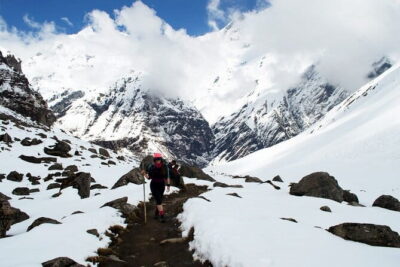
The first day is listed at about five hours of trekking. You head uphill through the lower Himalayan forests toward Ghorepani, one of the key overnight stops on the Poon Hill route. The appeal of this section is the gradual change from road travel to foot travel. Once you leave the vehicle, the forest and mountain paths become the main setting.
Ghorepani is a practical overnight base because it places you close to Poon Hill for the next morning. Accommodation is in a tea house, a simple guest house style common on trekking routes. Your room and lodging are covered, but you pay separately for meals and drinks.
The road condition deserves attention. A September 2024 departure was changed after a landslide damaged the mountain road. The vehicle had to stop farther down the mountain than planned, which affected the timing and removed one item from the route. A natural hazard like this is outside a local company’s control, but you should still ask for a current road update before departure.
That situation also shows why you should keep some flexibility around a four-day trek. The route is listed clearly, but road access in the mountains can change quickly. A good guide should explain any change early and tell you what you will gain or lose from the revised plan.
Day 2: Poon Hill sunrise and the trail to Tadapani
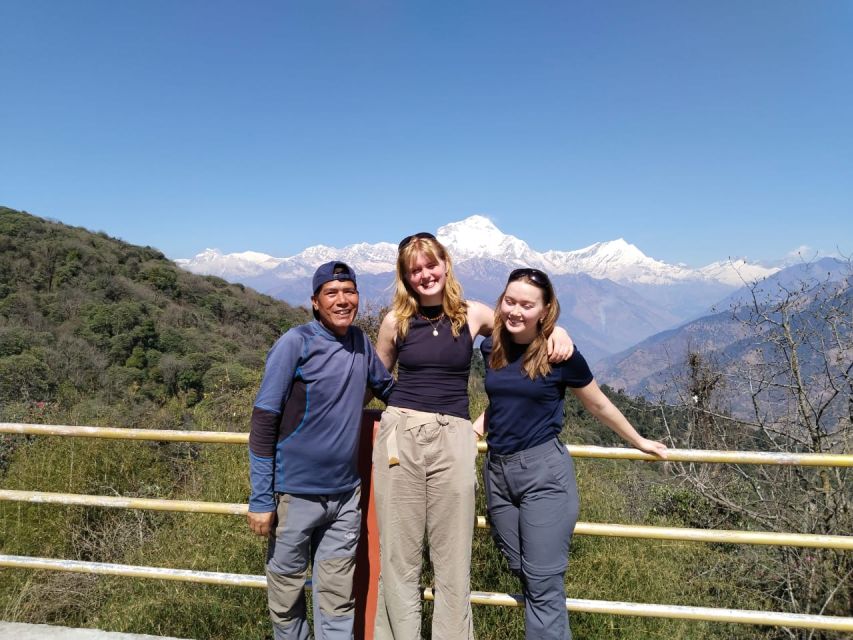
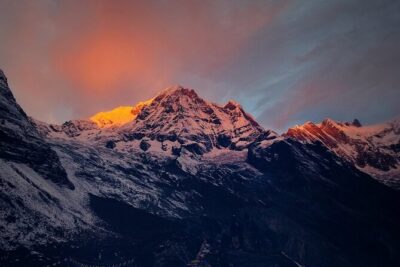
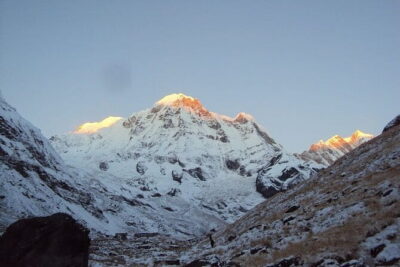
The second morning starts before breakfast. From Ghorepani, you hike for about an hour to Poon Hill for sunrise. This is the central reason many people choose the route, and the timing is worth the early alarm.
From the viewpoint, you can see the Annapurna Range in broad display. The mountain view is especially valuable because it comes after a short but purposeful climb rather than a long expedition. The sunrise was described as exceptional by one guest, and the Annapurna panorama was the main reason another accepted the trek even after an itinerary change.
You then return to Ghorepani for breakfast before continuing toward Tadapani. The full walking time for the day is listed at about six hours. That makes this one of the more demanding days, particularly because the sunrise walk adds extra effort before the main trek begins.
Tadapani provides the next overnight stop. The route through the forest is part of the attraction, but you should not treat the word forest as a promise of an easy walk. Mountain trails can include steady climbs and descents, and the exact feel of the day depends on road changes, weather, and your pace.
Weather awareness matters here. One guest felt the guide, Muku, was helpful but could have checked forecasts more carefully instead of relying on luck. I would ask your guide about the forecast the evening before the Poon Hill climb and again before setting out. A clouded sunrise can still be a worthwhile walk, but clear conditions make the viewpoint much more rewarding.
Day 3: Jhinu hot springs and the Gurung village of Ghandruk
Day three links two very different experiences. You continue toward Jhinu, where you can bathe in natural hot springs, then go on to Ghandruk for the night.
The hot springs are a welcome pause after two active trekking days. The water is considered therapeutic, though the supplied information does not promise a particular medical benefit. Treat the bath as a pleasant rest stop, not as a substitute for medical treatment.
After Jhinu, the route continues to Ghandruk. The walking time is listed at six to seven hours, so the hot-spring stop does not turn the day into a short outing. You should plan for a full day on your feet, with enough energy left for the final portion toward the village.
Ghandruk is one of the more meaningful stops on the route because it gives context to the mountain scenery. The village is presented as a strong example of Gurung architecture and of how Gurung communities have adapted to Himalayan life. That makes the stop more than a photo opportunity. You get a closer look at a settled community rather than seeing the region only from a trail.
I like the order of this day. The hot springs provide a physical break, while Ghandruk adds a cultural focus. The drawback is that both come after a long walk. If you want a leisurely soak and a slow village visit, six to seven hours of trekking may leave you tired.
More Poon Hill Treks in Pokhara
- Poon hill Trek 3 days
★ 5.0 · 176 reviews - Pokhara: 4-Day Ghorepani, Poonhill & Ghandruk Mountain Trek
★ 5.0 · 132 reviews - Ghorepani – Poon Hill Trek 3N-4D
★ 5.0 · 125 reviews - From Pokhara: 3-Day Ghorepani Poon Hill Trek with Guide
★ 4.9 · 68 reviews
Day 4: Descending to Nayapul and returning to Pokhara
The final day heads downhill to Nayapul. From there, the private vehicle takes you back to Pokhara and drops you at your hotel.
The itinerary does not give a precise walking time for this final section. That is useful to remember when planning onward travel. Do not schedule a tight flight, bus, or major activity immediately after the trek unless the operator confirms the timing for your departure date.
The descent brings the trek to a practical close. You finish on foot, reach a road connection, and then return by vehicle rather than adding another night in the mountains. For a four-day trip, this keeps the route efficient.
The return transfer is included, which adds real value. After several days of uphill and downhill walking, arranging your own ride from Nayapul would be an unnecessary chore. Hotel pickup and drop-off in a private car or jeep are also included, so the experience begins and ends at your Pokhara accommodation.
What $287 includes, and what it does not
The $287 price covers several costs that can otherwise become a nuisance to arrange:
- Hotel pickup and drop-off by private car or jeep
- Required permits
- Tea-house or guest-house accommodation
- A licensed English-speaking guide
- Guide expenses
Food and drinks are not included. You should budget for meals, bottled drinks, and any other purchases during the trek. The exact daily food cost is not provided, so ask the operator for current prices if you are planning closely.
The value depends on what you want from a short trek. If you prefer one company to handle permits, transport, lodging, and guiding, the package is convenient and reasonably priced. If you already have local transport and permit arrangements, you may find the bundled price less compelling.
A private vehicle is another useful part of the package. You are not being asked to work out the connection from Pokhara to the trailhead or from Nayapul back to town. The guide is also a practical benefit, especially on a route with road changes and long walking days.
The main thing to confirm is the current route. Ask where the vehicle will stop, whether the road to Ulleri is open, and whether any part of the published plan has changed. The September 2024 experience shows that this is not merely a theoretical concern.
Guides, communication, and the human side of the trek
The provider is Fewa Trail Treks and Expedition Pvt Ltd. Communication with the local operator was described as quick and efficient, which is useful when your departure depends on an early pickup and current road conditions.
Guide experiences can vary. Gobinda was praised for being kind, helpful, and good at making the trek comfortable. Muku was also considered a good guide, though one person wanted closer attention to weather forecasts. These details suggest that the guide can have a large effect on how smooth the trip feels.
You should use the guide as a source of practical information, not just as someone who leads the way. Ask about the next day’s walking time, the forecast, road access, and where meals will be available. Good communication is especially important if the route changes.
The English-language guiding is suitable for basic trip communication. The activity lists English as the tour language and includes a licensed English-speaking guide.
Who should book this four-day trek?
This trek suits you if you want:
- A short Himalayan walking trip from Pokhara
- A strong chance to see the Annapurna Range from Poon Hill
- Forest trails instead of a vehicle-only mountain tour
- A night in a Gurung village setting
- A hot-spring stop during an active itinerary
- A guide and transport arranged in one package
It is less suitable if you have mobility limitations or are pregnant. The activity specifically excludes people with mobility impairments and pregnant women. The six-to-seven-hour walking days also make this a poor fit if you are not prepared for sustained uphill and downhill movement.
You should bring your passport, or a copy of it, and provide passport details at least 24 hours before departure so the permits can be prepared. Pack for changing mountain conditions, though the supplied information does not specify a required clothing list. Comfortable walking gear is essential simply because of the route length.
The free cancellation policy gives you some protection if plans change: you can cancel up to 24 hours in advance for a full refund. You can also reserve and pay later, which helps if your Pokhara schedule is still taking shape.
Should you book the Poon Hill and Annapurna trek?
I would book this trek if Poon Hill sunrise is your main goal and you want a compact route with transport, permits, lodging, and a guide bundled together. The combination of mountain views, forest walking, Jhinu hot springs, and Ghandruk gives the four days a good range of experiences.
I would book with one request: confirm the current road and trekking plan before you go. Ask what happens if a landslide or road closure changes the starting point, and ask the guide to review the weather forecast before the Poon Hill morning.
At $287, the trip offers solid value for a structured four-day outing, but it is not a soft adventure. You will pay for food separately, walk for several hours each day, and need to accept that Himalayan conditions can force changes. If you are ready for that tradeoff, this is a practical way to see one of Nepal’s most rewarding short trekking routes.
FAQ
How long is the Annapurna and Poon Hill trek?
The trek lasts four days, beginning with pickup from your hotel in Pokhara and ending with your return to Pokhara after reaching Nayapul.
What is the main highlight of the trek?
The main highlight is the sunrise hike to Poon Hill, which takes about one hour from Ghorepani and offers views of the Annapurna Range.
Is transportation from Pokhara included?
Yes. Hotel pickup and drop-off in a private car or jeep are included. The route includes transport toward Ulleri and a return drive from Nayapul to Pokhara.
Are meals and drinks included?
No. Food and drinks are not included, but they are available for purchase during the trek.
Where do you sleep during the trek?
Accommodation is provided in tea houses or guest houses. The itinerary lists overnight stays in Ghorepani, Tadapani, and Ghandruk.
Is a guide included?
Yes. A licensed English-speaking guide is included, along with the guide’s expenses.
Can you visit hot springs during the trek?
Yes. The route goes to Jhinu, where you have the chance to bathe in natural hot springs described as therapeutic.
What identification is needed?
You need to provide passport details at least 24 hours before the tour so the necessary permits can be prepared. A passport copy is accepted.
More 4-Day Experiences in Pokhara
- Pokhara: 4-Day Mardi Himal Trek
★ 4.9 · 59 reviews - 4-Day Private Poon Hill Trekking Tour
★ 5.0 · 58 reviews - Pokhara: 4-Day Private Trek Tour
★ 4.9 · 43 reviews - From Pokhara: 4-Day Mardi Himal Base Camp Trek
★ 4.9 · 31 reviews
Recently added around Pokhara
- Pokhara: Majestic Mardi Base Camp Guided Trek with HotSpring★ 5.0 · 6 reviews
- Pokhara: 9-Day Annapurna Base Camp Trek with Poon Hill★ 5.0 · 6 reviews
- Pokhara: 5-Day Trek to Annapurna Base Camp and Hot Springs★ 5.0 · 4 reviews
- Pokhara: 5-Day Ghorepani and Poon Hill Private Trek★ 5.0 · 4 reviews
- Pokhara: 7-Day Annapurna Base Camp Trek & Hot Spring★ 4.0 · 3 reviews
- Pokhara:4-Day Ghorepani Poon Hill Guided Trek via Ghandruk★ 5.0 · 3 reviews
- Pokhara: 4-Day Poon Hill and Ghandruk Guided Trek★ 5.0 · 14 reviews
- Pokhara: 4-Day Ghorepani, Poonhill & Ghandruk Village Trek★ 5.0 · 6 reviews
Annapurna Base Camp Treks, compared.
Trekking in Annapurna/Langtang/Everest/Upper Mustang regions
Read our review →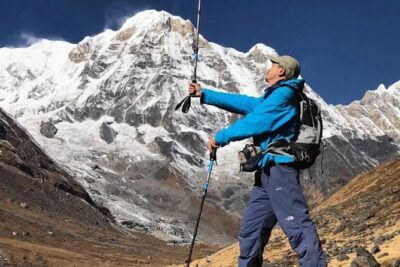
Kathmandu to Annapurna Base Camp (ABC) 5-Day Trek
Read our review →Browse the lists this tour appears in