
REVIEW · NEPAL
From Pokhara Budget: 2 Day 1 Night Ghorepani Poon Hill Trek
Sunrise makes a short trek feel much bigger. This two-day Ghorepani Poon Hill trek packs forest paths, mountain villages, Himalayan views, and a famous sunrise into a tight schedule from Pokhara. I like the easy transport arrangement and the chance to see Annapurna and Dhaulagiri without committing to a weeklong route.
I also like that the trip uses a private group and includes an English-speaking local guide. Guide Biru earned especially warm praise for spotting plants and monkeys, helping with river crossings, arranging transport, and even collecting bags of rubbish along the trail. The main drawback is the pace: the route is short in days but not especially gentle, and mountain guesthouses are basic by Western standards.
The most important details at a glance
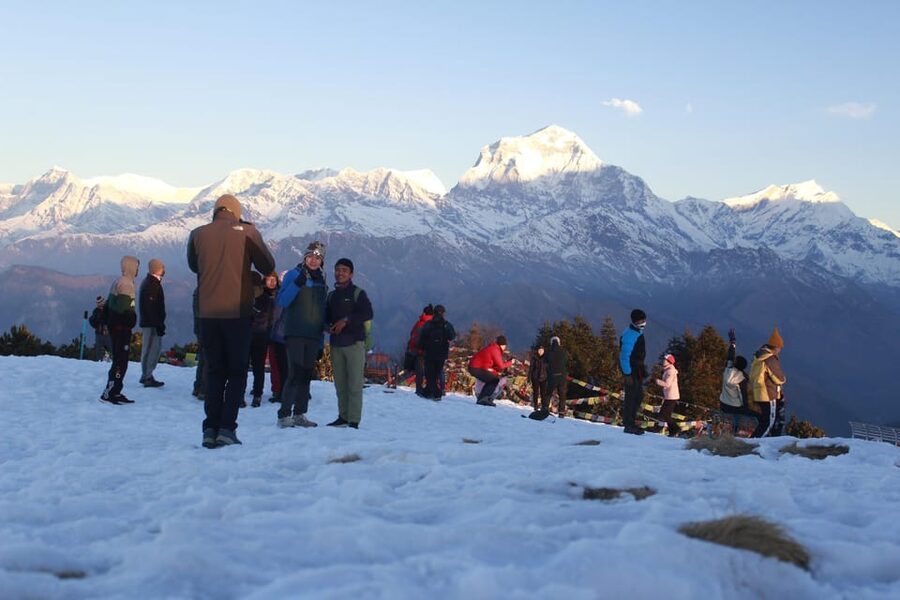
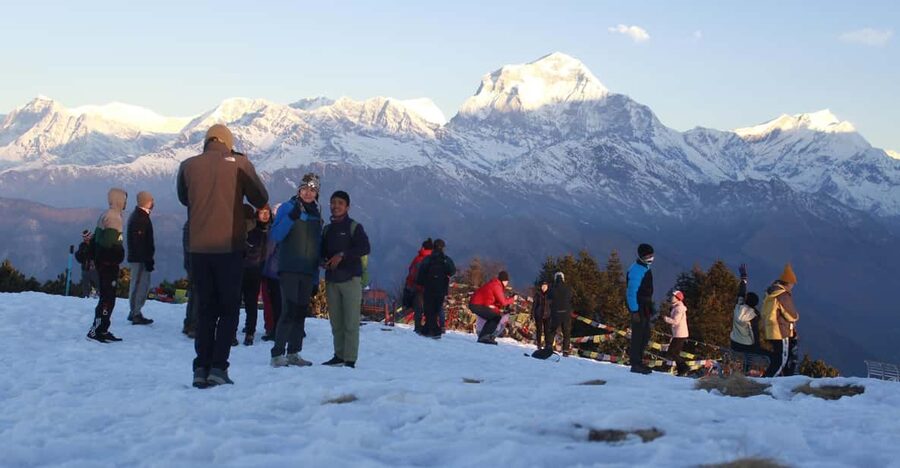
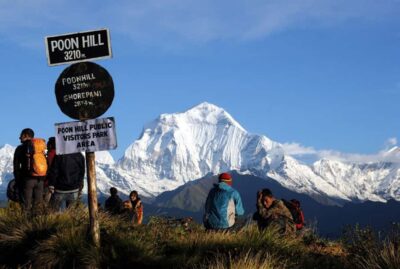
- Poon Hill sits at 3,210 meters, where the early sunrise can color the Annapurna and Dhaulagiri ranges in gold.
- The first day includes about 48 kilometers by road from Pokhara to Ulleri, followed by roughly 10 kilometers of walking to Ghorepani.
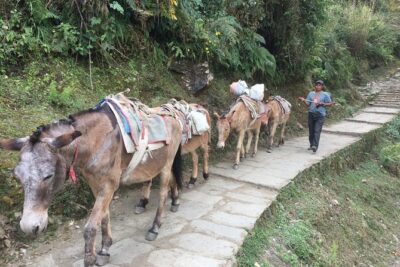
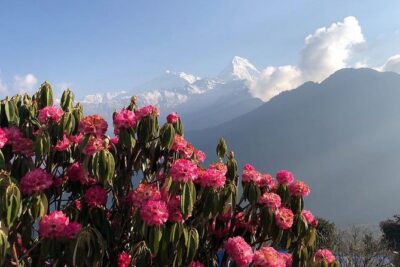
- The trail passes through rhododendron forests, waterfalls, terraced farmland, and Gurung and Magar villages.
- Guide quality matters here, and Biru and Sham were both praised for patience, local knowledge, and practical help.
- The $116 price includes transport, guide costs, permits, one guesthouse night, and hotel pickup and drop-off, but not meals or drinks.
- This suits fit beginners and short-on-time visitors, but not pregnant people or wheelchair users.
Why this short Himalayan route works
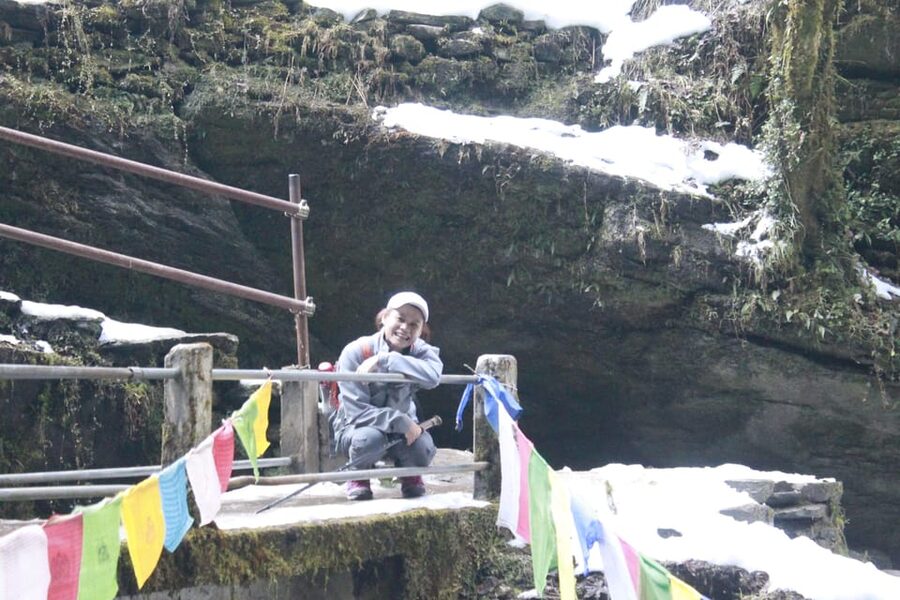
The Ghorepani Poon Hill route is one of Nepal’s useful compromises. You get a real mountain walk, rather than a sightseeing drive, but you do not need the long holiday schedule required for higher and more remote treks.
The trip begins in Pokhara, Nepal’s lakeside base for the Annapurna region. From there, you travel by shared bus or jeep toward Ulleri. The road journey takes about two and a half to three hours, and the final walking section leads to Ghorepani, a ridge village with broad mountain views.
I like the balance. You see farms, forests, waterfalls, village life, and high peaks in a small package. The route also gives you a taste of local Gurung and Magar culture without turning the experience into a staged cultural show.
The catch is that this is a fast trip. You reach Ulleri in the morning, walk for four to five hours, sleep at Ghorepani, then rise before dawn for Poon Hill. If you prefer long lunches, slow photography stops, or a softer walking schedule, two days may feel compressed.
More Poon Hill Treks in Nepal:
- Poon hill Trek 3 days
★ 5.0 · 176 reviews - Pokhara: 4-Day Ghorepani, Poonhill & Ghandruk Mountain Trek
★ 5.0 · 132 reviews - Ghorepani – Poon Hill Trek 3N-4D
★ 5.0 · 125 reviews
The road from Pokhara to Ulleri
Pickup is included from hotels within the Lakeside area of Pokhara. The organized transfer takes you from your hotel to the bus station, then onward by shared bus or jeep toward Ulleri.
The road section covers about 48 kilometers and takes roughly two and a half to three hours. That may sound easy, but mountain roads can make a short distance feel long. The benefit is clear: road transport cuts out a much longer approach on foot and puts you directly near the walking route.
You arrive at Ulleri around 9:30 in the morning. From here, the trek begins in earnest. A private group gives you more control than a large departure, though the transport itself is described as shared. That distinction matters. You may have a private guide and walking arrangement, but the road transfer can still involve other passengers.
Your guide handles the practical work, including official documents, transport coordination, and the route ahead. That support is valuable on a tight schedule, especially after a road journey and before several hours of uphill walking.
Ulleri to Ghorepani: four to five hours on foot
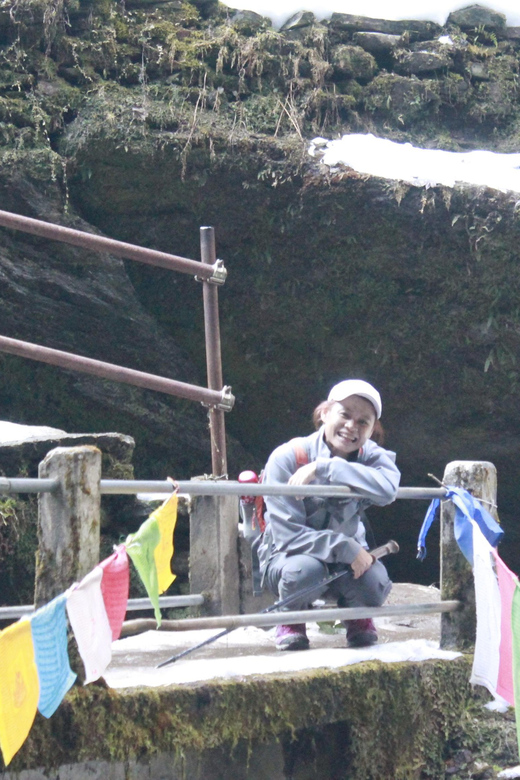
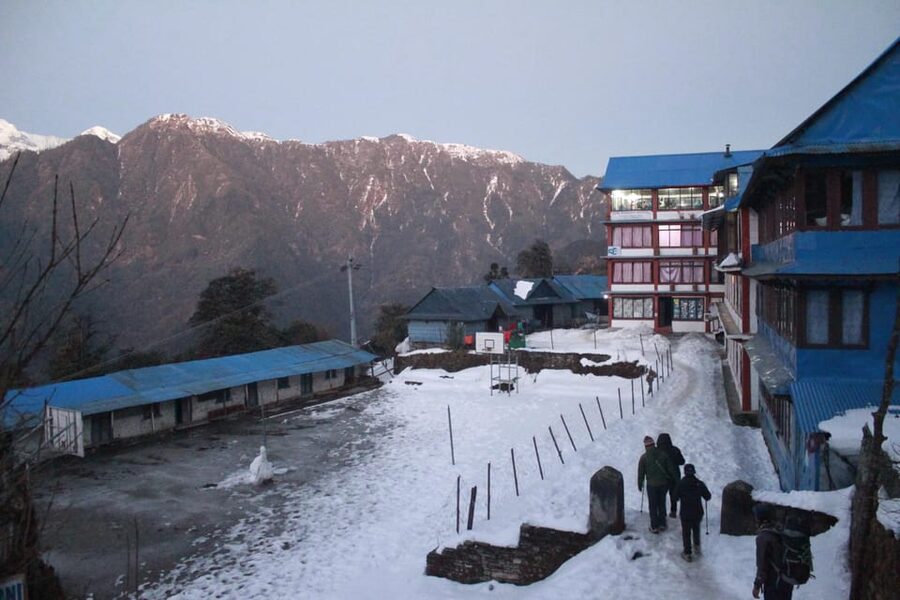
The walk from Ulleri to Ghorepani covers approximately 10 kilometers and takes about four to five hours. The trail passes through rhododendron woods, waterfalls, terraced farmland, and mountain settlements.
In spring, rhododendron blooms add strong color to the forest. In other seasons, the appeal shifts toward the cool woodland, open views, and changing light on the peaks. The supplied information does not promise a particular bloom period on your departure, so treat spring as the best chance for flowers rather than a guarantee.
This section is moderate, but you should not confuse moderate with effortless. You are walking for most of the afternoon after getting off a vehicle. Comfortable shoes matter, and trekking poles are included. Use the pole for balance on uneven sections and on the descent the next day.
The route also gives your guide room to add meaning to what you see. Biru was praised for pointing out plants and monkeys, helping at small river crossings, and staying attentive throughout the walk. That sort of help is more useful than a guide who only points toward the mountains. Sham was also praised for patience and for explaining the peaks.
You may reach Ghorepani around 3:00 in the afternoon. That leaves some time to look around the village and enjoy the ridge views, but daylight and energy will be limited. Do not plan a major side trip. The important task is to eat, prepare warm clothes for the morning, and sleep early.
A night at Ghorepani
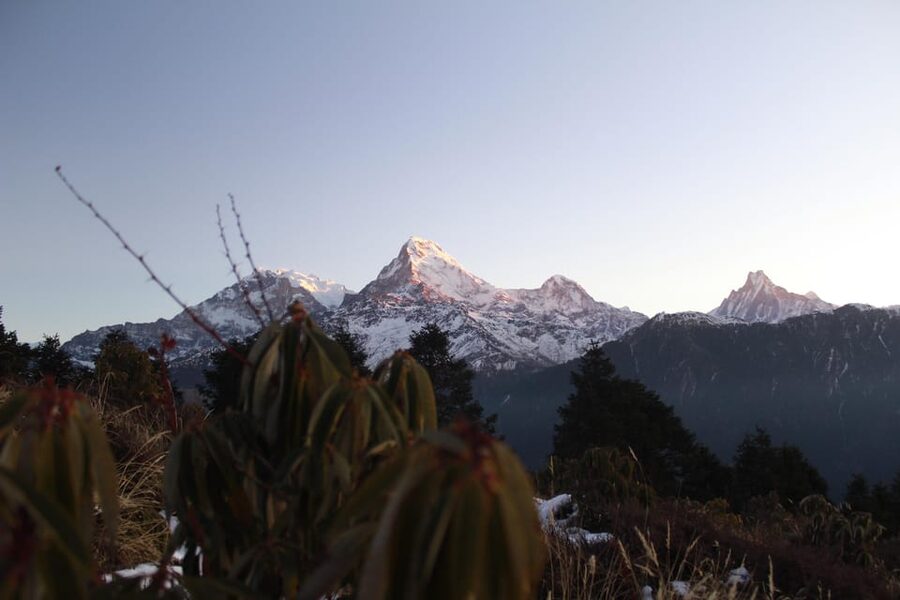
Accommodation is in a tourist-standard guesthouse in Ghorepani. Keep your expectations modest. One direct account described the mountain accommodation as far below Western hotel or even older hostel standards, while still considering the hike worthwhile.
That is a fair warning. A mountain guesthouse is included for its location and basic shelter, not for polished rooms or resort comfort. You should bring warm clothing because temperatures can change quickly, and the early start for Poon Hill means you will be outside before sunrise.
Food and drinks are not included, but they are available for purchase. Budget extra cash for meals, drinks, and personal expenses. The price covers the guide’s food and accommodation, but not yours beyond the listed guesthouse stay.
Ghorepani’s value is its position. You sleep close enough to Poon Hill for an early morning climb, avoiding a long predawn approach from lower ground. That makes the second day possible, but it also means your night will be short.
A few more treks around Nepal worth a look
- From Pokhara: 2 Day 1 Night Ulleri,Ghorepani Poon Hill Trek
★ 4.9 · 33 reviews - From Pokhara: Budget 2 Night 3 days Poon hill trek
★ 5.0 · 20 reviews - Nagarkot Trekking in Kathmandu Nepal (1 Night / 2 Days)
★ 5.0 · 5 reviews - Stromboli: Sunset Trekking at Sciara del Fuoco
★ 4.6 · 1,372 reviews
The predawn climb to Poon Hill
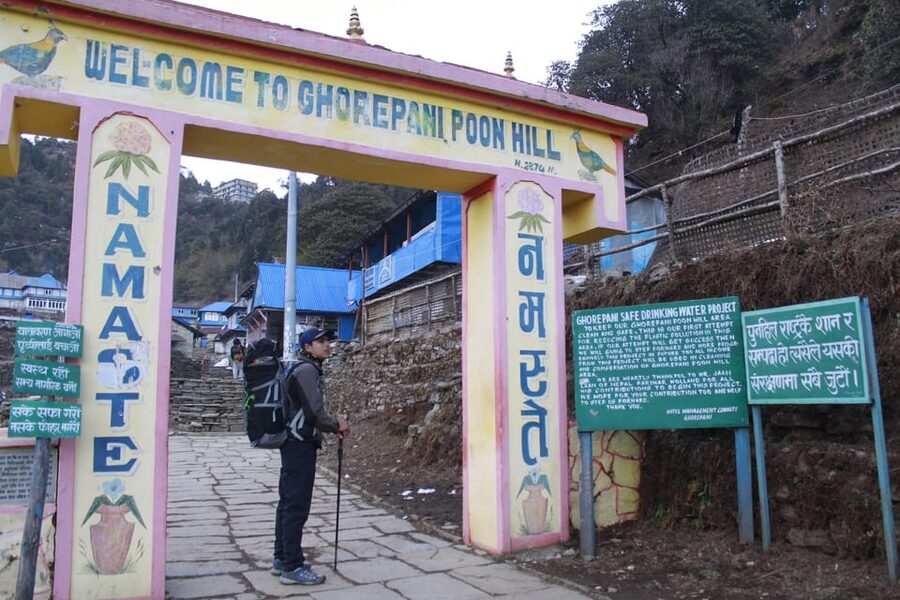
The wake-up call comes around 5:30 in the morning. The climb from Ghorepani to Poon Hill takes about 45 minutes to an hour, depending on your pace and conditions.
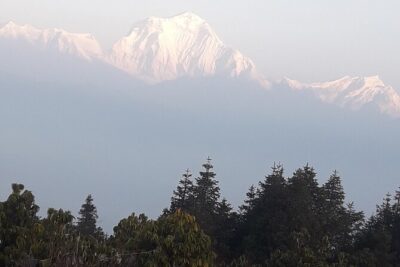
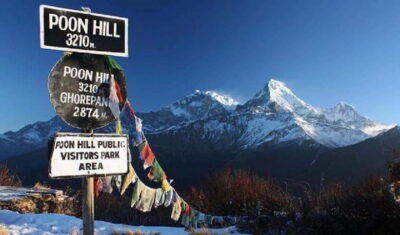
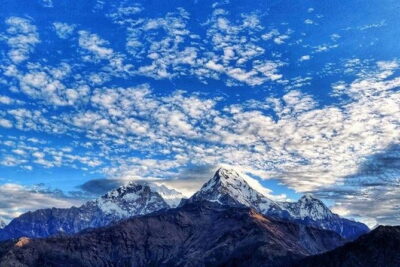
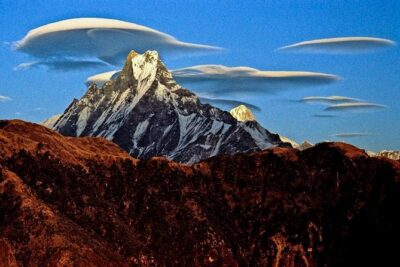
Poon Hill reaches 3,210 meters. The reward is a wide view toward the Annapurna and Dhaulagiri mountain ranges as the sun comes up. The first light is the reason this route is so popular. Snow peaks change from gray to pink, orange, and gold as the morning develops.
You should carry warm clothing for this part. The early air can feel cold, and you will spend time outside waiting for the best light. Bring a camera if you use one, but do not forget to watch the view without a screen. The sunrise is the main event, not just a photo stop.
Weather is the great unknown. Spring, from March through May, and autumn, from September through November, usually offer the most stable conditions and clearest mountain views. The trek operates throughout the year, but mountain weather can shift quickly. A cloudy morning can soften or block the view, so no operator can honestly guarantee a perfect sunrise.
Returning to Ghorepani and descending to Ulleri
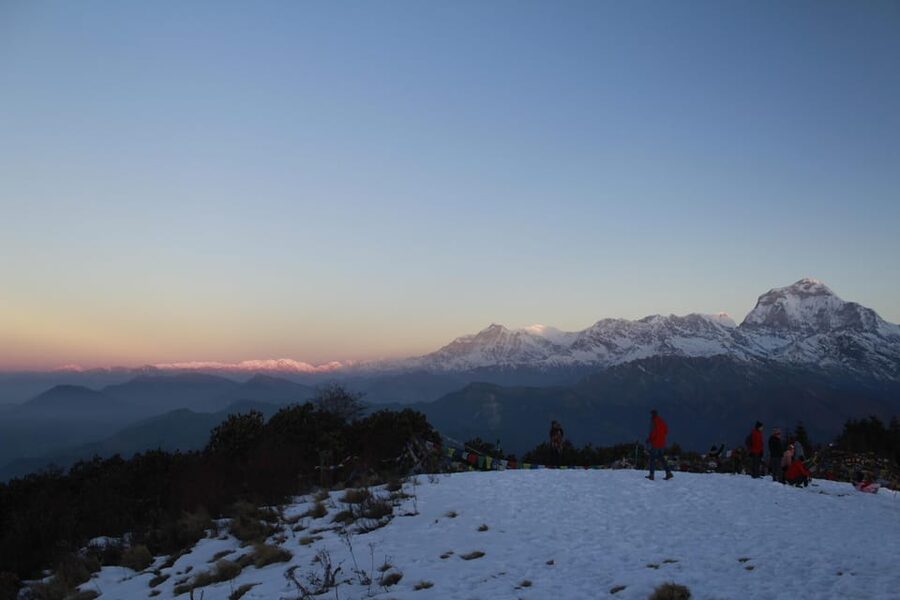
After the sunrise, you return to Ghorepani for breakfast at about 8:00. Then you begin the descent toward Ulleri, arriving around 1:00 in the afternoon.
This part is shorter in spirit but can be demanding on knees and thighs. The trekking pole is useful here. Wear shoes with good comfort and stability, and keep some water and cash close at hand.
The descent brings a different view of the route. In the morning, you are focused on the summit and the sunrise. Later, you can pay more attention to the forest, waterfalls, farmland, and villages. If you have enough energy, this is also the better time to notice the small details your guide points out.
A guide who stays patient can make a real difference on this day. Sham was praised for patience, while Biru was described as attentive from start to finish. That is especially important if your walking pace is slower than planned or if the trail feels harder than expected.
Ulleri to Pokhara by road
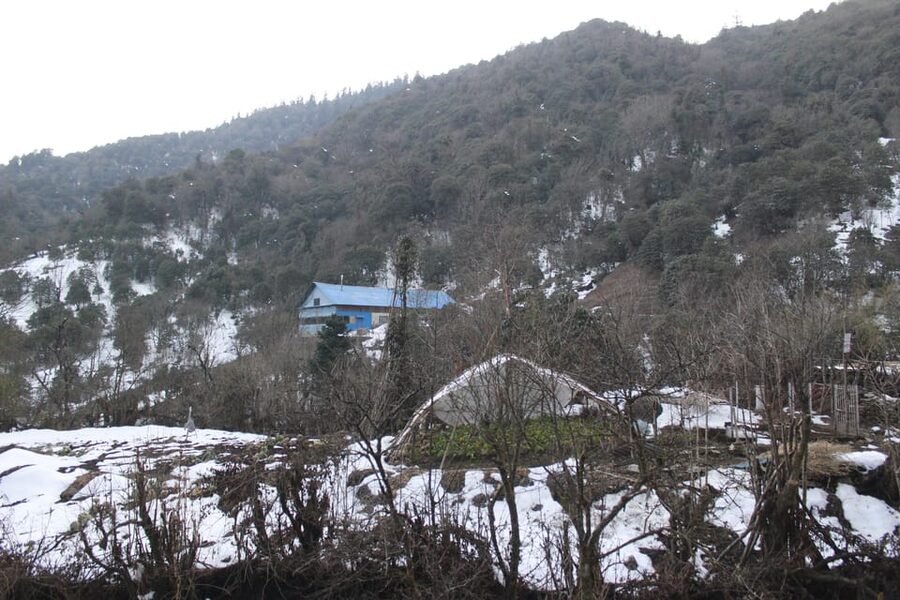
You are scheduled to reach Ulleri around 1:00 in the afternoon and then take a shared bus or jeep back to Pokhara. The stated return time is about 4:30 in the afternoon.
This arrangement gives you the convenience of finishing the trek without another overnight stop. It also means the final day is long: predawn climb, descent, vehicle transfer, and return to the city. If you want a relaxed evening in Pokhara, you may have one, but you will probably be ready for a shower and a quiet meal.
The hotel drop-off is included for hotels within the Lakeside area. Confirm your pickup location when booking if you are staying outside that zone.
What the $116 price really covers
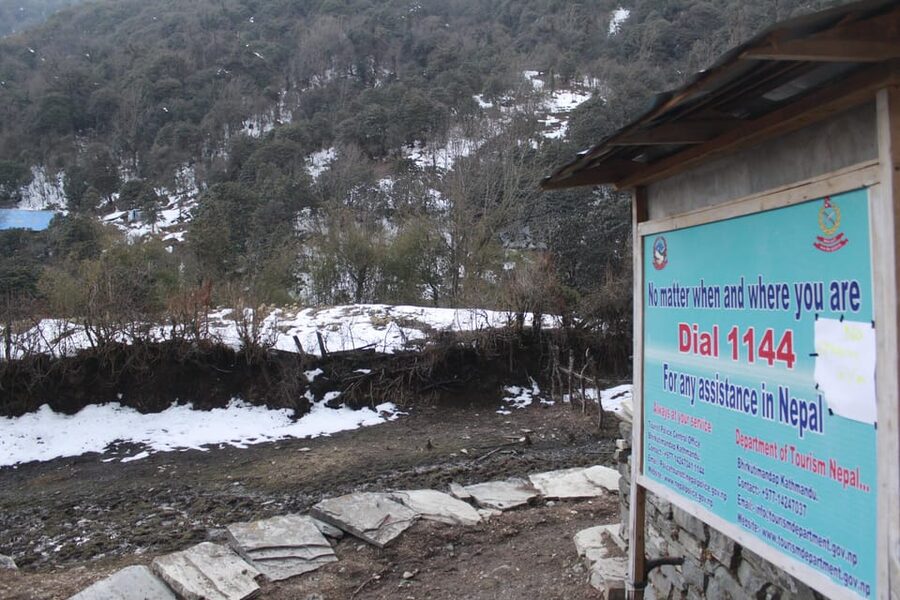
At $116 per person, the trip offers solid value if you want a guided introduction to the Annapurna region in only two days. The cost includes:
- Pickup and drop-off by car between your Lakeside hotel and the bus station
- Shared bus or jeep transport between Pokhara and Ulleri
- An English-speaking local trekking guide
- Guide food, accommodation, and other guide expenses
- Trekking permits and official documents
- One night at a tourist-standard guesthouse in Ghorepani
- An emergency first aid kit
- A trekking pole
- A private tour arrangement
Meals, drinks, and personal expenses are separate. That is important because food and drinks are available along the route, but you need money to buy them. Bring cash, since the preparation list specifically advises it.
The price is strongest for people who value convenience and local support. You do not have to arrange your own permit, find road transport, negotiate the connection back to Pokhara, or locate a guesthouse after the first walking day.
It is less attractive if you already have a guide, transport, permits, and mountain accommodation arranged. In that case, you are paying for simplicity and coordination rather than only for the walking route.
The guides can shape the whole trip
The strongest praise goes to the guiding. Biru was described as friendly, attentive, and passionate about the mountain environment. He helped with river crossings, ordered transport, arranged food and accommodation, and collected bags of rubbish left along the way.
That last detail says something useful. A guide who notices litter and picks it up is paying attention to the trail beyond the scheduled sightseeing stops. Biru also pointed out plants and monkeys, which can turn a walk through the forest into a closer look at the living environment around you.
Sham was praised for patience and for explaining the mountains. Since the guide assigned to you may differ, ask who will lead your group and what languages are available. The activity lists English, Nepali, and Hindi.
Good guiding matters on this trek because the route is short and the schedule is tight. A guide who can coordinate transport and meals keeps small delays from becoming major problems. A guide who understands your pace can also make the four-to-five-hour walk feel more manageable.
Who should book this trek?
I would recommend it to:
- First-time Himalayan hikers who want a guided introduction
- People with only two days available from Pokhara
- Visitors who want mountain views without a long high-altitude expedition
- Private groups who prefer their own guide
- Hikers comfortable with several hours of uphill and downhill walking
- People who accept simple mountain accommodation
You should think twice if you need hotel-level comfort, have difficulty with uneven walking, or want a leisurely schedule. The trip is not suitable for pregnant women or wheelchair users. It is also a poor match for anyone who dislikes predawn starts, basic guesthouses, or shared road transport.
Fitness matters, but you do not need to be an expert mountaineer. The route is presented as moderate and suitable for beginners, yet the schedule demands steady effort. Comfortable clothing, warm layers, good shoes, cash, and a passport or accepted copy are listed as essentials. A passport-sized photo is also requested for the paperwork.
Should you book the Ghorepani Poon Hill trek?
Book it if you want a compact, well-supported mountain experience from Pokhara and understand that the two days will be full. The sunrise at Poon Hill, the forest walk, and the village route give you a real taste of the Annapurna region rather than a quick viewpoint visit.
The strongest reason to choose this package is the practical support. Transport, permits, guide expenses, a guesthouse, a first aid kit, and a trekking pole are included. The positive experiences with Biru and Sham also suggest that careful local guiding is a major part of the value.
Skip it if you want comfortable lodging, flexible mornings, or a slower trek. For everyone else, $116 is a reasonable price for a private guided route with a memorable sunrise, as long as you budget separately for food and drinks and arrive prepared for a basic mountain night.
Cancellation is flexible: you can cancel up to 24 hours before departure for a full refund, and reserve now while paying later. That helps if mountain weather or your Pokhara schedule remains uncertain.
FAQ
How long is the Ghorepani Poon Hill trek?
The experience lasts two days and one night. Day one includes transport from Pokhara to Ulleri and a four-to-five-hour walk to Ghorepani. Day two includes the Poon Hill sunrise, a descent to Ulleri, and transport back to Pokhara.
How high is Poon Hill?
Poon Hill is 3,210 meters above sea level.
Is food included in the price?
No. Food and drinks are available for purchase but are not included. The guide’s food and accommodation are included.
What transport is used between Pokhara and Ulleri?
The package uses a shared bus or jeep between Pokhara and Ulleri. Hotel pickup and drop-off by car between your Lakeside hotel and the bus station are included.
Which languages can the guide speak?
Guides are available in English, Nepali, and Hindi.
When is the best time to take this trek?
Spring, from March to May, and autumn, from September to November, are listed as the best seasons for stable weather and clear mountain views. The trek can operate throughout the year, but mountain weather may change quickly.
More Two-Day Treks in Nepal
- Pokhara: 2-Day Ghorephani and Poon Hill Private Trek
★ 4.6 · 50 reviews - 2-Day Private Trekking Tour to Australian Camp & Dhampus
★ 5.0 · 42 reviews - Pokhara: 2-Day Ullerai, Ghorepani & Poon Hill – Sunrise Trek
★ 5.0 · 21 reviews - 1 N 2 Days easy Dhampus,Australian camp trek from Pokhara
★ 4.9 · 10 reviews
Recently added around Nepal
- Ghorepani Poon Hill Trek★ 5.0 · 16 reviews
- Private Manaslu Circuit Trek at Himalayas★ 5.0 · 3 reviews
- Amazing 1 Day Trekking Experience in Kathmandu Nepal★ 5.0 · 24 reviews
- Upper Mustang Trekking★ 5.0 · 2 reviews
- Ghorepani Poonhill Trek★ 5.0 · 5 reviews
- Upper Mustang Trekking★ 3.0 · 2 reviews
- Upper Mustang Trekking★ 5.0 · 4 reviews
- Upper Mustang Trek★ 5.0 · 5 reviews
Poon Hill Treks, compared.
4-Day Ghorepani, Poonhill & Ghandruk Mountain Trek
Read our review →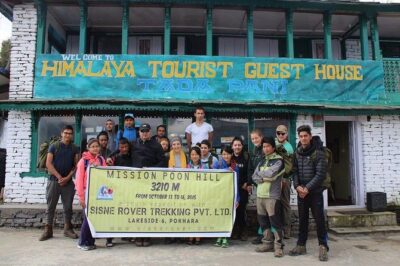
Browse the lists this tour appears in