
REVIEW · POKHARA
1 N 2 Days easy Dhampus,Australian camp trek from Pokhara
Clear mountain air comes quickly here. This two-day trek from Pokhara gives you Himalayan views without a long expedition, combining Australian Camp’s high viewpoint with Dhampus, a traditional Gurung village. I especially like the short walking time and the chance to see sunrise and sunset in the Annapurna region. The main drawback is weather: fog and cloud can hide the peaks completely, and the stone steps may feel harder than the easy label suggests.
At $86 per person, this private trip offers good value if you want transport, a guide, overnight accommodation, and a short taste of trekking in one package. I also like the guides’ calm approach, especially Amrit, Biru, Milan, and Armit, who adjusted the pace, helped with bags, and changed the overnight plan when weather made better judgment necessary.
Key points to know before you book
- Australian Camp sits at about 2,100 meters, giving you broad views toward the Annapurna and Dhaulagiri ranges when skies are clear.
- Dhampus is more than a viewpoint, with Gurung homes, terraced fields, narrow lanes, and a closer look at village life.
- The first climb can be tougher than expected, especially on stone steps, even though the walking time is only about two hours.
- Sunrise is the main event, but sunset can also be beautiful from Australian Camp or Dhampus.
- The guide makes a real difference, with flexible pacing and route decisions based on weather and your comfort.
- March to May and September to December are the best months, though mountain views are never guaranteed.
What this two-day trek really offers
This is a compact introduction to Nepal trekking. You leave Pokhara early, ride to Kande, walk up to Australian Camp, spend the night in a guesthouse, then descend toward Dhampus Phedi before driving back to your Pokhara hotel.
You are not signing up for a remote wilderness journey. Roads reach close to the trail, the walking is short, and accommodation is in a local lodge or guesthouse. That makes the trip suitable for first-time trekkers, people with only a weekend free, and anyone who wants mountain scenery without committing to Annapurna Base Camp or Poon Hill.
The advertised price is $86 per person. For a private tour, that includes hotel pickup and drop-off, private transport, an English-speaking trekking guide, one night in a guesthouse, an emergency first aid kit, and official documents. Food and drinks cost extra, but they are available to buy at the lodge. That arrangement keeps the price down and lets you choose what you eat.
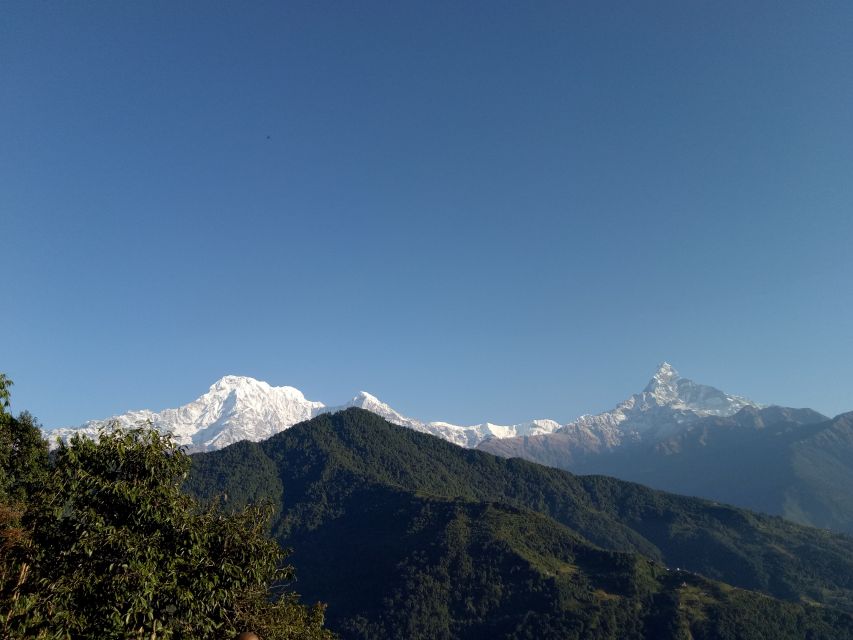
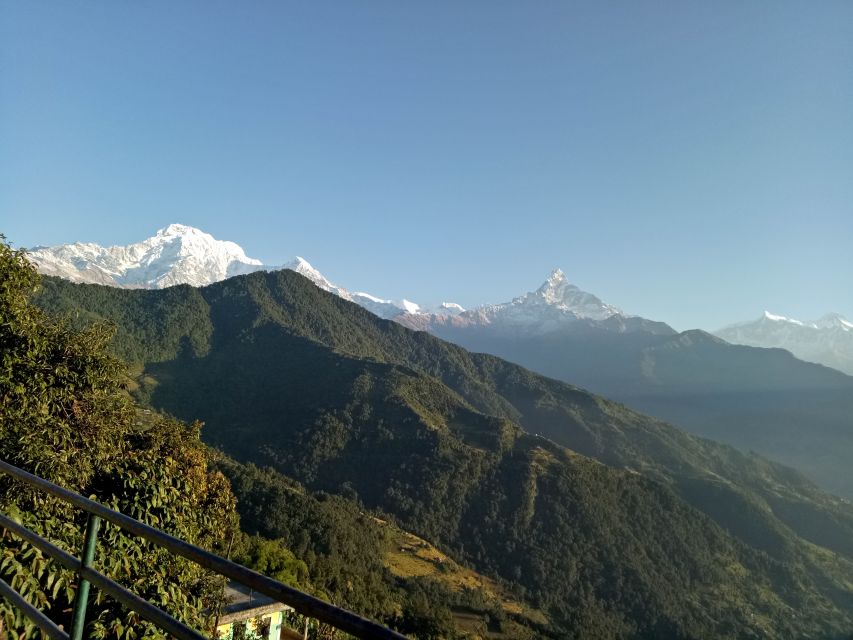
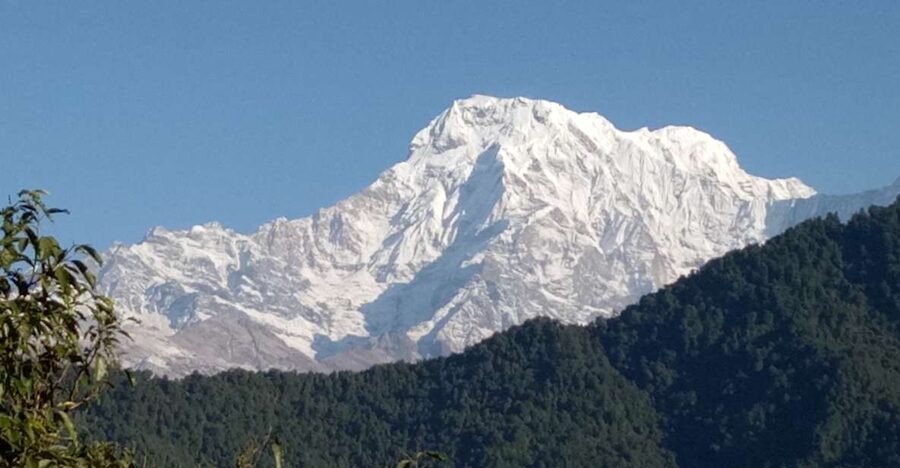
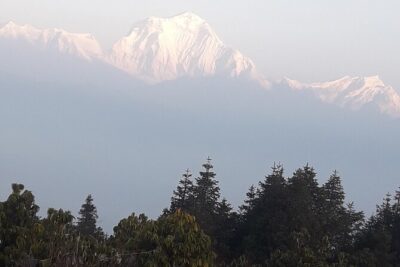
The setting is the Annapurna region of western Nepal. On clear days, the reward is a wide, almost 180-degree panorama. The mountain views can include Annapurna, Machhapuchhre, also called Fishtail, and parts of the Dhaulagiri range. Cloud can spoil the view, so you should book for the walking and village experience as well as the peaks.
More Two-Day Treks in Pokhara:
- Pokhara: 2-Day Ghorephani and Poon Hill Private Trek
★ 4.6 · 50 reviews - 2-Day Private Trekking Tour to Australian Camp & Dhampus
★ 5.0 · 42 reviews - From Pokhara: 2 Day 1 Night Ulleri,Ghorepani Poon Hill Trek
★ 4.9 · 33 reviews
Leaving Pokhara for Kande
Your guide picks you up early from your hotel in Pokhara. The private vehicle then takes you toward Kande, also referred to as Kande Naudanda in the tour details.
The early start matters because it gives you more time in the hills and improves your chance of reaching Australian Camp with time to settle in before sunset. It also avoids turning the day into a rushed transfer followed by a rushed hike.
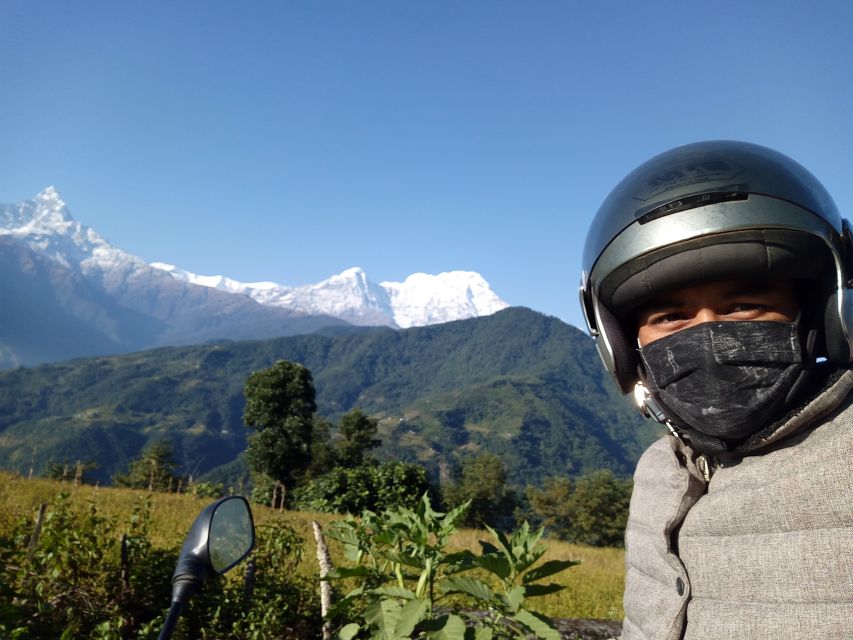
This is one place where a private trip helps. Your guide can match the pace to your group rather than setting a fixed speed for strangers. Amrit, Biru, Milan, and Armit were praised for giving clear trail advice, slowing the pace when needed, and paying attention to slippery sections. One guide carried a participant’s bag, while another helped a guest who felt unwell.
You should still arrive ready to walk. Comfortable shoes are required, and a passport or identity card should be carried. The route is short, but the first uphill section includes stone steps. If you have not been walking much, your legs may notice the climb.
The climb to Australian Camp
The hike from Kande to Australian Camp takes about two hours. That estimate is useful, but do not treat it as a flat stroll. The path rises through green hills and forest, with sections of stone steps and uneven ground.
One participant described the climb as harder than expected, particularly on the steps. That is an important correction to the word easy. You do not need technical trekking skills, but you do need basic balance, steady shoes, and enough fitness for an uphill walk.
Your guide should help you manage the effort. A good approach is to walk slowly from the start rather than race the first section and struggle later. Amrit and Biru were especially good at using a gentle pace and reminding people to take their time. You can also stop for rests and photos.
The route passes through a rural setting of forest, terraced farmland, and mountain villages. In spring, rhododendron flowers add color to the hills. The walking itself is part of the appeal. You get a proper taste of Nepal on foot, but without several days of baggage, long road transfers, or high-altitude strain.
Australian Camp at about 2,100 meters
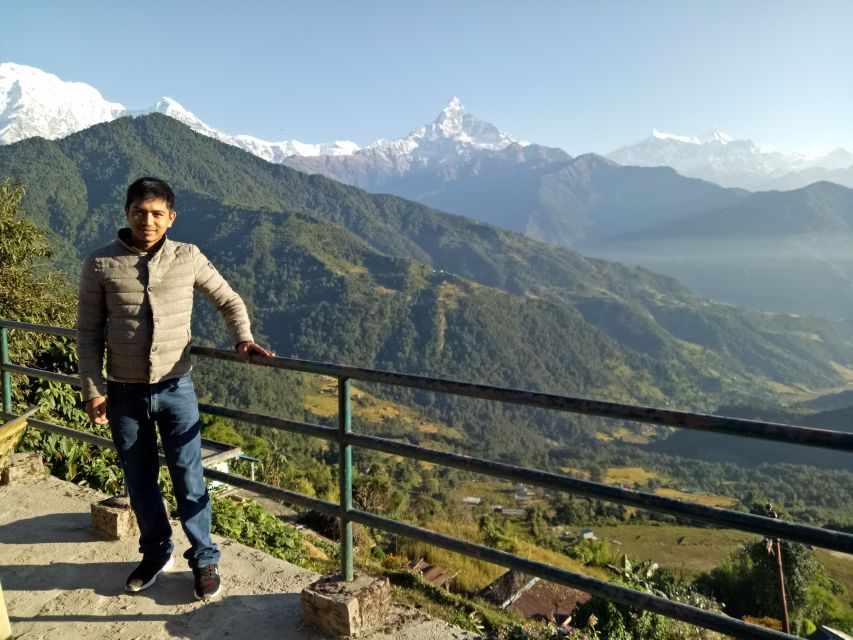
Australian Camp, also known as Thulo Kharka, is the highest overnight point on this short route. It sits at approximately 2,100 meters and is known for its open views toward the Annapurna and Dhaulagiri ranges.
The viewpoint is the central reason to choose this trek. On a sunny day, you may see a broad sweep of snowy peaks from a single ridge. Machhapuchhre is one of the most recognizable sights, with its distinctive double summit. The exact view depends entirely on cloud and light.
The camp is also a place to slow down. After arriving, you can settle into the guesthouse, rest, and wait for the changing evening light. Sunset is one of the stated highlights, and it can be just as rewarding as sunrise. The mountain faces may take on warmer colors as the day ends, though fog can arrive quickly.
Accommodation is in a guesthouse or lodge. The exact standard can vary, but the available feedback describes the lodging as comfortable and the food as decent. Meals are not included, so you should budget separately for dinner, breakfast, and drinks.
Do not expect luxury or a city hotel. The value comes from sleeping near the viewpoint and avoiding a same-day return to Pokhara. That overnight pause gives you more time for the place, rather than reducing Australian Camp to a quick photograph.
A few more treks around Pokhara worth a look
- Poon hill Trek 3 days
★ 5.0 · 176 reviews - Trekking in Annapurna/Langtang/Everest/Upper Mustang regions
★ 5.0 · 161 reviews - Pokhara: 4-Day Ghorepani, Poonhill & Ghandruk Mountain Trek
★ 5.0 · 132 reviews - Ghorepani – Poon Hill Trek 3N-4D
★ 5.0 · 125 reviews
The Dhampus option and a smart weather decision
The planned overnight stop is Australian Camp, followed by a descent toward Dhampus Phedi on day two. In practice, the guide may suggest staying in Dhampus instead if the weather or timing makes that the better choice.
This flexibility can improve the trip. One guide moved the overnight stay to Dhampus when the first day was cloudy, reducing the next day’s walking and allowing more relaxed time in the village. Later, the clouds cleared and the group saw Machhapuchhre and Annapurna at sunset from Dhampus.
Dhampus sits at about 1,700 meters and has a different character from Australian Camp. It is a traditional Gurung village, with stone houses, narrow lanes, terraced fields, and daily village life. Australian Camp is stronger for the open viewpoint. Dhampus is stronger for culture and a slower evening.
You might notice utility wires in some parts of the village, which can interrupt photographs. That is not a reason to skip Dhampus. A guide who knows the area can help you find clearer angles, and walking through the lanes gives you something a mountain viewpoint cannot: a sense of how people live in this part of Nepal.
The village also creates more room for unplanned moments. A stay there has included informal time with local people, music, and dancing, rather than a formal performance arranged for tourists. You should not expect this to happen every night, but it shows why a flexible guide and a village overnight can add value.
Sunrise on the second morning
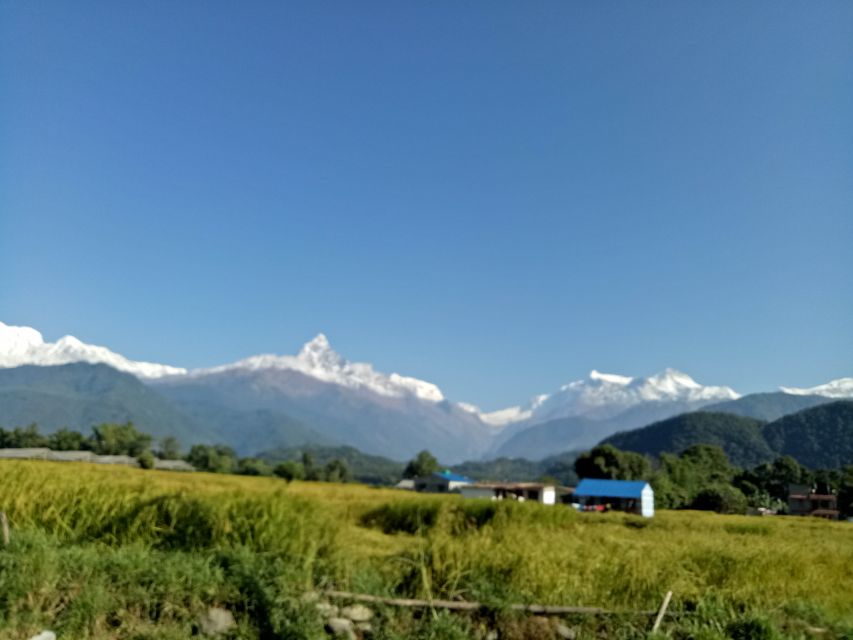
The second day begins early so you can see sunrise and the morning view of the Annapurna range. This is the moment to protect in your schedule. The mountains can appear briefly between clouds, and the light changes quickly.
At Australian Camp, the viewpoint gives you a clear reason to step outside before breakfast. If you stayed in Dhampus, you may see sunrise from the village or a nearby viewing point. Either way, bring a warm layer because early morning temperatures can feel cool even when Pokhara is mild.
The guide’s role here is less about explaining every minute and more about giving you time. The best guides on this route have been praised for not rushing people, allowing quiet moments, and noticing when someone wants conversation or solitude. That matters at sunrise. You should not feel pushed away from the view just to keep the schedule moving.
After sunrise, you return to the lodge for breakfast. Food is not included in the $86 price, so confirm your choices and costs at the guesthouse. Breakfast is followed by the hike down toward Dhampus Phedi.
Descending to Dhampus Phedi and returning to Pokhara
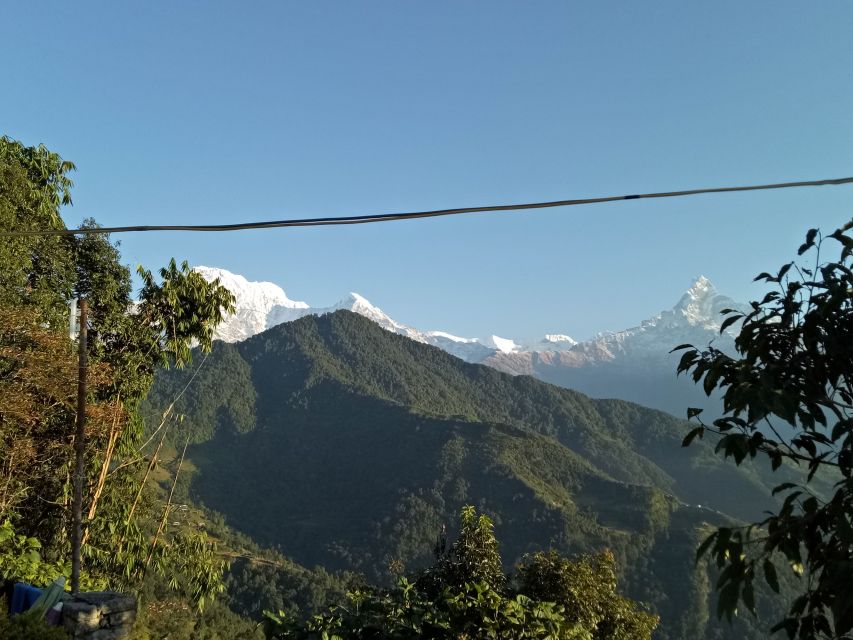
The second day’s walk is downhill from Australian Camp toward Dhampus Phedi. Downhill is not automatically easier. Stone steps can be hard on knees, and wet or slippery sections require care.
This is another reason to listen to the guide’s instructions. Armit was praised for pointing out slippery areas, while other guides helped guests manage pace and balance. Use the time to look back at the hills and villages rather than treating the descent as a race.
At Dhampus Phedi, private transport takes you back to your hotel in Pokhara. The drive is included, which makes the trip simple for a short holiday. You do not need to arrange separate taxis between the trailhead and the city.
The return timing is not given as a fixed hour, so you should avoid booking an important same-day flight or tight appointment unless the operator confirms the schedule. Mountain roads and walking pace can affect the finish time.
How difficult is it really?
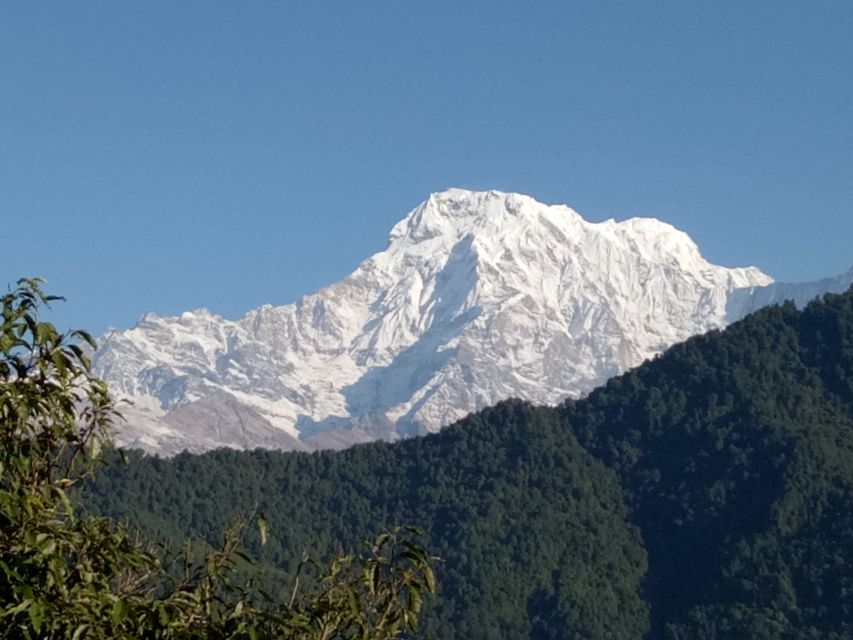
The experience is suitable for many beginners, but easy should mean manageable, not effortless. The trail takes about two hours to reach Australian Camp, yet the uphill stone steps can be demanding if you are out of shape.
You should be comfortable walking uphill and downhill on uneven ground. Pregnant women and wheelchair users are listed as unsuitable for this activity. Pets are not allowed.
A private guide is a strong advantage for anyone who is nervous about the walking. You can ask for slower pacing, rest when needed, and explain if you feel unwell. The guides have shown patience with first-time trekkers and people carrying concerns about fitness.
Comfortable shoes are the one item specifically required. I would also choose clothes that can handle changing weather, although the formal requirements only mention shoes and passport or identity card.
The guides are a major part of the value
The scenery gets the booking, but the guide can determine how relaxed the trip feels. Amrit received praise for clear English, local information, and adapting the plan when conditions changed. Biru was appreciated for patience, cultural explanations, safety awareness, and knowing when to give people quiet time.
Milan encouraged a guest through the uphill steps, while Armit offered careful support on slippery ground. These details matter more than a polished speech. On a short trek, you have limited time, so a guide who reads your pace and comfort can make the two days feel generous rather than hurried.
Languages available are English, Hindi, and Nepali. English communication was described as clear and easy to follow, including for people with everyday English rather than advanced fluency.
The trip is private, not a large shared departure. That means you have more control over walking speed, rest stops, photography, and possible changes between Australian Camp and Dhampus.
Best seasons, clouds, and realistic expectations
March to May and September to December are identified as the best seasons. These periods offer the strongest chance of clear mountain views, but no date guarantees a panorama.
Fog has hidden the Annapurna range during this trek, including on mornings when sunrise was the main goal. That can be disappointing, especially if the mountains are your only reason for booking. Still, the trail, village scenery, and quiet overnight setting remain available in poor weather.
I would choose this trip if you want a short Himalayan introduction and can accept that the peaks may disappear. If seeing a specific mountain is non-negotiable, you should build extra days into your Nepal itinerary rather than rely on one sunrise.
Is $86 a good price?
For a private two-day trip, $86 per person is reasonable. You receive hotel pickup and drop-off, private round-trip transport, a professional English-speaking guide, one night in a guesthouse, first aid support, and official documents.
Food and drinks are extra, but that is common for a low-cost trekking package and lets you control your spending. The main value is the private structure. You are paying for the transport and guide as much as the trail itself.
The price makes most sense for two or more people sharing a private arrangement, or for a solo visitor who values personal support. If you only want a short viewpoint walk and do not need an overnight stay, this may feel like more than necessary. If you want sunrise, sunset, village life, and a guide who can change the plan, the overnight adds real value.
Should you book the Dhampus and Australian Camp trek?
Book it if you want a compact, private introduction to Nepal trekking from Pokhara. You get mountain viewpoints, a Gurung village, two sunrise and sunset opportunities, and a manageable route without a long expedition.
Go in with realistic expectations. The climb has steep stone steps, food is not included, and cloud may erase the Annapurna view. Ask for a steady pace, carry comfortable shoes, and give the guide permission to adjust the overnight plan if weather changes.
I would especially recommend it for first-time trekkers, couples, solo visitors who want support, and people with only two days available. I would be more cautious if you need wheelchair access, are pregnant, or want guaranteed clear skies. For everyone else, the $86 price buys a useful slice of the Himalayas, with enough time to enjoy the village and not just snap a photo before turning around.
FAQ
How long is the Dhampus and Australian Camp trek?
The experience lasts two days and includes one overnight stay in a guesthouse or lodge.
Where does the trek begin?
The guide picks you up from your hotel in Pokhara, and private transport takes you to Kande Naudanda before the walk begins.
How long does it take to walk to Australian Camp?
The walk from Kande to Australian Camp takes about two hours.
How high is Australian Camp?
Australian Camp is at approximately 2,100 meters.
How high is Dhampus?
Dhampus is at approximately 1,700 meters.
Is food included in the price?
No. Food and drinks are not included, but they are available to purchase at the lodge.
What does the $86 price include?
The price includes hotel pickup and drop-off, private round-trip transport, a professional English-speaking guide, guesthouse accommodation, an emergency first aid kit, official documents, and a private trip.
What languages can the guide speak?
Guides are available in English, Hindi, and Nepali.
What should I bring?
Bring a passport or identity card and comfortable shoes. March to May and September to December are considered the best seasons for this trek.
Recently added around Pokhara
- Pokhara: Majestic Mardi Base Camp Guided Trek with HotSpring★ 5.0 · 6 reviews
- Pokhara: 9-Day Annapurna Base Camp Trek with Poon Hill★ 5.0 · 6 reviews
- Pokhara: 5-Day Trek to Annapurna Base Camp and Hot Springs★ 5.0 · 4 reviews
- Pokhara: 5-Day Ghorepani and Poon Hill Private Trek★ 5.0 · 4 reviews
- Pokhara: 7-Day Annapurna Base Camp Trek & Hot Spring★ 4.0 · 3 reviews
- Pokhara:4-Day Ghorepani Poon Hill Guided Trek via Ghandruk★ 5.0 · 3 reviews
- Pokhara: 4-Day Poon Hill and Ghandruk Guided Trek★ 5.0 · 14 reviews
- Pokhara: 4-Day Ghorepani, Poonhill & Ghandruk Village Trek★ 5.0 · 6 reviews
Pokhara Trekking Tours, compared.
Trekking in Annapurna/Langtang/Everest/Upper Mustang regions
Read our review →
4-Day Ghorepani, Poonhill & Ghandruk Mountain Trek
Read our review →
Kathmandu/Pokhara: 5-Day Annapurna Base Camp (ABC) Trek
Read our review →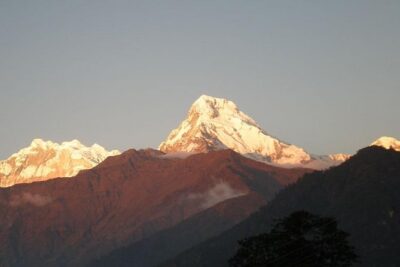
Browse the lists this tour appears in