
REVIEW · POKHARA
Annapurna Base Camp Trek (8 days)
The mountains do not need much salesmanship. This eight-day Annapurna Base Camp trek gives you forest trails, mountain villages, tea-house nights, and a close look at Machapuchare, the famous Fishtail peak. I especially like that the price includes permits, lodging, and meals, and that the trek is private rather than part of a large group.
I also like the local focus. Guide Madu, based in Pokhara, has more than 10 years of trekking experience and shares information about Gurung food, daily life, and mountain culture. The main concern is the loose eight-day schedule: one hiker booked eight days but finished in five, so you should confirm the planned walking days before paying.
This is a proper mountain trek, not a gentle sightseeing outing. You need moderate fitness, your own trekking gear, and a willingness to sleep in simple tea houses. In return, you get a classic route into the Annapurna Sanctuary, with the chance to watch the sunrise over the high peaks at Annapurna Base Camp.
Key Points Before You Book
- Private trekking group: Only your own party takes part, allowing the route and pace to be adjusted.
- Pokhara-based local guide: Madu has more than 10 years of guiding and trekking experience.
- Tea-house accommodation: Lodging during the trek is included, giving you a direct look at mountain life.
- Food and permits included: Meals, TIMS, and Annapurna Conservation Area Project permits are covered.
- Machapuchare is a major highlight: The route leads toward views of Fishtail and other Annapurna peaks.
- Bring your own equipment: Trekking gear and porter services cost extra, and personal expenses are not covered.
What the Eight-Day Route Really Offers
The route follows the Annapurna Base Camp trail through the Annapurna Sanctuary, an area known for forest paths, mountain scenery, and access to some of Nepal’s best-known peaks. The supplied plan names two main destinations: Annapurna Base Camp and Machapuchare.
That gives you a broad outline, but not a detailed day-by-day schedule. You should ask for the exact walking plan before you set off. The experience can be customized, and shorter or longer versions are possible. Add-ons such as Poon Hill, the Annapurna Circuit, or Mardi Himal may also be discussed.
This flexibility is useful if you have extra time or want a shorter trek. It also means the advertised eight days should not be treated as a fixed promise. One December trek finished in five days, with no price adjustment for the shorter duration. Ask how many walking days, rest periods, and transport days are planned for your group.
More Annapurna Treks in Pokhara
- Trekking in Annapurna/Langtang/Everest/Upper Mustang regions
★ 5.0 · 161 reviews - Kathmandu/Pokhara: 5-Day Annapurna Base Camp (ABC) Trek
★ 4.9 · 72 reviews - Annapurna Panorama trek
★ 5.0 · 71 reviews
Leaving Pokhara for the Annapurna Trails
The tour is based in Pokhara, Nepal, and pickup is offered. Private transportation is included, which removes one of the common headaches of a mountain holiday: arranging the transport at the start and end of the trail.
The exact transport details are not provided, so confirm the pickup point and departure time. That matters if you are staying outside central Pokhara or connecting from Kathmandu. The operator also takes care of the TIMS permit and Annapurna Conservation Area Project permit, so you do not need to arrange those separately.
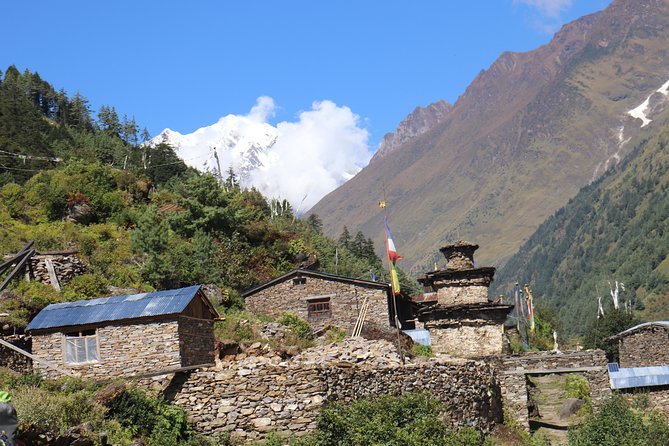
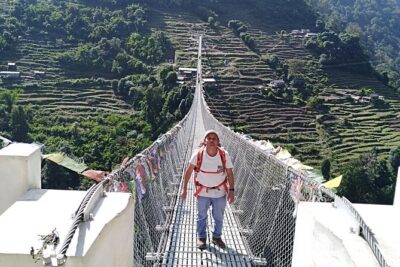
Once walking begins, the route moves through forests and mountain trails toward the sanctuary. The scenery changes as you gain height, but the appeal is not only the peaks. You pass through areas connected with Gurung communities, and the guide can explain local food, customs, and everyday life.
That cultural side adds real value. A trek can become a long series of uphill hours if you only focus on the next bend. Learning about the people who live in these valleys gives the route a stronger sense of place.
Forest Paths, Mountain Villages, and Tea Houses
The trek uses tea houses for overnight stays. These are simple mountain lodgings, not polished hotels, but they are part of what makes the route feel connected to local life. Your lodging and meals are included, which makes budgeting easier and lets you focus on walking.
The quality and style of tea-house rooms can vary, and the tour details do not promise private rooms or specific facilities. Pack with that simplicity in mind. You need your own trekking gear, and the operator does not include porter service.
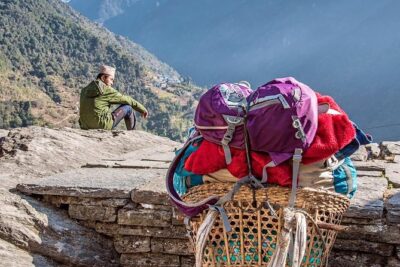
That last point deserves attention. Carrying your own equipment may be fine if you pack lightly and are used to hiking. If you prefer to walk with less weight, ask the operator to arrange a porter before arrival. Porter services are extra, but they can change the feel of a long mountain day.
Meals during the trek are included. The details do not list a fixed menu, but the guide says you will have opportunities to eat local food. If you have dietary needs, explain them before the trek so the arrangements are clear.
Machapuchare and the Annapurna Sanctuary
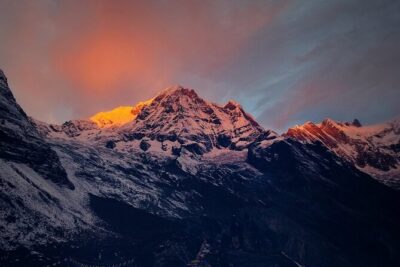
Machapuchare, also called Fishtail, is one of the defining sights on this trek. Its distinctive double summit is closely linked with the Annapurna region, and the route offers views of it along with Annapurna South and other peaks in the range.
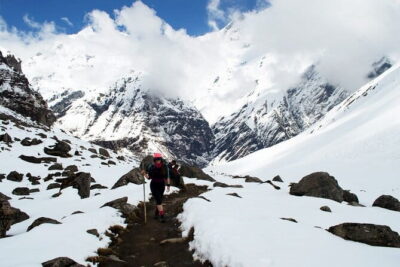
The mountain scenery is the main reason to choose this route, but weather controls how much you see. One December experience had cold conditions but sunny weather. Another trek had fog that blocked some views, although conditions improved at times. You should expect mountain weather to change and avoid treating clear views as guaranteed.
The operator requires suitable weather for the experience to go ahead. If poor conditions cause cancellation, you can choose another date or receive a full refund. That policy is sensible for a high-altitude route, where safety must come before a fixed departure.
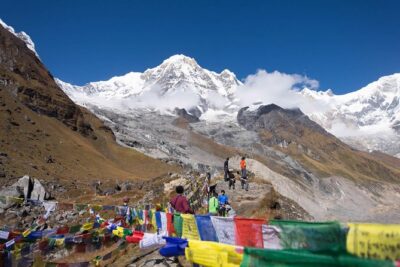
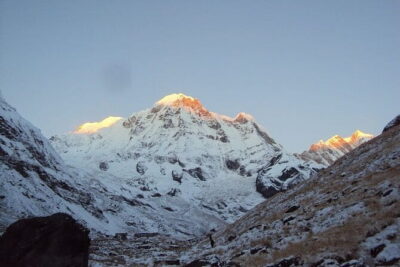
At Annapurna Base Camp, the reward is the setting itself: high mountains surrounding the sanctuary and a sunrise that can light the peaks. The tour specifically highlights sunrise at ABC, so ask your guide how the final approach and morning schedule are organized.
Same trailhead, a longer or shorter day out:
- Poon hill Trek 3 days
★ 5.0 · 176 reviews - Pokhara: 4-Day Ghorepani, Poonhill & Ghandruk Mountain Trek
★ 5.0 · 132 reviews - Ghorepani – Poon Hill Trek 3N-4D
★ 5.0 · 125 reviews - From Pokhara: 3-Day Ghorepani Poon Hill Trek with Guide
★ 4.9 · 68 reviews
The Guide Can Shape the Whole Experience
The strongest praise for this experience centers on the guiding. Madu is described as friendly, attentive, and careful about comfort and pace. The guide’s role is not only to lead the way, but also to handle logistics, help with tea-house arrangements, and make the trek less stressful.
A relaxed pace matters in the mountains. One account praises the guide for not rushing the group, while other experiences with the same operator describe help with transport, lodging, and meals. That kind of support is especially useful if this is your first Himalayan trek.
The listing names Madu, but individual experiences have also been led by Shreedhar or Shree. Confirm your guide’s name before departure. This is not a criticism, but a practical point. You want to know who will meet you, how much guiding experience that person has, and whether the guide speaks the language you need.
The private format is another advantage. You are not tied to the walking pace of a large mixed group. If your party walks quickly, slowly, or wants to pause for photographs, there is more room to adjust the day.
Still, private does not mean effortless. You must be comfortable with mountain walking, basic lodging, and changing plans. The operator says you should have a moderate fitness level, which is a useful minimum rather than a guarantee that the route will feel easy.
Is $650 a Fair Price?
At $650 per person, the trek includes several costly and important basics: private transportation, TIMS and conservation permits, tea-house lodging, and all meals during the trek. Those inclusions make the price easier to assess than a bare tour fee.
You still pay for all fees and taxes, personal expenses, trekking gear, and porter services. The phrase all fees and taxes is broad, so ask for a final price breakdown. Also confirm whether anything connected with pickup, extra transport, or equipment rental is charged separately.
The value is strongest if you want a private arrangement and prefer having the main logistics handled for you. Permits, accommodation, food, and transport can take time to arrange independently, especially if your plans change.
The value is less clear if you expect a fixed eight-day program with a guaranteed number of nights. Since one group completed the trek in five days without compensation, get the duration in writing. Ask what happens if the trail is completed early and whether unused lodging or meal costs are refunded.
Who Should Choose This Trek?
I would point this trek toward hikers who want a classic Annapurna route without joining a large group. It suits you if you enjoy forests, high mountain views, local food, and simple lodging, and if you want a guide to handle permits and much of the daily organization.
It also suits people who want some flexibility. The route can be adjusted, and extra destinations such as Poon Hill, the Annapurna Circuit, or Mardi Himal may be added. Discuss those options before booking rather than assuming they are included in the $650 price.
You should think twice if you dislike basic accommodation, want a carefully timed luxury program, or do not want to carry your own gear. You should also be cautious if your schedule cannot absorb changes caused by weather or an itinerary that finishes earlier than expected.
The trek is private, but that does not remove the physical demands. Train for sustained mountain walking, bring suitable equipment, and ask for advice if you are unsure what to pack. The operator can help find porter services, but those services are not part of the advertised price.
Practical Details That Matter
Booking confirmation is provided at the time of booking. You can cancel for a full refund up to 24 hours before the experience starts. Changes or cancellations made less than 24 hours before the start time are not accepted for a refund, and the cut-off follows local time.
Service animals are allowed. The activity is private, so only your group participates. The operator also says the trek is fully customizable, but you should confirm all changes, added destinations, and extra costs before departure.
The best booking question is simple: what exactly does the eight-day plan include? Ask for the walking days, overnight stops, transport arrangements, guide’s name, porter cost, and likely completion schedule. That short conversation can prevent the only major surprise attached to this trip.
Should You Book the Annapurna Base Camp Trek?
Book it if you want a private, locally guided route into one of Nepal’s best-known mountain areas and value having meals, tea-house lodging, permits, and transport bundled together. The guide support, cultural context, and views of Machapuchare are the strongest reasons to choose it.
I would not book without clarifying the schedule. The advertised eight days may be flexible, and an earlier finish does not automatically mean a partial refund. If you are happy with a simple tea-house trek, moderate physical demands, and weather-related uncertainty, this looks like a strong-value way to reach Annapurna Base Camp from Pokhara.
FAQ
How long is the Annapurna Base Camp trek?
The advertised duration is approximately eight days. The route can be customized, and one experience finished in five days, so confirm the exact schedule before booking.
What is included in the $650 price?
The price includes private transportation, TIMS and Annapurna Conservation Area Project permits, tea-house lodging, and all meals during the trek.
Are trekking gear and porter services included?
No. You need to bring your own trekking gear. Porter services are not included, but the operator can help you find them.
Is this a private tour?
Yes. Only your own group participates in the activity.
What fitness level is required?
The operator recommends a moderate physical fitness level. This is a mountain trek through forests and mountain trails, so you should be prepared for sustained walking.
Can the itinerary be changed?
Yes. The trek is described as fully customizable. Shorter or longer versions and additions such as Poon Hill, the Annapurna Circuit, or Mardi Himal may be discussed with the operator.
What happens if poor weather cancels the trek?
If the experience is canceled because of poor weather, you can choose a different date or receive a full refund.
Recently added around Pokhara
- Pokhara: Majestic Mardi Base Camp Guided Trek with HotSpring★ 5.0 · 6 reviews
- Pokhara: 9-Day Annapurna Base Camp Trek with Poon Hill★ 5.0 · 6 reviews
- Pokhara: 5-Day Trek to Annapurna Base Camp and Hot Springs★ 5.0 · 4 reviews
- Pokhara: 5-Day Ghorepani and Poon Hill Private Trek★ 5.0 · 4 reviews
- Pokhara: 7-Day Annapurna Base Camp Trek & Hot Spring★ 4.0 · 3 reviews
- Pokhara:4-Day Ghorepani Poon Hill Guided Trek via Ghandruk★ 5.0 · 3 reviews
- Pokhara: 4-Day Poon Hill and Ghandruk Guided Trek★ 5.0 · 14 reviews
- Pokhara: 4-Day Ghorepani, Poonhill & Ghandruk Village Trek★ 5.0 · 6 reviews
Annapurna Base Camp Treks, compared.
Trekking in Annapurna/Langtang/Everest/Upper Mustang regions
Read our review →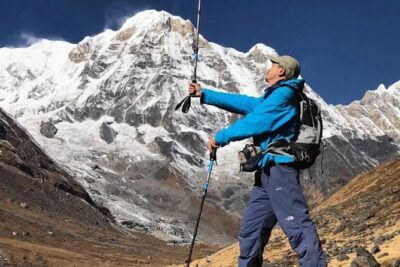
Kathmandu to Annapurna Base Camp (ABC) 5-Day Trek
Read our review →Browse the lists this tour appears in