
REVIEW · SAPA
Sapa: 2-Day Local Guided Valley Trek with Night Homestay
Sapa gets better on foot. This two-day trek with Zo, a Black H’mong guide, trades busy town streets for mountain paths, terraced fields, village homes, and a night in Giang Ta Chai Mong. I like the personal cultural insight and the way the route moves through several ethnic communities. I also like the price: $43 includes guiding, village meals, a homestay night, and transport back to Sapa.
The catch is the effort. You cover about 19 kilometers over two days, with steep, uneven sections and a 2-kilometer climb at the start. The homestay is simple, not a polished hotel, and group pacing can vary. Bring proper shoes, accept some mud and fatigue, and this becomes a strong-value way to see rural Sapa.
Key points to know before you book
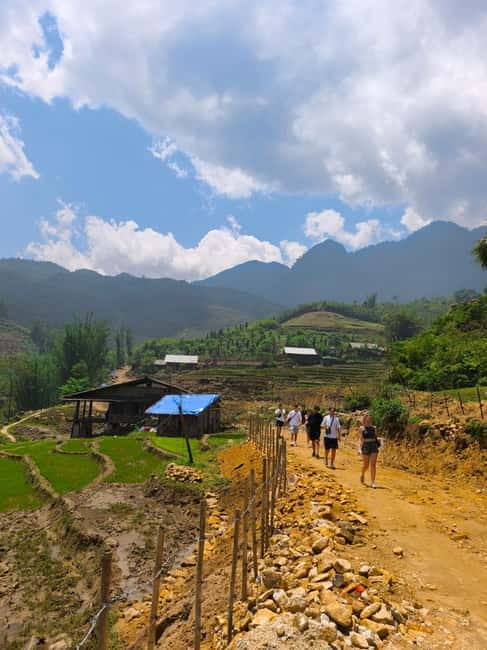
- A 2,000-meter start on Ham Rong Mountain: The first climb brings wide views toward Fansipan and Muong Hoa Valley, but it also sets the physical tone.
- Three ethnic communities in two days: You pass through Black H’mong, Red Dao, and other local village areas while seeing farming and daily life.
- An overnight stay in Giang Ta Chai Mong: Expect a cozy, basic home setting, traditional food, and time to talk with local hosts.
- A guide who adjusts the pace: Zo explains H’mong culture, points out forest plants, and can adapt the walk to the group’s ability.
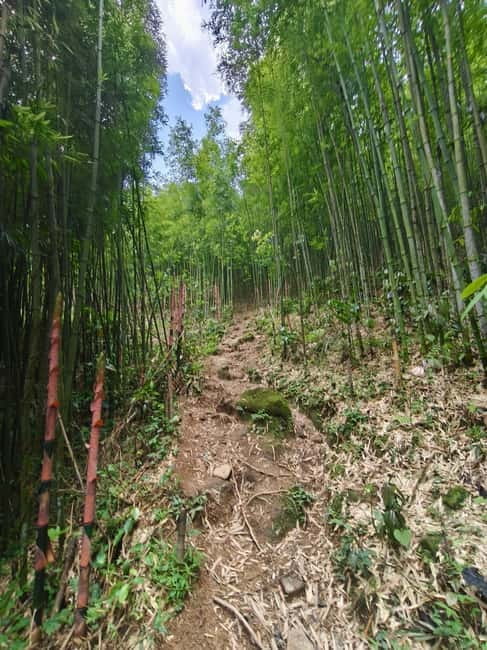
- A bamboo forest and terraced fields: Day two includes Giang Ta Chai Dao, a bamboo forest, Ta Van, and Lao Chai.
- Useful transport at the end: A car or motorbike takes you from Lao Chai back to Sapa, saving you a tiring final walk.
Why this Sapa trek feels different
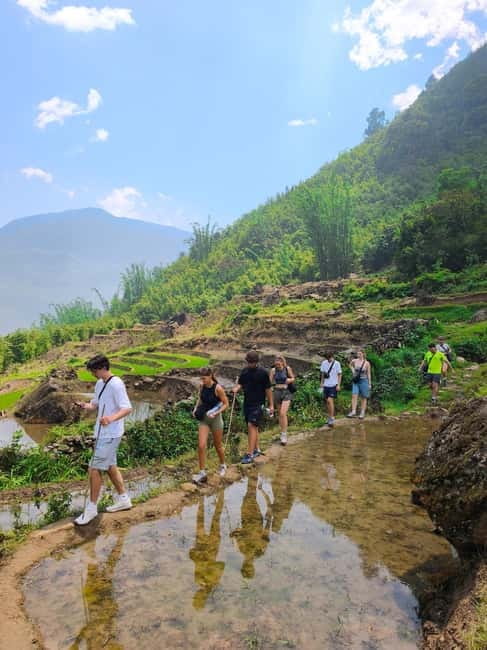
Sapa is famous for its rice terraces, but the town itself can feel busy and commercial. This walk gets you away from traffic and into the countryside, where the main sounds are footsteps, animals, and village life.
The route is led by Zo, a Black H’mong woman who speaks English. That matters here. You are not simply passing through a pretty valley with a camera. You have someone who can explain local customs, farming, plants, and the lives of the people you meet.
Zo’s role seems to be one of the strongest parts of the trip. She has been praised for changing the pace and route to suit the group, while still guiding people along less-used paths. She also shares stories and helps you notice small details, such as plants in the forest or the work taking place in the rice fields.
This is not a private luxury hike. It is a group tour, so your walking companions may have different levels of fitness. Still, the route offers enough variety to keep the two days interesting: mountain views, village paths, farmland, bamboo, a lake, food, and an overnight stay.
More Homestay Treks in Sapa
- Number one top rated ethical cultural trekking and homestay by ETHOS
★ 5.0 · 456 reviews - Sa Pa: 2-Day Trekking Trip with Ethnic Minority Homestay
★ 4.7 · 145 reviews - Sapa : 2-Day Trek & Heartwarming Homestay with an Ethnic Family
★ 5.0 · 143 reviews
Day one: the climb from Sapa to Ham Rong Mountain
The tour begins at 9:00 in Sapa, either with pickup at your hotel or at Sapa Stone Church. After a short introduction, you start with a 2-kilometer uphill trail toward Ham Rong Mountain.
The climb reaches about 2,000 meters. This is the hardest early test, especially if you are not used to hills. Take it steadily. You do not need to race, and the route is better enjoyed when you pause to look around and catch your breath.
From the mountain, you get views toward Fansipan, Vietnam’s highest peak at 3,143 meters. On a clear day, the mountain panorama is the kind of scene that explains why people come to northern Vietnam. You can also look across Muong Hoa Valley, known for its broad rice terraces and steep green slopes.
The views are a major reward, but weather can change the experience. Clouds may soften or block distant peaks. That is part of mountain travel, not a fault in the tour, so keep your expectations flexible.
After Ham Rong, the route turns downhill toward Hang Da Village. This is a useful change of pace after the climb, though downhill paths can still be hard on knees and ankles. The trail passes homes and farmland, with buffaloes, horses, pigs, and other animals sometimes moving freely nearby.
That animal life is one reason this walk feels more grounded than a viewpoint stop. You are seeing a working rural area, not a set built for sightseeing. Stay alert around uneven ground and animals, and keep your camera protected if rain appears.
Hang Da and Hau Thao, where daily life comes into view
Around 12:30, you stop for a local lunch at a small restaurant near a family in Hang Da. The setting is modest, which fits the rest of the trip. Do not expect a long restaurant meal or a wide menu. The point is to eat, rest, and continue into the valley.
After lunch, the trek continues along a smaller trail toward Hau Thao Village. This is another Black H’mong community, and the route gives you a chance to see farming work up close. Depending on the season, you might see people planting or harvesting rice.
That seasonal detail matters. Sapa does not look the same all year. Rice terraces may be newly planted, bright green, golden near harvest, or less dramatic after the fields have been cleared. The mountain scenery remains, but the farming activity changes.
The walk through Hau Thao is also where a good guide adds value. Zo can explain what you are seeing rather than leaving you to guess at the purpose of a field, house, or path. You may find the cultural side more memorable than another scenic photo.
By late afternoon, the trail leads to Giang Ta Chai Mong. Arrival is planned for about 17:00, after roughly 13 to 15 kilometers of walking on the first day. That is a full day, so do not treat the distance as casual sightseeing.
The Giang Ta Chai Mong homestay at night
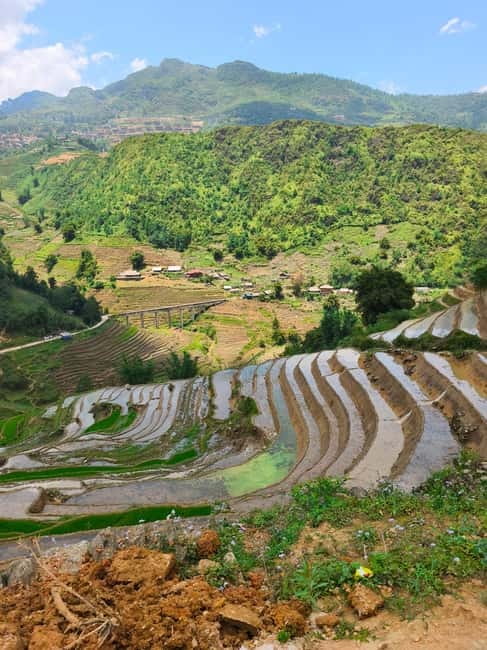
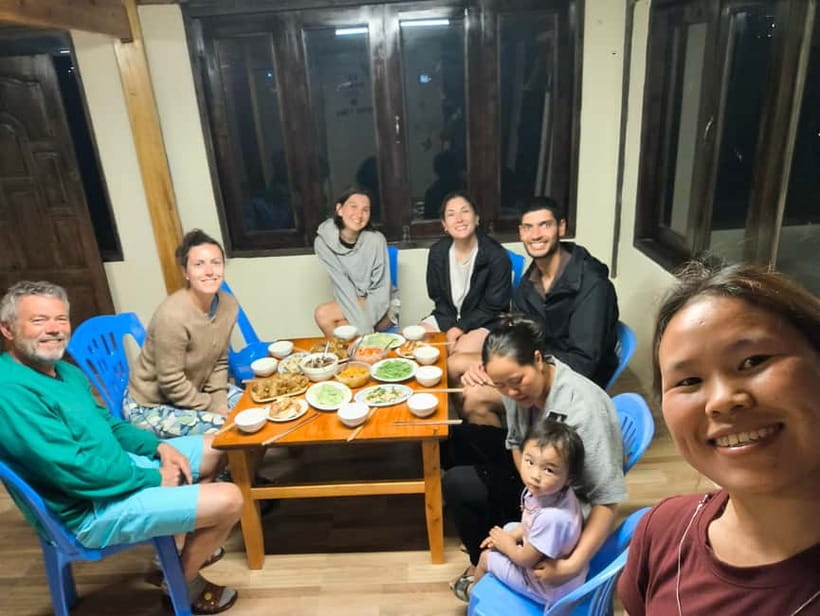
The homestay is in a Black H’mong home, where your hosts welcome you for the night. This is a simple, authentic stay with basic facilities. It is cozy rather than fancy, and you should pack with that in mind.
The experience has a clear rhythm. At 19:00, you have dinner, then spend the evening talking with the hosts, learning about local life, or resting after the walk. There may be a fire and a quiet village setting, but the supplied details do not promise a particular room arrangement or bathroom setup.
Some visitors have had private rooms and praised the food cooked by Zo and her husband. That sounds appealing, but room arrangements can depend on the homestay and the group. Ask ahead if privacy matters to you.
The best part of the night is the pause. You get time away from your phone, traffic, and deadlines. A hot drink, a simple meal, and a bed after a long walk can feel more satisfying than a polished resort.
The tradeoff is comfort. Basic facilities mean you should bring a change of clothes, a light jacket or raincoat, mosquito repellent, and a waterproof bag. Keep valuables and electronics protected. A waterproof camera is suggested, and that is sensible in Sapa’s changeable mountain weather.
More Homestay Treks in Vietnam
- Sapa Valley Trek and Homestay – 3D2N
★ 5.0 · 105 reviews - From Sapa: 2 Days 1 Night Trek Over Night At Homestay
★ 5.0 · 68 reviews - 2 days authentic trekking tour in Sapa ( Homestay – Less touristy )
★ 5.0 · 68 reviews - 3-Day Trek in Amazing Muong Hoa Valley & ethnic Homestay
★ 5.0 · 49 reviews
Day two: Red Dao villages, bamboo, and the Muong Hoa Valley
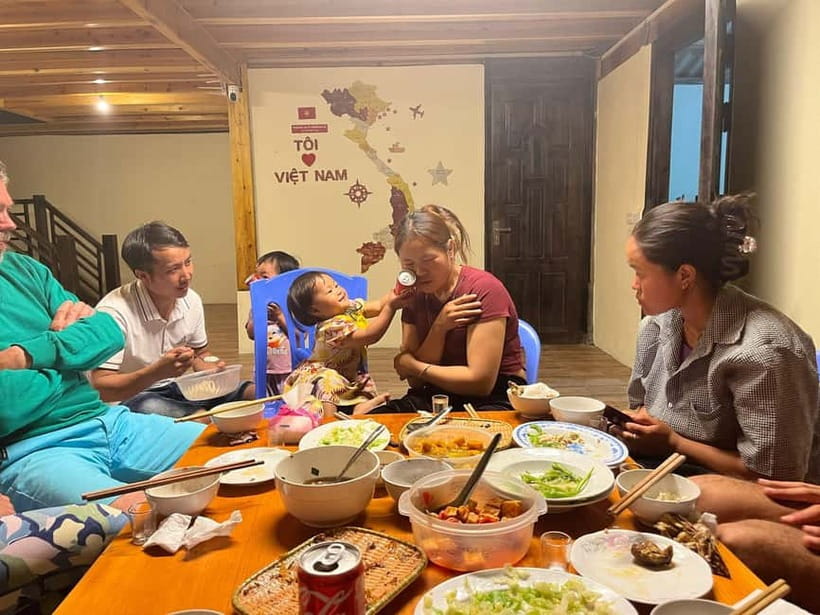
The second morning begins at 8:00. You can look out over the valley as clouds drift through the hills and the sun comes up over the mountains. Breakfast is served at the homestay around 9:00, with tea or coffee.
You leave at about 9:30 and walk toward Giang Ta Chai Dao, a small Red Dao community near the mountain foothills. The village offers another cultural perspective, with simple wooden homes, terraced fields, and a lake associated with the Red Dao people.
The shift from Black H’mong villages to a Red Dao community is one of the tour’s strongest features. You are not seeing one generic version of mountain culture. The route introduces different communities within a relatively small area, while giving you time to notice how homes and daily life vary.
At around 11:00, you enter a bamboo forest on the way to Ta Van Village. This section gives your legs a different kind of work. The path may be narrow and uneven, and wet weather can make it slippery, so hiking shoes are more useful than casual sneakers.
Ta Van is a scenic place to pause and take photos. The bamboo and terraces create a quieter stretch after the village walking. You will want time to look around, but the schedule continues at noon toward Lao Chai.
Lao Chai and the ride back to Sapa
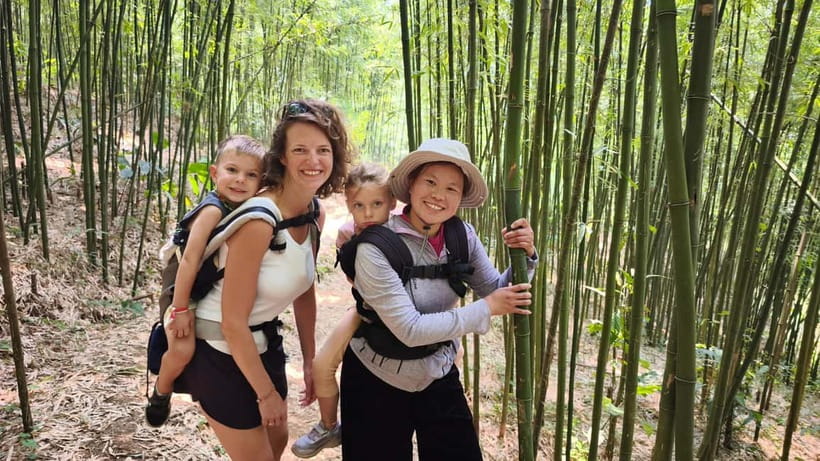
The walk from Ta Van to Lao Chai brings you through some of Sapa’s best-known terraced rice fields. Lao Chai is one of the most striking villages on the route, especially when the terraces are green or golden.
Lunch is served locally in Lao Chai. By this point, you will probably appreciate the meal more than you would at the start of the trip. Two days of walking changes your sense of value. A warm plate of local food and a place to sit can be the highlight of the afternoon.
At 14:00, a car picks you up in Lao Chai. The return to Sapa takes place between about 15:30 and 16:00, depending on the timing. The included transfer is important. After a second day of walking, you do not want to add a long road walk back into town.
The transport may be by car or motorbike, according to the tour details. Confirm the arrangement when you book if that difference matters to you. Either way, the pickup means the walking route ends at Lao Chai rather than forcing you to retrace your steps.
How difficult are the 19 kilometers?
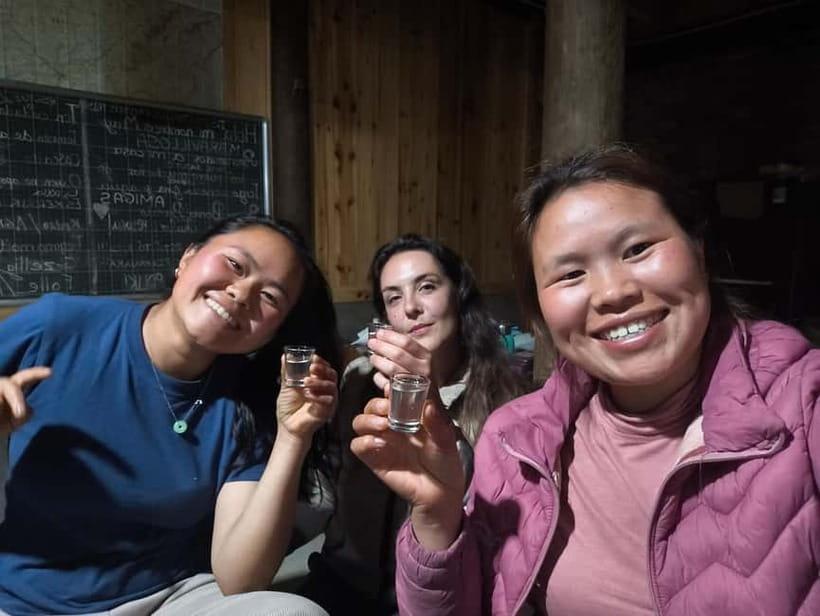
The listed fitness level is moderate, but that word needs a little translation. This is not a gentle countryside stroll. You climb Ham Rong Mountain, walk on uneven trails, descend through villages, and continue for about 13 to 15 kilometers on day one and another 10 kilometers on day two.
The distance figures do not match perfectly, since the daily breakdown suggests up to 25 kilometers while the general information says 19 kilometers total. I would clarify the expected distance before booking, especially if you are planning around an injury or limited walking ability.
The most useful approach is to prepare for the longer version. Wear broken-in hiking shoes, bring water, use sunscreen, and carry a hat and sunglasses. The tour supplies a small bottle of water per person, but that is not much for two full walking days, so bring extra water or ask how refills are handled.
A raincoat or light jacket is wise. So is a waterproof bag for your phone and camera. Comfortable clothes matter more than stylish clothes here. You may also want dry clothing for the evening at the homestay.
Zo’s ability to adjust the pace is a real help, but it does not remove the hills. This tour suits you if you can walk for several hours, handle rough ground, and accept a little discomfort. It is not a good choice if you need smooth paths, frequent vehicle access, or hotel-level comfort.
What is included for $43?
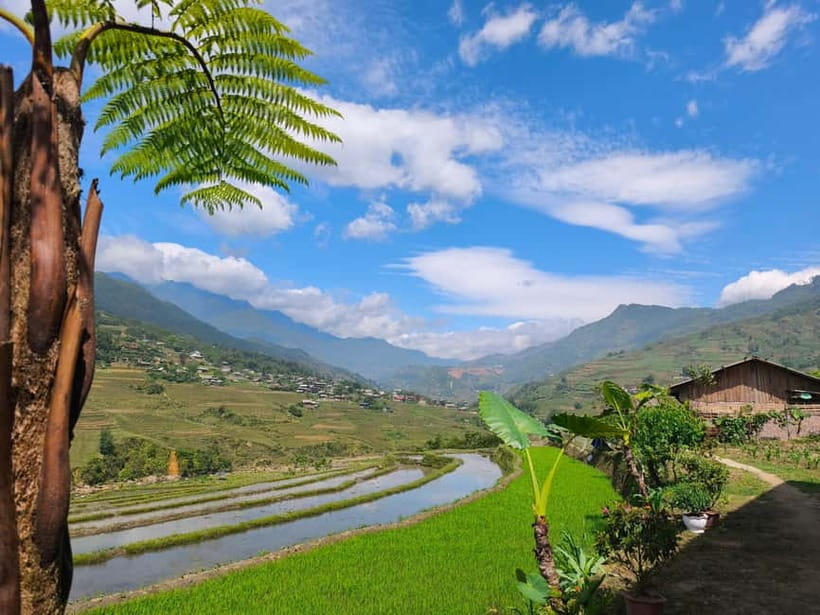
At $43 per person, the tour offers strong value. The price includes an English-speaking local guide, a small amount of water, village lunch, the overnight homestay, and transport back to Sapa. That gives you the main costs of a two-day trek without a large package price.
The value comes from access as much as from logistics. A local guide can take you along village paths and explain the culture in a way that a self-guided map cannot. The homestay also gives you an evening in the countryside instead of returning to Sapa after the first day.
You should still budget for personal drinks, snacks, extra water, and cash. The information specifically advises bringing cash, but it does not state which extra costs you will face. Do not assume every meal, drink, or personal purchase is covered.
The low price also reflects the simple style. You are not paying for a private vehicle all day, a large hotel room, or a highly managed adventure. You are paying for a local guide, a rural route, basic food and lodging, and a practical return transfer. For the right kind of visitor, that is exactly the deal.
Who should book this trek?
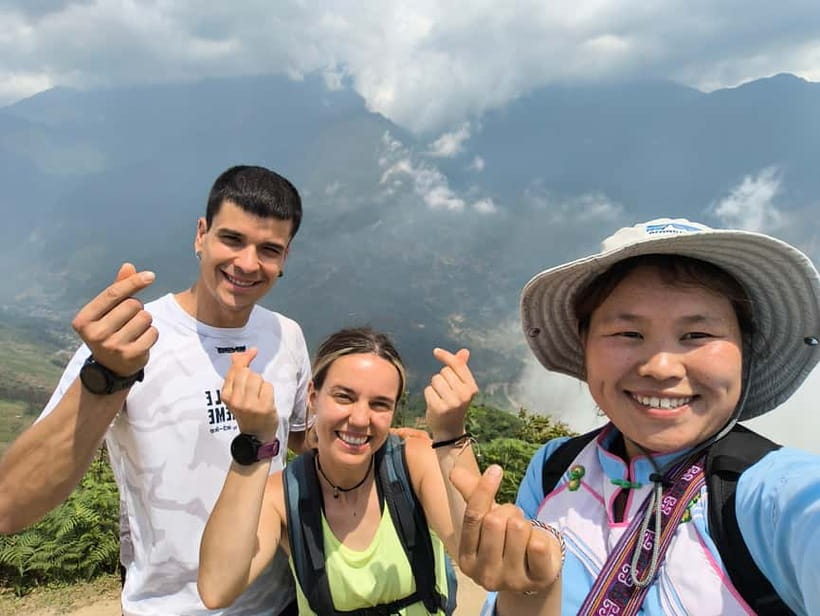
I would choose this tour if you want culture and walking in equal measure. It is especially suitable if you are curious about Black H’mong and Red Dao life, want to see farming areas, and prefer a home stay to another night in town.
It also suits people who like a sense of effort in a trip. The tired legs are part of the reward. After more than 20 kilometers, one visitor described feeling exhausted but happy, which is a fair summary of the likely payoff.
You may want a different option if you dislike uneven terrain, need a private itinerary, or expect polished accommodation. A group tour can mean waiting for others or changing the pace. The simple homestay may also feel too basic if you are used to full-service hotels.
The age guidance needs clarification. The information says the tour is not suitable for people over 95 and also says it is not suitable for people over 70. Since those statements conflict, contact the provider before booking if this applies to you. Children under four are free, but the provider asks you to give advance notice.
Booking is allowed at least 10 hours ahead, and cancellation is free up to 24 hours before the tour. You can reserve and pay later, which is useful if your Sapa plans are still shifting.
Should you book Zo’s Sapa valley trek?
Book it if you want a demanding but affordable village trek, a local guide, and one night close to rural life. The strongest reasons are Zo’s cultural explanations, her attention to pacing, the variety of villages, and the included return ride.
Think twice if you want exact distance figures, private touring, or hotel comforts. Ask about the real walking distance, room arrangement, and transport type before you pay.
For a fit visitor who packs sensibly and values people and place over polish, this is a memorable way to see Sapa beyond the town center.
FAQ
How long is the Sapa trekking tour?
The tour lasts two days and one night. The general information gives the total distance as about 19 kilometers, while the daily route details list 13 to 15 kilometers on day one and 10 kilometers on day two. Confirm the expected distance before booking.
Where does the tour start?
Pickup is at your hotel in Sapa or in front of Sapa Stone Church at 9:00 on day one.
Who guides the trek?
The guide is Zo, a Black H’mong local guide who speaks English.
Which villages does the route visit?
The route includes Hang Da, Hau Thao, Giang Ta Chai Mong, Giang Ta Chai Dao, Ta Van, and Lao Chai. It also passes through a bamboo forest and a rural lake area.
What ethnic communities can I learn about?
The route includes Black H’mong and Red Dao communities. Zo also explains local culture and daily life during the walk.
Is the overnight accommodation basic?
Yes. The homestay is described as simple, authentic, cozy, and equipped with basic facilities. Specific room arrangements are not guaranteed.
Is transport included?
Yes. A car or motorbike pickup from Lao Chai back to Sapa is included. The tour details also describe transport to and from Sapa Town, so confirm the exact arrangements when booking.
What should I bring?
Bring comfortable trekking clothes, hiking shoes, sunscreen, a hat, sunglasses, water, a light raincoat or jacket, mosquito repellent, a change of clothes, cash, and a waterproof bag or camera protection.
Can I cancel the booking?
You can cancel up to 24 hours before the tour for a full refund. The tour asks you to book at least 10 hours in advance and to cancel or reschedule at least 24 hours ahead.
More Evening Experiences in Sa Pa
- SAPA: 2-DAY 1-NIGHT TREKKING & CULTURE WITH HMONG GUIDE LINH
★ 4.9 · 126 reviews - Hanoi: Sapa Trekking 2 Days 1 Night – Sleeper Bus from Hanoi
★ 4.6 · 18 reviews - 2 Night Lao Chai-Ta Van Homestay- Trekking & Fansipan Visit
★ 4.0 · 8 reviews - Sapa: 2-Day Local Guided Valley Trek with Night Homestay
★ 4.8 · 5 reviews
More Homestay Treks in Sa Pa
- Muong Hoa Valley Trek & Homestay Experience – 4D3N
★ 5.0 · 42 reviews - Private Hoang Lien National Park & Tribal Village Trek
★ 4.7 · 30 reviews - Sapa: Ta Phin Village Trek & Red Dao Herbal Bath
★ 5.0 · 22 reviews - From Sapa: Muong Hoa Valley View & Village Trek 1-Day
★ 5.0 · 21 reviews
Recently added around Sa Pa
- Soob Sapa Trekking Tour★ 4.3 · 3 reviews
- Sapa Trekking – Waterfalls And H’mong Villages★ 5.0 · 2 reviews
- Sapa Trekking Private Tour With Ethnic Female Tour Guide★ 4.9 · 24 reviews
- Sapa: Trekking Through Terraced Rice Fields & Valley 1 Day★ 4.8 · 4 reviews
- Sapa: Y Linh Ho – Lao Chai, and Ta Van Trekking Day Tour★ 5.0 · 25 reviews
- Sapa Trekking Guide Francophone 2 days – 1 night★ 5.0 · 2 reviews
- Sapa: Ta Phin Village Trek with Lunch and Bathing Experience★ 4.7 · 13 reviews
- Sapa small groupe activities: 1 Day trek – Meet the locals★ 4.7 · 3 reviews
Homestay & Village Treks, compared.
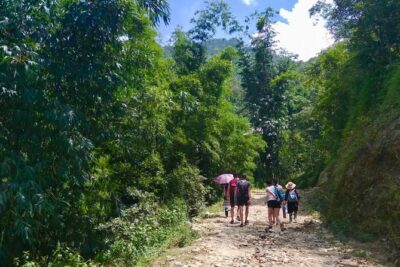
Number one top rated ethical cultural trekking and homestay by ETHOS
Read our review →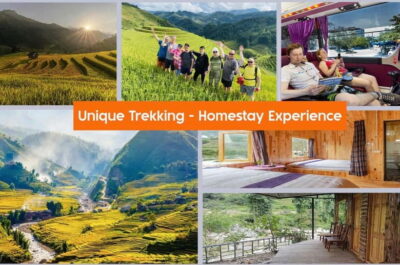
2-Day Sa Pa Ethnic Homestay Tour & Trek with Limousine Bus
Read our review →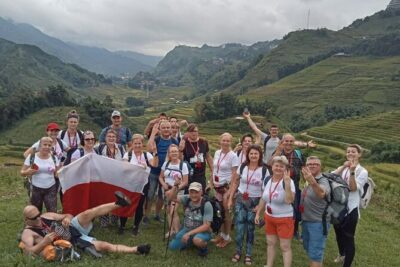
Sapa 3 Day 2 Night Trekking With Hotel & Homestay
Read our review →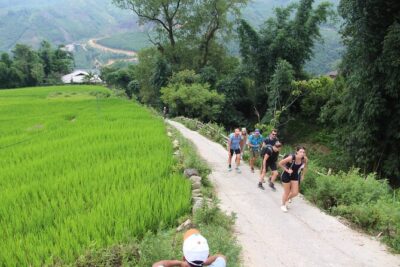
Sapa 2 Days 1 Night Overnight At Local Homestay
Read our review →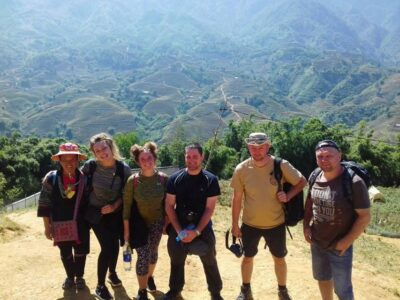
2-Day Trekking Trip with Ethnic Minority Homestay
Read our review →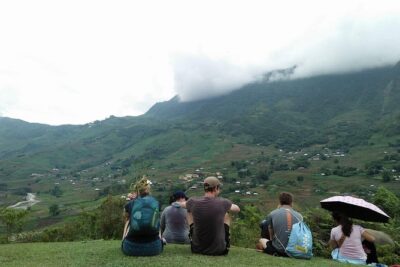
2-Day Trek & Heartwarming Homestay with an Ethnic Family
Read our review →Browse the lists this tour appears in