
REVIEW · ARUSHA
6 Days Trekking Marangu Route Mount Kilimanjaro
The mountain changes every day. This six-day Marangu Route trek gives you a steady path to Kilimanjaro’s summit, with simple huts instead of tents, meals included, and a small group capped at six people. I like the hut accommodation, which removes the burden of sleeping in a tent, and I like the extra acclimatization night at Horombo. The main concern is the summit push: it begins around midnight and includes a steep, loose section above Gillman’s Point.
This is the classic Marangu approach from Arusha or Moshi, with a constant climb through rainforest, moorland, and alpine desert. Guides Michael and Yano have been praised for careful support, while the company’s communication and food also receive strong marks. At $1,900 per person, the price is not low, but it covers park fees, staff wages, transport, meals, hut nights, and transfers, which makes the package easier to budget.
Key points to know before you book
- Huts replace camping: You sleep in simple mountain huts at Mandara, Horombo, and Kibo, rather than carrying a tent or sleeping in a tented camp.
- An extra Horombo night helps: Day three is set aside for acclimatization, with a recommended walk toward Mawenzi and Zebra Rocks.
- The summit night is demanding: You wake around 11:30 p.m. for tea and biscuits before a steep climb over loose scree to Gillman’s Point.
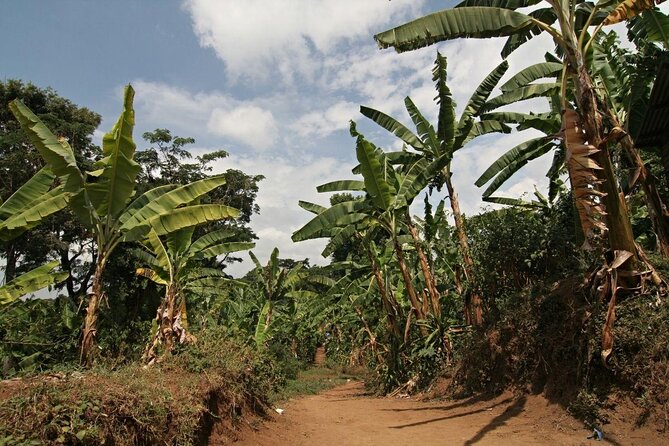
- The route changes dramatically: Expect rainforest on day one, moorland on day two, alpine desert near Kibo, and cloud forest on the descent.
- The group is small: A maximum of six people allows more direct contact with guides and a less crowded feel within your own party.
- The package is broad: Park fees, guides, porters, cooks, meals, transport, accommodation before climbing, and arrival and departure transfers are included.
Why the Marangu Route feels easier, but is not easy
Marangu is often described as the most comfortable route up Kilimanjaro. That description is fair in one important way: you sleep in huts, and the trail is well developed. You do not need to carry camping equipment or prepare for a night under canvas.
The climb itself still asks a great deal of you. The route rises steadily, altitude becomes the main challenge, and the final ascent takes place in darkness after very little sleep. The first five days are designed to bring you gradually higher, but no route can remove the effects of thin air.
The six-day schedule is more sensible than a rushed climb because day three gives your body extra time at Horombo. You will spend the day at altitude rather than charging upward every morning. That pause matters, especially before the long ascent toward Kibo.
The route also returns by the same general corridor. Some hikers prefer a route with different scenery on the descent, but Marangu’s familiar path makes the logistics simple. You know the terrain you are coming back through, and the descent to Marangu Gate is direct.
More Kilimanjaro Climbs in Arusha:
- 8-Day Small-group Lemosho Kilimanjaro Summit Trekking
★ 5.0 · 186 reviews - 7 Days Kilimanjaro trek via Machame route
★ 5.0 · 13 reviews - Mount Kilimanjaro day trip trekking
★ 5.0 · 12 reviews
Day one: Marangu Gate to Mandara Hut
Pickup is offered from Arusha or Moshi, with the climb beginning after registration at Marangu Gate. The stated meeting time is 7:00 a.m., while the departure plan describes leaving around 8:00 a.m. Confirm the exact pickup time with Meru Slopes before the morning of the trek.
The first walking section runs through Kilimanjaro’s rainforest. This is a pleasant opening because the vegetation gives you shade while your legs settle into the pace. The trail is narrow, and the forest setting makes the mountain feel far from ordinary roads and towns.
You stop for a picnic lunch at Kisambioni, roughly halfway through the day. After lunch, you continue through the forest to Mandara Hut. The pace is steady rather than rushed, but you should not treat the first day as a casual stroll. A slow start is useful. Save your energy for the altitude still to come.
Once at Mandara, you can rest or take the short walk toward Mahundi Crater. If the weather is clear, the views reach toward Taveta to the east and Mawenzi Peak to the northwest. This optional walk is one of the day’s best additions because it lets you see beyond the trees without committing to a major extra climb.
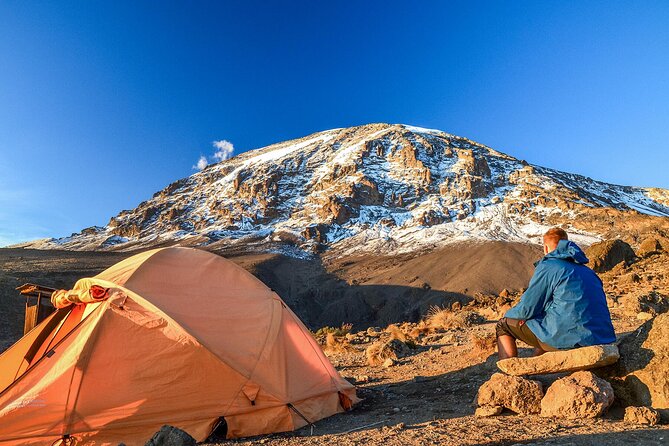
Your first night is in a simple mountain hut. That is a practical advantage, not a luxury. The huts spare you the work of camping, though you should still expect basic conditions rather than hotel comfort.
Day two: Moorland and the walk to Horombo
After breakfast, the forest gives way to Kilimanjaro’s moorland. The scenery becomes more open and rockier, with plants suited to a drier, colder setting. It is a clear change from day one, and you begin to see the mountain’s upper zones unfolding around you.
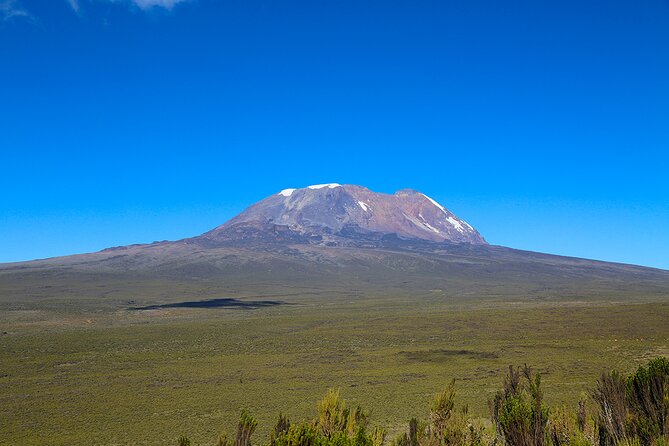
The day’s destination is Horombo Hut. You stop for a picnic lunch at Kambi ya Taabu, then continue upward. On a clear day, Mawenzi and Kibo provide the main views. Mawenzi has a jagged, dramatic shape, while Kibo is the broad volcanic summit you are working toward.
Arrival at Horombo is expected around 3:00 p.m. That leaves time to relax, eat, and prepare for the next stage. Do not spend the afternoon trying to prove your fitness. Rest is part of the climb.
Horombo is important because it is both a sleeping place and an acclimatization base. The extra night here is one of the strongest parts of the schedule. A shorter program might save time, but it would give your body less opportunity to adjust to altitude.
Day three: Zebra Rocks and a useful acclimatization day
Day three is not a day off in the usual sense. It is a controlled walk designed to help your body adapt. The recommended outing heads toward Mawenzi and passes Zebra Rocks, taking about three hours up and one and a half hours down.
You return to Horombo for a second night. This climb high, sleep lower pattern is valuable, even though the schedule does not describe it in those exact terms. You gain height during the day, then return to the same hut rather than sleeping higher that night.
The walk also gives you a chance to experience the upper mountain without the pressure of carrying on to Kibo. Take the recommendation seriously, but keep the effort moderate. The purpose is acclimatization, not a side summit.
This extra night is a reason to choose the six-day version. You pay for another day on the mountain, but you gain time before the hardest section. If you are comparing this trek with a shorter Marangu program, ask exactly where its acclimatization time has been removed.
A few more treks around Arusha worth a look
- Singalila Ridge Trek from Darjeeling – 6 Days
★ 5.0 · 56 reviews - 6 Days Machame Route Kilimanjaro Climbing Trekking Tour
★ 5.0 · 34 reviews - 6 day Rainbow Mountain x Ausangate Trek – FlashpackerConnect
★ 5.0 · 30 reviews - Kathmandu: 6-Day Limitless Langtang Trek
★ 5.0 · 21 reviews
Day four: Kibo Hut and the last water point
After breakfast, you leave Horombo and enter the alpine desert. Plant life becomes sparser, the air colder, and the surroundings more exposed. The trail passes the last water point at about 13,550 feet, or 4,130 meters.
You need to fill your bottles here with enough water for the ascent and the return to Horombo two nights later. The plan notes that mineral water may be available for purchase at Kibo Hut, but relying on that option would add an avoidable worry. Carry the amount your guide recommends and confirm the water arrangements before setting out.
Kibo Hut is about 3,921 feet, or 1,195 meters, below the summit. That distance does not look huge on paper, but altitude makes every step slower. The summit attempt begins later that night, so the afternoon is for eating, organizing your gear, and resting.
Bedtime is around 6:30 p.m. You may not sleep well. The early alarm, altitude, anticipation, and hut conditions can all work against you. Still, lying down and resting is worthwhile even if sleep does not come easily.
Day five: The midnight summit push
Around 11:30 p.m., you wake for tea and biscuits. Then you begin the most difficult part of the climb in darkness.
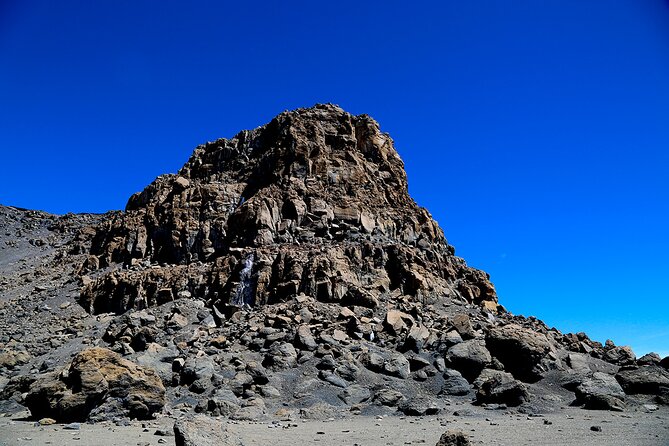
The first section leads over rocky ground toward Hans Meyer Point, listed at about 17,225 feet, or 5,250 meters. It is described as a useful resting place. From there, the path zigzags upward toward Gillman’s Point on the crater rim, at roughly 18,639 feet, or 5,681 meters.
This stretch is steep and covered with loose stone scree. You will need patience, careful footing, and steady encouragement. The physical challenge is obvious, but the mental side can be harder. You have already spent several days walking, you have slept little, and the air is thin.
Reaching Gillman’s Point is a major achievement. The schedule identifies it as the point at which climbers receive a silver certificate. Those who continue to Uhuru Peak, listed at 19,341 feet, or 5,895 meters, receive a gold certificate.
The information provided does not give a precise arrival time at either point, and conditions can affect the pace. It is best to think of the summit night as a long effort with several stages, not a quick final walk.
After the summit attempt, you descend toward Kibo Hut and continue back to Horombo. This is a long day. The return is not an afterthought, so keep some energy in reserve and follow the guide’s pace.
Day six: Cloud forest and the return to Arusha
The final day begins after breakfast with a descent to Marangu Gate. The route passes back through Kilimanjaro’s cloud forest, giving you a softer, greener setting after the stark upper mountain.
Watch your footing. The trail can be slippery during the descent, and tired legs make small hazards more serious. Trekking poles, careful steps, and patience are useful here, though the supplied details do not confirm whether poles are provided.
At Marangu Gate, you sign out. Successful climbers receive certificates there, with silver for Gillman’s Point and gold for Uhuru Peak. It is a formal end to a demanding week, and the certificate gives you a clear record of how high you reached.
A vehicle waits at the gate for the return to Arusha. Arrival and departure transfers are included, as is private transportation. Confirm the exact drop-off location in advance if you have a hotel booking or onward plans.
What the $1,900 price really covers
The $1,900 per-person price includes more than the walking itself. Park fees, guide services, porters, cooks, staff salaries, meals, accommodation before the climb, private transport, and airport or other arrival and departure transfers are included.
That matters because Kilimanjaro costs are often spread across several parts of the trip. A cheaper headline price may not include park charges, staff wages, meals, or transfers. Here, the main cost is gathered into one package.
You receive breakfast, lunch, and dinner throughout the program, with seven breakfasts, seven lunches, and seven dinners listed. The six-day duration and seven meal count are worth clarifying with the operator because the figures may include the pre-climb night or a departure meal. It is a small detail, but it helps you understand exactly what is covered.
Alcoholic drinks, international and domestic flights, visa fees, tips, and mountaineering insurance are not included. Insurance deserves special attention. The price does not remove your responsibility to arrange suitable cover for a high-altitude trek.
For a private group capped at six people, the package can offer good value if you want direct access to guides and a fixed schedule. It is less appealing if you are comparing only the daily walking cost or if you prefer an ultra-budget climb.
Food, huts, guides, and group size
The food and accommodation have received particularly strong praise. Expect mountain huts and prepared meals rather than camping and cooking for yourself. The huts are simple, so bring realistic expectations. Their chief benefit is protection from the weather and less equipment to manage.
The company uses professional guides, porters, and cooks. Michael and Yano are two guides associated with especially positive feedback, and their reported strengths include attentive support and good care on the mountain. Staff members also help with luggage, according to the feedback available about the wider trekking and safari service.
A maximum of six people is a useful limit. You are not joining a large procession, and the guide can keep closer track of the group’s pace. A small party does not guarantee a personal guide ratio, so ask how many guides and porters will be assigned to your departure.
Communication is another strong point. The operator is Meru Slopes Tours and Safaris, based in the Arusha area, and the service has been praised for clear organization. That is valuable on a climb where pickup time, water, meals, hut arrangements, and summit timing all need to line up.
Who should choose this Kilimanjaro trek?
I would choose this program if you want the simplicity of huts, a small group, and an extra acclimatization night without designing a private climb from scratch. It suits people who are comfortable walking for several days and who understand that the summit night will be the real test.
It is also a sensible option if you are combining Kilimanjaro with a safari or other time in Tanzania. The company also arranges tailored combinations of trekking and safari, although this six-day price covers the mountain program described here.
I would think twice if you want a relaxed holiday with only gentle walks. The word easiest can mislead you. Marangu may be easier logistically than camping routes, but the altitude and summit ascent remain serious.
I would also ask extra questions if you need highly specific dietary arrangements, mobility support, or a fixed transfer time. The available details say most people can participate and that the route is near public transportation, but they do not spell out special meal plans or accessibility services.
Booking is flexible in one useful respect: free cancellation is available up to 24 hours before the local start time. Less than 24 hours means no refund, and poor weather may lead to a new date or a full refund. Those terms are helpful, but they do not replace travel insurance.
Should you book the six-day Marangu Route?
You should book this trek if the huts, the extra Horombo night, and the small group matter more to you than finding the lowest possible price. The route gives you a clear progression from rainforest to summit, and the schedule allows one full day for acclimatization before the final approach.
Before paying, confirm the pickup time, the number of nights included before and during the climb, the meal count, water arrangements above the last water point, and the guide-to-climber ratio. If those details match your needs, $1,900 is a reasonable all-in price for a supported Kilimanjaro climb.
Choose it for practical comfort, organized support, and a steady route. Do not choose it because Marangu sounds easy. The mountain gets the final word, especially between midnight and sunrise.
FAQ
Where does the trek begin?
The trek begins at Marangu Gate after registration. Pickup is offered from Arusha or Moshi.
What time does the experience start?
The listed start time is 7:00 a.m. The departure plan says the group leaves Arusha or Moshi around 8:00 a.m., so confirm the exact pickup time with the operator.
Where do I sleep during the climb?
You sleep in simple mountain huts at the route’s overnight stops. The package also includes accommodation before climbing.
Is camping included?
No. The accommodation described for the mountain portion is in huts rather than tents.
How many people can join the group?
The maximum group size is six people.
Are meals included?
Yes. Breakfast, lunch, and dinner are included. The package lists seven breakfasts, seven lunches, and seven dinners.
Are flights, visas, and insurance included?
No. International and domestic flights, visa fees, and mountaineering insurance are not included. Alcoholic drinks are also excluded.
What happens if I need to cancel?
You can receive a full refund if you cancel at least 24 hours before the experience starts. Cancellations or changes made less than 24 hours before the local start time are not accepted for a refund. If poor weather causes cancellation, you are offered another date or a full refund.
Recently added around Arusha
- 3 Days Mount Meru trekking★ 4.5 · 7 reviews
- Mount Kilimanjaro day trip trekking★ 5.0 · 12 reviews
- 7 Days Machame Route Trek Mount Kilimanjaro★ 5.0 · 12 reviews
- 5 Days Marangu Route – Mount Kilimanjaro Trek★ 5.0 · 5 reviews
- Private One-Day Trek to Mount Kilimanjaro★ 4.5 · 2 reviews
- 8 Days Lemosho Route Kilimanjaro Trekking★ 5.0 · 5 reviews
- Lemosho Route 7 Days Trekking at Mount Kilimanjaro★ 5.0 · 7 reviews
- 5 Days Marangu Route Kilimanjaro Trekking★ 5.0 · 4 reviews
Kilimanjaro Climbs, compared.
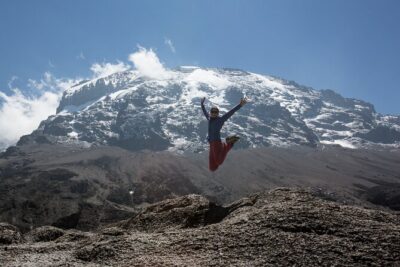
8-Day Small-group Lemosho Kilimanjaro Summit Trekking
Read our review →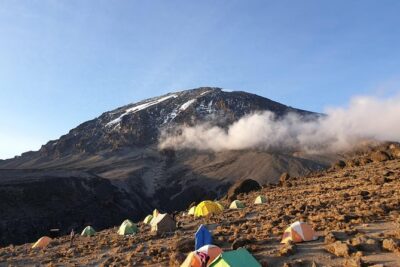
Best Kilimanjaro Adventure 7 days Machame route Trekking
Read our review →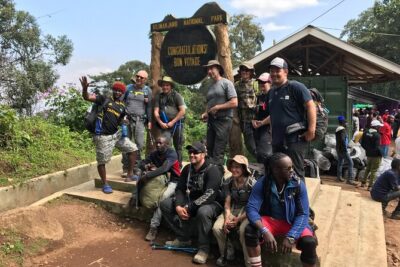
Kilimanjaro 7 Day Private Trekking Experience
Read our review →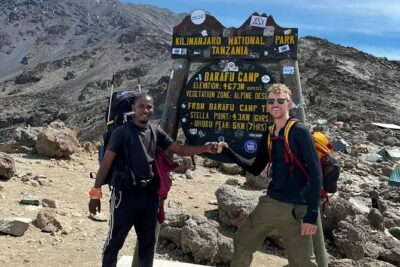
6 Days Machame Route Kilimanjaro Climbing Trekking Tour
Read our review →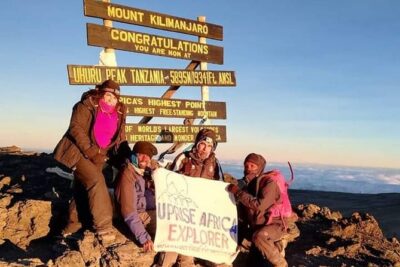
Kilimanjaro Trekking 7Days 6Night Lemosho Route
Read our review →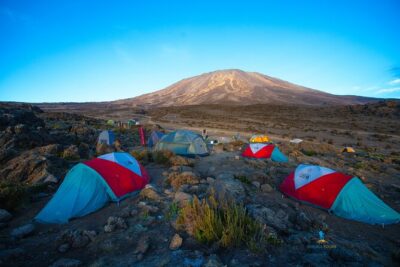
Top 6 Days Mt. Kilimanjaro Bike trek Tour by Marangu-Kilema Route
Read our review →Browse the lists this tour appears in