
REVIEW · ARUSHA
7 Days Machame Route Trek Mount Kilimanjaro
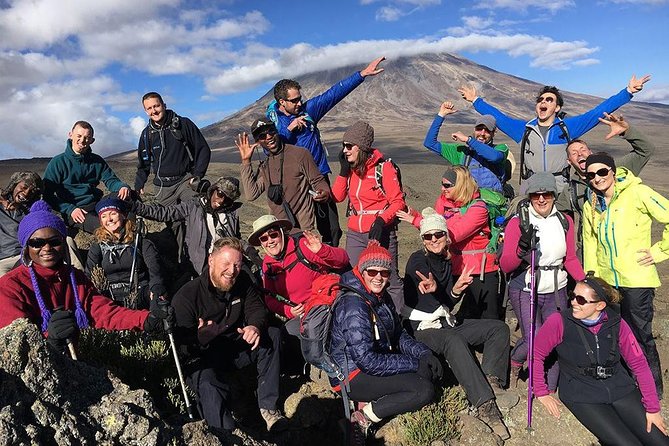
Kilimanjaro rewards steady feet. This seven-day Machame Route trek takes you from Arusha through rainforest, moorland, alpine desert, and finally to Uhuru Peak at 5,895 meters. I like the route’s changing scenery and its built-in acclimatization day, which gives you a better chance of handling the altitude. I also like the small group size, capped at four people, and the support of an expert mountain crew.
The main drawback is the physical demand. The summit day begins around midnight, includes up to seven hours of uphill walking before Stella Point, and continues to Uhuru Peak before the descent. The price is $2,200 per person, which can be fair for a guided seven-day climb, but you should confirm exactly what it covers before booking.
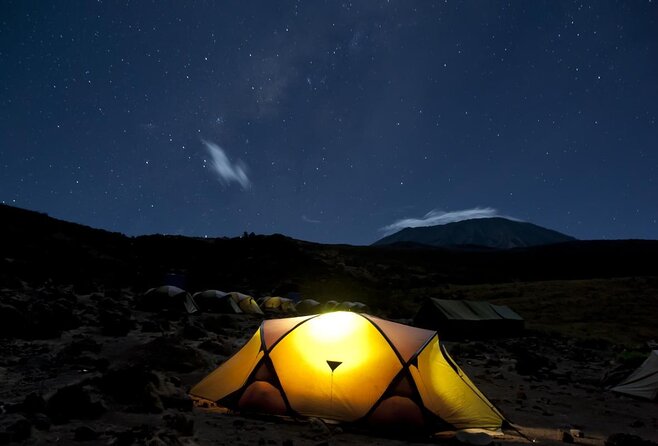
This is a tent-based trek, not a hotel-to-hotel walk. You will sleep at mountain camps, eat meals prepared by the crew, and spend long stretches walking slowly at high altitude. The reward is a genuine mountain experience with an excellent variety of plant life, wide views, and a strong sense of progress each day.
Key points to know before booking
- Seven days on the Machame Route: You move from Kilimanjaro’s rainforest to heath, moorland, alpine desert, snow, and ice.
- Acclimatization built into the route: Day three climbs to Lava Tower at 4,640 meters before dropping to Barranco Camp to sleep lower.
- A serious midnight summit push: Expect 5 to 7 hours to Stella Point, followed by another 1 to 2 hours to Uhuru Peak.
- Small groups of up to four: A smaller party can make pacing and guide attention more personal.
- Colobus monkeys and unusual plants: The lower route may bring sightings of black and white colobus monkeys, lobelia, giant senecio plants, and Impatiens kilimanjari.
- Strong support from the mountain crew: The most praised parts of the operation are the guides, cooks, and porters, with names including Julius, Johnny, Gideon, Laurent, Frank, Emanuel, and Meshack appearing in the trip feedback.
Why the Machame Route works well in seven days
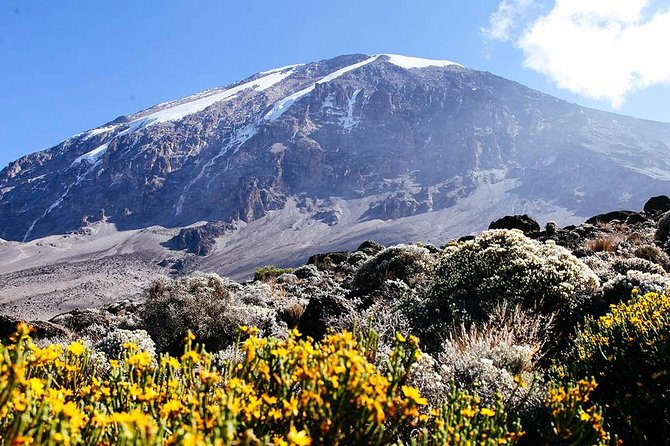
The Machame Route is often called the scenic route for good reason. You begin in thick forest, pass into open heath and moorland, cross dry alpine terrain, and finish among the cold upper slopes of Kibo. The route never lets the scenery become dull.
The seven-day schedule also gives you more time than a shorter climb. The key design is on day three, when you walk up to Lava Tower at 4,640 meters but sleep at Barranco Camp, around the same level as the previous night. That climb high and sleep lower pattern is useful for acclimatization.
It does not make altitude sickness impossible. Kilimanjaro is still nearly 6,000 meters high, and your fitness alone cannot predict how your body will respond. The guide’s role matters here. The strongest feedback about this operator focuses on guides who monitor hiking ability, offer encouragement, and keep the group focused on reaching the summit.
The maximum group size is four people. That is a practical advantage if you prefer a quieter trek and want the guide to notice how you are coping. It also means the experience may feel less social than a large group climb, so choose according to your preference.
More Kilimanjaro Climbs in Arusha:
- 8-Day Small-group Lemosho Kilimanjaro Summit Trekking
★ 5.0 · 186 reviews - 7 Days Kilimanjaro trek via Machame route
★ 5.0 · 13 reviews - Mount Kilimanjaro day trip trekking
★ 5.0 · 12 reviews
Day one: forest trails to Machame Camp
Pickup begins after breakfast, with an 8:30 am meeting time listed for the experience. You are driven from your hotel to the Kilimanjaro National Park gate, where registration and paperwork come first. The actual hiking begins after these formalities.
The walk to Machame Camp takes around 5 to 6 hours. This is a steady introduction rather than a gentle stroll, but the forest makes the first day enjoyable. Tall, old trees, ferns, and endemic flowers create a cool and shaded setting.
Keep an eye out for black and white colobus monkeys. They can appear through the leaves, though wildlife sightings are never guaranteed. Impatiens kilimanjari, an endemic flower named after the mountain, adds a small botanical detail that is easy to miss if you are focused only on the path.
Machame Camp gives you time to rest, stretch, eat, and settle into tent life. That last part matters. You are not returning to a private room each night, so your comfort will depend on how well you manage your sleeping bag, clothing, and personal items.
Day two: leaving the forest for Shira Camp
Day two changes the character of the trek. You leave the thick rainforest and move into heath and moorland, where the vegetation becomes lower, drier, and more open.
The walk to Shira Camp takes roughly 5 to 6 hours. An early start helps you arrive around mid-afternoon, leaving time to rest before dinner. The schedule is not just about covering distance. Arriving early gives your body a chance to adjust before the next day’s higher route.
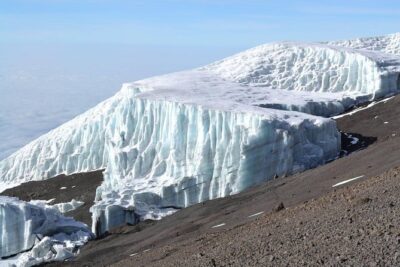
The views improve as the trees thin. From camp, you may see the mountain range and Kibo’s glaciers catching the late sunlight. This is one of the first moments when Kilimanjaro feels properly high and remote.
The drawback is exposure. The forest offers shade, while the moorland can feel more open and dry. You will need to pay attention to sun protection, hydration, and changing temperatures, even though the supplied details do not specify the exact equipment provided.
Day three: Lava Tower and Barranco Camp
Day three is the route’s key acclimatization day. From Shira Plateau, you climb about 700 meters toward Lava Tower, reaching 4,640 meters, then continue down through the Barranco Valley to sleep at Barranco Camp.
The full walk takes about 6 to 7 hours. The purpose is not simply to reach a higher point. Spending time at Lava Tower exposes your body to greater altitude before you descend to a lower sleeping level.
The alpine desert here feels stark compared with the forest below. Small lobelia plants and giant senecio plants add strange, sculptural shapes to the otherwise dry setting. These plants are among the memorable features of the route, and they help break up what could otherwise feel like a long, barren walk.
You should take this day slowly. The schedule is designed for acclimatization, not speed. If you feel unwell, tell the guide promptly rather than trying to hide symptoms to keep pace with the group.
Barranco Camp is a rewarding finish. The valley and surrounding slopes create a dramatic setting, but the camp can also feel like the point when the climb becomes more serious. From here, the route includes steeper sections and less shelter.
A few more treks around Arusha worth a look
- 7 Days Machame Route Kilimanjaro Trekking
★ 5.0 · 9 reviews - Lemosho Route 7 Days Trekking at Mount Kilimanjaro
★ 5.0 · 7 reviews - 7 Days Kilimanjaro Trekking Machame Route with Professional Guide
★ 5.0 · 5 reviews - Best Kilimanjaro Adventure 7 days Machame route Trekking
★ 5.0 · 42 reviews
Day four: the Barranco Wall and Karanga Camp
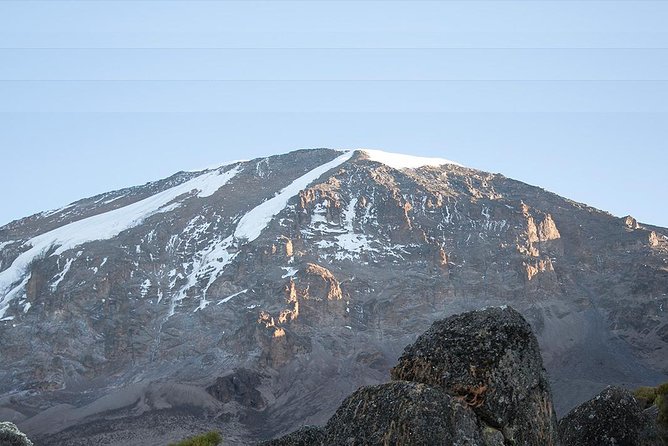
The Barranco Wall is the day’s headline feature. The route requires hands in a few places for balance and grip, but it is not described as technical climbing. Your guide stays with you, which is especially useful when the path feels exposed or crowded.
The climb is followed by repeated ascents and descents. That may sound frustrating, but the ups and downs continue the acclimatization pattern and prepare you for the harder days ahead.
The walk to Karanga Camp takes about 3 to 4 hours. This is a shorter day, leaving time to rest. A game of rummy is even suggested as a way to fill the afternoon, which gives you an idea of the pace: the mountain is demanding, but not every day is a full-day slog.
The ridge near Karanga offers strong contrasts between dry ground and pockets of vegetation. Clouds may gather around camp, adding to the high-mountain atmosphere. You will want to use this afternoon well by eating, drinking, organizing your layers, and conserving energy.
Day five: Barafu Camp before the summit
After breakfast, you walk toward Barafu Camp. Kibo Summit remains visible to your left, and the route crosses very dry, desert-like ground.
The walk takes around 3 to 4 hours. On paper, this is a short day, but it is not a day for sightseeing at a leisurely pace. Barafu is the launch point for the summit attempt, so the rest of your afternoon should be spent resting and preparing.
Dinner is early, followed by an overnight stay before the midnight wake-up. This is where the seven-day schedule becomes physically and mentally demanding. You may have reached Barafu feeling tired, but the main climb is still ahead.
Use the time to organize your headlamp, warm layers, water, snacks, and any personal medication. The supplied details specifically mention tea and biscuits before the summit start, but you should not rely on a small snack alone if you know you need more food during long hikes.
Day six: Stella Point, Uhuru Peak, and the long descent
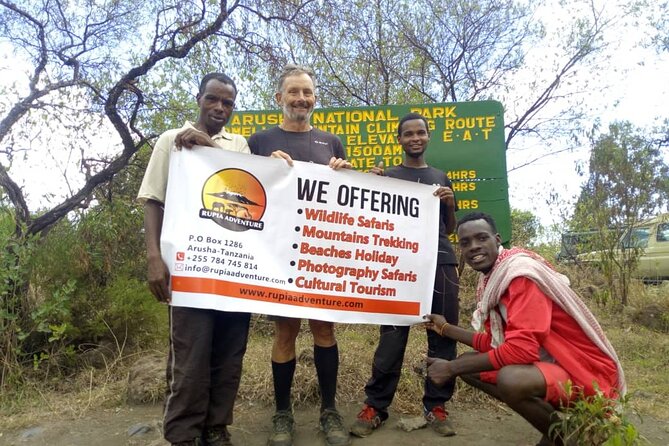
Around midnight, your guide wakes you with warm tea and biscuits. You begin walking in darkness, using the moon and headlamps for visibility.
The climb to Stella Point takes approximately 5 to 7 hours. This is usually the toughest section mentally because the trail is steep, the air is thin, and progress can feel slow. The correct pace is a very slow one. Your goal is to keep moving steadily, not to prove how fast you can climb.
From Stella Point, you continue for another 1 to 2 hours toward Uhuru Peak at 5,895 meters. Reaching the summit at sunrise gives you views over the African plains, snowy slopes, and sparkling glaciers. The light changes quickly, so you may have only a short time for photographs and celebration before beginning the descent.
The return to Barafu Camp follows the same route. This is not a minor detail. The downhill stretch can be punishing after the summit, and one piece of direct advice from the feedback is simple: the descent may feel worse than the climb. Your knees and feet will need patience.
After Barafu, the itinerary continues with the mountain crew awaiting you, though the provided description is cut off at that point. The important practical point is that day six is extremely long and demanding. Do not judge the summit day only by the distance to Uhuru Peak. You must also descend and recover enough for the final walk out.
Day seven: rainforest return and farewell
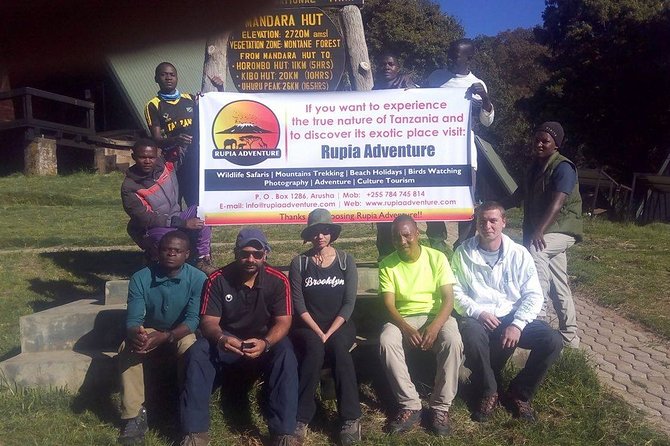
The final morning begins with breakfast and a farewell ceremony from the mountain crew. This is a fitting end to a climb that depends heavily on guides, cooks, porters, and careful teamwork.
The route drops through the rainforest to Mweka Gate in about 2 to 3 hours. The return through the trees gives you another chance to look for colobus monkeys, though sightings remain a matter of luck.
At the gate, you are met and taken back to your hotel. The promise of a long shower and a relaxed pool day will sound especially good after the cold camps and summit night. Dinner and a hotel overnight are included in the stated schedule.
This final day is much easier than day six, but your legs may still feel worn out. Build in recovery time rather than planning a busy evening in Arusha.
Guides, crew, and the human side of the climb
The strongest praise attached to this experience concerns the mountain team. Specific names mentioned in the feedback include guides Gideon, Laurent, Julius, Johnny, Frank, Emanuel, Meshack, and Mathias, along with cooks and porters.
You should not assume that one of these named guides will lead your own departure. Still, the repeated emphasis on guide encouragement, gear checks, pacing, and group support gives you a useful picture of what to ask about before booking.
One couple had a pre-climb briefing and gear check at Mvuli Hotel before reaching the mountain. That is a good model for preparation. Ask the operator where your briefing takes place, what equipment can be checked or borrowed, and how the guide will respond if someone struggles with altitude.
The feedback also includes a climb connected with a honeymoon and another group that first acclimatized on Mount Meru. Those details suggest the operator has handled different kinds of parties, from couples to friendship groups, but you should not treat that as a guarantee of a particular guide or service level.
The supplied material gives a review rating of 5 from 12 reviews and a recommendation rate of 100 percent. That is encouraging, especially because the praise repeatedly returns to the full crew rather than only the scenery. At the same time, online feedback cannot tell you every detail about meals, tent quality, or porter arrangements, so confirm those points directly.
Is $2,200 good value?
At $2,200 per person, this is a substantial purchase. The value depends on what the price includes, and the supplied details do not provide a full list of inclusions.
You are paying for a seven-day guided route, park access arrangements, transfers, mountain crew support, camping nights, meals listed in the schedule, and the organization needed for a midnight summit attempt. A small maximum group of four can also be valuable if you want close guide attention.
I would not compare prices based only on the number of days. A cheaper climb may use a larger group, a shorter schedule, or fewer support services. A more expensive one may include better gear, extra hotel nights, or stronger porter and safety arrangements.
Before paying, confirm:
- What meals and drinks are included
- Which hotel nights are included
- Whether airport or only hotel pickup is provided
- What camping equipment is supplied
- How gear checks are handled
- The number of guides and support crew
- Park fees and any required permits
- The exact plan if weather stops the climb
The experience offers free cancellation up to 24 hours before the start time for a full refund. Changes or cancellations inside that window are not accepted for a refund. Poor weather or failure to meet the minimum number of participants can lead to a different date or a full refund.
Who should choose this Kilimanjaro trek?
I would recommend this route to fit hikers who want a scenic, guided mountain challenge and are comfortable camping for six nights. You should be ready for long walks, cold conditions, a midnight start, and a difficult descent after reaching the summit.
It is a good choice if you value varied scenery, a small group, and a schedule that includes a real acclimatization day. It may suit couples, friends, and determined solo hikers who want the support of a crew.
I would be cautious if you dislike tents, struggle with long uphill walks, or need a relaxed holiday pace. The seven-day format improves the route’s acclimatization pattern, but it does not make Kilimanjaro easy.
Should you book the seven-day Machame Route?
Book it if you want the classic Kilimanjaro challenge with changing scenery, a small group, and a route that gives your body time to adjust. The rainforest, colobus monkeys, Barranco Wall, Lava Tower, glaciers, and sunrise at Uhuru Peak create a strong progression from lowland forest to Africa’s highest summit.
Before committing, ask for a full price breakdown and confirm the guide, equipment, meals, hotel, and crew arrangements. If those answers are clear and you are prepared for the midnight summit push, this looks like a solid choice for a serious first climb.
FAQ
How long does the Machame Route trek take?
The experience lasts approximately seven days, including hotel pickup, six mountain days, the summit attempt, and the final return to a hotel.
What time does the experience begin?
The listed start time is 8:30 am. On the mountain, the summit attempt begins around midnight on day six.
How high is Uhuru Peak?
Uhuru Peak is 5,895 meters above sea level.
How many people can join the group?
The activity has a maximum of four participants.
Will I sleep in hotels or tents?
The Machame Route portion uses tents for overnight stays. On the final day, you return to a hotel for a shower, relaxation, dinner, and overnight stay.
Is the route suitable for acclimatization?
The itinerary includes an acclimatization day. You climb to Lava Tower at 4,640 meters and then sleep at Barranco Camp, which is not much higher than the previous night.
What happens if bad weather cancels the trek?
If poor weather causes cancellation, you are offered a different date or a full refund. The same applies if the minimum number of participants is not reached.
Recently added around Arusha
- 3 Days Mount Meru trekking★ 4.5 · 7 reviews
- Mount Kilimanjaro day trip trekking★ 5.0 · 12 reviews
- 5 Days Marangu Route – Mount Kilimanjaro Trek★ 5.0 · 5 reviews
- Private One-Day Trek to Mount Kilimanjaro★ 4.5 · 2 reviews
- 8 Days Lemosho Route Kilimanjaro Trekking★ 5.0 · 5 reviews
- Lemosho Route 7 Days Trekking at Mount Kilimanjaro★ 5.0 · 7 reviews
- 5 Days Marangu Route Kilimanjaro Trekking★ 5.0 · 4 reviews
- 7 Days Machame Route Kilimanjaro Trekking★ 5.0 · 9 reviews
Kilimanjaro Climbs, compared.
8-Day Small-group Lemosho Kilimanjaro Summit Trekking
Read our review →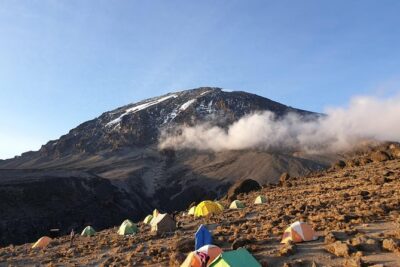
Best Kilimanjaro Adventure 7 days Machame route Trekking
Read our review →
Kilimanjaro 7 Day Private Trekking Experience
Read our review →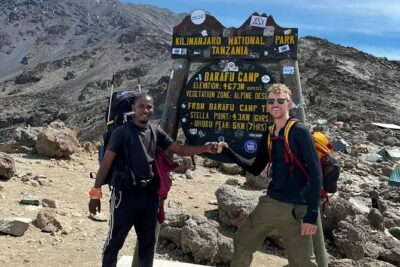
6 Days Machame Route Kilimanjaro Climbing Trekking Tour
Read our review →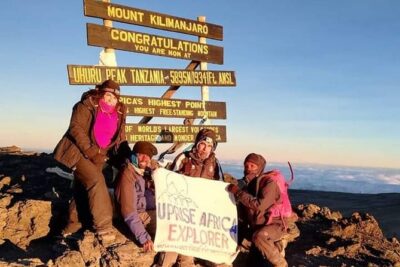
Kilimanjaro Trekking 7Days 6Night Lemosho Route
Read our review →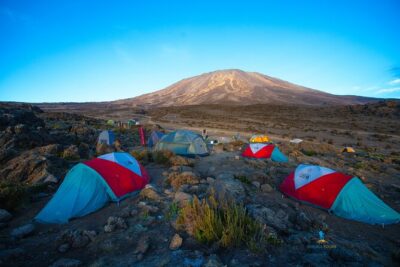
Top 6 Days Mt. Kilimanjaro Bike trek Tour by Marangu-Kilema Route
Read our review →Browse the lists this tour appears in