
REVIEW · CUSCO
6 day Rainbow Mountain x Ausangate Trek – FlashpackerConnect
Rainbow Mountain is only the beginning. This six-day trek from Cusco takes you far beyond the famous viewpoint, into a high Andean world of glacial lakes, alpacas, hot springs, and enormous peaks. I like the small group size of up to eight people, which should make the long days easier to manage, and I like that horses carry the camping equipment while you focus on walking.
The trek also includes private transport, guides, tents, sleeping bags, meals, snacks, and a portable toilet. That is a lot of practical work taken off your plate. The main drawback is the altitude: with two passes above 5,000 meters, this is a serious physical challenge, not a gentle sightseeing trip. The nonrefundable booking policy also deserves careful thought.
The published score is 4.9 from 30 ratings, with 97 percent recommending the experience. That is encouraging, but one serious complaint describes a cancellation only a few days before departure. I would confirm the trip is operating before building your entire Peru schedule around it.
Key points before you commit
- Two 5,000-meter passes make this a demanding trek: Palomani Pass reaches 5,130 meters, and several camps sit above 4,200 meters.
- The route goes far beyond the busy Rainbow Mountain stop: You spend most of the trip around Ausangate, glacial lakes, valleys, local farms, llamas, alpacas, and mountain wildlife.
- Pack horses carry up to 6 kilograms of your belongings: You still need a personal daypack, but you do not carry all your camping gear.
- Upis hot springs are a welcome first-day reward: After the short opening walk, you can soak while looking toward the high mountains.
- The group is capped at eight people: That gives the guide a better chance to keep track of different walking speeds and comfort levels.
- The price is $1,050 per person: The fee covers transport, permits for private land, food, camping equipment, horses, and guiding, but not your personal trekking kit or a riding horse.
Why this route is more than a Rainbow Mountain day trip
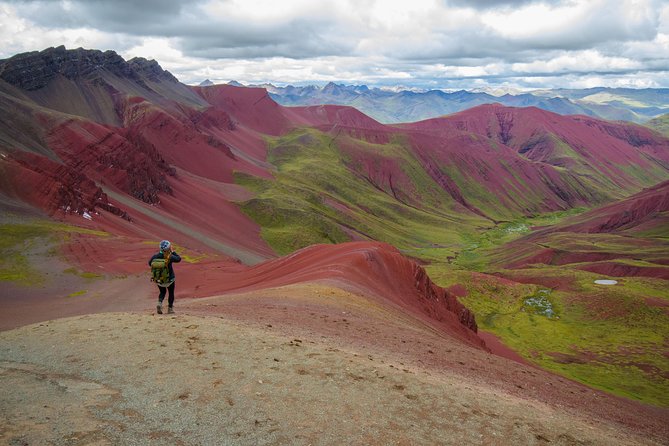
Many people come to Cusco for a quick visit to Rainbow Mountain. This route takes a different approach. Rainbow Mountain appears only on the final morning, after five days of walking through the Ausangate region.
That longer route matters. You see the colorful mountain from a distance on Day 5, then reach the viewpoint on Day 6 with a much greater sense of the surrounding country. The famous striped hills are part of a larger setting that includes glacier-fed lakes, high passes, open valleys, and the snow-covered bulk of Ausangate.
I like this format for hikers who want the journey to matter as much as the final photograph. You will spend long stretches away from the standard Cusco sightseeing circuit. There are no hotels along the trail, no restaurant stops, and no easy escape once the group is in the mountains. That is exactly the appeal for some people, but it also requires a firm commitment.
The guide speaks English and Spanish, and the group has a maximum of eight people. That is a useful balance: small enough to feel personal, but large enough that you are unlikely to be walking entirely alone.
A few more treks around Cusco worth a look
- Singalila Ridge Trek from Darjeeling – 6 Days
★ 5.0 · 56 reviews - 6 Days Machame Route Kilimanjaro Climbing Trekking Tour
★ 5.0 · 34 reviews - Kathmandu: 6-Day Limitless Langtang Trek
★ 5.0 · 21 reviews
Day 1: Cusco to Tinqui and the Upis hot springs
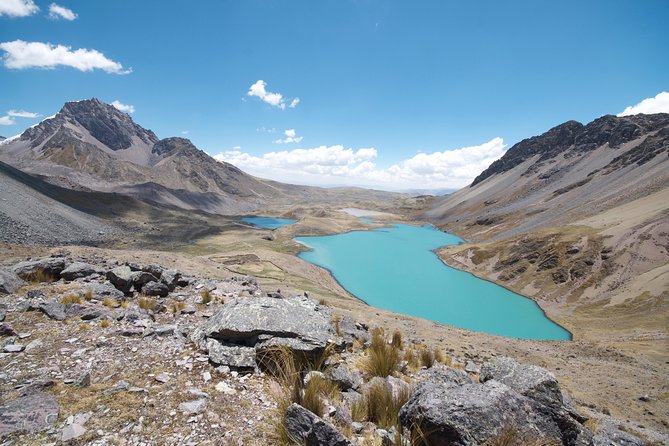
The day begins early, with pickup in Cusco at about 6:00 in the morning. Private transport takes you to Tinqui, the starting point of the trek. After lunch in the local area, your gear is loaded onto pack horses and you begin walking toward Upis.
The first hiking day is short, only two to three hours. That is welcome because you are also traveling from Cusco, organizing your equipment, and adjusting to the first camp at about 4,200 meters. The route leads to Upis, where hot springs offer a chance to loosen your legs before dinner.
This is a sensible opening. You are not thrown straight into a full mountain day, and the hot springs give you something pleasant to look forward to. Coca tea is also served, a familiar high-altitude custom in the Andes.
The catch is that 4,200 meters is already very high. Even a short walk can feel demanding if you have not adjusted to altitude. The easy distance should not be confused with an easy day. Keep your pace slow, drink what is offered, and do not spend your first afternoon trying to prove anything.
Day 2: The seven lagoons of Ausangate
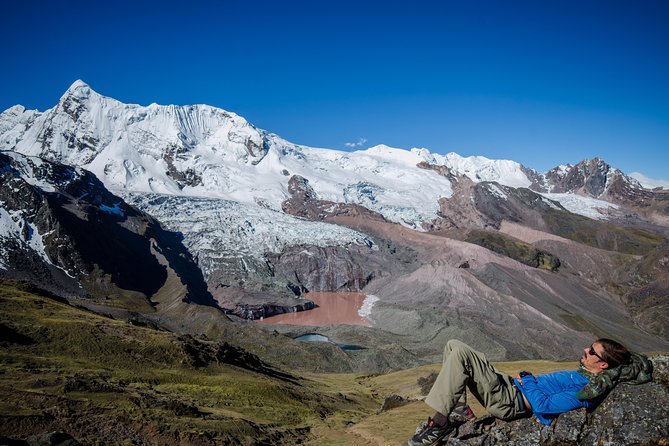
You are up around 5:00 in the morning, with coca tea or coffee delivered to your tent. After breakfast, you walk toward the seven lagoons of Ausangate, covering about 10 kilometers in roughly five hours.
This is one of the most scenic days of the route. The trail passes local farmers, alpacas, and high mountain scenery, with large peaks forming the backdrop. The colorful lakes are the main attraction, but the setting around them may be just as memorable: open slopes, grazing animals, and a sense of distance from ordinary life.
You camp at Ninaparayuc, surrounded by some of the highest mountains in the region. After lunch, you can explore nearby lakes instead of simply staying in your tent. That extra time matters. On a six-day trek, the best moments are not always the scheduled walking hours. A quiet hour beside a lake may be more rewarding than another rushed photograph.
The camp staff set up the tents, prepare meals, and carry the main equipment by horse. That support lets you spend your energy on the trail. It also means you should pack your belongings carefully in the supplied duffel bag, since only up to 6 kilograms per person can be carried by the horses.
Day 3: Qampa Pass and the Qampa Valley
Day 3 is where the trek becomes plainly difficult. The route climbs to Qampa Pass at 5,051 meters, then drops into the Qampa Valley. The day covers about 14 kilometers and takes seven to eight hours.
At the pass, you get broad views toward Ausangate. The reward comes after the effort, but the climb itself should not be underestimated. At more than 5,000 meters, breathing is harder and every uphill section feels longer. Your guide can set the pace, but your fitness and previous altitude experience still matter.
After descending into the valley, the route continues toward Surapampa for lunch. The area is described as being surrounded by glaciers and filled with grazing llamas. Later, you descend through old moraine and enter habitat where you might spot mountain chinchillas, also described as Andean rabbits.
Wildlife sightings are never guaranteed, so treat them as a bonus rather than a promise. The moraine and mountain setting remain worthwhile even if the small animals stay out of sight. The final destination is Huchuy Phinaya, where dinner follows what will likely be one of the longest and most tiring days.
Same trailhead, a longer or shorter day out:
- From Cusco: 7 Lakes Ausangate Trek with Breakfast and Lunch
★ 4.8 · 360 reviews - Cusco: Full-Day Rainbow Mountain & Red Valley Trekking Tour
★ 4.5 · 121 reviews - Salkantay Trek Challenge – 3 Days / 2 Nights
★ 5.0 · 101 reviews - From Cusco: Rainbow Mountain Trek
★ 4.5 · 98 reviews
Day 4: Palomani Pass, the highest point of the trek
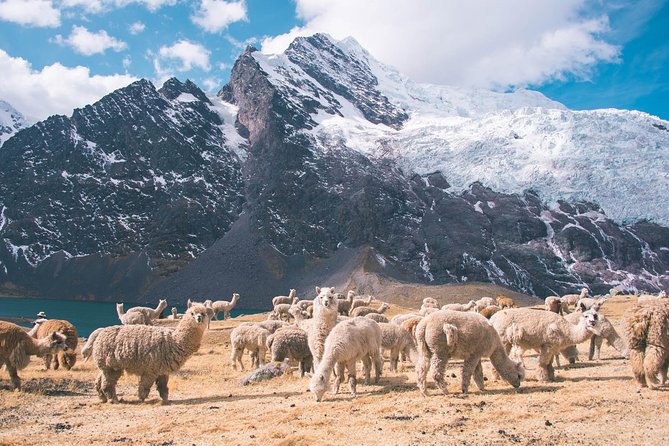
Day 4 brings another seven to eight hours of walking over roughly 14 kilometers. The route passes colorful hills and more glacial lakes before climbing to Palomani Pass at 5,130 meters, the highest point on the trek.
This is the day to take the altitude seriously. Palomani is higher than Qampa, and the route does not end at the pass. You still descend into the valley, eat lunch, and walk another two hours toward Puca Cocha camp at about 4,600 meters.
The scenery should be superb, with Ausangate, glaciers, and mountain lakes appearing at different points along the route. Yet this is not a day for a relaxed photo walk. You will need steady pacing, warm layers, and enough patience to stop when your body needs a break.
Tea time and dinner are served at camp. Those small comforts have real value after a day at extreme altitude. The inclusion of hot drinks and prepared meals means you do not need to cook, shop, or plan food at the end of an exhausting walk.
Day 5: Red Mountain Valley and the first view of Rainbow Mountain
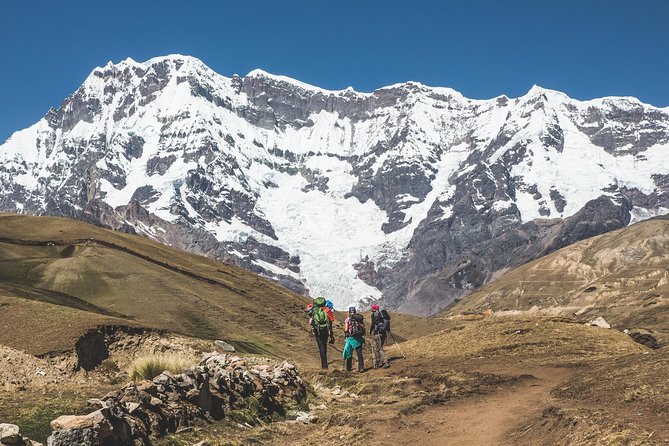
Day 5 covers about 13 kilometers in six to seven hours. You begin by climbing Puca Cocha Pass at 5,051 meters, then continue through the Red Mountain Valley.
This section combines several of the route’s strongest visual moments. You can see Ausangate, colorful mountain slopes, and glacial lakes along the way. The route then climbs to Warmi Saya Pass, where Rainbow Mountain comes into view in the distance.
That distant first look is a smart part of the experience. You do not simply wake up, take a short walk, and arrive at the famous viewpoint with no sense of place. You have crossed valleys and passes first, so Rainbow Mountain becomes the final piece of a much larger route.
The day ends at camp, with lunch and time to rest before the early start. The schedule says lunch is served after reaching camp, so you should expect a fairly direct finish rather than a long afternoon program.
Day 6: Rainbow Mountain, Red Valley, and the return to Cusco
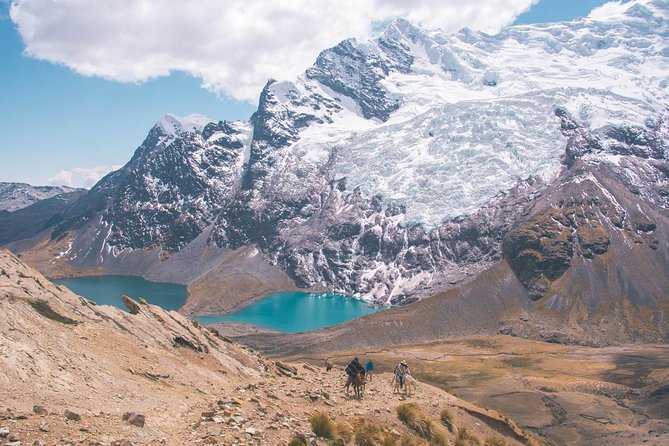
The final morning starts at about 4:45, with coca tea delivered to your tent. You walk for roughly 45 minutes to one hour, covering about 1 kilometer, before reaching Rainbow Mountain.
You are allowed around 30 minutes to one hour at the viewpoint, depending on your pace and weather conditions. That is enough time for photographs and a look around, but do not expect to linger indefinitely. Cold, wind, clouds, or crowd conditions can affect how long the group stays.
After Rainbow Mountain, you continue for about 30 minutes to Red Valley. This adds another strong visual stop rather than sending you straight back to the vehicle. You then reach the bus station and board the van back toward Cusco.
The schedule gives an arrival at your hotel around 3:00 in the afternoon. It also refers to a farewell dinner with the horseman and chef, so I would confirm the exact timing before you go, since the stated return time and dinner wording do not fit neatly together.
What the $1,050 price really covers
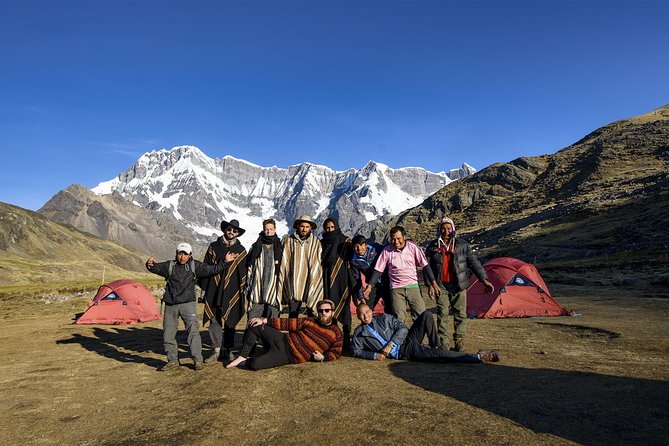
At $1,050 per person, this is not a bargain day trip. It is also not simply a guide and a mountain walk. The price includes private transport from and back to your Cusco hotel, an English and Spanish-speaking guide, access fees for private land, a first-aid kit with an oxygen tank, snacks, hot drinks, camping tents, sleeping bags, a portable toilet, pack horses, duffel bags, and 15 meals.
The five breakfasts, five lunches, and five dinners are important. Food logistics in a remote mountain camp can be difficult, and you are not expected to carry six days of supplies. The horse team also carries the shared camping equipment and up to 6 kilograms of your personal belongings.
I see the price as reasonable for someone who values support and does not want to arrange transport, permits, food, camping equipment, and pack animals separately. The value is weaker if you already own all the gear, have a large trekking group, or mainly want to see Rainbow Mountain. A short visit would cost less and require far less effort.
You still pay extra for personal trekking gear and a backpack. A riding horse is also not included. If you decide during a hard climb that you would rather ride, that option is separate and should not be assumed to be available as part of the package.
Fitness, altitude, and what to pack
The operator requires a strong fitness level, and that is justified. The route includes several seven to eight-hour days, distances of up to 14 kilometers, and two passes above 5,000 meters. Even fit hikers can find this demanding because the camps remain high and recovery time is limited.
You should be comfortable walking for many hours on uneven surfaces. The tour is not recommended for people with walking disabilities. It operates in all weather, so your clothing needs to handle cold, wind, rain, and changing mountain conditions.
Because pack horses carry up to 6 kilograms, keep your personal duffel compact. Carry daily essentials in your own backpack, while less-used items can go with the horse team. The supplied sleeping bag and tent reduce the amount of bulky equipment you need to bring, but your personal trekking clothing and footwear remain your responsibility.
The first-aid kit includes oxygen, which is reassuring, but it is not a substitute for altitude preparation or good judgment. If you feel unwell, tell the guide early. High passes are not the place to hide symptoms because you do not want to slow the group.
Group size, food, and camp comfort
A maximum of eight people is one of the best features of this trip. A small group makes it easier for the guide to communicate, manage walking speeds, and keep the trail experience from feeling like a procession.
The camp setup is practical rather than luxurious. You sleep in tents, use a portable toilet, and eat meals prepared by a professional chef. Tea, coffee, snacks, and regular meals help create a steady rhythm, especially on the long middle days.
Vegetarian food is available if requested at booking. I would state that need clearly at the time you reserve, rather than hoping it can be arranged at camp.
The early starts are part of the deal. Coca tea or coffee arrives at your tent on several mornings, including the final pre-dawn start. That sounds like a small touch, but at 4:45 in the cold, a hot drink is exactly the kind of service you appreciate.
Booking risks and practical cautions
The experience requires at least two people per booking and is subject to availability. It can be canceled if the minimum number is not reached, in which case you are offered another date or experience, or a full refund.
Your own cancellation terms are much stricter. The booking is nonrefundable and cannot be changed for any reason. That makes timing important, especially if your Peru plans are still shifting.
There has also been a serious complaint about a cancellation only a few days before departure. I would not ignore that possibility. Before paying, confirm the departure date, group status, pickup details, and what happens if the provider cancels close to the start.
Service animals are allowed. The tour has mobile ticketing and pickup is offered, but you should still confirm your Cusco hotel is within the pickup area.
Who should book this Ausangate trek?
I would choose this trip if you want a demanding, remote mountain route and consider Rainbow Mountain one part of a bigger goal. It suits fit hikers who are comfortable with tents, early starts, cold conditions, and long days at altitude.
I would not choose it if your main aim is a quick photograph at Rainbow Mountain, if you dislike camping, or if your schedule cannot tolerate a possible change. The trip asks for commitment before it gives you the famous viewpoint.
Should you book it?
Book this trek if you want Ausangate first and Rainbow Mountain second. The seven lagoons, Upis hot springs, high passes, glacial lakes, local herding communities, and possible wildlife sightings give the route far more substance than a simple mountain excursion.
Skip it if you are uncertain about high-altitude hiking or need flexible cancellation terms. At $1,050, the trip offers strong practical value for a fully supported six-day trek, but only if you are fit enough to enjoy the support rather than spend the whole week fighting the altitude.
FAQ
How long is the Rainbow Mountain and Ausangate trek?
The trek lasts approximately six days, beginning and ending in Cusco.
What time does the tour start?
Pickup begins at about 6:00 in the morning from your Cusco hotel.
How high does the trek go?
The highest point is Palomani Pass at 5,130 meters, or about 16,831 feet. Qampa Pass and Puca Cocha Pass reach about 5,051 meters.
How long do I hike each day?
Day 1 involves about two to three hours of hiking. Day 2 takes about five hours, Days 3 and 4 take about seven to eight hours, Day 5 takes about six to seven hours, and Day 6 involves roughly 45 minutes to one hour before Rainbow Mountain.
Are meals included?
Yes. The package includes five breakfasts, five lunches, and five dinners, along with snacks and coffee or tea.
Is camping equipment provided?
Yes. A camping tent and sleeping bag are provided. The experience also includes a portable toilet.
How much luggage can the horses carry?
Pack horses carry up to 6 kilograms of your personal belongings in the supplied duffel bags.
Is vegetarian food available?
Yes. A vegetarian option is available, but you must request it when booking.
Can I cancel for a refund?
No. The experience is nonrefundable and cannot be changed for any reason. If the operator cancels because the minimum number of participants is not met, you are offered another date or experience, or a full refund.
Recently added around Cusco
- Small Group: 4-Day Inca Trail Trek to Machu Picchu★ 5.0 · 33 reviews
- 5 Day – Salkantay trek to Machu Picchu – Group Service★ 4.5 · 27 reviews
- Salkantay Trek: 5 Days to Machu Picchu★ 5.0 · 33 reviews
- Humantay Lake Full-Day Adventure: Scenic Trek and Stunning Views★ 4.5 · 39 reviews
- Salkantay 5-Day Trek To Machu Picchu★ 5.0 · 39 reviews
- Inca Trail Trek to Machu Picchu – 2 Days (Small Group or Private)★ 5.0 · 31 reviews
- Ausangate and Rainbow Mountain Trek – 3 Days / 2 Nights★ 5.0 · 35 reviews
- 4-Day Lares Trek to Machu Picchu★ 5.0 · 30 reviews
6-Day Experiences, compared.
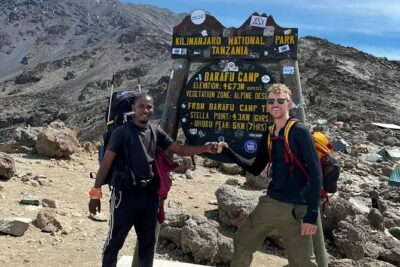
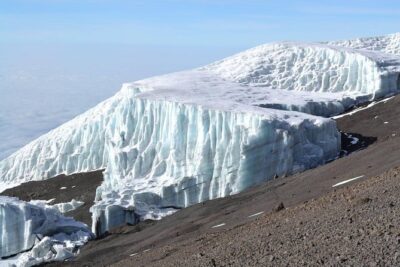
6 Days Machame Route Kilimanjaro Climbing Trekking Tour
Read our review →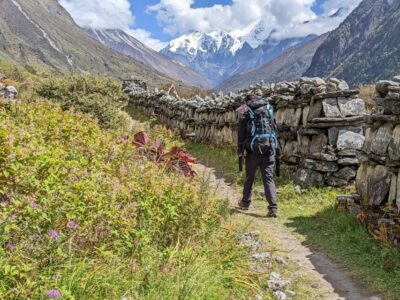
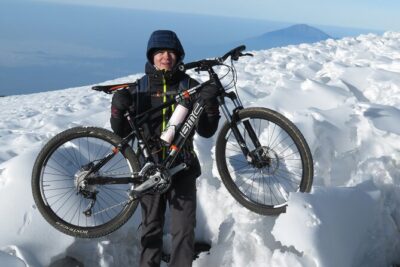
Top 6 Days Mt. Kilimanjaro Bike trek Tour by Marangu-Kilema Route
Read our review →
6 Days Poon Hill – Ghandruk Circuit Trek from Kathmandu
Read our review →Browse the lists this tour appears in