
REVIEW · MOSHI
Top 6 Days Mt. Kilimanjaro Bike trek Tour by Marangu-Kilema Route
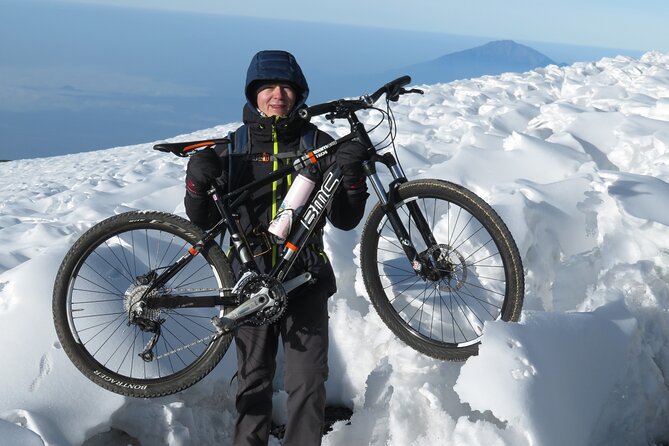
Kilimanjaro turns cycling into a serious high-altitude test. This six-day trip uses the Kilema Route, the only route on the mountain designed for mountain bikes, taking you from the forest near Marangu to Horombo, the alpine desert, Kibo Hut, and finally Uhuru Peak. I like the included transfers, meals, porters, and crew support, and I like that you ride through several distinct climate zones instead of simply climbing on foot. The main concern is that the bike rental and personal mountain gear cost extra, while some upper sections are too rocky or steep for easy riding.
This is not a casual cycle tour with a mountain view in the background. You will hike with your bike at points, cope with cold and thin air, and make a summit attempt during the night. Strong mountain-bike skills and good fitness matter, and you should be comfortable with a demanding mix of riding, pushing, carrying, and walking.
Five things to know before you book
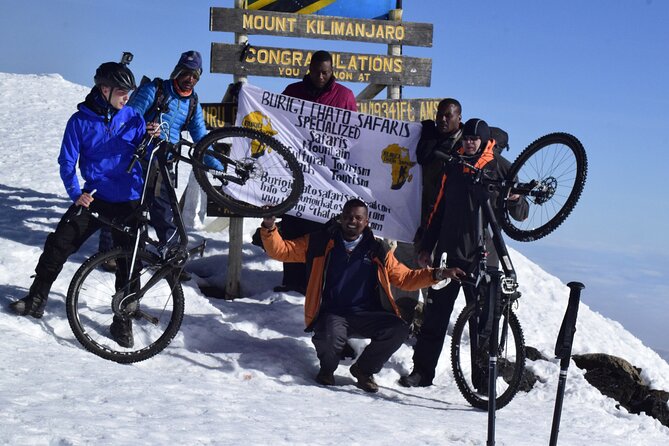
- The Kilema Route is the key attraction: It offers the only bike-accessible route to the summit of Kilimanjaro.
- Day one reaches Horombo Hut: You cover about 16 kilometers from Kilema Gate at 1,950 meters to Horombo Hut at 3,705 meters.
- The bike is not included: You must arrange and pay for a trekking mountain bike, along with personal mountain clothing and equipment.
- The summit section is partly on foot: You hike toward Gilman’s Point, then take the bike from porters and ride toward Uhuru Peak.
- The price covers major expedition costs: At $3,668 per person, the package includes transport, crew wages, park fees, meals, and listed airport transfers.
- The summit night is the hardest part: Expect an early wake-up, cold conditions, low oxygen, and a long ascent before riding back toward Horombo.
What makes a Kilimanjaro bike trek different
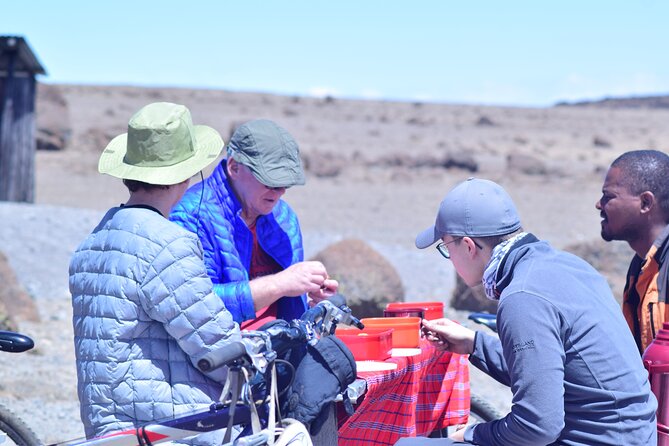
Most people picture Kilimanjaro as a walking climb. This trip changes the rhythm. You ride where the trail permits, push over rough sections, and use porters to help move the bike when the trail becomes too difficult.
That makes the journey appealing if you already enjoy mountain biking but want something far more demanding than a day ride around Moshi. You get the satisfaction of handling a bike on volcanic terrain, yet you also need the patience of a trekker. The mountain does not suddenly become a smooth cycling route simply because the tour is marketed around bikes.
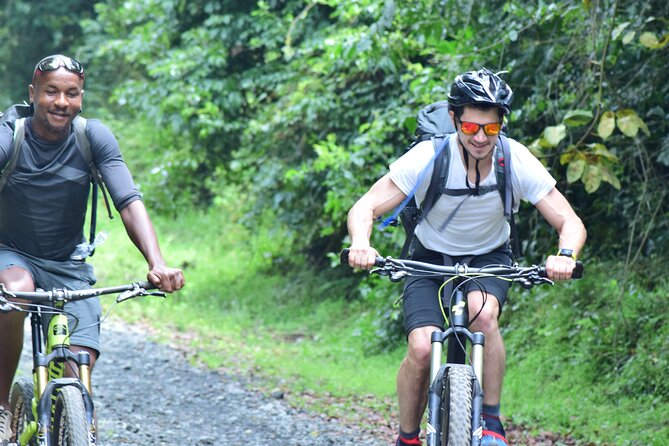
The route passes through forest-like lower slopes, open alpine desert, and the colder upper zone around Kibo. The changing vegetation gives each day a different feel. Early on, you have more of a conventional mountain ride. Higher up, the air, stones, cold, and altitude become the real challenge.
The route also has a strong sense of progression. You begin at the Kilema Gate, sleep at Horombo, ride toward Mawenzi, cross the Saddle between Mawenzi and Kibo, and eventually face the summit slopes. That sequence helps you see how quickly Kilimanjaro changes as you gain height.
More Kilimanjaro Climbs in Moshi
- Best Kilimanjaro Adventure 7 days Machame route Trekking
★ 5.0 · 42 reviews - Kilimanjaro 7 Day Private Trekking Experience
★ 5.0 · 40 reviews - 6 Days Machame Route Kilimanjaro Climbing Trekking Tour
★ 5.0 · 34 reviews
Day one: from Marangu Gate to Horombo Hut
Your day begins with a guide and a transfer from Moshi to Marangu Gate, a drive of about 45 minutes. At the park office, you register before continuing by vehicle to Kilema Gate. The two gates serve different purposes here: Marangu is the registration point, while Kilema is where the bike route begins.
Before riding, check your daypack carefully. It should contain drinking water, lunch, and extra clothing. This is also the right moment to inspect your bike, because a small problem is easier to fix at the trailhead than at high altitude.
The first riding section covers about 16 kilometers, climbing from 1,950 meters to Horombo Hut at 3,705 meters. The guide rides with you, which is important on a route where trail conditions can change the pace. If your fitness and riding ability are strong, you may manage much of this section on the bike, depending on the condition of the road.
Horombo is a useful first overnight stop because it gives you a major gain in altitude on the opening day. The trade-off is that the day can be tiring. Six hours is the stated duration, but rough ground, stops, and the pace of the group can affect the schedule.
One useful detail comes from a past trip involving guide Gabriel: moving around near Horombo instead of simply collapsing into bed can help you get a better sense of the mountain. Keep that gentle. This is not the time for a strenuous extra ride. A short look around, followed by food, hydration, and rest, is the sensible approach.
Day two: a 10-kilometer ride toward Mawenzi Hut
After breakfast, you ride through alpine desert vegetation toward Mawenzi Hut and return to Horombo. The listed cycling distance is about 10 kilometers, and about 90 percent of the day is described as riding.
This sounds easier than the first day, but the surface matters. Some sections contain small stones, and the surroundings are increasingly open and exposed. The day is less about covering a great distance and more about adjusting to altitude while seeing the dramatic volcanic form of Mawenzi.
The 12-hour duration listed for this day deserves attention. The actual cycling distance is short, yet the full day can be long because of the high-altitude setting, stops, and time spent moving carefully over rough ground. You should not judge the difficulty by kilometers alone.
Returning to Horombo provides an extra night at the same hut before moving higher. That is valuable for adaptation and gives you a familiar base for your clothing, food, and sleeping arrangements. It also means this trip is not a simple one-way push upward each day.
Day three: across the Saddle to Kibo Hut
Day three takes you into the alpine desert on the route toward Kibo Hut. The first three kilometers are especially rocky, eroded, and difficult to cycle. You should expect to push or walk with the bike rather than force a ride that is unsafe or exhausting.
After that rough opening, the trail improves. The Saddle, the broad area between Mawenzi and Kibo, is relatively flat, so riding becomes easier from a technical point of view. The altitude still makes it hard. Thin air, cold temperatures, and the long climb toward Kibo can make a manageable trail feel punishing.
The final seven kilometers toward Kibo Hut are strenuous, with the last kilometer singled out as particularly tough. Your guide will remind you to slow down and drink water, and you should take that advice seriously. At this height, rushing rarely helps.
Kibo is a major psychological turning point. The surroundings feel more exposed and severe, and the summit is close enough to dominate your thoughts. Eat, organize your gear, and keep the evening quiet. The next phase begins very early.
Same trailhead, a longer or shorter day out:
- Kilimanjaro Trekking 7Days 6Night Lemosho Route
★ 5.0 · 23 reviews - 8 Day Kilimanjaro Trek via Lemosho Route
★ 5.0 · 17 reviews - 6 Days Mount Kilimanjaro Trek Marangu Route
★ 5.0 · 15 reviews - Kilimanjaro Trek 7 Days – Machame Route
★ 5.0 · 13 reviews
Day four: preparation and a confusing schedule detail
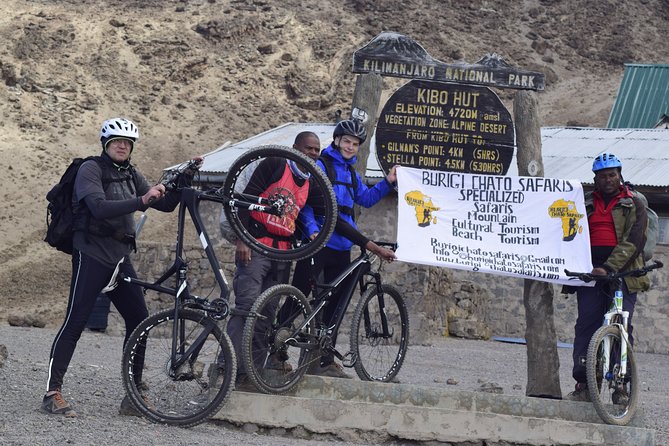
The supplied plan describes an early breakfast, a ride back toward Kibo Hut, lunch, and a rest period. It also allows for a partial walk up the summit trail at around 4 p.m., depending on how you feel. Since day three already places you at Kibo Hut, the wording appears to repeat part of the route, so you should ask the operator to confirm exactly where you sleep on this night and how day three and day four fit together.
The useful part of this day is the preparation. Pack your duffel bags, organize thermal clothing, and replace or protect batteries for your headlamp and camera. Cold can drain batteries quickly, so carry a spare set as advised.
The summit is another 1,195 meters above Kibo Hut. The plan is to make the final ascent that night, so rest is not optional. You will want your warmest clothing, reliable lighting, water, and snacks close at hand.
A small but important warning comes from one reported summit attempt: a water reservoir froze during the climb. I would ask the operator how water is protected from freezing and carry a bottle in an insulated layer rather than relying on a single hydration tube.
Day five: Gilman’s Point, Uhuru Peak, and the ride down
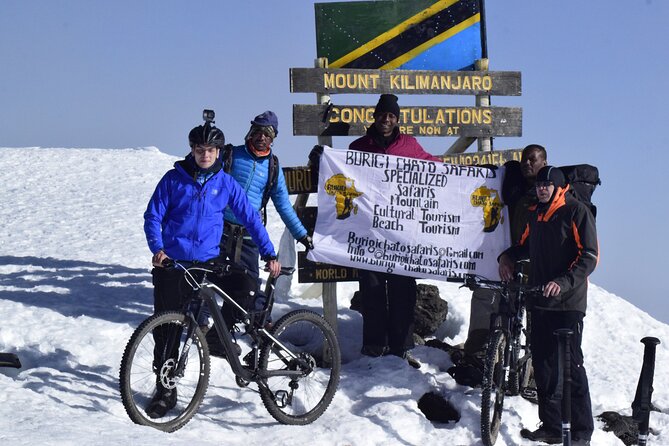
The summit day begins at about 4 a.m. You climb a zigzag trail on a long scree slope. The first section takes roughly two hours to Hans Meyer’s Cave, after which the gradient becomes steeper.
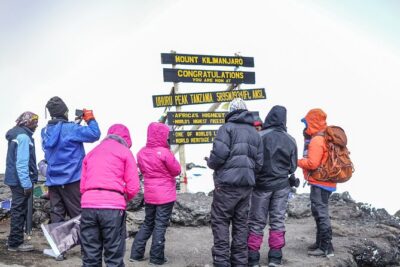
You continue for about three more hours to Gilman’s Point. This is the part where the bicycle is not the main tool. You hike, and porters carry the bike until the route allows you to take it. From Gilman’s Point, the plan is to ride toward Uhuru Peak, take photographs, and then descend by bike toward Stella Point.
This is the most unusual part of the trip, but it is also the section where expectations need careful handling. Reaching the highest point of Africa by bike does not mean cycling from the hut all the way to the summit. Much of the summit approach is a high-altitude hike, followed by a limited but memorable ride when conditions permit.
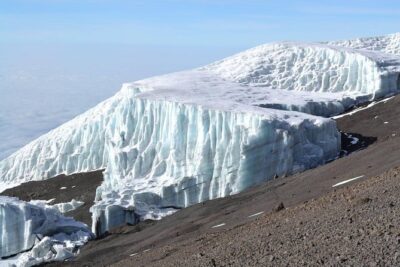
The day also includes the return toward Horombo after lunch. The plan describes cycling from Kibo to Uhuru and then back toward Horombo through alpine desert and icecap terrain. That is a substantial amount of movement after the summit climb. You may be tired, cold, and mentally spent, so the quality of pacing and support from the guide matters greatly.
A particularly positive account of the crew described porters having tents ready, keeping the rider motivated, and providing first-aid help when altitude sickness symptoms appeared. That is the kind of support you need on this trip. At the same time, altitude illness can become serious, and no summit success should come before your health.
Day six: descending through the forest to Kilema Gate
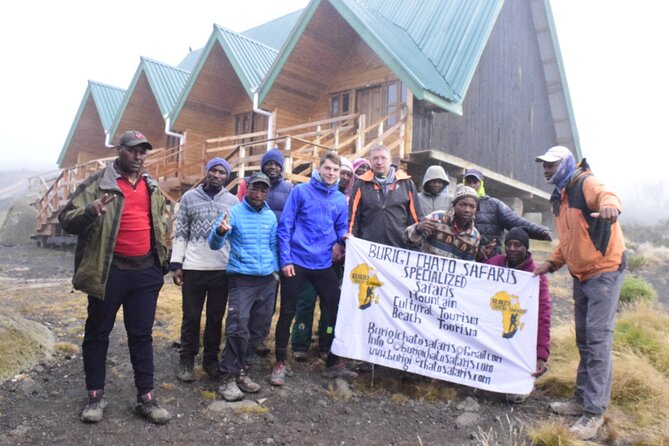
After breakfast, you make the final ride down from Horombo to Kilema Gate, crossing alpine and rainforest zones. The listed riding time is about two hours, though the condition of the trail and the group pace may affect the actual duration.
This is likely to feel very different from the climb. Descending brings more oxygen, warmer air, and a return to thicker vegetation. You still need to control your speed, especially after a tiring summit day. A fast downhill can be tempting, but rough ground and fatigue are a poor combination.
At Kilema Gate, you transfer to Marangu Gate for checkout, then continue to your hotel in Moshi. The trip includes private transportation, and the package also lists airport pickup and drop-off.
Is $3,668 a fair price?
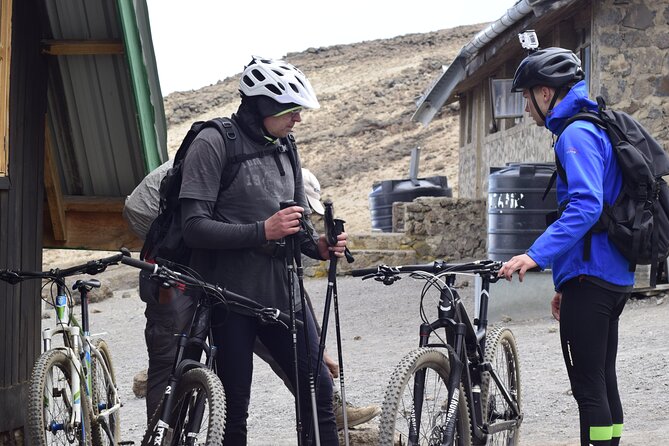
The price is high, but this is an expedition rather than a basic day ride. The package includes private transport, crew wages, park fees and other taxes, six dinners, six lunches, five breakfasts, and the stated gate transfers. Airport pickup and drop-off are also included.
Accommodation before and after the trek needs clarification. The package information says hotel accommodation can be booked directly by you or through the operator. I would not assume those nights are included in the quoted price until the operator confirms it in writing.
The biggest extra cost is the mountain bike itself. Trekking gear is also excluded, along with flights, visas, tips, and crew gratuities. That changes the real budget. Ask what kind of bike is available, how replacement or repair support works, and what happens if a guide’s bike develops a fault. One account described a guide’s bicycle breaking and the rider becoming worried about the delay, so bike support is worth discussing before payment.
At $3,668, the value depends on the level of organization and support you receive. If you want a guided, fully staffed Kilimanjaro climb with meals, porters, transfers, and a rare biking route, the cost may make sense. If you already own suitable equipment and only want a short ride on the mountain, this is more trip than you need.
Food, support, and group size
Meals are supplied throughout the climb, with six dinners, six lunches, and five breakfasts listed. The exact menus are not provided, so ask about dietary needs before departure.
Porters are part of the support team, and the strongest praise focuses on their fitness, encouragement, and ability to have camp equipment ready. Crew wages are included, but tipping is not. Budget for tips and ask the operator about its recommended tipping practice.
The maximum group size is listed as 200 people. That is a very large possible maximum for a mountain activity, even though your actual cycling group may be much smaller. Ask how many riders will be assigned to your guide, how many guides accompany the group, and what happens if riders have different abilities.
The operator has also organized city and village bike outings around Moshi, including rides toward Uru village, Materuni Waterfall, Chemka-Kikuletwa Hot Spring, and nearby Maasai communities. Those trips are separate from this Kilimanjaro climb, but they suggest a useful option if you want a short practice ride before tackling the mountain.
Who should book this Kilimanjaro bike trek?
I would recommend it to a fit mountain biker who enjoys rough surfaces, long days, and changing plans caused by altitude and weather. You should be ready to hike with your bike and accept that riding time decreases as the mountain gets higher.
It is less suitable if you want a relaxed cycling holiday, dislike cold nights, or have limited experience with strenuous mountain activity. The tour requires a moderate physical fitness level according to the booking information, but the summit section calls for more than ordinary recreational fitness.
The 100 percent recommendation rate and five-star rating shown for the experience are encouraging, especially alongside praise for crew motivation, porters, first aid, and organization. Still, the available comments also include practical warnings about a frozen hydration system and a broken bicycle. I would treat those as useful preparation points, not reasons to dismiss the trip.
Should you book it?
Book this tour if reaching Uhuru Peak by a combination of mountain bike and hiking appeals to you more than a standard walking route. The changing terrain, hut stays, alpine desert, icecap, and return through the forest give the trip real variety.
Before paying, confirm four things: the exact day three and day four sleeping arrangement, the bike rental and repair plan, the hotel nights before and after the climb, and the size of your assigned group. If those answers are clear and you already have solid mountain-bike experience, this is a rare way to approach Kilimanjaro.
FAQ
How long is the Kilimanjaro bike trek?
The trip lasts approximately six days, starting and ending with transfers around Moshi.
Which route does the bike trek use?
The trip uses the Marangu and Kilema access points, with the cycling route beginning at Kilema Gate.
Is a mountain bike included in the price?
No. Trekking mountain bike hire is listed as an exclusion, so you need to arrange and pay for the bike separately.
Does the tour reach Uhuru Peak?
Yes. The plan includes a summit attempt at Uhuru Peak, followed by a bike ride toward the summit section when conditions allow.
Are meals included?
Yes. The package lists six dinners, six lunches, and five breakfasts.
Are flights, visas, and tips included?
No. International and local flights, visa costs, and crew tips are excluded.
What happens if bad weather cancels the trip?
If poor weather causes cancellation, you can receive a different date or a full refund. Free cancellation is available when you cancel at least 24 hours before the local start time.
More 6-Day Experiences in Moshi
- 6-Day Rongai Route Trek in Mount Kilimanjaro
★ 5.0 · 8 reviews - 6-Day Kilimanjaro Machame Route – A Stunning Trek to Uhuru Peak
★ 5.0 · 7 reviews - 6 Days Kilimanjaro Trekking – Machame Route
★ 5.0 · 6 reviews - 6 Days MARANGU ROUTE (Kilimanjaro Trekk)
★ 5.0 · 5 reviews
More Cycling Trips in Moshi
- Best 5 Days Kilimanjaro Bike Trek Tour via Marangu Kilema Route
★ 5.0 · 9 reviews - Cruising- Kayaking- Cycling- Trekking 3D/2N from Cat Ba in less tourist areas.
★ 5.0 · 119 reviews - 07 Day: Inca Jungle Adventure with Mountain Bike, Rafting, Zipline & Trek
★ 5.0 · 36 reviews - Rent a Trekking bike: Full Day 24 hours
★ 5.0 · 34 reviews
Recently added around Moshi
- Mt Kilimanjaro Trek, 6 Days – Umbwe Route★ 5.0 · 4 reviews
- 7 Day Trek To The Roof Of Africa Kilimanjaro via Machame Route★ 5.0 · 5 reviews
- Mount Kilimanjaro Trek 7-Days: Lemosho Route★ 5.0 · 2 reviews
- 8 Day Kilimanjaro Trek via Lemosho Route★ 5.0 · 17 reviews
- 6-Day Kilimanjaro Machame Route – A Stunning Trek to Uhuru Peak★ 5.0 · 7 reviews
- 7-Days Tour Mount Kilimanjaro Trekking via Machame Route★ 5.0 · 2 reviews
- Trek To Mount Kilimanjaro★ 5.0 · 12 reviews
- Unforgettable 8 Days Lemosho Route Trekking on Kilimanjaro★ 5.0 · 4 reviews
Kilimanjaro Climbs, compared.
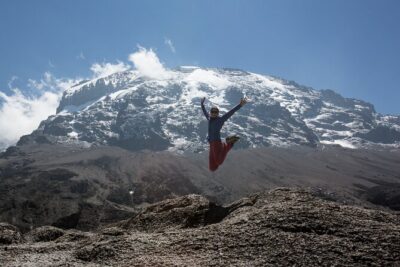
8-Day Small-group Lemosho Kilimanjaro Summit Trekking
Read our review →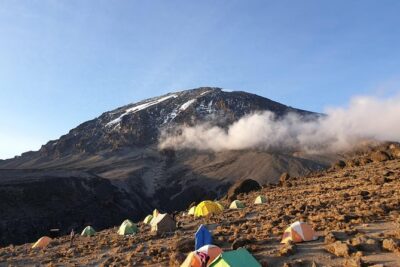
Best Kilimanjaro Adventure 7 days Machame route Trekking
Read our review →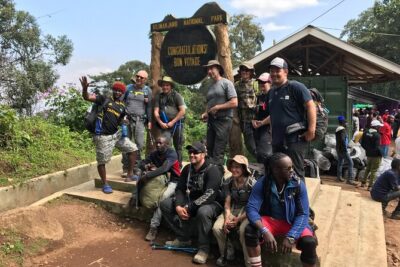
Kilimanjaro 7 Day Private Trekking Experience
Read our review →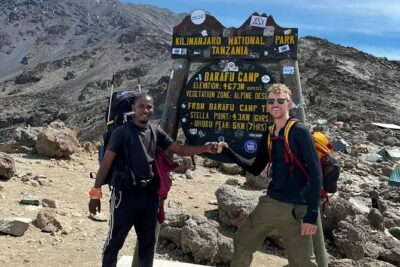
6 Days Machame Route Kilimanjaro Climbing Trekking Tour
Read our review →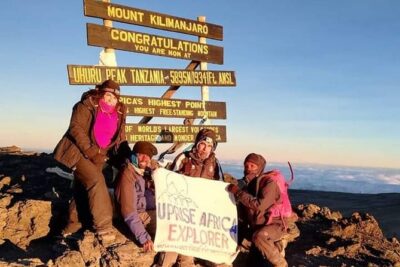
Kilimanjaro Trekking 7Days 6Night Lemosho Route
Read our review →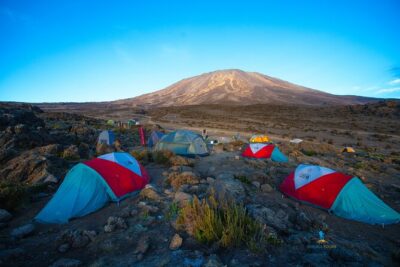
Browse the lists this tour appears in