
REVIEW · SAPA
Red Dao Village Trek and Herbal Bath
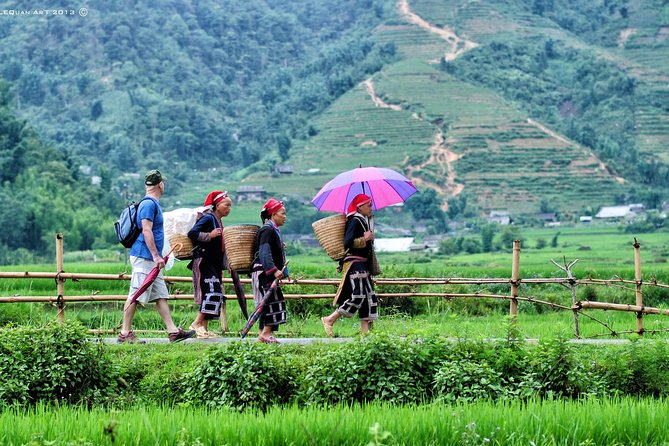
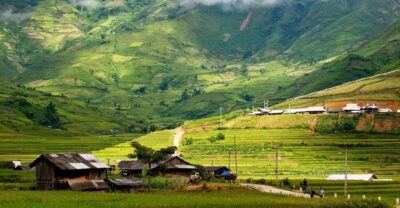
The best part happens beyond Sapa’s town limits. This six-hour walk leads you through Black Hmong villages, Red Dao country, rice terraces, and bamboo forest, with a local guide explaining customs along the way. I especially like the 12-kilometer route through the countryside and the chance to learn directly about Hmong and Dao life rather than simply taking photographs of village homes.
I also like that lunch is served locally and that the guide can explain details such as marriage customs, indigo work, embroidery, and traditional houses. Guide Chi received particular praise for her friendly manner and clear answers. The main catch is physical: this can be a demanding walk, and the herbal bath costs extra. The villages may also feel quiet, with few people around during some visits.
Key points at a glance
- A full countryside walk from Sapa: Expect roughly 12 kilometers through rice fields, cornfields, bamboo forest, and village paths rather than a short sightseeing stroll.
- Three Hmong and Dao areas in one day: Suoi Ho, Ma Tra, Can Ho, and Ta Phin each offer a different look at local life.
- Lunch with a local view: The midday meal takes place at a local restaurant or family setting in Can Ho, with countryside scenery nearby.
- Red Dao herbal bath costs extra: The bath is a traditional add-on at the end of the walk, not part of the $38 price.
- Local ethnic-minority guides: Sapa Trekking Hiking Tours is run by Hmong and Red Dao people, and the guide leads the cultural explanations.
- Best for fit walkers: The route is not suitable for wheelchair users or people with mobility impairments.
Leaving Sapa for Suoi Ho’s hilltop views
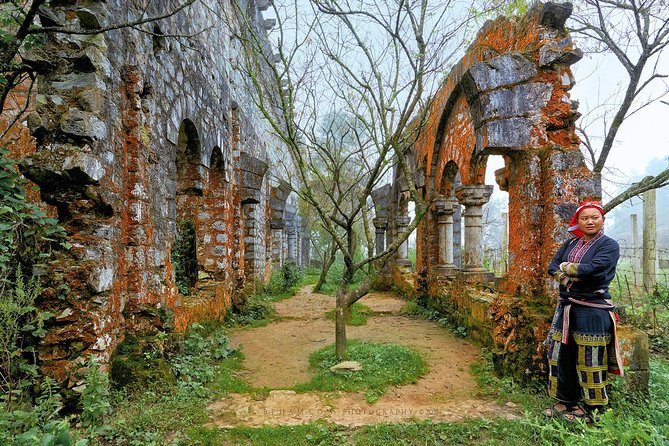
Your guide meets you at your hotel in central Sapa or at Sapa Church. If your accommodation is outside the center, the meeting point is Sapa Church, and the guide waits in the lobby about 15 minutes before the agreed pickup time.
The day begins with a short briefing, then you leave the crowded center on a small road toward the ethnic villages. This change happens quickly. Sapa is a busy mountain town, but the walk soon turns toward open hills, farms, and quieter paths.
Suoi Ho is the first major stop. It is a Black Hmong village on a hill above a stream and rice fields. You can see traditional houses and learn about everyday textile work, including embroidery, indigo dyeing, and weaving.
These details matter because the scenery here is not just a backdrop. Cloth-making is part of how Hmong culture is expressed and preserved. You may see women working with fabric, though the exact activity and level of village life will depend on the day of your visit.
The hill also gives you an early panorama over Suoi Ho valley. Bring a hat and sunscreen, since parts of the route are exposed, and wear shoes that can handle uneven ground.
More Homestay Treks in Sapa
- Number one top rated ethical cultural trekking and homestay by ETHOS
★ 5.0 · 456 reviews - Sa Pa: 2-Day Trekking Trip with Ethnic Minority Homestay
★ 4.7 · 145 reviews - Sapa : 2-Day Trek & Heartwarming Homestay with an Ethnic Family
★ 5.0 · 143 reviews
Ma Tra and the customs of the Ma family
From Suoi Ho, the route continues to Ma Tra, a traditional community associated with the Ma family. The people here are also Black Hmong, but the village has its own customs and identity.
That distinction is one of the more useful parts of the tour. A quick visit to an ethnic village can make every community look the same. Here, the guide helps you notice that nearby groups can share a broader identity while keeping their own traditions.
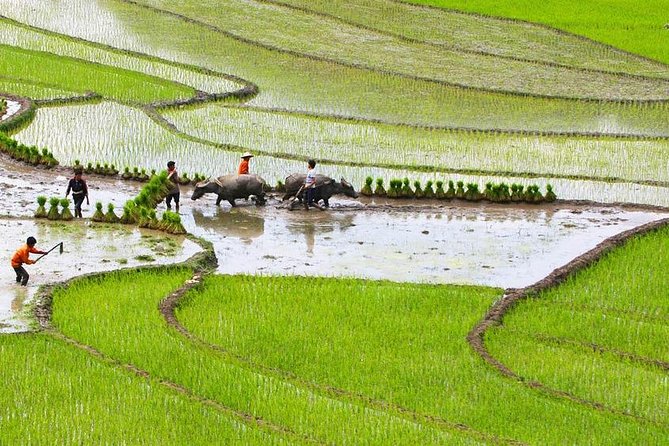
Ma Tra is also a scenic section of the walk. You will see terraced fields and traditional houses, with the route passing through cultivated countryside rather than staying on paved roads.
The terraces are especially appealing when the fields contain water or crops, but their appearance changes with the season. You should expect attractive views throughout the year, though not always the same colors or planting stages shown in promotional photographs.
The route is not a gentle village stroll. One person who took the tour found the 12-kilometer walk demanding and advised it only for people in good physical shape. That is important to know before booking. You need to be comfortable walking for several hours over rural paths and hills.
Can Ho lunch with the countryside below
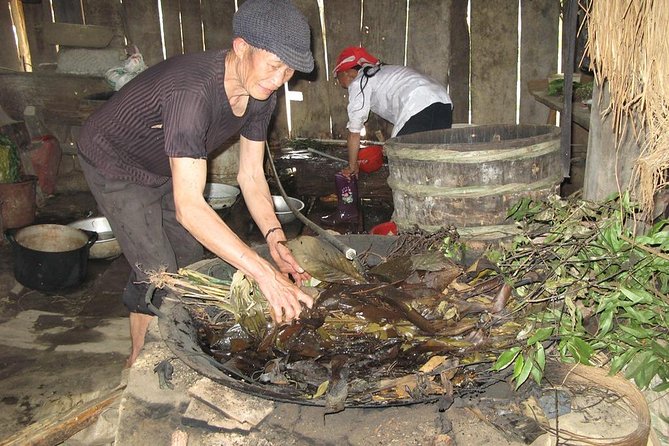
The walk continues to Can Ho, a small village along the route. This is where you stop for lunch at a local restaurant or family setting.
The meal is included, along with 1.5 liters of water per person. The lunch has been singled out as a highlight because of the setting, particularly the wide view from the eating place. It is a pleasant break after the first part of the walk, and it gives you time to ask more questions before continuing.
Do not expect a long restaurant meal with a large menu. The value is the combination of food, rest, and location. You are eating as part of a village outing, not stopping at a polished tourist restaurant in central Sapa.
The water allowance is practical, but I would still ask the provider how water is handled for your exact departure and carry your own refill if needed. Cash is also worth bringing for drinks, the herbal bath, or other personal purchases. Extra drinks are not included.
Walking through bamboo forest to Ta Phin

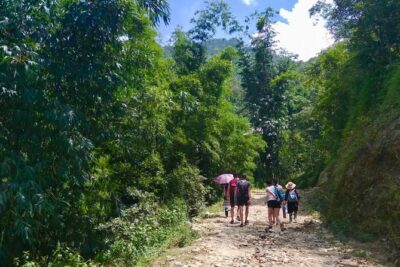
After lunch, the path leads through cornfields, bamboo forest, and more terraced fields. This is likely the most scenic stretch of the day, but it is also where the walking demand becomes clearer.
Bamboo gives the route a different feel from the open terraces. You move between enclosed green paths and broad mountain views, then continue toward Ta Phin, the main Red Dao village on the tour.
The path conditions are not described in detail, so you should prepare for ordinary rural trekking rather than a smooth paved trail. Comfortable walking shoes are essential. A raincoat is provided, but quick-changing mountain weather still makes a light extra layer sensible.
The route can also be muddy or slippery after rain, though that is a practical possibility rather than a guaranteed condition. Since the tour covers several villages and a long distance, pack lightly. Oversize luggage is not allowed, and there is no reason to bring anything larger than a small day bag.
More Homestay Treks in Vietnam
- Sapa Valley Trek and Homestay – 3D2N
★ 5.0 · 105 reviews - 2 days authentic trekking tour in Sapa ( Homestay – Less touristy )
★ 5.0 · 68 reviews - From Sapa: 2 Days 1 Night Trek Over Night At Homestay
★ 5.0 · 68 reviews - 3-Day Trek in Amazing Muong Hoa Valley & ethnic Homestay
★ 5.0 · 49 reviews
Ta Phin and Red Dao traditions
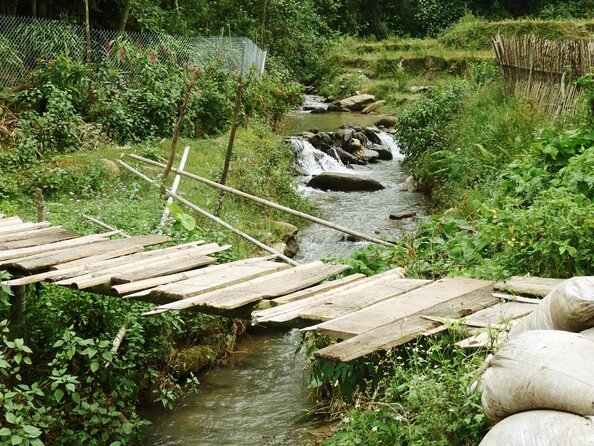
Ta Phin is home to Red Dao and Black Hmong people. The village is the cultural focus of the day, since the guide explains Red Dao houses, accommodation, and marriage customs.
This is where the tour moves beyond scenery. You can ask how homes are used, how local traditions differ, and how marriage customs fit into community life. The exact conversation depends on your guide, but the tour is designed around direct cultural explanation rather than a simple walk through the village.
The provider uses local Hmong and Red Dao guides, which gives the experience a useful connection to the communities you visit. English is available, and the tour also lists an English audio guide. The live local guide is the more important part for most people, since you can ask follow-up questions as you walk.
Guide Chi was praised for being friendly and answering questions clearly. That matters on a tour like this. The quality depends heavily on how well the guide explains what you are seeing, especially when customs are unfamiliar.
Ta Phin may not feel busy. On one visit, the village was described as fairly deserted. If you want a lively market atmosphere, this is not the right expectation. If you prefer a quiet setting where the focus is on homes, customs, and scenery, the calm can work in your favor.
The Red Dao herbal bath, with an extra charge
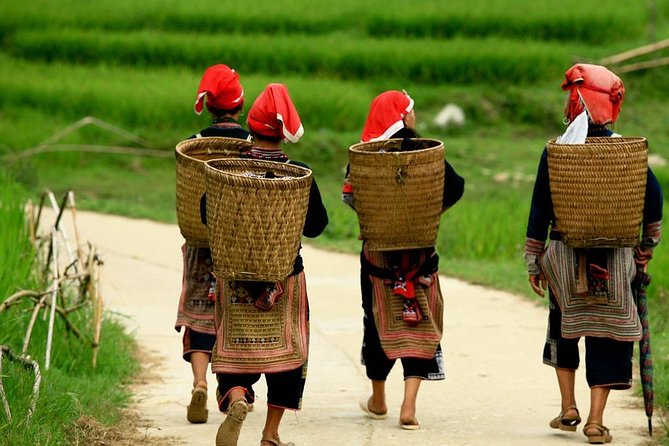
Before the tour ends, you can take a herbal bath at a Red Dao home. This is not included in the $38 price, so you pay separately.
The bath is presented as a traditional Red Dao remedy, and the guide explains its uses. It is a cultural experience as well as a chance to rest after a long walk. If you are interested, bring a change of clothes, which is listed among the recommended items.
Do not assume the bath is automatic or covered by your booking. It is an optional paid activity, and the supplied details do not state the additional price. Ask about the cost before you begin the bath so there are no surprises.
The tour description uses the word shower in one place and herbal bath in another. You should clarify the exact arrangement with the guide if this distinction matters to you. Either way, this is the day’s final cultural add-on, not a full spa visit.
Returning to Sapa after the walk

Transportation back to Sapa is included from the last village. Hotel pickup and drop-off are included for locations in central Sapa, while people staying outside the center should meet at Sapa Church.
The return transport is useful because the route is long and you may not want to walk back after Ta Phin. The tour lasts about six hours, but starting times vary, so check availability before booking.
The experience is offered as a private group. That gives you more room to ask questions and set a comfortable pace than a large shared excursion would, although the walking distance itself remains substantial.
If you need help reaching Sapa, the provider also arranges transport from Hanoi to Sapa and back. That service is separate from the trek, so ask for details before making plans.
What $38 gets you

At $38 per person, the tour offers solid value if you want a full day of walking and local interpretation. The price includes a local English-speaking guide, central Sapa pickup and drop-off, village entry fees, lunch, 1.5 liters of water, a raincoat, and the return ride from the final village.
The value is strongest when you use the tour as a countryside and culture day. You are not paying only for transport to a viewpoint. The price covers a long route through several communities, a meal, and explanations about Hmong and Red Dao life.
The price does not include the Red Dao herbal bath, personal insurance, extra drinks, or tips. The bath is the main extra expense directly connected to the advertised experience, so budget for it only if you decide to take part.
The tour also offers free cancellation up to 24 hours before the start and a reserve-now, pay-later option. Those terms give you some flexibility if your Sapa plans depend on weather or transport.
Who should book this Sapa trek?
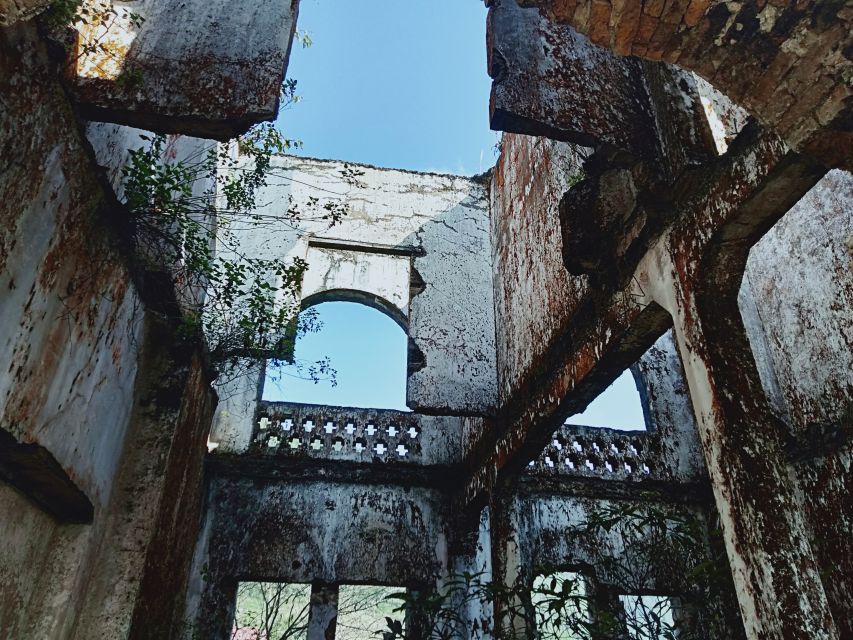
I would choose this tour if you want an active day outside town and care more about village life than comfortable sightseeing. It suits people who enjoy walking, asking questions, and accepting that rural visits can be quiet and unpredictable.
It is a good fit for:
- Fit walkers comfortable with a roughly 12-kilometer route
- People interested in Hmong and Red Dao culture
- Visitors who want terraces, bamboo forest, and village paths
- Anyone who prefers a private group and local guide
- People who like the idea of adding a traditional herbal bath
I would hesitate if you have limited mobility, dislike uneven rural walks, or want a short and easy outing. The tour is not suitable for wheelchair users or people with mobility impairments.
You should also reconsider if your main goal is a busy village market or a guaranteed display of local activity. Ta Phin and the other villages can be quiet. That is part of the appeal for some people, but it can feel underwhelming if you expect constant activity.
Practical packing advice for six hours
Wear comfortable clothes and sturdy walking shoes. A hat and sunscreen will help on exposed sections, while a raincoat is supplied by the operator.
Bring cash for the herbal bath, extra drinks, and any tips. Pack a change of clothes if you plan to bathe, and keep your luggage small because oversize bags are not allowed.
The most important preparation is physical. This is a long walk with hills, fields, and village paths. If you are unsure, ask about the route before booking rather than assuming the word trek means a light stroll.
Should you book the Red Dao Village Trek?
Book it if you want a reasonably priced, active route through Suoi Ho, Ma Tra, Can Ho, and Ta Phin, with local explanations and a chance to add a Red Dao herbal bath. The strongest features are the countryside views, the local guide connection, the lunch stop, and the chance to learn about customs that are easy to miss on a quick village visit.
Skip it if you need an easy walk, guaranteed village activity, or an all-inclusive herbal bath. For a fit walker who wants a full day beyond Sapa’s center, this is a practical choice. Just treat the 12-kilometer distance seriously, carry cash, and confirm the bath price before you settle in.
FAQ
How long does the Red Dao Village Trek take?
The experience lasts about six hours. Starting times vary, so check availability for the date you want.
Where does the tour start?
Pickup is available from your hotel in central Sapa or from Sapa Church. If your accommodation is outside central Sapa, you should meet the guide at Sapa Church.
Where does the tour finish?
The tour returns to Sapa. Transportation back to Sapa is included from the final village.
Which villages does the route visit?
The route includes Suoi Ho, Ma Tra, Can Ho, and Ta Phin. Suoi Ho and Ma Tra are Black Hmong communities, while Ta Phin is home to Red Dao and Black Hmong people.
Is lunch included?
Yes. Lunch at a local restaurant is included in the tour price.
Is drinking water included?
Yes. The tour includes 1.5 liters of water per person.
Is the Red Dao herbal bath included?
No. The herbal bath is optional and must be paid for separately at the Red Dao home.
Is the tour suitable for people with mobility impairments?
No. The tour is not suitable for wheelchair users or people with mobility impairments.
What should I bring?
Bring comfortable shoes, comfortable clothes, cash, a hat, a change of clothes, and sunscreen. The change of clothes is especially useful if you take the herbal bath.
Can I cancel the tour?
You can cancel up to 24 hours in advance for a full refund. The tour also offers a reserve-now, pay-later option.
More Homestay Treks in Sa Pa
- Muong Hoa Valley Trek & Homestay Experience – 4D3N
★ 5.0 · 42 reviews - Private Hoang Lien National Park & Tribal Village Trek
★ 4.7 · 30 reviews - Sapa: 2-Day Local Guided Valley Trek with Night Homestay
★ 5.0 · 27 reviews - Sapa: Ta Phin Village Trek & Red Dao Herbal Bath
★ 5.0 · 22 reviews
Recently added around Sa Pa
- Soob Sapa Trekking Tour★ 4.3 · 3 reviews
- Sapa Trekking – Waterfalls And H’mong Villages★ 5.0 · 2 reviews
- Sapa: Trekking Through Terraced Rice Fields & Valley 1 Day★ 4.8 · 4 reviews
- Sapa: Y Linh Ho – Lao Chai, and Ta Van Trekking Day Tour★ 5.0 · 25 reviews
- Sapa Trekking Private Tour With Ethnic Female Tour Guide★ 4.9 · 24 reviews
- Sapa Trekking Guide Francophone 2 days – 1 night★ 5.0 · 2 reviews
- Sapa: Ta Phin Village Trek with Lunch and Bathing Experience★ 4.7 · 13 reviews
- Sapa small groupe activities: 1 Day trek – Meet the locals★ 4.7 · 3 reviews
Homestay & Village Treks, compared.
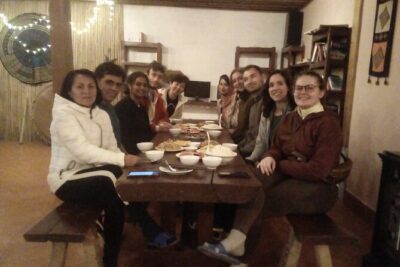
Number one top rated ethical cultural trekking and homestay by ETHOS
Read our review →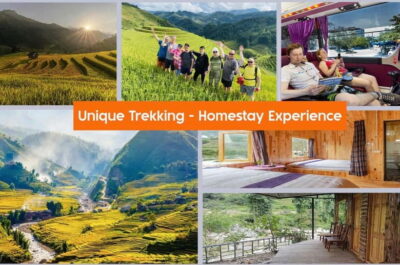
2-Day Sa Pa Ethnic Homestay Tour & Trek with Limousine Bus
Read our review →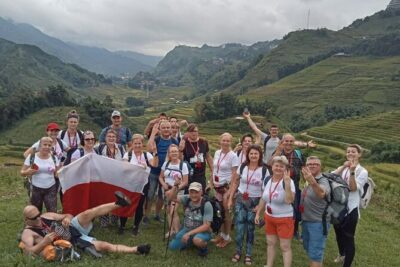
Sapa 3 Day 2 Night Trekking With Hotel & Homestay
Read our review →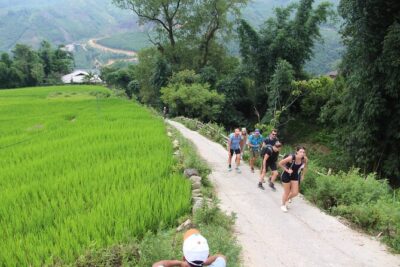
Sapa 2 Days 1 Night Overnight At Local Homestay
Read our review →
2-Day Trekking Trip with Ethnic Minority Homestay
Read our review →
2-Day Trek & Heartwarming Homestay with an Ethnic Family
Read our review →Browse the lists this tour appears in