
REVIEW · PERU
From Cusco: Salkantay trek 5 days/4 nights meals included
High passes, jungle, and Machu Picchu. This five-day Salkantay trek packs Peru’s sharpest changes of scenery into one demanding route, from icy mountain air to warm forest trails. I especially like the small group of up to 18 people and the care put into meals, with a professional cook preparing four breakfasts, lunches, and dinners. The main drawback is the physical effort: long uphill and downhill walks, early starts, high altitude, and a final climb to Machu Picchu make this a poor match for anyone short on hiking fitness.
At $460 per person, the trip offers strong value for a guided trek, since it includes transport from Cusco, camping, an Aguas Calientes hotel, meals, the Machu Picchu entrance ticket, and the guided citadel visit. One important detail is to budget extra for the Humantay Lake fee, hot springs, Machu Picchu bus, sleeping bag rental, and possible train costs. A verified booking from Germany praised the food, including a celebratory cake, but also noted that the guide was sick for part of the walk and gave fewer explanations than expected on the first two days.
Key points before you book
- The trek reaches 4,650 meters at Salkantay Pass, so altitude and stamina matter more than speed.
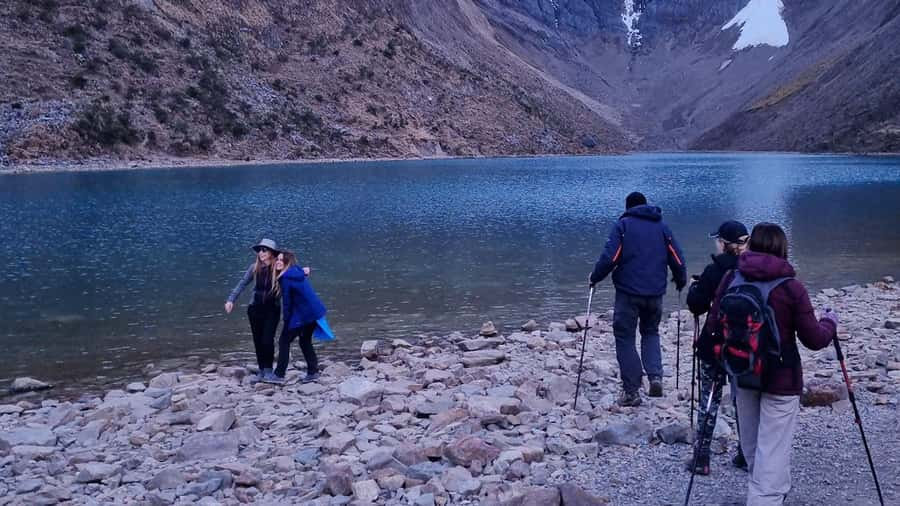
- Humantay Lake is an uphill start, followed by a two-hour descent to camp and lunch.
- The food earns special praise, with a dedicated chef and vegetarian or vegan meals available at no extra charge if requested.
- The route changes dramatically, moving from high mountain scenery through the Salkantay Valley and into warmer jungle country.
- Day four includes Llactapata views of Machu Picchu, then a three-hour walk beside the railway to Aguas Calientes.
- The final morning begins around 4:00 a.m., followed by a steep one-hour stair climb to Machu Picchu’s main gate.
What the $460 price really covers
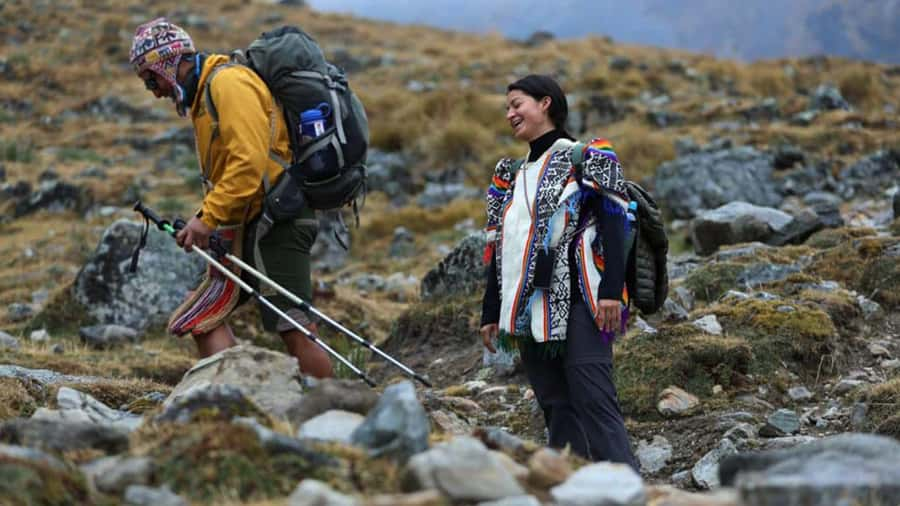
The price is attractive because this is not simply a walk with a guide. You receive hotel pickup in Cusco, private transport to the trail, a professional English and Spanish speaking guide, a chef and kitchen team, camping equipment, meals, Machu Picchu admission, and a guided visit of the citadel.
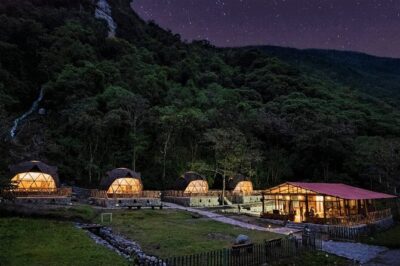
Three nights are spent camping, with one night in a hotel in Aguas Calientes. The first two nights include Mountain Sky cabins with thick mattresses, glass doors, and night and panoramic lighting. A personal double-foam pad, 2.5 inches thick, is also included. The description does not make every sleeping arrangement perfectly clear, so I would ask the operator exactly which nights use cabins and which use standard tents before departure.
A seven-kilogram duffel is provided for belongings carried by horses during the first three days. You still need a daypack for water, sunscreen, rain protection, a camera, and anything needed during the day. Pack lightly. Seven kilograms disappears quickly once you add warm clothes and toiletries.
The extras are not huge, but they add up. The Humantay Lake entrance fee is 20 soles. A sleeping bag costs $10 to rent if you do not bring one. The bus between Aguas Calientes and Machu Picchu costs $24, and the Santa Teresa hot springs add $10 for entrance and transport. Travel insurance and extra activities are not included.
The return from Aguas Calientes to Cusco can be by train or by walking and car, according to your choice. Since the exact train arrangement and schedule are not given, confirm this before paying. At the base price, the package is good value, but you should not treat $460 as the final amount for every possible option.
More Inca Trail Treks in Peru:
- Salkantay Trek Challenge – 3 Days / 2 Nights
★ 5.0 · 101 reviews - Choquequirao Trek 4 days and 3 nights
★ 5.0 · 81 reviews - Machu Picchu: 5-Day Salkantay Trek with Panoramic Train
★ 5.0 · 79 reviews
Day one: Soraypampa and the climb to Humantay Lake
Pickup begins around 5:45 a.m. from your Cusco hotel. The early start is practical, not glamorous, but it lets you reach the trail before the day grows hotter. After about two hours by road, you stop in Mollepata for breakfast, then continue for roughly one hour to Soraypampa.
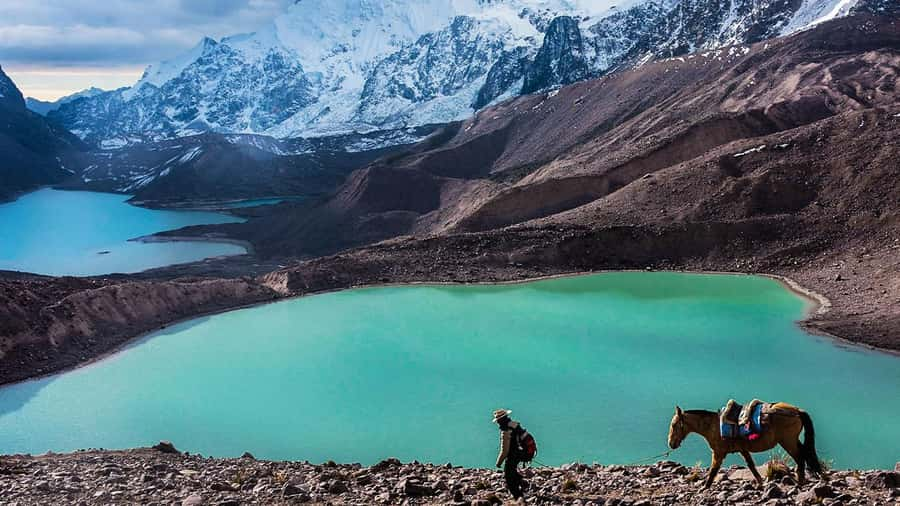
The first major walk is a two-hour uphill climb to Humantay Lake. The lake is one of the visual highlights of the route, but reaching it is not a gentle warm-up. You begin at high altitude, and the slope gives you little time to settle into the trip.
Take this section slowly. You do not need to race your group, and the guide can help you manage the pace. Sunglasses, sunscreen, a jacket, and water are essential because mountain conditions can change quickly.
After time at the lake, you walk downhill for about two hours to Quiswarniyoc for lunch. Downhill walking sounds easy until your knees begin to complain, especially after the morning climb. You then have free time to explore the area before spending the night camping.
The combination of a high lake, mountain scenery, and a quiet camp gives day one a strong sense of place. It also gives you an honest warning about the trek. If the first day already feels overwhelming, the Salkantay Pass on day two will be harder.
Day two: the Salkantay Pass at 4,650 meters
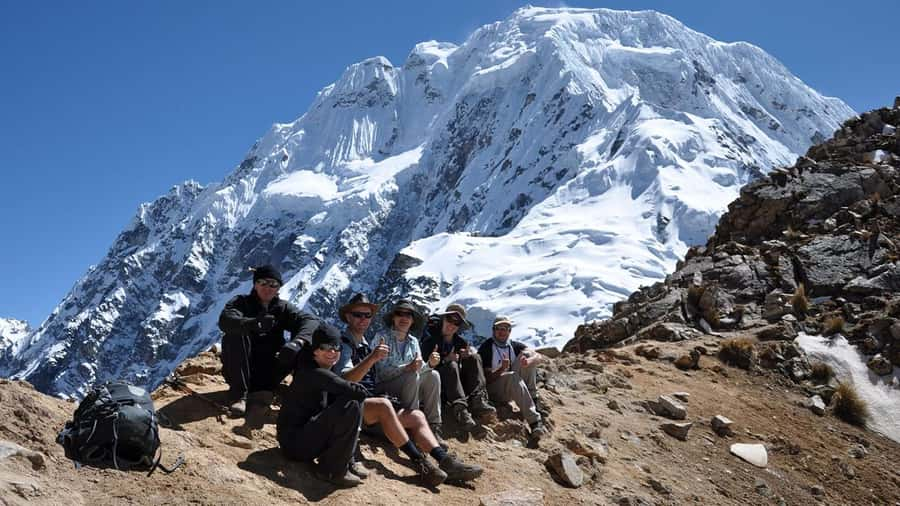
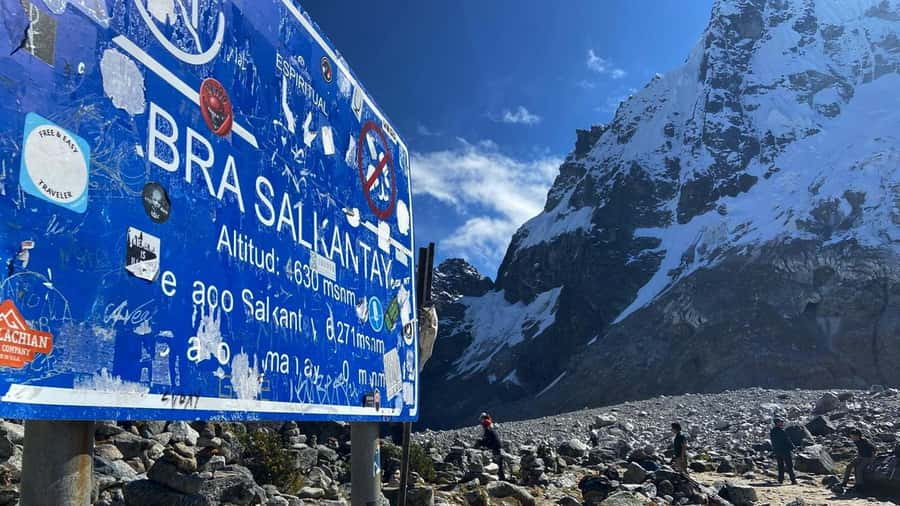
After breakfast, you walk for about four hours toward Salkantay Pass, the highest point of the entire route at 4,650 meters above sea level. This is the day that separates a scenic hike from a serious high-altitude trek.
The pass is the physical centerpiece of the trip. You get wide mountain views and a strong feeling of crossing from one climate zone to another. The route is not designed for a quick photo stop followed by an easy stroll. You must keep walking at altitude before beginning the long descent.
The descent to Chaullay takes another four hours. That is roughly eight hours of walking for the day, so good footwear is not optional. One booking specifically stressed that comfortable, sturdy shoes are a must. Hiking pants, long pants, a jacket, and layers will help you handle the change from cold high country to warmer lower ground.
At Chaullay, at about 2,900 meters, the team provides camping equipment, hot tea, and dinner. This is where the meal service becomes especially valuable. A hot drink and a proper meal mean more after a long day than they do at a restaurant in town.
The guide speaks English and Spanish, and the group is limited to 18 people. That is small enough to make communication easier than on a large coach tour, though it does not guarantee that the guide will walk beside every person at all times. The experience from one departure shows why it is sensible to ask how the group is supported if the main guide becomes ill.
Day three: from the Salkantay Valley to Santa Teresa
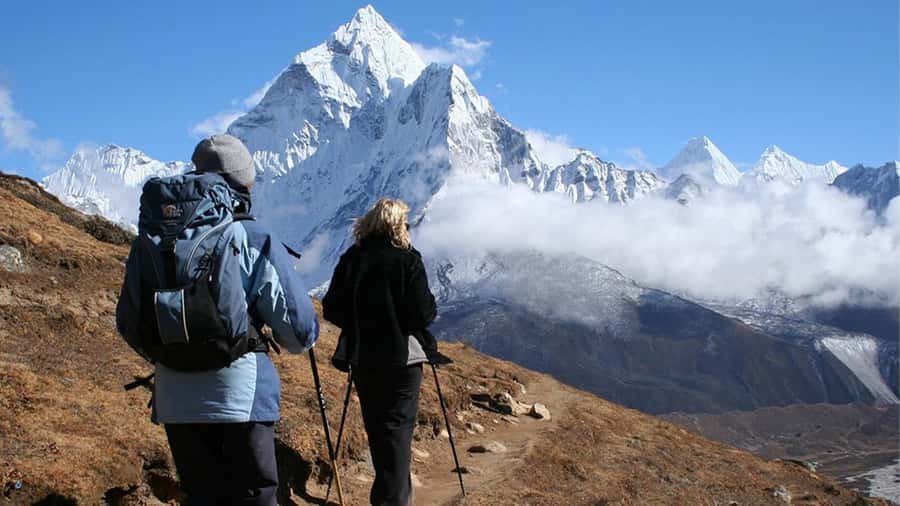
Day three begins with breakfast and a five-hour walk through the Santa Teresa Valley, shaped by the Salkantay River. The route shifts from cold mountain country toward warmer, more tropical surroundings. This climate change is one of the trek’s best features, since the scenery does not repeat itself day after day.
You finish the walking section at Playa Sahuayaco, then take tourist transport to Santa Teresa. A provided lunch follows at camp. Compared with day two, this section may feel less punishing, but five hours on foot still requires energy and steady pacing.
The optional stop is Colcamayo hot springs, about 15 minutes by car from the campsite. Entrance and transport cost $10. Bring swimwear if you plan to go. The springs are a sensible reward after three days of walking, but they are not included in the base price, so decide in advance if you want to carry the extra cash.
Camping in Santa Teresa also marks a useful change in rhythm. The high pass is behind you, and the trip begins to feel more connected to the Machu Picchu approach. Insect repellent becomes more important here, especially for anyone unused to warmer, wetter conditions.
A few more treks around Peru worth a look
- Ausangate Trek 5 Days
★ 5.0 · 74 reviews - Classic Choquequirao Trek – 5 Days / 4 Nights
★ 5.0 · 52 reviews - Ultimate Lares Trek & Inca Trail 5 days
★ 5.0 · 47 reviews - Salkantay Trek To Machu Picchu 5 Days And 4 Nights
★ 5.0 · 44 reviews
Day four: Llactapata, railway tracks, and Aguas Calientes
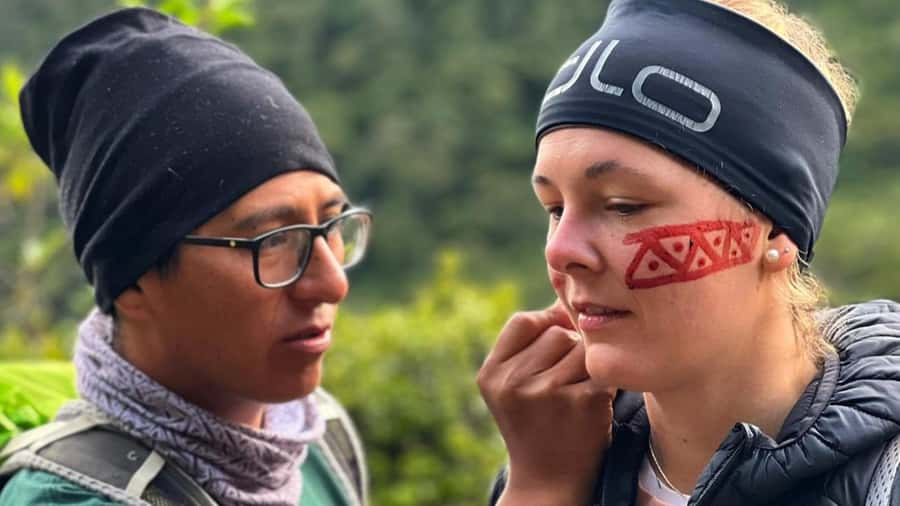
Breakfast is scheduled for about 5:30 a.m. You then ride for 45 minutes to Lucmabamba, where the day’s hike begins. The climb to Llactapata takes around three hours uphill.
Llactapata is special because it gives you views toward Machu Picchu and Huayna Picchu Mountain before you reach the main citadel. Seeing the destination from a separate Inca site makes the approach feel gradual and earned. It also helps you understand that Machu Picchu is part of a much larger mountain setting, not an isolated photo stop.
From Llactapata, you walk downhill for about two hours to Hidroeléctrica. After lunch, the route continues for three hours beside the railway tracks to Aguas Calientes. This is one of the trek’s more unusual sections. It is not a dramatic mountain path, but it provides a direct, low-level approach to the town.
The railway walk can feel long after the previous days, especially because the route is mostly about getting to Aguas Calientes rather than reaching another major viewpoint. Still, it gives you a clear sense of arrival. Once in town, you check into the included hotel, rest, and have dinner at around 7:00 p.m.
Do not plan a late night. The next morning begins before sunrise, and the final approach to Machu Picchu involves a steep climb.
Day five: the early climb into Machu Picchu
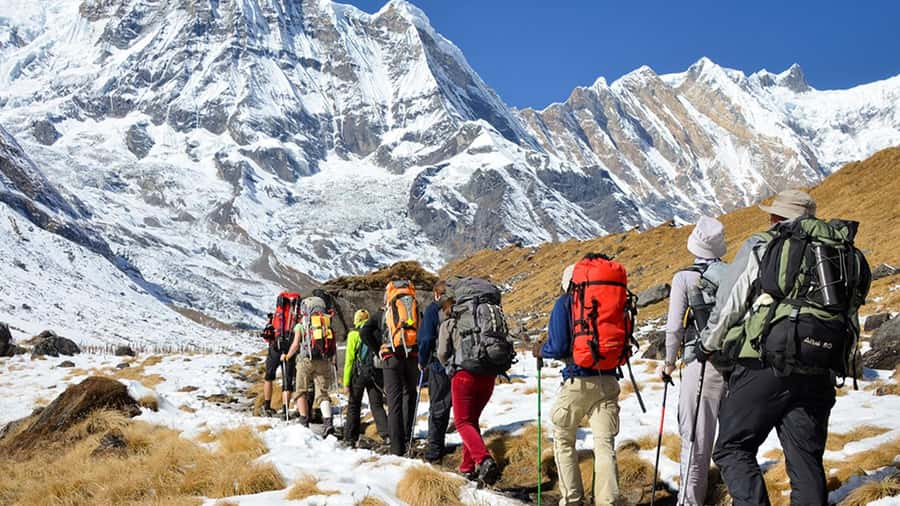
You wake around 4:00 a.m. and receive a packed breakfast. The walk to the Puente Ruinas checkpoint takes about 30 minutes. You must present your passport, Machu Picchu ticket, and student identification if applicable.
After the checkpoint, you climb stairs for about one hour to reach the main entrance at approximately 6:00 a.m. This stair route is demanding, particularly after four days on foot. The alternative is the bus between Aguas Calientes and Machu Picchu, which costs $24 and is not included.
The guided visit lasts around two and a half hours. The route covers the main square, urban sector, circular tower, solar clock, and Inca cemetery. A guide matters here because the citadel’s stonework and layout can otherwise become a series of impressive views without much meaning.
The ticket process can feel confusing. One booking described inconsistent information and some confusion while waiting for the Machu Picchu ticket arrangements. Keep your passport and documents easy to reach, listen carefully to the guide, and allow patience for the checkpoint.
After the visit, you return to Aguas Calientes before continuing to Cusco by train or by walking and car, depending on the option you choose. Confirm the return details before the trek, since the final transfer affects both your timing and the total cost.
The food and camping setup
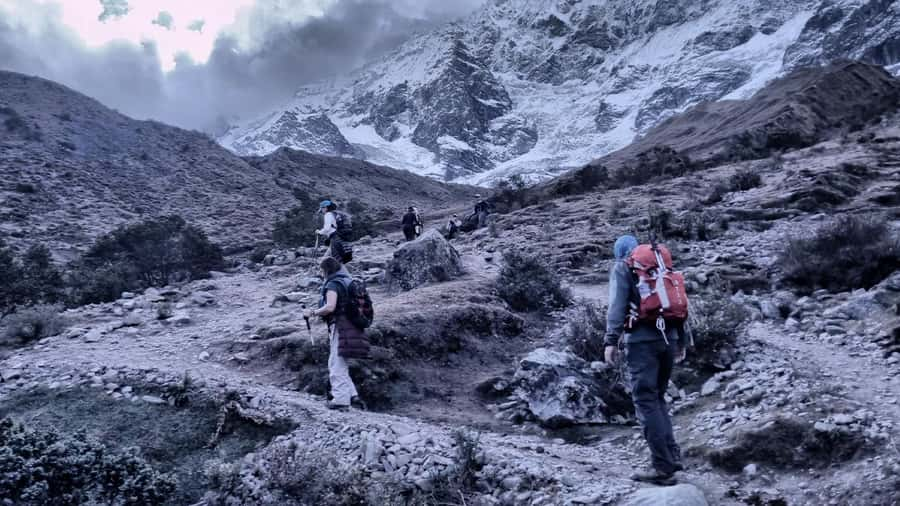
The strongest practical feature is the food. A professional chef and kitchen team prepare four breakfasts, four lunches, and four dinners. One booking gave the meals the highest praise and noted that the cook even prepared a cake at the end.
That level of cooking can make a real difference. You need regular meals after eight-hour walking days, and a dedicated kitchen team is more reassuring than relying on snacks alone. Vegetarian and vegan choices are available without an extra charge if you request them in advance.
The first two nights include Mountain Sky cabins with thick mattresses, glass doors, and lighting. You also receive a personal foam pad. Even so, bring or rent a sleeping bag. The trek reaches cold, high areas, and the operator lists a sleeping bag as an item to bring.
You should expect basic outdoor comfort rather than hotel service. Three nights are camping, and only the Aguas Calientes night is clearly a conventional hotel stay. Pack with that in mind, and keep your important items dry and organized.
Who should book this Salkantay trek?
I would recommend it to a fit hiker who wants Machu Picchu as part of a longer mountain experience. You should be comfortable walking uphill and downhill for several hours, sleeping outdoors, waking early, and handling big temperature changes.
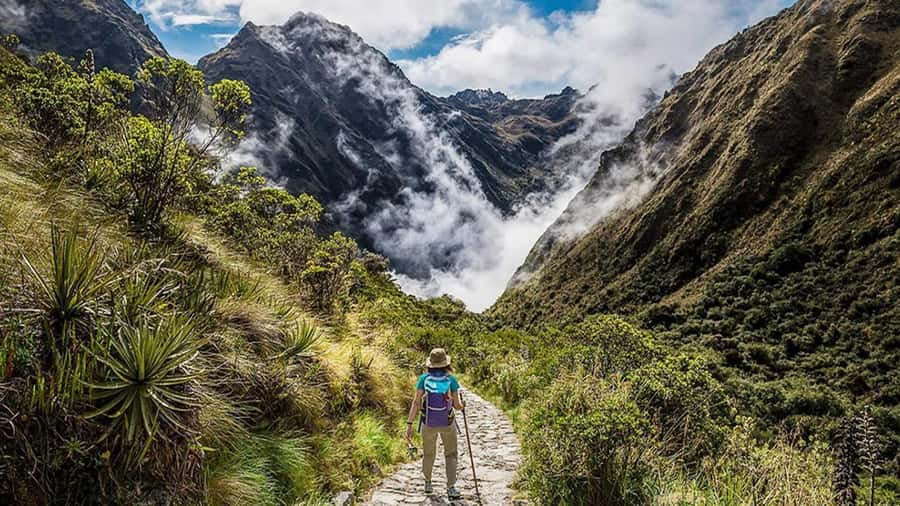
This trip suits you if you want more than a direct train ride to Machu Picchu. You get Humantay Lake, Salkantay Pass, the Santa Teresa Valley, Llactapata, and the railway approach. The route gives you a stronger sense of how quickly Peru’s climate zones change.
I would not choose it if you have limited walking ability, are pregnant, or dislike camping. The trip is also a poor choice if you need a slow, relaxed holiday. The highest point is 4,650 meters, and the schedule leaves little room for an easy day.
The guide service deserves a realistic expectation. The group size is reasonable, and English and Spanish support is included. Still, one departure had a sick guide who did not walk with the group for part of the route, and the explanations were thinner during the opening days. The guiding improved from day three onward, but you should ask how the company handles guide illness or a split group.
My verdict: good value for strong hikers
Book this trek if you want a demanding route with varied scenery, generous meals, camping, and a full Machu Picchu visit at a fair $460 starting price. The food, included services, and Llactapata approach add real value.
Skip it if you want a simple Machu Picchu holiday, dislike early mornings, or are unsure about high-altitude walking. Before booking, confirm the return transport, exact cabin and tent arrangements, and the extra fees. Pack serious footwear, a sleeping bag or rental budget, sun protection, insect repellent, and clothes for both cold mountains and warm jungle.
For the right person, this is not just a way to reach Machu Picchu. It is a five-day test of legs, lungs, and patience, with excellent meals waiting at the end of each hard day.
FAQ
How long is the Salkantay trek?
The experience lasts five days and four nights, including three nights camping and one night in a hotel in Aguas Calientes.
What is the highest point on the trek?
The highest point is Salkantay Pass at 4,650 meters above sea level.
Is Machu Picchu admission included?
Yes. The Machu Picchu entrance ticket and a guided visit of the citadel are included.
Are meals included?
Yes. The package includes four breakfasts, four lunches, and four dinners. Vegetarian and vegan meals are available at no extra charge if requested.
Is a sleeping bag included?
No. You can bring your own or rent one for $10.
How much is the Humantay Lake entrance fee?
The local government fee is 20 soles and is not included in the tour price.
Is the bus from Aguas Calientes to Machu Picchu included?
No. Transport between Aguas Calientes and Machu Picchu costs $24. You can also walk to the entrance.
What languages does the guide speak?
The tour provides a live guide in English and Spanish.
Can I cancel the booking?
You can cancel up to 24 hours before departure for a full refund. The reserve now and pay later option is also available.
Recently added around Peru
- 5 Day – Salkantay trek to Machu Picchu – Group Service★ 4.5 · 27 reviews
- Small Group: 4-Day Inca Trail Trek to Machu Picchu★ 5.0 · 33 reviews
- Salkantay Trek: 5 Days to Machu Picchu★ 5.0 · 33 reviews
- 6 day Rainbow Mountain x Ausangate Trek – FlashpackerConnect★ 5.0 · 30 reviews
- Humantay Lake Full-Day Adventure: Scenic Trek and Stunning Views★ 4.5 · 39 reviews
- Salkantay 5-Day Trek To Machu Picchu★ 5.0 · 39 reviews
- Inca Trail Trek to Machu Picchu – 2 Days (Small Group or Private)★ 5.0 · 31 reviews
- Ausangate and Rainbow Mountain Trek – 3 Days / 2 Nights★ 5.0 · 35 reviews
Machu Picchu & Inca Trail Treks, compared.
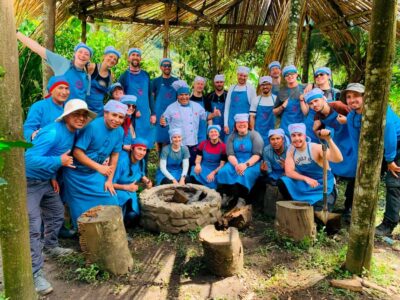
Machu Picchu: 5-Day Salkantay Trek with Panoramic Train
Read our review →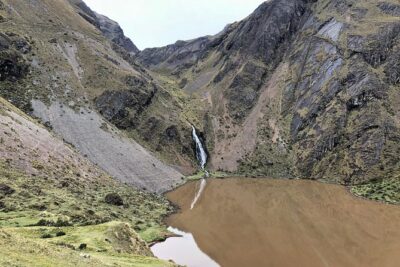
Ancascocha Trek To Machu Picchu 4 Days And 3 Nights
Read our review →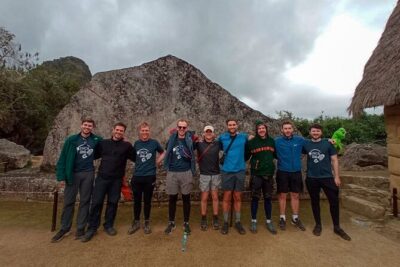
4 Day Inca Trail Trek to Machu Picchu Multi day tour
Read our review →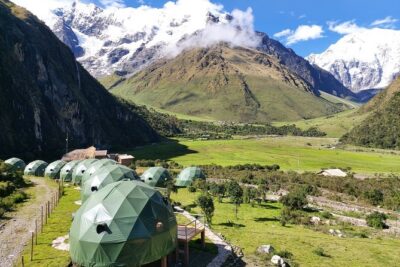
Salkantay Trek 4 Days to Machu Picchu by Glamping Sky Lodge Dome
Read our review →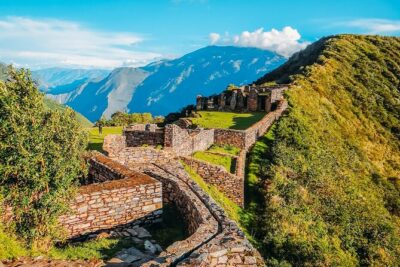
Browse the lists this tour appears in